BETA nonprofit public democratic european moderated

Search

#Sniper
Impact 5d

🚨🟡 ET COMME À SON HABITUDE, X RESTREINT NOTRE POST SUR GAZA 🇵🇸 Des contenus pornographiques peuvent circuler sur la plateforme, mais lorsqu’on publie des images montrant une mère abattue par l’armée israélienne et son enfant pris pour cible, notre publication est très vite censurée. Allez voir notre précédent post : la vidéo et les images y sont disponibles. Nous constatons désormais qu’il devient très difficile de publier sur X des vidéos ou des images sensibles concernant Gaza sans que leur visibilité soit presque immédiatement réduite. 👉 L’information que nous voulions vous montrer était celle-ci : Al Jazeera dévoile des images de février 2024 montrant des snipers israéliens abattre une mère et tirer sur son enfant dans le quartier de Sheikh Radwan, à Gaza. Toute personne qui tentait de s’approcher d’eux pour leur porter secours était à son tour prise pour cible. #Gaza #Censure #LibertéDeLaPresse

🇪🇺🇧🇦 MAKE 28 AUGUST THE EU DAY OF REMEMBRANCE FOR THE MARKALE MASSACRE On 28 August 1995, five mortar shells struck Sarajevo. One exploded near the Markale market, murdering 43 civilians and wounding dozens more. The massacre was part of the systematic shelling and sniper https://t.co/qZBaMzTlCR #MarkaleMassacre #EUDayOfRemembrance #Sarajevo #EU #BA

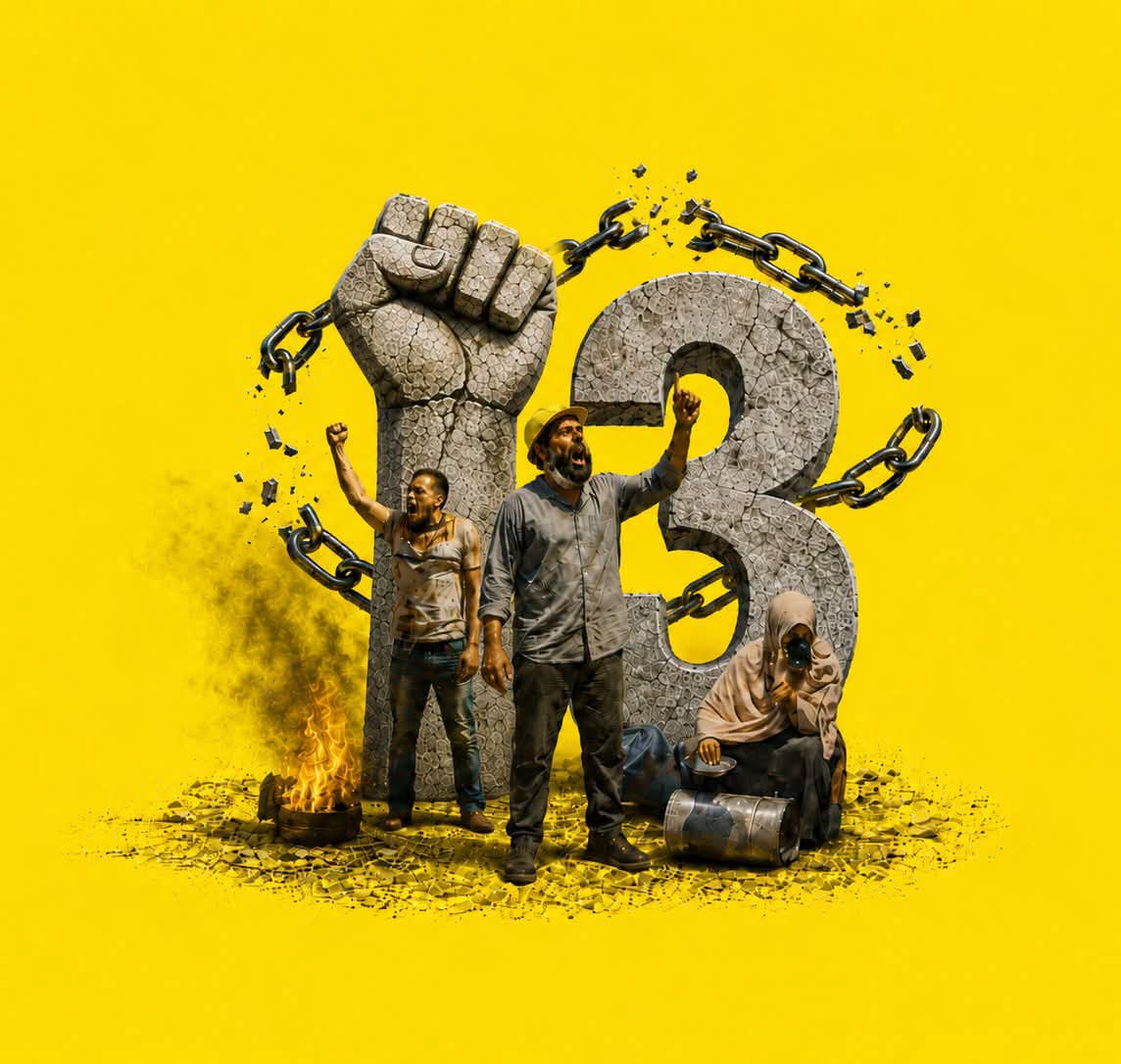
Rabaa: The Hour the World’s Conscience Stood Still On the anniversary of one of the largest single-day killings of protesters in modern history, one question remains unanswered: who will be held accountable? By Adham Hasanin Egyptian journalist and political writer, based in the Netherlands On 14 August, the anniversary returns of a day unlike any other in modern Egyptian history. Not simply because it was the bloodiest Egypt has known wars and massacres before and since ,but because it was the day a state chose to open fire on its own people in broad daylight, in front of the world’s cameras, and then let thirteen years pass without a single officer ever being held accountable. This article will not be a cold recitation of statistics, though the statistics exist, are documented, and are horrifying. It is an attempt to understand something deeper: how a square in the heart of Cairo, filled with tents, children, and worshippers, became the site of the largest mass killing the Arab world has witnessed in the past decade and why the echo of that day still reverberates in every Egyptian prison cell today. I. A Morning That Began Like Any Other For readers unfamiliar with the background: in July 2013, the Egyptian military, led by then-General Abdel Fattah el-Sisi, removed Mohamed Morsy Egypt’s first freely elected civilian president, a member of the Muslim Brotherhood who had taken office in 2012 following the 2011 uprising against Hosni Mubarak. In response, tens of thousands of Morsy’s supporters staged an open-ended sit-in demanding his reinstatement. By 14 August 2013, more than twenty thousand people had spent weeks camped out at two Cairo squares, Rab’a al-Adawiya and al-Nahda, in a peaceful sit-in. They were not an army, nor a uniform bloc; they were entire families men, women, and children, some affiliated with the Muslim Brotherhood, many simply ordinary citizens who saw the restoration of elected legitimacy as a cause worth the risk. There were tents for sleeping, communal kitchens feeding the demonstrators, speaking platforms, and a small field clinic that no one imagined would, within hours, become one of the most terrifying places in modern Egyptian history. In the early hours of that morning, Central Security Forces and army units, under the command of then-General Sisi, began what was officially described as a "dispersal" operation targeting both sit-ins simultaneously. It was not a dispersal in any ordinary sense of the word. According to a year-long investigation by Human Rights Watch, it was a pre-planned operation that anticipated, from the outset, thousands of deaths. II. The Numbers the Regime Refuses to Speak The Egyptian government, to this day, cites a death toll of "over 600" for that single day a figure that, even at its official lowest, is horrifying enough to warrant an independent international investigation. But the field investigation conducted by Human Rights Watch, drawing on field hospital records, survivor testimony, and analysis of video footage from dozens of angles, arrived at a far more disturbing figure: at least 817 people killed at Rab’a Square alone, with the true toll likely exceeding 1,000, plus another 87 killed at the nearby al-Nahda Square. When the deaths from the weeks surrounding 14 August are added from the dispersal of the Republican Guard sit-in on 8 July, through the Mansoura Street killings, to the dispersal of an October 6 march the combined total reaches at least 1,150 deaths in just six weeks, according to Human Rights Watch’s meticulous documentation. This figure led the organisation to use a term not deployed lightly in international law: crimes against humanity. Human Rights Watch described the Rab’a killings as "one of the world’s largest killings of demonstrators in a single day in recent history." Not in Egyptian history alone in modern history as a whole. What happened at Rab’a is cited in international reporting alongside China’s 1989 Tiananmen Square massacre. This is the true scale of what the Egyptian state has spent thirteen years trying to minimise, justify, and reduce to a mere "security incident" in a news bulletin. III. "All According to Plan" When Mass Killing Becomes Administration, Not Chaos The title Human Rights Watch chose for its detailed report on the massacre deserves lingering on: "All According to Plan." This is not an emotive headline; it is a precise legal conclusion built on field evidence. According to the investigation, what happened at Rab’a was not a dispersal operation that spiralled out of control amid chaos or panic, as the regime later tried to portray it. It was a carefully planned operation that assumed, in advance, massive casualties. Then-Interior Minister Mohamed Ibrahim admitted, in a televised interview broadcast on 31 August 2013 just weeks after the massacre that his ministry had anticipated losses of "10 percent of the people" present at the sit-in, acknowledging that the number of demonstrators exceeded twenty thousand. By simple arithmetic, this is an official admission that the state anticipated, in advance, the deaths of roughly two thousand people and proceeded with the operation regardless. This is the true horror at the heart of the Rab’a story: it was not a security operation that spun out of control, but a conscious administrative decision, made in an air-conditioned room, with advance calculations, by men who knew precisely how many human beings would die under their fire and who proceeded anyway, or perhaps because of it. According to Human Rights Watch’s analysis, the objective was to send an unambiguous message: whoever challenges the new state will pay an irreversible price. IV. Snipers, Women, and Children The Faces the Reports Do Not Tell Behind every number in the Human Rights Watch reports lies a full human story, deliberately omitted from the state’s official narrative. The investigation documented how security forces opened fire from multiple angles, and how snipers positioned themselves atop buildings surrounding the square, targeting according to survivor testimony and analysed video footage any movement in the square, regardless of whether it was an armed combatant or a nurse trying to reach a wounded person. According to documented testimony, entire families had their tents burn over their heads as fire swept through the sit-in. Doctors and paramedics were killed while trying to pull the wounded from the line of fire. Most damningly of all, the documentation shows deliberate targeting of ambulances and field medical points meaning that wounded people who survived the first bullet then faced death by bleeding out, because anyone attempting to save them was themselves a target. This detail the targeting of medics is what elevates the event from "excessive violent repression" to what human rights organisations have described as a systematic crime. When security forces target those trying to save the wounded, they are not merely dispersing a sit-in; they are preventing witnesses from surviving to tell what happened. V. Thirteen Years of Total Impunity The most painful part of the Rab’a story is not only what happened that day, but what has not happened in the years since. From 14 August 2013 to today, not a single officer, of any rank, has been held accountable for the deaths of hundreds, or thousands, of Egyptians. Quite the opposite: the state has moved to entrench impunity through the force of law itself. Egypt issued legislation granting senior military officers immunity from questioning over any violations that may have occurred following Morsy’s removal a law specifically designed to close the door on any future judicial accountability, regardless of how political circumstances might change. Even the fact-finding committee established by then-interim President Adly Mansour to investigate the June and July events concluded, in its report issued more than a year after the events, that the sit-in’s leaders bore responsibility for the deaths, on the grounds that they had allowed weapons into the square even as the same report admitted, in a glaring contradiction, that security forces had failed to target only armed individuals, meaning they had fired indiscriminately on everyone: armed and unarmed, man and woman, adult and child. This is the pattern that has repeated for over a decade: as each anniversary approaches, official statements re-narrate the events and shift blame onto the victims, while the actual perpetrators — those who planned the operation, gave the orders, and pulled the trigger — remain free. Some now occupy the highest offices of the state. VI. Why This Anniversary, Why Now? A reader might ask: why revisit this story after all these years? Has the world not moved on to newer crises? The answer lies in the very nature of impunity. When a state is never held accountable for the largest massacre of protesters in its modern history, it does not simply "forget" the crime it sets a precedent, telling every future ruler and every future security apparatus: mass killing is possible, politically profitable, and free of cost. This poisonous lesson does not remain confined within Egyptian borders; its echo reaches every Arab capital contemplating how to handle its own opposition. More dangerously, this system of impunity did not stop at Rab’a’s edges; it is the foundation on which Egypt’s entire subsequent decade of repression was built: thousands of political prisoners, grossly unfair mass trials that produced death sentences for dozens of defendants in cases linked directly to the Rab’a events themselves, laws criminalising peaceful protest, a muzzled press, and a civil society hollowed of substance. All of it traces back to the morning of 14 August 2013, when the state learned that overwhelming force succeeds, and that the world will condemn for a few days, then move on. VII. Delayed Justice Is Not Forgotten Justice Despite more than a decade of official silence and impunity, the Rab’a case remains alive in international legal memory. Human rights organisations, from Human Rights Watch to Amnesty International, continue to renew their annual calls for an independent international investigation, grounded in the legal principle that crimes against humanity are not subject to statutes of limitation: delayed justice is not forgotten justice. The victims who fell in that square were not numbers in a statistical report. They were fathers who left behind children too young, that day, to understand why their father would never return. They were mothers who, thirteen years later, are still searching for a clearly marked grave to which they can carry flowers, and young people who had decades of life ahead of them that they never got to live. Their memory does not fade with time; it grows with their children, who carry with them the same question their parents asked before they were killed: when will justice come? Conclusion: What Does This Anniversary Demand of Us? Every year, as the anniversary of 14 August returns, the same question resurfaces one the Egyptian state refuses to answer: who gave the order? Who planned the operation? Who decided that twenty thousand human beings deserved to be shot with live ammunition because they staged a peaceful sit-in? This anniversary is not a call for vengeance, nor an invocation of the past for its own sake. It is a reminder that justice, however delayed, remains a debt still owed. And that every instance of international silence over a massacre of this scale opens the door to the next one, elsewhere, under a different pretext, carrying the same lethal conviction: that the world will condemn for a week, then forget. We will not forget. And we will not stop asking the question that unsettles everyone who took part in that crime, regardless of the office they hold today: where is the accountability? Rab’a is no longer merely the name of a square in Cairo. In the conscience of everyone who believes in justice, it has become a test of the world’s conscience itself a test the world has not yet passed.

SZPERO 3w

Witam serdecznie nowego snipera! W końcu drużyna domknięta, czas przysiąść jeszcze mocniej do gierki 🤝 #gaming #sniper #team

Będę adwokatem diabła, ale postaram się jak najbardziej na chłodno Jeśli jest wojna, przyjmuje się inne ugrupowanie systemu Obrony Powietrznej. Na front wylegają wojska i wystawiają swoje, organiczne systemy przeciwlotnicze. Rozstawiając je w osłonie swojego ugrupowania, siłą rzeczy tworzą łańcuch ciągłej strefy ognia. Za nimi Siły Powietrzne ustawiają część swoich, wzmacniając tę barierę częścią swoich zestawów, na najważniejszych, decydujących kierunkach. To pierwsza zasłona. Tu strzela się od razu, bez pytania, bez zbędnych ceregieli, wali się do wszystkiego co podchodzi i nie identyfikuje się jako swój. Czasem trafia się w swojego z powodu np. awarii transpondera - koszty wojny. Dalej hasają myśliwce. Najczęściej są w powietrzu więcej niż na ziemi. Oczywiście przydają się tankowce, żeby mogły wisieć długo bez lądowania. Ich ataki są rozciągnięte w przestrzeni, bo tak działa myśliwiec, musi ustawić się w tzw. strefie możliwych ataków w przedniej lub tylnej półsferze celu. Strefa martwa do rejonu z boku celu z daleka. Z bliska wskazuje się cel celownikiem nahełmowym, a wysoce manewrowe rakiety do walki na małej odległości robią swoje. Z daleka - strefy boczne są "martwe", trzeba wyjść na spotkanie celu pod kątem do 50-60 stopni max, albo z tyłu w leju o podobnej średnicy, do jakichś 60 stopni po bokach (mowa o strzelaniu z daleka). A zatem myśliwiec musi dolecieć w rejon celu i zająć odpowiednią pozycje. Czas płynie, cel leci. W pobliżu najważniejszych obiektów Siły Powietrzne stawiają kolejne systemy przeciwlotnicze tzw. obrony obiektowej. To są strefy MEZ (Missile Engagement Zone) wyłączone z działania myśliwców lub JEZ (Joint Engagement Zone), jeśli myśliwce mogą tam warunkowo operować, np. powyżej pewnej wysokości lub za zgodą zmiany dyżurnej stanowiska dowodzenia sektora, biorącego odpowiedzialność za to, że rakiety z ziemi nie będą odpalane w czasie operowania własnego myśliwca. Kiedyś te stanowiska dowodzenia to PłSD (Połączone Stanowiska Dowodzenia), a dziś to ODN (Ośrodek Dowodzenia i Naprowadzania, w NATO CRC - Controlling & Reporting Center). Ich pracą zarządza dziś COP (Centrum Operacji Powietrznych w Pyrach w W-wie, a wielonarodowe NATO to CAOC - Combined Air Operations Center). A teraz identyfikacja. W czasie pokoju obowiązuje zasada sprawdzenia (choćby kamerą termowizyjną zasobnika Sniper) czy ta plamka na radarze, to nie jest: 1. własny myśliwiec, drugi z pary, który gdzieś jest w pobliżu ale w nocy niekoniecznie go widać w luźnym taktycznym szyku; 2. sojuszniczy myśliwiec lub ukraiński myśliwiec 3. samolot pasażerski na przedłużeniu namiaru na pocisk, a system podaje położenie pasażera z notą o wysokości pocisku, które są na tym samym kierunku w podobnej odległości (to się zdarza!) W czasie wojny: 1. Wali się po pobieżnym sprawdzeniu proceduralnym bez VID (identyfikacji wzrokowej), jak się trzaśnie w swojego (co się w Ukrainie zdarzyło co najmniej trzy razy, a Rosjanom to z pięć jak nie lepiej) to ch.., jest wojna; 2. Nie plączą się samoloty pasażerskie; 3. Jak się zestrzeli w strefie średnio zaludnionej (gęste wioski) to trudno, jak własna rakieta czy zestrzelone szczątki rozdupczą chałupy czy stodoły, pozabijają ludzi, to ch.., jest wojna. Unika się (a i to nie zawsze!) strzelania nad miastem. 4. Wzdłuż linii frontu stoi ile się da zestawów przeciwlotniczych tworzących ciągły łańcuch strefy ognia. To one stanowią wstępne sito, odsiewając co się da. Co przeleci dalej, za tym ganiają myśliwce. Część zestrzeliwują relatywnie szybko (do 100-150 km od linii frontu, średni czas dolotu do miejsca przechwycenia, manewr do ataku, odpalenie rakiet), część średni daleko bo akurat myśliwce były dalej, a część przelatuje nawet 600 km przez 45 minut. A część niestety trafia w cele. Tak to działa. Jeśli ktoś nadal uważa, że powinni strzelać bez identyfikacji, to opiszcie proszę sposób tłumaczenia się prokuratorowi: czy dokonałeś VID zgodnie z przepisami czasu pokoju, gdyby pocisk spadł na chałupę po zestrzeleniu i zabił ludzi. Jako swój własny adwokat, wygłoś proszę mowę obrończą, zanim tak po prostu napiszesz, że powinni. Na zdjęciu - wyrzutnia przeciwlotniczego systemu rakietowego 2K12 Kub Wojsk Lądowych na pozycji bojowej w czasie ćwiczeń. Fot. Michał Fiszer Jeśli chcecie, żebym poświęcał swój czas na te wpisy, jeśli w ogóle chcecie je czytać, to poproszę o kawkę. To tylko kilka złotych, a mnie rekompensuje włożony w tę pracę czas. https://t.co/pPHnCSlfpS #wojna #obrona #wojsko

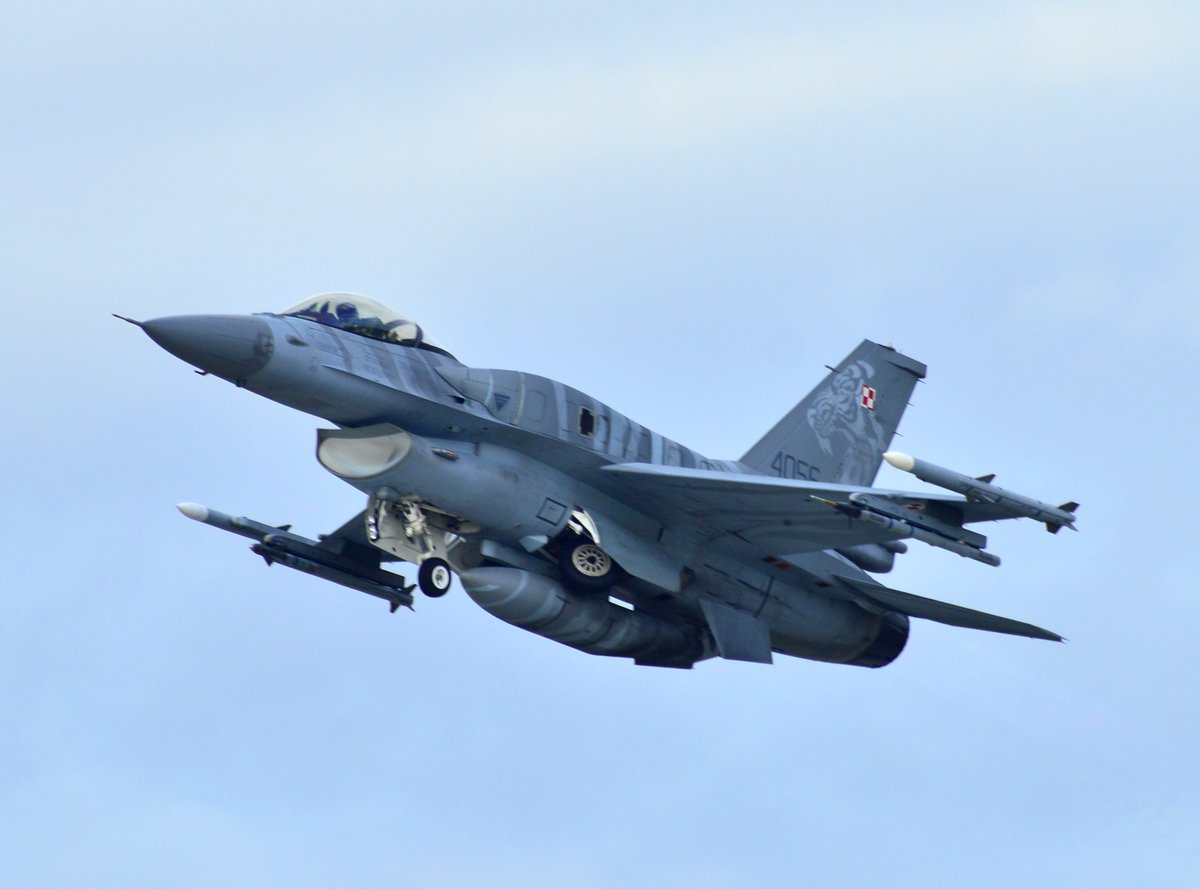
Już bardziej na spokojnie kilka słów Wiedziałem: dlaczego nie zestrzelono? Najprostsza odpowiedź: bo nie jesteśmy w stanie wojny. Co się robi na wojnie? 1. Zamyka się przestrzeń powietrzną nad państwem. Tylko specjalne loty i specjalne zezwolenia na loty w szczególnych warunkach. Latają służby państwowe, wojsko, LPR, SG, Policja, w ścisłej wojskowej koordynacji. Cywilni kontrolerzy mają wolne, albo idą w kamasze, choć specyfika kierowania lotami wojskowymi, grupowymi, przechwyceniami, itp. to rzecz w której trzeba by ich wyszkolić. Oczywiście sto razy łatwiej niż człeka z ulicy. Aerokluby, użytkownicy prywatni, przewoźnicy, agro, zagranica - stoi. Nie ma. Zaorane. 2. Wyprowadza się wszystkie jednostki przeciwlotnicze i stawia na pozycjach polowych. Komuś w rzepaku, a komuś za lasem, na łące - krowy won. I codziennie manewr na nowe pozycje. Gąsienicami lub ciężkimi na kołach. Po polach, po zbożu, ziemniakach i pietruszce. 3. Samoloty myśliwskie dyżurują w powietrzu w wyznaczonych strefach, tankowiec wspiera. Co wlatuje to kraju, a będzie tego dużo na wojnie, walimy jak leci. Komuś spadnie na dom, komuś rakieta rozpieprzy stodołę. Tu zginą ludzie i tam. Ale oczywiście więcej będzie ginąć od trafień pocisków czy dronów, bo wszystkiego zestrzelić się nie da. Codziennie coś gdzieś będzie trafiać, a od czasu do czasu komuś przez okno wleci własna rakieta przeciwlotnicza i rozwali coś więcej, niż meblościankę. Ale jest pokój. Nie walimy salwami do wszystkiego co się rusza w powietrzu aż wióry lecą, nie rozstawiamy baterii rakiet wzdłuż granicy, i pozwalamy na wiele różnych lotów nad Polską. W takich warunkach nie strzelamy do wszystkiego co nie odpowiada na sygnały identyfikacji. Oczywiście w zaistniałej sytuacji był to na 90 procent pocisk. NA DZIEWIĘĆDZIESIĄT... A co jak nie? Dlatego jest wymóg wzrokowej identyfikacji (VID - Visual ID). Jest noc, więc normalnie się nie da, ale F-16 ma zasobnik celowniczy Sniper. Jak przechwyci radar, to może go slejwnąć (slave mode - zakres "niewolniczy", kiedy radar odwraca układ optyczny zasobnika na cel który sam widzi) jego termowizorem na wskazany kierunek. Wąski szpaler powiększonego obrazu trafia na ekran w kabinie, albo z kamery pracującej w podczerwieni, albo z telewizyjnej jak się da. Pilot patrzy i widzi: dobra, pocisk, strzelamy? W czasie pokoju są sektory, tu strzelamy, bo pusto, a tu nie - bo wiocha obok wiochy, albo miasto. Z tego co powiedział Dowódca Operacyjny gen. dyw. pil. Ireneusz Nowak, to do identyfikacji zabrakło 1-2 minut i zapewne padła by komenda na zestrzelenie, bo 2,5 minuty lotu pocisku dalej na zachód jest Kraśnik, a w nim zakład zbrojeniowy. Choć pocisk nie leciał dokładnie w tamtym kierunku, według wróżenia z fusów na podstawie ukraińskiej mapy (na ile prawdziwej? Wygląda git, ale pewności nie ma) pocisk leciał od strony Lwowa i zmierzał w kierunku tak między Opole Lubelskie - Kazimierz Dolny. Nad Lwowem zestrzelono sporo tych pocisków, bo poszło ich na rejon miasto sporo. Tego też gonił ukraiński myśliwiec, ale nie zdążył, musiał odejść na 20 sekund przed polską granicą, bo by wleciał do nas. Polski samolot właściwie wychodził na pozycje do identyfikacji i strzału, ale w tym momencie pocisk spadł sam z siebie. Rozważałem trasę w kierunku Kaśnika, ale wtedy poszedłby nad Zamościem, a tu zapewne stał w gotowości 18. Pułk Plot z "Małą Narew". Dziwie się, dlaczego nikt nie zapytał z dziennikarzy, czy pułk (choćby jedną baterię ogniową) został postawiony w gotowość operacyjną, czy nie. Ale nikt o to nie zapytał na konferencji z MON czy DORSZ, nie mogę tego zrozumieć dlaczego. Nie oczekujcie, że wszystko co wleci będzie zestrzeliwane zaraz za granicą, tak się nie da. Popatrzcie na Ukrainę, jak jest nalot, to wiele środków napadu powietrznego jest zestrzeliwanych daleko w głębi kraju, a co najmniej 10-20 % i tak trafia w cele. Te wieczne trafienia w całej Ukrainie dedykuje tym, co publikowali mapki "gdzie jest wojna, więc dlaczego ci ludzie wyjeżdżają z innych miejsc". Takie naloty na Ukraine to obecnie (od dwóch z górą lat) co drugi dzień. Loteria. Na kogo popadnie, na tego bęc. Tak wygląda wojna. I teraz pytanko. To jak ludzie chcą. Strzelamy, ale potem żeby nie było płaczu jak zestrzelona rakieta walnie w wieś i zabije 6 osób, czy niech leci, póki nie leci na miasto czy wielką wieś? Sam nie odpowiem. Na szczęście, nie mnie o tym decydować. To trudna decyzja. Ale ogólnie, to wygląda mniej więcej tak. Na zdjęciu polski F-16 tuż po starcie z kierowanymi rakietami "powietrze-powietrze". Fot. Michał Fiszer PS. Przepraszam, że nie pluje na wojsko. Tak się złożyło, że nie wyrzucono mnie z WP, nie odszedłem w atmosferze skandalu, z ciężkim żalem, z urazą, czy coś takiego. Miałem w porządku dowódców, nikt mi nigdy w wojsku krzywdy nie zrobił, wręcz przeciwnie - moje autystyczne dziwactwa były tolerowane. Nie mając żalu, frustracji, niespełnionych ambicji, odszedłem bo chciałem co innego robić, a wojsko wspominam z sentymentem i radością, Dlatego nie wylewam żali, nie biorę rewanżu, nie tryskam żółcią. Przykro mi. Jeśli chcecie, żebym poświęcał swój czas na te wpisy, jeśli w ogóle chcecie je czytać, to poproszę o kawkę. To tylko kilka złotych, a mnie rekompensuje włożony w tę pracę czas. https://t.co/pPHnCSlfpS #wojna #pokój #bezpieczeństwo

Terreno Viral Jul 27

Auron quedó muy sorprendido con el unboxing de la hermana de Marta Díaz en La Velada: “Es algo increíble, nuevo concepto. El ‘unboxing de hermana’ me parece un concepto desbloqueado. No deja de ser gracioso. O sea, en sí me parece gracioso. ‘Hola, buenas, vengo a pelear y de paso unboxing de hermana’, que me acaba de llegar por Amazon. Me parece gracioso.” “A ver, amigos, a ver: tu hermano es Alpha Sniper, tu hermana es Marta Díaz. ¿Qué queréis, que se dedique a llevar autobuses? Hombre, pues a lo mejor no, ¿no? Querrá vivir del negocio. Yo tengo una teoría: yo creo que la han creado, es un robot. Yo creo que no tenía hermana y la han creado. ¿Alguien sabía que tenía una hermana pequeña, amigos?” #Unboxing #AuronPlay #Hermanos

Rеvеn Jul 26

230.000 seguidores en menos de 12h. Tiktok e IG hechos ✅. En la familia Sniper pillar una pala es pecado mortal. https://t.co/syqreMPjez #SocialMedia #Crecimiento #TikTok

THE MASSACRE OF MAIDAN On February 20, 2014, snipers opened fire on the Maidan, killing more than 100 people – both protesters and police. These people were the "Heavenly Hundred" whose deaths justified the overthrow of the president. (translated)
Tydzień tryoutów zakończony! Intensywnie było bardzo, ale i mega produktywnie. Teamek prezentuje się następująco: beznazwy: 🇵🇱 izak, 38,5 lat - IGL 🇵🇱 mrouz, 23 lata - sniper 🇵🇱 eskyy, 23 lata - starplayer 🇵🇱 Mopo, 22 lata - entry 🇵🇱 Abyzou, 20 lat - kotwica Dzięki wszystkim, którzy wzięli udział w tryoutach i wszystkim, którzy śledzili te streamy! Było dużo więcej funu niż się spodziewałem! Jutro zaczynamy treningi i lecimy! #Gaming #Esports #Tryouts

A tady známý bojovník ruské propagandy uvažuje nad tím, že by rád využil své sniperské schopnosti. Jestli ho samozřejmě bude někdo potřebovat. Pojďme všichni Voloďovi popřát, aby se o něj někdo přihlásil a on mohl hrdinně, padnout za matičku Rus poté, co mu ukrajinský dron roztrhne prdel. #Propaganda #Snipers #Rusko

For every human being, there is less risk of being killed by a bombing or a sniper in Tel Aviv than in Gaza. (translated)

Al Jazeera journalist whom Mamdani mourned was allegedly Hamas sniper: IDF claims https://t.co/PY2qxK31XX #AlJazeera #Hamas #IDF #IL #QA

Italská policie provedla razii v domě podezřelého ze "sarajevského safari". Během výslechu jeho manželka prozradila, že jí řekl, že trpí nočními můrami, protože v 90. letech zabíjel lidi v Bosně a Hercegovině. Snipeři-turisté zabíjeli lidi během válek v bývalé Jugoslávii. #Bosna #Války #ItalskáPolicie

D
der Standard Jun 17

Im Skandal um italienische Kriegstouristen, die während des Sarajevokriegs Zivilisten erschossen haben sollen, wurden in Mailand neue Ermittlungen gegen vier Verdächtige eingeleitet, wobei bei einem von ihnen Beweismaterial, inklusive einer Fotografie und einem Schalldämpfer, sichergestellt wurde. #SniperTouristen #Sarajevo #Kriegsgeschichte

"Sniper-Touristen" in Sarajevo: Weitere Ermittlungen in Norditalien

🚨🇧🇪 Today, the #HindRajabFoundation filed a criminal complaint in Belgium against Alon ben Sira, a Belgian-Israeli dual national who served as a sniper in the Israeli army's Ghost Unit in Gaza. The complaint is supported by victim testimony and documented evidence, including the https://t.co/hs1ZC2RT3d #Belgium #HumanRights #Justice #BE #IL #GA

🚨🇧🇪 Today, the #HindRajabFoundation filed a criminal complaint in Belgium against Alon ben Sira, a Belgian-Israeli dual national who served as a sniper in the Israeli army's Ghost Unit in Gaza. The complaint is supported by victim testimony and documented evidence, including the https://t.co/cqWbL2QOqc #HindRajabFoundation #Belgium #Gaza #BE #IL #GA

BBC Jun 17

The FBI arrested five men who plotted an attack on a UFC event at the White House, involving explosive drones and snipers, aiming to target high-profile individuals including President Trump, during a gathering that coincided with his 80th birthday celebration. #FBI #UFC #TerrorThreat

Group planned to attack White House UFC event using snipers and drones, FBI says
La Libre.be Jun 17

Un journaliste palestinien et la Hind Rajab Foundation ont déposé une plainte auprès de la justice bruxelloise contre un Belgo-Israélien, identifié comme sniper de l'armée israélienne, pour crimes contre l'humanité, l'accusant de graves violations du droit international humanitaire après que le journaliste ait été blessé par un tir de sniper lors de ses reportages à Gaza. #GuerreMoyenOrient #CrimesContreHumanité #Justice

Guerre au Moyen-Orient : nouvelle plainte pénale contre un Belgo-Israélien pour crimes contre l'humanité
L
Le Soir Jun 17

Un journaliste palestinien, Mohammed Alhelou, et la fondation Hind Rajab ont déposé une plainte contre un Ucclois, A.B., accusé de crimes contre l'humanité pour ses actions en tant que sniper de l'armée israélienne à Gaza. #Gaza #DroitsHumains #Journalisme

Un journaliste palestinien dépose plainte contre un Ucclois pour crimes contre l’humanité à Gaza