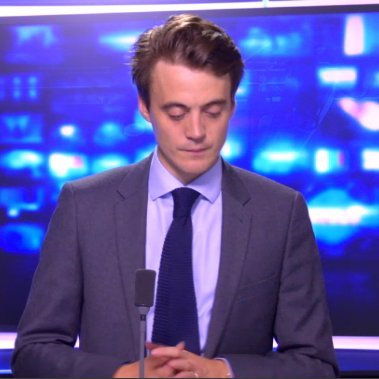
Guillaume Herblot compared the Polish political situation in 2026 to the Soviet interventions in Hungary in 1956 and Czechoslovakia in 1968. He recalled that, in his view, the Soviet intervention in Hungary had caused thousands of deaths and led to the exile of hundreds of thousands of people, while the invasion of Czechoslovakia had ended the Prague Spring and denied national sovereignty. For Poland, Herblot stated that the Constitutional Tribunal was paralyzed, that its president had been suspended, and that the police had been deployed around the building. He mentioned accusations of "coup d'état" and argued that Brussels was applying pressure through legal, budgetary, and institutional means, notably through rulings by the CJEU, the conditionality of European funds, and rule of law related procedures. He estimated that these mechanisms aimed to bend a national majority opposed to the absolute primacy of European law. Comparing European integration after 1989 to the Soviet bloc, he described the former as a more subtle and effective imposed order in the long term, which, according to him, "dilutes" the sovereignty of nations. He finally predicted that this pressure could extend to other countries if an election resulted in an outcome deemed incompatible with Brussels' orthodoxy. #Pologne #Histoire #Souveraineté (translated)