BETA nonprofit public democratic european moderated

Search

#passi

Je sais pas si c'est ma passion envers DBZ , ma PS5 PRO ou ma TV mais je suis éblouie par la beauté de Sparking Zero, graphiquement, les couleurs, l'aura, la fidelité à Dragon Ball pour de vrai si tu m'avais donné ce jeu à mes 15-16 ans ce serait la fin du monde mdrrr (Toujours en mode Hors ligne bien entendu) #DragonBall #PS5 #Gaming

Hat sich schon mal jemand Gedanken gemacht, was passiert, wenn unsere Kinder wegen des Klimawandels flüchten müssen? Werden sie willkommen sein? #Klimawandel #Flüchtlinge #Zukunft

Quando il silenzio diventa rumore: perché stiamo ignorando il grido che non esce 1. Introduzione: La tensione invisibile delle nostre giornate C’è un rumore bianco che satura le nostre vite, una frequenza costante che maschera un vuoto pneumatico. È la tensione invisibile che portiamo sotto la pelle, il peso di tutto ciò che scegliamo di non dire per non incrinare la superficie lucida delle nostre esistenze digitali. Siamo immersi in un paradosso: comunichiamo costantemente, ma evitiamo la verità.Oggi la ragione non viene smentita, viene peggio: subisce l' annegamento della ragione in un mare di stimoli irrilevanti. Ci muoviamo tra interfacce perfette e feed curati, ma dietro lo schermo la pressione sale. Cosa accade quando la capacità di analisi affoga sotto la tirannia dell'apparenza? Accade che smettiamo di vivere e iniziamo a resistere, in attesa di un crollo che sentiamo imminente ma che non abbiamo il coraggio di nominare. 2. Il paradosso del grido inespresso Il "grido che non esce" non è assenza di voce. È un accumulo tossico. È la paralisi comunicativa di una società che ha trasformato il conflitto in tabù e il disagio in un'anomalia da nascondere. Questa tensione non evapora; si sedimenta, diventa acida, divora le fondamenta del nostro equilibrio mentale."Il grido che non esce. La tensione che divora."Rimanere in silenzio è più pericoloso di una protesta urlata. Uno sfogo è un incendio che brucia e si spegne; la tensione repressa è un processo di combustione lenta che consuma l'ossigeno della nostra salute sociale. È un'energia incendiaria che non trova sfogo e che, inevitabilmente, trasforma l'individuo in una polveriera pronta a detonare al primo contatto con la realtà. 3. La diffidenza come barriera al dialogo Perché abbiamo smesso di cercarci davvero? L'incomprensione che ci isola non è un errore del sistema, ma una diffidenza sistematica che abbiamo introiettato. In un mondo di performance digitali, l'altro è diventato un giudice o un estraneo da cui difendersi, mai un interlocutore con cui rischiare il dialogo.In questo scenario, la superficialità dell'apparenza diventa il nostro bunker. Preferiamo la sicurezza di una bugia estetica alla complessità di un confronto reale. Ci rifugiamo nel non-detto, convinti che ignorare il baratro serva a non caderci dentro. Ma la ragione, quando affoga, trascina con sé ogni possibilità di soluzione razionale, lasciandoci in balia di istinti primordiali mascherati da civiltà. 4. La trappola dei bisogni manovrati Siamo pedine di un gioco di cui non possediamo le regole. Ci sentiamo persi e condizionati da un'architettura di "bisogni manovrati": desideri indotti da algoritmi che ci distraggono dalla nostra reale condizione di svuotamento. Questa manipolazione trasforma la nostra esistenza in un ciclo infinito di consumo e insoddisfazione.Il risultato è un futuro che spaventa, un orizzonte percepito come una minaccia immutabile. La disperazione mascherata nasce proprio qui: dalla consapevolezza, più o meno conscia, di aver barattato la propria libertà di scelta con la rassicurante inerzia dei condizionamenti esterni. Se non crediamo di poter cambiare il domani, smettiamo di abitarlo, diventando spettatori passivi del nostro stesso declino. 5. Il risveglio forzato della storia La storia non è un progresso lineare, ma un ciclo di tensioni e rotture. La "disperazione mascherata" che caratterizza il nostro tempo ha un limite fisico: deflagrerà nel momento in cui la realtà non potrà più essere contenuta dagli argini artificiali della superficialità. L'inerzia non è una protezione, è solo un ritardo nel pagamento del conto."Gli addormentati non sceglieranno — si sveglieranno male."Chi oggi sceglie di dormire, cullato dai propri bisogni indotti, non sta evitando il conflitto: sta solo rinunciando a gestirlo. Il risveglio non sarà un invito gentile, ma un trauma necessario. La storia non cambia le sue manifestazioni e non fa sconti a chi ha preferito l'illusione alla consapevolezza. La scelta consapevole è l'unica via per non essere travolti dalle macerie di un sistema che ha esaurito il suo tempo. 6. Conclusione: Oltre il gioco delle apparenze Il gioco delle apparenze continua, ma il sipario è logoro. Dobbiamo avere il coraggio di squarciare la coltre di finto silenzio prima che la realtà collassi su se stessa. Dare voce al "grido che non esce" non è un atto di debolezza, ma l'unico gesto di rivolta rimasto contro l'annegamento della ragione.Restare passivi, chiusi nella propria diffidenza, è una condanna che firmiamo ogni giorno. La domanda non è se la tensione esploderà, ma come ci troverà quel momento. Saremo pronti ad agire con lucidità o saremo parte della massa che subisce il crollo? Perché, alla fine di tutto, la storia parla chiaro:La storia non cambia le sue manifestazioni — e chi dorme non sceglie: si sveglia.

La fine della piazza? Perché il potere ha paura della nostra voce collettiva Provate a chiudere gli occhi e ad ascoltare il battito dei nostri centri urbani. Un tempo, il suono di una piazza era un caos vitale: l’odore acre del mercato, il riverbero dei passi sul selciato, il brusio incessante che diventava boato durante le assemblee spontanee. Oggi, quel suono è stato sostituito da un silenzio igienizzato. Le piazze sono diventate "zone di transito", spazi regolamentati dove la vitalità è concessa solo se programmata. Abbiamo trasformato l’agorà in un museo a cielo aperto, privandola della sua funzione ancestrale: essere il luogo dell’assembramento, la sede fisica della volontà collettiva. Ma cosa succede a una società quando la sua voce non trova più un’eco tra le pietre della città? La Piazza come specchio dell’identità e del potere La piazza non è mai stata un vuoto urbanistico, ma un palcoscenico di tensioni necessarie. È lo spazio del "clash", dove i monumenti e i palazzi dell’opulenza — con le loro facciate solenni e distaccate — sono costretti ad affacciarsi sulla vitalità quotidiana del popolo. Questa convivenza tra la fredda stabilità del potere e il calore transitorio dello scambio commerciale e umano è ciò che chiamiamo identità.È in questo attrito che nasce la democrazia visibile. La piazza permette al cittadino di esistere fisicamente davanti ai simboli dell'autorità, ricordando a chi sta nei palazzi che il potere non è un’entità astratta, ma un mandato che deve rispondere a corpi in carne e ossa. Quando questa dualità svanisce, la piazza smette di essere il cuore della comunità e diventa una semplice scenografia per il controllo. L’illusione dell’ordine: quando le regole proteggono il potere Oggi ci viene venduta una narrazione rassicurante: quella del decoro e della sicurezza. Eppure, grattando la superficie, emerge una distinzione inquietante tra il "rispetto delle regole civili" e la mera difesa del potere acquisito. Il contenimento della libera espressione non è quasi mai un atto di civiltà, ma una strategia di autoconservazione.Questo accade con forza brutale quando chi governa si ritrova sprovvisto dell’investitura della maggior parte del popolo . In assenza di una reale legittimazione democratica, il potere diventa fragile e, per sopravvivere, deve erigere argini. L'ordine imposto non serve a proteggere il cittadino, ma a proteggere il palazzo dalla piazza. La regolamentazione ossessiva dello spazio pubblico è il sintomo di un'autorità che, non potendo più convincere, sceglie di recintare. Il fattore paura: l’imprevedibilità della folla Perché la piazza spaventa chi siede ai vertici? Perché è l'unico luogo in cui avviene quella che possiamo definire la "forza che somma" . Nell'isolamento digitale, siamo atomi manipolabili; ma nella vicinanza fisica, la realtà riprende il sopravvento sulla narrazione mediata. La piazza è un "reality check" collettivo: guardando gli altri negli occhi, ci si rende conto che il dissenso non è un'anomalia marginale, ma un sentimento condiviso.In questo spazio, la manipolazione della realtà operata dall'alto crolla improvvisamente. La folla è imprevedibile, non risponde a uno script, non può essere "disattivata" con un clic."La piazza spaventa — perché la voce che vi si raccoglie non si può controllare."Questa incontrollabilità è, paradossalmente, la forma più pura di libertà. È il momento in cui la voce cessa di essere un dato statistico e diventa una forza fisica, un'energia che il potere non può filtrare né mediare Conclusione: quale spazio per la libertà domani? Mentre le piazze fisiche vengono svuotate e recintate, ci viene detto che la nuova agorà è il web. Ma possiamo davvero fidarci? La tecnologia agisce spesso come un mediatore invisibile, un algoritmo progettato per contenere la nostra voce in camere dell'eco dove il boato si riduce a un sussurro solitario. La forza fisica di una piazza gremita non ha equivalenti digitali: l'asfalto non mente, lo schermo sì.La sfida del nostro tempo non è solo politica, ma esistenziale. Dobbiamo chiederci se siamo disposti a barattare il calore e il rischio della presenza fisica con la comodità di un dissenso mediato e contenuto.Siamo pronti a reclamare il nostro spazio nelle piazze, o accetteremo di scambiare il ruggito della folla con l'eco solitaria di uno schermo, lasciando che la nostra voce venga arginata per sempre?

What happens at Europe's external borders concerns us all. Over 50,000 people have attempted to cross the Moroccan border into Ceuta. They have become pawns of fake news and targeted disinformation from criminal smuggling gangs. 1/ (translated)

A Generation That Forgot the Shape of the Square On memory left to die alone By Adham Hasanin Egyptian journalist and political writer, based in the Netherlands In a house near mine, there is a boy of thirteen. Born in 2013 just a few months younger than the July coup itself, younger than the new republic under whose shadow we now live. I asked him once, with no preamble, no test, out of nothing more than passing curiosity: do you know what January was? He answered simply, without hesitation, without any sense that he was missing something: "An old revolution, against Mubarak, right?" Not entirely wrong. But it is everything he knows. The name Tahrir Square means nothing specific to him. The sound of the crowd chanting has no echo in his mind. He does not know that his own family whom he sees every day saying "thank God for stability," who warn him against "chaos" whenever a political headline crosses the screen once, at a moment two years before he was born, went down into the street, betting their entire lives on the possibility that something might change. This article is not about politics. It is about memory, and about who decides what gets told and what is left to die in silence. I. Who Erases the Picture? The first question that comes to mind is the easiest and most deceptive one: who erases this memory? And where do we begin holding them accountable? But the truth is too complex to reduce to a single actor. No one actually erases memory, in the literal sense of the act. There is no ministry called the "Ministry of Forgetting," no presidential decree ordering January struck from the collective consciousness. What happens is simpler than that, and more dangerous at once: the subject is simply never told. School says nothing. The textbook leaps from one period to another without pausing on January for more than two faded lines, composed with deliberate neutrality, devoid of any detail that might make the event feel alive to its young reader. Television no longer has any reason to return to it; the programmes that once hosted witnesses and activists stopped years ago, replaced by an official discourse that mentions January only in passing, as an unfortunate prelude to the "stability" that supposedly followed. And the home the most dangerous link of all has become afraid of the subject. Speech now carries a price, and many families, whether consciously or by sheer survival instinct, have decided that silence is safer than the story. The father who marched fears passing on to his son a curiosity that might one day lead him into trouble the family cannot afford. The mother who lost a friend in the events prefers not to reopen the wound before a child who does not yet grasp the weight of loss. And so, generation after generation, the circle of those who know shrinks, and the circle of those who do not even ask because they do not know there is anything worth asking widens. No one decided to erase the memory through an explicit decision. The memory was simply left to die alone, with no one tending it. And it is precisely this decentralised absence of responsibility that makes this kind of erasure more dangerous than any direct official ban: there is no single decision to challenge, no single body to hold accountable. Responsibility is distributed across thousands of small decisions made by thousands of individuals, each within their own context, each seeming reasonable when viewed in isolation. II. Why This Is More Dangerous Than Direct Repression An objection might be raised: is direct repression arrest, imprisonment, publishing bans not far more lethal than mere gradual forgetting? The answer is complex, and deserves calm unpacking. Direct repression can be seen. It can be documented, and the victim can know they are a victim, can tell their story, and their pain can become a testimony added to the collective memory, even if it never reaches justice. The political prisoner knows he is a political prisoner. The journalist banned from writing knows he is banned, and can tell the world he is banned. Direct repression, for all its cruelty, leaves a trace that can be followed. But a generation that has forgotten something happened at all does not even have a starting point from which to ask. This thirteen-year-old boy will never ask "why were we repressed?" because he does not know there is anything deserving that question in the first place. He feels no absence, because he does not know there is anything absent. He simply lives in a version of reality stripped of an entire chapter of his country’s history, and never for a moment suspects that this void is a void at all. Here lies the essence of the danger: direct repression creates victims who know they are victims. Erasure of memory, when it succeeds, creates a generation that does not even know it has been deprived of anything. And deprivation that is not felt cannot be resisted, because resistance always begins with an awareness of loss. The regime that came after 2013 does not need to convince the new generation that January was a mistake. That would be an arduous, costly task, requiring sustained propaganda and continuous effort to persuade each individual one by one. It is far easier, and strategically far more efficient, simply to ensure they never know it was anything at all. The void requires no defence; it requires only silence, and silence is free and always available. III. The Four Mechanisms of Erasure Four complementary mechanisms can be identified working together to produce this collective void not as an organised conspiracy, but as a system of incentives that pushes each party, consciously or not, to contribute to the same process. The first mechanism: formal education. The curriculum, as currently designed, treats January as a passing footnote rather than a founding event deserving detail and analysis. The student memorises two dates the start of the revolution and its presumed end without understanding why people took to the streets, what they were demanding, or how they felt in that pivotal moment. The second mechanism: broadcast media. The channels that once hosted live discussions on January, featuring varied perspectives, have gradually disappeared, or transformed their discourse entirely. Today’s televised image either ignores the anniversary altogether, or invokes it only to frame it as a prelude to chaos that must be avoided. The third mechanism: the silence of homes. This is the most dangerous of all, precisely because it is the most human and understandable. Parents who lived through the experience protect it with silence, not out of aversion to the story, but out of fear of its price. This silence, however legitimate its motives, achieves exactly the same effect as official censorship: it blocks the transmission of knowledge from one generation to the next. The fourth mechanism: the absence of alternative spaces. Even those among the new generation who wish to know cannot easily find places to look. Archives are scattered, trustworthy websites are blocked or require effort to reach, and personal testimonies are dispersed across corners of the internet that an ordinary student at an ordinary school will never stumble upon. These four mechanisms require no central coordination to work together. Each naturally serves the others, and all converge on a single result: a growing void in the consciousness of every new generation. IV. Memory as an Act of Resistance If erasure operates without a centre, then resisting it must also be decentralised. No one waits for a government decision to restore January to the curriculum, nor for a television programme to revive the testimonies. Resistance here is necessarily individual, happening in small details, in passing conversations, in the simple decision to tell rather than to stay silent. This is exactly what I try to do, without any claim to heroism, without any grand mission. I try, whenever I can, to tell the thirteen-year-old boy and others like him details that are never written in official reports or in schoolbooks: what the voices in the square sounded like, how someone felt the first time they realised change was possible, what that moment of hope was like before everything changed. The goal is not to bring back the past; the past cannot be brought back. The goal is that this boy, when he grows older and asks again and he will ask, because the questions always return at some point finds someone to tell him the full story, not two faded lines in a schoolbook. That he knows the stability he is told is the fruit of "wisdom" has a prior history, that this history carried other possibilities, and that real people bet their lives on those possibilities. V. Why This Matters Now Talking about the memory of a generation not yet aware might seem an intellectual luxury next to more urgent matters: arrests, a collapsing economy, regional wars. But the truth is that this issue is the foundation on which every other issue is built. A people who do not know they once rose up will not understand why they should ever think of rising again. A generation raised to believe "stability" is the only natural state possible will never ask itself what drove its own parents, shortly before it was born, to risk everything for an alternative that was never guaranteed. Memory is not a luxury; it is the reference point by which every generation measures its present, and through which it determines what is possible and what is not. And whoever understands this understands why erasing memory, not direct repression alone, is among the most important tools of any regime seeking to guarantee its permanence: because a people who have forgotten they were once free will not even know they are missing freedom. Memory, like the word, needs someone to tell it in order to survive. And when the tellers stop, memory does not die suddenly; it withers slowly, generation after generation, until the day comes when a boy asks an innocent question, and finds no one to answer him but two faded lines in a schoolbook.

@RapMais O passinho do Jamal já era estourado antes do Arthur Lima,e ele se apropriou da dança,e o Jamal tá super certo de reclamar! https://t.co/4NUN2I9zCY #dança #cultura #direitos

What happens at Europe's external borders concerns us all. Over 50,000 people have tried to cross the Moroccan border into Ceuta. They have become the plaything of fake news and targeted disinformation from criminal smuggling gangs. 1/ (translated)

Germany’s far-right party AfD won 37% of manual laborers' votes in wealthy Baden-Württemberg. Just 5% voted for the Social Democrats (SPD). Germany’s AfD problem is no longer regional, no longer a passing protest, and won't stay small https://t.co/9StVqF9wvy #AfD #BadenWürttemberg #GermanyPolitics #DE

"Rimase in un Milan sull’orlo del fallimento: in quel momento era più facile pensar male che sognare trofei. Lui era giovane, si prese il rischio di rovinarsi la carriera con quella scelta. E badi bene, non è che Baresi avesse da farsi perdonare nulla: lui saltò tre mesi per una brutta malattia nella stagione in cui retrocedemmo sul campo, altrimenti ci saremmo salvati. Semplicemente, l’amore per il rosso e il nero era più forte di tutto il resto" Evani per @Gazzetta_it #Milan #Calcio #Passione

What happened in the run-up to Ceuta: April 2025: Moroccan Foreign Minister Nasser Bourita meets with US Secretary of State Marco Rubio in Washington. The USA reaffirms its recognition of Moroccan sovereignty over Western Sahara and its support for... (translated)

𝐀𝐧𝐧𝐞́𝐞𝐬 𝟐𝟎𝟎𝟎 🔙 Un parcours qui a ouvert la voie. ▸ #120ansDePassion https://t.co/XfRAcKLpBU #Histoire #Événement #Passion

𝘑𝘦 𝘷𝘪𝘦𝘯𝘴 𝘢𝘷𝘦𝘤 𝘮𝘰𝘯 𝘩𝘪𝘴𝘵𝘰𝘪𝘳𝘦… 𝙀𝙩 𝙟𝙚 𝙨𝙪𝙞𝙨 𝙞𝙢𝙥𝙖𝙩𝙞𝙚𝙣𝙩 𝙙𝙚 𝙙𝙚́𝙘𝙤𝙪𝙫𝙧𝙞𝙧 𝙡𝙖 𝙈𝙚𝙞𝙣𝙖𝙪 💙 ▸ #MercatoRCSA | #120ansDePassion https://t.co/Y1jr6ad6nu #MercatoRCSA #Histoire #Passion

Europe cannot defend itself. Law and order are not enforced – and this is politically intended. The same can happen to us everywhere and at any time. Because nothing was learned from 2015. And nothing wants to learn. The system works. The people pay. (translated)
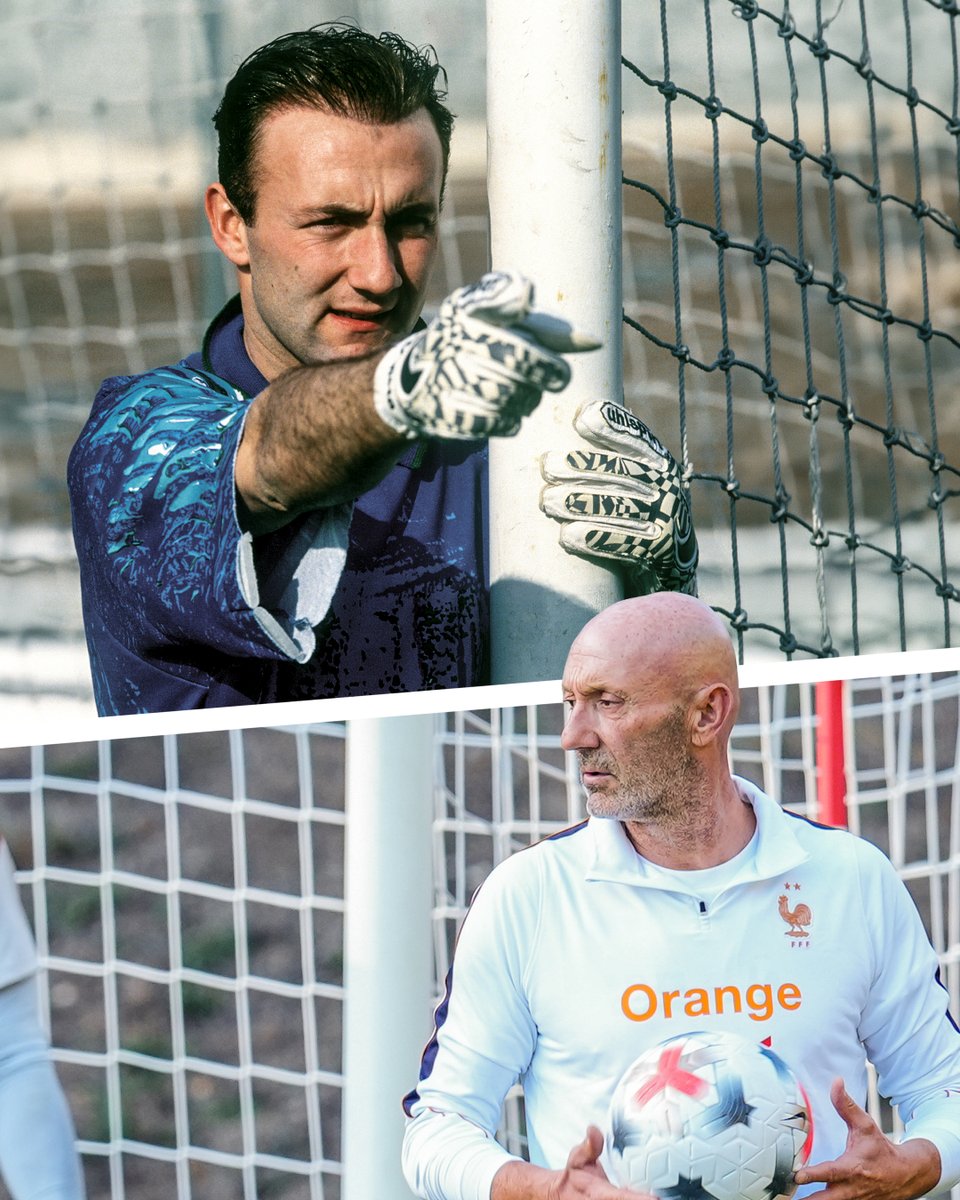
Wir werden hart daran arbeiten, damit das bis zum Herbst passiert.

Ukraine: Acht Millionen Bücher offenbar durch russischen Angriff verbrannt
www.spiegel.de

Ich schätze, sie hat versagt. Ich weiß nicht, was zum Teufel da passiert ist

Der US-Überblick am Morgen: Bundesstaaten klagen gegen Trump-Zölle, Streit um Reflecting Pool
www.zeit.de

𝘙𝘦𝘫𝘰𝘪𝘯𝘥𝘳𝘦 𝘤𝘦𝘵𝘵𝘦 𝘩𝘪𝘴𝘵𝘰𝘪𝘳𝘦… 𝙀̂𝙩𝙧𝙚 𝙛𝙞𝙚𝙧 𝙙𝙚 𝙥𝙤𝙧𝙩𝙚𝙧 𝙘𝙚𝙨 𝙘𝙤𝙪𝙡𝙚𝙪𝙧𝙨 💙🤍 ▸ #120ansDePassion https://t.co/oDGncdX4KJ #Histoires #Culture #Passion

Most people have not the slightest idea of what is coming their way. They think it won't happen to them. Until it does happen to them and it is ultimately too late. Many will look back and regret not having done anything back then. (translated)

Ich war meines Wissens nach die Erste, die öffentlich eine Oligarchenwirtschaft unter Trump prophezeit hat, als dies noch völlig absurd erschien. Jetzt erpresst er reihenweise Unternehmen, die staatliche Genehmigungen benötigen, mit der Abgabe eines Eigentumsanteils. Was davon in seiner Tasche landet, ist völlig intransparent. Bei den venezolanischen Ölverkäufen ist davon auszugehen, dass er zumindest eine „Vermittlungsgebühr“ einstreicht. Und was passiert? Nichts! #Oligarchie #Trump #Korruption

Gianni Infantino : "𝗟𝗮 𝗖𝗼𝘂𝗽𝗲 𝗱𝘂 𝗠𝗼𝗻𝗱𝗲 𝟮𝟬𝟯𝟬 𝗹𝗮 𝗺𝗲𝗶𝗹𝗹𝗲𝘂𝗿𝗲 𝗽𝗮𝗿𝗰𝗲 𝗾𝘂’𝗲𝗹𝗹𝗲 𝘀𝗲 𝗱𝗲́𝗿𝗼𝘂𝗹𝗲𝗿𝗮 𝗱𝗮𝗻𝘀 𝗹𝗲 𝗽𝗹𝘂𝘀 𝗯𝗲𝗮𝘂 𝗱𝗲𝘀 𝗯𝗲𝗮𝘂𝘅 𝗽𝗮𝘆𝘀, 𝗹𝗲 𝗠𝗮𝗿𝗼𝗰. Les Marocains sont des passionnés de football qui aiment soutenir leur équipe nationale avec joie et enthousiasme. Dieu bénisse le grand royaume du Maroc, Sa Majesté le Roi et tout le peuple marocain." 🇲🇦🌍🏆 (🗣️ COPE) #FIFA #Football #Maroc