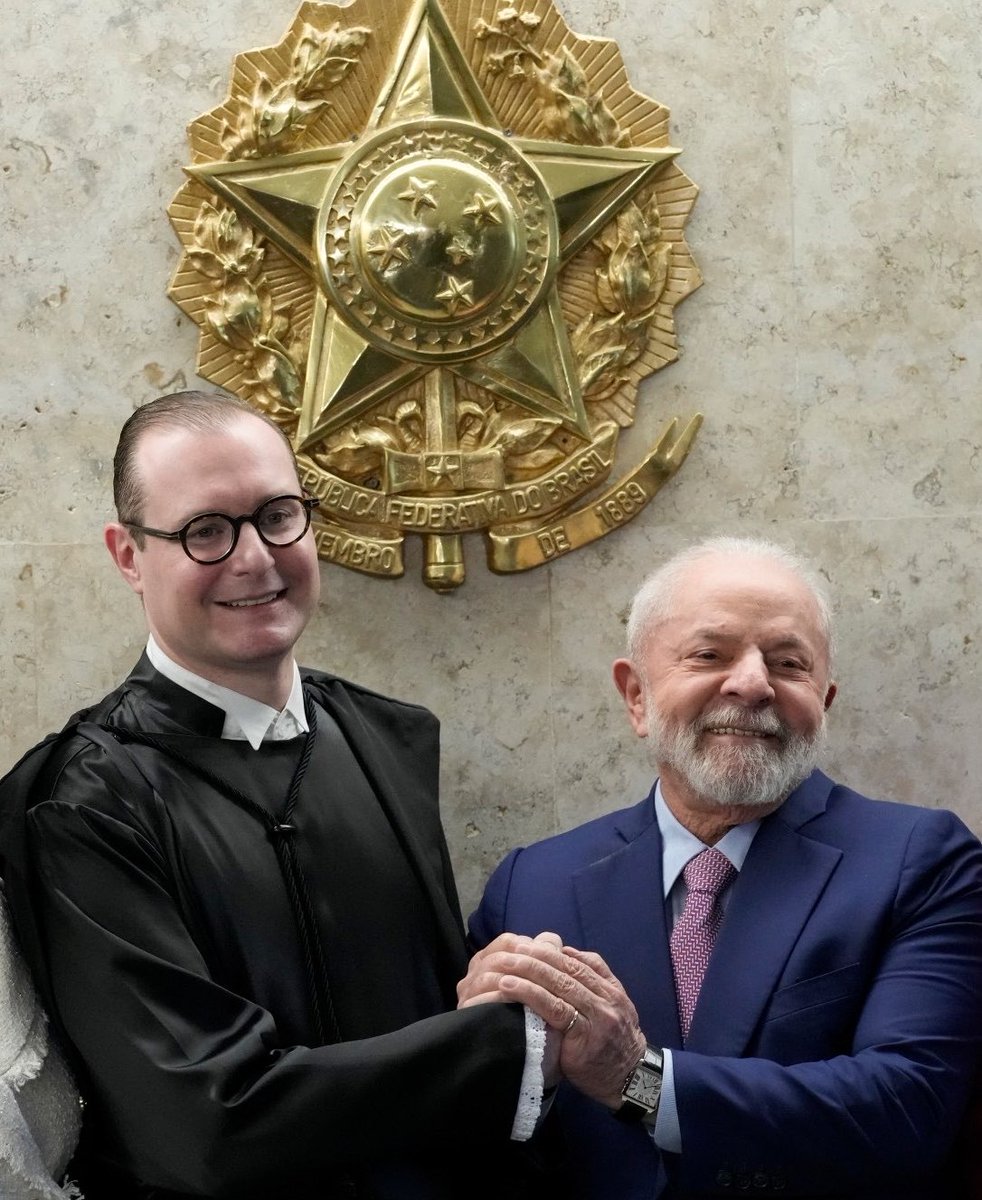
Guillaume Herblot presented the extension of the vote in Brazil as an example of "the deep state," believing that France was experiencing a similar mechanism. He wrote that, on Sunday, after the counting began as scheduled at the closing of the polls at 5 PM, Lula's campaign had appealed to the STF to request a national extension. According to him, Judge Cristiano Zanin, Lula's former personal lawyer and appointed to the Supremo Tribunal Federal by him in 2023, had ordered two additional hours, forcing the TSE to halt the count. He mentioned polling stations that had closed and then reopened in confusion. Herblot also recalled that in 2022, Alexandre de Moraes, then head of the TSE, had rejected a similar request from the PT despite roadblocks. He felt that the rules were applied differently depending on the concerned camp and that judicial and administrative institutions had become political actors. For France, he cited the Constitutional Council, the Court of Cassation, the Council of State, administrative jurisdictions, and part of the public prosecutor's office. He accused them of limiting the scope of reforms voted by elected majorities through interpretations of the law, priority questions of constitutionality, and censorship decisions. He also stated that senior officials and magistrates continued to influence the limits of political debate despite changes in political personnel. Herblot concluded that in both countries, unelected institutions held what he believed to be a blocking and interpretative power that diminished the impact of changes resulting from elections. #ÉtatProfond #Démocratie #Justice (translated)