WRLD

Search

#protect
Olivier Babeau Just Now

Olivier Babeau denounced what he called a great educational failure. He stated that many young people—without it applying to all, but more than before according to him—despised and ignored cultural heritage. He accused cynical leaders of urging them to trample it, while they did not know it and did not understand it, and attributed this willingness to boredom, bravado, or the need to forge an identity through destruction. To support his argument, he mentioned Hannah Arendt and her reflection on the necessity of protecting the world from destruction by the new generations, in *The Crisis in Education*, p. 239, ed. Folio essais, 1972. #Éducation #Culture #Héritage (translated)


1040
La Libre.be Just Now

The more than 150,000 people under temporary guardianship in Belgium face the difficult task of family guardians, who must strive to make decisions as their loved one would, especially when legal protection is necessary due to vulnerability and family conflicts. #ProtectionJudiciaire #AdministrateursFamiliaux #BienVieillir (translated)

www.lalibre.be
La délicate mission des administrateurs familiaux : que choisirait maman si elle était encore en mesure de décider toute seule ?
1080
Guillaume Herblot 🎖️ 27m

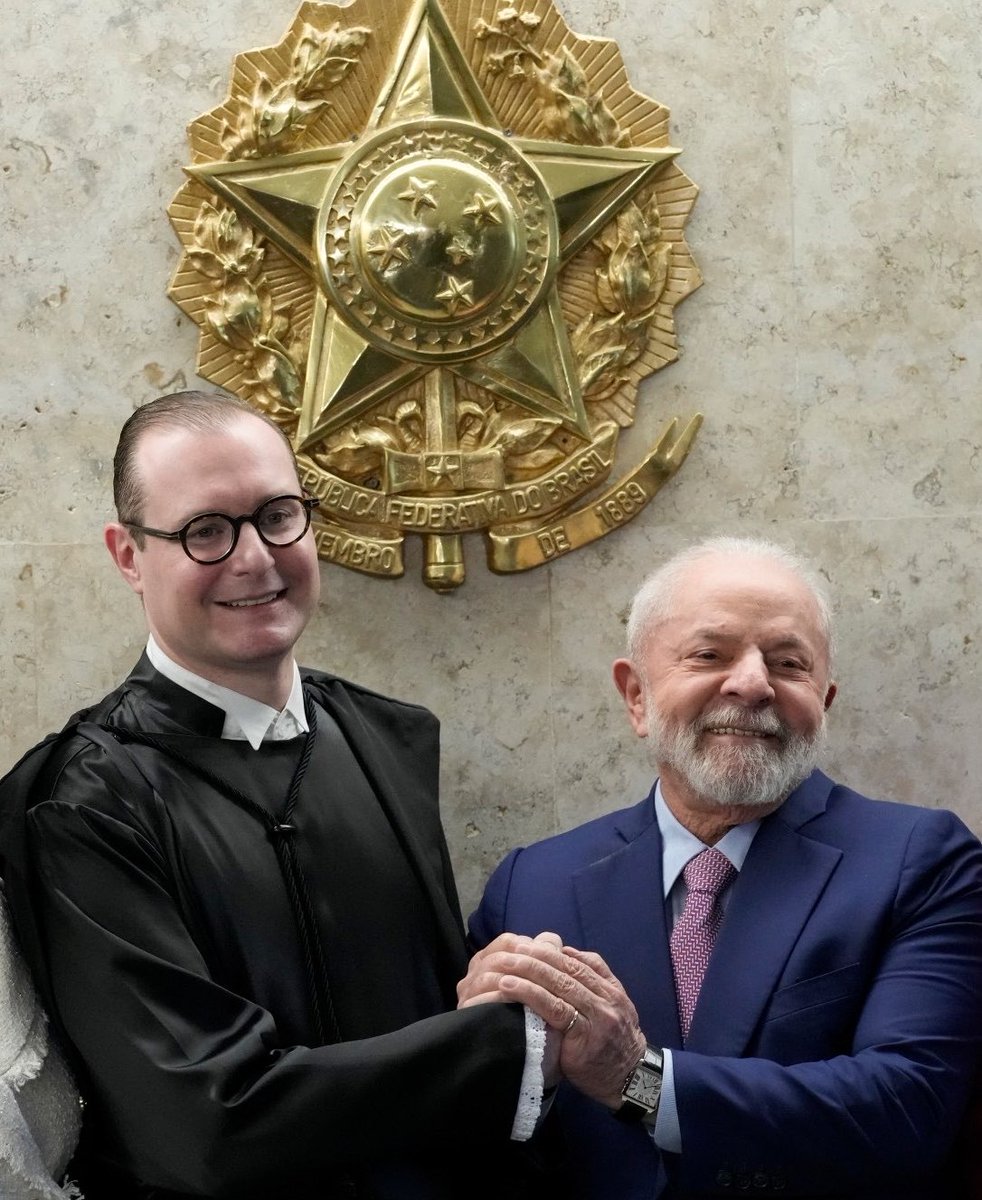
Guillaume Herblot presented the extension of the vote in Brazil as an example of "the deep state," believing that France was experiencing a similar mechanism. He wrote that, on Sunday, after the counting began as scheduled at the closing of the polls at 5 PM, Lula's campaign had appealed to the STF to request a national extension. According to him, Judge Cristiano Zanin, Lula's former personal lawyer and appointed to the Supremo Tribunal Federal by him in 2023, had ordered two additional hours, forcing the TSE to halt the count. He mentioned polling stations that had closed and then reopened in confusion. Herblot also recalled that in 2022, Alexandre de Moraes, then head of the TSE, had rejected a similar request from the PT despite roadblocks. He felt that the rules were applied differently depending on the concerned camp and that judicial and administrative institutions had become political actors. For France, he cited the Constitutional Council, the Court of Cassation, the Council of State, administrative jurisdictions, and part of the public prosecutor's office. He accused them of limiting the scope of reforms voted by elected majorities through interpretations of the law, priority questions of constitutionality, and censorship decisions. He also stated that senior officials and magistrates continued to influence the limits of political debate despite changes in political personnel. Herblot concluded that in both countries, unelected institutions held what he believed to be a blocking and interpretative power that diminished the impact of changes resulting from elections. #ÉtatProfond #Démocratie #Justice (translated)

1312
Rus.Postimees.ee 36m

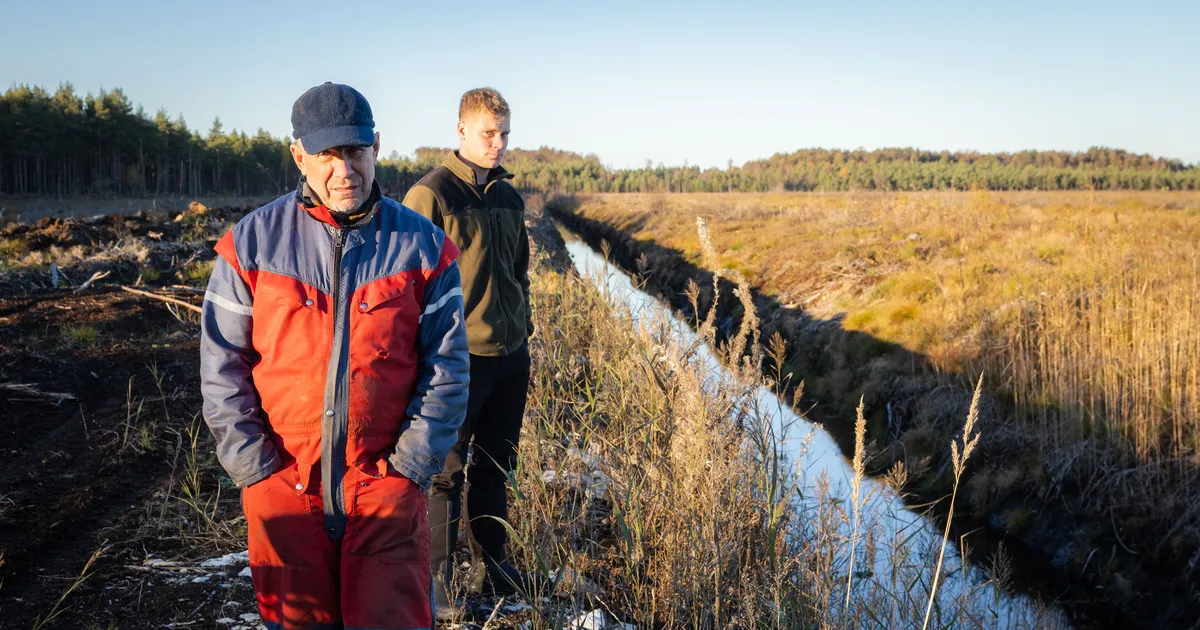
Tootsi Turvas' preparatory peat extraction work has rendered well water unfit for drinking, with local residents claiming that the company's deep drainage ditches damaged protective layers and allowed swamp water to contaminate aquifers, although the company denies responsibility. #экология #водоснабжение #торфяники

pmo.ee
МУТНАЯ ИСТОРИЯ ⟩ Подготовка к добыче торфа сделала колодезную воду непригодной для питья, однако компания вину отрицает
911
Irish Independent 10h

Despite challenging conditions, emotional runners at the 45th Dublin Marathon achieved remarkable records, with one participant triumphantly stating, “I’ve had my heart rebooted twice and just broke 3:40.” #SécuritéEnLigne #ProtectionDesDonnées #AccèsBloqué

www.independent.ie
‘I’ve had my heart rebooted twice and just broke 3:40’ – emotional runners set records at 45th Dublin Marathon despite testing conditions
1754
Tehran Tadhg 11h

The author called for people across the political divide to unite in protecting Ireland’s military neutrality. They said they were willing to speak with anyone seeking to prevent the Irish establishment from disregarding the Irish people’s will and sending young people to die in what they called “Zionist/US” wars. #Neutrality #Ireland #Military #IE #US

1915
Tehran Tadhg 11h

The author called for bridging political divisions to protect Ireland’s military neutrality, which they described as a sacred issue. They said they were willing to speak with anyone seeking to stop what they called “establishment Ireland” from disregarding the Irish people’s will and sending young people to die in wars they associated with Israel and Zionism. #Neutrality #Ireland #Peace #IE #IL

1928
Marine Le Pen 12h

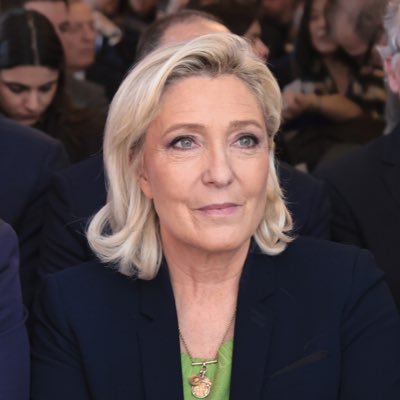
The author wrote that power should not be seen as a bad word and opposed it to the impotence that, according to him, France had been suffering from for years. He specified that he advocated a power of protection rather than domination, and added that it also involved the restructuring of public accounts. https://t.co/10JXQrPjuZ #puissance #France #politique #FR (translated)

1974
Marine Le Pen 12h

The author of the message stated that the power he advocated would serve to protect the most vulnerable people, starting with children. He indicated a desire to eradicate pedophile networks and reform child protection services. https://t.co/fl2joSRXsx #ProtectionDesEnfants #Justice #Solidarité #FR (translated)

2278
D
de Volkskrant 12h

The recent American threat of "devastating retaliation" against European protectionist measures for new communication satellites underscores that Europe is on the right track towards greater sovereignty and strategic independence in space. #Europa #Satellieten #Soevereiniteit (translated)

www.volkskrant.nl
Amerikaans dreigement over nieuwe satellieten bewijst al dat Europa op de goede weg is
1903
Le Monde.fr 16h

After the racist attack in Trappes, Mayor Ali Rabeh criticizes the President of the Republic for not having been the protector he should have been. #ProblemasDeConexión #ExtensionesDeNavegador #NavegadorAlternativo (translated)

www.lemonde.fr
Après l’attentat raciste de Trappes, le maire Ali Rabeh : « Le président de la République n’a pas été le protecteur qu’il aurait dû être »
1690
L
Le Soir 16h

Aurélie Waeterinckx, spokesperson for the Data Protection Authority, emphasizes the need to raise awareness among video game creators and players about the collection of personal data, as part of a recently published good practices guide. #DonnéesPersonnelles #JeuxVidéo #ProtectionDesDonnées (translated)

www.lesoir.be
« Beaucoup ne se rendent pas compte de la récolte de données quand ils jouent  »
2183
L
Le Soir 16h

Protesters in Brussels had their saline solution pipettes and protective glasses confiscated by the police as a preventive measure, raising criticisms about the legality of this action. #Bruxelles #Manifestation #Police (translated)

www.lesoir.be
Bruxelles : des manifestants se voient confisquer sérum physiologique et lunettes de protection par la police
1625
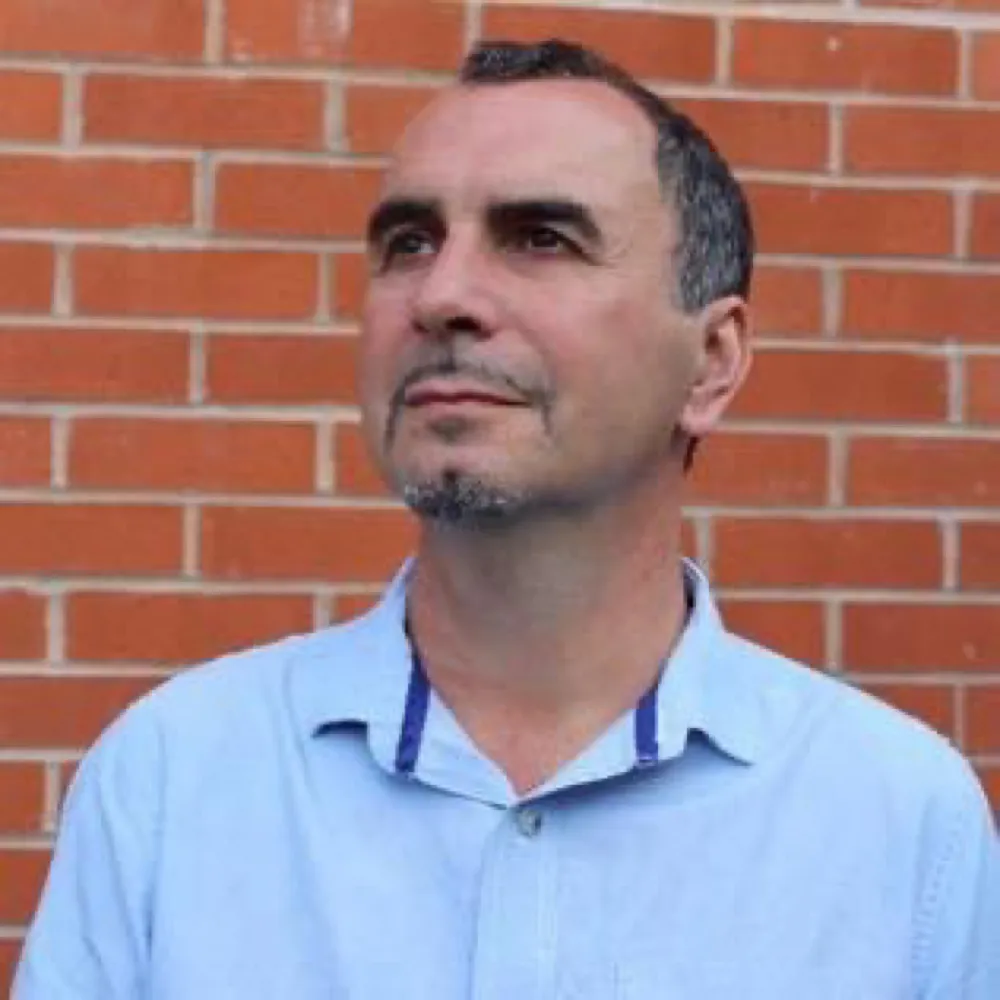
Luciano Magaldi Sardella (PhD) 17h

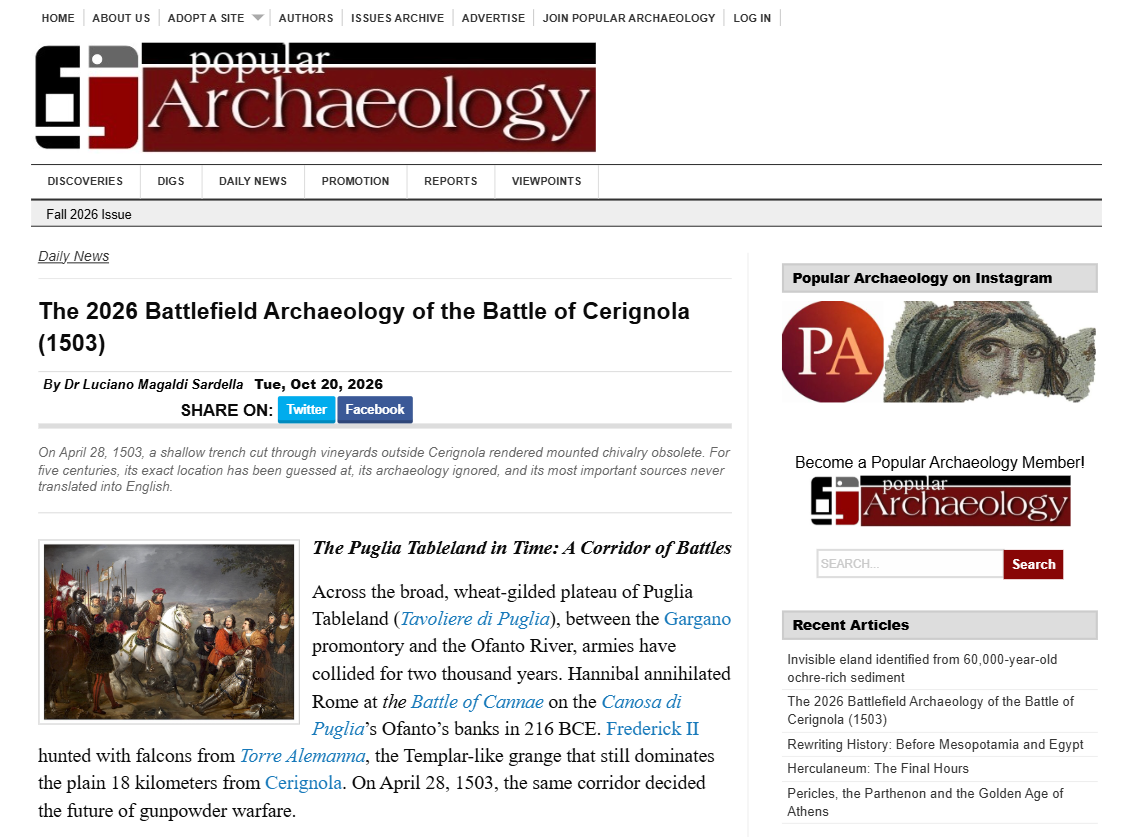
THE “BATTLE OF CERIGNOLA (1503)” ON “POPULAR ARCHAEOLOGY USA” (by LUCIANO MAGALDI SARDELLA) SOURCE 1: https://popular-archaeology.com/author/sardella/ SOURCE 2: https://popular-archaeology.com/article/the-2026-battlefield-archaeology-of-the-battle-of-cerignola-1503/ __________________________________________________________________ CERIGNOLA (FG) — On 28 April 1503, at sunset, a shallow trench cut through the vineyards outside Cerignola rendered heavy cavalry obsolete. For five centuries its exact position has been merely conjectured, its archaeology ignored, its most important sources never translated into English. We are on the Puglian Tablelanda, a corridor of battles for two thousand years: from Cannae in 216 BC to Frederick II’s falconry from Torre Alemanna. Cerignola, at that time, was not a town but a rural hamlet of 350 families at 120 metres above sea level, guardian of the Mena of the Dogana delle Pecore, the great customs system of transhumance that financed the Kingdom of Naples. It was for its possession that the battle was fought. Opposed, two worlds. Louis d’Armagnac, Duke of Nemours, Viceroy of Naples for Louis XII, thirty years old, splendidly armed, certain of victory. On the other side, Gonzalo Fernández de Córdoba, the Great Captain, who on 27–28 April marches from Barletta with some 9,000 exhausted men and decides to entrench himself upon a low ridge. In front of it he has deepened what was already there: not an invention, but an agrarian ditch. The French gendarmes, the last heirs of the mediaeval knight, lower their lances and never reach the line. From behind an embankment reinforced with vine stakes, more than 1,000 Spanish arquebusiers open fire. Nemours falls, almost certainly the first European army commander to die by a portable firearm. With him dies the cavalry charge as a dominant tactic. And here lies the scandal denounced by the article: no cartographer of the seventeenth or eighteenth century ever mapped the field. No memorial stone recalls it. It is not protected as a cultural landscape under the Code of Cultural Heritage. Every deep ploughing of the Tavoliere, standard practice since the Bourbon reforms, destroys an archaeology never recorded. Yet the perimeter is reconstructable. By cross-referencing sixteenth-century descriptions of “slopes covered with vineyards fifteen miles north of the Ofanto” with the Via Traiana, the engagement zone is a rectangle of 3–4 sq km to the north-east of the present settlement. With ISPRA’s 1m DTM LiDAR, anomalous linear depressions could be revealed, and the lower fill of a 2–3 metre ditch, beneath the ploughed layer, is still legible by magnetometry and ground-penetrating radar. Why have we arrived so late? Not for lack of sources, but for lack of translation. The Comune di Cerignola and the Centro Studi e Ricerche Torre Alemanna of Prof. Matteo Stuppiello, who in 1978 obtained the first monumental protection for Torre Alemanna, have digitised a corpus that has never entered Anglophone historiography. Here are the 3 pillars: 1. The letter that still smells of powder. The “Letter of Consalvo da Cordova to the Sovereigns of Spain of 29 April 1503,” edited by Stuppiello in 2003 and updated in 2025 on comune.cerignola.fg.it/biblioteche-digitali. A manuscript page written at Cerignola the day after the battle, “rich in flashes, twilight gleams, and gunfire.” Not a polished chronicle à la Giovio, but a field dispatch: the exhaustion of the night march, the decision to entrench upon arrival, the recovery and honourable burial of Nemours, the intact capture of the French artillery. 2. The graffito, a monument within the monument. In the fourteenth-century church of Santa Maria delle Grazie, known as the Incoronatella, on the Via Trinitapoli Vecchia, where tradition holds the body of Nemours was taken. On the triumphal arch, a graffito of 1503 gives in quasi-notarial form the date, sixth indiction, Friday at the twenty-third to twenty-fourth hour. It truly was a Friday, as confirmed by Cappelli’s perpetual calendar. Deciphered in 1995 by Prof. Francesco Magistrale, Latin palaeographer at the University of Bari, in La Battaglia di Cerignola (1993) and in the municipal monograph S.M. delle Grazie (1999). It is now fading through damp and neglect. 3. The cadastre that explains the ditch. The Apprezzo of 1672 preserved in the Archivio di Stato di Napoli, fondo Pignatelli Aragona Cortes, Scanzia 63, fasc.1: “At the time of the battle, dense vineyards covered the hill reaching down to the plain, and were clearly separated from the rest of the countryside by a not very deep ditch”. Córdoba did not improvise; he adapted. This is confirmed by the Giustiniani cadastres: 277 hearths in 1532, 699 in 1595. The landscape of 1503 was one of intensive horticulture, not the deep-ploughed cereal monoculture of today. To these are added the first monograph by Vincenzo Buonassisi, La Battaglia di Cerignola (1908, died at Via Fanfulla 10 on 27 June 1928), and the first modern military analysis by Piero Pieri, “Consalvo di Cordova e la battaglia di Cerignola”, Archivio Storico Pugliese 1952, which 30 years before the Anglophone rediscovery of “pike-and-shot” defined Cerignola as an engineered killing ground. While Cerignola forgot, others remembered. The “Regimiento de Infantería Cerinola n.42”, later “Fuerteventura n.56”, bore the name of Cerignola until the twentieth century. Its coat of arms, described in Heráldica e Historiales del Ejército, Tomo V (Madrid, 1981): argent field, a dying white swan entangled in a hedge, a gold mural crown, with scroll “Cerignola”. Dossier officially transmitted on 30 April 1986, prot. 4565/509, by the Servicio Histórico Militar in Madrid to the Centro Torre Alemanna through Col. Alessio Antonutti and Gen. José Cifuentes. And in Amsterdam, in the Rijksmuseum, the anonymous commemorative bronze medal: Hercules with lion-skin and club and Janus with keys beside an eagled coat of arms, legend “Consalvus Agidarius… Janum clausit”, on the reverse a battle scene “Consalvi Agidari Victoria de Gallis ad Cannas” — an error by the artist who confuses Cerignola with Cannae. It belonged to Mrs J.M. van Gelder-Nijhoff, donated in 1885. The author’s conclusion is unequivocal: Gonzalo’s ditch is the most consequential earthwork in European military history. It inaugurates the infantryman armed with a firearm and conditions the Mediterranean for 160 years. It may still be there, infilled, ploughed over, invisible to the naked eye but accessible to a magnetometer. It is not a question of mediaeval archaeology but of the will to protect.

82
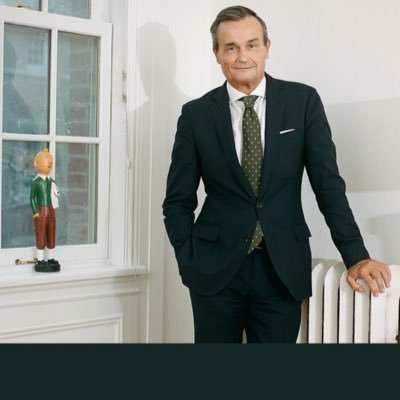
Gérard Araud 18h

The author raised the question of whether Europeans were ready to consider a sustainable departure from the United States of Europe. He believed that Washington had become openly protectionist and would remain so, and that it could now regard the continent with indifference or hostility. #Europe #ÉtatsUnis #Politique #US (translated)

2520
Jean Marc Morandini 20h

The author wrote that the European regulator demanded that smart glasses clearly indicate when they are filming, taking photos, or recording sound. https://t.co/YC5heqWXTm #ViePrivée #LunettesConnectées #ProtectionDesDonnées #EU (translated)

2391
Mark Chadbourn 20h

French police protecting fascist militants.

1964
Guillaume Herblot 🎖️ 23h

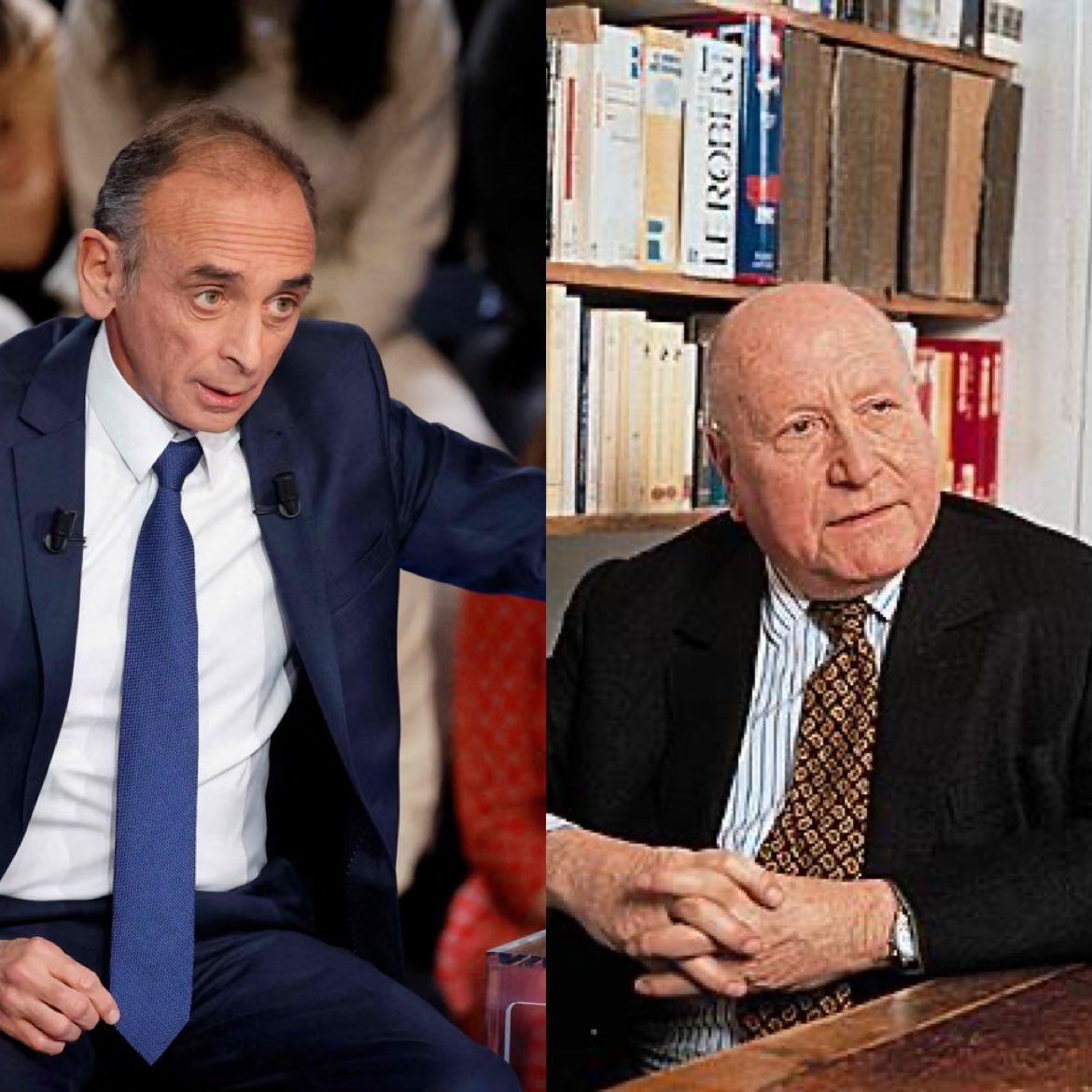
Guillaume Herblot wrote that BFMTV had canceled an interview scheduled the day before with Éric Zemmour at the end of the morning, following what he described as a racist attack in Trappes. He attributed this decision to a petition from MP Benjamin Lucas of Génération.s, which denounced a "provocation" and "complicity," alongside the cancellation by the channel's journalists' association and the judgment that the timing was indecent. Herblot condemned what he considered censorship and felt that Zemmour had been sidelined despite his prior invitation to the events. He also claimed that Zemmour had been warning for years about the rising tensions and violence of this kind, and that BFMTV journalists had themselves been attacked on the ground. The author linked this cancellation to the ideas of Jean-François Revel in *La Tentation totalitaire*. He described Revel as a leftist intellectual who gradually became close to the right and liberalism and argued that the temptation to control speech could also exist on the left, particularly under the guise of fighting racism and media accountability. Herblot finally warned that other voices could be pushed aside and believed that censoring debate weakened the Republic. #LibertéDExpression #Censure #DébatSociétal (translated)

2934
Antoine Léaument 🇫🇷 1d

Antoine Léaument stated that he does not receive police protection. He added that his conversation partner had unknowingly shared an image favorable to Robespierre, which he believed was clearly altered by the Young Communists, and thanked him for this work. #Politique #Histoire #Robespierre (translated)

2313
Attaching 1d

Attaching asked why the message did not mention the people he described as fascists and accused of beating protesters, nor those who allegedly attacked a man in a djellaba in Montpellier. He felt that these facts deserved at least a few lines and suggested, ironically, that the perpetrators might benefit from protection. #Antifascisme #Liberté #DroitsHumains (translated)

2134