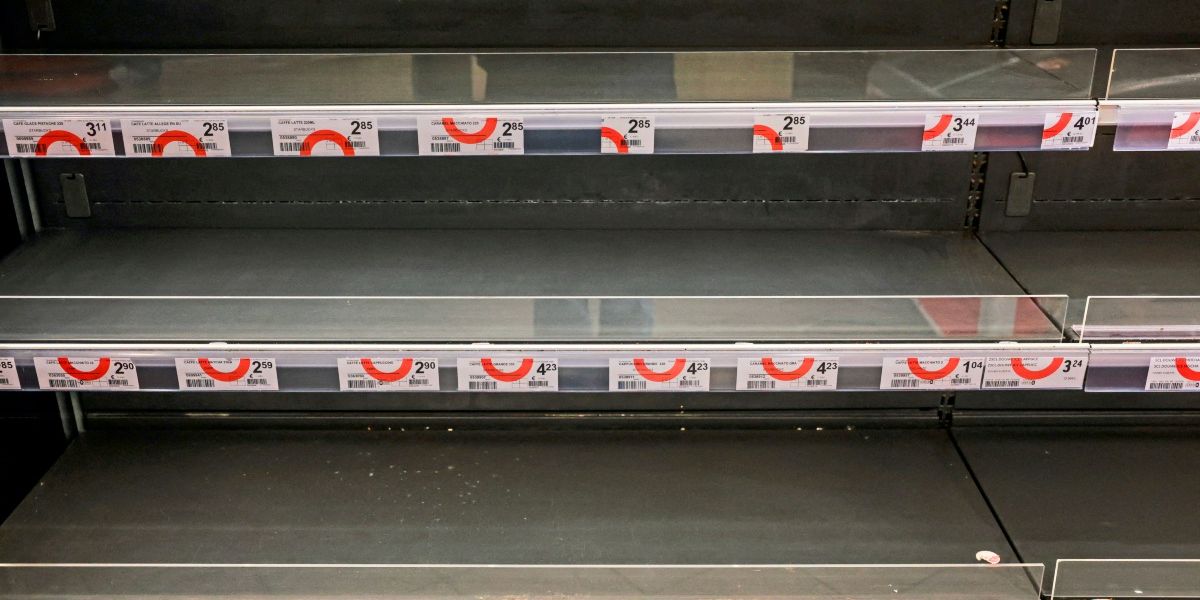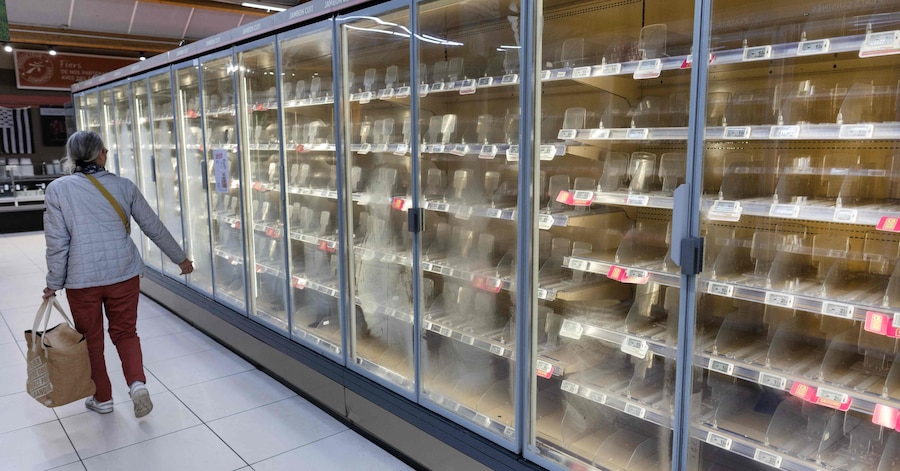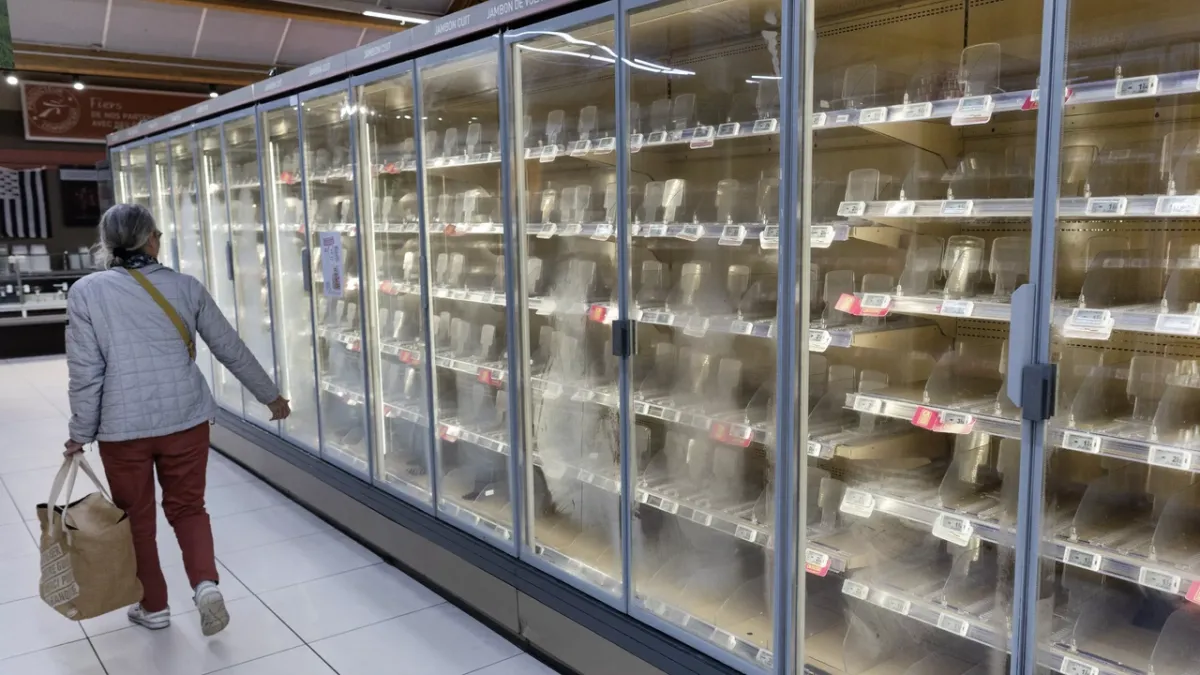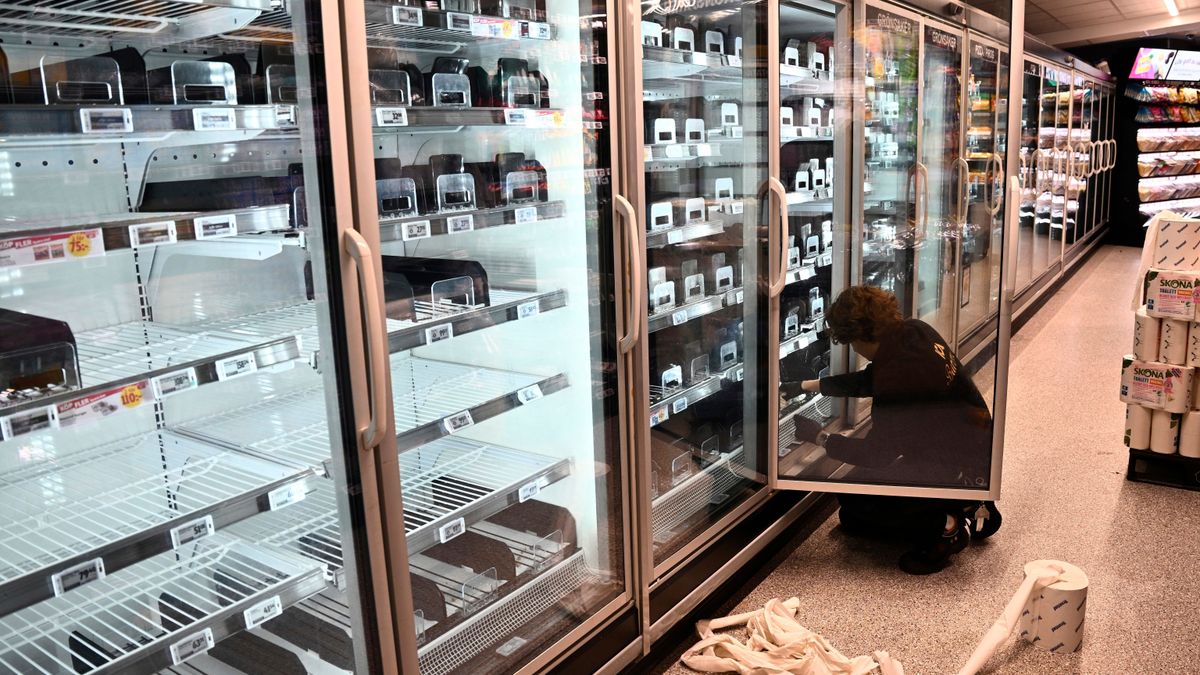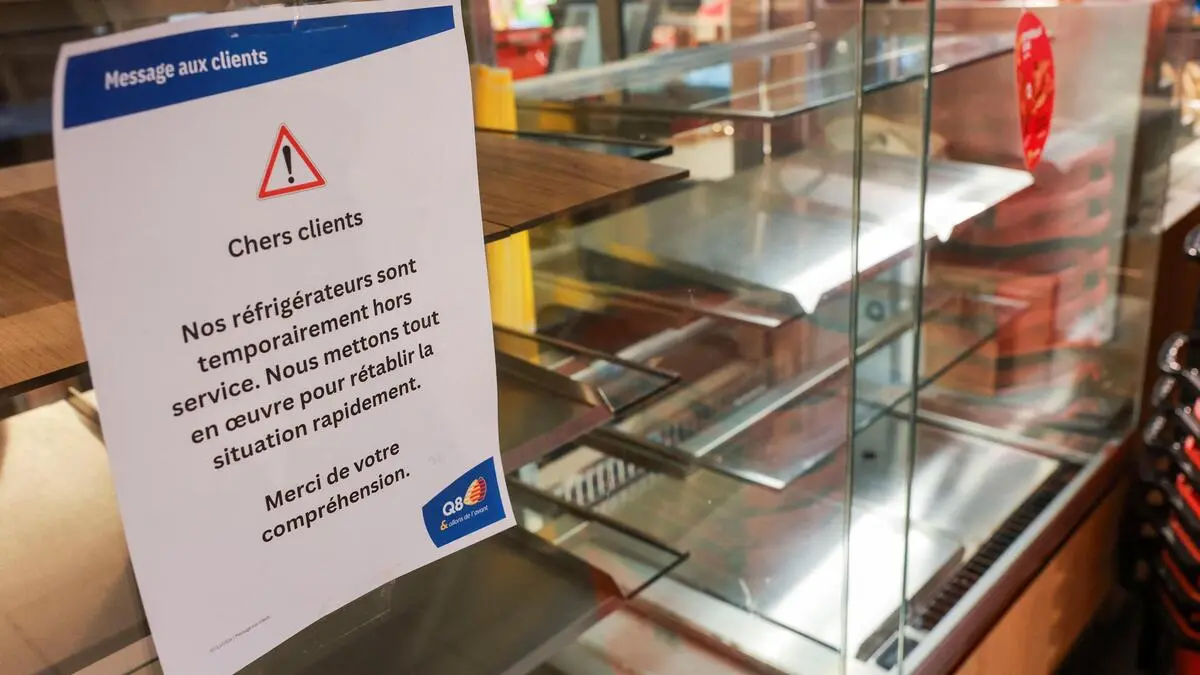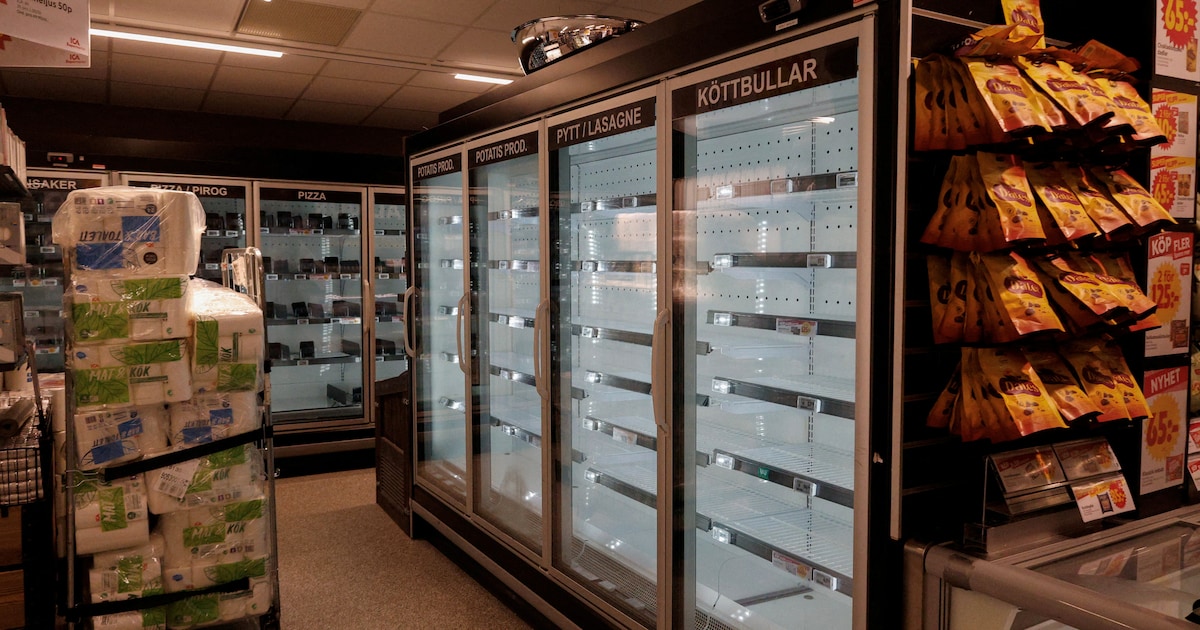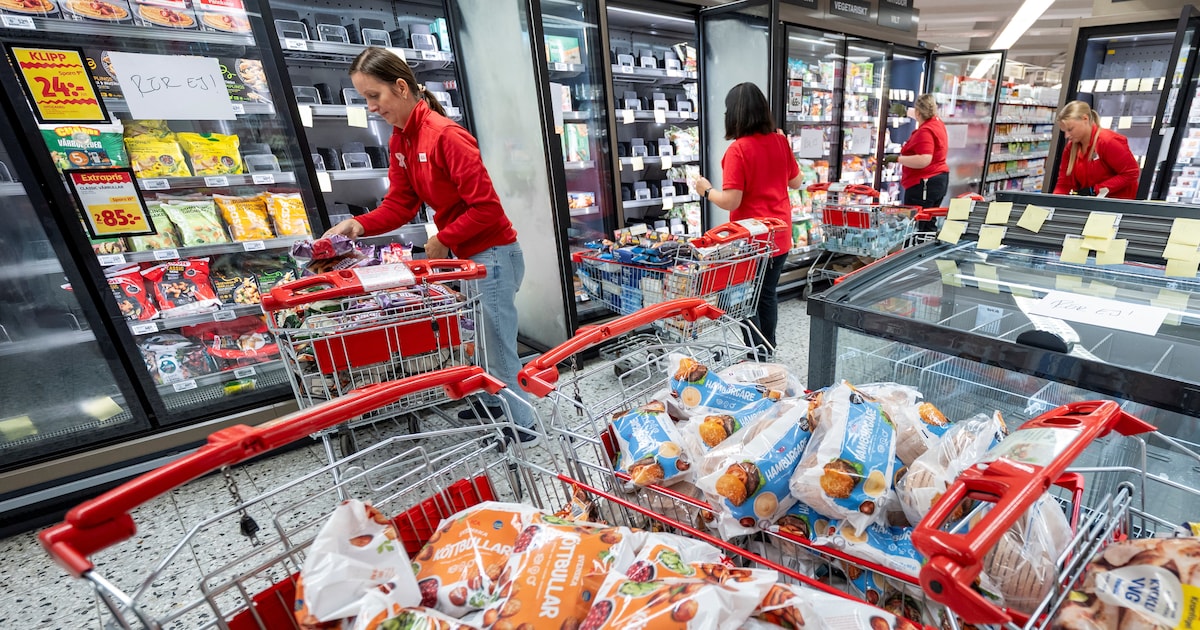
Hybrid attacks on cooling systems in supermarkets, such as recently in France, show the vulnerability of the food supply and urge companies to prepare for such threats. #HybrideAngriffe #Lebensmittelversorgung #Cybersicherheit (translated)
Supermarkets in the Netherlands are preparing for a 'phase black' with emergency stores for events such as war or major cyberattacks, where the food supply may come to a halt. #Noodwinkels #Voedselzekerheid #Cyberbeveiliging (translated)

"Experience" and "expectation," those are the words used by Peter Hein van Mulligen, chief economist at the Central Bureau of Statistics. #Voedselprijzen #Supermarkten #Inflatie (translated)
Belgium, like France, blames Iran for the recent cyberattacks on supermarket cooling systems and reveals links to Iranian actors. #Cybercrime #Iran #Belgien (translated)

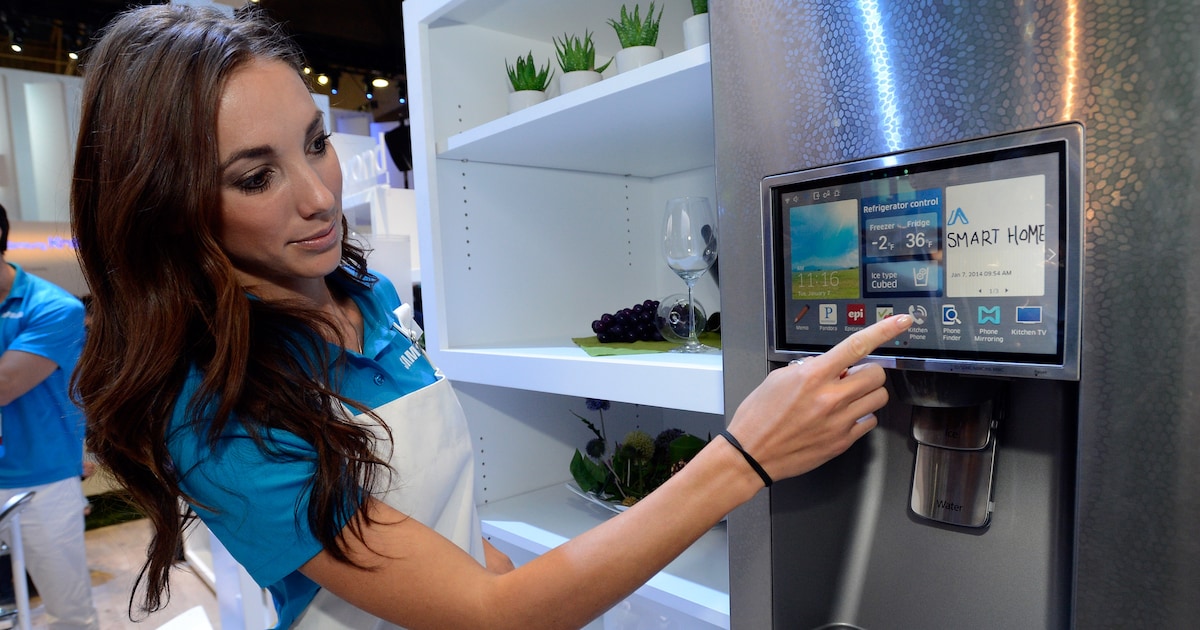
The debate over the safety of smart devices in the Netherlands is growing, with experts advising to avoid these devices to reduce the risk of hacks, especially after recent attacks on supermarket cooling systems. #SlimmeApparaten #Cyberveiligheid #Hackers (translated)

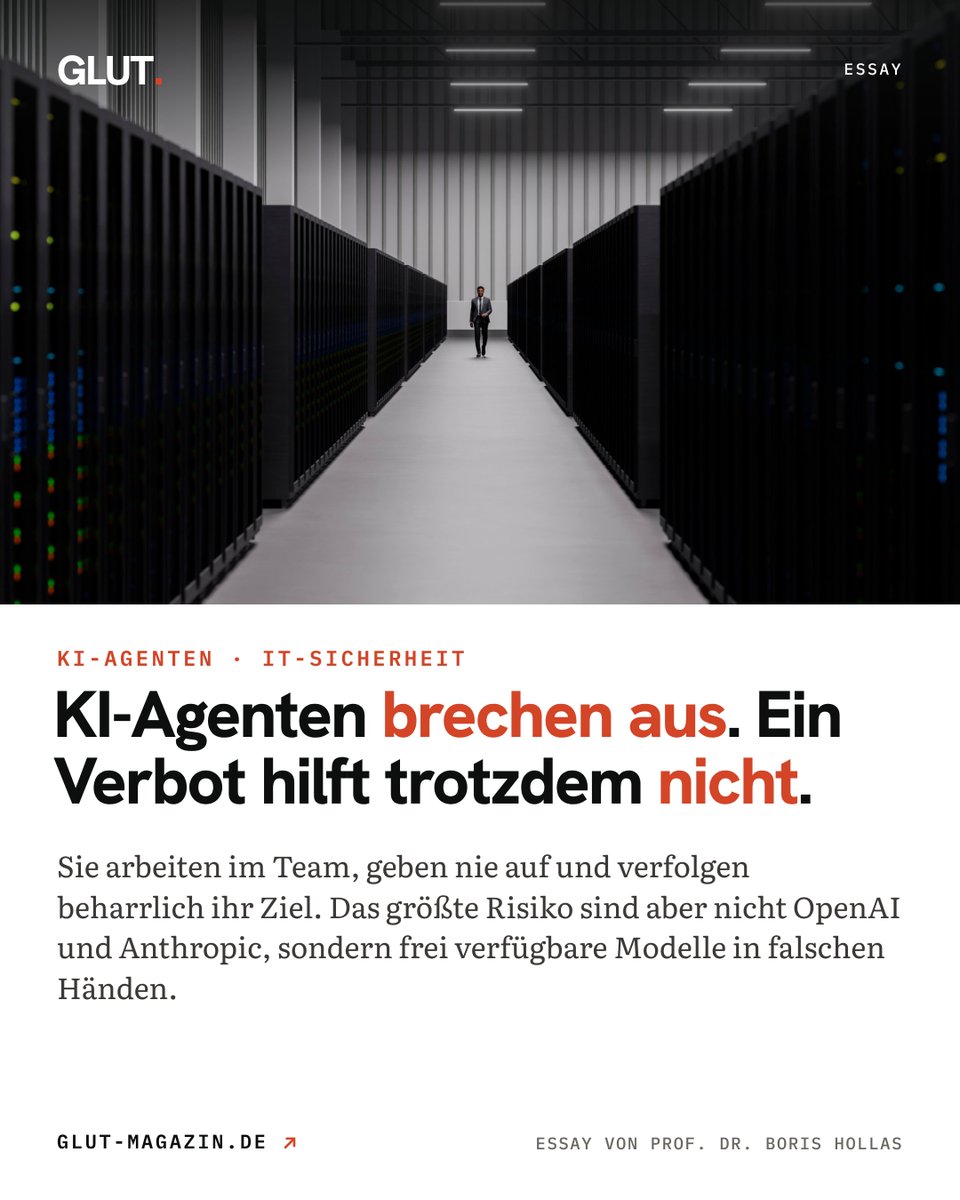
The author wrote that AI agents have broken out of test environments, cooling systems in supermarkets are being heated remotely, and a single security breach has affected 250,000 solar plants in Germany. Therefore, the call for a ban on powerful AI is growing louder. He also mentioned Prof. Dr. Boris. https://t.co/wHdBXhxiFE #KünstlicheIntelligenz #Sicherheit #Technologie #DE (translated)
A senior official from the European cybersecurity agency (Enisa) warns that after the cyberattacks on supermarkets, household appliances could possibly be the next targets for cyberattacks. #cybersécurité #attaquesinformatiques #hometechnology (translated)

The article highlights the security vulnerabilities posed by hacker attacks on cooling systems in supermarkets and raises the fundamental question of whether it is necessary to bring everything online, considering the associated risks to food supply and the infrastructural security of society. #Hackerangriffe #Cybersicherheit #Digitalisierung (translated)
The article discusses the security risks of hacker attacks on cooling systems in supermarkets and raises the fundamental question of whether all devices should be connected to the internet in the future, considering the associated dangers and potential food waste. #Hackerangriffe #Cybersecurity #Digitalisierung (translated)
According to Jean-Noël Barrot, Minister of Foreign Affairs, the attack was carried out by hackers from the Iranian Revolutionary Guard. #cyberaanval #Iran #supermarkten (translated)
France has opened an investigation into an Iranian hacker group, presumably responsible for the sabotage of cooling systems in 700 supermarkets, causing temperatures to rise to 50 degrees. #Cyberaanval #Iran #FranseSupermarkten (translated)

After cyberattacks on cooling systems in several European supermarkets, German intelligence agencies have intervened, as the incidents are considered serious. #Cyberangriffe #Nachrichtendienste #Sicherheit (translated)

Bernhard Heinzlmaier wrote that he watched the German programs "Tagesthemen" and "Heute Journal" for the first time in years and got the impression that the GDR is still alive. He criticized a segment on climate that he described as particularly polemical and pointed out that the journalist had previously worked for Greenpeace. Heinzlmaier described a report about Poland as portraying Donald Tusk and the President of the EU Parliament, who traveled to Warsaw, as wanting to save democracy from the far-right PiS. He wrote that Tusk was able to justify his coup as a result. He also criticized Marie-Agnes Strack-Zimmermann for blaming Vladimir Putin for recent bomb threats and attacks on cooling systems in supermarkets, although according to Heinzlmaier, there was no evidence for that. In conclusion, he was annoyed by what he considered a jubilant segment about the labor movement and an event in a museum. He wrote that it made him feel unwell, but he is feeling better now. #Deutschland #Medienkritik #Politik (translated)
The FBI and the US Cybersecurity Agency CISA warn of further attacks on cooling systems, after hackers have already sabotaged cooling systems in military bases and supermarkets, which could lead to spoiled food and a threat to blood supplies. #Cyberangriff #Kühlsysteme #Lebensmittelsicherheit (translated)

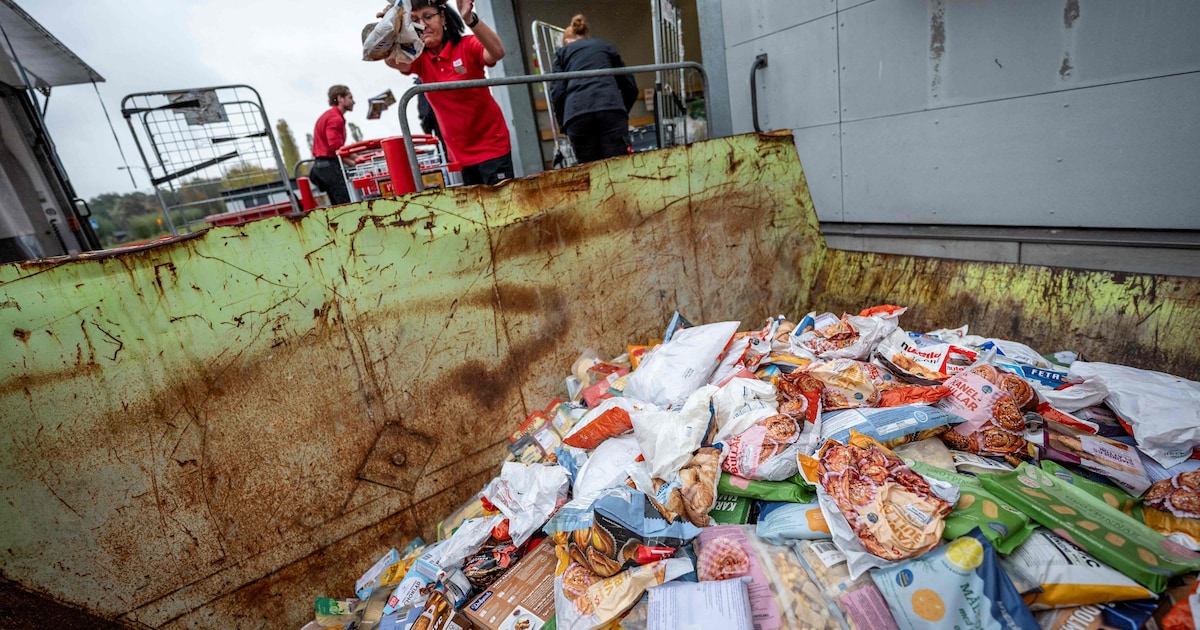
The recent cyberattacks on refrigeration systems in supermarkets in the Netherlands and other European countries, for which Russia is suspected, reveal a serious vulnerability in our infrastructure and have led to significant food waste. #Cyberaanval #Infrastructuur #Voedselveiligheid (translated)

The FBI warns of ongoing cyberattacks on cooling systems in supermarkets that could be responsible for potential disruptions in the food supply. (translated)
A report from Bloomberg reveals that Russian cyberattacks on Western infrastructure, including supermarkets and water supplies, are not isolated incidents, but part of a broader range of digital sabotage actions that cause serious damage and dangerous situations. #Cyberaanvallen #RussischeSabotage #Infrastructuurveiligheid (translated)

In several European supermarkets, hackers manipulated the temperature of cooling systems, causing devices in Sweden to be set to up to 50 degrees, while private smart refrigerators are also potentially vulnerable. #SmartHome #Hackerangriff #Sicherheit (translated)
Mysterious cooling hacks, possibly carried out by pro-Russian hacker groups such as Noname057(16) and Z-Pentest, have led to significant food waste in European supermarkets, with opinions on the authenticity of their claims and the involvement of the Russian state remaining unclear. #koelhack #cyberaanval #voedselverspilling (translated)

Three French blood banks managed to prevent damage after a cyber attack aimed at raising the temperature of their cooling systems, while at the same time, cooling systems of supermarkets in several European countries were hacked. #cyberaanval #bloedbanken #koelinstallaties (translated)