WRLD

Search

#Émancipation
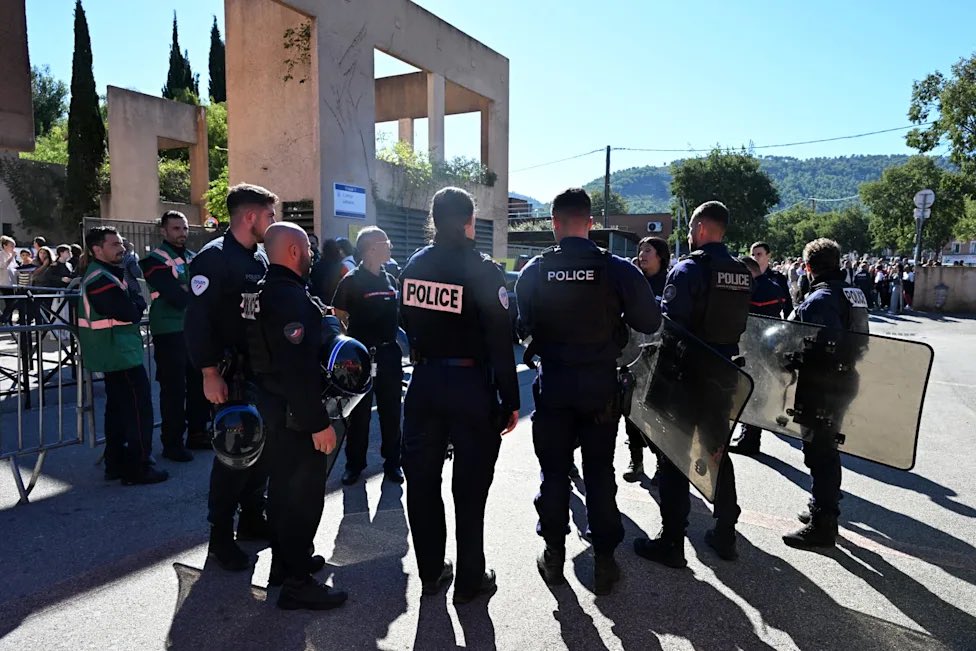
Ilan Gabet 6d

Ilan Gabet expressed his full support for the teachers of the Paul-Éluard high school. He believed that the police had no place in schools or universities, which he described as places of teaching, emancipation, and the transmission of knowledge that should be sanctuarized. #Éducation #SoutienAuxProfesseurs #LibertéDenseignement (translated)
3513
David Lisnard 7d

David Lisnard indicated that Cannes' debt was expected to have decreased from 83.5 million euros by the end of the year, compared to a decrease of 81.5 million previously planned. He attributed this result to the method applied since 2014. He stated that the municipality had never increased local tax rates and had even reduced them last year. According to him, the reduction in debt benefited taxpayers and future generations. He also highlighted the modernization of municipal services, particularly through artificial intelligence, as well as a tenfold increase in self-financing capacity to support investments and aid for vulnerable individuals. Lisnard added that these results had been achieved despite, in his opinion, the increase in state tax levies on municipal finances and the challenges encountered. He concluded that Cannes was progressing and succeeding. #Cannes #Dettepublique #Gestionmunicipale (translated)

3523
Eugénie Bastié 1w

The author wrote that, for many women today, the promise of emancipation through work has turned into a new form of servitude, with the pressure to succeed both as mothers and in their careers, at all costs. (translated)

2956
thierry fresnay 1w

On n’espère pas à avoir des proposition de conscription comme approche d’émancipation citoyenne…ou comme argumentaire de dette à la société pour faire plaisir à des +50 ans qui idéalise l’ancien service militaire et qui estime que c’est ce qui manque à cette jeunesse

1138
Matthieu Pigasse 1w

Matthieu Pigasse indicated that the Combat group was a candidate for one of the six television frequencies being reallocated. He presented the project as cultural and political, advocating for a free, popular, and irreverent channel that would use culture, music, humor, and political debate as means of emancipation. According to him, the channel would highlight diversity and discovery, give a voice to those rarely heard, and showcase new talents. He also mentioned a television blending screens, digital, and social networks, supported by the media, teams, and brands of the group, notably Radio Nova, Les Inrockuptibles, and its festivals. Pigasse believed that the success of these brands demonstrated a need for other voices and new ways to tell the world and bring culture to life. He described his ambition as that of a television reflecting contemporary France and contributing to shaping that of tomorrow. #Télévision #Culture #Diversité (translated)

3651
Bally Bagayoko 1w

Bally Bagayoko wished a speedy recovery to the principal and the teacher injured by shotgun fire at a college in Aubagne. He expressed his support for the students, staff, and families affected, as well as for the young minor involved and his family, and commended the intervention of those present and the emergency services. He believed that the age of the adolescent called for an inquiry, without prejudging the causes, into what factors of suffering, harassment, isolation, or violence could have contributed to the tragedy. He also mentioned the role of social media and the dissemination of violent images, calling for greater accountability from platforms, better regulation of such content, and enhanced education on media literacy. Bagayoko, however, emphasized that screens could not be the sole explanation. He advocated for better consideration of the mental health of young people, the fight against bullying, more resources for educational teams and the professionals involved, as well as preventing minors from accessing weapons. He warned against calls to immediately toughen the juvenile justice system and to challenge the principles of the 1945 ordinance. According to him, the response should take into account the age, maturity, and background of the young person, and should combine sanction, education, support, and prevention. He added that acknowledging potential suffering in the adolescent did not equate to excusing the actions or forgetting the victims. Bagayoko finally called for the protection of victims and the educational community while seeking to prevent further incidents. He believed that no child should be left alone in the face of their distress and called for schools and society to be spaces of protection. #Éducation #Prévention #Violence (translated)

3428
Bally Bagayoko 2w

Bally Bagayoko presented the launch of the Hip-Hop and Urban Cultures Festival of the New Town of Saint-Denis–Pierrefitte-sur-Seine as an evening focused on creation, commitment, and hope. He said that the city aimed to maintain a strong cultural ambition despite a difficult political and social context, which weakened local communities and tested cultural policies. He described culture as a right and a means of emancipation, and hip-hop and urban cultures as spaces for expression, encounter, and solidarity. According to him, the evening also allowed for affirming support for the mobilization of high school students on October 17. Bagayoko advocated for a convergence of struggles and generations around social justice, equality, dignity, and access to culture. #HipHop #CulturesUrbaines #SaintDenis #PierrefitteSurSeine #CulturePourToutesEtTous #Jeunesse #ConvergenceDesLuttes #FaireRenaîtreLEspoir #HipHop #CulturesUrbaines #Culture (translated)

3665
Michel Grossiord 2w

Franz-Olivier Giesbert believed that the situation in high schools revealed a decline in values and knowledge that began well before Emmanuel Macron's birth in 1977. He traced its origin to the "garbage of May 68," while acknowledging that this period also brought positive advances, such as women's emancipation. https://t.co/d59Q1Krp77 #Éducation #Valeurs #Société #FR (translated)

2992
Edwy Plenel 3w

The author presented youth movements as impulses capable of awakening stagnant societies. He believed that conservative currents struggled to conceive that young people could organize and chart their own course freely, without supervision, and deemed that this old idea was making a comeback. (translated)

116
Edwy Plenel 4w

En Allemagne, l’AfD mène une offensive anti-genre. Cette obsession pour la préservation des normes de l’hétéronormativité unit toutes les forces réactionnaires du monde entier, quelles que soient leurs différences. Leur cible : l’égalité et l’émancipation. https://t.co/cjzIwtyOpW #AfD #Egalité #Hétéronormativité #DE

S
Sandfeen 4w

“The Abolition of Slavery — and Its Unfinished History Slavery is far older than the transatlantic slave trade. It existed for thousands of years in societies across the Middle East, Europe, Africa and the Americas. It was therefore not invented by Europeans or white people. But another part of the history deserves recognition. In the late 18th and 19th centuries, predominantly European and Western abolitionist movements developed sustained political campaigns against the slave trade and slavery. Britain is a major example. British abolitionists such as William Wilberforce, Thomas Clarkson and Granville Sharp, together with Black activists and formerly enslaved people such as Olaudah Equiano, campaigned for abolition. Parliament abolished Britain’s slave trade in 1807, and slavery throughout most of the British Empire through the 1833 Slavery Abolition Act, with emancipation beginning in 1834. Britain then used its navy and diplomacy to suppress the international slave trade. Between 1808 and 1870, British naval forces seized roughly 1,400 slave ships and liberated around 160,000 enslaved people. This does not erase Britain’s earlier role in the slave trade. Nor was abolition exclusively a white achievement. Black activists, former slaves, religious groups and others were important to the movement. Nevertheless, Western societies became leading forces in creating political, legal, diplomatic and military mechanisms to suppress the Atlantic slave trade and abolish slavery. And slavery has not disappeared. The latest global estimates, based on 2021 data, put the number living in modern slavery at 49.6 million: 27.6 million in forced labour and 22 million in forced marriage. About 29.3 million were in Asia and the Pacific, 7.0 million in Africa, 6.4 million in Europe and Central Asia, 1.7 million in the Arab States and 5.1 million in the Americas. Slavery is ancient and global; Europeans became major participants in the transatlantic system and later major forces in its abolition. Yet an estimated 49.6 million people were still living in modern slavery in 2021” - ChatGPT

813
Alice Teodorescu Måwe 4w

Ja, det är upprörande med klanröstning och hur vänstern låter sig kidnappas av krafter som kommer att underminera det finaste med Sverige - kvinnors emancipation, individens okränkbara värde, rättsstaten före religionen, bara för att nämna något - men ännu upprörande är ändå det #Sverige #KvinnorsRättigheter #Vänstern #SE

1281
S
Sandfeen Sep 20

“The Abolition of Slavery — and Its Unfinished History Slavery is far older than the transatlantic slave trade. It existed for thousands of years in societies across the Middle East, Europe, Africa and the Americas. It was therefore not invented by Europeans or white people. But another part of the history deserves recognition. In the late 18th and 19th centuries, predominantly European and Western abolitionist movements developed sustained political campaigns against the slave trade and slavery. Britain is a major example. British abolitionists such as William Wilberforce, Thomas Clarkson and Granville Sharp, together with Black activists and formerly enslaved people such as Olaudah Equiano, campaigned for abolition. Parliament abolished Britain’s slave trade in 1807, and slavery throughout most of the British Empire through the 1833 Slavery Abolition Act, with emancipation beginning in 1834. Britain then used its navy and diplomacy to suppress the international slave trade. Between 1808 and 1870, British naval forces seized roughly 1,400 slave ships and liberated around 160,000 enslaved people. This does not erase Britain’s earlier role in the slave trade. Nor was abolition exclusively a white achievement. Black activists, former slaves, religious groups and others were important to the movement. Nevertheless, Western societies became leading forces in creating political, legal, diplomatic and military mechanisms to suppress the Atlantic slave trade and abolish slavery. And slavery has not disappeared. The latest global estimates, based on 2021 data, put the number living in modern slavery at 49.6 million: 27.6 million in forced labour and 22 million in forced marriage. About 29.3 million were in Asia and the Pacific, 7.0 million in Africa, 6.4 million in Europe and Central Asia, 1.7 million in the Arab States and 5.1 million in the Americas. Slavery is ancient and global; Europeans became major participants in the transatlantic system and later major forces in its abolition. Yet an estimated 49.6 million people were still living in modern slavery in 2021” - ChatGPT

933
2
20minutes Sep 18

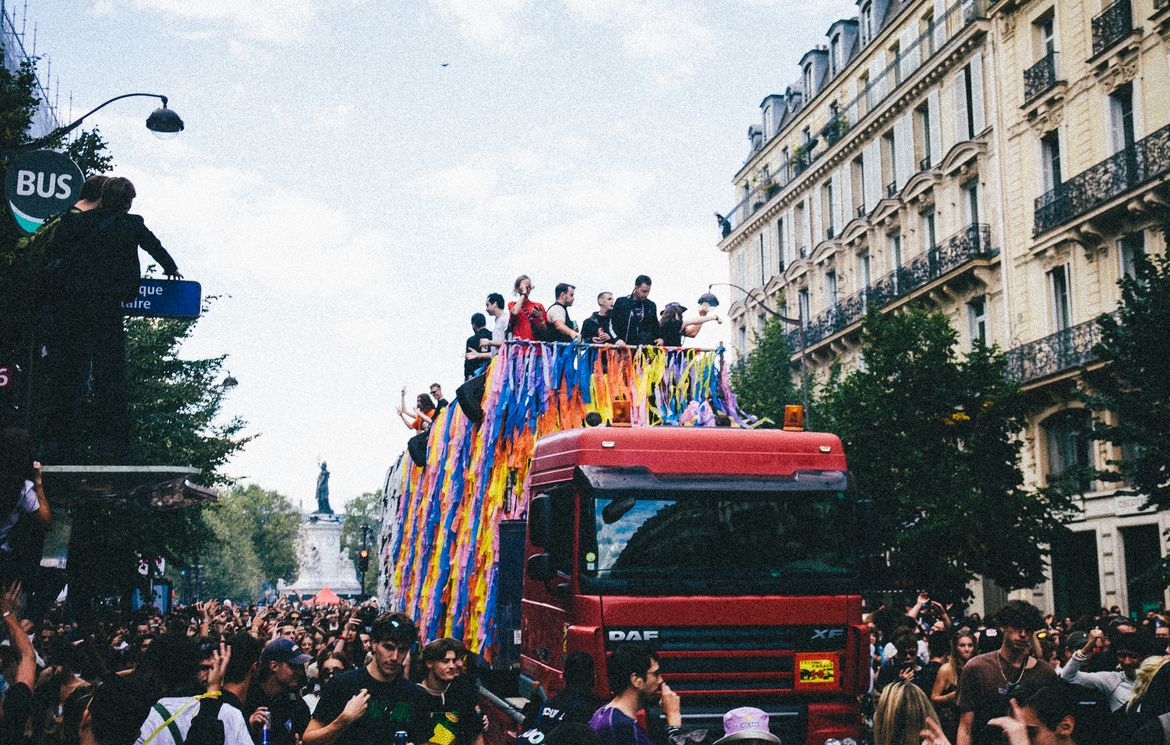
La Techno Parade fait son retour à Paris après deux ans d'absence, rassemblant des milliers de participants qui, face à une répression accrue de la culture festive, considèrent la danse comme un acte politique d'émancipation et de résistance contre la commercialisation et la gentrification de la nuit. #TechnoParade #LibertéDeDanser #LoiRIPOST

www.20minutes.fr
La Techno Parade de retour à Paris : Danser est-il devenu plus politique que jamais ?
7584
Clémence Guetté Sep 12

Les féministes nous ont appris que le privé est politique. Il faut continuer leur combat pour l'émancipation de toutes et tous. https://t.co/dnV5euHnh7 #féminisme #émancipation #politique #Iln'yapasdepaysspécifiquesmentionnésdansletweet.

117
Clémence Guetté Sep 12

Les féministes nous ont appris que le privé est politique. Il faut continuer leur combat pour l'émancipation de toutes et tous. https://t.co/S31pmzoUBZ #Féminisme #Émancipation #Politique #Thetweetdoesnotmentionanyspecificcountries.Therefore #therearenocountrycodestoreturn.

Palestine has exposed it: NATO countries are not US "allies". Because an ally gets respect even in disagreement. Those forced into obeyance, threatened with retaliation, from tariffs to invasion, are not allies: they are subalterns. Time for emancipation. https://t.co/aiIOApb4xL #Palestine #NATO #Emancipation #PS #US

15457
Natacha Polony Sep 9

École : c’était mieux avant, ce sera mieux après ! L’École française va mal. Les classements internationaux le disent, les professeurs le vivent et les familles le constatent : le niveau baisse, les inégalités se creusent et la promesse d’émancipation par le savoir s’efface. #École #Éducation #Inégalités #FR

117
Gabriel Attal Sep 7

En France, aucune culture, aucune croyance, aucun culte, rien ni personne ne peut venir dicter aux femmes leur place. Plein soutien aux équipes qui se mobilisent pour défendre notre tour Eiffel, phare de la liberté et de l’émancipation. #Liberté #Émancipation #Soutien #FR

3634
Xavier Tytelman Sep 2

Malgré des airs souriants, les USA veulent plus que jamais nous écraser. Il est temps d'affirmer notre souveraineté et de s'émanciper de leur tutelle. https://t.co/JSL1NhdfGD #Souveraineté #Émancipation #USA

12217