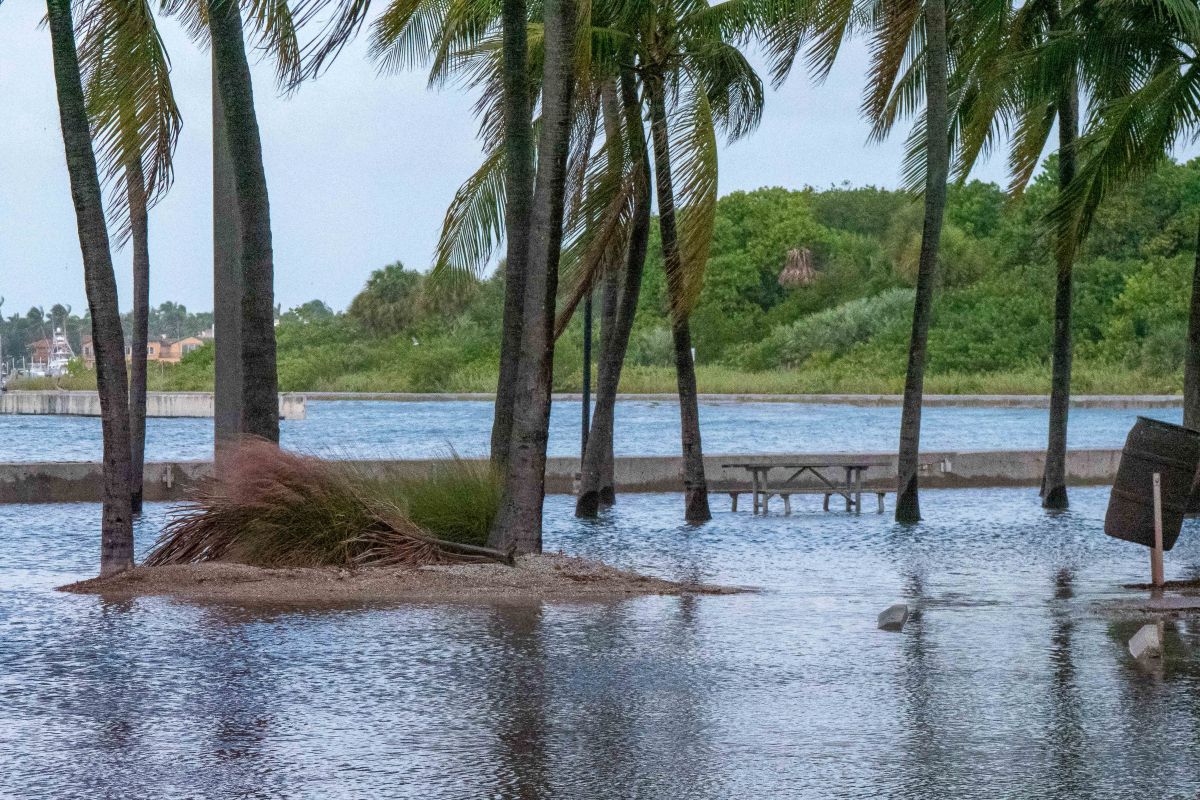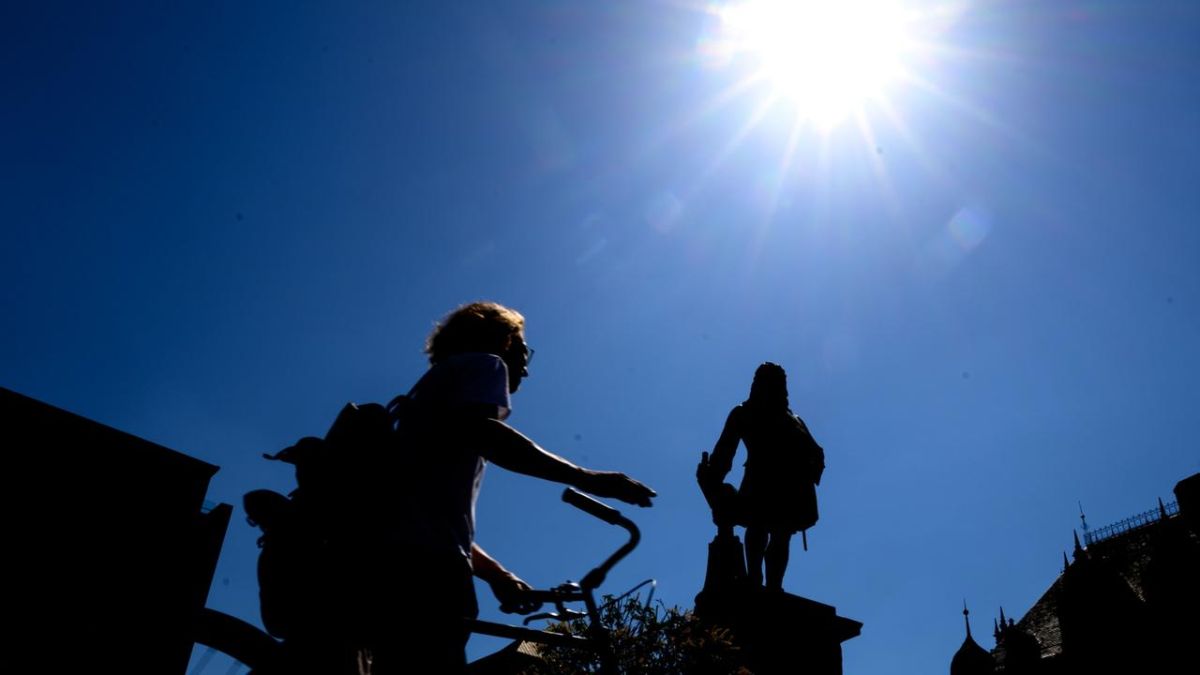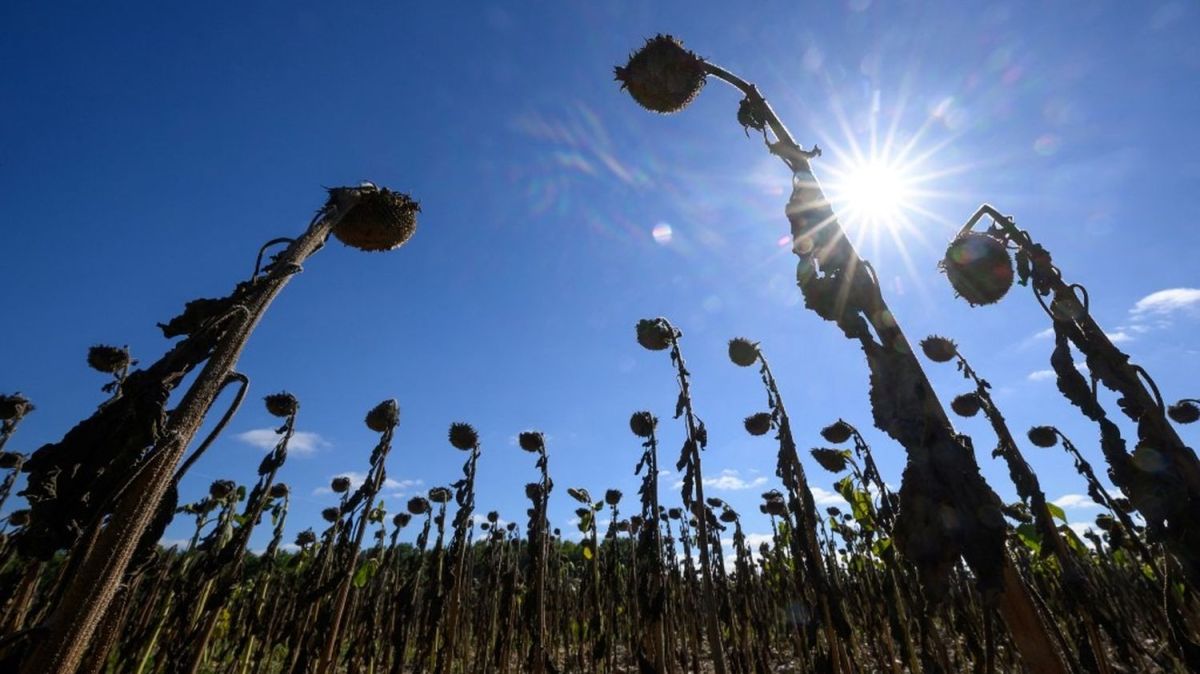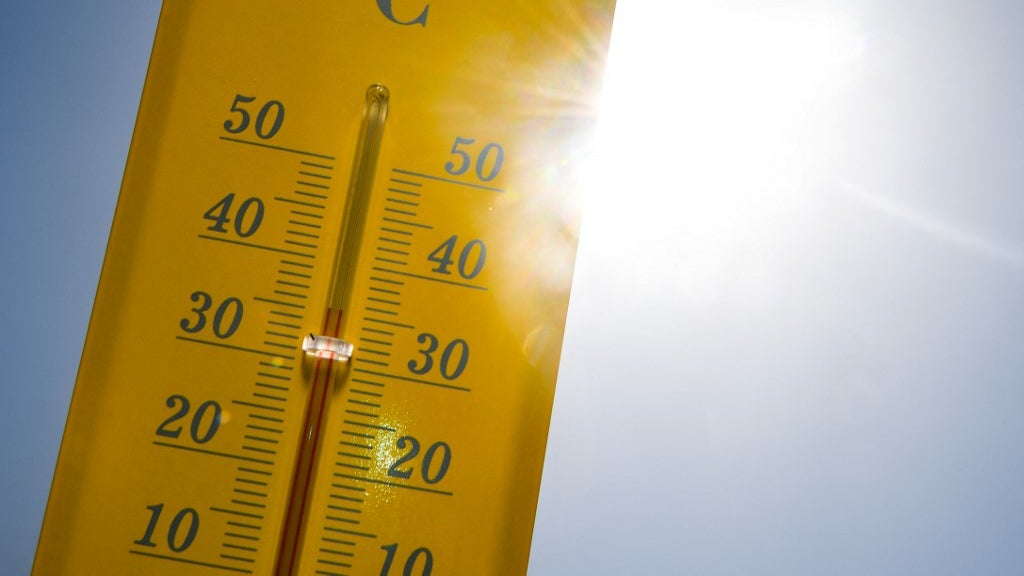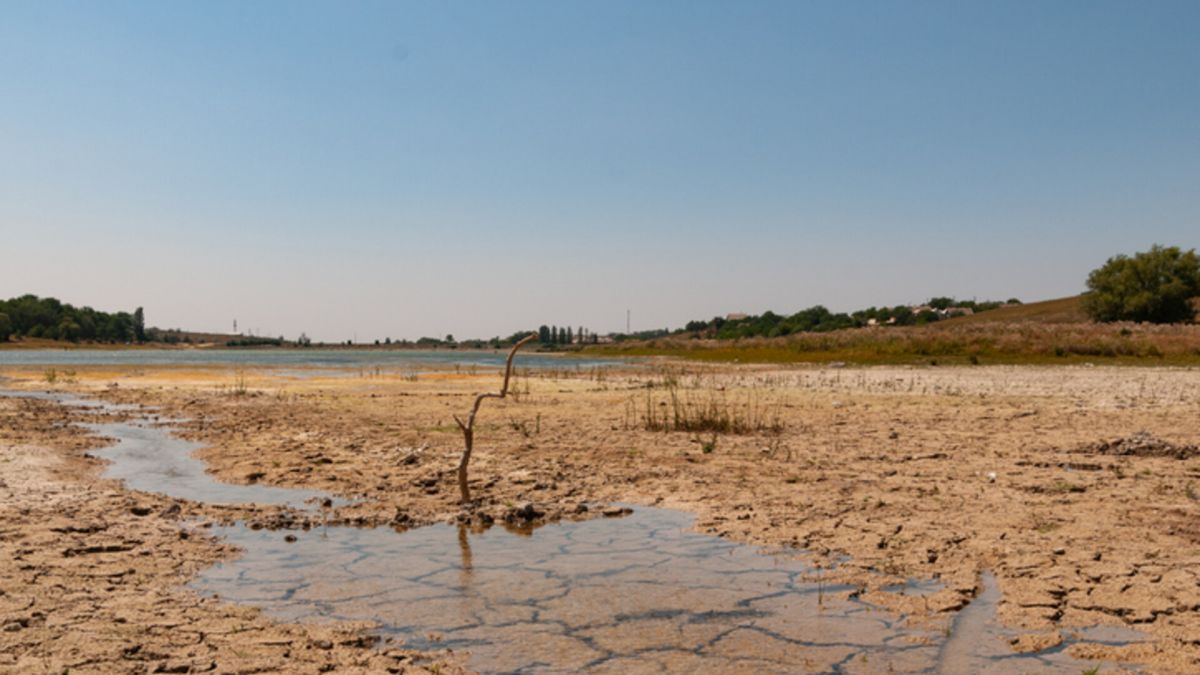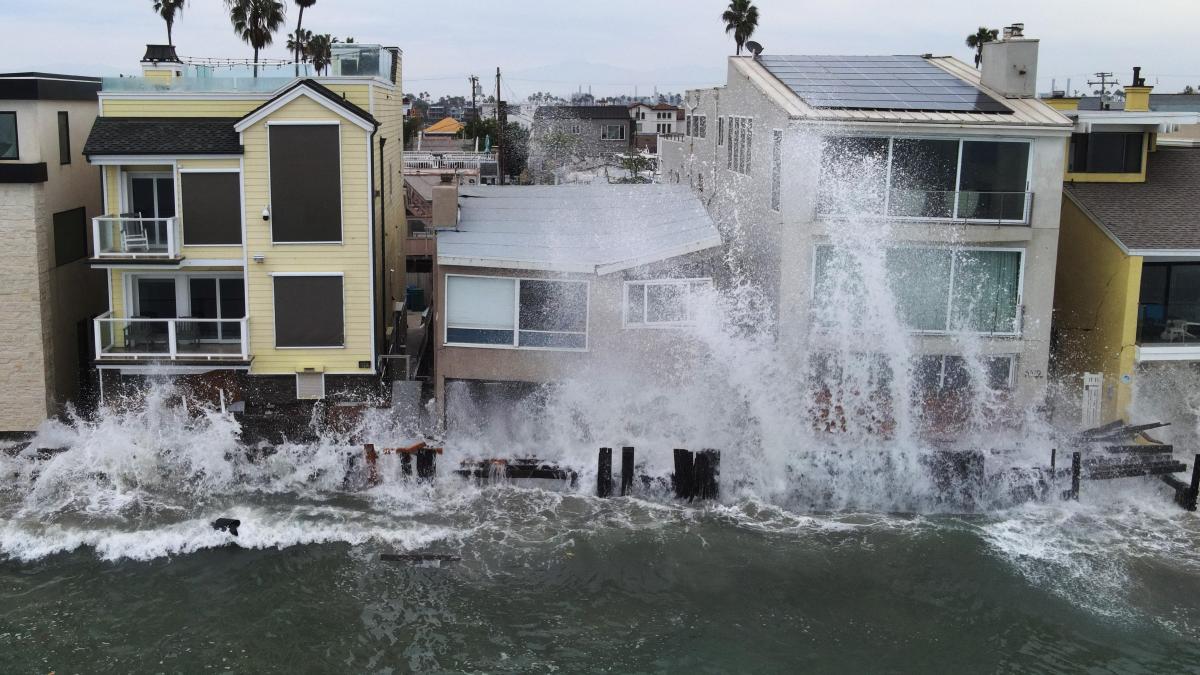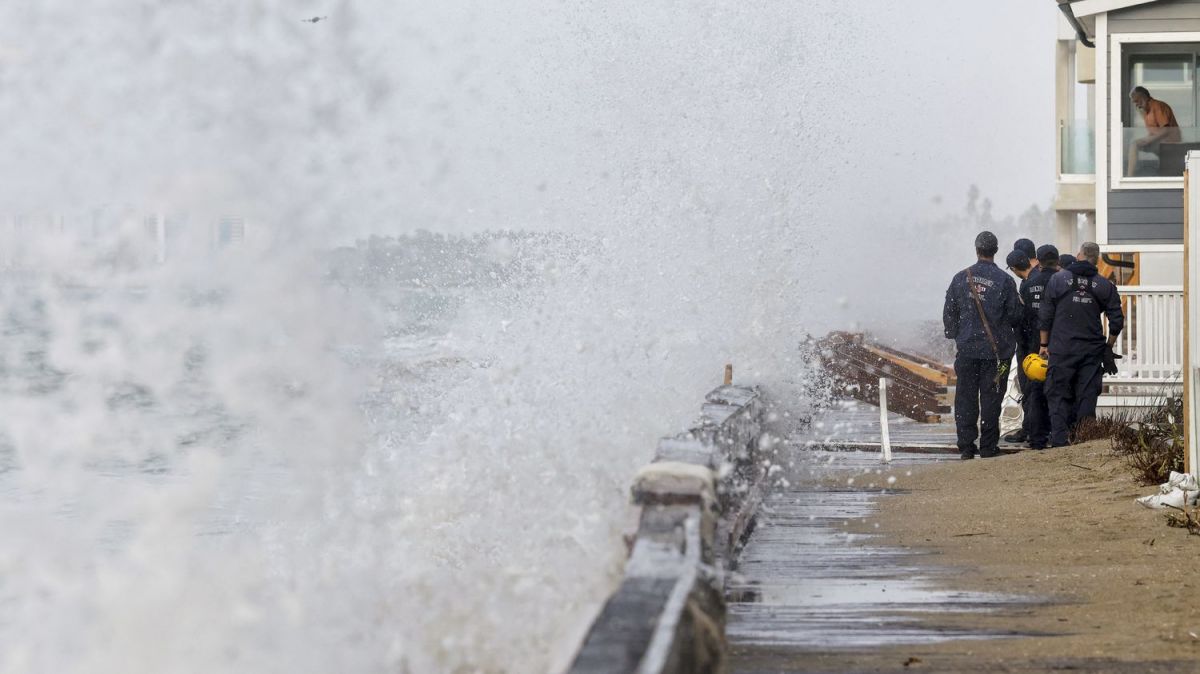
According to the EU climate service Copernicus, the global average temperature is expected to exceed the 1.5 degrees Celsius mark in 2026, which could have serious consequences for the climate and ecosystems. (translated)
The year 2026 could become the second hottest year in history due to the strong impact of El Niño, which has not yet peaked, and contributes to the human-induced global warming, says the European Union's climate monitoring service "Copernicus." #ElNinjo #klimatoKaita #karščiausiMetai (translated)

According to the EU service Copernicus, the 1.5-degree target is expected to be exceeded by 2026, with October 2026 being the warmest since records began. #Klimawandel #Copernicus #1Komma5Grad (translated)

The Copernicus laboratory announces that October 2026 was the hottest month ever recorded, with temperatures exceeding preindustrial levels by 1.75 °C, and predicts that 2026 could become the second hottest year, primarily due to the El Niño phenomenon and the effects of climate change. #ChangementClimatique #RéchauffementMondial #ElNino (translated)

October 2023 was the warmest worldwide since records began, with temperatures 1.75 degrees Celsius above pre-industrial levels, and it is expected that the average temperature will exceed the critical 1.5-degree threshold by 2026. #Klimawandel #GlobaleErwärmung #COPernicus (translated)

The European Climate Change Monitoring Service Copernicus has reported that the year 2026 will almost certainly become the second hottest year in history, with global temperatures expected to exceed 1.5 degrees Celsius compared to the pre-industrial period. #globalnozatopljenje #klimatskepromjene #Copernicus (translated)
The Copernicus study predicts that the year 2026 will very likely exceed the 1.5-degree mark of the climate crisis. #DatenMining #Crawling #Urheberrecht (translated)
Krzysztof Mazur listed European companies and technologies from various industries, arguing that Europe still has significant industrial achievements. Among the examples he cited were Porsche, BMW, Ferrari, Mercedes, and Rolls-Royce cars, Bosch and Siemens automation, ABB robotics, ASML lithography, Airbus A350 aircraft, Ariane 6 rocket, Rafale and Gripen fighters from SAAB, and TRUMPF industrial lasers. He also mentioned, among others, EDF and Schneider in nuclear energy, STMicroelectronics and Infineon in semiconductor manufacturing, Nokia and Ericsson in telecommunications, Siemens Healthineers, Novo Nordisk, BioNTech, AstraZeneca, and Roche in medicine, as well as the Galileo and Copernicus systems and ICEYE and OHB satellites. The list also included Thales radars, Naval Group submarines, Rheinmetall artillery systems, Leonardo helicopters, Kongsberg missiles, Vestas and Siemens turbines, and trains from Alstom, Siemens, Newag, and Pesa. Among further examples, he mentioned the Mistral AI language models, Pasqal and IQM quantum computers, Wilk Electronics memory cards, and prototypes for fusion reactors from Proxima Fusion. Mazur wrote that Europe should regain its technological pride. He assessed that the continent missed the digital revolution but still has excellent companies and technologies. #technologia #innowacje #przemysł (translated)
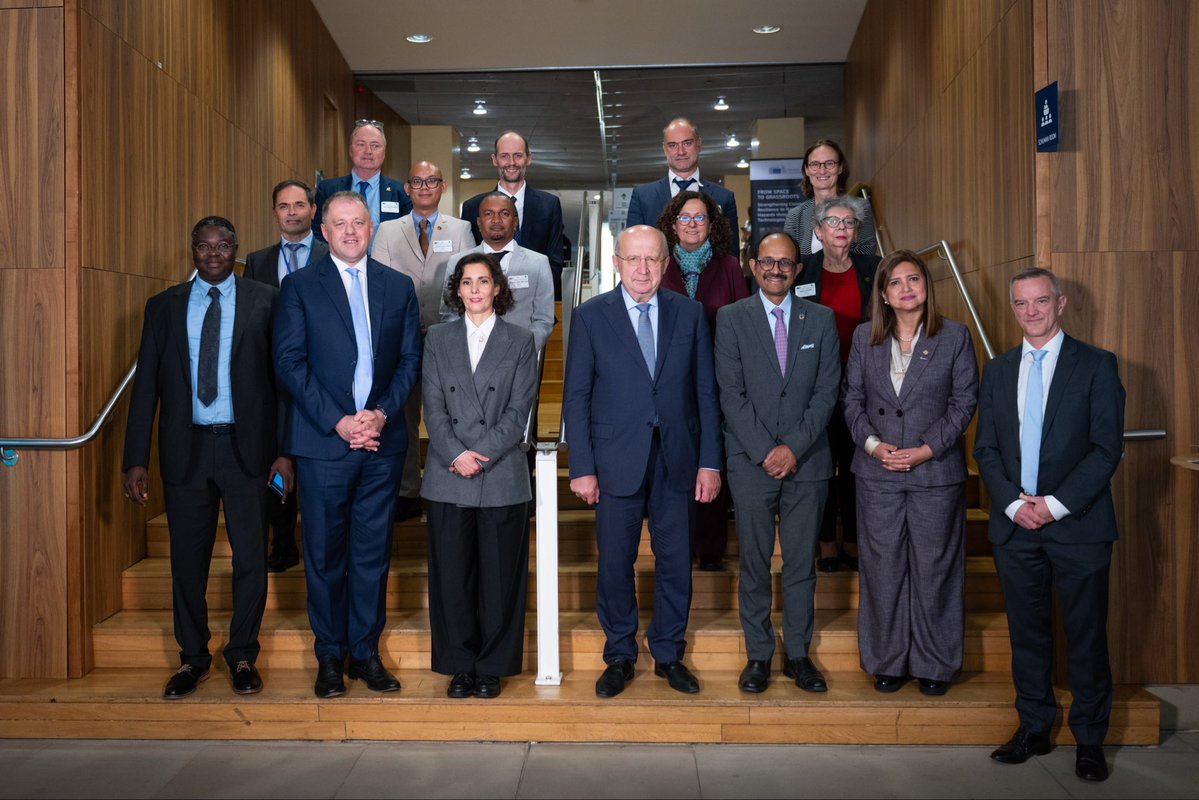
The author said Copernicus helped monitor floods, wildfires and earthquakes, Galileo guided responses, and IRIS² maintained communications. They wrote that the EU had launched its first cross-regional dialogue on space and community resilience, linking space-based capabilities with grassroots solidarity. https://t.co/5bRRQxDpAx #Espacio #Resiliencia #Emergencias #EU
According to Copernicus, the exceptional intensity of the El Niño episode could make 2026 the hottest year on record, with global temperatures rising in the months following its expected peak. #ElNino #ChangementClimatique #TempératuresRecord (translated)

The Copernicus service reported that September 2026 was the second warmest month in history, with an average temperature of 16.27 degrees Celsius, which demonstrates a disturbing continuation of the rise in global temperatures and the severe consequences of climate change in Europe. #schimbăriclimatice #încălzireglobală #recordtemperaturi (translated)

September 2023 was the second hottest September in recorded history, with an average temperature of 16.27°C, and the excessive warming of 1.5°C above pre-industrial levels continues due to climate change and is dependent on human actions, warned the director of Copernicus, Carlo Buontempo. #klimatskepromjene #globalnozagrijavanje #ElNiño (translated)

The waters of the Pacific and the Western Mediterranean reached record temperatures in September, which was the second hottest month recorded on the planet, according to the Copernicus Climate Change Service. #CalentamientoGlobal #ElNiño #CambioClimático (translated)

The El Niño phenomenon caused record sea temperatures in September, reaching 21.05°C globally, according to the Copernicus Observatory. #ElNino #RéchauffementClimatique #TempératureDesMers (translated)

According to the EU's climate service Copernicus, September 2026 was the second warmest measured globally, with a temperature 1.63 degrees above pre-industrial levels, and in Western Europe, the month was the hottest ever, alongside September 2023. #Klimatförändringar #Värmebölja #September2026 (translated)
In September 2023, a critical temperature threshold was crossed, and the month was the second hottest on record, according to reports from the EU's Copernicus Climate Service. #ilmastonmuutos #syksy #ennätykset (translated)
This year's September has become the second warmest recorded globally, with a temperature that reached 1.63 degrees above the pre-industrial level, according to the EU's climate service Copernicus. #klimat #globaluppvärmning #Copernicus (translated)

The year 2026 recorded the second hottest September month in the world according to Copernicus data. #Erreur #Service #Assistance (translated)
The post said the Copernicus programme was envisioned, built and launched by Europe, and credited the European Space Agency with delivering satellites that enabled it. It added that Sentinel-3C was demonstrating its capabilities. https://t.co/vbrE9orz7Y https://t.co/ZR9vP8SJrN #Copernicus #Satellite #ESAEurope #EU #ESA
His name is Copernicus, and Commissioner Andrius Kubilius mentioned it during the presentation of the report: it is a European strategic asset. #EstadoDoOceano #MudançasClimáticas #SoberaniaMarítima (translated)