“Quando um país pede assistência, esse pedido transforma-se em ação numa questão de horas. Descolam aeronaves, bombeiros atravessam fronteiras, e o sistema de satélite Copernicus começa a mapear a situação no terreno”
While people are still searching for their loved ones in Nepal, we are stepping up. 🇪🇺 is providing €2 million in emergency aid for food, healthcare, clean water & sanitation. Our partners are on the ground. 🛰️ Copernicus is also mapping affected areas. 🇪🇺 stands with🇳🇵 #Nepal #EmergencyAid #StandWithNepal #NP #EU
After the flash flood on August 26, Copernicus satellite images reveal that the Bhote Koshi-Trishuli river system in Nepal has undergone a radical transformation, with vast expanses of sediment changing its course. (translated)

Copernicus wurde aktiviert, um die Kartierung der betroffenen Gebiete in Nepal zu unterstützen und die Hilfsmaßnahmen vor Ort zu fördern. Wir sind bereit, weitere europäische Hilfe zu mobilisieren
«Το Copernicus έχει ενεργοποιηθεί για να βοηθήσει στη χαρτογράφηση των πληγεισών περιοχών στο Νεπάλ και στην υποστήριξη επιχειρήσεων βοήθειας στο πεδίο»
The European Union activated the Copernicus satellite system to support rescue efforts after deadly floods in Nepal, where at least 95 people have lost their lives and 384 tourists remain missing. (translated)
All our solidarity with the victims of the floods in Nepal. The EU has activated the Copernicus satellite service to provide maps & EU-funded partners in Nepal are already providing help on the ground. #NepalFloods #Solidarity #EU援助 #NP #EU
Devastating floods have struck communities in Nepal and China. My thoughts are with all those affected, especially the families who have lost loved ones or are still waiting for news. We also share a thought for the brave first responders. Copernicus has been activated to help #NepalFloods #ChinaFloods #FirstResponders #NP #CN
Satellite images from the Copernicus program revealed the extent of the catastrophic fire that has devastated the area around Omiš since August 13, turning paradise greenery into scorched earth and causing significant material damage and loss of life. (translated)

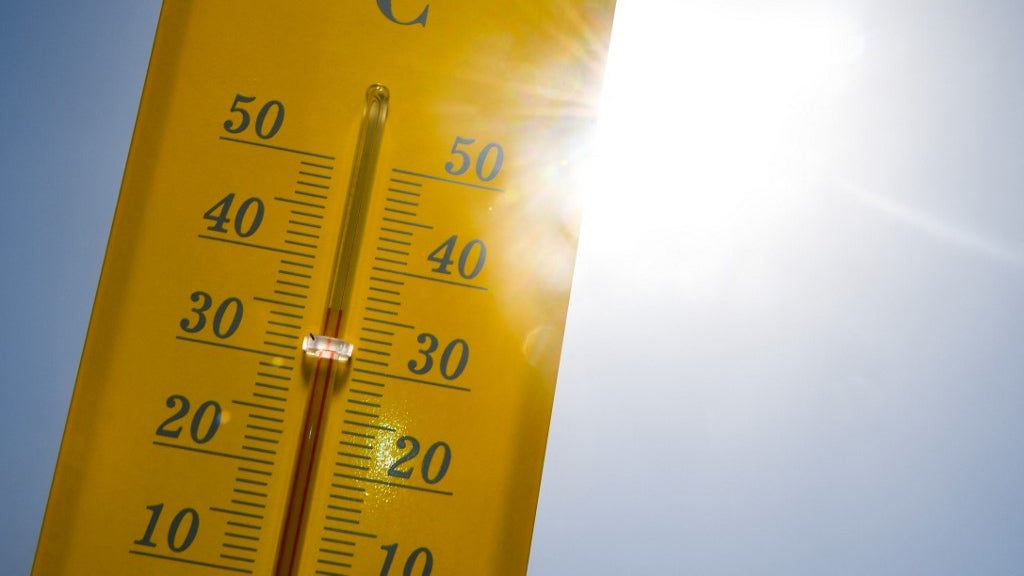
The Copernicus Climate Change Service announced that a global record was broken in ocean temperatures, as data from August 22 indicates that sea surface temperature rose to 21.1 degrees Celsius, surpassing the previous record measured in 2024, and warning of the adverse effects of El Niño, which can lead to extreme weather events and famine. (translated)

The European Copernicus Observatory reported that the daily average ocean temperature reached a historic record of 21.1°C, surpassing the previous record from March 2024, with the phenomenon being influenced by climate change and the intensification of the El Niño phenomenon, indicating increased stress on marine ecosystems and greater risks for coastal communities. (translated)

The average sea surface temperature has reached a new record of 21.1 degrees Celsius, which alarms researchers from Copernicus as it increases risks for ecosystems and coastal communities and indicates a concerning trend of climate change. (translated)

According to the EU climate service Copernicus, the world's oceans reached a new record average temperature of 21.1 degrees last weekend, attributed to global warming from greenhouse gas emissions and the climate phenomenon El Niño, which increases the dangers for coastal communities and the risk of extreme weather events. (translated)

The surface temperature of the oceans reached an absolute record of 21.1 ºC, driven by the El Niño phenomenon and global warming, according to the European Copernicus Observatory. (translated)

The global oceans reached a record daily average temperature of 21.1°C on August 22, slightly exceeding the previous record of 21.09°C set in March 2024, with the Copernicus agency attributing this increase to climate change and the El Niño phenomenon. (translated)

The EU climate service Copernicus reported on August 22 a new record for the global average sea surface temperature of 21.1 degrees Celsius, which is amplified by the weather phenomenon El Niño and human-caused global warming, increasing the risk for marine ecosystems and extreme weather events. (translated)

The sea surface temperature reached a record high of 21.1°C on August 22, 2026, according to the European Copernicus service, influenced by the El Niño phenomenon, surpassing the previous record from March 2024 and leading to concerning consequences for marine ecosystems and weather. (translated)
The European Union has mobilized helicopters and operatives from various member states to combat fires in Belgium and Spain, following the activation of the European Civil Protection Mechanism, while the Copernicus satellite system assists in assessing the affected areas. (translated)