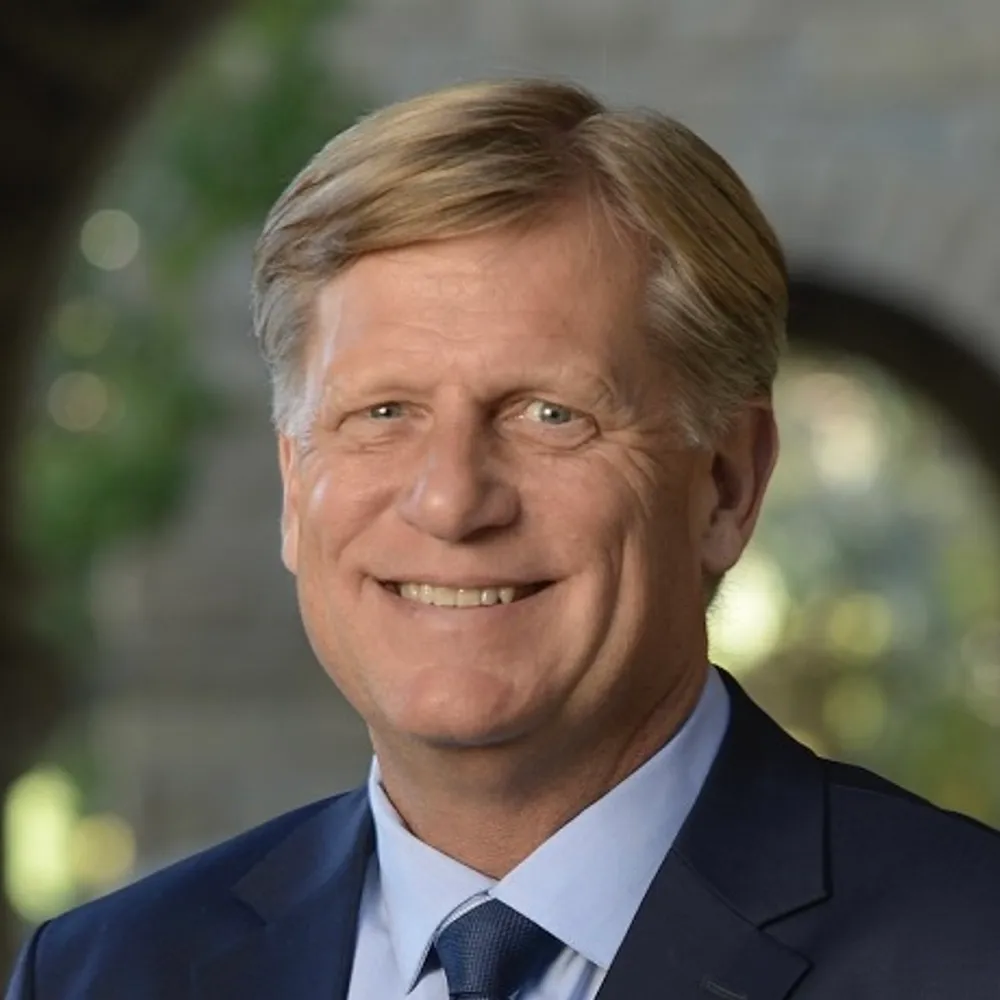
One of the worst weeks for U.S.–Ukraine relations in recent memory. I'm outraged by the Trump administration's decisions and their potential consequences for Ukrainian lives. America should stand with democracies, not dictatorships.
One of the worst weeks for U.S.–Ukraine relations in recent memory. I'm outraged by the Trump administration's decisions and their potential consequences for Ukrainian lives. America should stand with democracies, not dictatorships.
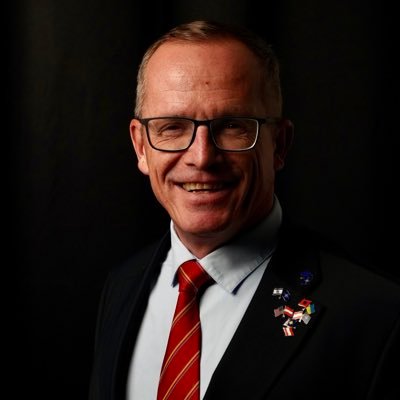
The post’s author said they would support renaming Vienna’s Reisnerstraße to Alexei-Navalny-Straße if they became Austria’s president, describing it as a pledge to honour courage, remember resistance and oppose Vladimir Putin’s dictatorship. They said the renaming would signal solidarity. https://t.co/KGAhDazoui #Navalny #Solidarity #Austria #AT

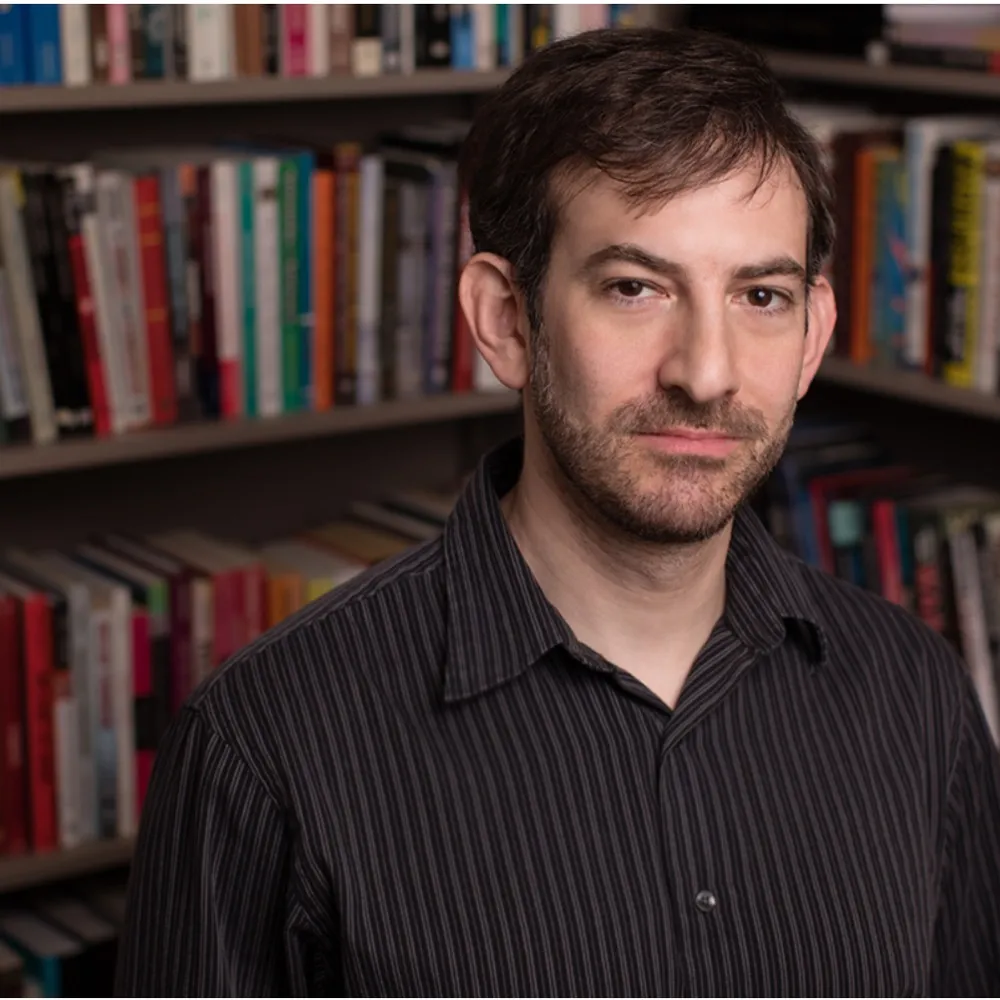
DHS raid on Rep. Omar is a great example of very bad by rule-of-law democracy standards, pretty good by consolidated authoritarianism standards. Deeply wrong, with lies, bigotry, harassment, abuse of power. AND a sign of weakness, limited capacity, failure to make the dictatorship of their dreams.

The author wrote that the history of the Second World War showed how valuable, and how vulnerable, freedom, democracy and human rights could be when intolerance and dictatorship prevailed. They said such horrors must never happen again and that everyone had a responsibility to prevent them. https://t.co/z89dRAMLdz #Liberté #Démocratie #DroitsHumains #LU (translated)

The author marked 9 October 1989 as Leipzig Freedom Day and said they remained deeply grateful to the tens of thousands of citizens who had peacefully opposed dictatorship. They wrote that their actions helped open the way to German unity and a free Europe, citing the slogans “Wir sind das Volk” and “Keine Gewalt.” https://t.co/6lrDtt0bve #Freiheit #Demokratie #Einheit #DE #EU

The author presented the offer as a 2028 presidential pledge, saying they would grant asylum in Austria to Russians who clearly broke with Putin, rejected Russia’s war against Ukraine and signed a public declaration against his regime. They argued that Putin needed people to sustain war, repression and dictatorship. https://t.co/Kw8FvYjtPb #Österreich #Asyl #Frieden #AT #RU #UA

The author called for remembering Anna Politkovskaya and other journalists, freedom fighters, human rights activists and democrats in Russia who, they wrote, had stood up to Vladimir Putin’s dictatorship and been imprisoned, tortured or murdered. https://t.co/bShGa0AKNI #AnnaPolitkovskaya #HumanRights #FreedomOfSpeech #RU

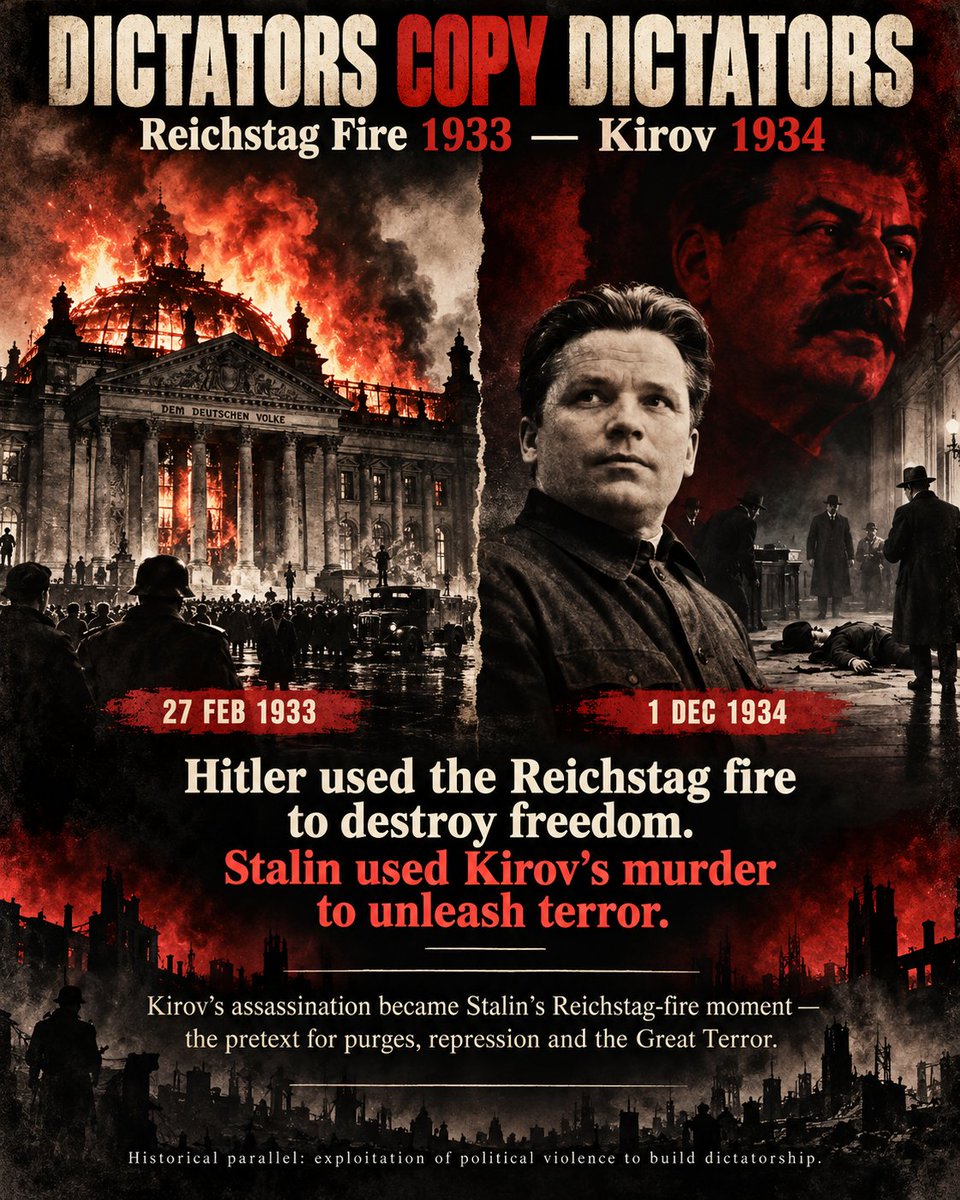
The author argued that dictators copied one another, citing the Reichstag fire on 27 February 1933 and writing that Hitler blamed his political enemies, suspended freedoms and accelerated his dictatorship. They also cited the murder of Sergei Kirov on 1 December 1934, saying Stalin immediately turned it to political ends. https://t.co/aL9gXit2ba #Dictatorship #History #Totalitarianism #DE #RU
The author described the Magyar government as a dictatorship and claimed it was so unstable that it was turning against potential allies and excluding liberal journalists from press conferences. They said this was damaging Hungary’s relations broadly and characterized the situation as a complete meltdown. #Hungary #PressFreedom #Dictatorship #HU
The author wrote that Germany marked Unity Day on 3 October by celebrating unity, freedom, and the peaceful overcoming of division, while also remembering its history. They said around a million people had risen against the SED dictatorship in East Germany on 17 June 1953 and that the uprising was met with violence. https://t.co/iWsYUJCaSC #TagDerDeutschenEinheit #Einheit #Geschichte #DE (translated)

The prime minister-designate said dictatorships cooperated and argued that democracies needed to work even more closely together, adding that security depended on strong alliances. They said they wanted Romania to be strong in the EU and NATO, protect its citizens and honour its commitments. #Romania #EU #NATO #RO #EU #NATO
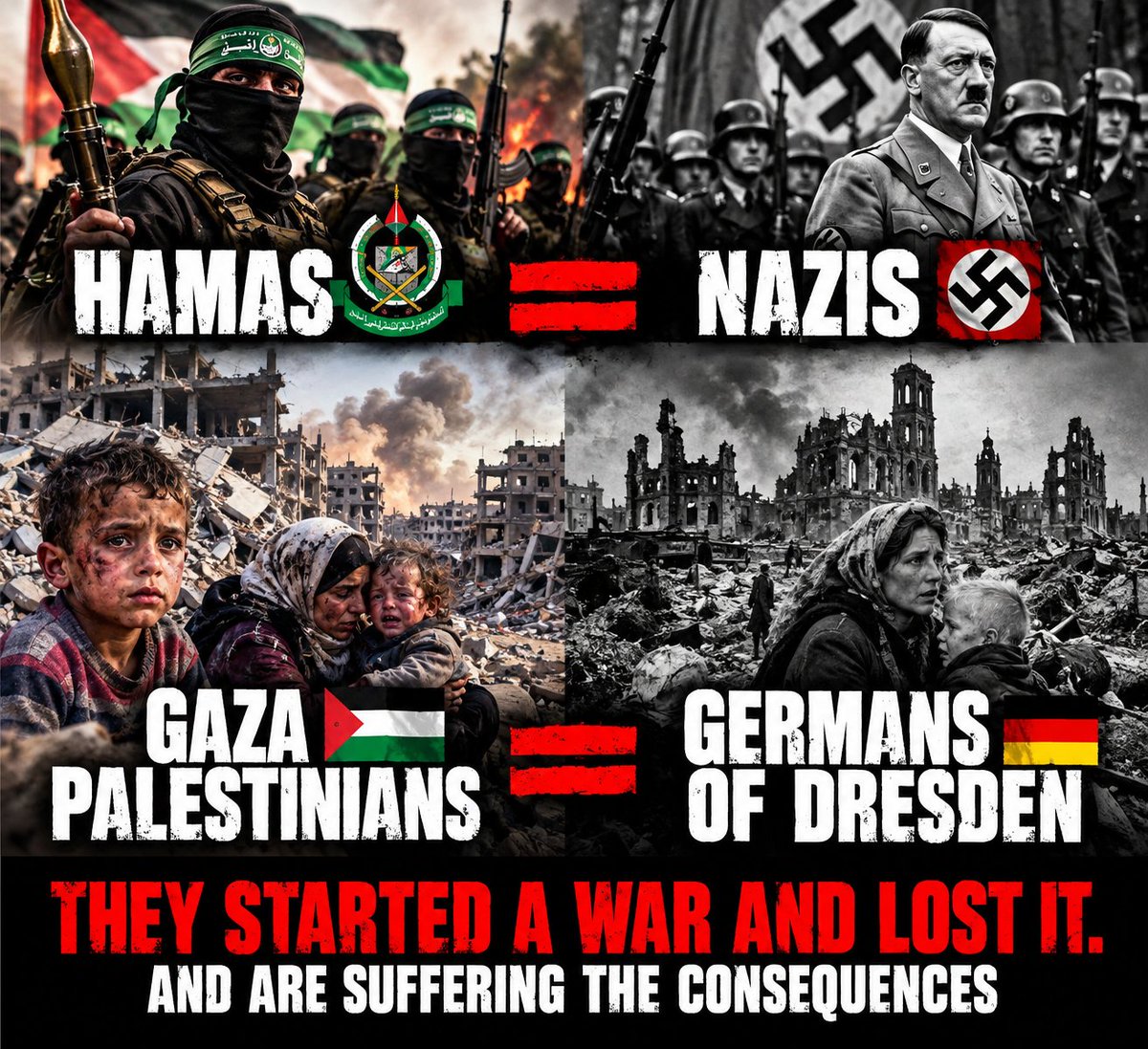
The author said the comparison was deliberately stark, distinguishing Hamas from Palestinian civilians and likening Hamas to a dictatorship that dragged the population under its rule into a catastrophic war. They compared Palestinian civilians in Gaza with German civilians who suffered in Dresden.
Hungary is descending into a Stalinist dictatorship. The dictator @magyarpeterMP is having the police grab politicians who oppose him and putting them in jail. This is happening in an EU country. It is truly shocking. This is coming to other EU countries if its not stopped. 🇭🇺 #Hungary #Dictatorship #EU #HU #EU
IRAQ LIBERATION WAS A SUCCESS 🇮🇶 My position is clear: the fall of Saddam Hussein’s dictatorship in 2003 was a historic achievement. U.S.-led forces entered Iraq in March 2003, Baghdad fell in April, and sovereignty was transferred to an Iraqi interim government in June 2004. https://t.co/OuLRltL3iv #IraqLiberation #SaddamHussein #USMilitarySuccess #IQ

The new Hungarian dictator is being charged with getting drunk, getting into an argument with a guy at a bar, stealing his phone and throwing it in the river. @magyarpeterMP doesn’t even deny he did it. How is such an unstable person a Prime Minister in an EU country!? 🇭🇺 #Hungary #Dictatorship #EULeadership #HU
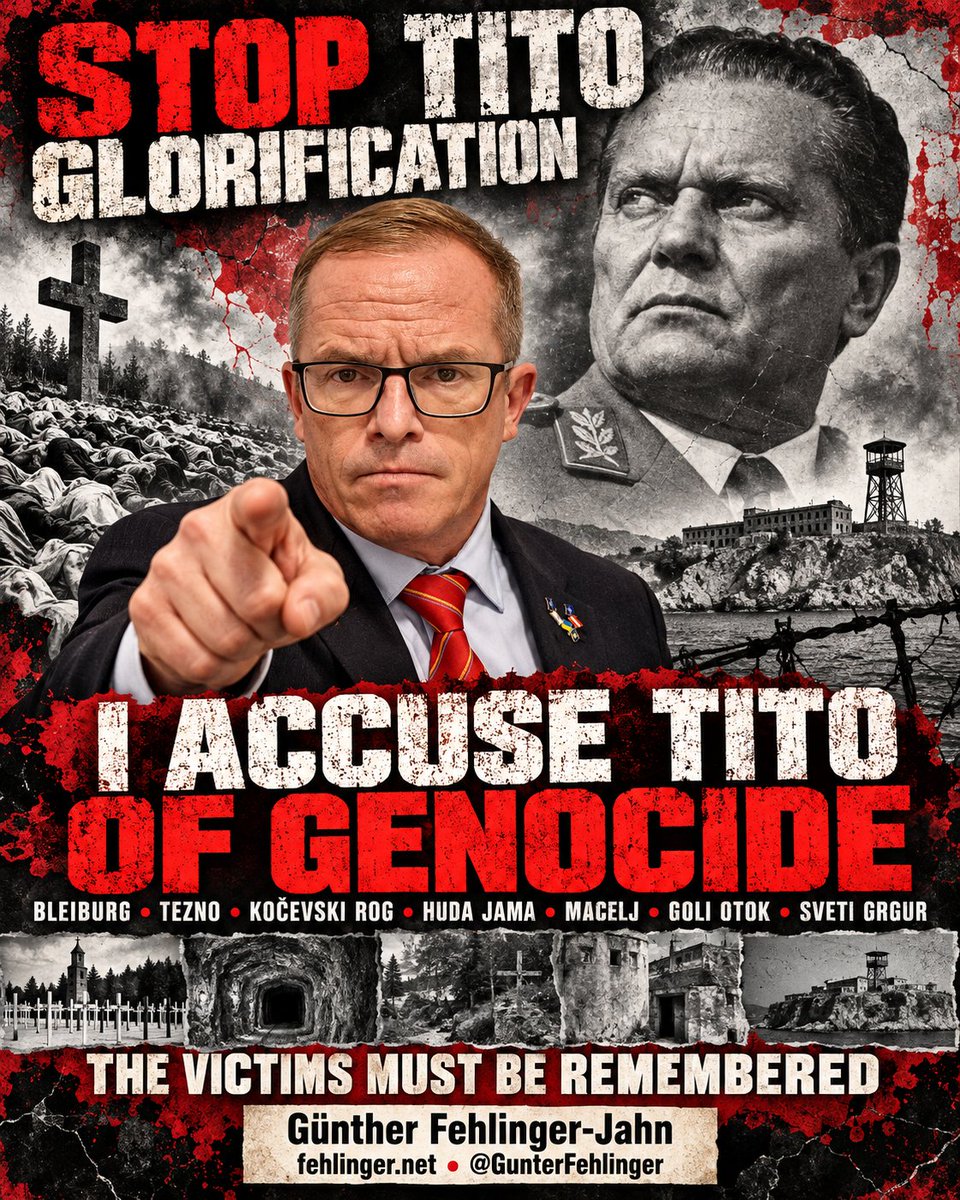
I accuse Josip Broz Tito and his communist regime of genocide. I reject every attempt to romanticize or glorify his dictatorship. The post-war killings and repression associated with Bleiburg and the death marches, Tezno, Kočevski Rog, Huda Jama and Macelj, together with https://t.co/RrGMaDGIdd #Tito #Genocide #HistoricalTruth #HR #SI
It looks like people in Hungary are already getting tired of wacky dictator @magyarpeterMP’s antics. A prosecutor is trying to push ahead with charging him for an outstanding theft from 2024. The eurolib faction under @_OrbanAnita is no doubt waiting in the wings to takeover. 🇭🇺 #Hungary #dictatorship #politics #HU
Romania is under dictatorship. Romania must right back. It's now or never. Călin Georgescu is innocent. This is a matrix attack. Călin Georgescu is the rightful president of Romania. 🇷🇴⚠️ https://t.co/TOnbpvQ6h1 #România #dictatură #Libertate


Instead of buying potash from its former closest ally Canada, the US is now looking to buy it from Belarus, one of the world’s most oppressive dictatorships. The United States we all knew is long gone. https://t.co/LQnxwLjgFc #Potash #Belarus #USForeignPolicy #US #CA #BY