BETA nonprofit public democratic european moderated

Search

#Energiepreis

Lexa wrote that Friedrich Merz explained on the Tagesschau that Russia is waging war against Europe and Germany. As evidence, Merz cited an "armed attack" on the Leipzig airport on August 4, which he claimed was solely carried out by Russia. Lexa interpreted this formulation as a justification for further arms deliveries, rearmament, and sanctions. The resulting costs, including higher energy prices, the migration of industry, and burdens on the budget, would, in his opinion, be imposed on the citizens. Moreover, people who questioned the evidence or the benefits of continued support for Kiev would be portrayed as opponents. According to Lexa, the EU is also pursuing this course and rejecting negotiations with Moscow as long as the guns are not silent. He wrote that this condition prolongs the conflict instead of ending it. #Russland #Krieg #Energiepreise (translated)

The International Monetary Fund (IMF) warns that rising prices for essential goods due to conflicts and crises worldwide will continue to severely impact affordability for many people, especially for working families. #Inflation #Lebensmittelpreise #Energiepreise (translated)

IWF: Lebensnötige Güter zunehmend schlechter erschwinglich

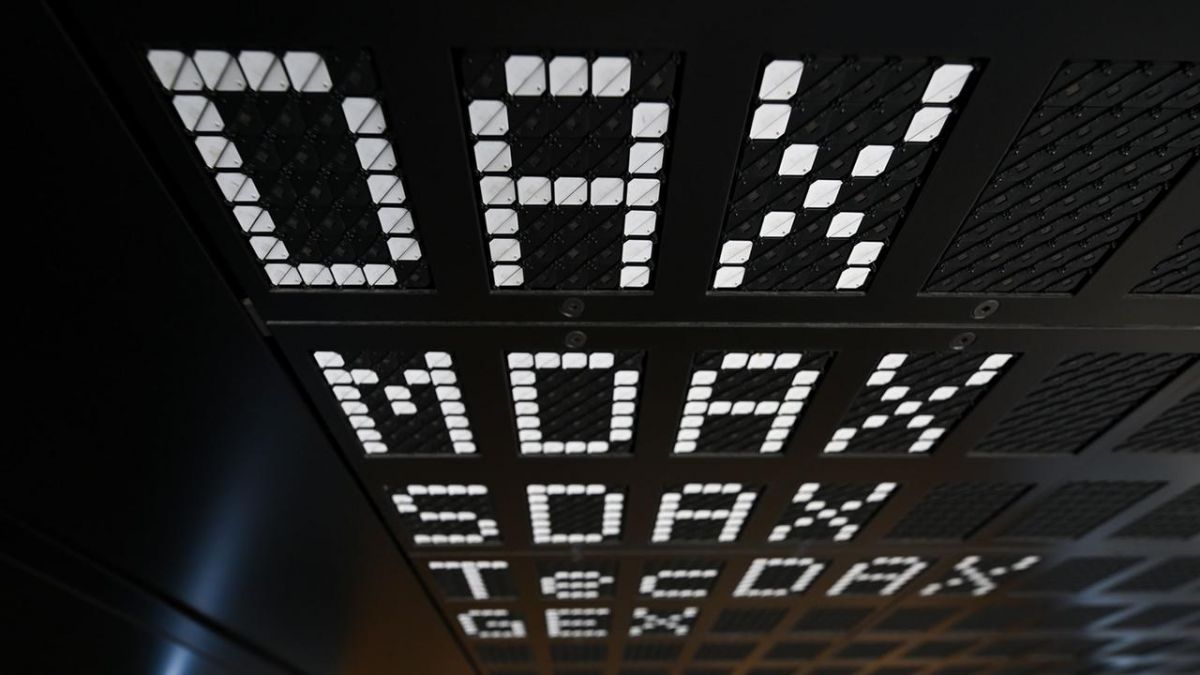
Despite a surprisingly sharp decline in industrial orders in Germany of 10.6 percent in August, the DAX recorded an increase of 0.5 percent at the beginning of the week, supported by the technological rally on Wall Street and a positive sentiment in the stock market. #DAX #Industrie #Energiepreise (translated)
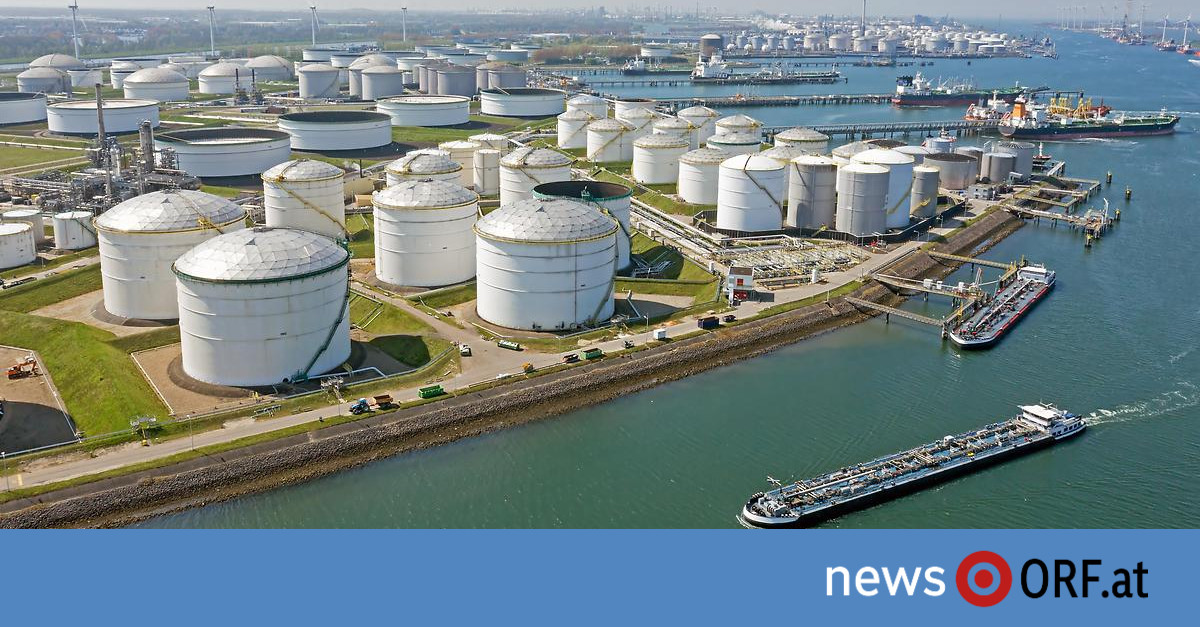
Marktbericht: DAX gewinnt an Schwung

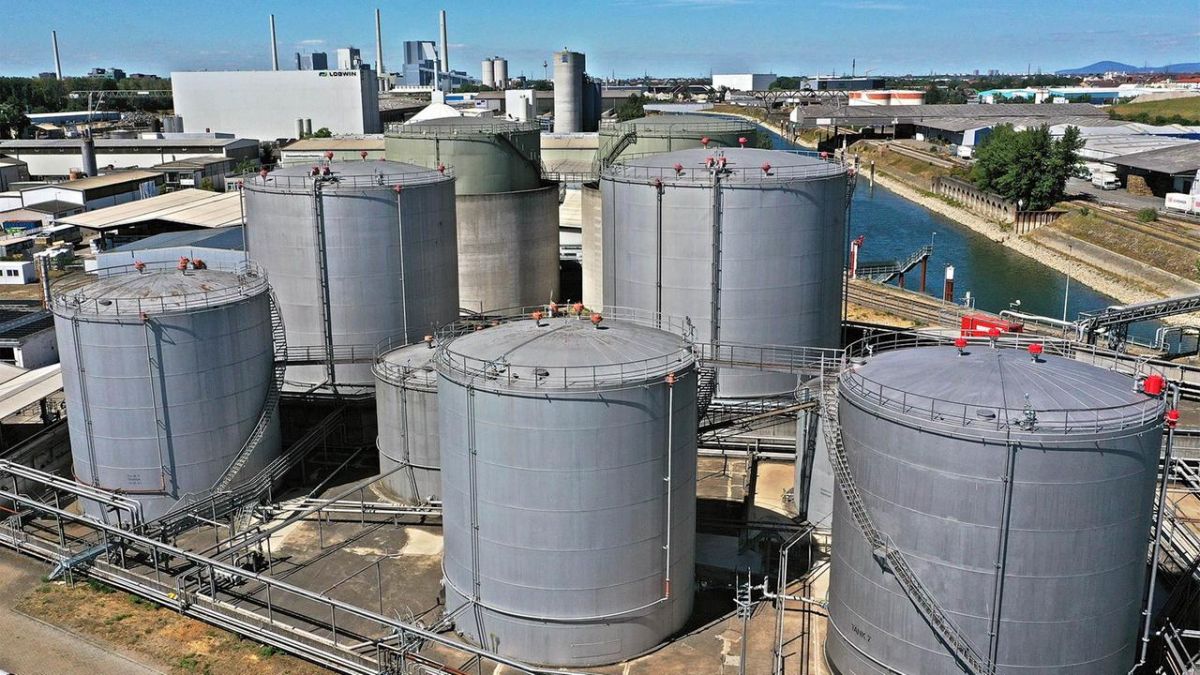
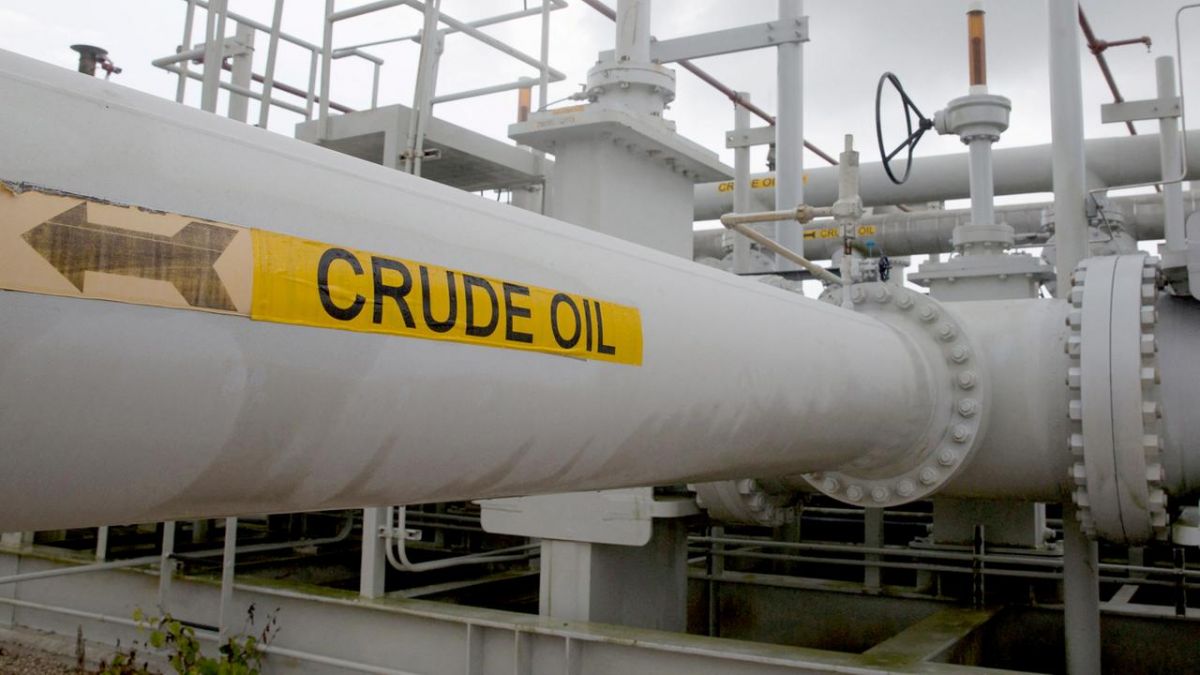
The G7 countries have decided to release up to 100 million barrels from their strategic oil reserves to counteract high energy prices, which could lead to temporary relief at the gas stations, while experts warn that this measure will only be limited in effectiveness as long as geopolitical tensions persist. #Energiepreise #Ölreserven #G7 (translated)

Freigabe der Ölreserven: Was bringt das für die Preise?

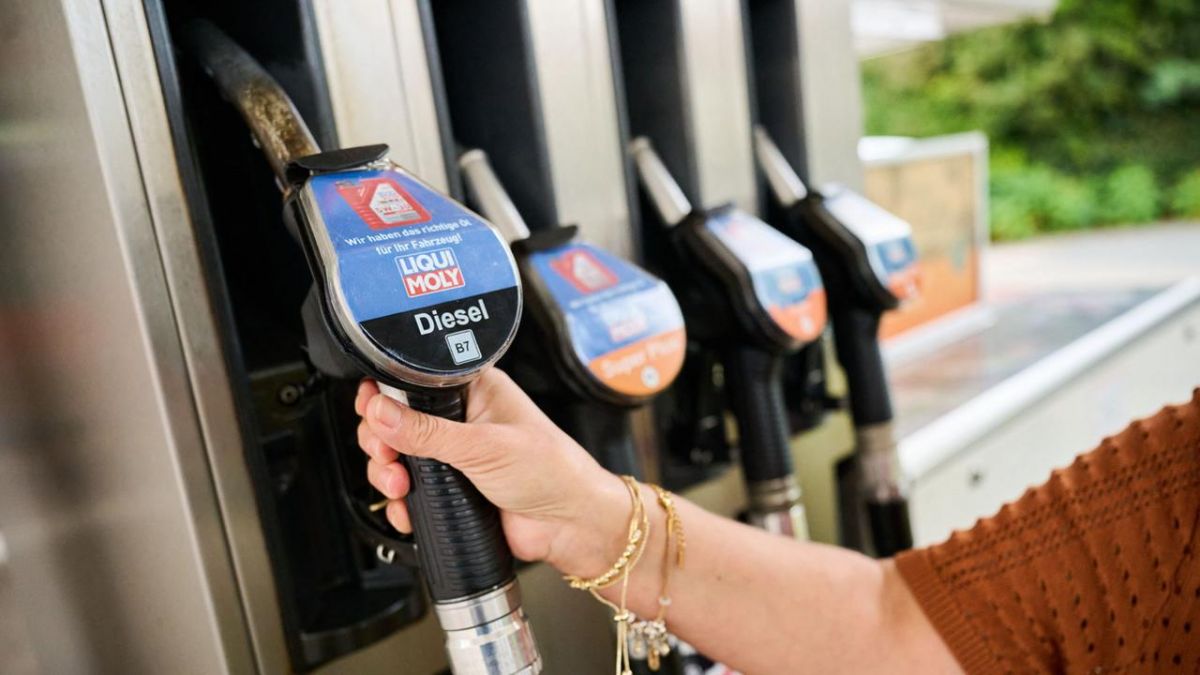
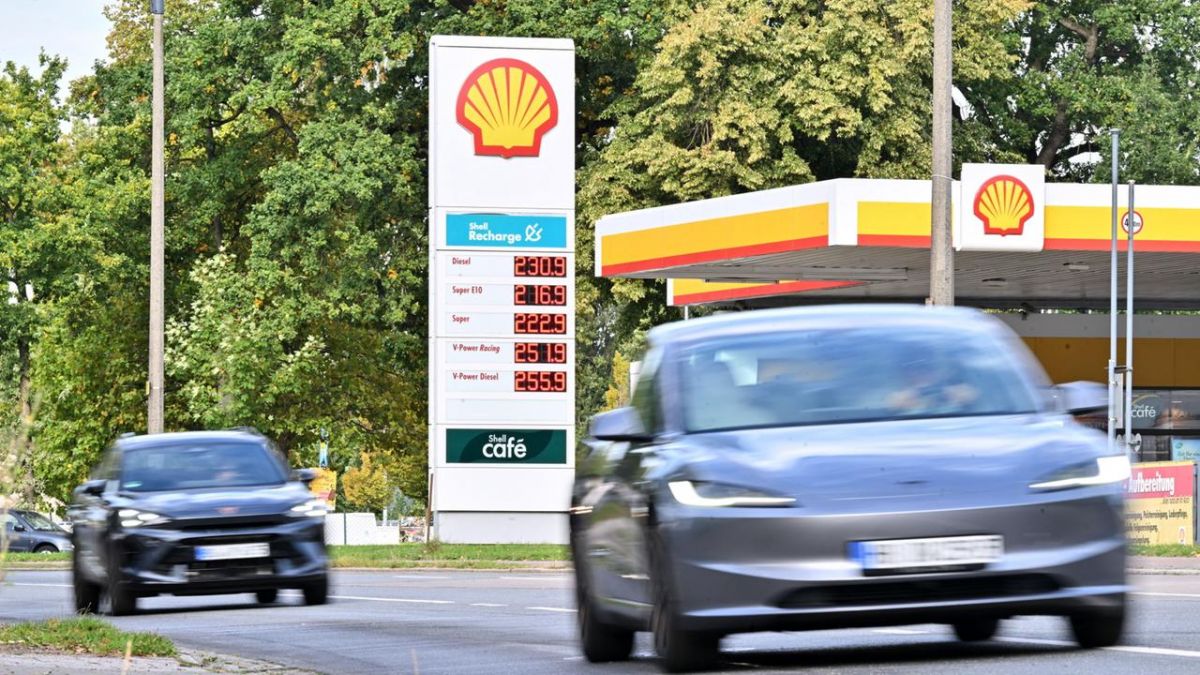
The prices for gasoline and diesel are rising slightly shortly after the reintroduction of the fuel rebate, even though a tax reduction of 16.7 cents per liter has been in effect since early October, which, according to ADAC, is difficult for consumers to understand. #Energiepreise #Tankrabatt #Kraftstoffpreise (translated)

Energiepreise: Preise für Benzin und Diesel steigen wieder leicht

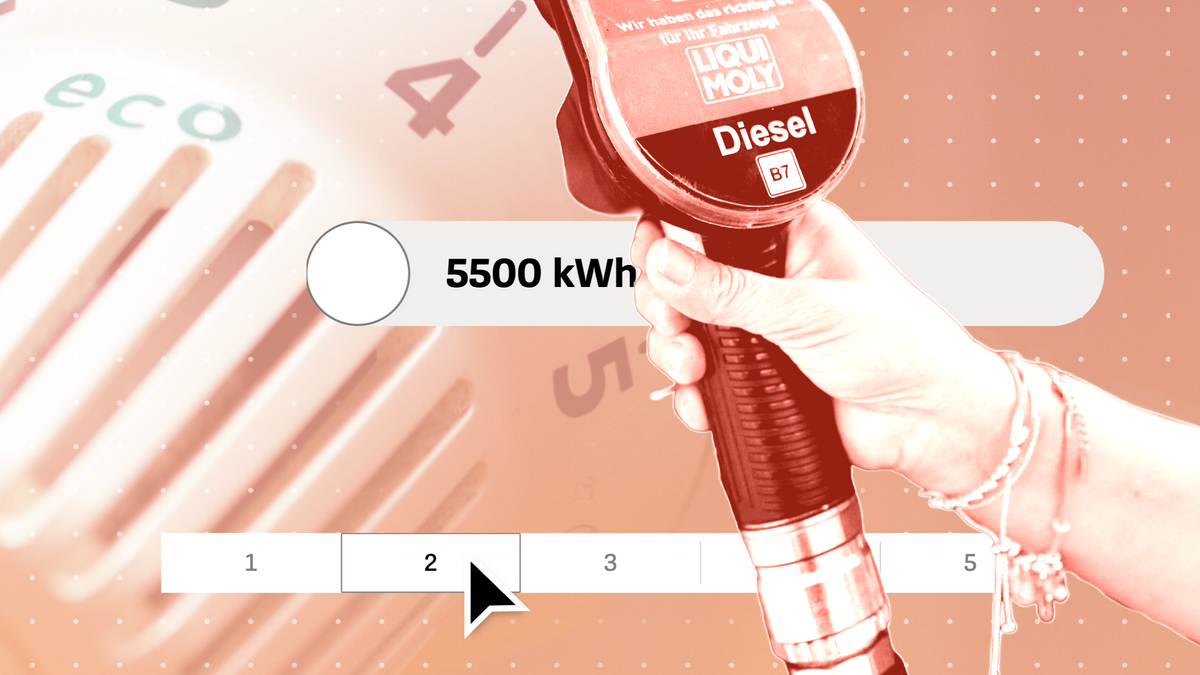
Energy prices are rising significantly due to the war in Iran, which will financially burden many households in the coming months, as shown by an interactive calculator from SPIEGEL. #Energiepreise #Heizkosten #IranKonflikt (translated)

Energiepreise: Rechner zeigt, wie teuer der Winter für Sie wird

Lexa wrote that Friedrich Merz had traveled to Kyiv and stated that one could rely on Germany. She asked whether this referred to the citizens who were struggling with an economic downturn, sharply rising energy prices, and overburdened cities, or to a political class that, according to her portrayal, represented its own interests. Germany's security does not primarily depend on the outcome of the Ukraine war, Lexa argued, but on secure borders, functioning infrastructure, and an economic policy that saves domestic companies rather than funneling tax money abroad. In her view, such visits demonstrated that solidarity was being exported unilaterally, while costs and risks remained with the local population and national problems remained unsolved. #Deutschland #Politik #UkrainischerKrieg (translated)

Kolja Barghoorn wrote that he finds it amusing that the success of the AfD is unanimously explained by the worries and fears of its voters. He mentioned other reasons such as nuclear power plants being blown up, Nord Stream not being repaired, and Germany having the highest energy prices in the world. Additionally, the country is affected by a policy of open borders leading to illegal mass immigration. At the same time, according to Barghoorn, the state share and state consumption are rising, while real purchasing power is no longer increasing and taxes are rising. #AfD #Deutschland #Politik (translated)

The decision of the G7 countries to release up to 100 million barrels of oil reserves to combat high energy prices is met with mixed reactions, with US President Trump praising the measure while the Greens and some economists criticize it as a short-term solution. #Ölreserven #Energiepolitik #G7 (translated)

Freigabe von G7-Energiereserven stößt auf gemischte Reaktionen
Bild 4d

The release of oil and diesel reserves by the G7 countries is intended to temporarily reduce energy costs for drivers and households with oil heating, but the long-term challenges due to geopolitical tensions in the Strait of Hormuz remain. #Energiepreise #Heizöl #Tankstellenpreise (translated)

Freigabe von Öl- und Dieselreserven - Was Autofahrer und Heizöl-Kunden wissen müssen

The inflation rate in the Eurozone reached 3.8 percent in September, the highest level in three years, primarily due to rising energy prices. #Inflation #Energiepreise #Eurozone (translated)

Inflation in Euro-Zone auf Dreijahreshoch

Inflation in the euro area rose to 3.8 percent in September 2026, the highest level in three years, mainly driven by high energy prices due to global conflicts. #Inflation #Energiepreise #EZB (translated)

Drei-Jahres-Hoch: Inflation im Euroraum steigt auf 3,8 Prozent

ECB Director Isabel Schnabel recently emphasized that one cannot wait for these effects to actually occur. #Inflation #Energiepreise #Eurozone (translated)

Inflation im Euroraum steigt stärker als erwartet - auf 3,8 Prozent
www.tagesschau.de

The inflation rate in the Eurozone rose to 3.8 percent in September 2026, the highest level in three years, mainly due to sharply increased energy prices. #Inflation #Energiepreise #Eurozone (translated)

Inflation im Euroraum steigt stärker als erwartet - auf 3,8 Prozent
Kurier 5d

In September, inflation in Austria rose to 3.6 percent, which is entirely due to higher prices for fuel and heating oil. #Inflation #Treibstoffpreise #Energiepreise (translated)
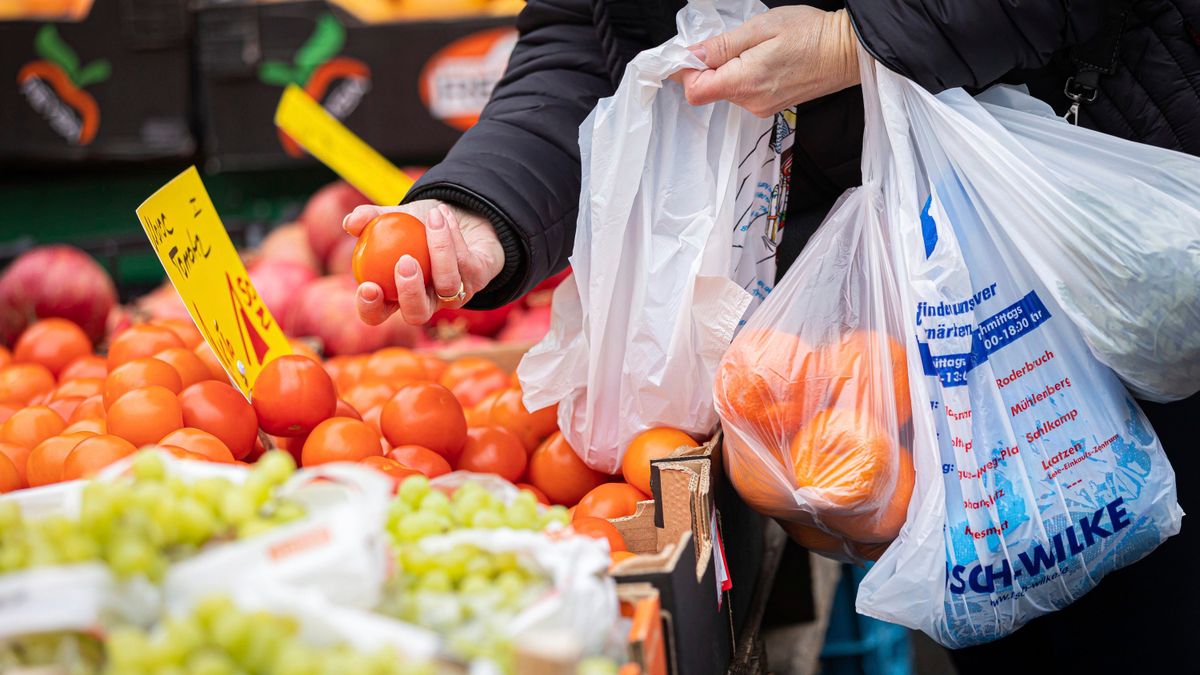
Inflation stieg im September auf 3,6 Prozent

However, ECB President Christine Lagarde has made it clear that energy prices and interest rates do not rise in lockstep. #DAX #Inflation #Ölpreise (translated)
Marktbericht: Schafft der DAX die 25.000-Punkte-Marke?
www.tagesschau.de

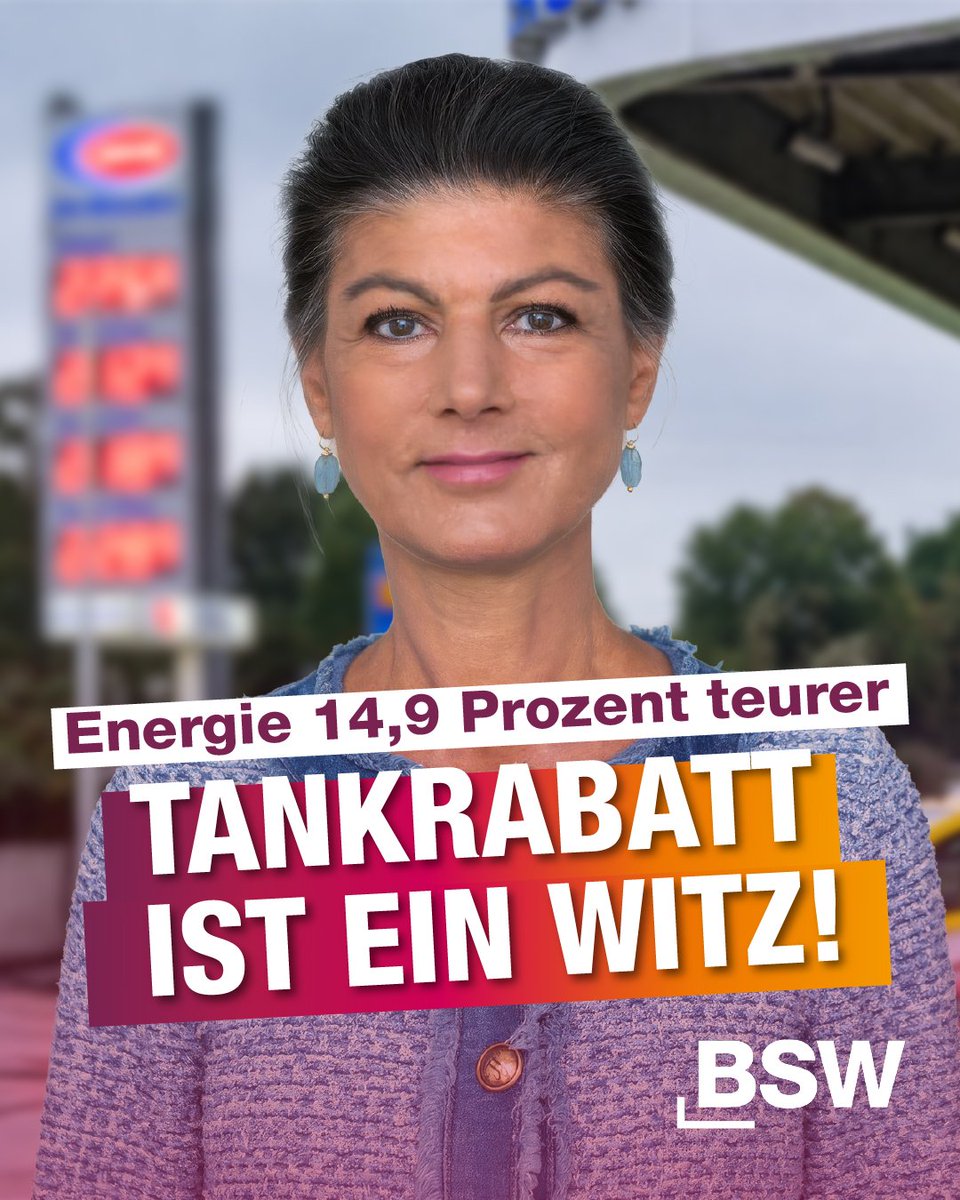
Life in Germany is getting more and more expensive. In September, inflation rose to over three percent. In terms of energy, the increase is even at 14.9 percent. The biggest price driver is fuel. Consumers had to pay almost 50 percent more for fuel in September compared to a year earlier. And what is the federal government doing? They are giving citizens a measly 17 cents, which doesn't even fully reach the consumer. The fuel discount, which comes into effect on October 1 after months of inaction by the Merz government, is a bad joke considering the enormous inflation! Not 17 cents, one euro would be appropriate! A price cap of 1.50 euros for fuel in Germany is urgently needed. This is possible if the CO2 price is abolished, the energy tax is halved, and the value-added tax on fuel and energy is reduced to 7 percent. #Inflation #Energiepreise #Kraftstoffpreise (translated)

The gas station is the most modern cash register of the republic. Not Tehran, not Putin, not Trump are cashing in at the pump the loudest. It's the own governments that do that. About half is tax and fees. That's why the price is not going down either. A broken budget needs the https://t.co/h4TW98qYfs #Steuern #Energiepreise #Wirtschaft #DE #IR #RU #US (translated)

D

Inflation in France reached its highest level in over two years in September, with a 3.4 percent rise in consumer prices, mainly due to high energy prices as a result of the Iran War. #Inflation #Energiepreise #Frankreich (translated)

Inflation in Frankreich auf höchstem Stand seit über zwei Jahren

The EU warns of very high energy prices in winter. For Europe, energy supply will once again become significantly more expensive. Expensive winter: The EU does not expect supply problems in the coming winter, but explicitly warns of very high prices. EU Energy Commissioner Dan Jörgensen stated on September 29, 2026, that Europe is heading into a challenging winter. Billion burden: Since the beginning of the war between Iran and the USA and Israel, the EU has reportedly had to spend more than 100 billion euros additionally for fossil fuels, according to Jörgensen. Rising global market prices are impacting both citizens and the European industry, according to the EU. The high energy prices remain a significant cost factor for households and businesses in Europe. Thank you for this important note! https://t.co/bx8AeLn2F6 #Energiepreise #Europa #Energiekrise (translated)