WRLD

Search

#Quotidianità
Il Fatto Quotidiano 3d

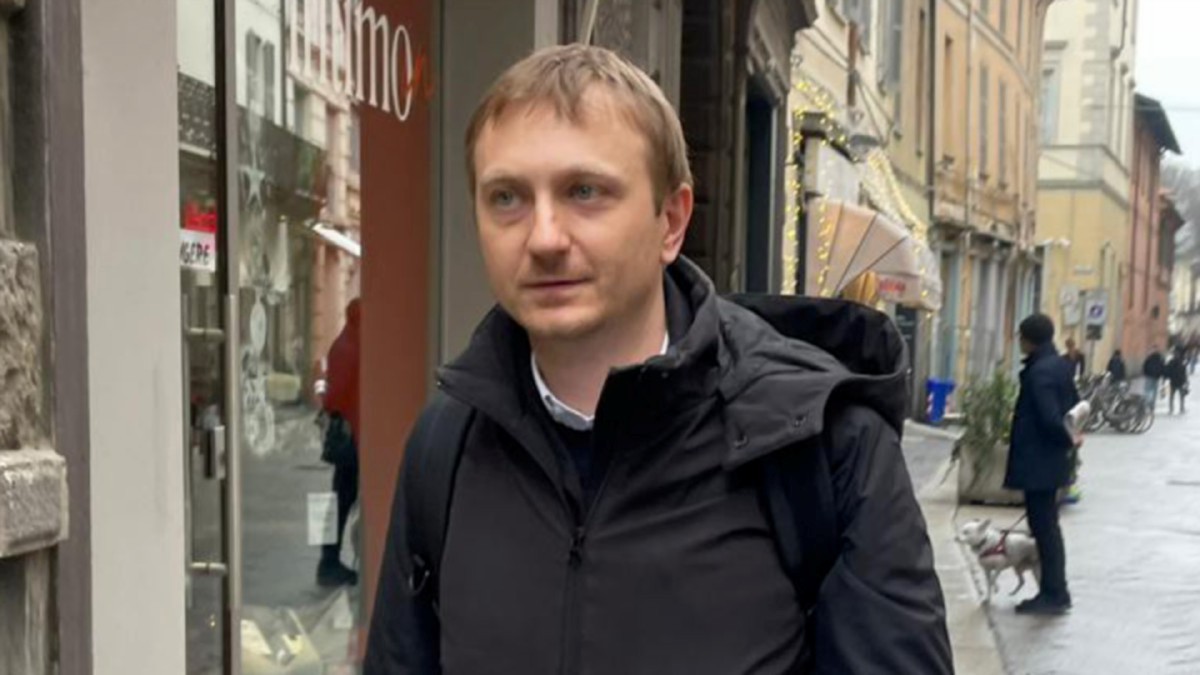
Alberto Stasi, sentenced to 16 years for the murder of Chiara Poggi, recounts his life after prison, highlighting his path of reintegration into daily life and interpersonal relationships, while waiting for the request to review the trial. #AlbertoStasi #Giustizia #Carcere (translated)
www.ilfattoquotidiano.it
“Vado a letto con la coscienza tranquilla”, il racconto di Alberto Stasi dopo il carcere. Attesa per l’istanza di revisione del processo per l’omicidio di Chiara Poggi
2341
Luciano Magaldi Sardella (PhD) 4d

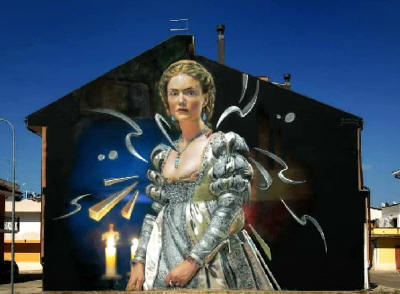
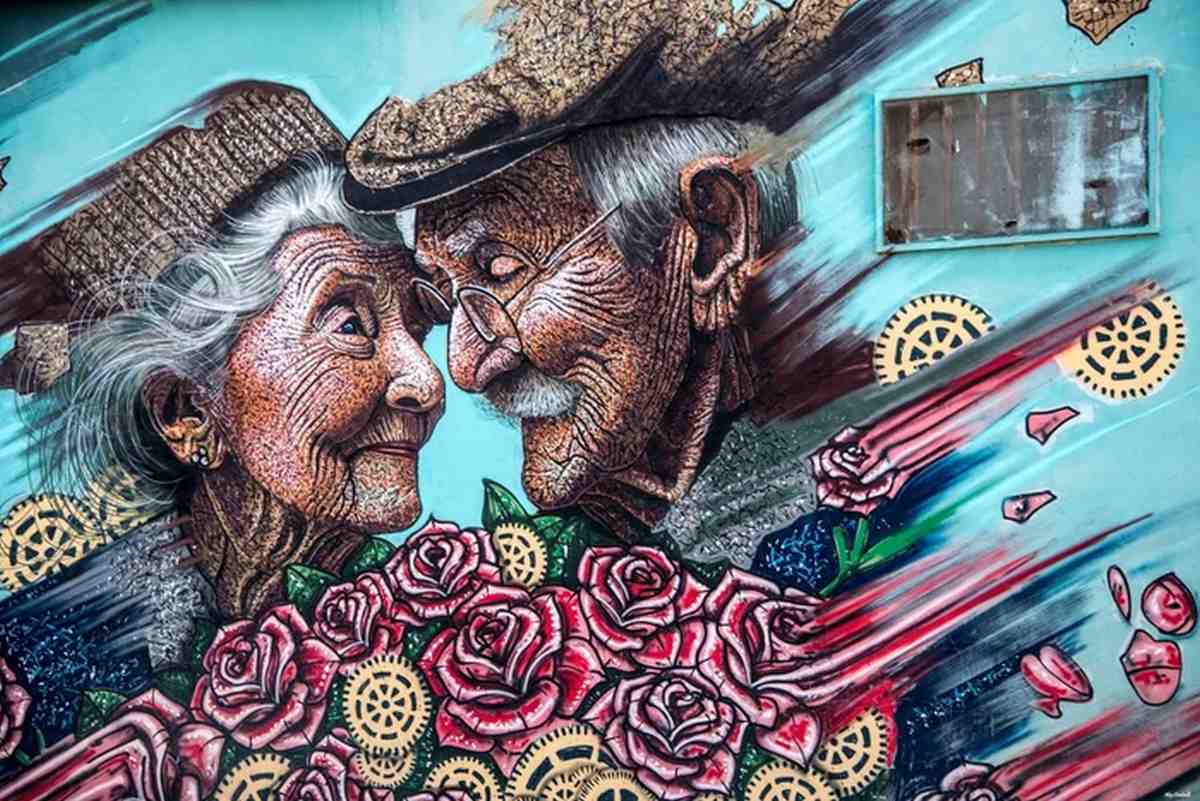
“TGNORBA”, “CLEAN AIR”, “BOSS STREET”: THE “STRAMURALES” OF STORNARA IN THE WIPO/UN “GLOBALTOP20” BUT THE PUGLIA REGION NO LONGER FUNDS IT STORNARA (FG) — About six thousand inhabitants, over 173 murals and the only Italian name in street art now coexists alongside Berlin, New York, Los Angeles, Paris, Lisbon, London, Miami, Madrid, Barcelona, Brussels, Melbourne and many others. A year ago, recognition came from the “Harvard Health and Human Rights Journal,” with the case study “Street Art as Public Health Infrastructure” authored by Dr. Luciano Magaldi Sardella from Orta Nova and Prof. Matteo Mantuano from Lucera, which indicated street art as a public health infrastructure capable of impacting the psychosocial well-being of the community. Now the seal of the “World Intellectual Property Organization (WIPO)” has also arrived, the UN specialized agency for intellectual property headquartered in Geneva. It has placed Stornara among the 20 major world capitals of street art that most attract international street art talents. The credit goes to the whole team of volunteer organizers from Stornara, the “Banda dei Fischietti” led by Pres. Lino Lombardi, who since 2017-18 have organized the renowned “Stramurales International Street Art Festival,” born from the desire of the “Stornara Life APS” association to transform the narrative of decline in a southern and peripheral territory into rebirth. Since then, the southern Foggiano town has accumulated over 173 murals, about fifty of which are signed by high-level international artists. In proportion to its inhabitants, an artistic density of mural cultural assets that no metropolis can match: art does not disperse; it deposits itself in every street, on every facade, in the daily lives of those who live there. Celebrated abroad but snubbed at home. It’s the paradox of “Stramurales.” For some time now, the Puglia Region has not funded the event that brought Stornara onto the global maps of urban art. In the report, the television and web services on the recent and yet another success of Lino Lombardi, President and Artistic Director of the “Stornara Life” association, and Dr. Roberto Nigro, Mayor of Stornara. How much longer must the “Stornara Model,” which the world is beginning to study and appreciate, wait to be recognized even at home? (translated)

telenorba.it
Stornara: i murales conquistano l'Onu, ma la Regione non finanzia più il festival
562
Luciano Magaldi Sardella (PhD) 5d

"BOSS STREET ART — THE BOSS OF THE STREET": STORNARA IN THE “GLOBAL TOP 20” OF WIPO: THE VILLAGE OF 6,000 INHABITANTS THAT BEATS METROPOLISES STORNARA (FG) — The report from the “World Intellectual Property Organization (WIPO)” mentions Stornara (Foggia) alongside New York and Berlin. Credit goes to Stramurales: 173 murals, 50 international, and an unmatched density of foreign art compared to megalopolises. Stornara enters the history of global street art. The Gazzetta di San Severo reports that the small municipality in the province of Foggia has been included in the “Global Top 20” of WIPO's report, the United Nations agency based in Geneva. This recognition places it alongside New York, Los Angeles, Berlin, Paris, London, and Melbourne: the world capitals of urban art. What happened The report is titled “From Local Scenes to Global Recognition: Talent Mobility in Street Art” and was published at the end of May 2026 in the series “Creative Industries Insights.” The authors, economists Egbert Amoncio, Alexander Cuntz, and Alessio Muscarnera, analyzed about 74,000 geolocated works on the “Street Art Cities” platform to map the migratory flows of global muralist talents. The questions were simple: Where does street art originate? Who are the artists traveling to paint? Which cities manage to attract creatives from abroad? The answers were surprising. The research dismantles a common belief: street art is a deeply local phenomenon. Only one in five artists works outside national borders. However, among those who cross borders, almost 40% builds an international artistic brand while maintaining ties to their local territory: cases like Banksy, Os Gemeos, and Invader. The authors define this phenomenon as “glocal”: rooted in the local territory but capable of generating global talent circuits. In this scenario dominated by metropolises and capitals, Stornara stands out as an Italian exception, a town in Puglia, in Foggia. An agricultural village of about 6,000 inhabitants that has become a destination for international muralist talents since 2018. The work and the artist: Stramurales The credit goes to the annual “Stramurales International Street Art Festival,” born in 2017 from the initiative of the social promotion association “Stornara Life APS,” founded by Lino Lombardi and the local “Banda dei Fischietti.” The goal was to combat the urban and socio-economic decline of the town. In just a few years, Stornara has accumulated over 173 murals. About fifty are works by high-level foreign artists. “Google Trends” data since 2017 shows a remarkable interest in the destination: the festival has captured national and international attention. The project has also attracted global scientific interest. It has become the first monographic academic case study on a street art festival: the study “Street Art as Public Health Infrastructure,” authored by Puglian researchers Luciano Magaldi Sardella and Matteo Mantuano, was published in the Harvard Health and Human Rights Journal of Harvard University. Where to see it: the secret of density Stornara can be reached in the province of Foggia, in Capitanata. The town, once not used to visitors, now welcomes international tourists, groups, and school classes who come to see the murals. The fact that has ignited local pride is this: it's not about absolute volume; it's about proportion. The organizers propose a simple indicator: the works by foreign artists divided by the inhabitants, multiplied by 100,000. With over 50 international murals and a population of a few thousand residents, Stornara reaches several hundred foreign works for every 100,000 inhabitants. This is a value that metropolises, with millions of residents, cannot approach. No one claims that Stornara has more foreign murals than New York. The point is that, relative to its size, few places in the world concentrate as much international art per capita. The impact does not disperse in a megalopolis; it settles in every street, on every facade, in the daily life of its inhabitants. The global model The WIPO report emphasizes that the value of street art extends far beyond the painted surfaces. Cities like Stornara demonstrate how urban art attracts tourism, generates media coverage, and stimulates local business activities, strengthening the sense of community and restoring psychosocial well-being. But the authors add a valuable caution: success depends on careful implementation and involvement of artistic communities. Top-down initiatives risk being perceived as “predatory” by artists who care about the credibility of street art. Stramurales seems to have avoided this pitfall. The model is based on walls spontaneously donated by residents, artist residencies, and open dialogue on social themes. A bottom-up lesson that WIPO recognizes as a concrete response to the depopulation of the internal areas of Southern Italy. (translated)

www.bosstr.it
Stornara nella Global Top 20 della WIPO: il borgo di 6.000
565
Luciano Magaldi Sardella (PhD) 2w

“THE STRAMURALES OF STORNARA IN THE “GLOBAL TOP20” OF THE UNITED NATIONS REPORT (WIPO)” STORNARA (FG) - There is a South Italy that makes little noise. It lies among the wheat fields and rural roads of Capitanata, far from the major routes of mass tourism. Until a few years ago, Stornara, in the province of Foggia, was the typical village that statistics dismiss with a cruel adjective: “peripheral.” Today, its name appears in an analysis by WIPO, the World Intellectual Property Organization, a United Nations agency in Europe based in Geneva, alongside Berlin, New York, Los Angeles, Paris, and Melbourne. A Report that Looks at the Walls of the World The text is titled "From Local Scenes to Global Recognition: Talent Mobility in Street Art." It is authored by three WIPO economists, Egbert Amoncio, Alexander Cuntz, and Alessio Muscarnera, and was published at the end of May 2026 in the “Creative Industries Insights” series. To build it, the authors started from the data of the “Street Art Cities” platform. The technical note speaks of about 74,000 geolocated works, collected and shared by street art enthusiasts worldwide. The fundamental questions are simple. Where does street art originate? Who travels to paint it? Which cities manage to attract talent from outside? The first answer dismantles a cliché. Street art is a profoundly local phenomenon. About one in five artists also works abroad, while the vast majority paints in their own city or nearby. Among the few who cross borders, nearly 40 percent is “highly mobile”: they build an international artistic brand without severing their roots. These are the cases of Banksy, Os Gemeos, and Invader, whose walls appear on multiple continents. The authors use an effective term: street art is “glocal,” rooted in its territory but able to generate global circuits of talent and recognition. The “Magnets” of the World When asked which cities most attract foreign artists, the map is fascinating. North America weighs in for size, with New York, Los Angeles, and Miami. Western Europe offers a dense network of opportunities, from Berlin to Amsterdam, from Vienna to Ghent, from Basel to Rotterdam, favored by the circuit of festivals and the freedom of movement of the Schengen area. Lisbon and Barcelona have focused on municipal support policies. Melbourne is the sole representative from Oceania, while Northern Europe relies on Bergen, London, Belfast, and Stavanger. In this scenario of capitals and metropolises, the report includes an Italian exception, from Puglia, Foggia: Stornara, a small agricultural town of about 6,000 souls, has been a destination for muralist talents since 2018. It shows how street art can trigger the revival of a community: thanks to the annual “Stramurales International Street Art Festival,” born in 2017 from the strong will to combat urban and socio-economic decline by the founders of the social promotion association “Stornara Life APS,” Lino Lombardie and his Stornarese “Banda dei Fischietti,” over 173 murals have been accumulated. About fifty are works by high-level international artists, with Google Trends data showing significant interest in the tourist-muralist destination since 2017, a sign that the international festival has now captured national and international attention. It has also become the first monographic academic case study in the world on a street art festival, “Street Art as Public Health Infrastructure,” published in the prestigious academic journal “Harvard Health and Human Rights Journal” of Harvard University, by researcher Luciano Magaldi Sardella from Orta Nova and professor Matteo Mantuanodi Lucera. All of this corresponds to demonstrating that an idea, an association, and the availability of a community can change the identity of a “God-forsaken” place. This is also recounted by those who followed the story from the outside: the town, once unaccustomed to visitors, now welcomes international tourists, individuals, groups, and school classes who come to see its more than 173 murals. The Secret Lies in Density The data that has ignited the pride of Stornara is this: it’s not about volume, it’s about proportion. The organizers propose a simple indicator: the works of foreign artists divided by inhabitants, multiplied by 100,000. With around 50 international works and a population of a few thousand residents, Stornara reaches several hundred foreign works per 100,000 inhabitants. It’s a value that metropolises, with millions of residents, cannot approach. The significance must be read precisely, and this is where the beauty of the matter lies. No one claims that Stornara has more foreign murals than New York. The point is that, in relation to its scale, few places in the world concentrate so much international art per inhabitant. The impact does not dissipate in a megalopolis; it settles in every street, on every facade, in the everyday lives of those who live there. The most interesting part of the report looks beyond the ranking. The authors write that the value of street art extends well beyond the painted surfaces. Cities like Stornara demonstrate how urban art attracts tourism, generates media coverage, and can stimulate local business activities, reinforcing the sense of community and restoring the psychosocial well-being that would counteract the everlasting southern decline. However, the report adds a valuable warning: success depends on careful implementation and the involvement of artistic communities. Initiatives imposed from above risk being perceived as “predatory” by artists who care about street credibility. The global Stramurales model seems to have avoided this pitfall. Field studies tell of walls donated by residents, one-week artist residencies, and public discussions on the issues to be addressed. The Lesson from a Former “Ghost Town” The report concludes with an idea that applies to Stornara as much as to Berlin: the vitality of street art is rooted in local roots. It emerges from communities, speaks to their issues, and is made by artists immersed in their urban contexts. The artistic family of “Stornara Life APS” understood this before many regional and local politicians, turning their walls into an open-air museum, a promise, and opening them to the world without ceasing to be themselves. In this official report from the Geneva-based United Nations agency in Europe that measures the ability to attract talent, this is likely the most valuable outcome: being mentioned alongside the great capitals of urban art while remaining, after all, a rural provincial town where every wall tells a colorful world of glocal stories. (translated)

www.puglialive.net
“LO STRAMURALES DI STORNARA NELLA “GLOBAL TOP20″ DEL RAPPORTO DELLE NAZIONI UNITE (WIPO)”
686
Luciano Magaldi Sardella (PhD) 2w

"GAZZETTA H24": STREET ART, STORNARA JOINS THE WIPO REPORT ALONGSIDE THE GREAT CITIES OF THE WORLD SOURCE: https://www.gazzettah24.it/street-art-stornara-entra-nel-rapporto-wipo-accanto-alle-grandi-citta-del-mondo/ ------------------------------------------------------------------- From "ghost town" to global model cited in Geneva: the cultural bet of Stornara Life APS captures the attention of WIPO. --------------------------------------------------------------------  STORNARA (FG) - There is a Southern Italy that makes little noise. It lies among the fields of wheat and rural roads of Capitanata, far from the main routes of mass tourism. Until a few years ago, Stornara, in the province of Foggia, was the typical town that statistics dismiss with a cruel adjective: "peripheral." Today, its name appears in an analysis from WIPO, the "World Intellectual Property Organization", the United Nations Agency in Europe based in Geneva. "Stornara Life APS" alongside Berlin, New York, Los Angeles, Paris, and Melbourne. ------------------------------------------------------------------ A report that looks at the walls of the world The text is titled "From Local Scenes to Global Recognition: Talent Mobility in Street Art". It is authored by three WIPO economists, Egbert Amoncio, Alexander Cuntz, and Alessio Muscarnera, and has been published in the "Creative Industries Insights" series. To build it, the authors started from data from the "Street Art Cities" platform. The technical note talks about approximately 74,000 geolocated works, collected and shared by street art enthusiasts worldwide. The fundamental questions are simple. Where does street art originate? Who travels to paint it? Which cities manage to attract outside talent? The first answer dismantles a common misconception. Street art is a profoundly local phenomenon. About one in five artists also works abroad, while the vast majority paint in their own city or in nearby ones. Among the few who cross borders, almost 40 percent are "highly mobile": they build an international artistic brand without severing their roots. These include the cases of Banksy, Os Gemeos, and Invader, whose walls appear on multiple continents. The authors use an effective term: street art is "glocal," rooted in its territory but capable of generating global circuits of talent and recognition. -------------------------------------------------------------------- The magnets of the world When asked which cities attract the most foreign artists, the map is fascinating. North America weighs heavily, with New York, Los Angeles, and Miami. Western Europe offers a dense network of opportunities, from Berlin to Amsterdam, from Vienna to Ghent, from Basel to Rotterdam, favored by the festival circuit and the freedom of movement within the Schengen area. Lisbon and Barcelona have focused on municipal support policies. Melbourne is the only representative from Oceania, and Northern Europe relies on Bergen, London, Belfast, and Stavanger. In this scenario of capitals and metropolises, the report includes an Italian exception, from Puglia, Foggia: Stornara, a small agricultural town of about 6,000 inhabitants, has been a destination for mural talents since 2018. It shows how street art can spark the rebirth of a community: thanks to the annual "Stramurales International Street Art Festival," born in 2017 from the strong will to combat urban and socio-economic decline by the founders of the social promotion association "Stornara Life APS,” Lino Lombardi and his local "Banda dei Fischietti," it has accumulated over 173 murals. About fifty of these are works by high-level international artists, with Google Trends data since 2017 showing notable interest in the mural tourism destination, indicating that the international festival has now captured national and international attention. It has also become the first academic case study in the world on a street art festival, "Street Art as Public Health Infrastructure," published in the prestigious academic journal "Harvard Health and Human Rights Journal" from Harvard University. Written by researcher Luciano Magaldi Sardella from Orta Nova and professor Matteo Mantuano from Lucera, this corresponds to the demonstration that an idea, an association, and the willingness of a community can change the identity of a place "forgotten by God." This is also recounted by those who have followed the story from the outside: the town, once little accustomed to visitors, now welcomes international tourists, individuals, groups, and schoolchildren who come to see its over 173 murals. ----------------------------------------------------------------- The secret is in density The data that has sparked pride in Stornara is this: it's not the volume that matters, it's the proportion. The organizers propose a simple indicator: works by foreign artists divided by the number of residents, multiplied by 100,000. With about over 50 international works and a population of a few thousand residents, Stornara reaches several hundred foreign works for every 100,000 inhabitants. This is a value that metropolises, with millions of residents, cannot approach. The meaning must be read accurately, and this is where the beauty of the matter lies. No one claims that Stornara has more foreign murals than New York. The point is that, in relation to its scale, few places in the world concentrate so much international art per inhabitant. The impact does not disperse in a megalopolis: it settles in every street, on every facade, in the daily life of those who live there. The most interesting part of the report looks beyond the ranking. The authors write that the value of street art extends well beyond the painted surfaces. Cities like Stornara demonstrate how urban art attracts tourism, generates media coverage, and can stimulate local businesses while strengthening community bonds and restoring the psychosocial well-being that could counter the perpetual Southern decline. However, the report adds a valuable warning: success depends on careful implementation and the involvement of artistic communities. Top-down initiatives risk being perceived as "predatory" by artists who care about the credibility of street art. The global model Stramurales appears to have avoided this pitfall. Field studies tell of walls donated by residents, week-long artist residences, and public discussions on the themes to be addressed. -------------------------------------------------------------------- The lesson of a town The report concludes with an idea that holds true for both Stornara and Berlin: the vitality of street art sinks its roots in local contexts. It arises from communities, speaks of their problems, and is made by artists immersed in their urban environments. The artistic family of "Stornara Life APS" understood this before many regional and local politicians, creating their walls into an open-air museum, a promise, and opening them to the world without ceasing to be themselves. In this official report from the Geneva Agency of the United Nations in Europe that measures the ability to attract talent, this results in, perhaps, the most precious value. Being cited alongside the great capitals of urban art while remaining, after all, a rural provincial town where every wall tells a colorful world of glocal stories. (translated)

www.gazzettah24.it
Street art, Stornara entra nel rapporto WIPO accanto alle grandi città del mondo
574
Luciano Magaldi Sardella (PhD) 2w

“VIVERE PUGLIA”: STRAMURALES: STORNARA IN THE “GLOBAL TOP 20” OF THE REPORT OF THE UNITED NATIONS AGENCY OF EUROPE SOURCE: https://www.viverepuglia.it/2026/11/12/stramurales-stornara-nella-global-top-20-del-rapporto-dellagenzia-delle-nazioni-unite-deuropa/207030/ ------------------------------------------------------------------- From “ghost town” to global model cited in Geneva: the cultural bet of Stornara Life APS captures the attention of WIPO There is a South Italy that does not make much noise. It lies among the wheat fields and rural roads of Capitanata, far from the main routes of mass tourism. Until a few years ago, Stornara, in the province of Foggia, was the typical town that statistics dismiss with a cruel adjective: “peripheral.” Today its name appears in a WIPO analysis, the “World Intellectual Property Organization,” a United Nations agency in Europe based in Geneva. So, Stornara stands alongside Berlin, New York, Los Angeles, Paris, and Melbourne. ------------------------------------------------------------------- A report that looks at the walls of the world The text is titled From Local Scenes to Global Recognition: Talent Mobility in Street Art. It is authored by three WIPO economists, Egbert Amoncio, Alexander Cuntz, and Alessio Muscarnera, and has been published in the “Creative Industries Insights” series. To build it, the authors started from data from the “Street Art Cities” platform. The technical note discusses about 74,000 geolocated works collected and shared by street art enthusiasts worldwide. The underlying questions are simple. Where does street art originate? Who travels to paint it? Which cities manage to attract talent from outside? The first answer dismantles a common misconception. Street art is a profoundly local phenomenon. About one in five artists also works abroad, while the vast majority paint in their own city or nearby ones. Among the few who cross borders, nearly 40 percent is “highly mobile”: they build an international artistic brand without severing their roots. These include cases like Banksy, Os Gemeos, and Invader, whose works appear on multiple continents. The authors use an effective term: street art is “glocal,” rooted in its territory yet capable of generating global circuits of talent and recognition. -------------------------------------------------------------------- The magnets of the world When asked which cities most attract foreign artists, the map is fascinating. North America weighs in terms of size, with New York, Los Angeles, and Miami. Western Europe offers a dense network of opportunities, from Berlin to Amsterdam, from Vienna to Ghent, from Basel to Rotterdam, fueled by the festival circuit and the freedom of movement within the Schengen area. Lisbon and Barcelona have focused on municipal support policies. Melbourne is the only representative from Oceania, while Northern Europe relies on Bergen, London, Belfast, and Stavanger. In this landscape of capitals and metropolises, the report includes an Italian, Apulian, Foggian exception: Stornara, a small agricultural town of about 6,000 residents, has been a destination for mural talent since 2018. It shows how street art can trigger a community's revival: thanks to the annual “Stramurales International Street Art Festival,” born in 2017 from the determined will to combat urban and socio-economic decline by the founders of the social promotion association Stornara Life APS, Lino Lombardi and his local Banda dei Fischietti, it has accumulated over 173 murals. About fifty are works by high-level international artists, with Google Trends data since 2017 showing a remarkable interest in the tourism-mural destination, indicating that the international festival has now captured national and international attention. It has also become the first monographic academic case study in the world on a street art festival, “Street Art as Public Health Infrastructure,” published in the prestigious global academic journal “Harvard Health and Human Rights Journal” of Harvard University, by researcher Luciano Magaldi Sardella from Orta Nova and professor Matteo Mantuano from Lucera. All this corresponds to the demonstration that an idea, an association, and a community's willingness can change the identity of a place “forgotten by God.” This is also told by those who have followed the story from the outside: the town, once unaccustomed to visitors, now welcomes international tourists, individuals, groups, and school classes coming to see its over 173 murals. ----------------------------------------------------------------- The secret lies in density The data that has ignited pride in Stornara is this: it’s not the volume that matters, but the proportion. The organizers propose a simple indicator: the works of foreign artists divided by the population, multiplied by 100,000. With about over 50 international works and a population of a few thousand residents, Stornara reaches several hundred foreign works per 100,000 inhabitants. It’s a value that metropolises, with millions of residents, cannot approach. The significance must be read accurately, and here lies the beauty of the thing. No one claims that Stornara has more foreign murals than New York. The point is that, relative to its scale, few places in the world concentrate so much international art per inhabitant. The impact does not dissipate in a megalopolis: it settles in every street, on every façade, in the daily lives of those who live there. The most interesting part of the report looks beyond the ranking. The authors note that the value of street art extends well beyond painted surfaces. Cities like Stornara demonstrate how urban art attracts tourism, generates media coverage, and can stimulate local commercial activities while strengthening community bonds and restoring the psychosocial well-being that could fend off enduring southern decline. However, the report adds a valuable warning: success depends on careful implementation and the involvement of artistic communities. Top-down initiatives risk being perceived as “predatory” by artists who care about street credibility. The global Stramurales model seems to have avoided this pitfall. Field studies recount walls donated by residents, week-long artist residencies, and public discussions on issues to address. ----------------------------------------------------------------- The lesson from a town The report concludes with an idea that applies to Stornara as much as to Berlin: the vitality of street art is rooted in local foundations. It arises from communities, speaks of their problems, and is made by artists immersed in their urban contexts. The artistic family of Stornara Life APS understood this before many regional and local politicians, turning their walls into an open-air museum, a promise, and opened them to the world while remaining true to themselves. In this official report from the Geneva-based United Nations agency in Europe that measures the capacity to attract talent, this is likely the most valuable outcome: being mentioned alongside the great capitals of urban art while remaining, after all, a rural provincial town where every wall tells a colorful world of glocal stories. (translated)

689
Luciano Magaldi Sardella (PhD) 2w

"THE SIPPONTINO": STORNARA IN THE "GLOBAL TOP 20" OF THE REPORT FROM THE UNITED NATIONS AGENCY FOR EUROPE From "ghost town" to global model cited in Geneva: the cultural bet of Stornara Life APS captures the attention of WIPO. There is a Southern Italy that doesn’t make much noise. It lies between the wheat fields and rural roads of Capitanata, far from the major routes of mass tourism. Until a few years ago, Stornara, in the province of Foggia, was the typical town that statistics dismiss with a cruel adjective: "peripheral." Today, its name appears in an analysis from WIPO, the World Intellectual Property Organization, a United Nations agency in Europe based in Geneva, alongside Berlin, New York, Los Angeles, Paris, and Melbourne. A report that looks at the walls of the world The document is titled "From Local Scenes to Global Recognition: Talent Mobility in Street Art." It is authored by three WIPO economists, Egbert Amoncio, Alexander Cuntz, and Alessio Muscarnera, and was published at the end of May 2026 in the Creative Industries Insights series. To construct it, the authors began with data from the "Street Art Cities" platform. The technical note discusses around 74,000 geolocated works, collected and shared by street art enthusiasts worldwide. The underlying questions are simple. Where does street art originate? Who travels to paint it? Which cities can attract talents from afar? The first answer dismantles a common misconception. Street art is a deeply local phenomenon. About one in five artists also works abroad, while the vast majority paint in their own city or nearby. Among the few who cross borders, nearly 40 percent is "highly mobile": they build an international artistic brand without severing their roots. These include the cases of Banksy, Os Gemeos, and Invader, whose works appear on multiple continents. The authors use an effective term: street art is "glocal," rooted in its local territory but capable of generating global circuits of talent and recognition. The magnets of the world When asked which cities attract the most foreign artists, the map is fascinating. North America is significant in size, with New York, Los Angeles, and Miami. Western Europe offers a dense network of opportunities, from Berlin to Amsterdam, from Vienna to Ghent, from Basel to Rotterdam, favored by the festival circuit and the freedom of movement of the Schengen area. Lisbon and Barcelona have focused on municipal support policies. Melbourne is the only representative from Oceania, while Northern Europe relies on Bergen, London, Belfast, and Stavanger. In this landscape of capitals and metropolises, the report includes an Italian exception, from Puglia, Foggia: Stornara, a small agricultural town of about 6,000 souls, has been a destination for mural talent since 2018. It shows how street art can trigger the revival of a community: thanks to the annual "Stramurales International Street Art Festival," founded in 2017 out of a strong desire to combat urban and socio-economic decline by the founders of the social promotion association "Stornara Life APS," Lino Lombardi, and his Stornara-based Fischietti Band, over 173 murals have been created. About fifty are works by high-level international artists, with Google Trends data since 2017 showing a remarkable interest in the mural tourism destination, indicating that the international festival has already captured national and international attention. It has also become the first monographic case study in the world on a street art festival, "Street Art as Public Health Infrastructure," published in the prestigious academic journal "Harvard Health and Human Rights Journal" of Harvard University, by researcher Luciano Magaldi Sardella from Orta Nova and Professor Matteo Mantuano from Lucera, all demonstrating that an idea, an association, and a community's willingness can change the identity of a place "forgotten by God." It is a sentiment echoed by those who have followed the story from the outside: the town, once unaccustomed to visitors, now welcomes international tourists, individuals, groups, and school classes who come to see its over 173 murals. The secret is in the density The data that has ignited Stornara's pride is this: it’s not the volume that counts, but the proportion. The organizers propose a simple indicator: the works by foreign artists divided by the inhabitants, multiplied by 100,000. With around 50 international works and a population of a few thousand residents, Stornara achieves several hundred foreign works per 100,000 inhabitants. It is a value that metropolises, with millions of residents, cannot approach. The meaning should be read precisely, and therein lies the beauty of the thing. No one claims that Stornara has more foreign murals than New York. The point is, in relation to its scale, few places in the world concentrate so much international art per inhabitant. The impact does not disperse in a megacity: it settles in every street, on every facade, in the daily life of those who live there. The most interesting part of the report looks beyond the ranking. The authors write that the value of street art extends well beyond the painted surfaces. Cities like Stornara demonstrate how urban art attracts tourism, generates media coverage, and can stimulate local businesses while reinforcing the sense of community and restoring the psychosocial well-being that could keep the eternal Southern decline at bay. However, the report adds a valuable warning: success depends on careful implementation and the involvement of artistic communities. Top-down initiatives risk being perceived as "predatory" by artists who care about street credibility. The global Stramurales model seems to have avoided this pitfall. Field studies describe walls donated by residents, one-week artist residencies, and public discussions on the themes to be addressed. The lesson of a place The report concludes with an idea that holds true for Stornara as much as for Berlin: the vitality of street art is rooted in local roots. It arises from communities, speaks of their problems, and is made by artists immersed in their urban contexts. The artistic family of Stornara Life APS understood this before many regional and local politicians, turning their walls into an open-air museum, a promise, and opened them to the world without ceasing to be themselves. In this official report from the Geneva-based United Nations agency in Europe that measures the capacity to attract talent, this appears to be, perhaps, the most valuable outcome: to be cited alongside the major capitals of urban art while still remaining, after all, a rural provincial town where every wall tells a vibrant world of glocal stories. (translated)

www.lagazzettadisansevero.it
Stramurales: Stornara nella “Global Top 20” del Rapporto dell’Agenzia delle Nazioni Unite d’Europa - La Gazzetta di San Severo - News di Capitanata
1035
Luciano Magaldi Sardella (PhD) 2w

"THE GAZETTE OF SAN SEVERO" STRAMURALES: STORNARA IN THE "GLOBAL TOP 20" OF THE UNITED NATIONS AGENCY REPORT FOR EUROPE SOURCE: https://www.lagazzettadisansevero.it/stramurales-stornara-nella-global-top-20-del-rapporto-dellagenzia-delle-nazioni-unite-deuropa/?fbclid=IwY2xjawVibZVleHRuA2FlbQIxMABwZG9mAWJyaWQRMHE3R3FDUWVMVnBtN1NiRGRzcnRjBmFwcF9pZBAyMjIwMzkxNzg4MjAwODkyAAEfJpk9OBrbzNPPuzmmZTsbvjf1RRRRwgltWvqpPTryHt2mv-Z5rTEy1ifxBXU_aem_ciFpxVBzVKZmCZU0twovqQ From "ghost town" to a global model cited in Geneva: the cultural bet of Stornara Life APS captures the attention of WIPO. There is a Southern Italy that makes little noise. It is nestled among the wheat fields and rural roads of Capitanata, far from the major routes of mass tourism. Until a few years ago, Stornara, in the province of Foggia, was the typical town that statistics dismissed with a cruel adjective: "peripheral." Today, its name appears in an analysis by WIPO, the World Intellectual Property Organization, a United Nations agency for Europe based in Geneva, alongside Berlin, New York, Los Angeles, Paris, and Melbourne. A report that looks at the walls of the world The text is titled From Local Scenes to Global Recognition: Talent Mobility in Street Art. It is signed by three WIPO economists, Egbert Amoncio, Alexander Cuntz, and Alessio Muscarnera, and was published at the end of May 2026 in the Creative Industries Insights series. To construct it, the authors started from data from the Street Art Cities platform. The technical note discusses approximately 74,000 geolocated works, collected and shared by street art enthusiasts worldwide. The fundamental questions are simple. Where does street art originate? Who travels to paint it? Which cities manage to attract talents from outside? The first response dismantles a common misconception. Street art is a profoundly local phenomenon. About one in five artists also works abroad, while the vast majority paint in their own city or nearby. Among the few who cross borders, nearly 40 percent is "highly mobile": they build an international artistic brand without severing their roots. These include the cases of Banksy, Os Gemeos, and Invader, whose walls appear on multiple continents. The authors use an effective term: street art is "glocal," rooted in its territory but capable of generating global circuits of talent and recognition. The magnets of the world When asked which cities attract the most foreign artists, the map is fascinating. North America is significant in size, with New York, Los Angeles, and Miami. Western Europe offers a dense network of opportunities, from Berlin to Amsterdam, from Vienna to Ghent, from Basel to Rotterdam, favored by the festival circuit and the freedom of movement of the Schengen area. Lisbon and Barcelona have focused on municipal support policies. Melbourne is the only representative from Oceania, and Northern Europe relies on Bergen, London, Belfast, and Stavanger. In this scenario of capitals and metropolises, the report includes an Italian, Apulian, Foggian exception: Stornara, a small agricultural town of about 6,000 souls, has been a destination for muralist talents since 2018. It shows how street art can trigger the revival of a community: thanks to the annual Stramurales International Street Art Festival, born in 2017 from the strong will to combat urban and socio-economic decline by the founders of the Stornara Life APS social promotion association, Lino Lombardi, and his Stornara-based Banda dei Fischietti, it has accumulated over 173 murals. About fifty are works by high-level international artists, with Google Trends data showing a remarkable interest in the tourist-mural destination since 2017, indicating that the international festival has now captured national and international attention. Also becoming the first monographic academic case study in the world on a street art festival, "Street Art as Public Health Infrastructure," published in the prestigious global academic journal "Harvard Health and Human Rights Journal" of Harvard University, by researcher Luciano Magaldi Sardella from Orta Nova and professor Matteo Mantuano from Lucera, all of this corresponds to the demonstration that an idea, an association, and the availability of a community can change the identity of a place "forgotten by God." Those who have followed the story from the outside also report this: the town, once unaccustomed to visitors, now welcomes international tourists, individuals, groups, and school classes who come to see its over 173 murals. The secret is in density The data that has ignited Stornara’s pride is this: it is not about volume, it is about proportion. The organizers propose a simple indicator: the works of foreign artists divided by the residents, multiplied by 100,000. With about 50 international works and a population of a few thousand residents, Stornara arrives at several hundred foreign works per 100,000 inhabitants. It is a value that metropolises, with millions of residents, cannot approach. The meaning must be read precisely, and this is where the beauty lies. No one claims that Stornara has more foreign murals than New York. The point is that, relative to its scale, few places in the world concentrate as much international art per inhabitant. The impact does not disperse in a megalopolis: it settles in every street, on every facade, in the daily life of those who live there. The most interesting part of the report looks beyond the ranking. The authors write that the value of street art extends well beyond the painted surfaces. Cities like Stornara demonstrate how urban art attracts tourism, generates media coverage, and can stimulate local commercial activities while strengthening the sense of community and restoring the psychosocial well-being that would distance itself from the perpetual southern decline. However, the report adds a valuable warning: success depends on careful implementation and the involvement of artistic communities. Top-down initiatives risk being perceived as "predatory" by artists who care about street credibility. The Stramurales global model seems to have avoided this pitfall. Field studies tell of walls donated by residents, week-long artist residencies, and public discussions on the topics to address. The lesson from a town The report concludes with an idea that applies to Stornara as much as to Berlin: the vitality of street art is rooted in local roots. It arises from the communities, speaks of their problems, and is made by artists immersed in their urban contexts. The artistic family of Stornara Life APS understood this before many regional and local politicians, turning their walls into an open-air museum, a promise, and opened them to the world without ceasing to be themselves. In this official report from the Geneva-based United Nations agency for Europe that measures the capacity to attract talents, this is likely the most precious outcome: being cited alongside the major capitals of urban art and remaining, after all, a rural provincial town where every wall tells a colorful world of glocal stories. (translated)

www.lagazzettadisansevero.it
Stramurales: Stornara nella “Global Top 20” del Rapporto dell’Agenzia delle Nazioni Unite d’Europa - La Gazzetta di San Severo - News di Capitanata
1035
Pino Rotta 3w

Coordinated solitude, author Claudio Aloisio Written by Pino Rotta, November 8, 2026 Claudio Aloisio is a communication and marketing professional, a field in which he has worked for many years. When his first essay "Coordinated Solitude" (Ed. Ideacoop Media Service, 2026) was released, sharing the same field of activity and interests (albeit with different directions and experiences), I found it interesting to read it, especially since we share the same city but have not met, which was already a good reason to find the essay interesting and its title stimulating. "Coordinated solitude" is an essay that analyzes, with a wealth of documentation and bibliography, the phenomena of the formation of convergences or exclusions among groups and individuals through the study of media languages and, in particular, those of the digital domain. A field that has already been widely investigated for several years. My first approach to these new linguistic proposals dates back, among other readings, to a 1994 essay "Collective Intelligence" by Pierre Levy. In that essay, Levy, at the dawn of the web era, launched the idea that the network, which collected the contributions of millions of users, contained them all without controlling their paths, interactions, or effects. Stimulating concepts that today help us understand how much conflict can arise between theory and its application considering time and technological development. However, Aloisio surprises the reader with suggestions from the very first pages of the essay. In fact, despite addressing the analysis of digital languages with an epistemological line rooted in Anglo-Saxon studies, particularly American ones, from the outset the author seems to suggest that this is not a “technical” essay but is entirely political in the higher sense of the term. The first reference is found in the citation of an author who was among the fathers of European sociology in the early years of the last century: Emile Durkheim, one of the first sociologists and philosophers who analyzed social phenomena with enormous meticulousness and rigor, linking religion with social structure. This opening will be found in the subsequent pages of "Coordinated Solitude," but it will not be the only surprise in Aloisio's analytical developments. In the essay, the author describes how people who may share spaces, interests, and common values, by finding them in the digital world, can at a certain point recognize themselves in different affiliations and even come to see in others a “us” that makes them akin to their own story or a “them” that indicates a distance, exclusion, and even a threat in relation to it. The causes of these dynamics are very well structured in the essay, as is the well-structured context in which individual stories are born, meet, and ultimately find different outcomes. Outcomes that can lead to reinforcing one's affiliations, which, however, are discovered at the end of the interaction process and that, throughout the journey, rarely reach a state of awareness. Outcomes that are influenced by pre-existing value structures that do not necessarily coincide with those of the members of the groups with which one identifies or clashes. This path is analyzed by Aloisio by considering the social dynamics of the West, examining and contrasting similar but not necessarily overlapping social realities, such as American and Italian society. In the identification processes that coexist in these social realities, the belonging to social class, religious group, ethnicity, sexual orientation, and sense of nation enters strongly. Everyone has their own experiences, but at the end of a journey of interaction, now almost exclusively digital, one finds oneself sharing a sense of belonging with other multitudes of people who have completely different experiences. And in this sense of belonging, fears of the future, frustrations of the past and present are downloaded, and one is enveloped by fears and anger that must find an enemy to blame. An enemy that is often suggested by the discovery of affinities among the groups that are created, much more often than not created, on digital platforms. Addressing the current nature of the algorithms governed by Artificial Intelligence, the author suggests the method through which these affiliations arise, which can be irrational but are entirely real and influence individual and social daily life. The individual in the digital dimension, which becomes the everyday reality of social action, is called to take responsibility for maintaining their conviction and belonging or risk feeling excluded, isolated, alone. The weight of a choice that often becomes distressing and paralyzing. But how is it possible to read and interpret these “Coordinated Solitudes”? Aloisio's essay provides a reading and suggests a methodology to identify the path that sometimes, but not always, leads to the awareness of how certain choices are made and what elements need to be questioned to verify if the reading of these languages withstands the law of contradiction and thus can be used to ascribe scientific value to it. But at the end of this journey of understanding languages, forms of aggregation, and the proof of the compatibility of individual choices, Aloisio presents us with another surprise that speaks volumes about his educational journey. The discourse of education and the reading of digital languages is ultimately a discourse on democracy, on social structure, and these factors cannot be disregarded without risking losing the ability to give meaning to one’s social action as well as one’s communicative action. It is my view that the surprise that is the coherence of the entire analysis of the essay comes with the reference that the author makes at the end to the work of Jürgen Habermas. The most important philosopher, sociologist of language, heir of the Frankfurt School who passed away at the age of 97 in March 2026, is the foremost interpreter of the theory of democracy and of the criticism of oppressive authority, which does not exclude conflict but determines its progressive outcome through the mediation of communicative action. Communicative action that questions institutions not to destroy them but to avoid remaining subjected to authoritarianism and, in the form of linguistic mediation, to be active subjects, not subdued by a system that, due to the nature of formal institutions, can always degenerate into authoritarianism. Coordinated solitudes thus find themselves with a positive perspective, with outcomes that are never guaranteed or predetermined, but feasible for reconstructing trust in the future realized through the recognition of the other as part of a common living and not as a threat to be feared, excluded, or even suppressed. Lastly, it should be noted that, although not explicitly considered, Aloisio does not prioritize simplification in the reading of contexts, evading complexity as a fundamental element of contemporary society's reality (perhaps it would have been useful to refer to Edgard Morin's theories), but it is evident that complexity must be confronted with different analytical methodologies and that the appeal to the work of Zygmunt Bauman leads us to presume this. https://www.heliosmag.it/?p=1659 (translated)

808
Giorgia Meloni Wrld summary 3w
Prime Minister of Italy since 2022

It brings me back to a thought I've been trying to have for some time: when we talk about defense and security spending in a time like this, we're not simply talking about weapons. We're talking about securing the daily lives of citizens, because when hackers attempted to alter the temperature of the refrigerators that store the blood needed for transfusions, that blood was secured by a system that costs money. When we pay to purchase that system, is it defense spending or healthcare spending? #Difesa #GuerraIbrida #Sicurezza (translated)

3121
Marco M.M. Wrld summary Oct 24

Marco M.M. wrote that he has completed the therapies, specifying that he still has to address some adjustments and that recovery will take a few months. He said he will gradually return to dealing with climate issues and work, respecting the necessary time to recover. In the post, he thanked those who have been close to him and explained that he wants to share the news because, in his opinion, sharing joy can also help others. He encouraged sharing small victories and moments of relief, in addition to worries and disappointments. #gioia #condivisione #recupero (translated)

3733
Luciano Magaldi Sardella (PhD) Sep 29

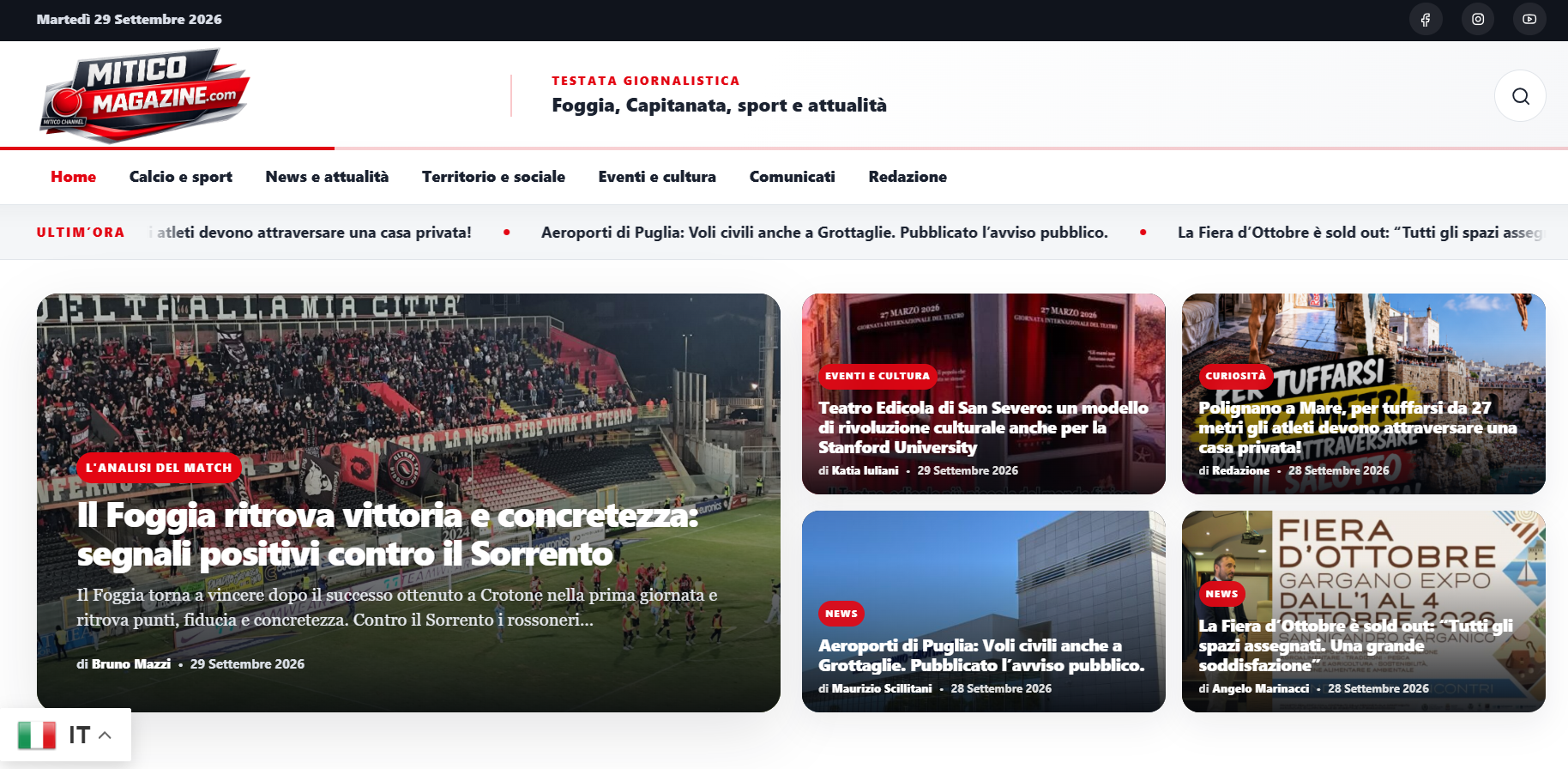
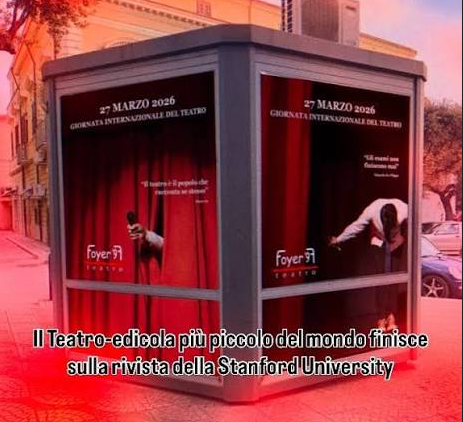
Mitico Magazine - Teatro Edicola di San Severo: un Modello di Rivoluzione Culturale anche per la Stanford University Source: https://www.miticomagazine.com/territorio-e-sociale/teatro-edicola-di-san-severo-un-modello-di-rivoluzione-culturale-anche-per-la-stanford-university/ Il Teatro Edicola di via Tondi A San Severo è avvenuta una singolare metamorfosi: un'edicola abbandonata da almeno sei anni ha ritrovato una funzione e una nuova identità, trasformandosi in uno dei palcoscenici teatrali più piccoli ed insoliti al mondo. Un esperimento nato nel cuore della città che, in pochi mesi, ha oltrepassato i confini locali, attirando l'attenzione anche oltreoceano. Si chiama Teatro Edicola ed è il progetto ideato dalla compagnia Foyer '97, diretta artisticamente da Francesco Gravino, che ha restituito vita alla vecchia edicola di via Tondi attraverso una formula essenziale e al tempo stesso sorprendente. Foyer '97 La Foyer '97 APS nasce come realtà associativa formalmente costituita e attiva nel settore culturale a San Severo nel 1997, dalla vocazione di un gruppo di attori, registi ed appassionati di teatro, con l'obiettivo di costruirne uno "vivo" e accessibile in città. Nel corso degli anni la compagnia ha sviluppato un repertorio che comprende testi della tradizione classica, drammaturgia contemporanea, commedia e progetti sperimentali, non limitandosi però alla semplice produzione di spettacoli teatrali, bensì anche all'organizzazione di corsi e laboratori teatrali e di progetti educativi e culturali caratterizzati da una forte impronta inclusiva, anche e soprattutto nelle scuole. La Foyer '97 non presenta sempre un organico artistico fisso, ma lavora con interpreti e collaboratori diversi a seconda dei progetti; unica presenza imprescindibile è quella, appunto, di Francesco Guido Gravino, attore, regista e direttore artistico della compagnia teatrale. La cifra distintiva di Foyer '97 è data sicuramente dalla valenza di promozione sociale e culturale attribuita al teatro, dal rapporto estremamente ravvicinato con il pubblico e dalla ricerca di un tipo di teatro fuori dagli spazi convenzionali, con cimiteri, treni, campanili, ed ora un'edicola, a fargli da sfondo. Sei spettatori, pochi minuti e una distanza minima tra palco e pubblico Il progetto ha preso il via il 27 marzo 2026, in occasione della Giornata Mondiale del Teatro, proponendo un'esperienza teatrale costruita attorno a una radicale riduzione degli spazi e dei tempi convenzionali dello spettacolo. L'idea nasce non soltanto dalla ricerca di spazi anticonvenzionali, bensì anche da "Edicola Fiore", la rassegna stampa mattutina dal taglio fortemente ironico condotta da Rosario Fiorello e Stefano Meloccaro, andata in onda prima solo sui canali social di Fiorello, tra il 2011 ed il 2014, e poi anche via radio e televisione tra il 2016 ed il 2018. Tale rassegna prendeva il nome dal diminutivo del suo fondatore, appunto Fiore, e dall'edicola di un amico di Fiorello in via Flaminia Nuova a Roma, dove lo showman si ritrovava la mattina presto con un gruppo di amici per leggere i giornali. L'edicola sanseverese è stata concessa gratuitamente dal proprietario Pino Frau al gruppo teatrale che, dopo aver ottenuto l'autorizzazione temporanea ed il supporto istituzionale da parte del Comune di San Severo, ha provveduto a ristrutturarla nell'arco di due settimane ad un costo inferiore ai 3000 euro. Soltanto sei posti a sedere, una superficie totale di 4 m2, di cui solo 2 destinati allo spazio scenico, meno di un metro di distanza tra attori e pubblico, un sipario, un leggio, due luci, rappresentazioni della durata compresa tra i 5 ed i 15 minuti, rotazione del pubblico ogni quarto d'ora: elementi apparentemente minimali che finiscono, però, per sovvertire il consueto rapporto fra palcoscenico e platea. Gli spettatori, infatti, si trovano immersi nell'azione scenica, in una prossimità con gli attori che rende ogni gesto, espressione e parola immediatamente percepibile. Il teatro, in questo modo, abbandona i suoi spazi tradizionali e si insinua nella quotidianità della strada, diventando un'esperienza intima, raccolta e quasi partecipativa. Durante il periodo inaugurale l'ingresso è stato gratuito con successiva offerta libera da parte degli spettatori; in caso di una concessione più stabile e lunga, che possa portare proprio a rappresentazioni teatrali stagionali, il costo del biglietto proposto sarebbe di 5 €. Il pubblico premia l'esperimento La scommessa di Foyer '97 ha incontrato sin dalle prime battute l'interesse del pubblico: oltre 60 persone hanno assistito agli spettacoli in un solo pomeriggio, mentre le tre giornate che hanno inaugurato la stagione hanno fatto registrare il tutto esaurito. Da singolare sperimentazione territoriale, il Teatro Edicola ha così cominciato a suscitare curiosità anche al di fuori della provincia di Foggia, trasformandosi progressivamente in un caso di interesse culturale e sociale, fino a raggiungere il continente americano. Dalla provincia di Foggia alla "Stanford Social Innovation Review" L'esperienza sanseverese, difatti, è arrivata ora sotto i riflettori internazionali: a settembre 2026, la Stanford Social Innovation Review, rivista e piattaforma internazionale dedicata all'innovazione sociale e pubblicata dallo Stanford Center on Philanthropy and Civil Society, all'interno della californiana Stanford University, ha pubblicato sul proprio sito e nell'edizione cartacea Fall 2026 il reportage "The Six-Seat Revolution", firmato dal dr. Luciano Magaldi Sardella, giornalista indipendente e ricercatore affiliato alla European Open University, e seguito editorialmente dal deputy editor David V. Johnson. Nell'articolo, si sostiene che il Teatro Edicola ha attirato l'attenzione oltreoceano perché il progetto concentra in pochi metri quadrati innovazione culturale, rigenerazione urbana e teatro di prossimità: partendo da un problema urbano reale, recupera un luogo abbandonato con un investimento contenuto, porta lo spettacolo direttamente nello spazio pubblico e sperimenta un rapporto molto più ravvicinato tra attori e spettatori. Dal punto di vista della rappresentazione teatrale, inoltre, si evidenzia come il format, fondato su microstorie di cinque-dodici minuti, estrapolate da grandi classici come Goldoni, Čechov, Ibsen, Euripide e Benni, e sulla rotazione degli spettatori ogni quarto d'ora, trasformi i limiti fisici dello spazio in una precisa scelta drammaturgica, rivelandosi estremamente innovativo. Tutto questo permette di far fronte ad alcune delle principali criticità del settore: calo degli spettatori, fasce di pubblico esclusivamente senili, riduzione delle risorse e distanza dai luoghi culturali tradizionali. La rivista ne evidenzia però anche le eventuali problematiche: la sostenibilità economica, la necessità di un sostegno istituzionale stabile e la difficoltà nel replicare il modello, strettamente legato alla comunità e al territorio di San Severo. Un modello che guarda oltre San Severo Nonostante le difficoltà, prime richieste di informazioni sono già arrivate da Lucca e Roma, dove si guarda con curiosità alla possibilità di conoscere più da vicino il modello e le modalità necessarie per riproporlo. La formula di replicabilità, infatti, non sembra richiedere infrastrutture particolarmente onerose: uno spazio inutilizzato, un intervento mirato, un'idea culturale, la conoscenza approfondita del territorio circostante e la disponibilità a restituire quel luogo alla collettività possono essere sufficienti per innescare una nuova funzione urbana. È proprio nella sproporzione fra la modestia delle risorse impiegate e l'eco generata dall'iniziativa che si trova forse la cifra più originale del Teatro Edicola, sicuramente unico nel suo genere; non mancano però, in Italia, esempi di altre edicole riutilizzate per altri fini: "Edicola 518", chiosco novecentesco abbandonato nel centro di Perugia, oggi dedicato all'editoria indipendente, all'arte e alla produzione culturale; e nella stessa Roma, l'edicola abbandonata di piazza Testaccio usata temporaneamente come palcoscenico per uno spettacolo di Fabio Morgan e l'edicola Erno del quartiere Prati, che quasi ogni mese propone un calendario di eventi, mostre, pop-up e collaborazioni con artisti e realtà creative. Piccole rivoluzioni, quindi, che raccontano storie di riappropriazione degli spazi urbani, di creatività e di innovazione sociale. E che, si spera, mettano radici per poter guardare sempre più lontano.

www.miticomagazine.com
Teatro Edicola di San Severo: un modello di rivoluzione culturale anche per la Stanford University
824
Prisca Puntini Wrld summary Sep 29

Chi è qua sopra da tanti anni sa che alcune persone hanno fatto parte di una quotidianità difficile da spiegare a chi questo strumento non lo ha mai usato. È veramente uno strazio difficile da comprendere, spero che alla famiglia possa arrivare affetto e presenza. #solidarietà #famiglia #compassione

13777
Papa Leone XIV Wrld summary Sep 16

I testimoni della fede non propongono un’ideologia, ma mostrano una fede vissuta nella quotidianità. La loro credibilità nasce dalla coerenza tra le parole e le azioni, coerenza spesso portata fino al sacrificio supremo. In contesti culturali indifferenti, la “santità della porta accanto” e l'eroismo silenzioso diventano argomenti significativi, capaci di interpellare tutti, anche i più diffidenti. https://t.co/sf7uA6WPIz #Fede #Santità #Eroismo

12169
Lia Quartapelle Wrld summary Sep 10
Italian politician

C’è un aggredito, l’Ucraina, e un aggressore, la Russia. Lo ripeto non per tenere buono qualcuno ma perché c’è chi sconcia la quotidianità di sacrificio e dolore di chi resiste all’invasione. Rispondere alle loro richieste di aiuto è una scelta di principio, non di interesse. #Ucraina #Russia #Solidarietà

13014
L
lastampa.it Sep 10

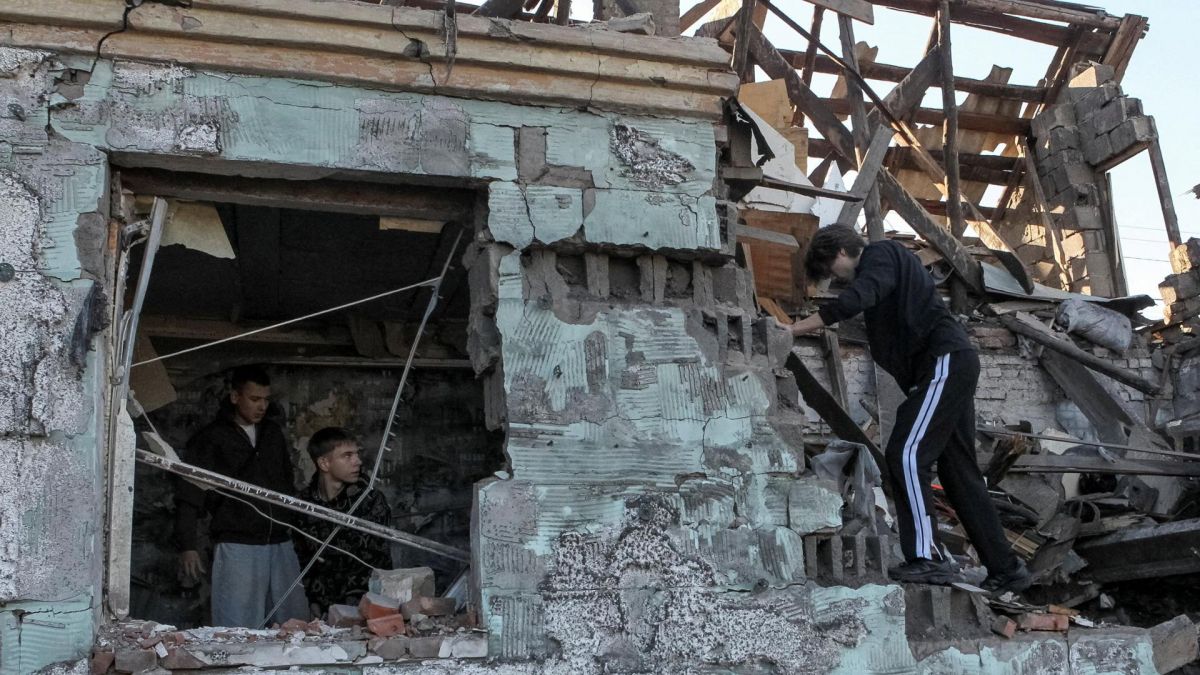
In Ucraina, la popolazione di Kiev riesce a vivere la quotidianità come se la guerra non esistesse, adattandosi a una realtà in cui sirene di allerta aerea e bombardamenti si intrecciano con la vita lavorativa e sociale, grazie a una combinazione di esperienza, tecnologia e una forma di indifferenza proattiva. #Ucraina #Kiev #Guerra

www.lastampa.it
Ucraina, vivere come se la guerra non esistesse: scorte, servizi sulle app e indifferenza
16566
Radio Deejay Wrld summary Sep 3

Benedetta Rossi e Marco Gentili finalmente a casa con le figlie Natacha e Sharlyn ❤️ Dopo un lungo ed emozionante viaggio in Costa Rica per completare il percorso di adozione, Benedetta Rossi e il marito Marco Gentili sono tornati a casa insieme alle loro due figlie, le sorelline Natacha e Sharlyn di 10 e 9 anni. Ad annunciarlo è stata la stessa Benedetta su Instagram con una foto commovente che ritrae le mani della famiglia unite a quelle delle bambine e alla zampa del cane Cloud, seguita da un sentito racconto ai fan: "Siamo tornati a casa, alla quotidianità. Stiamo bene, siamo molto felici. Loro sono curiose, vogliono conoscere i luoghi dove vivranno... Sono grandicelle e molto consapevoli di quello che sta avvenendo. È un turbinio di emozioni e tantissime 'prime volte' per loro e per noi." L'incontro con il cane Cloud è stato un successo immediato, ribattezzato dalle piccole "il nostro fratello peloso". Un sogno rincorso a lungo che diventa finalmente realtà, trasformando una nuova quotidianità in un capitolo tutto da scrivere. Video @fattoincasadabenedetta #news #show #radiodeejay #adozione #famiglia #emozioni

14929
Salvatore Brizzi Wrld summary Aug 15

Il lavoro su di sé deve avvenire nella quotidianità, giorno dopo giorno, ora dopo ora. Il momento della meditazione o dello yoga è eclatante, confinabile, visibile. Il lavoro su di sé, invece, non ha confini, può avvenire ovunque e in qualsiasi momento, ed è invisibile agli occhi di chi ci circonda. Nessuno dirà: “Ecco uno presente nel qui e ora”. #CrescitaPersonale #Meditazione #Benessere

15337
E
Ezio bianchi Aug 6

Buon viaggio Maestro… “Ma ogni storia ha la stessa illusione, sua conclusione, e il peccato fu creder speciale una cosa normale. Ora il tempo ci usura e ci stritola in ogni giorno che passa correndo, sembra quasi che ironico scruti e ci guardi irridendo- E davvero non siamo più quegli eroi Pronti insieme a affrontare ogni impresa; Siamo come due foglie aggrappate su Un ramo in attesa." Ogni storia nasconde un'illusione: credere che l'ordinario sia straordinario. Quante volte ci siamo illusi di vivere momenti unici, mentre la routine ci avvolge come un abbraccio invisibile? Il tempo, inesorabile e implacabile, ci consuma giorno dopo giorno. Siamo così impegnati a correre da una scadenza all'altra da dimenticarci di fermarci, osservare e riflettere. Ironia della sorte, ogni giorno ci ricorda la fragilità della nostra particolare normalità. Ma è proprio nell'accettazione di questa realtà che possiamo trovare un significato più profondo. La bellezza risiede spesso nelle piccole cose, nei gesti quotidiani che tendiamo a dare per scontati. Mi piacerebbe sapere come affrontate la vostra quotidianità. Come trasformate l'ordinario in straordinario? Condividete le vostre riflessioni! #Quotidianità #Riflessioni #CrescitaPersonale

476
Eurosport IT Wrld summary Aug 5

"Sono contentissima e non mi sembra quasi vero." racconta una emozionatissima Chiara dopo aver firmato il suo nuovo primato personale con 358,05 punti complessivi 🥹✨ "Amo questo sport e sto veramente dando tutto nella quotidianità. Non so neanche spiegarlo a parole ma sono davvero tanto soddisfatta. Spero che questo aiuti anche un po’ il nostro sport ad avere un pochino più di visibilità, perché è uno sport bellissimo, e che più giovani si avvicinino ad esso." 💙 #EuropeanAquatics #Paris2026 #Pellacani #Sport #Successo #Emozioni

12266