BETA nonprofit public democratic european moderated

Search

#Rafah
L

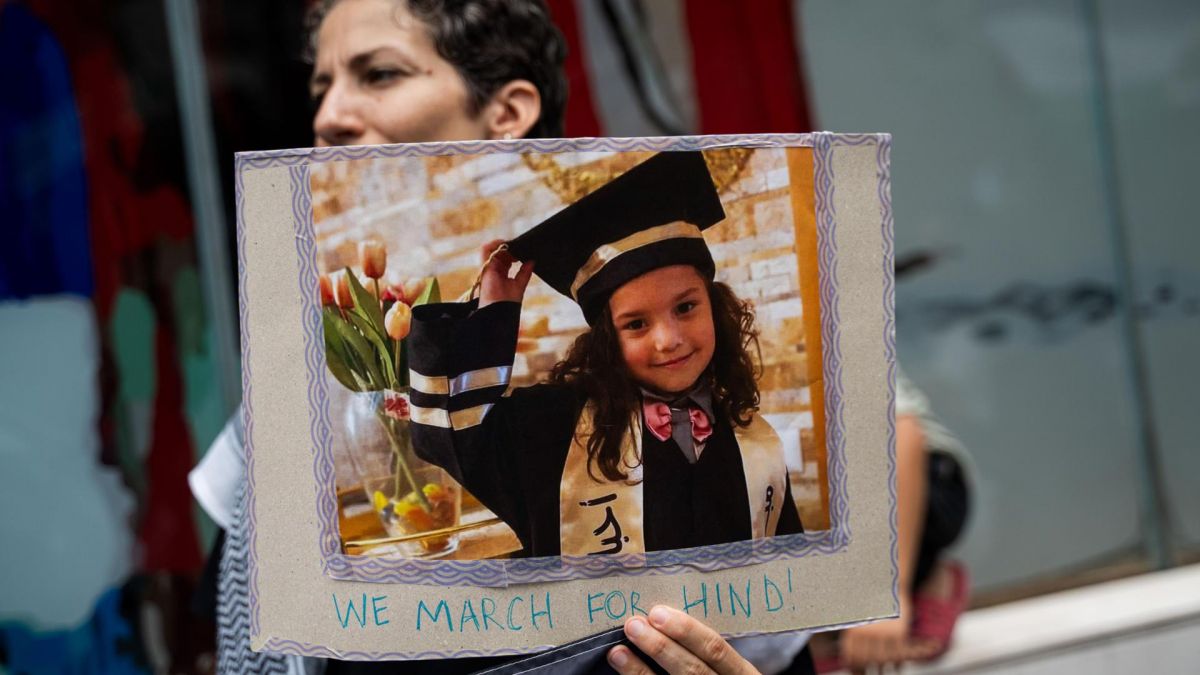
The IDF has launched two criminal investigations into the death of the girl Hind Rajab in Gaza and the killing of 15 rescuers in Rafah, while three other cases were closed without criminal proceedings despite significant operational errors being acknowledged. (translated)

Israele, nuove inchieste sulla morte della piccola Hind e sul massacro di 15 soccorritori a Rafah

Ahmed Khamis Abu Younes, die in circulerende berichten wordt omschreven als een van de langst dienende leden van de militaire tak van Hamas, is geëlimineerd in Rafah.🥳🥳 https://t.co/nmix1uA7k7 #Hamas #Rafah #Militair

ANSA.it 4w

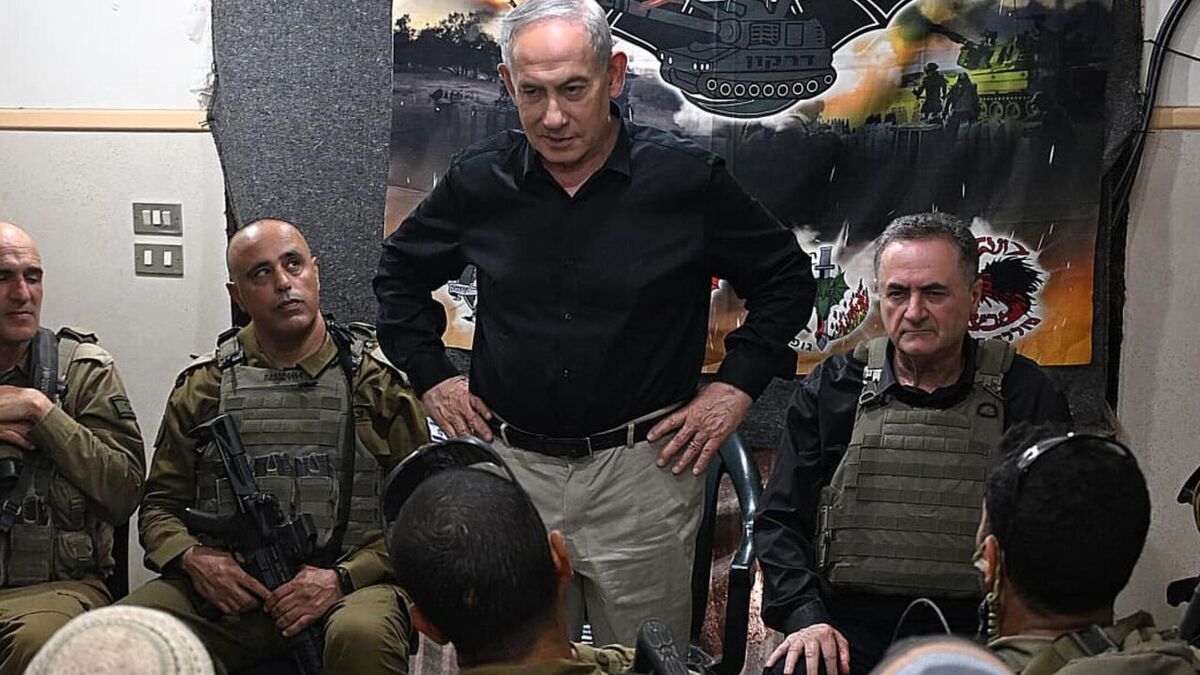
Israeli Prime Minister Benjamin Netanyahu has officially rejected Trump's plan for Gaza, stating that Israel will not withdraw until Hamas is disarmed and declaring that there will be no Palestinian state under his leadership, as reports emerge of reconstruction work in Rafah in collaboration with international forces. (translated)

Netanyahu boccia il piano di Trump: 'Il ritiro solo con il disarmo di Hamas'

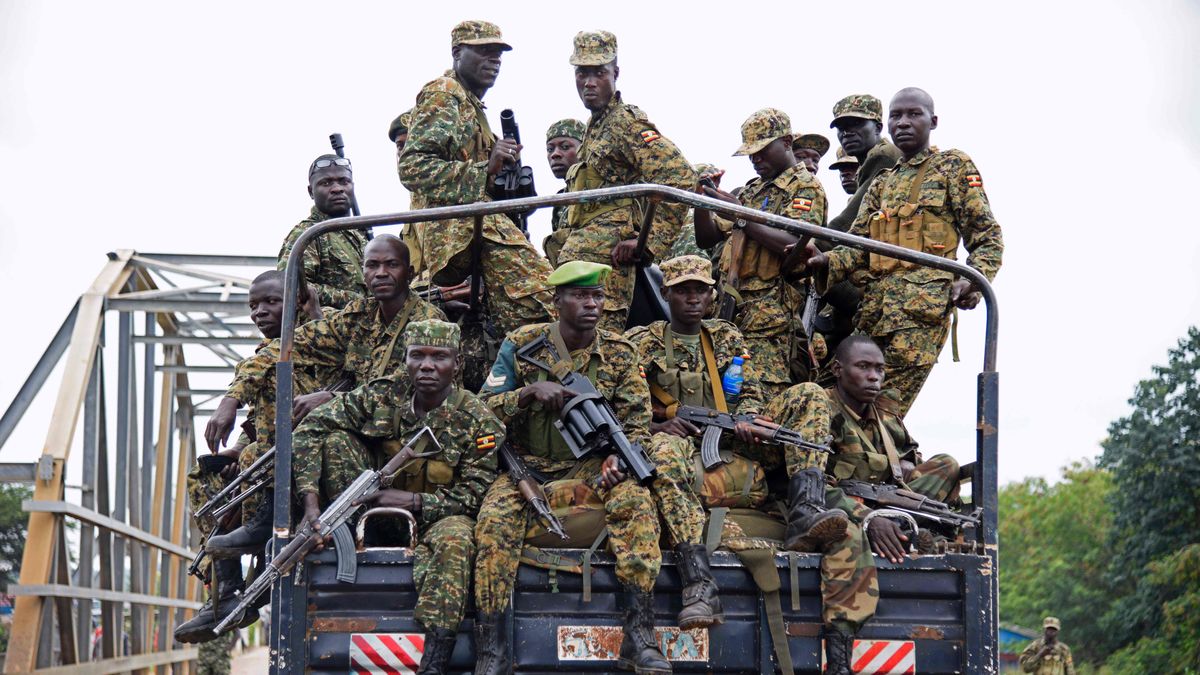
The Ugandan Parliament has approved the deployment of soldiers to the Gaza Strip to be part of the International Stabilization Force being formed under the leadership of US President Donald Trump to resolve the Gaza war, while a reconstruction project for a military base in Rafah is also being initiated. (translated)

Uganda: Parlament billigt Truppenentsendung in den Gazastreifen

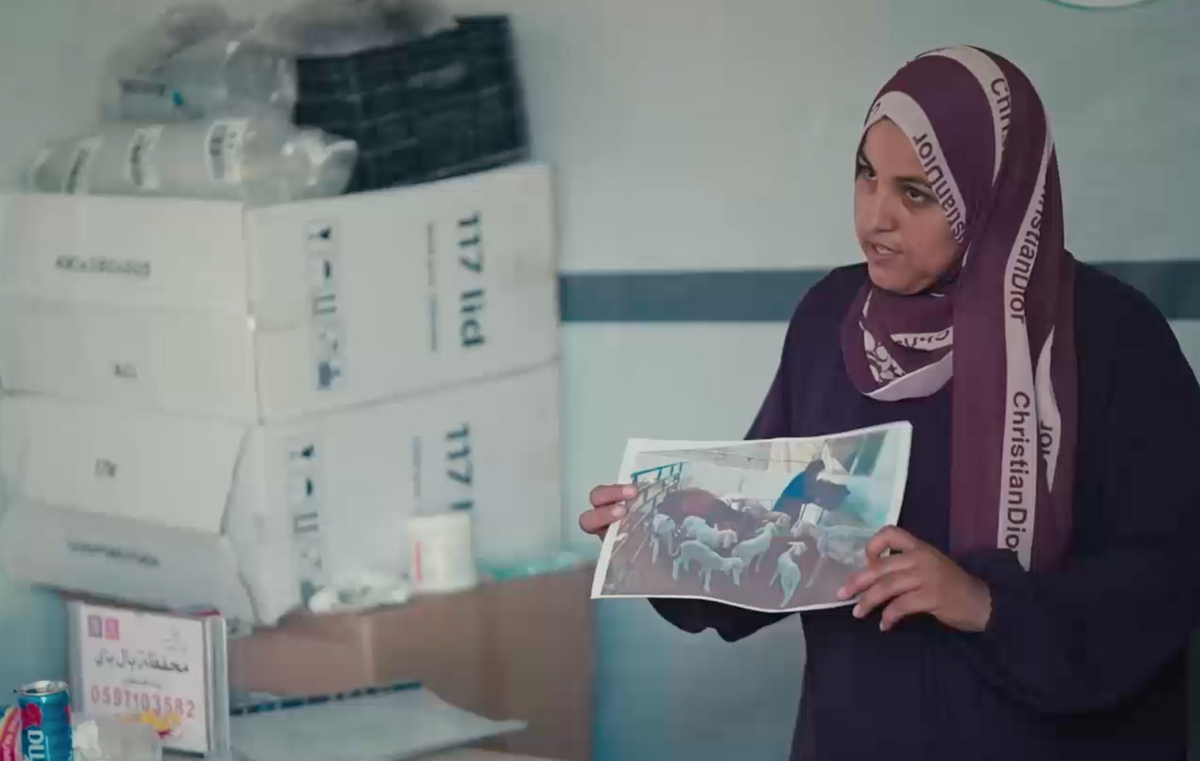
Yasmeen, a woman from Rafah in the Gaza Strip, lost her home and her business due to Israeli bombings, but despite the difficulties, she has resumed working with other women from her cooperative to produce cheese with the help of Oxfam, highlighting the courage and resilience of Palestinians in the testimonies of 'Voices of Gaza'. (translated)

Voci di Gaza – “Avevo una cooperativa e un caseificio, la guerra mi ha portato via tutto. Ma non mi sono arresa”
ALY🍒 Aug 2

Oggi ho finalmente ricevuto l'aggiornamento completo riguardo a questa donazione. Grazie ai 10 mila dollari raccolti, sono stati distribuiti 170 pacchi alimentari freschi a 170 famiglie nel campo profughi di Rafah. Ogni pacco conteneva verdure fresche, pollo, riso e olio da cucina, permettendo alle famiglie di preparare pasti nutrienti con ingredienti freschi anziché ricevere cibo preconfezionato. Un grazie di cuore alla ragazza che, scegliendo di rimanere anonima, ha fatto questa donazione a nome di tutto il fandom #Zeudiners 🤍 #Solidarietà #Donazione #AiutoUmanitario

Lesbocine Jul 27

🎬As gravações de #DittoSeries, o novo GL das #MilkLove começaram. Uma bailarina rica e arrogante e uma comissária de bordo gentil têm apenas uma coisa em comum: o nome, Rafah. Por obra do destino, suas vidas se cruzam após uma queda do céu: uma comissária com a asa quebrada e uma bailarina com a perna quebrada. #DittoSeries #MilkLove #GL

Mediafax.ro Jul 27

Israelul a lansat un proiect-pilot pentru reconstrucția Fâșiei Gaza, care implică o forță internațională de stabilizare și o administrație tehnocrată, având ca obiectiv testarea unui model de gestionare a zonelor afectate de conflict, în special în orașul Rafah. #FâșiaGaza #Israel #reconstrucție

Proiect-pilot pentru reconstrucția Fâșiei Gaza: Israelul testează un nou model de administrare
Adham Hasanin Jul 21

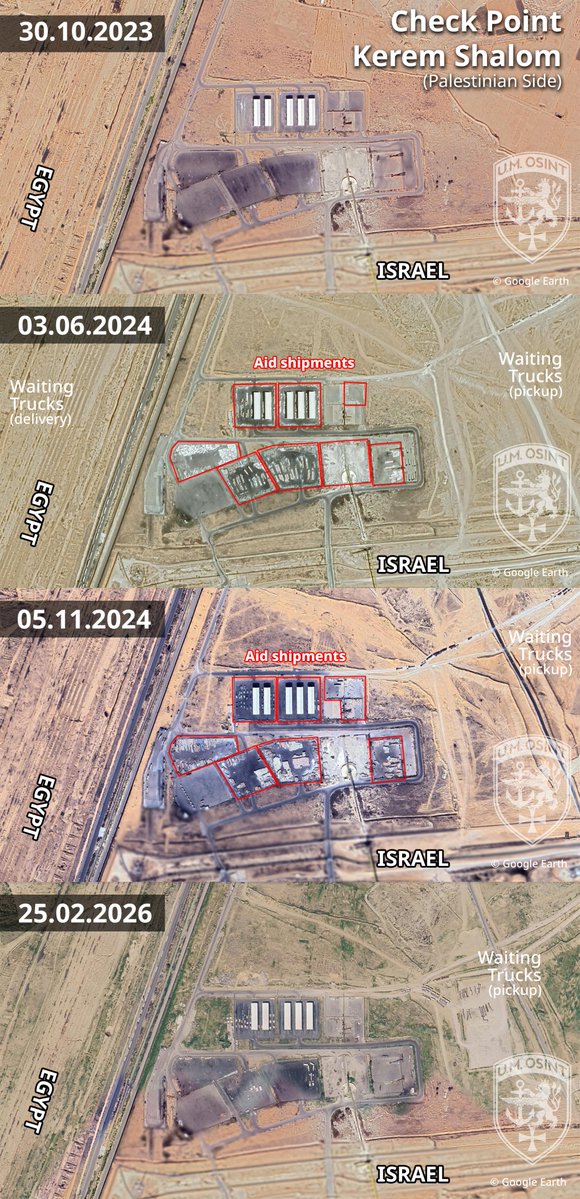
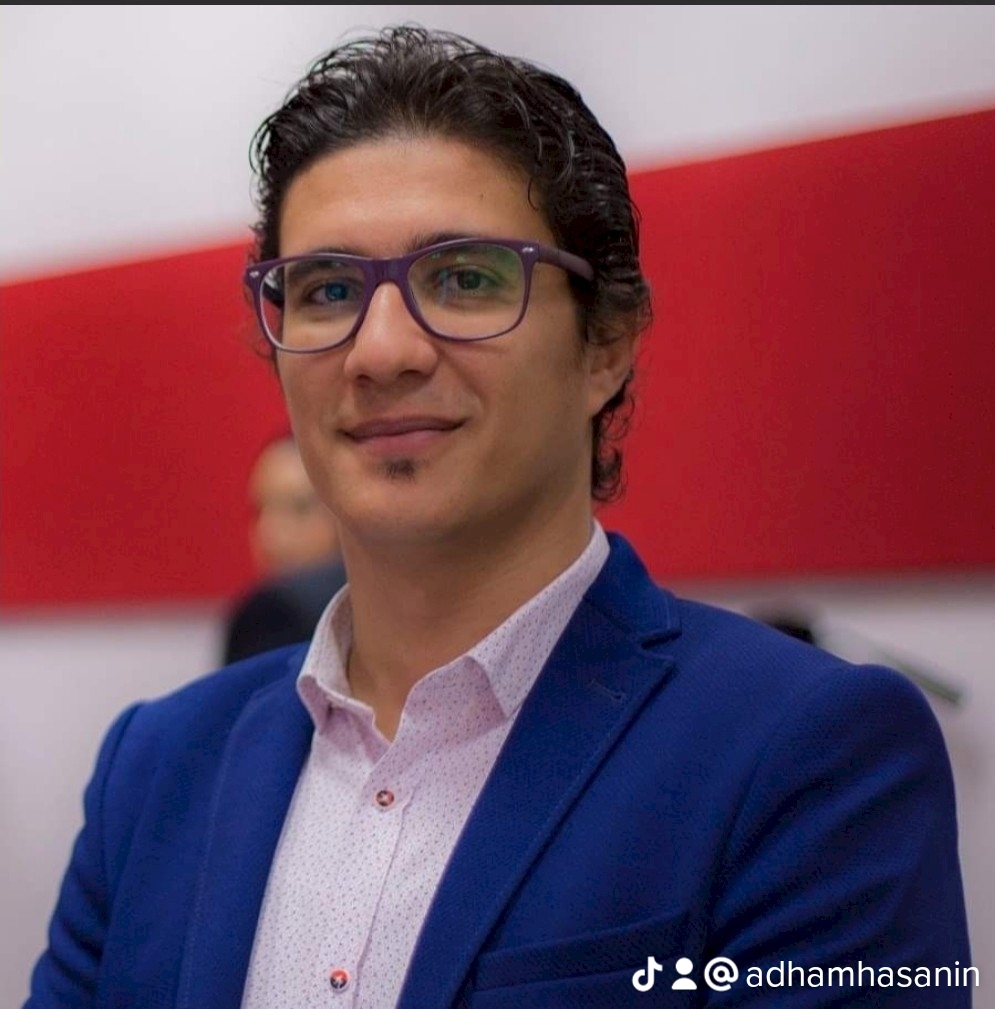
| JULY 2026 | The Guard State How the largest Arab nation became a security contractor at the gates of its own people By Adham Hasanin Egyptian journalist and political writer, based in the Netherlands In June 2025, hundreds of activists from forty countries landed at Cairo airport. Doctors from France, lawyers from Australia, students from the United States, pensioners from the Netherlands. They carried no weapons and no banned slogans; they carried backpacks, walking shoes, and a single intention: to march from Arish to the Rafah crossing — entirely on Egyptian soil — to demand that food be allowed through to a people starving behind the gate. Not one of them reached Rafah. More than two hundred were detained before the march could begin. Around five hundred foreign nationals were deported from airports, hotels, and checkpoints. Passports were confiscated, activists were pulled out of downtown Cairo cafés, and the Global March to Gaza was cancelled on 16 June without taking its first step. And the world watched. This was no secret operation in a dark basement; it happened in the open, documented by the deportees’ own phone cameras, carried by every international news agency. The world watched an Arab state arrest Europeans, Americans, and Africans for wanting to walk towards Palestine. A state guarding the gate of a siege — from the side that was supposed to be the side of rescue. Hold that image, because it is the key to everything that follows. This was not an aberration in Egyptian policy, nor an isolated security decision. It is the function — the complete function around which the Egyptian state has been redefined over the past decade, and which it is time to call by its proper name: the Guard State. I. The Name — What Do We Mean by the Guard State? Political economy has long described states that live off the rent of their location rather than the production of their people. But what has crystallised in Egypt over the past decade goes beyond traditional geographic rent — the Suez Canal, say — into something far graver: the conversion of sovereignty itself into a commodity for hire. The Guard State does not sell its location; it sells its function. It collects its wages not for what it produces, but for what it prevents: it prevents the refugee from reaching Europe, the activist from reaching Gaza, its own people from reaching politics, and the resistance’s weapons from reaching their destination. Four gates, guarded by a single machine, whose wages are paid in loans, deposits, and perpetually renewed rescue packages. This is not a rhetorical metaphor; it is an economic structure with numbers attached. When the Egyptian economy collapsed in 2024, it was rescued not by productive reform but by a single deal whose subject was location: Ras el-Hekma — thirty-five billion dollars for a stretch of coastline. And whenever negotiations with the IMF stall, the tranches are unlocked by explicit European pressure whose subject is migration: nine billion euros from the European Union in the 2024 “Strategic Partnership,” whose own documents place “migration management” at its core. Europe does not pay Egypt to prosper. It pays Egypt to guard. Thus the model is complete: income in exchange for prevention, external legitimacy in exchange for guarding, and international silence about domestic tyranny in exchange for keeping the gates controlled. To see how the model works on the ground, consider the bloodiest gate of all: the gate of Gaza. II. The Gaza Gate — The Guard Who Is Himself Searched The first paradox must be nailed down with facts: Egypt is not a sovereign guard of its own crossing; it is a searched guard. Egyptian relief trucks — ninety-two thousand food parcels in a single convoy this month — are subject to Israeli inspection before entering the Strip: from Egyptian soil, through a crossing that bears an Egyptian name. The state that guards the gate does not hold its key. It owns the threshold, but not the door. Then the October 2025 truce added a new layer to the function. Under the fifteen-point roadmap sponsored by the international envoy together with the “guarantor states” — Egypt foremost among them — Cairo is to train the civilian police force that will replace Hamas in administering the Strip, under the slogan of “one authority, one law, one weapon.” Let us call things by their names: the state that could not — or would not — deliver a loaf of bread without Israeli permission is now qualifying to graduate the security apparatus that will oversee the disarming of the resistance. From guarding the siege to administering what comes after the siege — a promotion within the same project. And meanwhile, what is happening behind the guarded gate? Since the truce, more than one thousand one hundred Palestinians have been killed by Israeli fire — the latest, just two days ago, a ten-year-old boy named Motaz Abu Shaar, carried to his grave in Khan Younis by his mother, Warda. A United Nations commission of inquiry has concluded that Israel is “deliberately targeting children in an ongoing genocide.” This is what the guarantors’ official language calls a “ceasefire.” What meaning is left in the word “guarantor”? A guarantor that the gate stays firmly shut — however high the dead pile up behind it. III. The Mediterranean Gate — The Guard Europe Pays For The second gate faces north. Since 2016, Cairo has boasted — through its officials at every European forum — that “not a single irregular migration boat has departed from Egyptian shores.” This is very nearly true. But the forbidden question is: at what political price has this “efficiency” become an instrument of mutual blackmail? Europe — which condemns Egypt’s human rights record in its parliamentary resolutions — is the same Europe that signed the nine-billion-euro partnership, and the same Europe that stays silent about sixty thousand political prisoners because the alternative, in its calculations, is boats that never stop. And Cairo understands the game and has mastered it: whenever human rights pressure intensifies, the official discourse turns up the volume on “Egypt hosts millions of refugees” and “the last line of defence.” The result is a perfect structure of mutual blackmail: Europe buys its conscience’s silence, the regime sells its location, and the people — Egyptian and refugee alike — are the commodity in the transaction. The democracies that lecture on values are financing the guard who keeps the victims from knocking on their doors. This is not passing hypocrisy; it is a structural partnership in the Guard State model — one that makes Brussels and Berlin shareholders in everything this state produces, from domestic repression to external siege. IV. The Interior Gate — Guarding the People Against Politics But the most dangerous gate is not on any border; it is inside. The Guard State cannot perform its external function unless it first guards an internal gate: the people’s gate to politics. The function requires a people that does not ask: why are we guarding the siege of our brothers? Why are our trucks searched on our own soil? Why are guests deported for coming to walk in peace? To guarantee the question is never asked, the largest silencing machine in the country’s history was built: sixty thousand prisoners of opinion, a press ranked 166th out of 180 worldwide, and a state security case number waiting for anyone who writes. I write these lines from experience, not from reading reports. When I continued writing from my Dutch exile, the machine reached me across continents: accounts shut down by coordinated mass-reporting campaigns, documented threats, a family harassed inside Egypt as leverage — and my name entered into Case 1282 of 2024, not for any act I committed, but for opinions written from free European soil. This is not a personal complaint; it is a job description: the Guard State guards even beyond its borders, because the free word — wherever it is written — threatens the entire contract of guardianship. The logic is perfectly self-consistent: a regime that sells “stability” abroad cannot tolerate a voice revealing that the stability on offer is the stillness of graveyards. This is why the arrest of the foreign activists in June 2025 was inevitable, not incidental: a peaceful march reaching Rafah would have revealed, before the world’s cameras, that the gate opens when it is wanted open — and that the one keeping it shut is a partner, not a mediator. V. What Has Egypt Lost? — The Guard’s Bill An apologist might argue: what is the harm? A state monetising its location as Norway monetises its oil. The answer lies in the essential difference: Norway sells a resource; Egypt leases its will. And the difference between the two is the difference between trade and bondage. Let us tally what Egypt has paid for this model, in bare facts. It lost its water sovereignty: the Renaissance Dam was completed and filled without the state — owner of “the largest defence headquarters in the world” — daring anything beyond statements of concern; for the guard does not make trouble for the international order that employs him. It lost its regional standing: in the Iran–America war halted just weeks ago, Cairo was neither party nor mediator nor even consultant — Pakistan brokered the deal, while Egypt absorbed the economic shrapnel of Hormuz’s closure like a bystander caught in a battle whose parties it does not know. It lost its place in the conscience of its nation: the state that liberated its land in 1973 and led the Arab world for a century has become, in the eyes of the Arab street from the Atlantic to the Gulf, the gatekeeper of the siege. This loss, specifically, no loan or deposit can repay — because it is the only capital that cannot be printed. And it lost — here is the crux — the very national security in whose name the guarding is justified. The model proved its fragility at the moment of testing: when Israel feared an Iranian response last year, it cut off Egypt’s gas by unilateral decision within hours. The guard who believed himself a partner discovered he was merely a hireling whose wages stop the moment danger arrives. VI. The Alternative Is Not a Slogan — It Is the Recovery of the Original Function I will not close with an essay on “the solution lies in Arab unity”; worn-out words kill more surely than silence. The alternative is specific, and it begins with redefining the function. The state is not a guard; the state is the agent of its people’s will. Every foreign policy not derived from that will is — by definition — functional servitude, however it is wrapped in the language of wisdom and moderation. And the Egyptian will is known and needs no referendum: no people in this region accepts that its country serve as warden of the siege of Gaza, or as Europe’s border post. Practically, the recovery begins with three measurable steps. Open the Rafah crossing fully and sovereignly, by purely Egyptian decision — that alone would overturn the equation of the siege. Break the negotiating bondage by linking any cooperation on migration to concrete European positions on Palestine, not statements of concern. And open the interior gate — release the prisoners and lift the hand from the written word — because a state that fears an article will never dare face an occupier. I know the current regime will do none of this; guarding is its founding contract and its financial artery. But this article is not written for the regime. It is written for memory, and for the generation that will inherit the gates — so that it knows that what is presented to it today as “the fate of geography” is no fate at all. It is an employment contract, signed by a regime without a mandate from its people. And contracts, however long they run, end when one of their parties does. And the world — I return to where I began — is a witness that requires no further proof. It watched the deportees at Cairo airport; it watched the searched trucks; it watched Warda Abu Shaar carry her son to his grave behind a firmly guarded gate. The question is no longer: what is happening? The only question left is: who dares to name it? This article is a naming. Adham Hasanin is an Egyptian journalist and political writer based in the Netherlands, covering Arab and European political affairs.

GirlsLove Hub Jul 15

🩰✈️ TÁ VINDO! Hoje ocorreu o teste de figurino para #DittoSeries, o novo GL das #MilkLove. Uma bailarina rica e arrogante e uma comissária de bordo gentil têm apenas uma coisa em comum: o nome, Rafah. Por obra do destino, suas vidas se cruzam após uma queda do céu: uma comissária com a asa quebrada e uma bailarina com a perna quebrada. #DittoSeries #MilkLove #Bailarina

Após a classificação do Egito contra a Austrália, nos 16 avos de final, o técnico egípcio Hossam Hassan exibiu uma bandeira da Palestina. Além de ambos serem povos árabes e de maioria muçulmana, são vizinhos. “Dedico essa vitória aos povos egípcio e palestino, esses povos gentis e honrados”, afirmou Hassan, que é ainda o maior artilheiro da história da seleção egípcia. Antes do jogo contra a Argentina, ao ser questionado sobre o gesto, voltou a falar que é preciso “deixar que o povo palestino viva”, chamando de “vergonha para o mundo inteiro” a situação de Gaza. Essa conexão especial entre Egito e Palestina (em especial Gaza, que faz fronteira com o território egípcio) tem rendido alívio e comemorações pelos triunfos na Copa na região, ainda devastada pelas ações de Israel após outubro de 2023. Os israelenses enfrentam um processo por genocídio contra os palestinos na Corte Internacional de Justiça. Céticos pró-Israel lembram do fato de que o Egito costuma fechar a passagem de Rafah, impedindo que palestinos deixem Gaza para se refugiar no país. Tem sido assim desde 2007, quando o Hamas tomou o controle de Gaza. O Egito vê o grupo como um espelho ideológico da Irmandade Muçulmana, organização que qualifica como terrorista. Mas é preciso não confundir o governo do Egito, aliado dos EUA, com seu povo - até porque o atual governo de Abdel Fattah el-Sisi é uma ditadura militar que tem cometido sucessivos abusos de direitos humanos. A causa palestina é bastante popular no Egito, que chegou a lutar guerras como a dos Seis Dias e a do Yom Kippur contra Israel, ao lado de outros países árabes. Desde 1979, porém, o Estado egípcio selou a paz com os israelenses, tornando-se o primeiro país árabe a fazê-lo. Dois anos depois, isso custou a vida do presidente Anwar Sadat, sendo uma das razões pro atentado que o matou. Mesmo antes de ter a bandeira exibida pelo técnico egípcio, os palestinos de Gaza já se reuniam pra torcer pelo Egito nessa Copa em tendas, em meio aos destroços causados nos últimos anos. É um escape bem-vindo da realidade, e o gesto de Hassan renova o laço entre esses povos irmãos. #Egito #Palestina #Copa2023

The Israeli army has again expanded the occupied territory in Gaza. Israeli forces have sent tanks deeper into the Tuffah district in northern Gaza and have shifted the boundaries of the so-called "yellow zone" east of Khan Yunis and near Rafah. New concrete blocks and signs have reportedly appeared closer to (translated)

Frauen in meinem erweiterten Bekanntenkreis haben sich in den letzten Jahren online über alles mögliche empört. Hebammenvergütung, Rafah, Stadtbild, Tierschutz, Klimawandel, Collien Fernandes. Aber wenn mit Abschaffung Ehegattensplitting, Kürzung Elterngeld und Abschaffung Witwenrente die größten Einschränkungen für Frauen seit 1949 diskutiert werden, bleibt es komplett ruhig auf Instagram. Woran liegt das? Interessiert die das alle nicht? Müssen es Joko & Klaas erst in verständlicher Sprache aufbereiten? #Frauenrechte #SozialeGerechtigkeit #Politik

V

De Gazaanse zusjes Tala (17) en Rafah (15) Mousa hebben een innovatief project gestart waarbij ze puin van hun verwoeste huis gebruiken om bakstenen te maken, met als doel hoop te creëren in hun oorlogsgetroffene omgeving, en hebben hiervoor zelfs een internationale scholierenprijs gewonnen. #Gaza #BuildHope #Duurtzaamheid

Tala (17) en Rafah (15) zagen het puin van hun huis in Gaza en dachten: kunnen we daar geen bakstenen van maken?
via.tt.se May 25

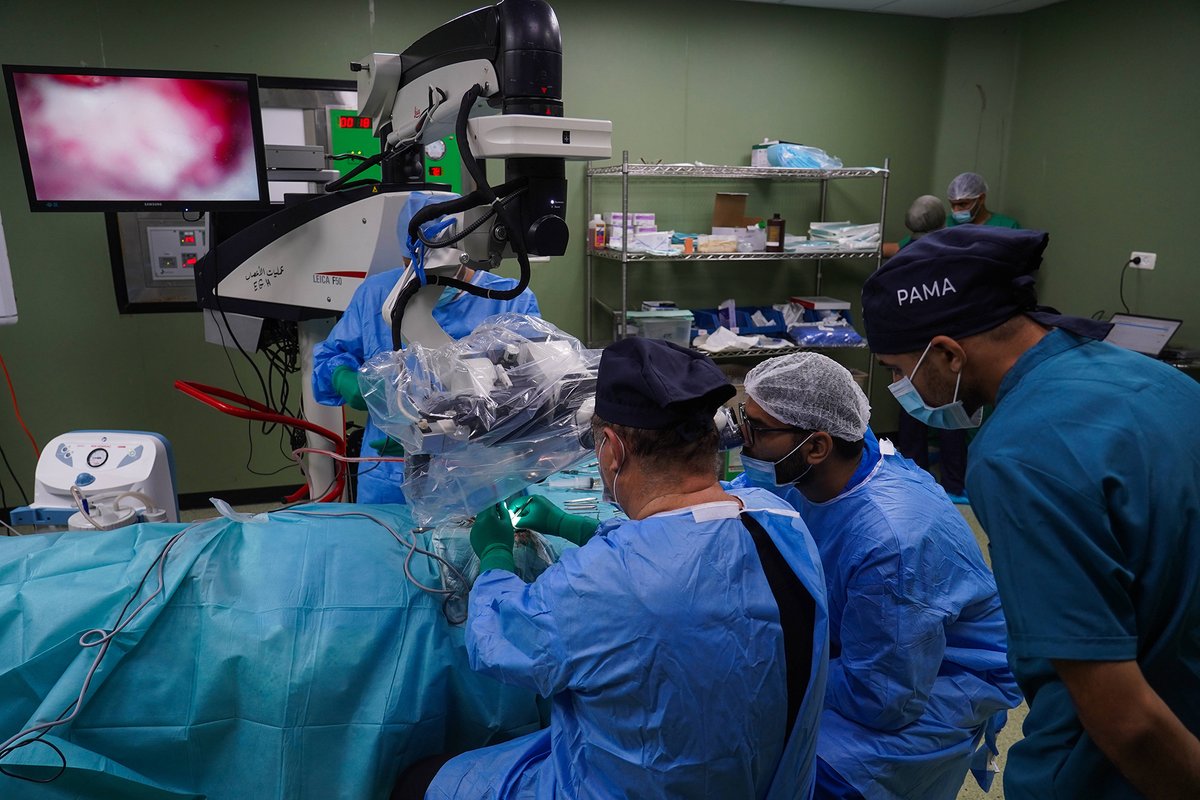
Röda Korset har fått tillstånd att uppgradera sitt fältsjukhus i Rafah, Gaza, med ny medicinsk utrustning för att bättre kunna möta de akuta vårdbehoven i regionen, där tillgången till sjukvård fortfarande är mycket begränsad efter skador på andra sjukhus sedan oktober 2023. #Gaza #RödaKorset #Fältsjukhus

Gaza: Akuta vårdbehov kräver upprustning av fältsjukhus

Today, the Lebanese resistance targeted Col. Meir Biderman, commander of the IDF's 401st Armored Brigade, in south Lebanon. Israeli media report that he is fighting for his life. This is the same brigade that murdered Hind Rajab, stormed Al-Shifa Hospital and terrorised Rafah. https://t.co/11h3djyvg0 #Lebanon #IDF #Resistance #LB #IL

The European Union wants a role in the peace process for Gaza. The head of EU diplomacy, Kaja Kallasová, stated that the EU wants to contribute mainly through police training and through a mission at the Rafah border crossing. According to her, Palestinian police will be needed even in the event of disarming Hamas, but the union... (translated)

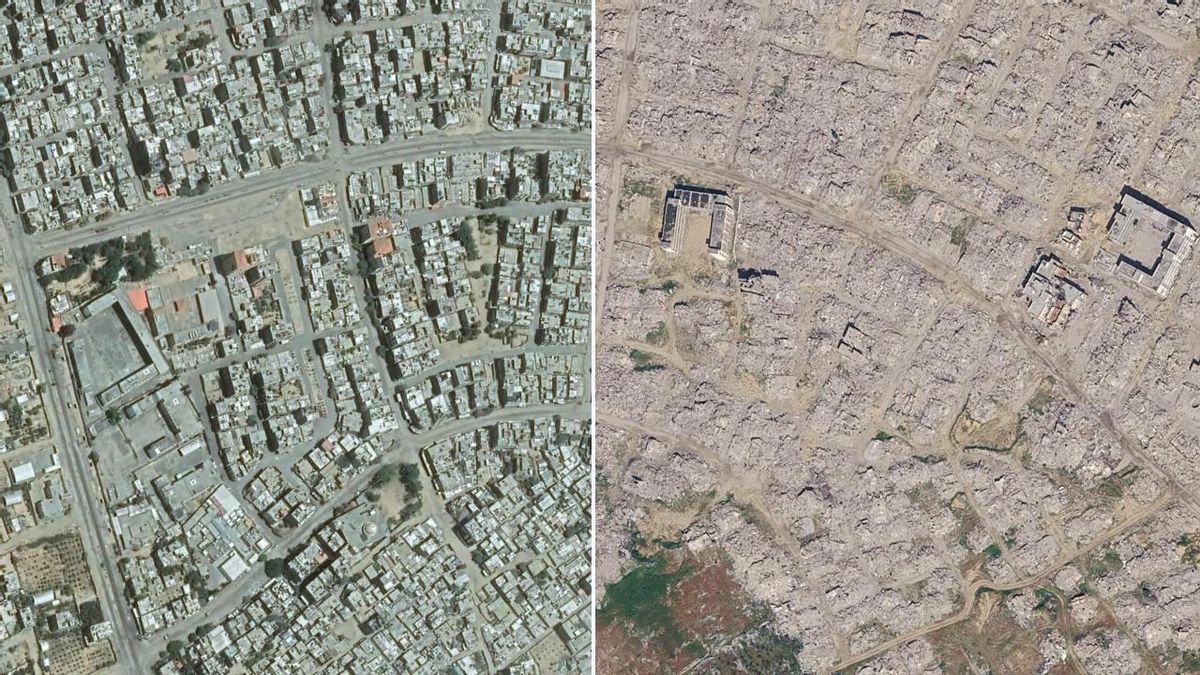
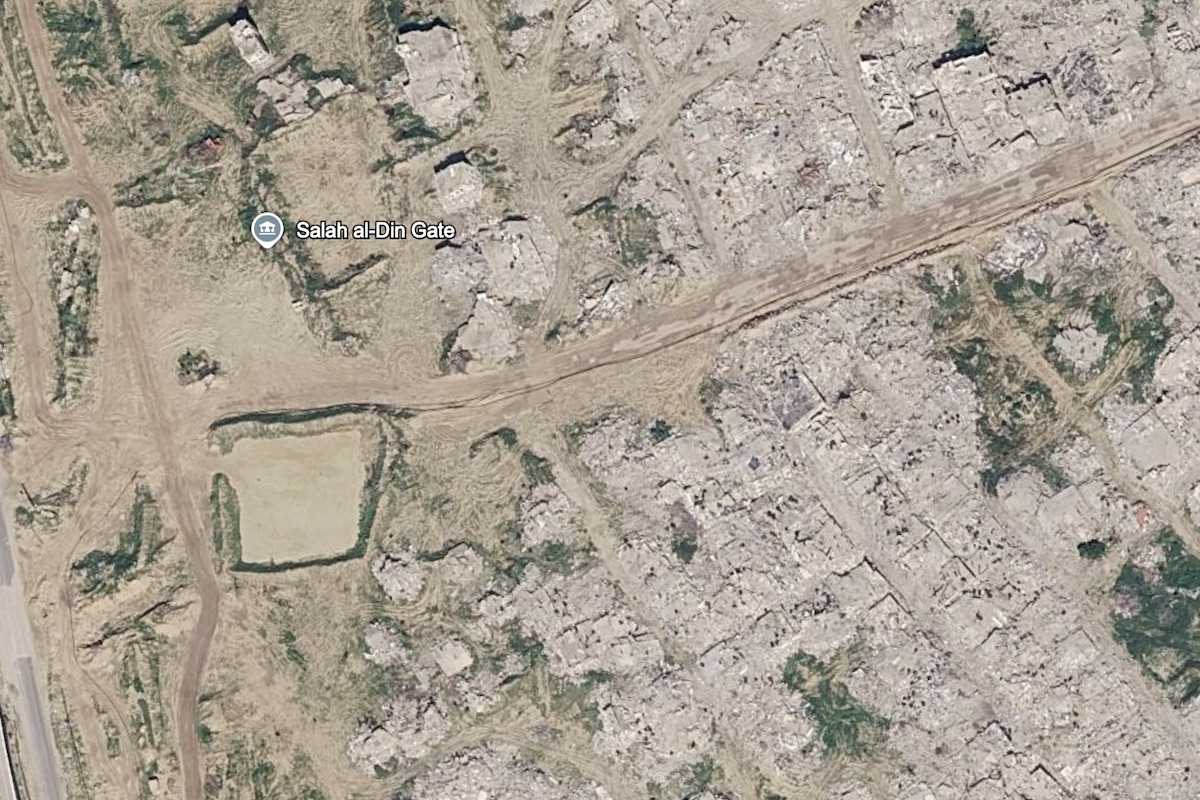
Israel Katz: Alle Häuser in den libanesischen Grenzdörfern sollen nach dem Vorbild von Rafah und Beit Hanun im Gazastreifen zerstört werden.

Israel Katz: All houses in Lebanese border villages will be destroyed according to the Rafah and Beit-Hanun model in Gaza to permanently eliminate threats to Israel's northern border.

Hamas prevents, under the threat of death, Palestinian contractors from Gaza from crossing to Rafah, controlled by Israel, to eat... (translated)