WRLD

Search

#Riconoscimento
Il Fatto Quotidiano 8h

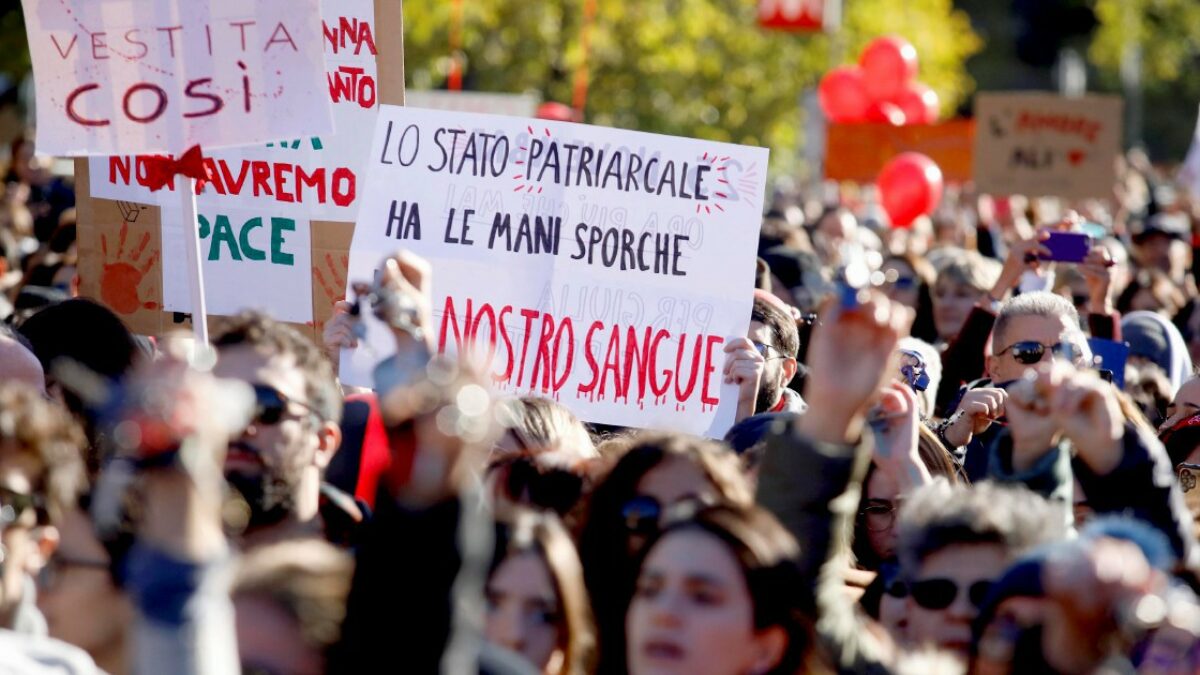
On November 25, 2026, amid the recognition of gender-based violence and the controversies over proposals to reform sexual violence legislation, it is highlighted how the stigmatization and absence of historical memory regarding women continue to perpetuate a patriarchal culture rich in complicity and silence. #Femminicidi #ViolenzaSulleDonne #Patriarcato (translated)
www.ilfattoquotidiano.it
25 novembre 2026: la vergogna non ha ancora cambiato genere

1596
Il Sole 24 ORE 21h

An international call is open for the selection of the curator of the Italian Pavilion for the Venice Biennale 2028, with a submission deadline for proposals from December 10 to January 15 and a recognition of one thousand euros for candidates admitted to the second phase. #BiennaleArte #PadiglioneItalia #ArteContemporanea (translated)

www.ilsole24ore.com
Al via open call internazionale per la selezione del curatore del Padiglione Italia
1914
Il Fatto Quotidiano 1d

China's decision to send a Pakistani into space underscores its recognition of Pakistan as a strategic partner and not a peripheral country, reflecting a very different interpretation of international relations compared to the Western perspective. #Cina #Pakistan #Spazio (translated)

www.ilfattoquotidiano.it
Perché la scelta della Cina di inviare un pakistano nello spazio non è casuale
2393
Il Fatto Quotidiano 1d

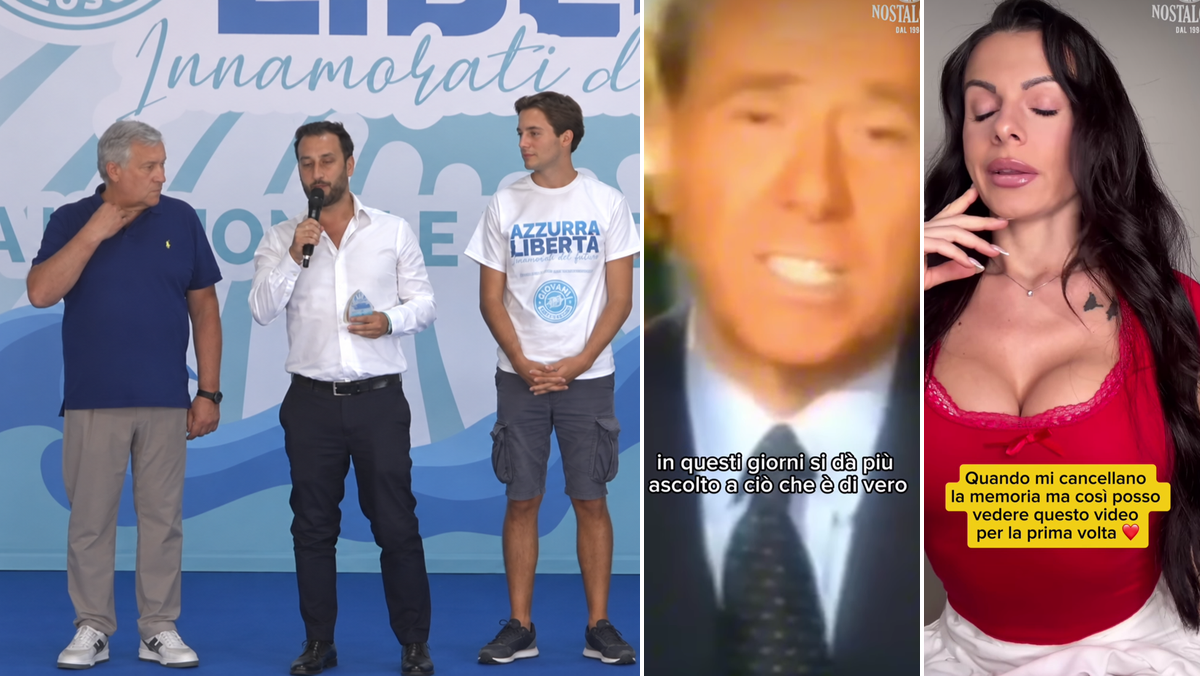
On November 22, Giustino Mucci received an award from Forza Italia for his Instagram page Berlusconismo Nostalgico, now associated with a collaboration with the OnlyFans creator Elena Maraga, raising questions about the values represented by the party. #Berlusconismo #ForzaItalia #Giovani (translated)

www.ilfattoquotidiano.it
Premiata da Tajani, la pagina Berlusconismo nostalgico ora incontra OnlyFans
2163
Luciano Magaldi Sardella (PhD) 3d

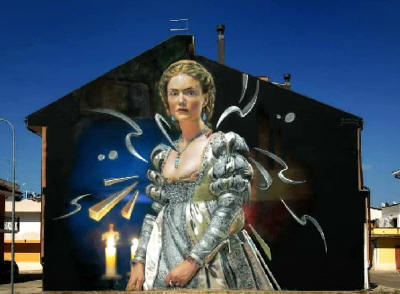
“TGNORBA”, “CLEAN AIR”, “BOSS STREET”: THE “STRAMURALES” OF STORNARA IN THE WIPO/UN “GLOBALTOP20” BUT THE PUGLIA REGION NO LONGER FUNDS IT STORNARA (FG) — About six thousand inhabitants, over 173 murals and the only Italian name in street art now coexists alongside Berlin, New York, Los Angeles, Paris, Lisbon, London, Miami, Madrid, Barcelona, Brussels, Melbourne and many others. A year ago, recognition came from the “Harvard Health and Human Rights Journal,” with the case study “Street Art as Public Health Infrastructure” authored by Dr. Luciano Magaldi Sardella from Orta Nova and Prof. Matteo Mantuano from Lucera, which indicated street art as a public health infrastructure capable of impacting the psychosocial well-being of the community. Now the seal of the “World Intellectual Property Organization (WIPO)” has also arrived, the UN specialized agency for intellectual property headquartered in Geneva. It has placed Stornara among the 20 major world capitals of street art that most attract international street art talents. The credit goes to the whole team of volunteer organizers from Stornara, the “Banda dei Fischietti” led by Pres. Lino Lombardi, who since 2017-18 have organized the renowned “Stramurales International Street Art Festival,” born from the desire of the “Stornara Life APS” association to transform the narrative of decline in a southern and peripheral territory into rebirth. Since then, the southern Foggiano town has accumulated over 173 murals, about fifty of which are signed by high-level international artists. In proportion to its inhabitants, an artistic density of mural cultural assets that no metropolis can match: art does not disperse; it deposits itself in every street, on every facade, in the daily lives of those who live there. Celebrated abroad but snubbed at home. It’s the paradox of “Stramurales.” For some time now, the Puglia Region has not funded the event that brought Stornara onto the global maps of urban art. In the report, the television and web services on the recent and yet another success of Lino Lombardi, President and Artistic Director of the “Stornara Life” association, and Dr. Roberto Nigro, Mayor of Stornara. How much longer must the “Stornara Model,” which the world is beginning to study and appreciate, wait to be recognized even at home? (translated)

telenorba.it
Stornara: i murales conquistano l'Onu, ma la Regione non finanzia più il festival
447
Luciano Magaldi Sardella (PhD) 4d

"BOSS STREET ART — THE BOSS OF THE STREET": STORNARA IN THE “GLOBAL TOP 20” OF WIPO: THE VILLAGE OF 6,000 INHABITANTS THAT BEATS METROPOLISES STORNARA (FG) — The report from the “World Intellectual Property Organization (WIPO)” mentions Stornara (Foggia) alongside New York and Berlin. Credit goes to Stramurales: 173 murals, 50 international, and an unmatched density of foreign art compared to megalopolises. Stornara enters the history of global street art. The Gazzetta di San Severo reports that the small municipality in the province of Foggia has been included in the “Global Top 20” of WIPO's report, the United Nations agency based in Geneva. This recognition places it alongside New York, Los Angeles, Berlin, Paris, London, and Melbourne: the world capitals of urban art. What happened The report is titled “From Local Scenes to Global Recognition: Talent Mobility in Street Art” and was published at the end of May 2026 in the series “Creative Industries Insights.” The authors, economists Egbert Amoncio, Alexander Cuntz, and Alessio Muscarnera, analyzed about 74,000 geolocated works on the “Street Art Cities” platform to map the migratory flows of global muralist talents. The questions were simple: Where does street art originate? Who are the artists traveling to paint? Which cities manage to attract creatives from abroad? The answers were surprising. The research dismantles a common belief: street art is a deeply local phenomenon. Only one in five artists works outside national borders. However, among those who cross borders, almost 40% builds an international artistic brand while maintaining ties to their local territory: cases like Banksy, Os Gemeos, and Invader. The authors define this phenomenon as “glocal”: rooted in the local territory but capable of generating global talent circuits. In this scenario dominated by metropolises and capitals, Stornara stands out as an Italian exception, a town in Puglia, in Foggia. An agricultural village of about 6,000 inhabitants that has become a destination for international muralist talents since 2018. The work and the artist: Stramurales The credit goes to the annual “Stramurales International Street Art Festival,” born in 2017 from the initiative of the social promotion association “Stornara Life APS,” founded by Lino Lombardi and the local “Banda dei Fischietti.” The goal was to combat the urban and socio-economic decline of the town. In just a few years, Stornara has accumulated over 173 murals. About fifty are works by high-level foreign artists. “Google Trends” data since 2017 shows a remarkable interest in the destination: the festival has captured national and international attention. The project has also attracted global scientific interest. It has become the first monographic academic case study on a street art festival: the study “Street Art as Public Health Infrastructure,” authored by Puglian researchers Luciano Magaldi Sardella and Matteo Mantuano, was published in the Harvard Health and Human Rights Journal of Harvard University. Where to see it: the secret of density Stornara can be reached in the province of Foggia, in Capitanata. The town, once not used to visitors, now welcomes international tourists, groups, and school classes who come to see the murals. The fact that has ignited local pride is this: it's not about absolute volume; it's about proportion. The organizers propose a simple indicator: the works by foreign artists divided by the inhabitants, multiplied by 100,000. With over 50 international murals and a population of a few thousand residents, Stornara reaches several hundred foreign works for every 100,000 inhabitants. This is a value that metropolises, with millions of residents, cannot approach. No one claims that Stornara has more foreign murals than New York. The point is that, relative to its size, few places in the world concentrate as much international art per capita. The impact does not disperse in a megalopolis; it settles in every street, on every facade, in the daily life of its inhabitants. The global model The WIPO report emphasizes that the value of street art extends far beyond the painted surfaces. Cities like Stornara demonstrate how urban art attracts tourism, generates media coverage, and stimulates local business activities, strengthening the sense of community and restoring psychosocial well-being. But the authors add a valuable caution: success depends on careful implementation and involvement of artistic communities. Top-down initiatives risk being perceived as “predatory” by artists who care about the credibility of street art. Stramurales seems to have avoided this pitfall. The model is based on walls spontaneously donated by residents, artist residencies, and open dialogue on social themes. A bottom-up lesson that WIPO recognizes as a concrete response to the depopulation of the internal areas of Southern Italy. (translated)

www.bosstr.it
Stornara nella Global Top 20 della WIPO: il borgo di 6.000
562
ANSA.it 5d

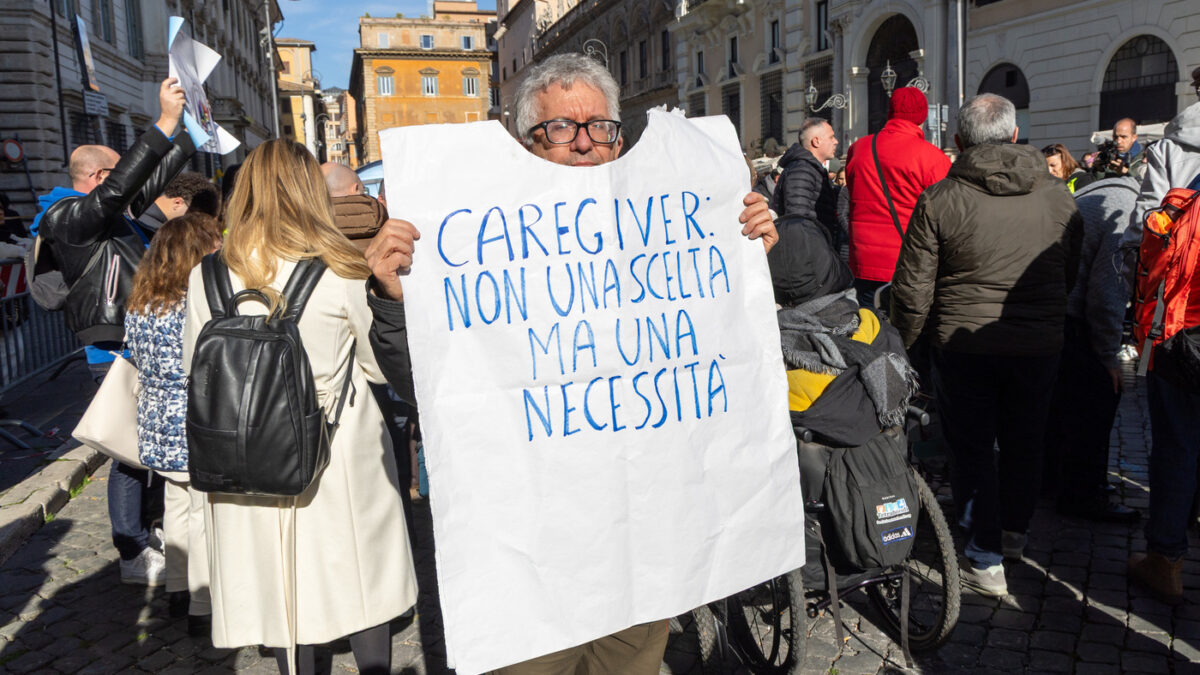
Lumsa University has received recognition from the Lazio Region for its support program for student caregivers, which includes academic facilitations and psychological counseling, thus contributing to social inclusion. #Caregiver #InclusioneSociale #PsicologiaClinica (translated)

www.ansa.it
La Lumsa riconosce lo status di studenti caregiver, premiata da Regione Lazio
3046
f.a.maisano Wrld summary 6d

f.a.maisano wrote that reaching a historical truth without gray areas regarding Garlasco should have been a priority for the entire judicial system. He defined the case as a test of the trust that citizens placed in justice and warned that a failure would have serious consequences on collective trust and caused incalculable damage. #Giustizia #Verità #Riconoscimento (translated)

3054
Erica Schwartz 7d

The director of the Centers for Disease Control and Prevention (CDC), Erica Schwartz, announced investments of 100 million dollars for state and local health authorities, emphasizing that "it is not the recognition of measles elimination that protects Americans. It is vaccination." #Vaccinazioni #Morbillo #SalutePubblica (translated)

2612
Giulio Cavalli Wrld summary 7d
Italian actor, writer and director (1977-)

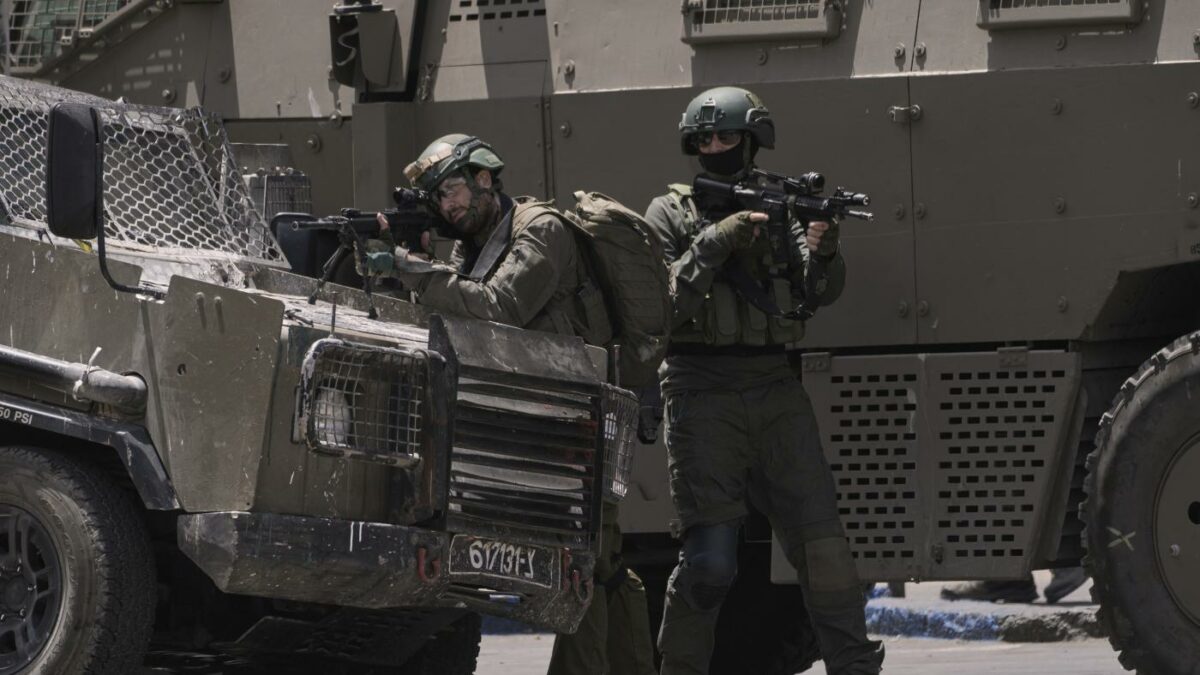
The author wrote that Amazon had banned the police from using the Rekognition facial recognition technology in June 2020 and had extended the ban in May 2021 "until further notice." He argued that a different rule applied to the Israeli army and cited documents published on November 16. https://t.co/nLUXouWLHU #Amazon #RiconoscimentoFacciale #Privacy #IL #IL (translated)

2954
Il Fatto Quotidiano 1w

The interview with Alessandra Corradi highlights concerns regarding the new caregiver law, which, while it arrives after thirty years of waiting, risks being poorly structured and insufficient in terms of resources and recognition, further complicating the lives of those who assist struggling family members. #Caregiver #LeggeCaregiver #DirittiSociali (translated)

www.ilfattoquotidiano.it
“Legge sui caregiver, dopo trent’anni di attesa ora si rischia un pasticcio”
3071
Il Fatto Quotidiano 1w

An investigation by the Guardian reveals that Israel has uploaded 3.5 million images of Palestinians to Amazon's cloud to use facial recognition technology for profiling the population of the Gaza Strip and the West Bank. #Israele #Palestina #IntelligenzaArtificiale (translated)

www.ilfattoquotidiano.it
“Israele ha caricato sul cloud di Amazon tre milioni e mezzo di immagini di palestinesi per usare il riconoscimento facciale”: l’inchiesta del Guardian
2844
Il Messaggero 1w

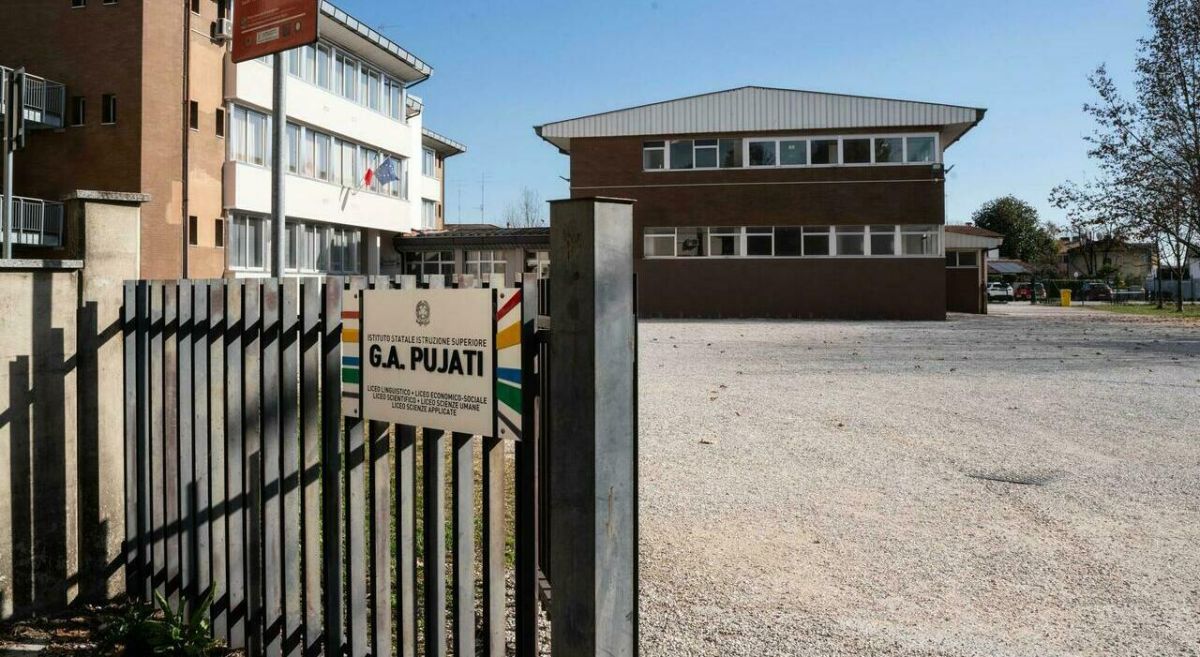
A student who was a victim of bullying, and who filmed his aggressors to defend himself, obtained recognition of his right to self-defense from the administrative court after being punished with a 7 in conduct by the school for using his phone in class. #Bullismo #DirittiStudenteschi #GiustiziaScolastica (translated)

www.ilmessaggero.it
Filma i bulli per difendersi, ma la scuola gli dà 7 in condotta per aver girato il video. Studente ricorre al Tar e vince
3074
Giulio Terzi Wrld summary 1w
Italian diplomat and politician

Hillel Neuer of UN Watch wrote that in the past, the highest recognition from Amnesty International had been awarded to Václav Havel, while today the organization was honoring a UN official who, according to him, was calling for a halt to the shipment of weapons to Ukraine and had mocked an award winner. #AmnestyInternational #Ucraina #ONU #CZ #UA #UN (translated)

2964
Luciano Magaldi Sardella (PhD) 1w

“THE STRAMURALES OF STORNARA IN THE “GLOBAL TOP20” OF THE UNITED NATIONS REPORT (WIPO)” STORNARA (FG) - There is a South Italy that makes little noise. It lies among the wheat fields and rural roads of Capitanata, far from the major routes of mass tourism. Until a few years ago, Stornara, in the province of Foggia, was the typical village that statistics dismiss with a cruel adjective: “peripheral.” Today, its name appears in an analysis by WIPO, the World Intellectual Property Organization, a United Nations agency in Europe based in Geneva, alongside Berlin, New York, Los Angeles, Paris, and Melbourne. A Report that Looks at the Walls of the World The text is titled "From Local Scenes to Global Recognition: Talent Mobility in Street Art." It is authored by three WIPO economists, Egbert Amoncio, Alexander Cuntz, and Alessio Muscarnera, and was published at the end of May 2026 in the “Creative Industries Insights” series. To build it, the authors started from the data of the “Street Art Cities” platform. The technical note speaks of about 74,000 geolocated works, collected and shared by street art enthusiasts worldwide. The fundamental questions are simple. Where does street art originate? Who travels to paint it? Which cities manage to attract talent from outside? The first answer dismantles a cliché. Street art is a profoundly local phenomenon. About one in five artists also works abroad, while the vast majority paints in their own city or nearby. Among the few who cross borders, nearly 40 percent is “highly mobile”: they build an international artistic brand without severing their roots. These are the cases of Banksy, Os Gemeos, and Invader, whose walls appear on multiple continents. The authors use an effective term: street art is “glocal,” rooted in its territory but able to generate global circuits of talent and recognition. The “Magnets” of the World When asked which cities most attract foreign artists, the map is fascinating. North America weighs in for size, with New York, Los Angeles, and Miami. Western Europe offers a dense network of opportunities, from Berlin to Amsterdam, from Vienna to Ghent, from Basel to Rotterdam, favored by the circuit of festivals and the freedom of movement of the Schengen area. Lisbon and Barcelona have focused on municipal support policies. Melbourne is the sole representative from Oceania, while Northern Europe relies on Bergen, London, Belfast, and Stavanger. In this scenario of capitals and metropolises, the report includes an Italian exception, from Puglia, Foggia: Stornara, a small agricultural town of about 6,000 souls, has been a destination for muralist talents since 2018. It shows how street art can trigger the revival of a community: thanks to the annual “Stramurales International Street Art Festival,” born in 2017 from the strong will to combat urban and socio-economic decline by the founders of the social promotion association “Stornara Life APS,” Lino Lombardie and his Stornarese “Banda dei Fischietti,” over 173 murals have been accumulated. About fifty are works by high-level international artists, with Google Trends data showing significant interest in the tourist-muralist destination since 2017, a sign that the international festival has now captured national and international attention. It has also become the first monographic academic case study in the world on a street art festival, “Street Art as Public Health Infrastructure,” published in the prestigious academic journal “Harvard Health and Human Rights Journal” of Harvard University, by researcher Luciano Magaldi Sardella from Orta Nova and professor Matteo Mantuanodi Lucera. All of this corresponds to demonstrating that an idea, an association, and the availability of a community can change the identity of a “God-forsaken” place. This is also recounted by those who followed the story from the outside: the town, once unaccustomed to visitors, now welcomes international tourists, individuals, groups, and school classes who come to see its more than 173 murals. The Secret Lies in Density The data that has ignited the pride of Stornara is this: it’s not about volume, it’s about proportion. The organizers propose a simple indicator: the works of foreign artists divided by inhabitants, multiplied by 100,000. With around 50 international works and a population of a few thousand residents, Stornara reaches several hundred foreign works per 100,000 inhabitants. It’s a value that metropolises, with millions of residents, cannot approach. The significance must be read precisely, and this is where the beauty of the matter lies. No one claims that Stornara has more foreign murals than New York. The point is that, in relation to its scale, few places in the world concentrate so much international art per inhabitant. The impact does not dissipate in a megalopolis; it settles in every street, on every facade, in the everyday lives of those who live there. The most interesting part of the report looks beyond the ranking. The authors write that the value of street art extends well beyond the painted surfaces. Cities like Stornara demonstrate how urban art attracts tourism, generates media coverage, and can stimulate local business activities, reinforcing the sense of community and restoring the psychosocial well-being that would counteract the everlasting southern decline. However, the report adds a valuable warning: success depends on careful implementation and the involvement of artistic communities. Initiatives imposed from above risk being perceived as “predatory” by artists who care about street credibility. The global Stramurales model seems to have avoided this pitfall. Field studies tell of walls donated by residents, one-week artist residencies, and public discussions on the issues to be addressed. The Lesson from a Former “Ghost Town” The report concludes with an idea that applies to Stornara as much as to Berlin: the vitality of street art is rooted in local roots. It emerges from communities, speaks to their issues, and is made by artists immersed in their urban contexts. The artistic family of “Stornara Life APS” understood this before many regional and local politicians, turning their walls into an open-air museum, a promise, and opening them to the world without ceasing to be themselves. In this official report from the Geneva-based United Nations agency in Europe that measures the ability to attract talent, this is likely the most valuable outcome: being mentioned alongside the great capitals of urban art while remaining, after all, a rural provincial town where every wall tells a colorful world of glocal stories. (translated)

www.puglialive.net
“LO STRAMURALES DI STORNARA NELLA “GLOBAL TOP20″ DEL RAPPORTO DELLE NAZIONI UNITE (WIPO)”
684
Luciano Magaldi Sardella (PhD) 2w

"GAZZETTA H24": STREET ART, STORNARA JOINS THE WIPO REPORT ALONGSIDE THE GREAT CITIES OF THE WORLD SOURCE: https://www.gazzettah24.it/street-art-stornara-entra-nel-rapporto-wipo-accanto-alle-grandi-citta-del-mondo/ ------------------------------------------------------------------- From "ghost town" to global model cited in Geneva: the cultural bet of Stornara Life APS captures the attention of WIPO. --------------------------------------------------------------------  STORNARA (FG) - There is a Southern Italy that makes little noise. It lies among the fields of wheat and rural roads of Capitanata, far from the main routes of mass tourism. Until a few years ago, Stornara, in the province of Foggia, was the typical town that statistics dismiss with a cruel adjective: "peripheral." Today, its name appears in an analysis from WIPO, the "World Intellectual Property Organization", the United Nations Agency in Europe based in Geneva. "Stornara Life APS" alongside Berlin, New York, Los Angeles, Paris, and Melbourne. ------------------------------------------------------------------ A report that looks at the walls of the world The text is titled "From Local Scenes to Global Recognition: Talent Mobility in Street Art". It is authored by three WIPO economists, Egbert Amoncio, Alexander Cuntz, and Alessio Muscarnera, and has been published in the "Creative Industries Insights" series. To build it, the authors started from data from the "Street Art Cities" platform. The technical note talks about approximately 74,000 geolocated works, collected and shared by street art enthusiasts worldwide. The fundamental questions are simple. Where does street art originate? Who travels to paint it? Which cities manage to attract outside talent? The first answer dismantles a common misconception. Street art is a profoundly local phenomenon. About one in five artists also works abroad, while the vast majority paint in their own city or in nearby ones. Among the few who cross borders, almost 40 percent are "highly mobile": they build an international artistic brand without severing their roots. These include the cases of Banksy, Os Gemeos, and Invader, whose walls appear on multiple continents. The authors use an effective term: street art is "glocal," rooted in its territory but capable of generating global circuits of talent and recognition. -------------------------------------------------------------------- The magnets of the world When asked which cities attract the most foreign artists, the map is fascinating. North America weighs heavily, with New York, Los Angeles, and Miami. Western Europe offers a dense network of opportunities, from Berlin to Amsterdam, from Vienna to Ghent, from Basel to Rotterdam, favored by the festival circuit and the freedom of movement within the Schengen area. Lisbon and Barcelona have focused on municipal support policies. Melbourne is the only representative from Oceania, and Northern Europe relies on Bergen, London, Belfast, and Stavanger. In this scenario of capitals and metropolises, the report includes an Italian exception, from Puglia, Foggia: Stornara, a small agricultural town of about 6,000 inhabitants, has been a destination for mural talents since 2018. It shows how street art can spark the rebirth of a community: thanks to the annual "Stramurales International Street Art Festival," born in 2017 from the strong will to combat urban and socio-economic decline by the founders of the social promotion association "Stornara Life APS,” Lino Lombardi and his local "Banda dei Fischietti," it has accumulated over 173 murals. About fifty of these are works by high-level international artists, with Google Trends data since 2017 showing notable interest in the mural tourism destination, indicating that the international festival has now captured national and international attention. It has also become the first academic case study in the world on a street art festival, "Street Art as Public Health Infrastructure," published in the prestigious academic journal "Harvard Health and Human Rights Journal" from Harvard University. Written by researcher Luciano Magaldi Sardella from Orta Nova and professor Matteo Mantuano from Lucera, this corresponds to the demonstration that an idea, an association, and the willingness of a community can change the identity of a place "forgotten by God." This is also recounted by those who have followed the story from the outside: the town, once little accustomed to visitors, now welcomes international tourists, individuals, groups, and schoolchildren who come to see its over 173 murals. ----------------------------------------------------------------- The secret is in density The data that has sparked pride in Stornara is this: it's not the volume that matters, it's the proportion. The organizers propose a simple indicator: works by foreign artists divided by the number of residents, multiplied by 100,000. With about over 50 international works and a population of a few thousand residents, Stornara reaches several hundred foreign works for every 100,000 inhabitants. This is a value that metropolises, with millions of residents, cannot approach. The meaning must be read accurately, and this is where the beauty of the matter lies. No one claims that Stornara has more foreign murals than New York. The point is that, in relation to its scale, few places in the world concentrate so much international art per inhabitant. The impact does not disperse in a megalopolis: it settles in every street, on every facade, in the daily life of those who live there. The most interesting part of the report looks beyond the ranking. The authors write that the value of street art extends well beyond the painted surfaces. Cities like Stornara demonstrate how urban art attracts tourism, generates media coverage, and can stimulate local businesses while strengthening community bonds and restoring the psychosocial well-being that could counter the perpetual Southern decline. However, the report adds a valuable warning: success depends on careful implementation and the involvement of artistic communities. Top-down initiatives risk being perceived as "predatory" by artists who care about the credibility of street art. The global model Stramurales appears to have avoided this pitfall. Field studies tell of walls donated by residents, week-long artist residences, and public discussions on the themes to be addressed. -------------------------------------------------------------------- The lesson of a town The report concludes with an idea that holds true for both Stornara and Berlin: the vitality of street art sinks its roots in local contexts. It arises from communities, speaks of their problems, and is made by artists immersed in their urban environments. The artistic family of "Stornara Life APS" understood this before many regional and local politicians, creating their walls into an open-air museum, a promise, and opening them to the world without ceasing to be themselves. In this official report from the Geneva Agency of the United Nations in Europe that measures the ability to attract talent, this results in, perhaps, the most precious value. Being cited alongside the great capitals of urban art while remaining, after all, a rural provincial town where every wall tells a colorful world of glocal stories. (translated)

www.gazzettah24.it
Street art, Stornara entra nel rapporto WIPO accanto alle grandi città del mondo
573
Rita Cavallaro Wrld summary 2w

Rita Cavallaro reported that she received the International Award “Athena d’Oro 2026 – Tribute to Wisdom” in the afternoon, promoted by the Area Cultura ETS Foundation, chaired by Angelica Loredana Anton, with the patronage of the Lazio Region. Her book *The Garlasco Case. Truth Under Trial*, with a preface by director Tommaso Cerno and published by Baldini+Castoldi, received the award in the Excellence category. Cavallaro thanked for the recognition. #PremioInternazionale #Eccellenza #Cultura (translated)

3551
Luciano Magaldi Sardella (PhD) 2w

“VIVERE PUGLIA”: STRAMURALES: STORNARA IN THE “GLOBAL TOP 20” OF THE REPORT OF THE UNITED NATIONS AGENCY OF EUROPE SOURCE: https://www.viverepuglia.it/2026/11/12/stramurales-stornara-nella-global-top-20-del-rapporto-dellagenzia-delle-nazioni-unite-deuropa/207030/ ------------------------------------------------------------------- From “ghost town” to global model cited in Geneva: the cultural bet of Stornara Life APS captures the attention of WIPO There is a South Italy that does not make much noise. It lies among the wheat fields and rural roads of Capitanata, far from the main routes of mass tourism. Until a few years ago, Stornara, in the province of Foggia, was the typical town that statistics dismiss with a cruel adjective: “peripheral.” Today its name appears in a WIPO analysis, the “World Intellectual Property Organization,” a United Nations agency in Europe based in Geneva. So, Stornara stands alongside Berlin, New York, Los Angeles, Paris, and Melbourne. ------------------------------------------------------------------- A report that looks at the walls of the world The text is titled From Local Scenes to Global Recognition: Talent Mobility in Street Art. It is authored by three WIPO economists, Egbert Amoncio, Alexander Cuntz, and Alessio Muscarnera, and has been published in the “Creative Industries Insights” series. To build it, the authors started from data from the “Street Art Cities” platform. The technical note discusses about 74,000 geolocated works collected and shared by street art enthusiasts worldwide. The underlying questions are simple. Where does street art originate? Who travels to paint it? Which cities manage to attract talent from outside? The first answer dismantles a common misconception. Street art is a profoundly local phenomenon. About one in five artists also works abroad, while the vast majority paint in their own city or nearby ones. Among the few who cross borders, nearly 40 percent is “highly mobile”: they build an international artistic brand without severing their roots. These include cases like Banksy, Os Gemeos, and Invader, whose works appear on multiple continents. The authors use an effective term: street art is “glocal,” rooted in its territory yet capable of generating global circuits of talent and recognition. -------------------------------------------------------------------- The magnets of the world When asked which cities most attract foreign artists, the map is fascinating. North America weighs in terms of size, with New York, Los Angeles, and Miami. Western Europe offers a dense network of opportunities, from Berlin to Amsterdam, from Vienna to Ghent, from Basel to Rotterdam, fueled by the festival circuit and the freedom of movement within the Schengen area. Lisbon and Barcelona have focused on municipal support policies. Melbourne is the only representative from Oceania, while Northern Europe relies on Bergen, London, Belfast, and Stavanger. In this landscape of capitals and metropolises, the report includes an Italian, Apulian, Foggian exception: Stornara, a small agricultural town of about 6,000 residents, has been a destination for mural talent since 2018. It shows how street art can trigger a community's revival: thanks to the annual “Stramurales International Street Art Festival,” born in 2017 from the determined will to combat urban and socio-economic decline by the founders of the social promotion association Stornara Life APS, Lino Lombardi and his local Banda dei Fischietti, it has accumulated over 173 murals. About fifty are works by high-level international artists, with Google Trends data since 2017 showing a remarkable interest in the tourism-mural destination, indicating that the international festival has now captured national and international attention. It has also become the first monographic academic case study in the world on a street art festival, “Street Art as Public Health Infrastructure,” published in the prestigious global academic journal “Harvard Health and Human Rights Journal” of Harvard University, by researcher Luciano Magaldi Sardella from Orta Nova and professor Matteo Mantuano from Lucera. All this corresponds to the demonstration that an idea, an association, and a community's willingness can change the identity of a place “forgotten by God.” This is also told by those who have followed the story from the outside: the town, once unaccustomed to visitors, now welcomes international tourists, individuals, groups, and school classes coming to see its over 173 murals. ----------------------------------------------------------------- The secret lies in density The data that has ignited pride in Stornara is this: it’s not the volume that matters, but the proportion. The organizers propose a simple indicator: the works of foreign artists divided by the population, multiplied by 100,000. With about over 50 international works and a population of a few thousand residents, Stornara reaches several hundred foreign works per 100,000 inhabitants. It’s a value that metropolises, with millions of residents, cannot approach. The significance must be read accurately, and here lies the beauty of the thing. No one claims that Stornara has more foreign murals than New York. The point is that, relative to its scale, few places in the world concentrate so much international art per inhabitant. The impact does not dissipate in a megalopolis: it settles in every street, on every façade, in the daily lives of those who live there. The most interesting part of the report looks beyond the ranking. The authors note that the value of street art extends well beyond painted surfaces. Cities like Stornara demonstrate how urban art attracts tourism, generates media coverage, and can stimulate local commercial activities while strengthening community bonds and restoring the psychosocial well-being that could fend off enduring southern decline. However, the report adds a valuable warning: success depends on careful implementation and the involvement of artistic communities. Top-down initiatives risk being perceived as “predatory” by artists who care about street credibility. The global Stramurales model seems to have avoided this pitfall. Field studies recount walls donated by residents, week-long artist residencies, and public discussions on issues to address. ----------------------------------------------------------------- The lesson from a town The report concludes with an idea that applies to Stornara as much as to Berlin: the vitality of street art is rooted in local foundations. It arises from communities, speaks of their problems, and is made by artists immersed in their urban contexts. The artistic family of Stornara Life APS understood this before many regional and local politicians, turning their walls into an open-air museum, a promise, and opened them to the world while remaining true to themselves. In this official report from the Geneva-based United Nations agency in Europe that measures the capacity to attract talent, this is likely the most valuable outcome: being mentioned alongside the great capitals of urban art while remaining, after all, a rural provincial town where every wall tells a colorful world of glocal stories. (translated)

688
Il Sole 24 ORE 2w

During the European Week of Regions in Brussels, the president of the Abruzzo Region, Marco Marsilio, called for the implementation of the right to remain for internal areas, requesting targeted investments, improvements in local transport, and greater recognition of the role of regions in cohesion policies to ensure opportunities and climate resilience. #Abruzzo #SviluppoTerritoriale #ResilienzaClimatica (translated)

www.ilsole24ore.com
Abruzzo, a Bruxelles il «diritto a restare» delle aree interne
3097
Luciano Magaldi Sardella (PhD) 2w

“MY PUGLIA”: STORNARA IN THE WORLD TOP 20 OF STREET ART: THE “STRAMURALES” MODEL WINS OVER THE UN AGENCY IN GENEVA From a small agricultural center in Capitanata, often relegated to the margins of major tourist flows, to an international case study cited in Geneva alongside the world’s cultural capitals. Stornara, a municipality of about 6,000 inhabitants in the province of Foggia, officially enters the global elite of urban art thanks to the analysis of the World Intellectual Property Organization (WIPO), the United Nations agency based in Switzerland. ------------------------------------------------------------------- The international study and the data Recognition comes through the report “From Local Scenes to Global Recognition: Talent Mobility in Street Art,” authored by economists Egbert Amoncio, Alexander Cuntz, and Alessio Muscarnera, and published in the Creative Industries Insights series. By analyzing about 74,000 geolocated works on the “Street Art Cities” platform, the researchers mapped the migratory flows of mural talent worldwide. The study highlights how street art is a “glocal” phenomenon: while only one in five artists works outside national borders, the centers capable of attracting international creatives become true regeneration hubs. Alongside metropolises such as New York, Los Angeles, Berlin, Paris, London, and Melbourne, the document notably points to Stornara as the only Italian rural exception. -------------------------------------------------------------------- The success of Stramurales and the academic impact The turning point for the Apulian village is credited to the social promotion association Stornara Life APS, led by Lino Lombardi and the local “Banda dei Fischietti.” Since 2017, through the annual Stramurales festival, the community has transformed the facades of the town into an open-air museum that today boasts over 173 murals, about fifty of which were created by internationally renowned foreign artists. A path of social redemption that had already drawn the attention of the global scientific community: the festival was indeed the subject of the monographic study Street Art as Public Health Infrastructure, authored by Apulian researchers Luciano Magaldi Sardella and Matteo Mantuano and published in the “Harvard Health and Human Rights Journal” of the prestigious American university. ------------------------------------------------------------------ The density factor and the lesson from below According to the WIPO analysis, Stornara's prominence does not reside in absolute numbers, but rather in the proportion: relating the more than fifty international works to the resident population, the Foggia municipality reaches an unmatchable density of foreign art per 100,000 inhabitants compared to large megacities. Art, in this way, does not disperse but becomes an integral part of daily life. Geneva economists also emphasize how the Stornara model has managed to avoid the risk of top-down initiatives perceived as artificial. The direct involvement of residents who voluntarily make the walls of their homes available, combined with artist residencies and open dialogue on social issues, demonstrates how culture can trigger tourism, economic output, and psychosocial well-being, providing a concrete response to the depopulation of the internal areas of southern Italy. (translated)

803