
Trump’s vision of electoral mortality in Mississippi: "For some reason, presidents don't do well in the midterm, no matter how good they are, even if they're great like us together or whatever."
Trump’s vision of electoral mortality in Mississippi: "For some reason, presidents don't do well in the midterm, no matter how good they are, even if they're great like us together or whatever."

Senegal hosts Africa's first Olympic event as the Dakar 2026 Youth Games bring together 2,700 athletes from around the world. #YouthOlympics #Dakar2026 #OlympicValues

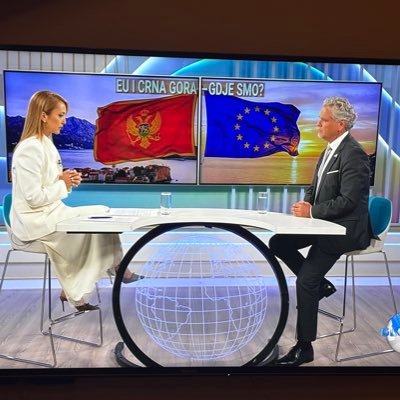
The post said preparations were underway to help Montenegrin businesses get ready for EU membership, in cooperation with the Chamber of Economy and me4eu. It said the effort aimed to strengthen companies, expand opportunities and improve competitiveness. https://t.co/HaByNGLNGC #CrnaGora #EUmembership #ekonomija #ME #EU


The author said the values brought people closer together, strengthened the rule of law, fought corruption and supported media freedom and civil society.

The author congratulated Lula on his electoral victory, saying democracy and multilateralism had won in Brazil. They described the partnership between Europe and Brazil as thriving and said Europe would stand by Brazil in the years ahead, continuing to work closely together. https://t.co/SNLUPhM0iX #Democracia #Brasil #Parceria #BR #EU


The author wrote that their assessment of the Serbian election was probably correct and argued that Europe was descending into chaos. They said some had thought a few countries could hold things together, but that this had not happened, and described the continent as becoming increasingly chaotic. #Serbia #Europe #Chaos #RS #EU
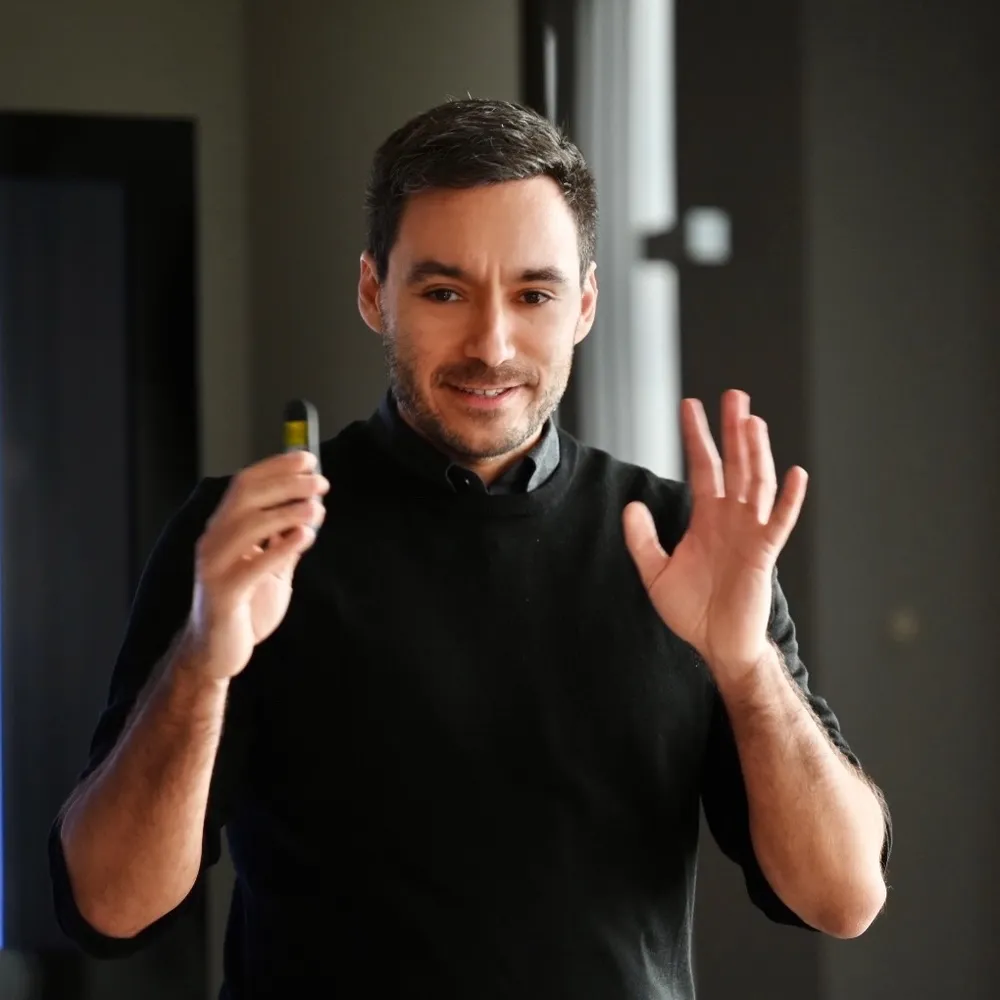
What a monumental success in Serbia. Young people coming together, believing in change and fighting for a better future. It should be a lesson for democracies around the globe. Our democracies can only work when young people are represented and empowered, when engagement goes beyond career politics.

The author wrote that another million Ukrainians, taken together with other figures they had cited, represented a very large number and was likely to create serious social tensions. #UkrainianCrisis #SocialTension #HumanRights #UA
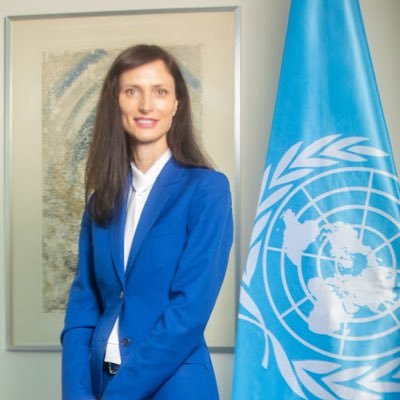
The author described the establishment of 16 MIL Alliance Chapters as an important milestone in global cooperation on media and information literacy, saying they brought members together to strengthen regional collaboration and advance thematic priorities.

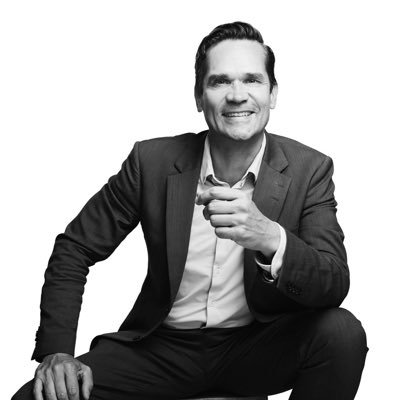
The author said Europe was still debating how to describe incidents involving Russian drones and saboteurs targeting airports, railways and infrastructure. They argued that Moscow expected Europe’s response to amount to words rather than financial costs, and urged governments to attribute attacks quickly and jointly and to target the shadow fleet and its funding. #Europe #Russia #Drones #EU #RU

MUCH ADO ABOUT NOTHING Okey, this is NEW to me. NEW that I'm trying a fresh European social network, which I hope will succeed and NEW to me that I'm trying to write english analysis. I'm a geopolitics writer from Lithuania who has a dedicated reader base on facebook and growing my base on youtube. So this is just me trying to reach a bigger European audience. Hope you like it. Now with my post: Have you noticed that we've gone right back to early 2025? And how quickly regimes change their propaganda narratives whenever the situation shifts or they see an opportunity? We've just had two weeks that really felt like a repeat of early 2025. Suddenly, there's pressure to end the war AGAIN. Suddenly, concessions to Russia and excuses for its actions AGAIN. Pressure on Ukraine AGAIN. The same fake negotiators travelling to meet the fake tsar and sucking up to him AGAIN. Military aid to Ukraine being blocked AGAIN. New/same proposals to end the war AGAIN. And suddenly, kremlin propaganda is treating the americans as friends AGAIN. AND NOTHING... Nothing will change, because it always hits the same wall. russia demands territories that never belonged to it, that it does not control and that it cannot conquer. The Americans want Ukraine to accept this condition because trump simply wants the war to end, no matter the terms. Well... Ukraine refuses to be blackmailed. Once again. Okay, there is one small difference. In early 2025, trump was trying to show that he was delivering on his promises AFTER the election. In late 2026, he's trying to convince the next wave of voters that he's still relevant BEFORE the election. The really interesting part is that Ukraine is in a much better position today than it was in early 2025. Back then, Trump told Zelensky that he had no cards. Now he's asking Zelensky not to play the entire hand of cards he actually holds. YES, there was a bit of panic among all of us. It's certainly not pleasant when the USA starts throwing obstacles in Ukraine's way. The good thing is that these episodes have always been temporary. Because the whole world quickly finds out what the americans have done, and eventually they run out of room to manoeuvre. First, because it becomes embarrassing. Second, because they often end up creating problems for themselves. Every restriction on intelligence sharing, every starlink restriction and every suspension of weapons deliveries is seen around the world for what it is: blackmail. And after every trump-style act of blackmail, America suddenly starts losing economic partners and arms customers, while Europe accelerates the development of its own systems and works to free itself from dependence on the United States. And this latest attempt by trump to portray putin as the saviour of the US economy and Zelensky as the man to blame for high diesel prices? I'd say it has backfired spectacularly. Trump's approval rating has fallen to 31%. Meanwhile, Zelensky's approval rating has surged AGAIN, reaching 57% in polls towards the end of October. Well... as I've said before. Every time trump attacks Zelensky, and especially every time he starts shouting that Zelensky should be removed from office, Zelensky refuses to back down and stands up for Ukraine. And the Ukrainian people rally behind him. So, after all this déjà vu nonsense, trump himself revealed two days ago that musk had restricted starlink operations in Ukraine and had supposedly been asked to restore the connection. (The fact is, both of them had a hand in this.) And the news media quickly started reporting that everything was back to normal. BUT... no. Nothing has actually been fixed. Yesterday, trump once again started saying that if the restrictions are still in place, he will most definitely sort everything out. In other words, we're seeing the same stalling tactics as with the restrictions on intelligence sharing. In short, musk got angry because Ukraine is striking russian data centres. And trump is probably just as angry for exactly the same reason. Because these attacks undermine his election propaganda campaign. Speaking of data centres, today the Ukrainians struck a particularly SIGNIFICANT one. The target was a data centre belonging to russia's federal xax service. Why does this matter? It stores and processes tax records and other government information. If the damage is extensive, this could cause the russian authorities far more trouble than a disruption to online payments. Unfortunately, all we know so far is that the building's exterior was damaged. Whether the interior was affected remains unclear. Now, back to those boomerangs coming back to hit America after its blackmail tactics. European telecommunications companies are ALREADY discussing how to join forces and strengthen a common European mobile communications network. To make this possible, the European Commission decided earlier this year that, once certain agreements with foreign partners expire, some frequencies used by European satellites would be allocated to European companies rather than foreign ones. Well... put simply, spaceX and its starlink service could lose access to certain frequency bands in Europe. And the Americans are furious about it. Meanwhile, following all this starlink nonsense, the Ukrainians are joining forces with Finland's NOKIA and ICEYE to develop their own domestic satellite communications system. And this brings us to the main point: trump's blackmail tactics are coming back to hurt him and his best friend, the fake tsar, in a big way. russia will NOT get territories that never belonged to it and should never belong to it. Instead, it will ultimately destroy itself in this senseless war. By trying to pressure Ukraine, trump has effectively thrown a spanner in the republicans' works just before the elections. Europe has started calling trump what he is: a traitor. And Ukraine, together with Europe, is moving even further away from America's hostile administration while gaining greater independence. It will be a very strange period if, as we hope, America really does experience a Blue Wave in the elections. The Democrats, with a majority in Congress, will try to rebuild relations with Europe and help Ukraine, while a politically isolated president will probably obstruct their efforts out of spite over his election defeat. Either way, we still have a long way to go before the elections. And as the rift between Europe and America continues to widen, we're also seeing growing US pressure on Europe and attempts to interfere in our internal affairs. Returning to starlink, trump and musk are already publicly ranting that Europe will face consequences if it tries to restrict the activities of American companies on our continent. And this interference in European affairs is also clearly visible in Trump's comments about the protests taking place across Europe. I'll be publishing several detailed articles about that over the weekend. Meanwhile, several significant decisions concerning Ukraine were made in Europe this week: 1) Ukraine has been allowed to purchase weapons through NATO's procurement agency. In other words, procurement should become faster and more cost-effective. 2) EU leaders have expressed support for Ukraine's steps towards EU membership. More and more negotiating clusters are being opened. 3) The EU has also unanimously rejected the idea of territorial concessions. 4) There is also increasingly serious discussion about a new, additional €70 billion aid package for Ukraine for 2027. Once again, there are cautious references to those frozen russian assets. It's probably an unlikely option, but it would certainly be nice to see it happen. I won't try to come up with some magical conclusion. The point is simply that we shouldn't worry too much that some Trump might suddenly force Ukraine into capitulation or somehow make it accept concessions. And we shouldn't expect the war to end just yet, either. Not because we don't desperately want this nightmare of terror to end, but because russia simply isn't ready to stop fighting. All those Kremlin statements about being willing to negotiate are nothing more than an attempt to extract concessions in advance. So, once again, this is a good time to support Ukrainian soldiers' fundraising campaigns. Still, I can at least wish you all a good weekend. --------- P.S. I use capital letters for those that I respect, and small letters to those that I have no respect. You get it. Follow me for more in-depth articles about Europe, Ukraine, USA, war with russia, war with Iran, Middle East, China and all kinds of interesting geopolitics topics. The following ones will be about the ongoing protests/riots in Europe.
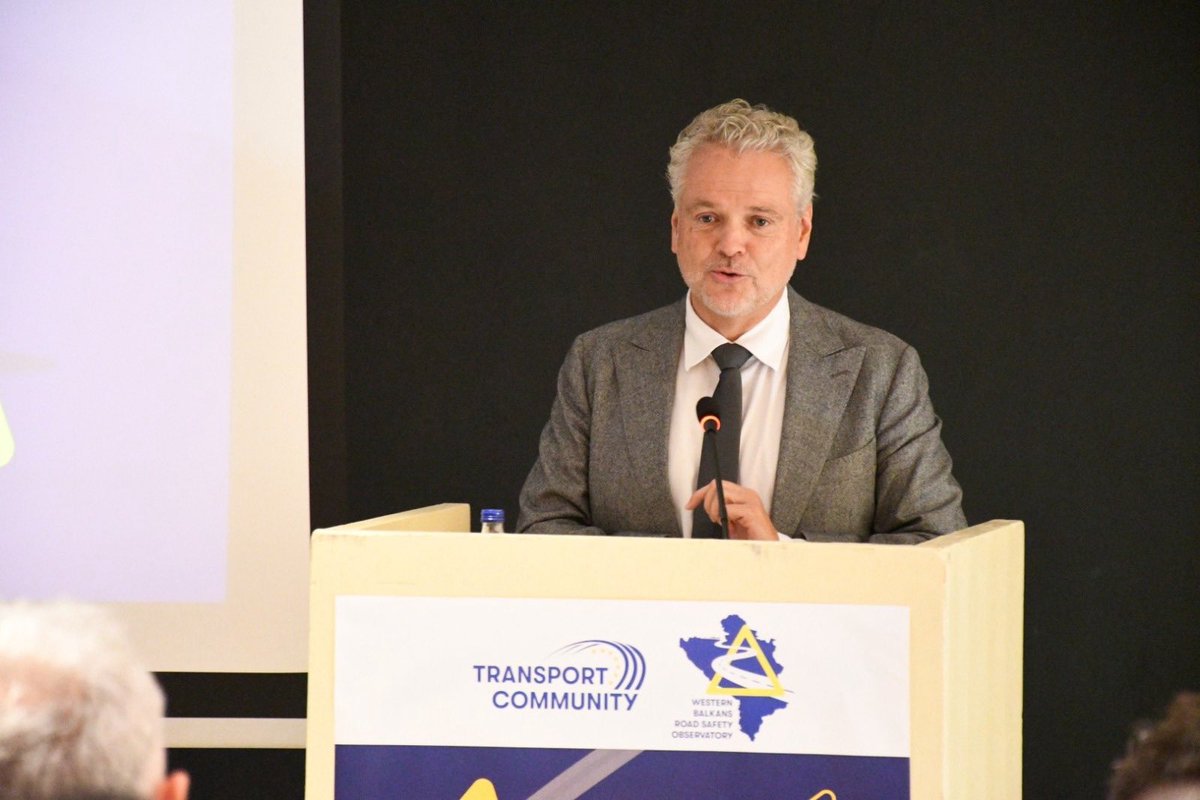
The author said Montenegrin citizens were 2.5 times more likely to die in road accidents than EU citizens and twice as likely not to wear seat belts, adding that most deaths were preventable. They said a campaign had been launched with EUWB6_TCT and the Government of Montenegro to change these habits and save lives. https://t.co/DLEhnAYPsj #Montenegro #RoadSafety #SeatBelts #ME #EU
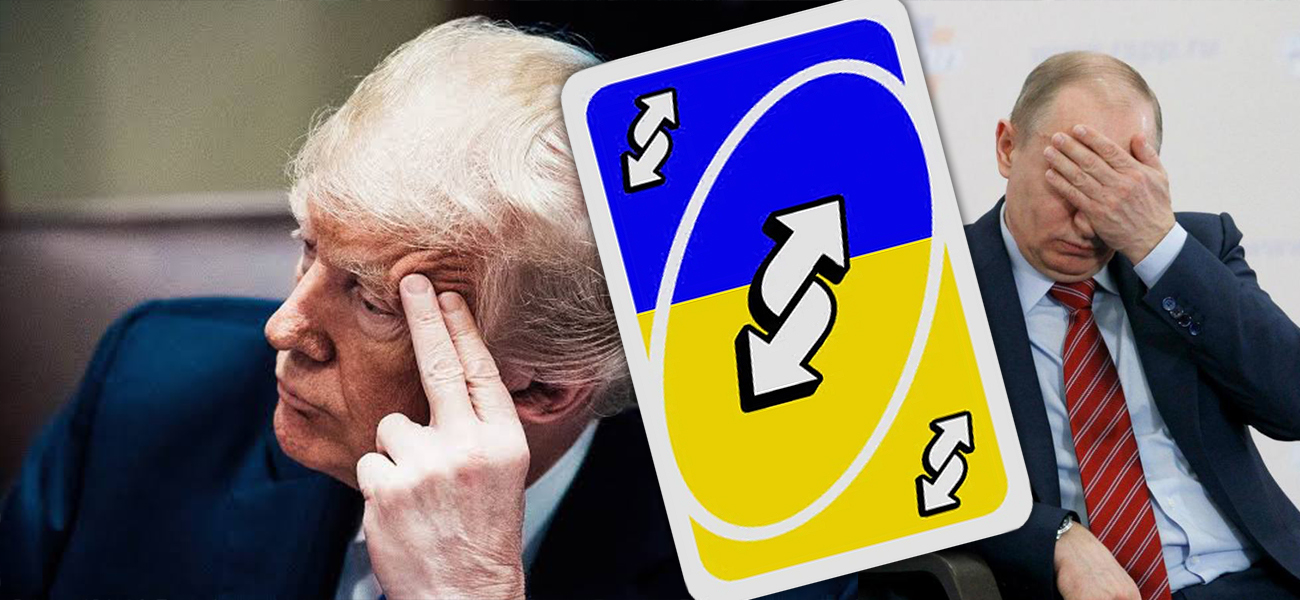
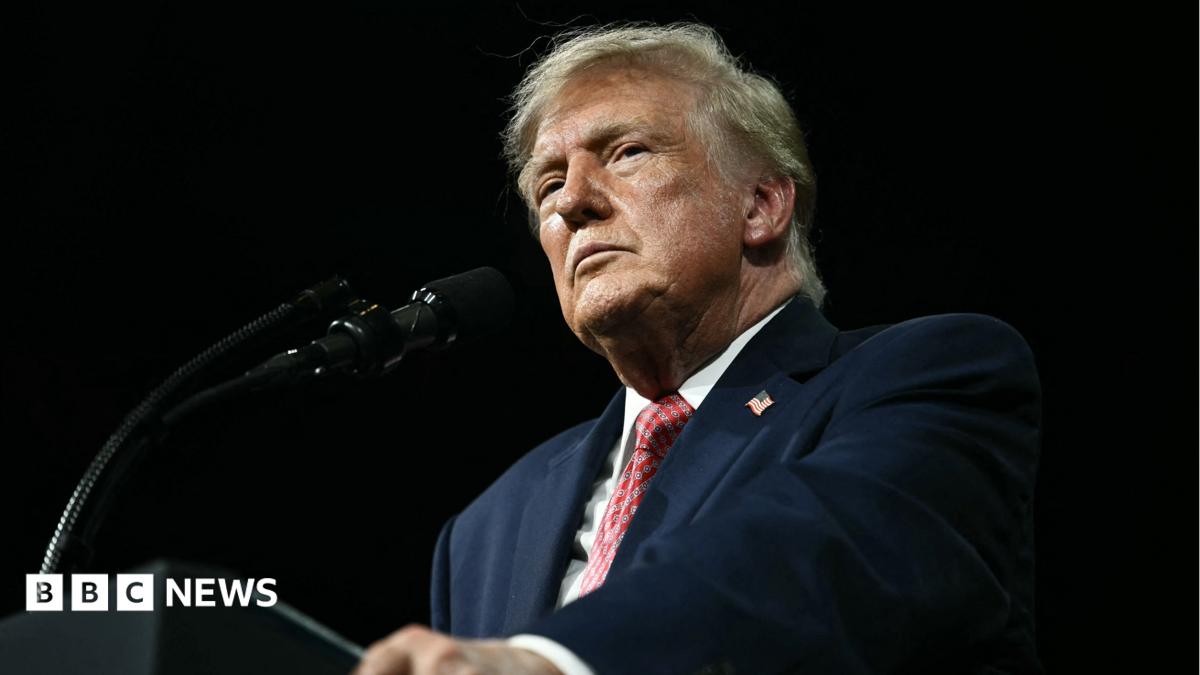
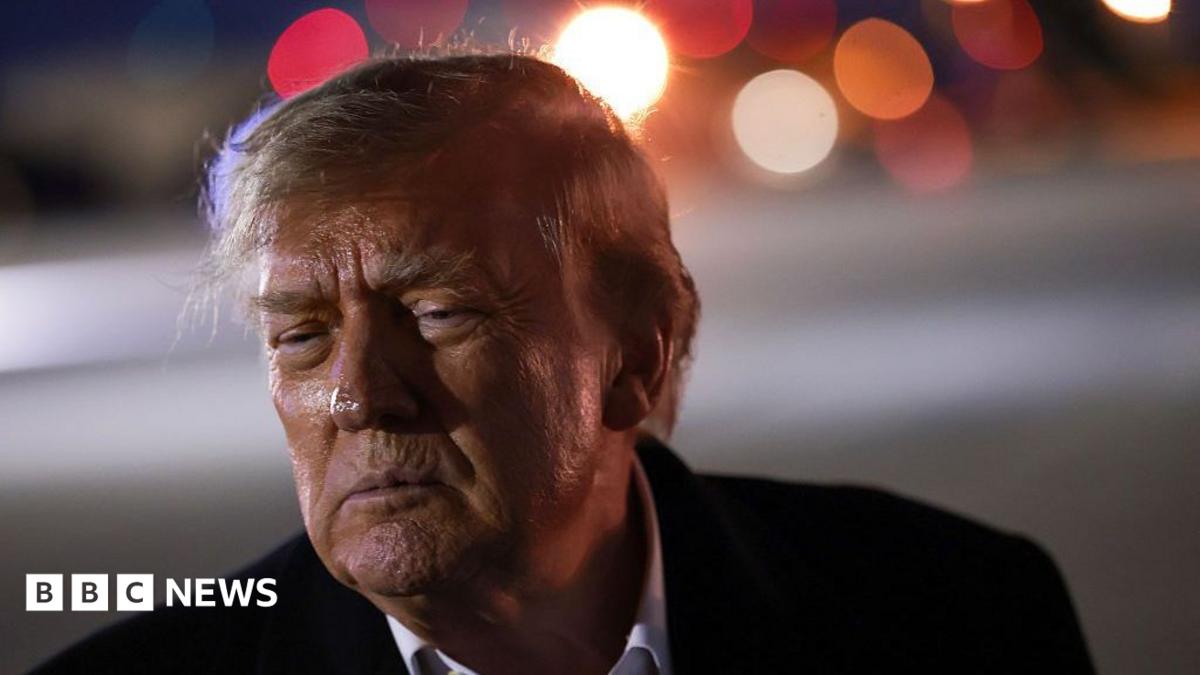
Trump is suing the BBC over an episode of Panorama that edited together two different sections of a speech he gave in 2021. #TrumpLawsuit #Defamation #BBC

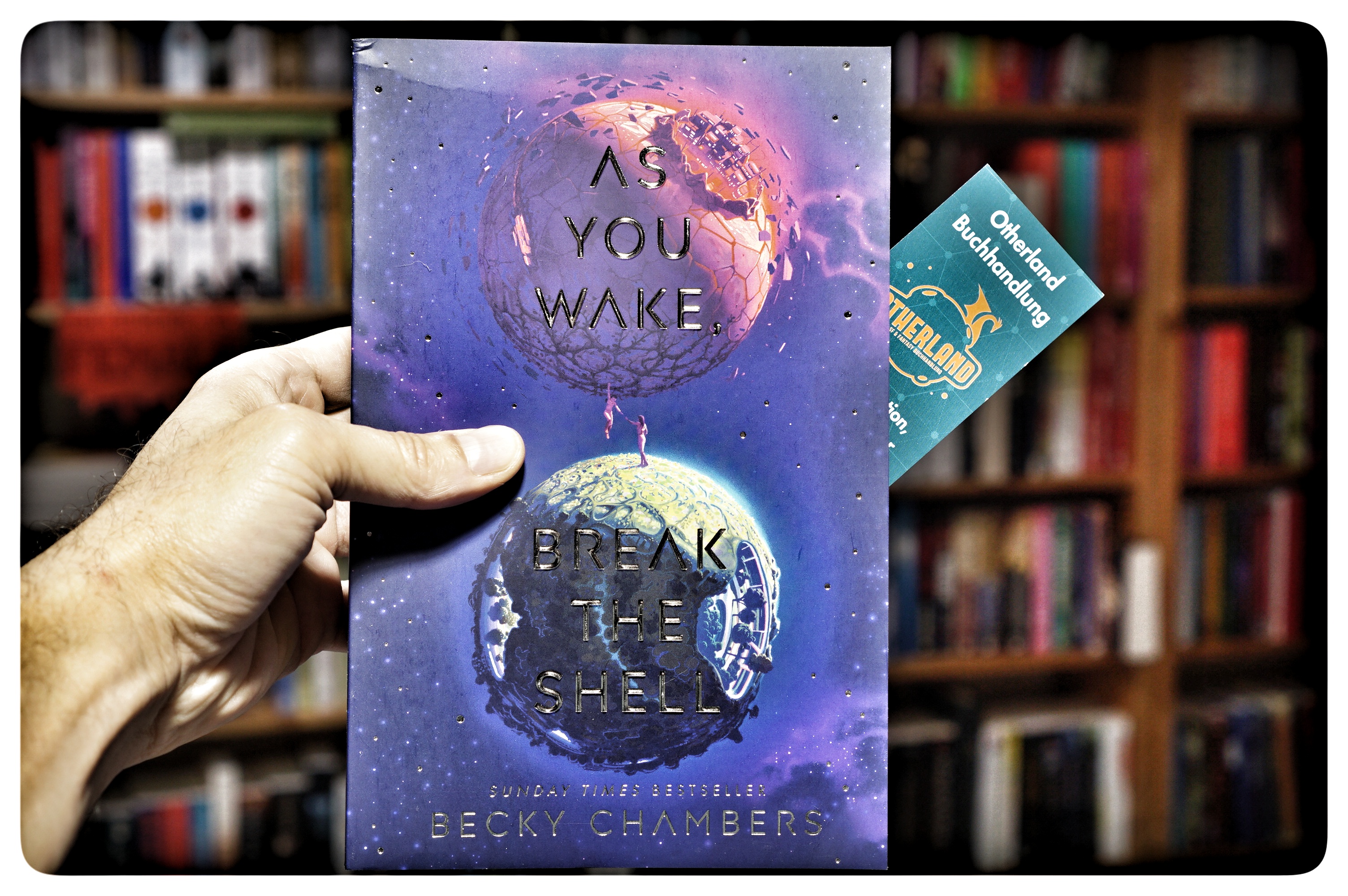
As You Wake, Break the Shell - As You Wake, Break the Shell #1 by Becky Chambers Life on the resource-poor planet of Fortune is challenging, but for its inhabitants, it’s home. For two of them, Signy and Cora, this home might no longer be enough. Signy is a brilliant but reclusive botanist who bio-prints medicine from her small plant shop, often bending the rules to help those the system leaves behind. Her life is filled with the green of her store, the warmth of her one elderly friend, and the quiet determination to help others without putting herself in danger. Cora is a rorqual pilot, one of the few with the unique ability to navigate the massive, living ships that connect the scattered settlements of their solar system. Her bond with her rorqual, Colibri, is profound—a connection that is both her greatest gift and a threat to her career. It is that threat—the “mindbleed,” a dangerous side effect of her piloting—that brings her to Signy’s shop, and her appearance puts Signy in the danger she so fears. But it’s soon apparent it’s not just about losing her license—this delicate balance between risk and trust has the potential to change everything for them. Told in an alternating timeline of their initial coming together and a not-so-distant future where they have found domestic bliss, this is a story harrowing and haunting, heartfelt and hopeful. Through a love story centered around survival, we are given a glimpse into the very best of what Becky Chambers does in her writing: explore what it means to be human, and what it means to come together.
Trump is suing the BBC over an episode of Panorama that edited together two different sections of a speech he gave in 2021. #TrumpLawsuit #Defamation #BBC

Lionel Messi said Barcelona had been fortunate to win everything, adding that the achievement mattered not only for the titles and milestones but also for the way the team played and enjoyed winning. He also recalled the happy moments the players had shared. https://t.co/TjSwBBVW91 #Messi #Barcelona #Futbol #ES #AR (translated)


It is one of the most inspiring things I have ever seen. From north to south, progressive voters of all races and backgrounds are coming together with radical ideas, and getting it done. Reducing the working week from 6 days to 5. Banning online betting. Win or lose on Sunday, they've shown a path.

Baby Anhelina and her mom Inna were buried today. Anhelina's stroller was put into her grave together with her. She was in the stroller when the Russian drone attacked.

Propagandist Solovyev is threatening all of Europe with war&expanding the buffer zone to the Atlantic Ocean(we've heard this one before) He also says that Russians won't be fighting Europe alone,but together with 'interested foreign allies.'(that’s something new) I wonder who exactly he meant?
The author wrote that Europe believed in global cooperation and described Horizon Europe as the world’s largest open research and innovation programme, with 23 associated countries and more expected to join. They said cooperation could turn innovation into impact. https://t.co/NLiazq9K80 #Europa #Innovación #CooperaciónGlobal #EU






