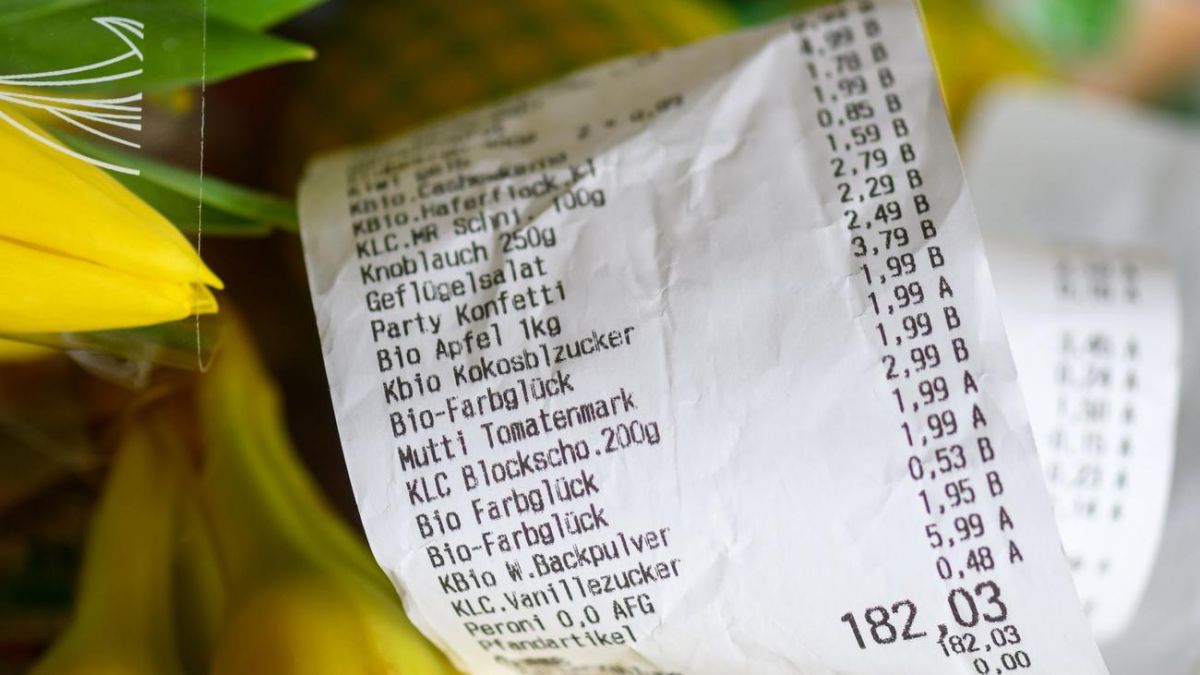
The Rheinland-Palatinate Minister of Agriculture Christine Schneider is receiving support from farmers who advocate for higher food prices, as these are currently too low and only a small portion of consumer prices reaches the farmers. (translated)
The German inflation rate rose to 2.9 percent in August 2026, primarily due to higher oil prices and the low water levels in the Rhine, which further fueled consumer prices. (translated)

Low water levels and persistent inflation are putting pressure on inland shipping on the Rhine, leading to rising transportation costs for agricultural traders, while the impact on consumer prices may be limited for now. (translated)

The inflation rate in North Rhine-Westphalia reached 2.9 percent in August 2026, the highest level since January 2024, indicating rising consumer prices and different developments in various price categories. (translated)

In the second quarter of 2026, real wages in Germany rose by 1.5 percent, as nominal wages grew faster at 4.1 percent than consumer prices at 2.5 percent, which is seen as a positive sign for purchasing power and the economy, although the inflation of recent years remains a challenge. (translated)

The planned sugar tax by the federal government could generate an additional annual revenue of up to 3.97 billion euros for the state, which is about ten times more than previously stated, but is expected to burden consumers with a price increase of up to four euros per crate of lemonade, with both soft drinks and some sweetened products being taxed. (translated)
Wage rates in Germany are expected to rise more sharply than consumer prices in 2026, with a nominal increase of 3.1 percent, while the real gain is at 0.7 percent; however, important collective bargaining negotiations are still pending, which could influence the overall outcome. (translated)

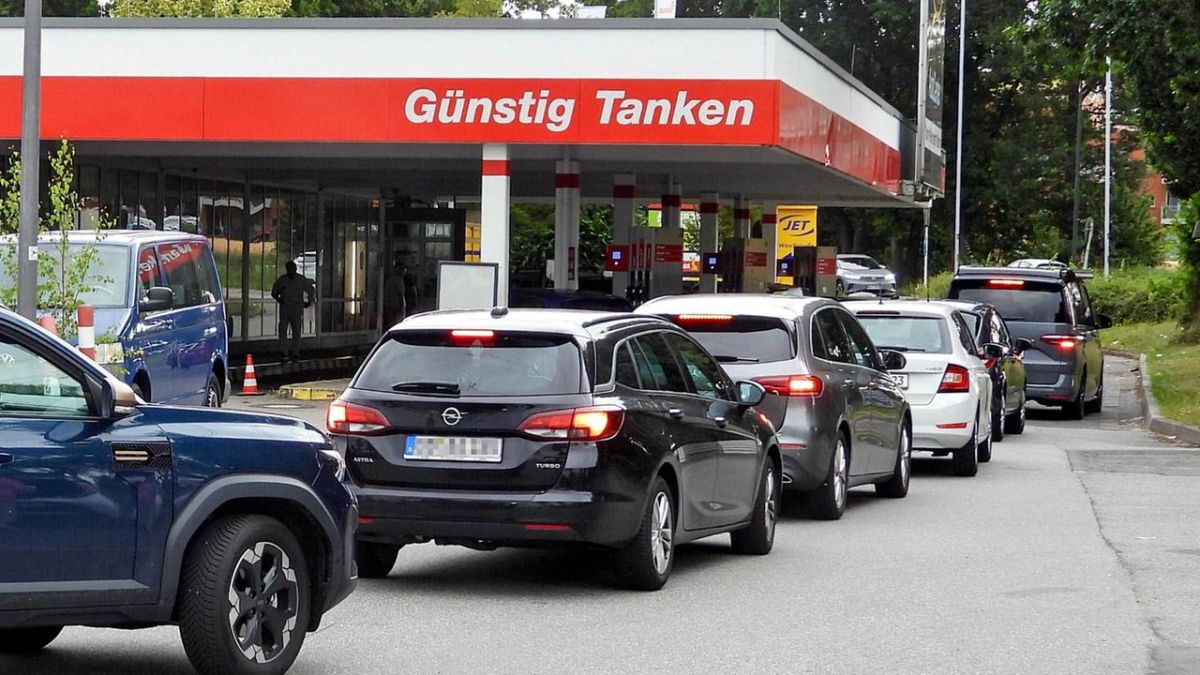
In July 2026, consumer prices in Germany rose to 2.8 percent, with the increase primarily attributed to rising energy prices following the expiration of the fuel discount and the ongoing conflict in the Persian Gulf. (translated)

Economic expert Simon Gerards Iglesias warns in an interview that low water levels in European rivers, particularly the Rhine, are increasingly becoming a cost factor for companies, as it restricts transport capacities and jeopardizes energy supply, which ultimately drives up consumer prices. (translated)

In July 2026, inflation in the Eurozone rose slightly to 2.9 percent compared to the previous year, influenced by economic uncertainties and an increase in consumer prices in Germany, while the European Central Bank is considering possible further interest rate hikes. (translated)

In July 2026, inflation in Germany rose to 2.8 percent according to preliminary figures, primarily due to the expiration of the fuel discount and the ongoing war in Iran, while consumer prices have significantly increased compared to the previous year. (translated)

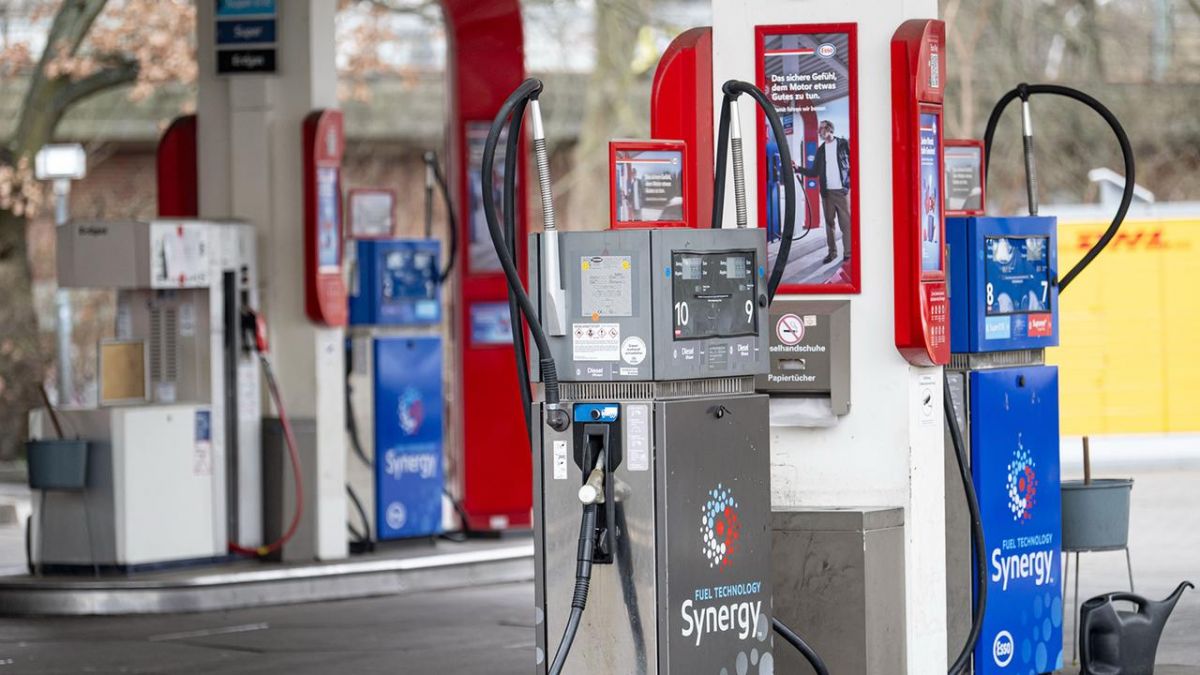
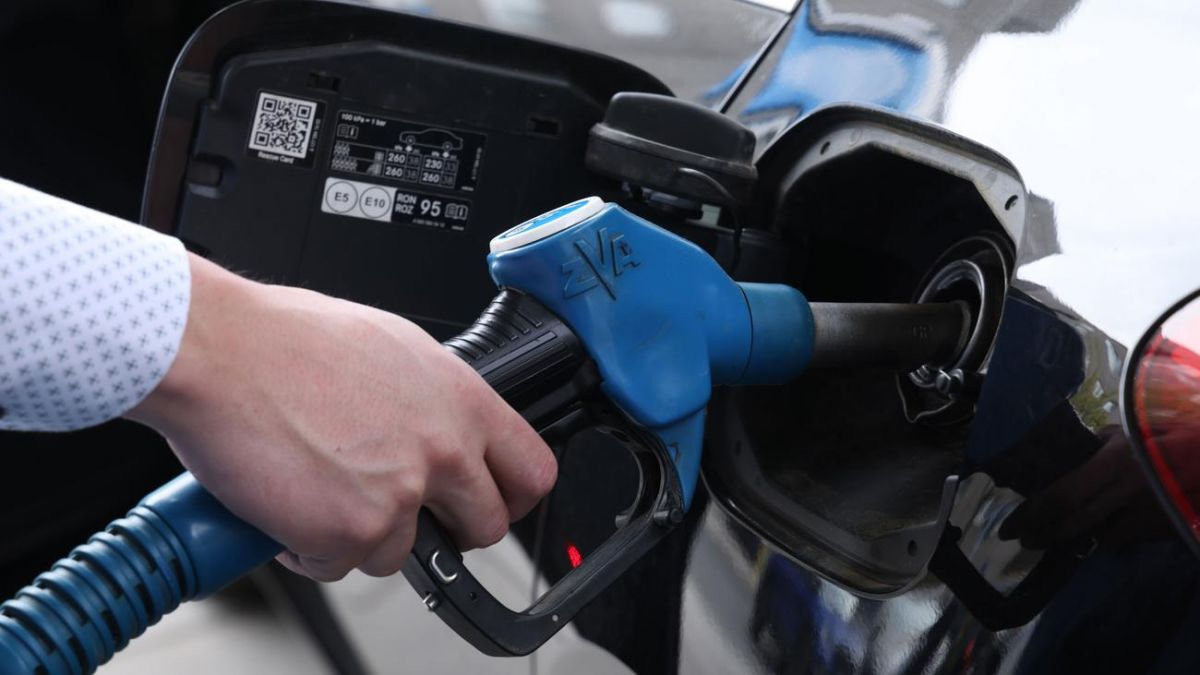
After the end of the government fuel rebate, consumer prices in Germany rose by 2.8 percent in July 2026, primarily due to the increased fuel costs and the rise in oil prices resulting from the Middle East conflict. (translated)
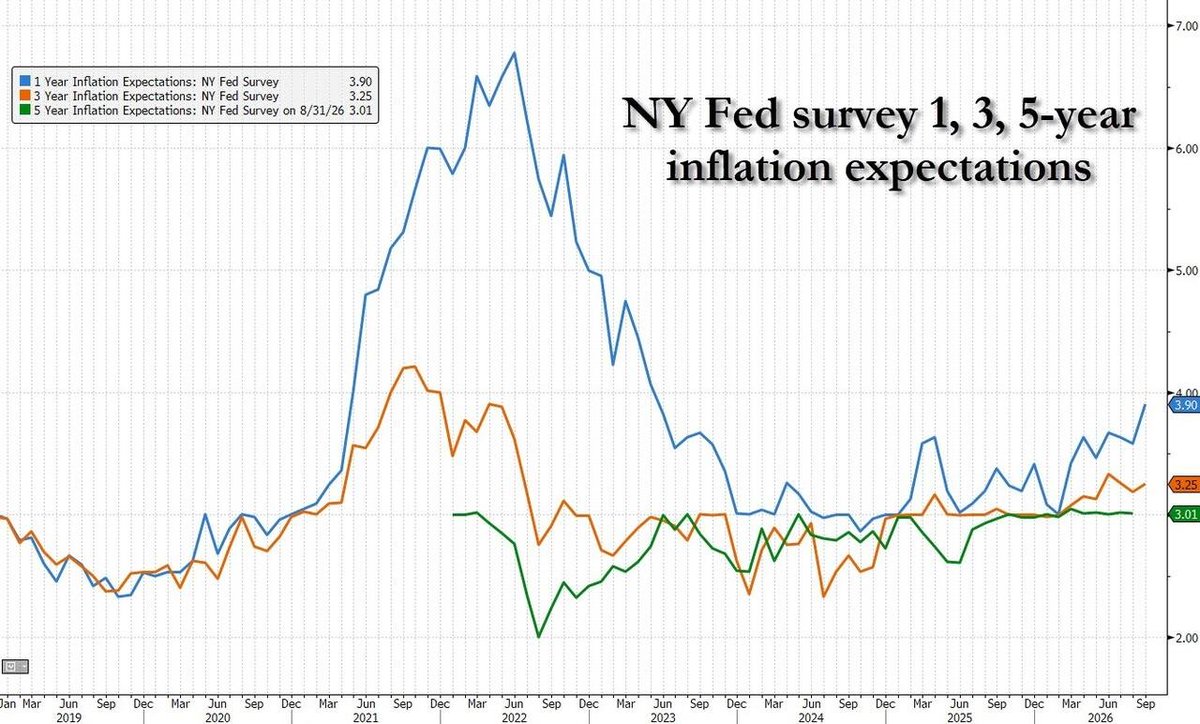
Die Inflation in den USA ist im Juni überraschend auf 3,5 Prozent gesunken, was unter den Erwartungen von Volkswirten lag, könnte jedoch die Federal Reserve vor Herausforderungen stellen, da die anhaltend hohe Teuerung Druck zur Anhebung der Leitzinsen ausübt. #USA #Inflation #Verbraucherpreise

Deutsche Reeder kritisieren scharf die Ankündigung von US-Präsident Donald Trump, eine Schutzgebühr für die Durchfahrt durch die Straße von Hormus zu erheben, da dies das Prinzip der freien Schifffahrt gefährde und negative Auswirkungen auf die Verbraucherpreise sowie die globale Wirtschaft haben könnte. #Schifffahrt #Hormus #Trump

Im Juni 2026 ist die Inflationsrate in Deutschland auf 2,3 Prozent gesunken, was auf fallende Ölpreise und einen befristeten Tankrabatt zurückzuführen ist, so das Statistische Bundesamt. #Inflation #Deutschland #Verbraucherpreise

Der neue Fed-Chef Kevin Warsh steht vor seiner ersten Zinsentscheidung, während er mit dem Druck von Präsident Trump auf Zinssenkungen und gleichzeitig steigenden Verbraucherpreisen konfrontiert ist, wobei ein Rückgang der Ölpreise und Hoffnungen auf steigende Produktivität durch Künstliche Intelligenz die Marktbedingungen beeinflussen. #Fed #Inflation #Trump

Die Inflationsrate in Deutschland ist im Mai auf 2,6 Prozent gesunken, hauptsächlich aufgrund des eingeführten Tankrabatts und rückläufiger Rohölpreise, doch Experten erwarten, dass Unternehmen zeitverzögert höhere Kosten an die Verbraucher weitergeben werden, was zukünftige Preissteigerungen zur Folge haben könnte. #Inflation #Tankrabatt #Verbraucherpreise

Die Inflationsrate in Deutschland ist im Mai überraschend auf 2,6 Prozent gesunken, was teilweise auf die Einführung des Tankrabatts zurückzuführen ist, der die Energiesteuer auf Benzin und Diesel senkt und somit die Verbraucherpreise stabilisiert. #Inflation #Tankrabatt #Energiepreise
Die Inflation in den USA erreichte im April 2026 mit einem Anstieg der Verbraucherpreise um 3,8 Prozent den höchsten Stand seit drei Jahren, hauptsächlich bedingt durch stark steigende Energie- und Treibstoffpreise infolge des Kriegs gegen den Iran. #Inflation #Energiepreise #Irankrieg