BETA nonprofit public democratic european moderated

Search

#Visual

We are happy to see you! Discover algebra through a coastal adventure on Vancouver Island. The Ants’ Treasure on Vancouver Island: Where the Paths Meet invites children and families in Nuu-chah-nulth communities to explore mathematics through story, pictures, and discovery. On a Pacific shoreline of pebbles, driftwood, and ocean waves, Mia and Alex follow two mysterious ant paths. With Mr. Numberwise as their guide, they discover how equations describe paths—and how their meeting point can reveal a treasure. Wooden staircases make slope visible. A treasure map introduces coordinates. Red and blue paths help children understand graphs and intersections. Young learners explore: • linear equations • slope and starting values • coordinates and graphing • intersections of straight lines The book combines colorful illustrations, step-by-step explanations, solved exercises, and practice worksheets. Its visual approach helps children connect mathematical symbols with ideas they can see. Designed mainly for ages 10–14, it can be enjoyed at home, in classrooms, or with an adult supporting a younger learner. An English-language mathematics adventure in a contemporary Nuu-chah-nulth setting. Follow the paths. Find their meeting point. Discover the mathematics behind the treasure. Goodbye! #NuuChahNulth #NuuChahNulthLanguage #VancouverIsland #WestCoast #PacificCoast #BritishColumbia #Canada #MathMadeClear #Happy #HappyEdu #HappyKids #HappyMath #OceanFauna #MarineLife #VancouverFauna #PacificKids #MrNumberwise #20261007_0026 (translated)

RESEARCHES AND ANALYSES OF ELECTIONS stated that Billie Eilish's family expressed support for President Lula (PT-SP). The publication mentioned that the singer was the 8th most listened artist of all time, with 59.4 billion views on Spotify, and attributed to her brother, Finneas, the phrase: "Count on us, Brazil." https://t.co/8503hrj0vR #BillieEilish #Lula #Música (translated)
OpenAI will begin testing a new visual advertising format in ChatGPT during image generation, marking its entry into the advertising market in Europe after having tested this experience in other countries. #OpenAI #ChatGPT #Publicidad (translated)
Pides una imagen a ChatGPT y aparece un anuncio: así es la nueva publicidad de OpenAI

Tennis Time shared statements from Novak Djokovic after his title in Beijing. The tennis player said it had been eleven years since his last participation there and that he had always had high expectations, especially in a city where, he pointed out, he had never lost. Djokovic acknowledged that his situation was different and that the year had been difficult, with ups and downs and physical and health issues. He explained that he had tried to regain good feelings on the court and stated that when he felt good and hit the ball cleanly, he could still compete at the highest level. He added that he had proven that to himself that week and that he was proud. He also thanked his team for their patience and support, saying that the title meant much more to all of them than just winning a tournament or trophy. https://t.co/iWseCmsMFo #Djokovic #Beijing #Tenis (translated)
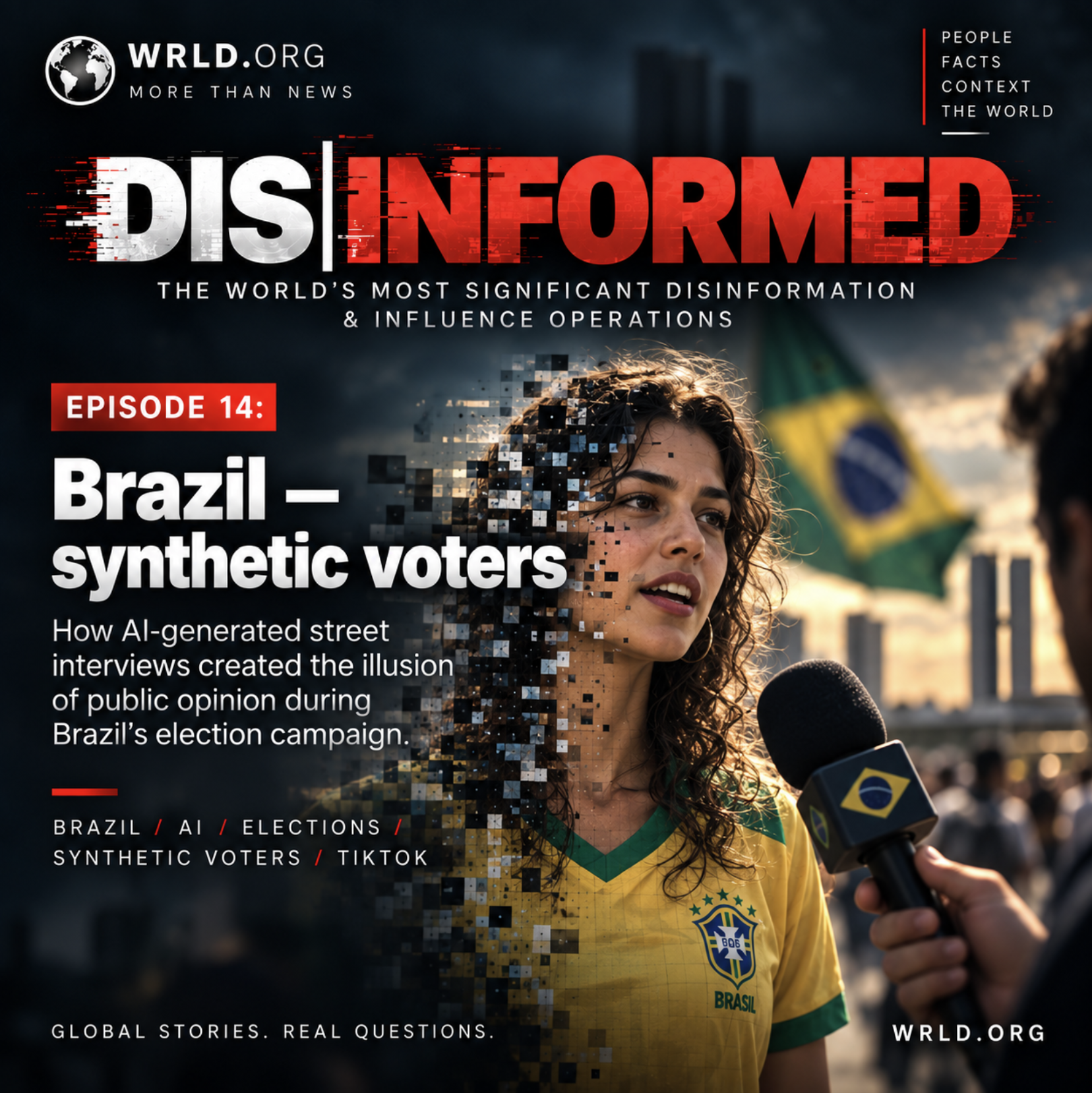
Brazil’s synthetic voters – when AI manufactures public opinion They look like ordinary street interviews. A reporter approaches a passer-by in a Brazilian square and asks a simple question: who will you vote for? A young voter explains why Luiz Inácio Lula da Silva deserves another term. An elderly woman says Brazil needs Flávio Bolsonaro because he represents political renewal and greater security. The locations look plausible, the microphones are visible and the answers sound much like the brief political opinions heard in television vox pops around the world. None of the people are real. Ahead of Brazil’s presidential election on 4 October, fact-checking organisation Aos Fatos identified at least 50 TikTok videos in which artificial intelligence was used to manufacture voters, reporters and apparently spontaneous political interviews. Together, the videos had accumulated around 7.4 million views by mid-August. Some promoted Lula, others Flávio Bolsonaro, while another group used synthetic characters to ridicule or stereotype supporters of one side. Aos Fatos found no apparent evidence linking the accounts producing the videos to either presidential campaign. The opinion poll that never took place The format is important. These were not conventional deepfakes in which a recognisable politician is made to say something he never said. Instead, the creators reproduced the visual language of the vox pop – the short street interview used by broadcasters and social-media creators to illustrate what ordinary people supposedly think. In pro-Lula videos, synthetic voters described themselves as beneficiaries of social programmes or credited the president with improving their lives. In videos supporting Flávio Bolsonaro, artificial interviewees associated him with political renewal, public security and fighting corruption. Other clips were openly hostile: AI-generated characters presented as poor or living in parts of Brazil’s north-east were shown in dirty clothes or run-down surroundings, declaring support for Lula because they supposedly preferred welfare payments to work. The deception is therefore subtler than fabricating a candidate’s statement. It manufactures something that political communication normally treats as evidence of public sentiment. A real vox pop may be unscientific, but the people interviewed at least exist. These videos created the appearance that identifiable social groups – young people, pensioners, welfare recipients or residents of particular regions – were spontaneously expressing political preferences when no such encounters had taken place. An electoral-law specialist interviewed by Aos Fatos described the technique as the fabrication of a “social fact that never occurred”. That captures the central innovation: AI is being used not merely to falsify political speech, but to manufacture the impression of grassroots opinion. Fifty videos, but not one proven network The available evidence does not support describing the 50 posts as a centrally controlled influence operation. Aos Fatos located them through TikTok searches and recommendations produced by the platform itself, then examined the accounts responsible for publication. Most had relatively small individual audiences, although their combined reach was substantial. The first examples identified by the investigation appeared as early as March 2026. Activity increased in June and was concentrated particularly in July and the first half of August as Brazil’s election calendar intensified. Some accounts specialised in AI-generated videos generally, including fabricated podcast-style material. Others were explicitly political or supportive of a candidate, but Aos Fatos found no apparent links between those profiles and the official Lula or Bolsonaro campaigns. That distinction is essential. The evidence demonstrates a common technique and a shared political environment, not a single command structure. Some creators may have been motivated by ideology, others by engagement or monetisation. Publicly available evidence does not establish who commissioned the individual videos or whether any coordination existed between the accounts. This decentralised model also creates a different enforcement problem from a traditional bot network. There may be no headquarters to expose and no infrastructure whose removal disables the entire operation. The format itself can be copied by anyone with access to inexpensive generative-video tools. When the algorithm mixes real and synthetic citizens Aos Fatos documented another important feature of the phenomenon: TikTok’s recommendation system placed AI-generated interviews alongside genuine street interviews. For a user scrolling quickly through the platform, the transition between an authentic citizen and an entirely fabricated one could therefore be almost invisible. In 18 per cent of the 50 videos analysed, there was no indication that the people shown had been generated using AI. After Aos Fatos provided TikTok with the videos, the company said it had removed all of them for violating its rules on edited and AI-generated media. TikTok said its policies require creators to identify synthetic content and prohibit manipulated media capable of misleading users about matters of public importance or impersonating genuine journalistic material. The issue extends beyond one platform. Factchequeado’s review of Brazil’s 2026 election campaign found that synthetic endorsements and other deepfakes had become one of the most visible forms of AI-assisted electoral misinformation, alongside fabricated candidate statements and invented scenes. Brazil already had rules for synthetic politics Brazil entered the campaign with unusually detailed electoral rules governing artificial intelligence. The Superior Electoral Court, the TSE, requires electoral propaganda using synthetic multimedia to disclose clearly that AI was used. More importantly for the fake-voter videos, its rules prohibit synthetic audio or video used to favour or harm a candidacy when it creates or alters the image or voice of a living, deceased or fictitious person. The difficulty is attribution and enforcement. When a synthetic video is published by an official campaign, responsibility can be relatively straightforward to investigate. When it comes from an apparently independent account with no demonstrated relationship to a candidate, lawyers interviewed by Aos Fatos said responsibility is more likely to fall on the individual creator, while imposing electoral sanctions on a campaign would require evidence of a connection. For the final 72 hours before the election and the 24 hours following it, the TSE has imposed additional restrictions on newly published or republished synthetic material involving candidates or public figures, reflecting the particular difficulty of correcting fabricated content immediately before voting. From deepfake politicians to synthetic electorates The Brazilian case illustrates a broader change in political manipulation. The first generation of electoral deepfakes concentrated on famous people: make a politician appear to say something damaging, or fabricate an endorsement from a celebrity. Synthetic vox pops reverse the perspective. The politician can remain completely authentic; it is the electorate around the politician that is fabricated. That changes the psychological proposition of the message. Instead of saying the candidate believes this, the video suggests people like you believe this. Age, clothing, accent, neighbourhood and social class can all be generated to construct an artificial constituency around almost any political claim. There is no evidence that the 50 Brazilian videos identified by Aos Fatos constitute a single centrally directed campaign, nor evidence that they changed voting intentions. What they demonstrate is a technique whose barrier to entry has become extremely low. AI no longer needs to forge the politician. #DISINFORMED #Episode14 #Brazil #BrazilElection2026 #Elections #ElectionDisinformation #ArtificialIntelligence #AI #GenerativeAI #SyntheticVoters #SyntheticMedia #AIAvatars #AIGeneratedVideo #VoxPop #FakeInterviews #Astroturfing #AIPropaganda #PoliticalDisinformation #InfluenceOperations #InformationWarfare #SocialMediaManipulation #TikTok #PublicOpinion #ManufacturedConsent #SyntheticPublicOpinion #DigitalInfluence #Deepfakes #ElectionIntegrity #TSE #AosFatos #FactChecking #OSINT #MediaManipulation #WRLD (translated)

Eleitores gerados por IA fazem campanha no TikTok e põem em xeque regra do TSE

Chiara News reported that the music video for "Puzzle" had reached 1 million views on YouTube. https://t.co/qoGUlSKOZc https://t.co/zfS3rSlCcl #puzzle #música #YouTube (translated)
Alexandre Garcia wrote that the video shared on YouTube was reaching 3 million views in less than 24 hours. #YouTube #viral #visualizações (translated)

Google has launched Guided Vision, a new feature of Gemini that uses the mobile camera to describe the environment in real-time, especially helping blind or low-vision individuals receive intuitive visual assistance. #Gemini #IA #Accesibilidad (translated)
Gemini ya puede describir lo que ve la cámara de tu teléfono móvil: así funciona Guided Vision
Pilhado 1d

Pilhado stated that his Instagram profile had 75 million views in a single day, which he said is equivalent to 11 times the average audience of JN. He attributed the attacks he claimed to have received from leftist people to this reach. https://t.co/vD9y0mwiWc #audiencia #visualizacoes #brasil (translated)

The author claimed that Olavo de Carvalho argued that the right should occupy cultural spaces and institutions before coming to power, to prevent the left from dominating public and institutional opinion. According to him, the right took a long time to act, but the institutions themselves began to confront each other publicly, exposing what he called a pretense of harmony among the Powers. He wrote that, without the commodity boom and amidst public demands for favors and scandals that, according to him, involved even the highest court, the PT contested an election with the least political capital in its history. He said the party suffered a significant defeat, even in strongholds where it used to be the majority, and predicted that Lula would reach the second round morally and politically defeated, with few allies elected to the positions of deputy, senator, and governor. The author attributed part of this weariness to the popular perception of the institutions and the cost of what he described as an "institutional theater." He stated that workers, entrepreneurs, students, churchgoers, and consumers felt the effects in their wallets and daily lives. He also said that Lula could still win by a margin of 51% to 49% and appoint four more people he referred to as "emperors." Finally, he wrote that he did not consider politics a solution for the country, as he understood the problem to be spiritual. He said he observed what he called, quoting Hans-Hermann Hoppe, a "failing god," and concluded by asking for divine mercy for the nation. #Política #Direita #Lula (translated)

The Jimin Latino fanbase wrote that Jimin interacted closely with his fans in Colombia and emphasized that he looked directly at them, noted their faces, expressions, and signs of affection, and remembered those moments. https://t.co/w5u7ujDTD1 #Jimin #BTS #Kpop (translated)

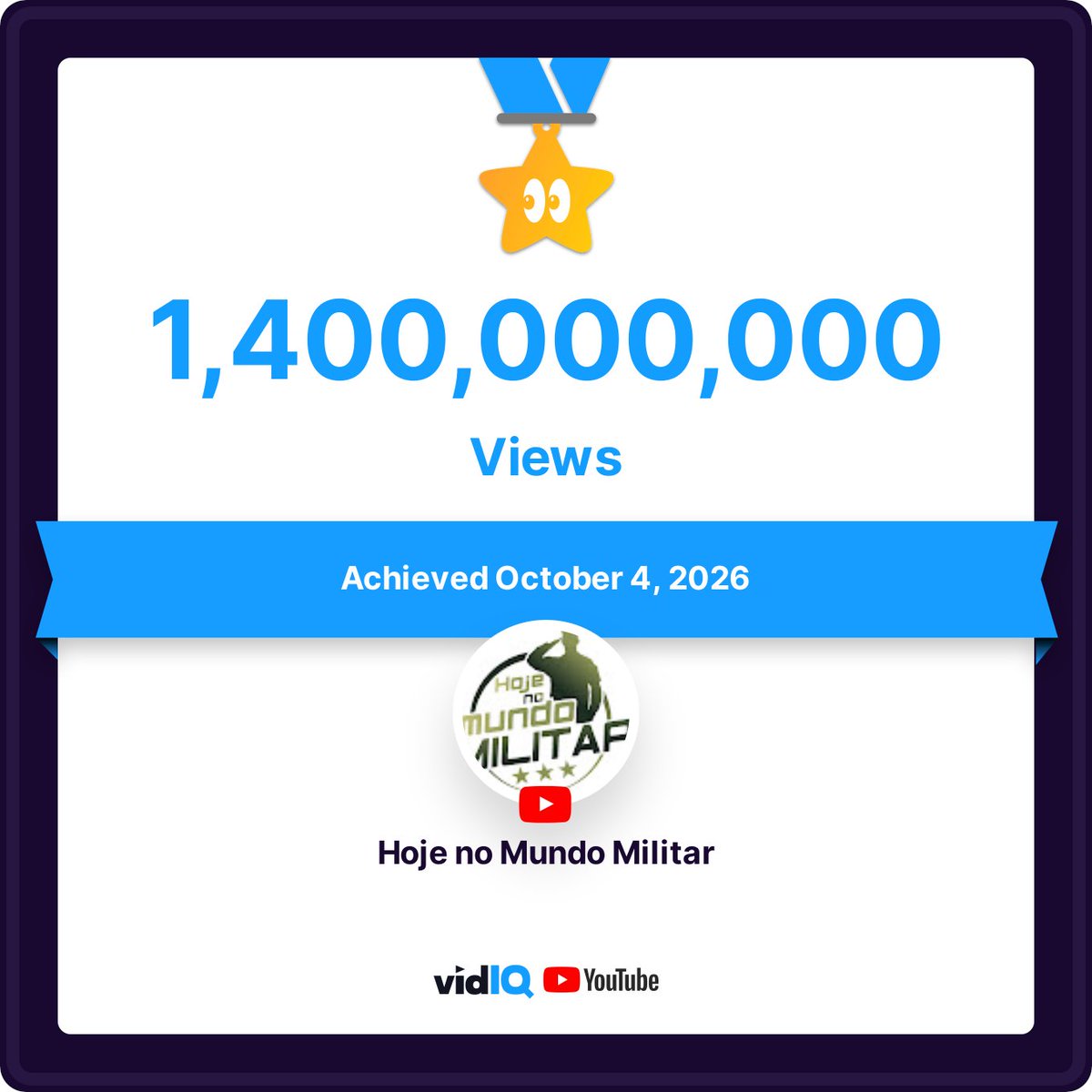
Today in the Military World reported that its channel has reached 1.4 billion views and attributed the milestone to the audience that followed military and geopolitical news worldwide on a daily basis. The channel thanked its followers. https://t.co/MNpPZJMT8U #NotíciasMilitares #Geopolítica #Agradecimento (translated)

Republic stated that Renan Santos garnered 35 million views on Instagram on the day the Globo debate was canceled and became the most discussed topic on the eve of the first round, according to a survey by Palver. https://t.co/3YcEFHmHPq #RenanSantos #Instagram #Debate (translated)

Alerta News 24 reported that Metallica debuted at the Sphere in Las Vegas with a show featuring large screens and the venue's visual resources, which, according to the publication, took the show to another level. https://t.co/BtQRB8sRFu #Metallica #LasVegas #Concierto (translated)

Info Jimin wrote that, although there were few photos, that was already by far one of his best looks on the tour and that he shone in white. https://t.co/lYk5AT2v3k #Turnê #Visual #Música (translated)

Giovanni Zibordi wrote that, in the last three months, two of his four most viewed posts, with 90,000 and 92,000 views, were about September 11. According to him, they explained the collapse of the three towers by claiming it was caused by internal explosions. https://t.co/5fMEoaKaow #11Settembre #TeorieDelComplotto #Attentati #IT (translated)

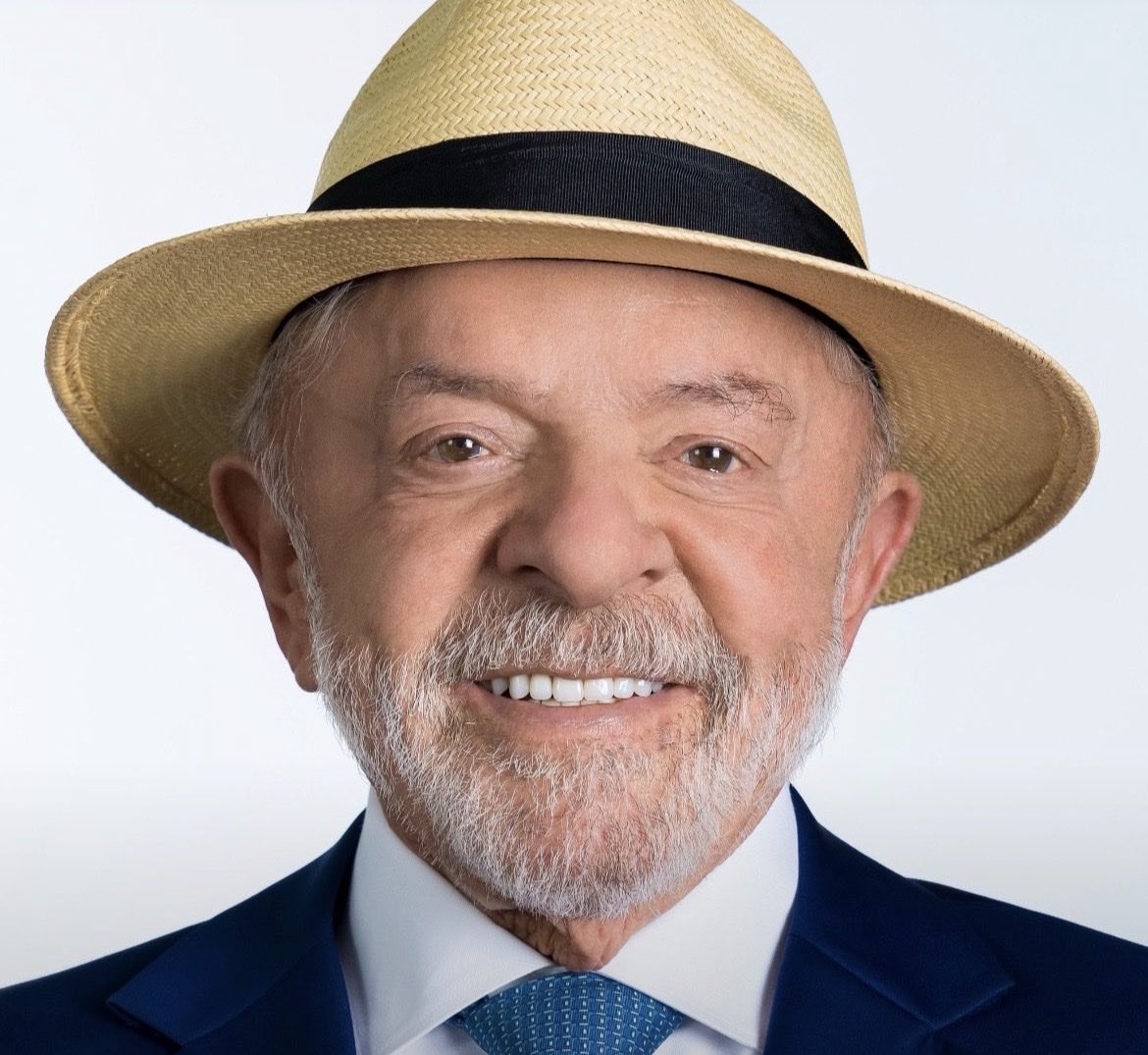
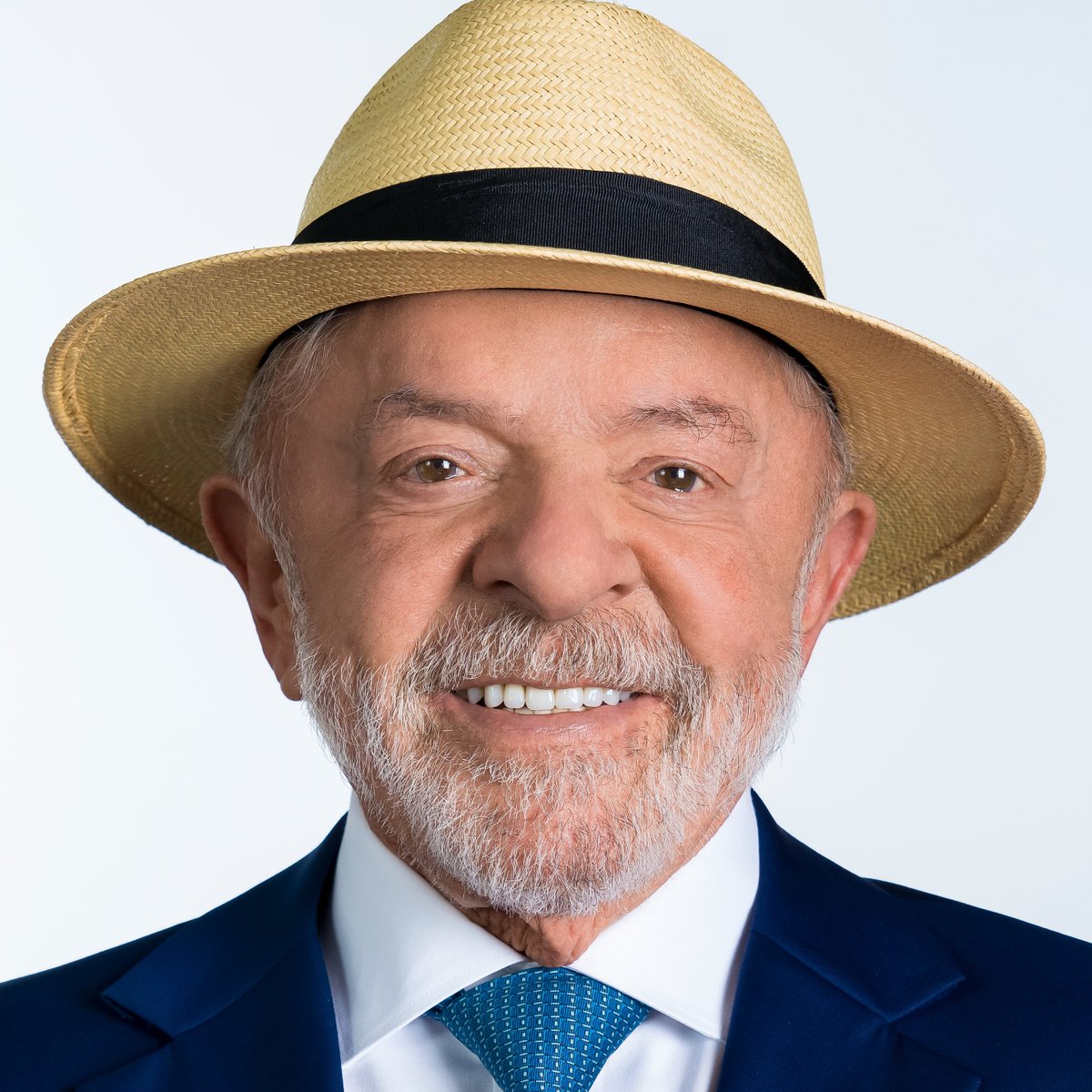
The account Pesquisas e Análises Eleições stated that President Lula's (PT-SP) interview on Flow Podcast reached 11 million views in 15 hours, becoming, according to the publication, the most viewed and most liked video in the history of the channel on YouTube. The account also said that Lula thanked the supporters who accompanied him and asked them to follow Lula's Research and Election Research. The author declared that he would continue to give unrestricted support to the president. #Lula #FlowPodcast #Brasil (translated)

Eli Vieira stated that George Marques, an employee of the Secom linked to Lula, deactivated a profile with over 200,000 followers on X after being accused of promoting misinformation about Our Lady. According to Vieira, Marques had been prohibited by the Electoral Justice from publishing about elections. Vieira said he found that the profile had not just changed its username: old posts indicated that the account did not exist. He also stated that he found no evidence that the unavailability had been determined by a court, as, according to him, X informs when this is the reason. Vieira attributed the deactivation to Marques himself and said that, under the platform's rules, the account would be deleted if it was not reactivated within 30 days. Furthermore, according to Vieira, Judge Mário Jorge Panno de Mattos of the 1st Electoral Zone of Brasília had demanded that X explain why the profile was unavailable. Vieira stated that he is opposed to such orders, which he considers censorship, and said that Marques was facing a measure similar to those he supported. #FakeNews #Eleições #Censura (translated)

SB 4d

SB stated that President Lula's interview on Flow exceeded 11 million views in less than 17 hours. For comparison, he said that Lula's interview on a podcast in 2022 had reached 10 million views. https://t.co/iuJh55PxoP #Lula #FlowPodcast #Entrevista (translated)