WRLD

Search

#dogana
Il Fatto Quotidiano 2w

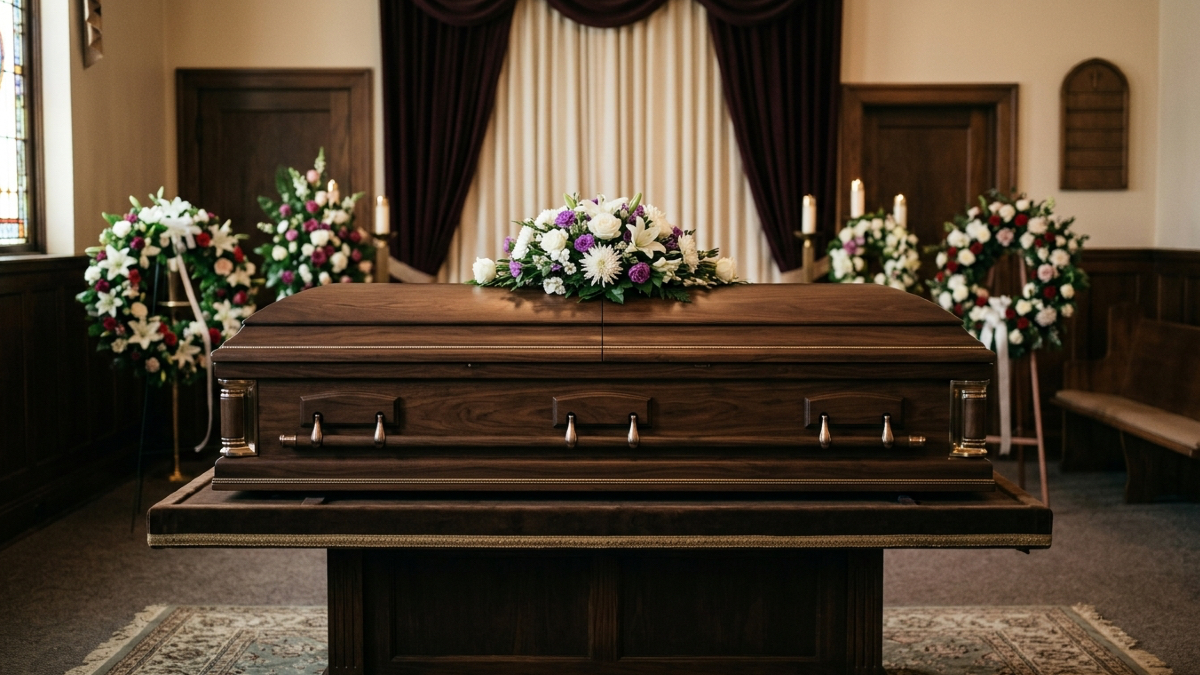
The article highlights the rise of low-cost Chinese coffins sold for 100 euros and shipped disassembled as furniture to bypass customs, raising concerns about the economic consequences for the local industry and the health risks associated with cremations. #barecinesi #dogana #rischitossici (translated)
www.ilfattoquotidiano.it
E’ boom di bare cinesi low cost vendute a 100 euro e spedite smontate come mobili: la “scappatoia Ikea” per aggirare la dogana e i rischi tossici durante la cremazione

2409
Il Sole 24 ORE 2w

Starting from November 1st, the cost of shipping in e-commerce will increase due to the new two-euro European management fee, which adds to the previous three euros introduced in July, aimed at covering the rising costs of customs controls. #Ecommerce #TasseDoganali #PomodorinoDOro (translated)

www.ilsole24ore.com
E-commerce, sale il costo delle spedizioni con la nuova tassa di gestione europea
2872
Il Sole 24 ORE 2w

Starting from November 1, 2026, the Union Handling Fee will come into effect, a non-refundable fee of 2 euros applied to all shipments of goods coming from third countries, aimed at covering the costs of customs checks. #UnionHandlingFee #Dogana #VenditeADistanza (translated)

www.ilsole24ore.com
La Union handling fee si applica su spedizioni di qualsiasi valore e non è rimborsabile
2872
L
lastampa.it 2w

Starting today, the European Union's management fees of 2 euros on small packages purchased online, particularly from Chinese platforms Shein and Temu, take effect as part of a measure to counter the invasion of low-cost products and manage customs costs. #Ecommerce #Temu #Shein (translated)

www.lastampa.it
Acquisti online dalle catene cinesi: da oggi scattano le commissioni da 2 euro
2990
Luciano Magaldi Sardella (PhD) 3w

THE "BATTLE OF CERIGNOLA (1503)" ON "POPULAR ARCHAEOLOGY USA" (by LUCIANO MAGALDI SARDELLA) SOURCE 1: https://popular-archaeology.com/author/sardella/ SOURCE 2: https://popular-archaeology.com/article/the-2026-battlefield-archaeology-of-the-battle-of-cerignola-1503/ -------------------------------------------------------------------- CERIGNOLA (FG) — On April 28, 1503, at sunset, a shallow trench cut between the vineyards outside Cerignola rendered heavy cavalry obsolete. For five centuries, its exact location has only been conjectured, its archaeology ignored, its most important sources never translated into English. We are on the Tavoliere of Puglia, a corridor of battles for two thousand years: from Cannae in 216 BC to the falcon hunt of Frederick II from Torre Alemanna. Cerignola, at that time, was not a city but a rural village of 350 families at 120 meters above sea level, custodian of the Mena della Dogana delle Pecore, the great pastoral system of transhumance that financed the Kingdom of Naples. Its possession was fiercely contested. Facing each other were two worlds. Louis d’Armagnac, Duke of Nemours, Viceroy of Naples for Louis XII, in his thirties, splendidly armored, confident of victory. On the other side was Gonzalo Fernández de Córdoba, the Gran Capitán, who on April 27-28 marched from Barletta with about 9,000 exhausted men and decided to settle on a low ridge. He deepened what was already there: not an invention, but an agricultural ditch. The French gendarmes, the last heirs of the medieval knight, lowered their lances and never reached the line. From behind a parapet reinforced with vine stakes, over 1,000 Spanish arquebusiers opened fire. Nemours fell, almost certainly the first European army commander to die from a portable firearm. With him, the charge of cavalry as a dominant tactic died. And here is the scandal denounced by the article: no cartographer of the 17th-18th centuries ever mapped the battlefield. No monument commemorates it. It is not protected as a cultural landscape under the Code of Cultural Heritage. Every deep plowing of the Tavoliere, standard practice since the Bourbon reforms, destroys an archaeology never recorded. Yet the perimeter can be reconstructed. By cross-referencing the 16th-century descriptions of "vine-covered slopes fifteen miles north of the Ofanto" with the Via Traiana, the engagement area is a rectangle of 3-4 square kilometers northeast of the current settlement. With the 1m LiDAR DTM from ISPRA, it could reveal anomalous linear depressions, and the lower filling of a ditch 2-3 meters deep, under the plowed layer, is still readable with magnetometry and ground radar. Why did we arrive late? Not for lack of sources, but for lack of translation. The Municipality of Cerignola and the Torre Alemanna Research and Study Center of Prof. Matteo Stuppiello, who in 1978 obtained the first monumental protection for Torre Alemanna, have digitized a corpus that has never entered Anglophone historiography. Here are the 3 pillars: 1. The letter that still smells of gunpowder. The “Letter from Consalvo de Córdoba to the Spanish royals dated April 29, 1503,” edited by Stuppiello in 2003 and updated to 2025 on comune.cerignola.fg.it/biblioteche-digitali. A handwritten page written in Cerignola the day after the battle, “rich in flashes, twilight lights, and gunfire.” Not a polished chronicle like that of Giovio, but a field dispatch: the fatigue of the night march, the decision to entrench upon arrival, the recovery and honorable burial of Nemours, the intact capture of the French artillery. 2. The graffiti, a monument inside the monument. In the 14th-century church of Santa Maria delle Grazie, known as the Incoronatella, on the Via Trinitapoli Vecchia, where tradition holds that the body of Nemours was brought. On the triumphal arch, a 1503 graffiti gives, in almost notarized form, the date, sixth indiction, Friday at the hour XXIII-XXIIII. It was indeed Friday, as confirmed by the perpetual calendar of Cappelli. Decoded in 1995 by Prof. Francesco Magistrale, Latin paleographer at the University of Bari, in *The Battle of Cerignola (1993)* and in the municipal monograph *S.M. delle Grazie (1999)*. Today it is fading due to humidity and neglect. 3. The land registry that explains the ditch. The Survey of 1672 preserved at the State Archive of Naples, Pignatelli Aragona Cortes fund, Scanzia 63, fasc.1: “At the time of the battle, thick vineyards covered the hill reaching to the plain, and were distinctly separated from the rest of the countryside by a not very deep ditch.” Córdoba did not improvise; he adapted. This is confirmed by the catasti of the Giustiniani: 277 households in 1532, 699 in 1595. The landscape of 1503 was intensely horticultural, not the deeply plowed monoculture of today. In addition to these, there is the first monograph by Vincenzo Buonassisi, *The Battle of Cerignola* (1908, died in Via Fanfulla 10 on June 27, 1928), and the first modern military analysis by Piero Pieri, “Consalvo de Córdoba and the Battle of Cerignola,” Archivio Storico Pugliese 1952, which 30 years before the Anglophone rediscovery of the “pike-and-shot” defined Cerignola as an engineered killing ground. While Cerignola forgot, others remembered. The “Regimiento de Infantería Cerinola n.42”, later “Fuerteventura n.56”, carried the name of Cerignola until the 20th century. The coat of arms, described in *Heraldica e Historiales del Ejercito, Tomo V” (Madrid, 1981): silver field, dying white swan entangled in a hedge, golden wall crown, with the scroll “Cerignola.” Dossier officially transmitted on April 30, 1986, prot. 4565/509, from the Servicio Histórico Militar of Madrid to the Torre Alemanna Center thanks to Col. Alessio Antonutti and Gen. José Cifuentes. And in Amsterdam, at the Rijksmuseum, the anonymous bronze commemorative medal: Hercules with lion skin and club and Janus with the keys next to an eagle-armed coat of arms, legend “Consalvus Agidarius… Janum clausit,” on the reverse a battle scene “Consalvi Agidari Victoria de Gallis ad Cannas,” an artist's mistake that confuses Cerignola with Cannae. It belonged to Mrs. J.M. van Gelder-Nijhoff, donated in 1885. The author's conclusion is clear: Gonzalo's ditch is the most consequential earthwork in European military history. It inaugurates the infantry armed with firearm and conditions the Mediterranean for 160 years. It may still be there, filled, plowed, invisible to the naked eye but accessible to a magnetometer. It is not a matter of medieval archaeology but of the will to protect. (translated)

695
Luciano Magaldi Sardella (PhD) 3w

THE “BATTLE OF CERIGNOLA (1503)” ON “POPULAR ARCHAEOLOGY USA” (by LUCIANO MAGALDI SARDELLA) SOURCE 1: https://popular-archaeology.com/author/sardella/ SOURCE 2: https://popular-archaeology.com/article/the-2026-battlefield-archaeology-of-the-battle-of-cerignola-1503/ __________________________________________________________________ CERIGNOLA (FG) — On 28 April 1503, at sunset, a shallow trench cut through the vineyards outside Cerignola rendered heavy cavalry obsolete. For five centuries its exact position has been merely conjectured, its archaeology ignored, its most important sources never translated into English. We are on the Puglian Tablelanda, a corridor of battles for two thousand years: from Cannae in 216 BC to Frederick II’s falconry from Torre Alemanna. Cerignola, at that time, was not a town but a rural hamlet of 350 families at 120 metres above sea level, guardian of the Mena of the Dogana delle Pecore, the great customs system of transhumance that financed the Kingdom of Naples. It was for its possession that the battle was fought. Opposed, two worlds. Louis d’Armagnac, Duke of Nemours, Viceroy of Naples for Louis XII, thirty years old, splendidly armed, certain of victory. On the other side, Gonzalo Fernández de Córdoba, the Great Captain, who on 27–28 April marches from Barletta with some 9,000 exhausted men and decides to entrench himself upon a low ridge. In front of it he has deepened what was already there: not an invention, but an agrarian ditch. The French gendarmes, the last heirs of the mediaeval knight, lower their lances and never reach the line. From behind an embankment reinforced with vine stakes, more than 1,000 Spanish arquebusiers open fire. Nemours falls, almost certainly the first European army commander to die by a portable firearm. With him dies the cavalry charge as a dominant tactic. And here lies the scandal denounced by the article: no cartographer of the seventeenth or eighteenth century ever mapped the field. No memorial stone recalls it. It is not protected as a cultural landscape under the Code of Cultural Heritage. Every deep ploughing of the Tavoliere, standard practice since the Bourbon reforms, destroys an archaeology never recorded. Yet the perimeter is reconstructable. By cross-referencing sixteenth-century descriptions of “slopes covered with vineyards fifteen miles north of the Ofanto” with the Via Traiana, the engagement zone is a rectangle of 3–4 sq km to the north-east of the present settlement. With ISPRA’s 1m DTM LiDAR, anomalous linear depressions could be revealed, and the lower fill of a 2–3 metre ditch, beneath the ploughed layer, is still legible by magnetometry and ground-penetrating radar. Why have we arrived so late? Not for lack of sources, but for lack of translation. The Comune di Cerignola and the Centro Studi e Ricerche Torre Alemanna of Prof. Matteo Stuppiello, who in 1978 obtained the first monumental protection for Torre Alemanna, have digitised a corpus that has never entered Anglophone historiography. Here are the 3 pillars: 1. The letter that still smells of powder. The “Letter of Consalvo da Cordova to the Sovereigns of Spain of 29 April 1503,” edited by Stuppiello in 2003 and updated in 2025 on comune.cerignola.fg.it/biblioteche-digitali. A manuscript page written at Cerignola the day after the battle, “rich in flashes, twilight gleams, and gunfire.” Not a polished chronicle à la Giovio, but a field dispatch: the exhaustion of the night march, the decision to entrench upon arrival, the recovery and honourable burial of Nemours, the intact capture of the French artillery. 2. The graffito, a monument within the monument. In the fourteenth-century church of Santa Maria delle Grazie, known as the Incoronatella, on the Via Trinitapoli Vecchia, where tradition holds the body of Nemours was taken. On the triumphal arch, a graffito of 1503 gives in quasi-notarial form the date, sixth indiction, Friday at the twenty-third to twenty-fourth hour. It truly was a Friday, as confirmed by Cappelli’s perpetual calendar. Deciphered in 1995 by Prof. Francesco Magistrale, Latin palaeographer at the University of Bari, in La Battaglia di Cerignola (1993) and in the municipal monograph S.M. delle Grazie (1999). It is now fading through damp and neglect. 3. The cadastre that explains the ditch. The Apprezzo of 1672 preserved in the Archivio di Stato di Napoli, fondo Pignatelli Aragona Cortes, Scanzia 63, fasc.1: “At the time of the battle, dense vineyards covered the hill reaching down to the plain, and were clearly separated from the rest of the countryside by a not very deep ditch”. Córdoba did not improvise; he adapted. This is confirmed by the Giustiniani cadastres: 277 hearths in 1532, 699 in 1595. The landscape of 1503 was one of intensive horticulture, not the deep-ploughed cereal monoculture of today. To these are added the first monograph by Vincenzo Buonassisi, La Battaglia di Cerignola (1908, died at Via Fanfulla 10 on 27 June 1928), and the first modern military analysis by Piero Pieri, “Consalvo di Cordova e la battaglia di Cerignola”, Archivio Storico Pugliese 1952, which 30 years before the Anglophone rediscovery of “pike-and-shot” defined Cerignola as an engineered killing ground. While Cerignola forgot, others remembered. The “Regimiento de Infantería Cerinola n.42”, later “Fuerteventura n.56”, bore the name of Cerignola until the twentieth century. Its coat of arms, described in Heráldica e Historiales del Ejército, Tomo V (Madrid, 1981): argent field, a dying white swan entangled in a hedge, a gold mural crown, with scroll “Cerignola”. Dossier officially transmitted on 30 April 1986, prot. 4565/509, by the Servicio Histórico Militar in Madrid to the Centro Torre Alemanna through Col. Alessio Antonutti and Gen. José Cifuentes. And in Amsterdam, in the Rijksmuseum, the anonymous commemorative bronze medal: Hercules with lion-skin and club and Janus with keys beside an eagled coat of arms, legend “Consalvus Agidarius… Janum clausit”, on the reverse a battle scene “Consalvi Agidari Victoria de Gallis ad Cannas” — an error by the artist who confuses Cerignola with Cannae. It belonged to Mrs J.M. van Gelder-Nijhoff, donated in 1885. The author’s conclusion is unequivocal: Gonzalo’s ditch is the most consequential earthwork in European military history. It inaugurates the infantryman armed with a firearm and conditions the Mediterranean for 160 years. It may still be there, infilled, ploughed over, invisible to the naked eye but accessible to a magnetometer. It is not a question of mediaeval archaeology but of the will to protect.

926
G
George Osborne Sep 30

Potremmo guardare a quanto George Osborne [l’ex ministro delle Finanze dei Conservatori] ha detto su un’unione doganale, o quello che i Liberal-democratici hanno detto alla loro convention sul mercato unico, oppure potremmo andare fino in fondo. #Brexit #UnioneEuropea #RegnoUnito

Burnham dice che tornare nell’Unione Europea è un’opzione per il Regno Unito
www.ilpost.it
1760
Il Fatto Quotidiano Aug 25

In risposta alle recenti misure tariffarie di Donald Trump, il Canada introdurrà dazi doganali compresi tra il 15% e il 50% su oltre 700 prodotti americani, tra cui acciaio e alluminio, mentre il governo canadese destinerà 4,6 miliardi di euro per supportare le industrie colpite dalla guerra commerciale. #Canada #GuerraDeiDazi #Usa

www.ilfattoquotidiano.it
Il Canada risponde a Trump: dazi fino al 50% su oltre 700 prodotti Usa. Il tycoon: “Ci truffano da decenni, ora basta”
13147
Bonifacio Castellane Aug 9

Avere una crisi isterica perché vi chiedono i documenti in dogana non fa solo di voi delle drama queen pazzeh ma sminuisce il vostro supporto al greenpass antifascista per le fiere del libro. #dramaqueen #greenpass #libro

13662
Il Messaggero Jul 24

Donald Trump ha introdotto nuovi dazi doganali tra il 10 e il 12,5% su oltre 80 paesi, sfidando una sentenza della Corte Suprema che dichiarava illegale l'uso del suo potere esecutivo per tali politiche commerciali, sostenendo la necessità di incentivare la produzione e l'occupazione negli Stati Uniti. #DaziUSA #Trump #CommercioGlobale

www.ilmessaggero.it
Nuovi dazi Usa di Trump, sono legali? Quali sono i Paesi coinvolti? Quanto devono pagare? Domande e risposte
13697
Sabrina F. Jul 23

E POI C’È LA #RUSSIA, CHE NON HA LETTO IL PROPRIO NECROLOGIO 🇷🇺📈🤡 Il collasso economico di Mosca continua ad avere un piccolo problema: non riesce a presentarsi all’appuntamento. Nei primi cinque mesi del 2026 la Russia ha esportato merci per 177,4 miliardi di dollari e ne ha importate per 118,3 miliardi. Risultato: 59,1 miliardi di surplus commerciale, in crescita del 9,4% rispetto allo stesso periodo del 2025. Anche l’interscambio complessivo è aumentato dell’8,3%, raggiungendo i 295,7 miliardi. Ma il dato politicamente più interessante è un altro: le sanzioni non hanno fermato il commercio russo. Ne hanno semplicemente cambiato la cartina geografica. Le esportazioni verso l’Europa sono scese a 23 miliardi di dollari, mentre quelle dirette in Asia sono salite a 141,5 miliardi, con una crescita del 14,5%. Mosca non ha smesso di vendere. Ha soltanto trovato altri clienti. Le porte occidentali dovevano chiudersi e soffocare l’economia russa. Hanno invece installato una gigantesca porta girevole rivolta verso Oriente. E non si tratta soltanto di petrolio. Nei primi cinque mesi dell’anno sono cresciute le esportazioni di metalli del 26%, di prodotti agricoli e alimentari del 20,3%, di tessile e calzature del 27,8% e di prodotti chimici del 6%. Le materie prime restano centrali, ma la fotografia è un po’ più articolata della caricatura del distributore di benzina con la bandiera russa. Anche le importazioni di macchinari, attrezzature e mezzi di trasporto sono salite a 57,5 miliardi di dollari, segnando un aumento del 9,3%. È insieme un segnale di domanda interna e il promemoria di una vulnerabilità reale: Mosca continua ad avere bisogno di tecnologia e componentistica estera. Ed ecco il capolavoro strategico europeo: le stesse tensioni nello Stretto di Hormuz che stanno affossando i nostri mercati, facendo salire l’energia e appesantendo i costi delle imprese, aumentano contemporaneamente il valore delle esportazioni russe. Da questa parte arrivano listini in rosso, inflazione e bollette più care. Dall’altra entrano più dollari. Non è la dimostrazione che l’economia russa sia invulnerabile. È qualcosa di molto più imbarazzante: la dimostrazione che una crisi capace di indebolire l’Europa può rafforzare proprio il Paese che Bruxelles sostiene di voler mettere in ginocchio. Noi paghiamo il conto. Mosca incassa il sovrapprezzo. E poi ci spiegano che la strategia sta funzionando. Non è il miracolo economico russo. È il funerale mancato organizzato con largo anticipo dai migliori esperti occidentali. Avevano già stampato i necrologi, prenotato i fiori e scelto la musica. Poi il morto ha cambiato mercato, ha venduto oltre 141 miliardi di merci in Asia ed è uscito dalla porta sul retro con 59,1 miliardi di attivo. - Don Chisciotte Fonti: Servizio Doganale Federale della Federazione Russa; Interfax; TKS. #Russia #CommercioInternazionale #Sanzioni

14056
Keir Starmer Jul 9
Prime Minister of the United Kingdom since 2024

Ho spiegato ai giornalisti che Erdogan aveva allegato anche una nota che esentava le armi dai controlli doganali sulle esportazioni turche.

Erdogan e il regalo a Meloni e agli altri leader Nato: pistole con il nome inciso e munizioni
www.lastampa.it
12531
ORA! Jul 2

L'Europa scelga la competitività, non il protezionismo La proposta europea di introdurre una fee sui piccoli pacchi provenienti da Paesi extra-UE nasce dall'esigenza di correggere una distorsione del regime doganale che, attraverso l'esenzione della franchigia sui pacchi sotto i 150 euro, ha favorito l'esplosione dell'e-commerce low cost. Il punto è interrogarsi sul tipo di risposta che l’Europa vuole dare a questo fenomeno. Un conto è correggere una distorsione del regime doganale; un altro è affidarsi a strumenti che, pur formalmente a carico dell’importatore, rischiano poi di trasferirsi almeno in parte sui prezzi finali. La vera sfida non è proteggere le imprese europee dalla concorrenza, ma renderle abbastanza produttive e innovative da competere ad armi pari. Se ogni aumento della pressione competitiva viene affrontato con nuove barriere, il rischio è rallentare gli incentivi a innovare e ridurre i benefici per cittadini e imprese. L'Europa deve puntare su più mercato unico, più produttività, più accordi commerciali e regole uguali per tutti, non su un ritorno al protezionismo. Se vuole guidare il libero scambio con partner come Mercosur e India, non può oscillare tra apertura e chiusura a seconda della provenienza della concorrenza. #Competitività #MercatoUnico #Ecommerce

12661
Ultimora.net Jun 30

Da domani entrerà in vigore il dazio europeo di 3 euro sui pacchi di valore inferiore a 150 euro acquistati da Paesi extra-Ue. La misura mira a scoraggiare l’importazione di prodotti a basso costo, soprattutto dalla Cina, e a contrastare la concorrenza dell’e-commerce extraeuropeo. Il dazio sarà applicato per ciascuna categoria merceologica indicata nella dichiarazione doganale: se un pacco contiene articoli di tipi diversi, l’importo potrà quindi essere moltiplicato Esempi: 📍 Pacco con una maglietta e un paio di calze: tassa di 6 euro 📍 Pacco con due magliette e due paia di calze: tassa di 6 euro 📍 Pacco con tre magliette (unica categoria): tassa di 3 euro #Dazi #Ecommerce #Importazioni

13023
ANSA.it Jun 29

Dal 1. luglio 2023 l'Unione Europea introdurrà un dazio forfaitario di 3 euro sui mini pacchi acquistati online, in particolare da piattaforme cinesi come Shein e Temu, ponendo fine all'esenzione doganale per pacchetti sotto i 150 euro di valore, con ulteriori costi per la gestione doganale previsti dal novembre 2023. #DaziDoganali #Ecommerce #MiniPacchi

www.ansa.it
Arriva il dazio Ue di 3 euro sul diluvio di mini-pacchi acquistati online
10754
Il Fatto Quotidiano Jun 20

Dall'1 luglio 2026, i consumatori che acquistano piccoli pacchi da fuori l'Unione Europea dovranno affrontare una nuova tassa europea di 3 euro per articolo e un balzello italiano di 2 euro, in un contesto in cui la franchigia doganale per le spedizioni di valore inferiore ai 150 euro sarà abolita, portando a un rischio di doppia tassazione e a un incremento dei costi per le spedizioni. #TassaPacchi #eCommerce #Dogana

www.ilfattoquotidiano.it
Piccoli pacchi, dall’1 luglio arrivano la tassa Ue da 3 euro e il balzello italiano di 2. Che potrebbero sommarsi
13756
Il Fatto Quotidiano Jun 20

Dall'1 luglio 2026, i consumatori che acquistano piccoli pacchi da fuori l'Unione Europea dovranno affrontare una nuova tassa europea di 3 euro per articolo e un balzello italiano di 2 euro, in un contesto in cui la franchigia doganale per le spedizioni di valore inferiore ai 150 euro sarà abolita, portando a un rischio di doppia tassazione e a un incremento dei costi per le spedizioni. #TassaPacchi #eCommerce #Dogana

www.actualno.com
BIRD: Открихме бащата на българския посланик в ОАЕ, чиято фирма е платила милиони за полетите на Пеевски
13756
Ursula von der Leyen May 20
President of the European Commission since 2019

Ursula von der Leyen: Accolgo con favore l'intesa raggiunta dal Parlamento europeo e dal Consiglio sulla riduzione dei dazi doganali per le esportazioni industriali statunitensi verso l'Ue. Stiamo lavorando duramente per l'indipendenza dell'Europa e il mercato unico deve contribuire a realizzarla. Quest'anno abbiamo concluso accordi con India, Australia, Mercosur, Svizzera.

17400
ANSA.it May 20

L'Unione Europea ha raggiunto un accordo con gli Stati Uniti sulla riduzione dei dazi doganali per le esportazioni industriali, ma avverte che potrebbe sospendere le preferenze tariffarie se gli USA non rispettano l'aliquota del 15% sui derivati dell'acciaio e dell'alluminio entro il 2026. #AccordoCommerciale #DaziDoganalí #CommercioTransatlantico

www.ansa.it
L'Ue: 'Se gli Usa non rispettano il 15% sull'acciaio possibile lo stop all' intesa'
17400
Ursula von der Leyen May 20
President of the European Commission since 2019

Ursula von der Leyen: Un accordo è un accordo, e l’Ue onora i propri impegni. Accolgo con favore l’intesa raggiunta dal Parlamento europeo e dal Consiglio sulla riduzione dei dazi doganali per le esportazioni industriali statunitensi verso l’Ue.

16200