In Kazakhstan, archaeologists discovered a golden figurine of a bear that is over 2000 years old, which was likely a part of a ceremonial headdress belonging to a representative of the elite Scythians. #Kazachstan #archeologia #Sakowie (translated)
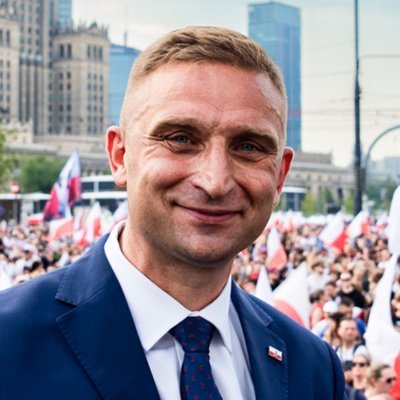
"The Polish state was not established 108 years ago for political elites to today claim the authority to manage the citizens of the Republic against the will of the nation. Political elites exist so that I, the Polish government, and each of the ministers sitting here can fulfill the will of the Polish nation," thundered President Karol Nawrocki during the ceremony at Piłsudski Square in Warsaw. #TrybunałKonstytucyjny #Niepodległość #Polska (translated)
The author of the post asked whether the European Union was established to finance Ukraine. He claimed that the European Commission was preparing another payment of 45 billion euros for 2027, and Friedrich Merz threatened to block the EU budget if everyone did not agree to further payments. He accused the EU elites of wanting to treat citizens as an unlimited source of money. #UniaEuropejska #Ukraina #budżetUE #UA #EU (translated)
The author asked who he believes is introducing poisons into food and why the state and its elites are not protecting the people. https://t.co/3NguOP5FHw #bezpečnosťpotravín #kvalitapotravín #zdravie #SK (translated)
The author wrote that Tusk was fortunate because the Polish legal elites largely did not protest against the violation of the law and the Constitution. He argued that the Magyar regime in Hungary encountered the decency of lawyers representing various political options, including socialists. #Tusk #Konstytucja #Polska (translated)
The author of the post wrote that the European Union is necessary but requires deep reforms. In his opinion, changes are essential for Polish citizens and citizens of other member states to benefit from the EU, not just the elites, as he believes is currently the case. #UniaEuropejska #Reforma #Polska #PL #EU (translated)
The author of the entry stated that European elites wanted to trade luxurious furs with Russia, even though — as he wrote — Russia is killing innocent people. He considered such an approach morally disqualifying and encouraged viewers to watch his speech in the European Parliament. https://t.co/TeCqCfrEax #Europa #prawaCzłowieka #handel #RU #EU (translated)
The author claimed that the European Union lifted selected sanctions against Russia, which he associated with the fact that the Brussels elites, according to him, needed to buy coats worth 100 thousand euros. He added that the sanctions on the purchase of energy remained in effect. https://t.co/OLGCClyKI4 #EÚ #sankcie #Rusko #EU #RU (translated)
Former ambassador Jerzy M. Nowakowski warns that Donald Trump's unpredictability and his growing dislike for Europe could lead to dramatic consequences for the security of Poland and the entire continent, suggesting that European elites must make serious defense commitments in response to rising threats, especially from Russia. #Trump #Europa #bezpieczeństwo (translated)
Max Hübner described the confrontation between Przemysław Czarnek and representatives of TVP, and later TVN24, including Kolenda-Zaleska. He wrote that Czarnek accused TVP of fueling animosity towards the police and lying about the attack by the knifeman on a policewoman. He also described the station as hostile to Poland and announced that its end is near. According to Hübner, Kolenda-Zaleska defended TVP and accused Czarnek of mistreating journalists. Czarnek was supposed to respond that he has the right to criticize people who — he claimed — are lying. Kolenda-Zaleska called him pathetic and accused him of insulting people; he denied having insulted women and then criticized her connections with liberal elites. Hübner assessed that Kolenda-Zaleska's nervous reaction may be just the beginning, and claimed that the media fear what awaits them in a year. #Polska #media #wolnośćsłowa (translated)
Adam Czarnecki criticized what he deemed the arrogance and contempt of the Polish elites towards the society that does not vote according to their expectations. He wrote that Olbrychski spoke about the "disgust of Polish society" in connection with the victories of Andrzej Duda and then Karol Nawrocki in the presidential elections. https://t.co/NJAAmXPgwa #polityka #elitypolityczne #wybory (translated)
Marcin Palade statistically wrote that Deividas Matulionis, the Lithuanian president’s advisor on national security, spoke about justified data indicating that the drone crossed the Polish border. Palade added that Ukraine apologized to Lithuania for the drone's fall and the explosion on its territory, but not to Poland. He suggested that Kyiv has Polish elites under control, more specifically — it possesses recordings. #Litwa #Ukraina #bezpieczeństwo (translated)
Mark A. Cichocki's article criticizes the current ruling elites in Europe, pointing to their responsibility for the weaknesses and decline of the continent, and suggests that an alternative to them are politicians seeking to reconsolidate Old Europe with Russia and without American influences. #Europa #Polityka #AFD (translated)

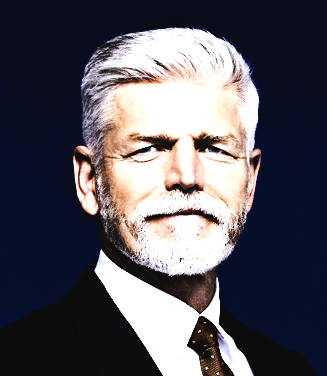
Zdeněk Šarapatka criticized the plan to convene a meeting in the Chamber of Deputies regarding the privacy of President Petr Pavel. He compared it to political processes from the communist era and claimed that its initiators were diverting attention from the problems facing Andrej Babiš's team, including the budget deficit and what he described as a fraud against pensioners. He also mentioned statements from representatives of the European Union regarding Babiš's conflict of interest. Šarapatka stated that Pavel publicly acknowledged a mistake concerning the elections and made his travel expenses public, although he emphasized that this is a private matter. He labeled the meeting in the Chamber as an unsuccessful political action and criticized Rajchl and Vondráček; he added a personal remark towards Rajchl. He described the President as a symbol of the Czech Republic in the West, in NATO, and the European Union, and called for support in the Senate. As a defender of democracy, he named Karel Řehka, Tomáš Třetina, Adéla Sucharda Šípová, Martin Dvořák, Jiří Padevět, and Tomáš Goláň and urged readers to go to the polls. #demokracie #politika #volby (translated)
The author of the article stated that after the revolution, people from legal, economic, and scientific elites sought positions in Parliament, who he claims are no longer there and have been replaced by "grayness" and mediocre politicians. He described his three candidates as a hope for change, but also wrote that he does not want to harm them with excessive support. He called for them to be given a chance if they want to serve. #politika #změna #budoucnost #CZ (translated)
The author of the post wrote that for years the elites destroyed the memory of the Warsaw Uprising, and grassroots actions restored pride in Polish history. He assessed that Donald Tusk and Rafał Trzaskowski began to reference patriotism and the white-and-red flags because they saw a political advantage in it. https://t.co/Osm9b4Gnm9 #PowstanieWarszawskie #historia #patriotyzm #PL (translated)
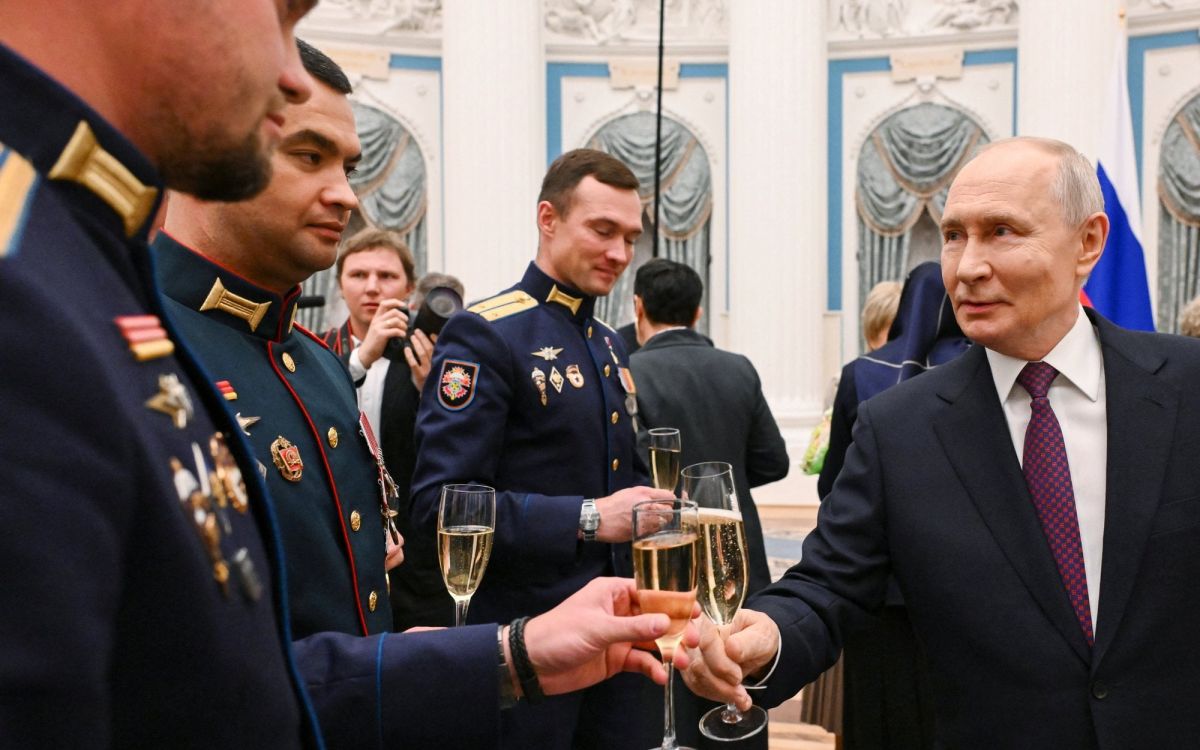
In the face of the war in Ukraine, Vladimir Putin is implementing a program aimed at shaping a new leadership elite in Russia, drawing on the experiences of veterans and military personnel who are taking on significant roles in the structures of power. #Rosja #Putin #wojna (translated)

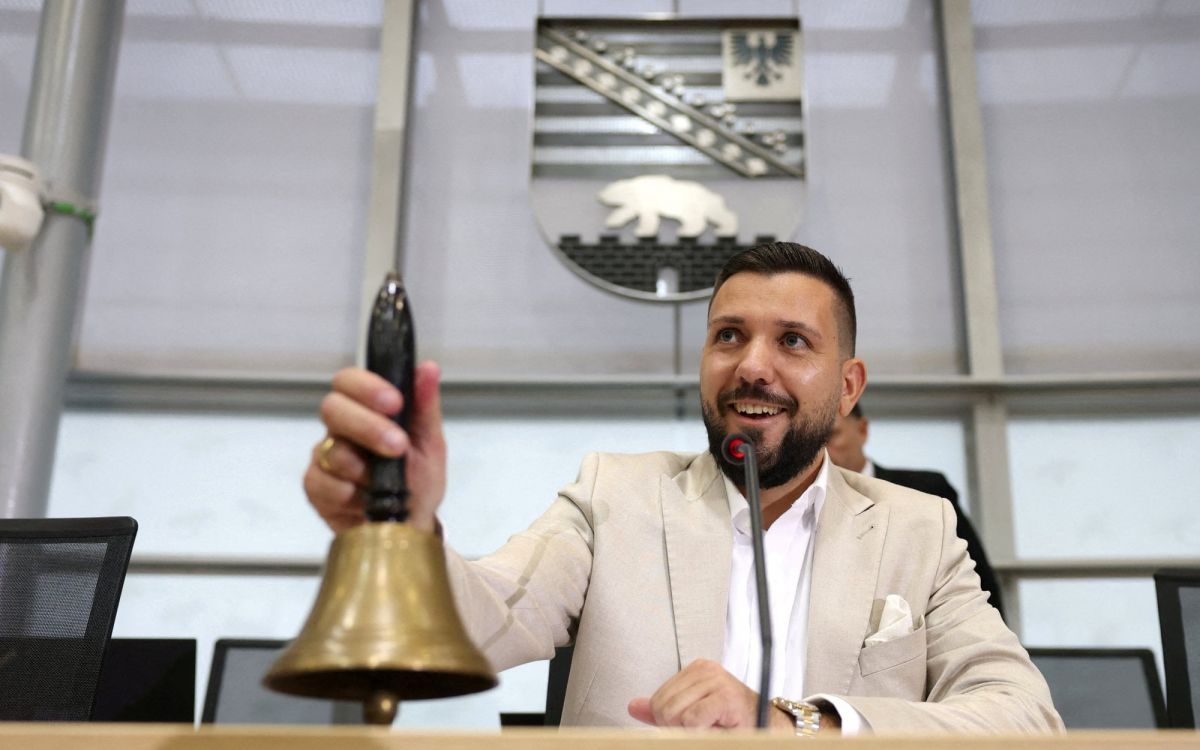
The German elite is concerned about the growing strength of the nationalist AfD party, which gained significant support in the elections for the Saxony-Anhalt Landtag, potentially leading to a betrayal of their traditional political parties. #AfD #Niemcy #Polityka (translated)

Cassiopeia asked Magda Biejat, who — as she wrote — had participated the day before in the inauguration of the Days of Memory of Pawiak, whether the Days of Memory of Mokotów are also planned. She claimed that in Mokotów, Poles who had previously avoided the crimes of the Gestapo, NKVD, and Banderites were killed. Among those she mentioned were Capt. Witold Pilecki, Gen. August Emil Fieldorf "Nil," Maj. Zygmunt Szendzielarz "Łupaszka," Maj. Hieronim Dekutowski "Zapora," and Col. Łukasz Ciepliński "Pług." She added that there were hundreds of victims. Cassiopeia called for reminding the perpetrators and accomplices of the crimes in Mokotów during such commemorations. She mentioned, in this context, among others, Józef Goldberg, Izydor Kurc, Adam Umer, Anatol Fejgin, Izaak Fleischfarb, Józef Dusza, Jerzy Kaskiewicz, and Jerzy Kędziora, referring to them as UB officers. To support her post, she cited the account of Maria Hattowska, a lieutenant of the AK and WiN and a cipher clerk, who described her interrogation and brutal beating. According to the cited testimony, Hattowska suffered serious injuries, and after the beating, she could not have children. Cassiopeia wrote that in the UB torture house in Mokotów, the Gestapo could have "taken lessons." The author of the post warned that the truth may be forgotten when people are afraid to look at it. She asked the audience to share the post, comment, and support the person she indicated who deals with history. https://t.co/uYX0ELCMFj #Pamięć #Historia #Mokotów (translated)