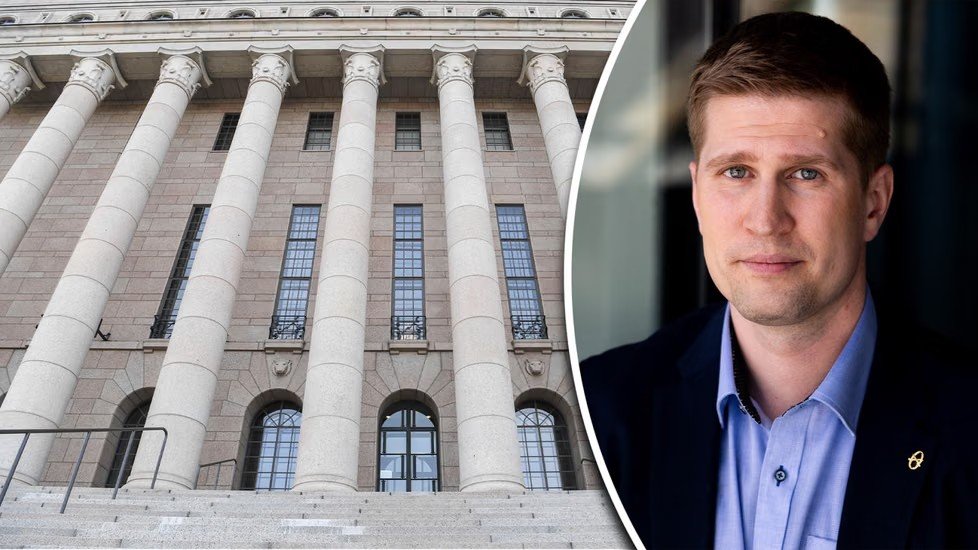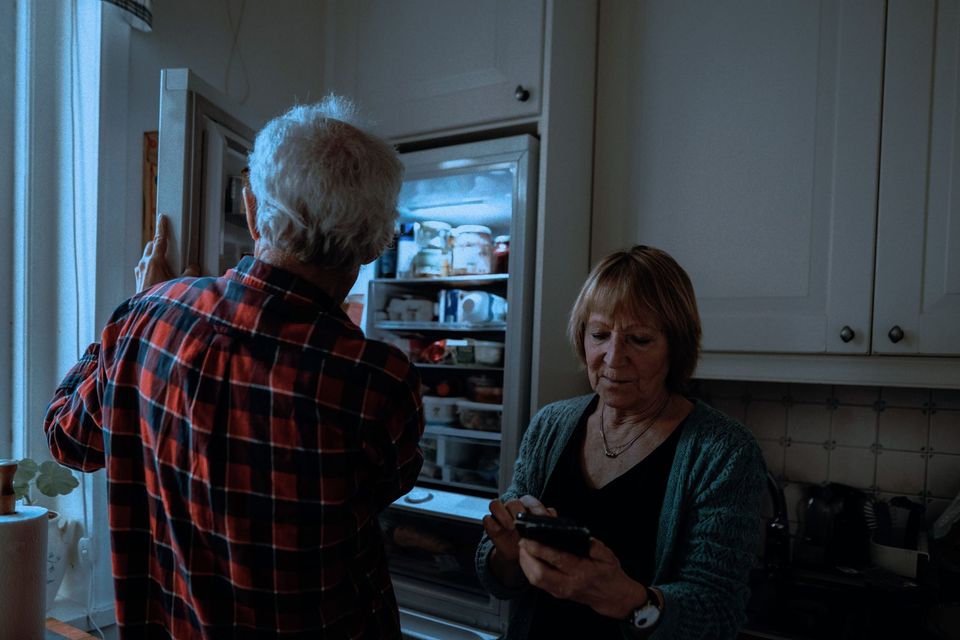
The press conference today clarified the suspicions related to parliamentarians' homes. According to Speaker Halla-aho, there is a significant number of cases. It is suspected that residences have been entered in the absence of the representatives. No signs of forced entry have been found, and nothing has been stolen, but traces have been left in the homes. The suspicions involve members of different parties, and the first case may go back as far as a year. There is currently no confirmed information about the perpetrator or motive. The background may involve criminal activity, harassment or stalking targeted at individual politicians, domestic extremist groups, or the actions of a foreign state. Not all reported cases may necessarily be related to each other. Now, it is the police's task to distinguish real intrusions from other observations and investigate possible connections between them. The possibility of a state actor must still be taken seriously. An especially interesting detail is the marks left in the homes. If the intention were solely to obtain information secretly, a successful intrusion would fundamentally be attempted to be concealed. If, instead, traces are deliberately left behind, being noticed may itself be part of the operation. In that case, intelligence is combined with psychological influence. Such methods are known in the history of Russian security services. There have been intrusions into the homes of diplomats, officials, and other individuals deemed interesting, with deliberate traces left behind. This does not prove anything about the perpetrators of these cases. It indicates why the possibility of a foreign state’s action must be thoroughly investigated. If it ultimately turns out to be state influence, the selection of targets would in itself be significant. Parliamentarians decide on Finland's defense policy, NATO cooperation, support for Ukraine, relations with Russia, and numerous other decisions in which foreign states may have strong interests. Coercion does not have to mean an attempt to change one vote in a single ballot. The aim could also be to gather information, map networks and vulnerabilities, or generate uncertainty about whether the consequences of political decisions extend to an individual's own home and loved ones. That is why Finland now needs a more open discussion about the kind of foreign intelligence, influence, and pressure directed at it. Confidential information should not be disclosed, but Finns should have a realistic understanding of the security environment in which we live and whether its change requires anything from decision-makers, companies, or ordinary people. And above all, keep a cool head. If the purpose of such acts turns out to be to generate fear and uncertainty in Finland, that is precisely the effect that should not be allowed. Serious suspicions will be investigated, efforts will be made to identify the perpetrators, and appropriate action will be taken if necessary. Finland's decisions will continue to be made in Finland, without fear and pressure. (translated)