BETA nonprofit public democratic european moderated

Search

#statistica

“uno dei 25.500 che si eseguono tutti gli anni in Spagna”La presidente della Comunità di Madrid, Isabel Díaz Ayuso, lo ha inserito invece in una dimensione statistica: quello di Maricarmen, ha dichiarato, è “uno dei 25.500 che si eseguono tutti gli anni in Spagna”, aggiungendo che era avvenuto “in osservanza della legge”. #DirittoAllaCasa #Madrid #Sfratti

Dopo lo sfratto di Maricarmen tornano le tende in centro a Madrid: non è un nuovo 15-M ma qualcosa è già cambiato
www.ilfattoquotidiano.it

No matter how you extrapolate it all, UK GDP per capita PPP is statistically no different from that of Italy. Congratulations to the Empire. #UKGDP #Italy #Economy #UK #IT

Un ragazzo di 18 anni è morto di #morbillo in Pennsylvania. Secondo le autorità sanitarie, il giovane di Mifflin County non era vaccinato. È morto per ADEM (encefalomielite acuta disseminata), una rara e grave complicanza neurologica del morbillo. È la quarta morte associata al morbillo registrata in Pennsylvania quest’anno, mentre lo Stato sta affrontando la peggiore epidemia di morbillo degli ultimi decenni: 693 casi in 38 contee al 15 settembre 2026. Il morbillo non è una semplice malattia dell’infanzia. Può causare polmonite, encefalite e, in alcuni casi, la morte. La vaccinazione MMR rimane uno degli strumenti principali per prevenire il morbillo e limitarne la diffusione. Gli esperti di sanità pubblica hanno inoltre collegato la recrudescenza della malattia a una combinazione di calo delle coperture vaccinali, disinformazione e difficoltà di accesso alla vaccinazione. Dietro ogni statistica c’è una persona.
E una famiglia che oggi piange. La disinformazione non è priva di conseguenze. Le informazioni corrette possono salvare vite. #Morbillo #Measles #Vaccini #Vaccinazione #MMR #SalutePubblica #Disinformazione #PublicHealth #ScienceCommunication #VaccinesSaveLives #Morbillo #Vaccinazione #SalutePubblica

Institutul Național de Statistică (INS) a publicat astăzi, 7 septembrie 2026, datele provizorii privind evoluția economiei naționale în al doilea trimestru al anului. Raportul oficial nr. 223 aduce o confirmare dură pentru mediul de afaceri: Produsul Intern Brut al României a rămas complet nemodificat (0,0%) în trimestrul II 2026 comparativ cu primele trei luni ale anului, pe seria ajustată sezonier. Dincolo de această stagnare trimestrială, semnalul de alarmă major vine din analiza comparativă cu perioada similară a anului trecut: PIB-ul a înregistrat o scădere drastică de 2,0% pe seria ajustată sezonier și de 0,4% pe seria brută. Per ansamblu, primul semestru din 2026 marchează o contracție generalizată a economiei cu 1,6% în termeni reali față de prima jumătate a anului 2025.https://www.infoest.ro/stiri/economie/Stagnare-economic%C4%83-%C3%AEn-plin%C4%83-criz%C4%83-de-consum.htm

Stagnare economică în plină criză de consum. PIB-ul României a înghețat în trimestrul II din 2026

Institutul Național de Statistică (INS) a publicat cel mai recent comunicat de presă privind evoluția pieței muncii, aducând în atenția publicului date provizorii extrem de interesante pentru trimestrul II al anului 2026. Conform raportului oficial nr. 220 din 3 septembrie 2026, costul orar al forței de muncă (calculat în formă ajustată după numărul zilelor lucrătoare) a înregistrat o scădere de 0,32% comparativ cu primul trimestru al acestui an. https://www.infoest.ro/stiri/economie/Costul-ora-al-for%C8%9Bei-de-munc%C4%83-%C3%AEn-Rom%C3%A2nia-scade-doilea-trimestru-din-2026.htm

Costul orar al forței de muncă în România scade în al doilea trimestru din 2026

Sono totalmente in disaccordo con “partita da Premier giocata in modo spettacolare dalle due squadre”. Il Napoli ha giocato male, di rimessa. Ha sfruttato solo bene due errori clamorosi (che non devono capitare) dell’Inter. Se si riduce tutto all’errore di Anguissa per spiegare una partita, si sta facendo disinformazione. Non c’è mezza statistica in cui l’Inter non sia stata meglio del Napoli, oltre al sentimento generale che si è provato allo stadio: non si è mai avuta la sensazione di perderla nemmeno sullo 0-2. Disclaimer: non è una patente di tifo, ma pura constatazione, la differenza tra l’esserci e non esserci sta proprio qui. Così sullo 0-2 ci si lascia andare a insulti, gente che deve prendersi la propria rivincita e funerali anticipati di tifosi avversari e non. Allegri si conferma il peggior tecnico italiano, finito da sei anni, ma un vero genio che riesce sempre a trovare un impiego, ieri non aveva la minima idea di come si fosse trovato in vantaggio e doppio vantaggio e preso dal panico di sfangarla e trovarsi ancora una volta lecchinato dai giornalisti, ci ha messo del suo e ha ancor più agevolato la nostra rimonta non facile da compiersi in 40 minuti. #Napoli #Inter #Calcio

Nel prossimo thread vi racconterò la storia di Lucas, un bambino guarito da uno dei più terribili tumori pediatrici, il DIPG. Vi racconterò come successe, nonostante lo studio al quale ha partecipato non fu statisticamente positivo. #DIPG #StoriaDiLucas #Guarigione #Therearenospecificcountrycodesmentionedinthetweet.

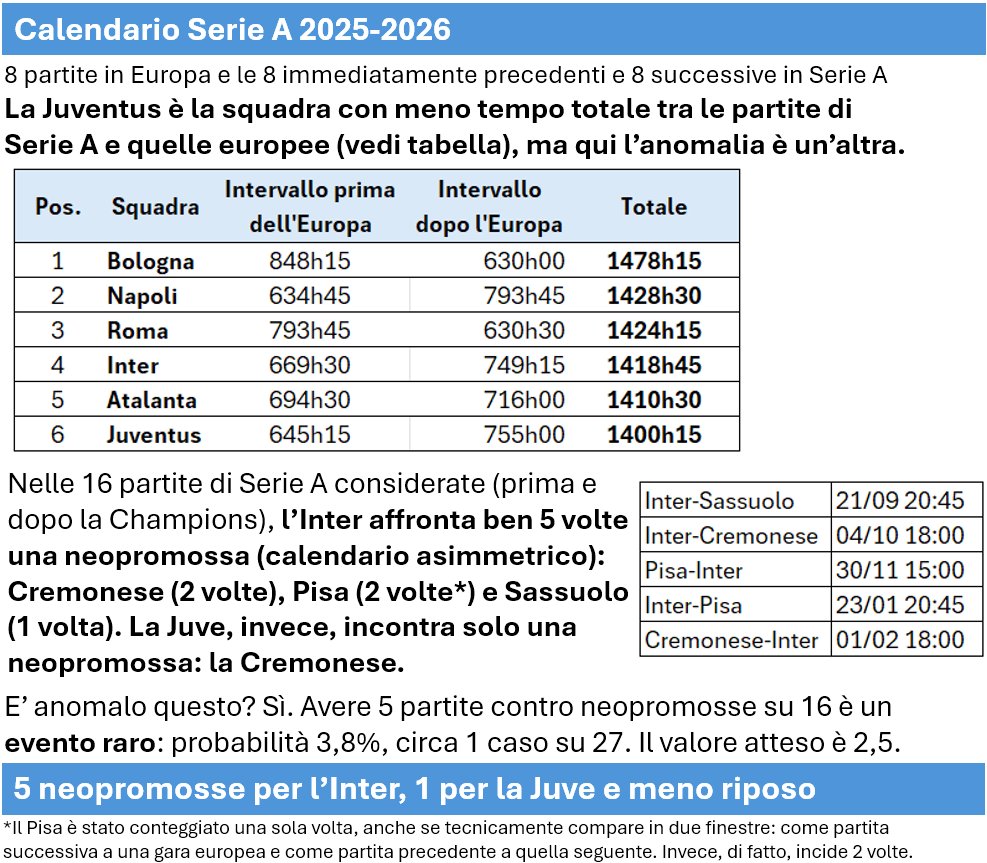
#Analisi. Anomalie del calendario di A 2025-26. Il calendario di #Butti nelle giornate europee penalizza la #Juve e favorisce l’#Inter per il 2025-26? Sulle 8 gare europee (gironi), la Juve è la squadra italiana con meno tempo complessivo tra Serie A e UCL UEL. Ma l'anomalia (statisticamente significativa) è che nelle 16 gare di Serie A considerate, l’Inter affronta 5 volte una neopromossa. La Juve soltanto 1! (diverse persone lo sottolinearono)(Altre analisi in corso.) #SerieA #Calcio #Analisi

Tutto mi separa da @ale_dibattista. E scrivo solo “tutto” perché non esiste un concetto più vasto. Ma non riesco ad essere contento per i suoi problemi di salute, soprattutto se seri come sembra dalle notizie di stampa. Al Fatto hanno dichiarato che era andato a Cuba per fare dei reportage per il giornale e per TV Loft. Mi auguro che abbiano previsto per questo lavoro una copertura assicurativa, che gli permetta di essere curato in una clinica privata (una di quelle a cui accedono solo turisti e membri del regime), perché non mi pare il contesto migliore per scoprire che il mito della straordinaria sanità pubblica cubana è in realtà una balla colossale alimentata dalla propaganda castrista. Un appello sento di farlo pure ai suoi supporter, sapendo già di chiedere probabilmente troppo: lanciarvi in ipotesi di complotti sionisti, della CIA o degli immancabili “poteri forti”, prima ancora di saperne di più è sicuramente in linea con la gara per voi sempre aperta a chi la spara più grossa, ma non ne uscite benissimo. Vi scioccherà sapere che alle persone normalmente capita di stare male per cause naturali e che l’attentato da parte di servizi segreti occidentali statisticamente non è in cima alla lista delle cause di ospedalizzazione. Sorvolo poi sui deliri novax, perché se delle macumbe contro i plurisierati resta vittima proprio uno che di disagiati antivaccinisti ne ha imbarcati a migliaia, qualcosa nelle care vecchie profezie delle date di morte non ha funzionato come doveva. Insomma, evitiamo per una volta il solito circo di beatificazioni, mostrificazioni, complotti e X-Files. Aspettiamo notizie confermate e, semmai, commentiamo quelle. No? #Cuba #Salute #Informazione

Oggi Stefano Lorenzetto del @ilfoglio_it Foglio smentisce e smaschera tutte le menzogne statistiche dette da #Belpietro e della Verità su #difterite e #tubercolosi. Ecco qui il pezzo: “Maurizio Belpietro, direttore della Verità, in un editoriale attacca l’infettivologo genovese Matteo Bassetti. Argomento: la difterite. Belpietro sostiene che la portano gli extracomunitari e, per dimostrarlo, si rifà a uno “studio del New England Journal of medicine, e non a un articolo della Gazzetta dei caruggi, in cui si documenta che la malattia infettiva ha visto crescere i casi in tutta Europa a causa dell’aumento dei flussi migratori”. Poco oltre aggiunge: “Per non dire di un altro studio rintracciabile sul sito dell’Istituto Pasteur”. Peccato che non si tratti affatto di “un altro studio”, bensì del resoconto di quello pubblicato sul New England Journal of Medicine appena citato da Belpietro. Dopodiché, a proposito della tubercolosi, egli scrive: “Noi le statistiche le abbiamo guardate e dicono l’opposto di quel che sostiene l’illustre luminare del polpo alla brace. Nel 2024, ultimi dati disponibili, in Italia sono stati registrati 3.150 casi, corrispondenti a un tasso del 5,3% ogni 100.000 abitanti, con un incremento dell’8,9% rispetto all’anno precedente”. Deve averle guardate male, le statistiche, perché un tasso “del 5,3% ogni 100.000 abitanti” è palesemente sbagliato. Il dato corretto è 5,3 casi ogni 100.000 abitanti, non il 5,3 per cento, quindi lo 0,0053 per cento, come specifica l’Istituto superiore di sanità: “Nel 2024 sono stati notificati 3.150 casi” di Tbc, che corrispondono “a un tasso di notifica di 5,3 casi per 100.000 abitanti”. Belpietro aggiunge: “Scrive Sanità informazione: la quota dei casi tra i nati all’estero è arrivata al 63,2% su 100.000 abitanti, circa 13 volte superiore rispetto ai nati in Italia”. Ma il 63,2 per cento è la quota dei casi verificatisi fra persone nate all’estero: 1.991 su 3.150. Il tasso calcolato sugli stranieri è invece di 29,8 casi ogni 100.000 abitanti, pari allo 0,0298 per cento. Belpietro ha soppresso le parole “con un tasso di notifica di 29,8 per 100.000 abitanti”, presenti su Sanità informazione, saldando così due dati distinti e attribuendo alla fonte un nonsenso statistico. E fin qui siamo ai numeri a capocchia. Poi ci sarebbe la sintassi: “Bassetti è tornato perciò ai suoi vecchi amori e dunque, vista l’apertura del nostro giornale sulla difterite arrivata in Italia con i migranti, ha deciso di sproloquiare, smentendo la tesi che certe malattie infettive giungano nel nostro Paese sui barconi, nella speranza di guadagnare qualche titolo e magari anche un passaggio tv”. Il soggetto sottinteso di “nella speranza di guadagnare” è correttamente Bassetti, ma la sua distanza dall’espressione e la vicinanza di “malattie infettive” si traducono in una costruzione stilisticamente maldestra, quasi che fossero le malattie a sperare di guadagnare titoli di giornale e passaggi in tv.” L’ennesima figura di m. della Verità che tarocca i numeri della statistica e cita articoli inesistenti per confermare le proprie tesi di razzismo sanitario. Un consiglio? Oltre che un corso accelerato di malattie infettive, Belpietro farebbe bene a farne uno di statistica e uno di etica professionale https://t.co/kdSMwbxYoh #Sanità #Statistiche #Salute

Adham Hasanin Aug 18

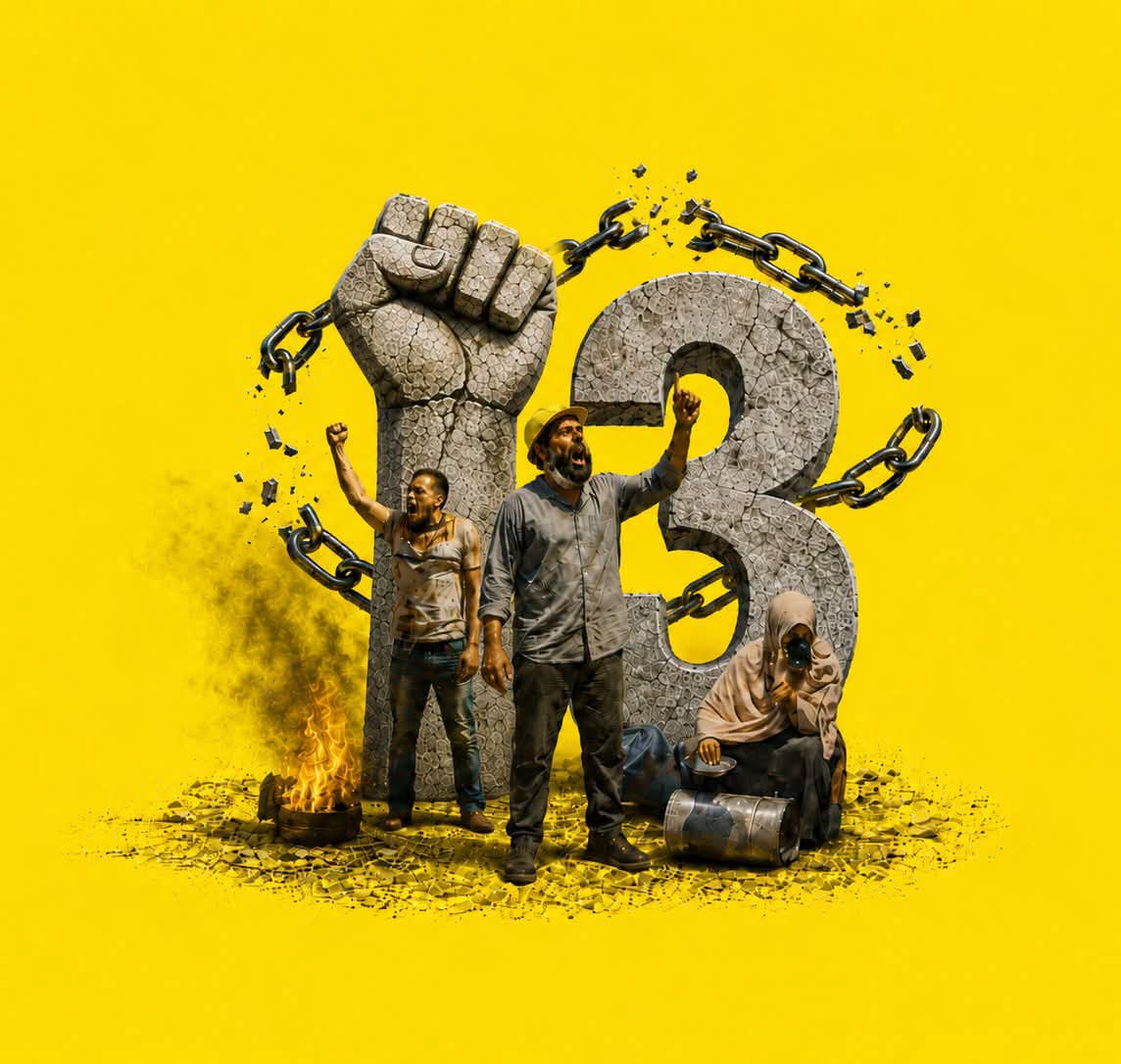
Rabaa: The Hour the World’s Conscience Stood Still On the anniversary of one of the largest single-day killings of protesters in modern history, one question remains unanswered: who will be held accountable? By Adham Hasanin Egyptian journalist and political writer, based in the Netherlands On 14 August, the anniversary returns of a day unlike any other in modern Egyptian history. Not simply because it was the bloodiest Egypt has known wars and massacres before and since ,but because it was the day a state chose to open fire on its own people in broad daylight, in front of the world’s cameras, and then let thirteen years pass without a single officer ever being held accountable. This article will not be a cold recitation of statistics, though the statistics exist, are documented, and are horrifying. It is an attempt to understand something deeper: how a square in the heart of Cairo, filled with tents, children, and worshippers, became the site of the largest mass killing the Arab world has witnessed in the past decade and why the echo of that day still reverberates in every Egyptian prison cell today. I. A Morning That Began Like Any Other For readers unfamiliar with the background: in July 2013, the Egyptian military, led by then-General Abdel Fattah el-Sisi, removed Mohamed Morsy Egypt’s first freely elected civilian president, a member of the Muslim Brotherhood who had taken office in 2012 following the 2011 uprising against Hosni Mubarak. In response, tens of thousands of Morsy’s supporters staged an open-ended sit-in demanding his reinstatement. By 14 August 2013, more than twenty thousand people had spent weeks camped out at two Cairo squares, Rab’a al-Adawiya and al-Nahda, in a peaceful sit-in. They were not an army, nor a uniform bloc; they were entire families men, women, and children, some affiliated with the Muslim Brotherhood, many simply ordinary citizens who saw the restoration of elected legitimacy as a cause worth the risk. There were tents for sleeping, communal kitchens feeding the demonstrators, speaking platforms, and a small field clinic that no one imagined would, within hours, become one of the most terrifying places in modern Egyptian history. In the early hours of that morning, Central Security Forces and army units, under the command of then-General Sisi, began what was officially described as a "dispersal" operation targeting both sit-ins simultaneously. It was not a dispersal in any ordinary sense of the word. According to a year-long investigation by Human Rights Watch, it was a pre-planned operation that anticipated, from the outset, thousands of deaths. II. The Numbers the Regime Refuses to Speak The Egyptian government, to this day, cites a death toll of "over 600" for that single day a figure that, even at its official lowest, is horrifying enough to warrant an independent international investigation. But the field investigation conducted by Human Rights Watch, drawing on field hospital records, survivor testimony, and analysis of video footage from dozens of angles, arrived at a far more disturbing figure: at least 817 people killed at Rab’a Square alone, with the true toll likely exceeding 1,000, plus another 87 killed at the nearby al-Nahda Square. When the deaths from the weeks surrounding 14 August are added from the dispersal of the Republican Guard sit-in on 8 July, through the Mansoura Street killings, to the dispersal of an October 6 march the combined total reaches at least 1,150 deaths in just six weeks, according to Human Rights Watch’s meticulous documentation. This figure led the organisation to use a term not deployed lightly in international law: crimes against humanity. Human Rights Watch described the Rab’a killings as "one of the world’s largest killings of demonstrators in a single day in recent history." Not in Egyptian history alone in modern history as a whole. What happened at Rab’a is cited in international reporting alongside China’s 1989 Tiananmen Square massacre. This is the true scale of what the Egyptian state has spent thirteen years trying to minimise, justify, and reduce to a mere "security incident" in a news bulletin. III. "All According to Plan" When Mass Killing Becomes Administration, Not Chaos The title Human Rights Watch chose for its detailed report on the massacre deserves lingering on: "All According to Plan." This is not an emotive headline; it is a precise legal conclusion built on field evidence. According to the investigation, what happened at Rab’a was not a dispersal operation that spiralled out of control amid chaos or panic, as the regime later tried to portray it. It was a carefully planned operation that assumed, in advance, massive casualties. Then-Interior Minister Mohamed Ibrahim admitted, in a televised interview broadcast on 31 August 2013 just weeks after the massacre that his ministry had anticipated losses of "10 percent of the people" present at the sit-in, acknowledging that the number of demonstrators exceeded twenty thousand. By simple arithmetic, this is an official admission that the state anticipated, in advance, the deaths of roughly two thousand people and proceeded with the operation regardless. This is the true horror at the heart of the Rab’a story: it was not a security operation that spun out of control, but a conscious administrative decision, made in an air-conditioned room, with advance calculations, by men who knew precisely how many human beings would die under their fire and who proceeded anyway, or perhaps because of it. According to Human Rights Watch’s analysis, the objective was to send an unambiguous message: whoever challenges the new state will pay an irreversible price. IV. Snipers, Women, and Children The Faces the Reports Do Not Tell Behind every number in the Human Rights Watch reports lies a full human story, deliberately omitted from the state’s official narrative. The investigation documented how security forces opened fire from multiple angles, and how snipers positioned themselves atop buildings surrounding the square, targeting according to survivor testimony and analysed video footage any movement in the square, regardless of whether it was an armed combatant or a nurse trying to reach a wounded person. According to documented testimony, entire families had their tents burn over their heads as fire swept through the sit-in. Doctors and paramedics were killed while trying to pull the wounded from the line of fire. Most damningly of all, the documentation shows deliberate targeting of ambulances and field medical points meaning that wounded people who survived the first bullet then faced death by bleeding out, because anyone attempting to save them was themselves a target. This detail the targeting of medics is what elevates the event from "excessive violent repression" to what human rights organisations have described as a systematic crime. When security forces target those trying to save the wounded, they are not merely dispersing a sit-in; they are preventing witnesses from surviving to tell what happened. V. Thirteen Years of Total Impunity The most painful part of the Rab’a story is not only what happened that day, but what has not happened in the years since. From 14 August 2013 to today, not a single officer, of any rank, has been held accountable for the deaths of hundreds, or thousands, of Egyptians. Quite the opposite: the state has moved to entrench impunity through the force of law itself. Egypt issued legislation granting senior military officers immunity from questioning over any violations that may have occurred following Morsy’s removal a law specifically designed to close the door on any future judicial accountability, regardless of how political circumstances might change. Even the fact-finding committee established by then-interim President Adly Mansour to investigate the June and July events concluded, in its report issued more than a year after the events, that the sit-in’s leaders bore responsibility for the deaths, on the grounds that they had allowed weapons into the square even as the same report admitted, in a glaring contradiction, that security forces had failed to target only armed individuals, meaning they had fired indiscriminately on everyone: armed and unarmed, man and woman, adult and child. This is the pattern that has repeated for over a decade: as each anniversary approaches, official statements re-narrate the events and shift blame onto the victims, while the actual perpetrators — those who planned the operation, gave the orders, and pulled the trigger — remain free. Some now occupy the highest offices of the state. VI. Why This Anniversary, Why Now? A reader might ask: why revisit this story after all these years? Has the world not moved on to newer crises? The answer lies in the very nature of impunity. When a state is never held accountable for the largest massacre of protesters in its modern history, it does not simply "forget" the crime it sets a precedent, telling every future ruler and every future security apparatus: mass killing is possible, politically profitable, and free of cost. This poisonous lesson does not remain confined within Egyptian borders; its echo reaches every Arab capital contemplating how to handle its own opposition. More dangerously, this system of impunity did not stop at Rab’a’s edges; it is the foundation on which Egypt’s entire subsequent decade of repression was built: thousands of political prisoners, grossly unfair mass trials that produced death sentences for dozens of defendants in cases linked directly to the Rab’a events themselves, laws criminalising peaceful protest, a muzzled press, and a civil society hollowed of substance. All of it traces back to the morning of 14 August 2013, when the state learned that overwhelming force succeeds, and that the world will condemn for a few days, then move on. VII. Delayed Justice Is Not Forgotten Justice Despite more than a decade of official silence and impunity, the Rab’a case remains alive in international legal memory. Human rights organisations, from Human Rights Watch to Amnesty International, continue to renew their annual calls for an independent international investigation, grounded in the legal principle that crimes against humanity are not subject to statutes of limitation: delayed justice is not forgotten justice. The victims who fell in that square were not numbers in a statistical report. They were fathers who left behind children too young, that day, to understand why their father would never return. They were mothers who, thirteen years later, are still searching for a clearly marked grave to which they can carry flowers, and young people who had decades of life ahead of them that they never got to live. Their memory does not fade with time; it grows with their children, who carry with them the same question their parents asked before they were killed: when will justice come? Conclusion: What Does This Anniversary Demand of Us? Every year, as the anniversary of 14 August returns, the same question resurfaces one the Egyptian state refuses to answer: who gave the order? Who planned the operation? Who decided that twenty thousand human beings deserved to be shot with live ammunition because they staged a peaceful sit-in? This anniversary is not a call for vengeance, nor an invocation of the past for its own sake. It is a reminder that justice, however delayed, remains a debt still owed. And that every instance of international silence over a massacre of this scale opens the door to the next one, elsewhere, under a different pretext, carrying the same lethal conviction: that the world will condemn for a week, then forget. We will not forget. And we will not stop asking the question that unsettles everyone who took part in that crime, regardless of the office they hold today: where is the accountability? Rab’a is no longer merely the name of a square in Cairo. In the conscience of everyone who believes in justice, it has become a test of the world’s conscience itself a test the world has not yet passed.

DataFut Aug 14

eu não tenho os dados então convido a galera que tem esses dados históricos aqui. O quão raro é marcar 100 gols por dois clubes diferentes do G12? Quantas vezes aconteceu? Alguns jogadores que atingiram essa marca: • Gabigol • Romário • Leônidas da Silva imagino que deva ter mais alguns. #futebol #statísticas #gols

Marco M.M. Aug 11

Estate 2026 contro 2003. Il sorpasso è possibile, ma decide agosto. Il confronto con l’estate 2003 non è più solo una curiosità statistica. Con i dati CNR/ISAC, sulla media 1991-2020, giugno 2026 ha chiuso intorno a +2,5°C, mentre luglio è arrivato a +2,86°C. Questo significa che il bimestre giugno-luglio 2026 viaggia intorno a +2,68°C rispetto alla norma. Per il 2003, usando lo stesso riferimento CNR, l’estate completa chiuse a +2,59°C. Ricavando il bimestre giugno-luglio dal dato stagionale e da agosto 2003, il 2003 era intorno a +2,52°C dopo i primi due mesi estivi. Al 31 luglio il 2026 è davanti al 2003, ma di poco. Non abbastanza per dichiarare già il sorpasso, ma abbastanza per dire che il confronto è reale. È bene tuttavia specificare che nel 2003 l'anomalia positiva fu marcata anche nel mese di maggio che però è considerato un mese primaverile. Ora tutto dipende da agosto. Per superare l’estate 2003 nel dato CNR, agosto 2026 dovrebbe chiudere indicativamente sopra +2,4°C rispetto alla 1991-2020. Una cosa possiamo già dirla, l’estate 2026 è ormai entrata nel gruppo delle grandi estati calde della climatologia italiana recente anche se il confronto con il 2003 resta aperto. #Clima #Temperature #Estate2026

Il professor Fulvio Ursini critica la criminalizzazione del colesterolo, evidenziando che le soglie di rischio per la terapia farmacologica si sono abbassate senza un fondamento scientifico solido e sottolineando l'importanza di distinguere tra correlazione e causalità, rispettivamente espresse dalla statistica epidemiologica e dalla biologia meccanicistica. #colesterolo #salute #falsimiti

Colesterolo sotto processo? “Eppure non è per forza cattivo”: il prof Ursini smonta i falsi miti (e cosa c’entrano statine e marketing farmaceutico)
Marco M.M. Jul 31

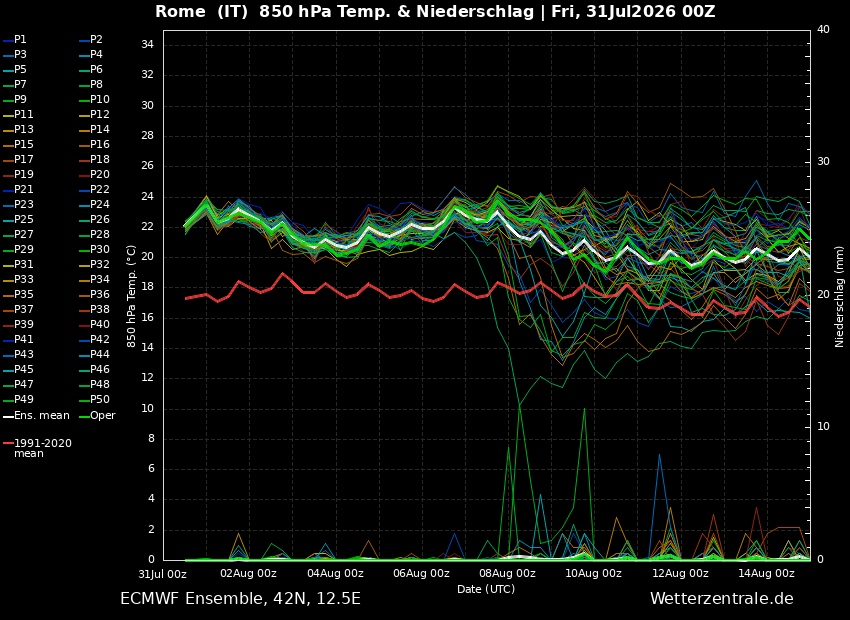
Quando inizierà davvero a mollare il caldo? La risposta non è un giorno secco, ma una tendenza da leggere bene. In questi giorni molti mi stanno chiedendo quando finirà questa nuova fase calda. La risposta, almeno per ora, non è una data precisa da segnare sul calendario, ma una tendenza che va letta con attenzione. Guardando gli spaghi previsionali, fino al 6-7 agosto il quadro resta abbastanza chiaro, continueremo ad avere caldo intenso, a tratti anche molto intenso. La rimonta subtropicale resterà presente e continuerà a condizionare buona parte del Paese. Questo però non significa che l’atmosfera resterà completamente ferma. Tra il 2 e il 5 agosto si nota un primo piccolo segnale di cambiamento, la struttura anticiclonica in quota tenderà a perdere un po’ di compattezza e anche le temperature a 850 hPa, cioè intorno ai 1500 metri, mostreranno una lieve flessione. Non arriverà il fresco, non cambierà stagione e non usciremo di colpo dal caldo, però l’atmosfera potrà diventare un po’ meno stabile. Questo potrebbe favorire qualche episodio di instabilità pomeridiana, soprattutto sui rilievi e nelle zone interne, come spiegato anche nel post di questa mattina. Il caldo resterà comunque sopra la media del periodo, in molte aree anche di 3-5°C. Quindi parliamo di una fase ancora molto calda, ma non perfettamente immobile. La parte più interessante arriva verso la fine della prima decade di agosto. Qui le strade principali sembrano due: o un break estivo più incisivo tra l’8 e l’11 agosto, oppure una diminuzione più lenta, progressiva, fatta a piccoli passi. Nei primi giorni di agosto avremo spesso valori a 850 hPa compresi tra +20°C e +25°C. Nella seconda decade, invece, è statisticamente probabile che si possa scendere più spesso verso valori compresi tra +16°C e +21°C. Non sarebbe ancora fresco, ma sarebbe comunque un gradino verso il basso. Dopo un’estate in cui l’anticiclone subtropicale continentale è stato spesso protagonista, anche un progressivo calo dei geopotenziali può essere letto come un primo segnale di una struttura meno solida rispetto alle settimane precedenti. Non significa che il caldo sparirà, ma che la campana anticiclonica potrebbe iniziare a mostrare qualche segno di cedimento. Un maratoneta che deve affrontare 42 km quando arriva intorno al km 35-36 comincia ad accusare i primi segni di stanchezza ed è cosi anche per l'anticiclone continentale. Qui però serve molta prudenza, agosto e settembre sono mesi delicati per le previsioni a lunga distanza. A 10-15 giorni i modelli possono cambiare parecchio da un aggiornamento all’altro, anche perché bastano piccoli disturbi atlantici, basse pressioni o sistemi tropicali sull’Atlantico per modificare in modo importante lo scenario europeo. Per questo non bisogna inseguire ogni singola uscita modellistica. Un run può mostrare un break netto, quello successivo può attenuarlo, quello dopo ancora può spostarlo di due giorni o cambiarne completamente la traiettoria. Il lavoro serio non è prendere la mappa più bella o più estrema e farla diventare una certezza. Il lavoro serio è guardare gli spaghi, capire se il segnale si ripete, se gli scenari iniziano ad avvicinarsi tra loro e se la tendenza viene confermata aggiornamento dopo aggiornamento. Il caldo sarà ancora intenso fino almeno al 6-7 agosto ma qualche primo segnale di un'anticiclone, che dopo aver dominato a lungo, comincia lentamente a perdere forza ci sono. #Meteo #Caldo #Previsioni

Eurosport IT Jul 28

STIAMO DOMINANDO IL MEDAGLIEREEEE ✨🇮🇹 Gli azzurri sono primi nella classifica generale delle medaglie conquistate finora ai Mondiali di scherma: 3 ori e 4 argenti, per un totale di 7 medaglie. Più del doppio rispetto alla Corea del Sud, ferma a quota 3 🤺 Piccola statistica? Sono ben 18 le nazioni andate a medaglia: è il record assoluto nella storia dei Mondiali di scherma 👀 #Scherma #Fencing #Italia #Scherma #Fencing #Italia

Il Messaggero Jul 26

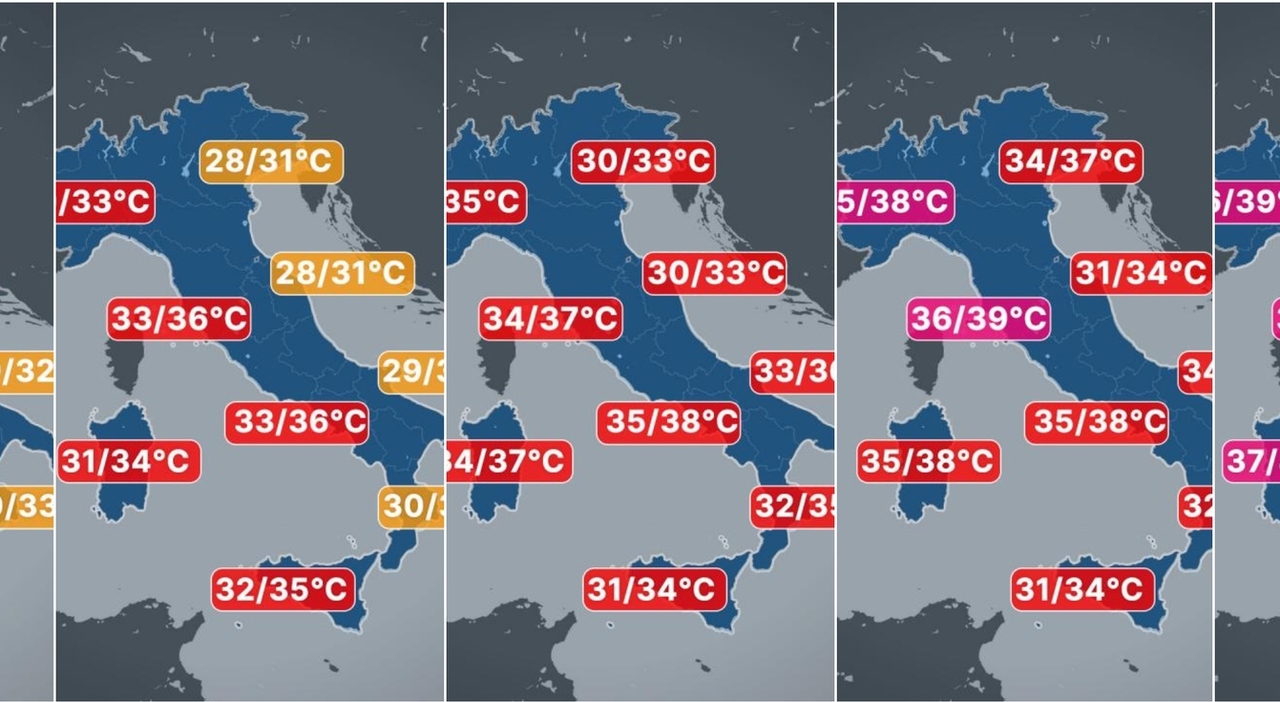
La quarta ondata di caldo del 2026, prevista per il Sud Italia, si preannuncia particolarmente intensa, con temperature che potrebbero raggiungere i 40 gradi, coincidendo con il periodo statisticamente più caldo dell'anno. #CaldoEstivo #QuartaOndada #Temperatura40Gradi

Quarta ondata di caldo in arrivo (ancora più intensa), temperature fino a 40 gradi: ecco dove e quando, la rimonta dell'anticlone africano
Marco M.M. Jul 24

No, non servivano felpe e giubbotti. Serviva uscire dalla morsa del caldo più pesante e questo è successo. Guardando le temperature minime della notte appena trascorsa, il calo termico si vede bene, in molte zone i valori sono stati mediamente fino a 5-6°C più bassi rispetto a qualche giorno fa. Le propaggini dell’anticiclone subtropicale continentale resistono ancora su Sardegna, Sicilia occidentale e su alcuni settori tirrenici, dove l’attenuazione del caldo risulta più smorzata ma sul resto del Paese il calo c’è stato, esattamente come previsto. Qualche dato aiuta più di tante impressioni: 17°C a Bolzano 18°C a Venezia e Pescara 19°C a Bologna 20°C a Milano, Perugia, Bari e Ancona 21°C a Torino e Firenze 23°C a Roma 24°C a Napoli e Cagliari 26°C a Palermo La differenza tra il lato centro-orientale della Penisola e quello occidentale si nota bene, più fresco e ventilato lungo il versante adriatico, più resistente il caldo sulle due Isole Maggiori e su parte delle regioni tirreniche centrali. La prossima notte sarà particolarmente piacevole sopratutto sui settori adriatici centro-meridionali, zone interne del centro-sud e sulle zone ioniche. Qualcuno forse si aspettava un clima da settembre inoltrato, ma siamo nella terza decade di luglio e statisticamente siamo dentro il periodo più caldo dell’anno, quello che va grossomodo dal 10 luglio a metà agosto. L’anomalia non è tanto avere caldo adesso, l’anomalia è stata l’intensità del caldo delle settimane precedenti, che ci ha fatto arrivare a questa fase già stanchi, provati e con una percezione esasperata di ogni giornata estiva. L’aria è cambiata, l’afa si è attenuata su molte zone e le notti, dove il ricambio è arrivato meglio, sono tornate più respirabili. Ora seguiremo l’evoluzione atmosferica dei prossimi giorni e delle prossime settimane, senza salti in avanti inutili, passo dopo passo e dato dopo dato. #Meteo #Caldo #Temperature

Stirile ProTV Jul 23

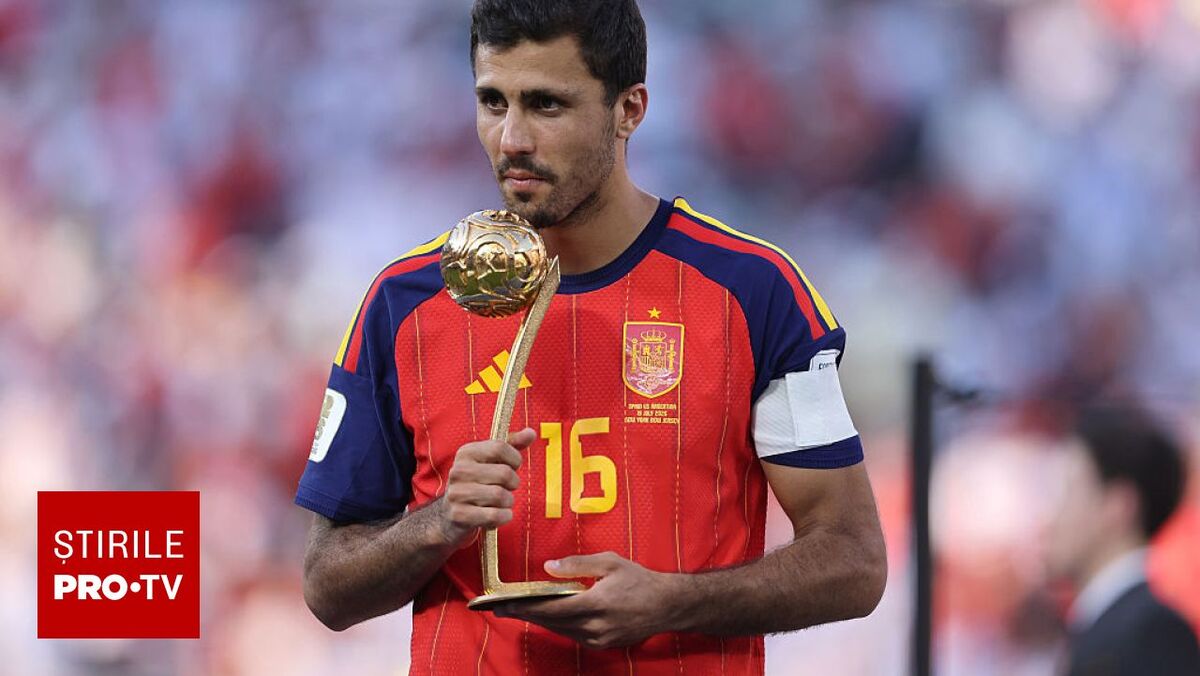
Federatia Internațională de Istorie și Statistică a Fotbalului (IFFHS) l-a desemnat pe Lionel Messi drept cel mai bun jucător al Campionatului Mondial 2026, contestând decizia FIFA de a-i atribui acest titlu mijlocașului spaniol Rodri, argumentând că performanțele constante și impactul decisiv al lui Messi în fazele eliminatorii justifică acest verdict bazat pe analize statistice riguroase. #CampionatulMondial #LionelMessi #IFFHS

Nu a fost Rodri cel mai bun. Pe cine indică statisticile drept MVP al Campionatul Mondial. „Verdictul este unul clar”
Marco M.M. Jul 20

Tra il 26 e il 29 luglio potrebbe aprirsi una nuova finestra dinamica. Dopo il ridimensionamento del caldo di questa settimana, gli ultimi aggiornamenti iniziano a mostrare un segnale interessante per la parte finale del mese, il possibile ingresso di una saccatura atlantica verso l’Italia. È ancora una tendenza, non una previsione definitiva e serviranno i prossimi 2 giorni per capire se lo scenario verrà confermato e con quale traiettoria. Se però questa evoluzione dovesse andare in porto, potremmo avere un ulteriore fase con temperature più gradevoli e un ritorno delle piogge su parte del Paese. Il dato rilevante è soprattutto il periodo, tra terza decade di luglio e prima decade di agosto siamo statisticamente nel cuore più caldo dell’anno. Ogni giorno sottratto al dominio anticiclonico, in questa fase, ha quindi un peso meteorologico non trascurabile. Prima il calo del caldo, poi forse un’ulteriore fase più dinamica. Per ora il segnale c’è. La conferma, come sempre, dovrà arrivare dai prossimi aggiornamenti. #MeteoItalia #Clima #PrevisioniMeteo