BETA nonprofit public democratic european moderated

Search

#wikipedia

The author wrote that Martin Jäger had been unknown to him until ten minutes prior and is currently being treated as a top story by all public media. Jäger had obtained a degree as "Master of Arts" at LMU Munich in 1994, although this degree was not awarded there that year, he claimed and asked if it was a translation error. In conclusion, he referred to Wikipedia. https://t.co/2hhObWGPIo #Jäger #Bildung #Forschung #DE (translated)

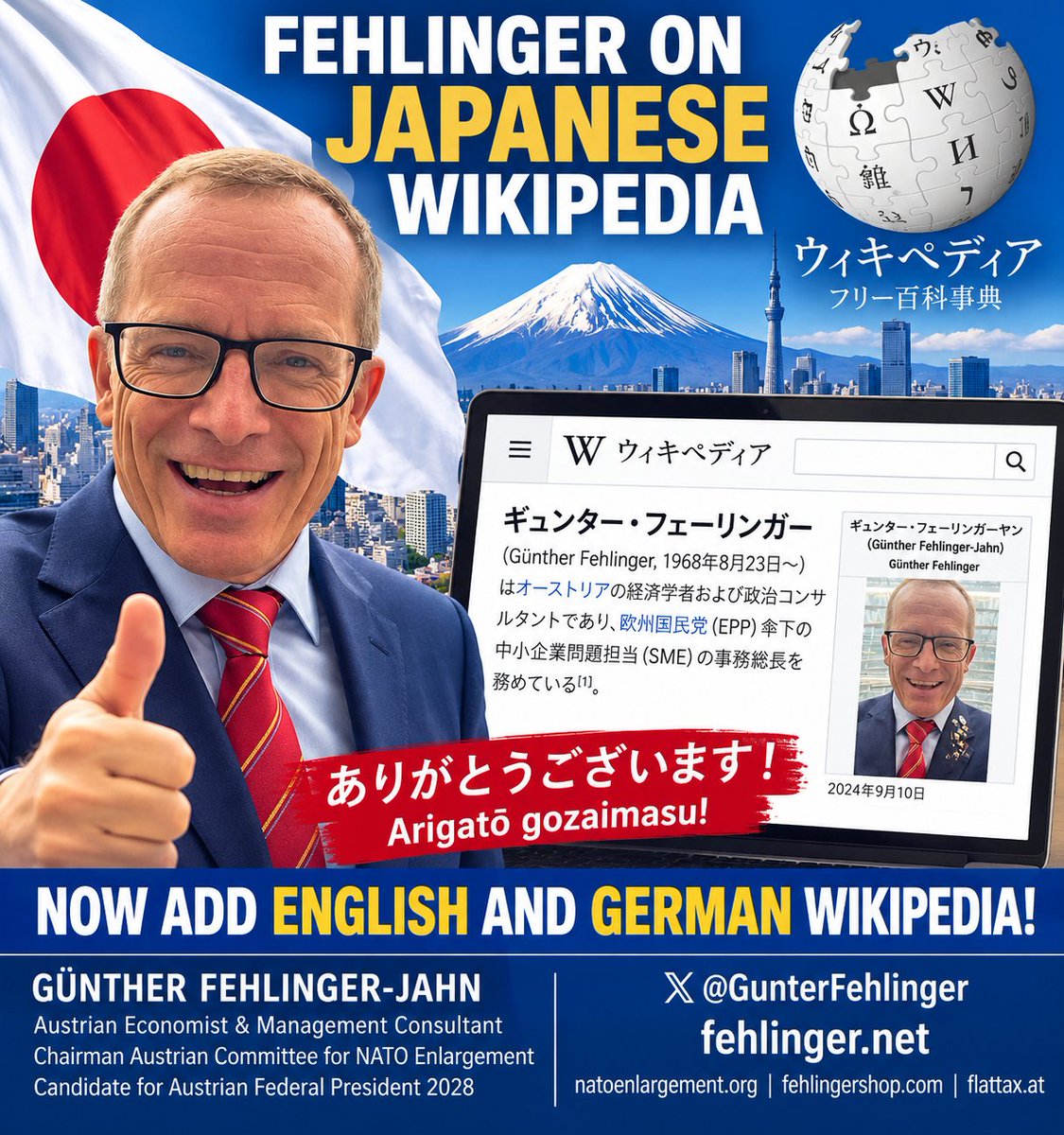
The author said they were proud and grateful that their work had been documented on Japanese Wikipedia. They wrote that Europe and the democratic world should stand together in support of freedom, security, NATO and EU enlargement, and a strong transatlantic relationship. https://t.co/jGKr5kFDe4 #日本 #自由 #国際関係 #JP #AT

ANSA.it 5d

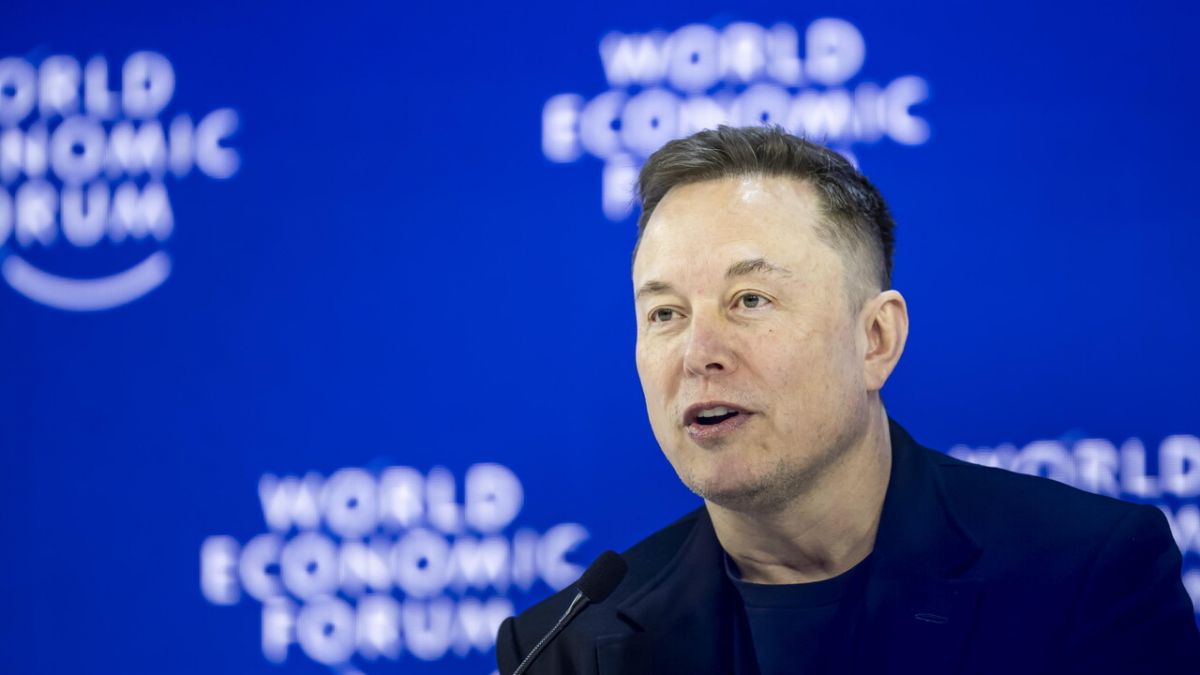
After a period of inactivity, Grokipedia, Elon Musk's AI-based encyclopedia, returns online with a renewed design and new features, challenging Wikipedia and publishing content exclusively generated by AI. #Grokipedia #ElonMusk #IntelligenzaArtificiale (translated)

Si aggiorna Grokipedia, la risposta di Musk a Wikipedia rimasta ferma per mesi

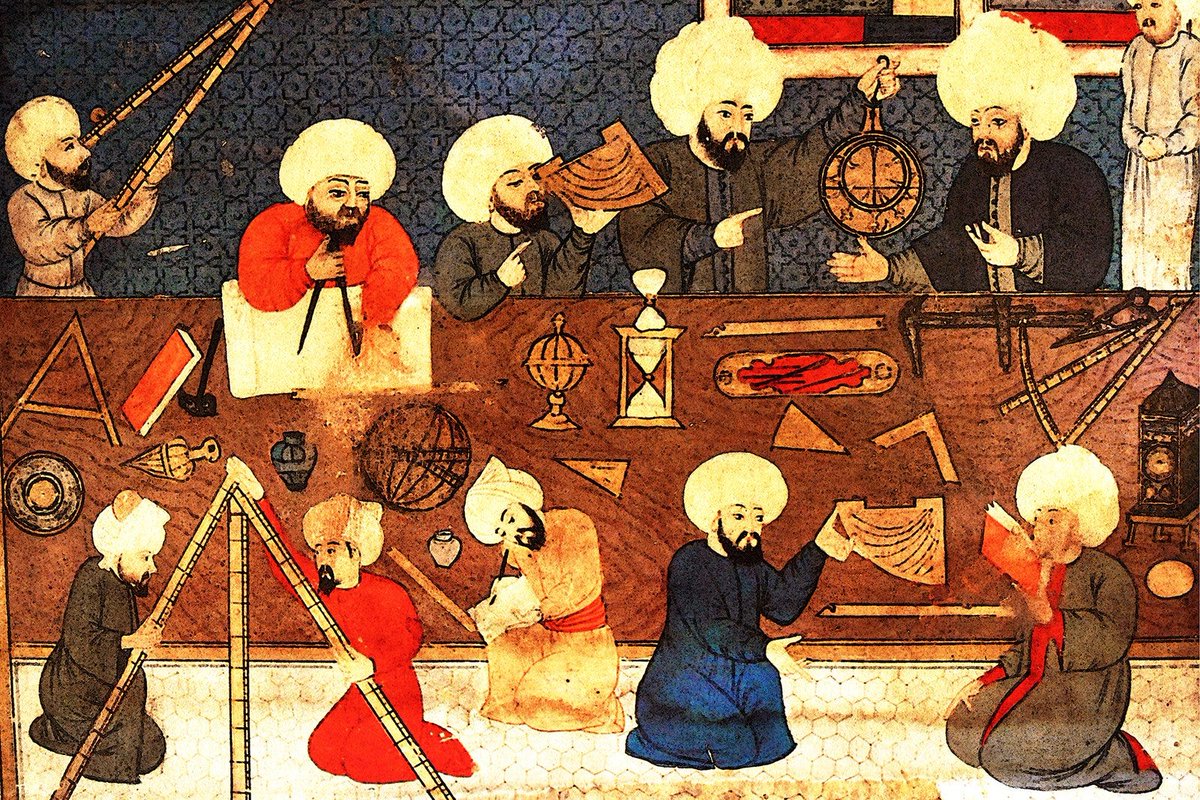
Wikipedia: From 2005 to 2012, the contributor Jagged_85 vandalized thousands of pages to attribute as many inventions as possible to Muslims and the Islamic Golden Age. Even today, many misled academics repeat his fabrications. https://t.co/wnu5fBPIda https://t.co/QYPnLZb761 #Wikipédia #Histoire #Vandalisme (translated)

“Non è abbastanza affidabile per scrivere articoli, può forse individuare potenziali errori e segnalarli alla nostra attenzione”Al momento, comunque, “non abbiamo avuto problemi seri e quindi non abbiamo realmente messo in campo misure specifiche. La comunità controlla tutto ciò che viene inserito” ha rassicurato Wales. #IntelligenzaArtificiale #Wikipedia #JimmyWales

Il fondatore di Wikipedia Jimmy Wales avverte: “AI non è abbastanza affidabile per scrivere articoli”
www.ilfattoquotidiano.it

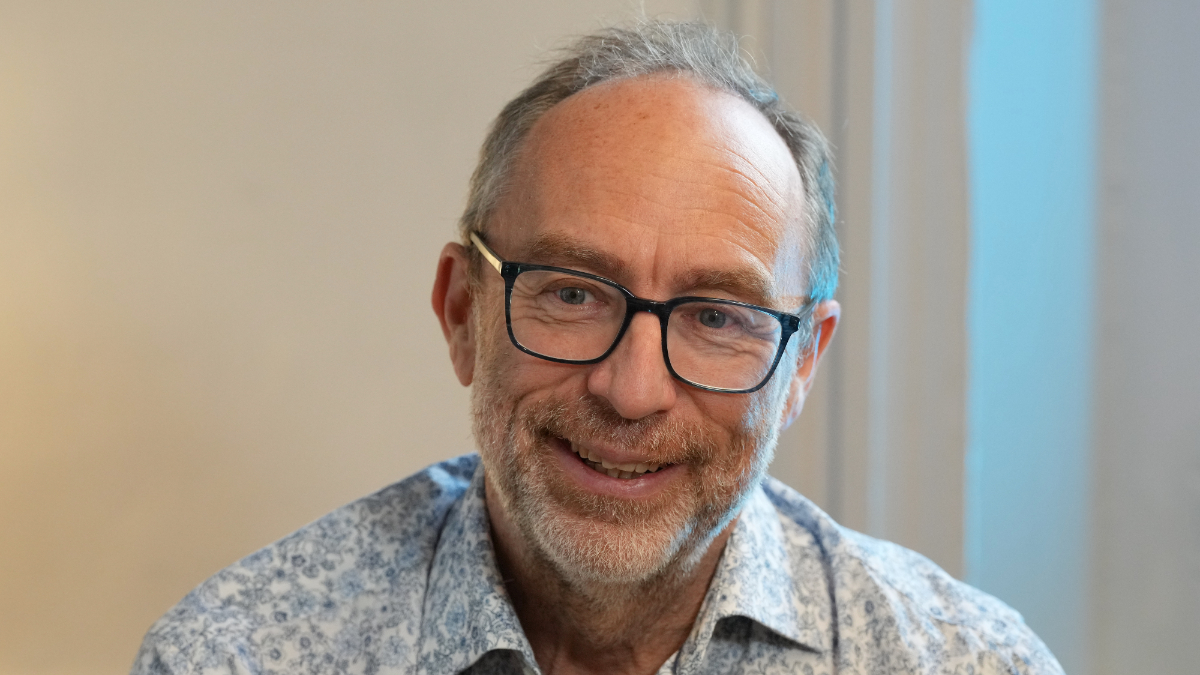
Il fondatore di Wikipedia, Jimmy Wales, ha dichiarato che l'intelligenza artificiale non è sufficientemente affidabile per scrivere articoli dell'enciclopedia e ha avvertito sui rischi di una sua eccessiva integrazione nel processo di creazione dei contenuti. #IntelligenzaArtificiale #Wikipedia #JimmyWales

Il fondatore di Wikipedia Jimmy Wales avverte: “AI non è abbastanza affidabile per scrivere articoli”

“AI non è abbastanza affidabile per scrivere articoli”Il fondatore di Wikipedia Jimmy Wales avverte: “AI non è abbastanza affidabile per scrivere articoli” di Redazione Cronaca (2) #Carburanti #Benzina #Eni

Tetto Eni ai carburanti: automobili in coda e distributori esauriti in diverse città
www.ilfattoquotidiano.it

Wikipedia comenzó a contratar decenas de artistas y animadores humanos para convertir sus artículos en videos. ❤️ https://t.co/JpBRG0K8Eq #wikipedia #artistas #videos

Wikipedia must protect open knowledge from political manipulation. My own English Wikipedia article was nominated for deletion by the account “Srpska1992.” During the deletion discussion, concerns were raised about possible off-platform coordination and political motivation. The https://t.co/npJuAvL3gB #Wikipedia #OpenKnowledge #Censorship #RS

Passend zur Medienkampagne bei WELT, Nius und co. ist der Wikipedia Artikel von Clara von Nathusius seit gestern gelöscht und auch nicht mehr im Internet-Archiv vorhanden. Warum? Damit beschäftigen wir uns morgen. Gute Nacht 🗽! https://t.co/01aLNSxJrz #ClaraVonNathusius #Medienkampagne #Wikipedia #DE

Seit den Terroranschlägen vom 11. September 2001 – kurz 9/11 - sind genau 25 Jahre vergangen. Ich finde es erstaunlich, dass es nach so langer Zeit weiterhin verboten ist zu sagen, dass WTC7 gesprengt wurde. Wer das trotzdem sagt, wird von den Mainstreammedien diffamiert und erhält einen schlechten Wikipedia-Artikel. Mir ist das egal. Ich lasse mich nicht einschüchtern. Ich bin der festen Überzeugung, dass WTC7 gesprengt wurde. Dies wiederum bedeutet, dass wir nie ehrlich über 9/11 informiert wurden. Der Krieg gegen Afghanistan, der am 7. Oktober 2001 begann und 20 Jahre dauerte, basiert auf einer Lüge. Die grossen Medienmarken New York Times, Guardian, ARD, ZDF, SRF, ORF, BBC, Spiegel haben zu 9/11 total versagt. Sie haben uns erzählt, dass US-Präsident Bush und Vizepräsident Cheney damals die Wahrheit gesagt haben. Doch das stimmt nicht. Bush und Cheney haben die Welt angelogen. Wie 2003 mit der Geschichte mit den ABC-Waffen vor dem illegalen Angriff auf Irak. Es gab keine ABC-Waffen, auch der Irakkrieg basiert auf einer Lüge. Die meisten Menschen glauben, beeindruckt durch das Fernsehen, dass am 11. September 2001 in New York nur zwei hohe Türme eingestürzt sind. Aber das stimmt nicht, es waren drei. Nämlich die bekannten je 415 Meter hohen Zwillingstürme WTC1 und WTC2 sowie das 186 Meter hohe WTC7. Im Unterschied zu den Zwillingstürmen war WTC7 zuvor nicht durch ein Flugzeug getroffen worden. Trotzdem stürzte die massive Stahlskelettkonstruktion in nur sieben Sekunden um 17:20 Uhr ein. Das war rätselhaft. Der Einsturz von WTC7 setzte plötzlich ohne erkennbare Vorzeichen ein und erfolgte vollständig in den eigenen Grundriss. In England sorgte damals Reporterin Jane Stanley von BBC, die am Tag der Anschläge live aus New York über den Einsturz von WTC7 berichtete, für Verwirrung. Sie berichtete am 11. September 20 Minuten zu früh über den Einsturz von WTC7, das Gebäude stand noch und war hinter ihr klar zu sehen. »Das war ein Fehler«, räumte Jane Stanley 2008 ein. Warum berichtete BBC zu früh? Das sollte jeden zum Nachdenken anregen. Der Einsturz von WTC7 kann nur zwei mögliche Ursachen haben: Feuer oder kontrollierte Sprengung. Während der ersten zweieinviertel Sekunden fiel WTC7 mit seinen 47 Stockwerken im freien Fall, also ohne jeden Widerstand mit Erdbeschleunigung nach unten. WTC7 war ein solider Stahlskelettbau mit insgesamt 81 starken senkrechten Säulen, 57 verliefen entlang der Außenseiten, 24 Säulen bildeten den Kern. Wie kann ein Stahlskelettbau plötzlich in den freien Fall übergehen? Meiner Ansicht nach geht das nur durch Sprengung. Fazit: Wir wurden zu 9/11 angelogen. #911 #WTC7 #Lügen

Kurier 4w

Der Artikel warnt vor der Manipulation von Wikipedia-Artikeln durch Islamisten in Österreich, die subtile Änderungen vornehmen, um islamistische Narrative zu verbreiten, was durch KI-Technologien weiter verstärkt wird. #Islamismus #WikipediaManipulation #Extremismus

Wie Islamisten auch in Österreich Wikipedia manipulieren
H

“The Clinton Parameters, proposed by U.S. President Bill Clinton on December 23, 2000, represented a significant attempt to resolve the Israeli–Palestinian conflict by outlining a framework for a final-status agreement (Podeh, 2015). These parameters were introduced following the failure of the Camp David Summit earlier that year and aimed to address the core issues of territory, Jerusalem, refugees, and security (U.S. Department of State, 2000). While the parameters provided a comprehensive proposal, they were met with mixed reactions and ultimately did not lead to a lasting resolution (Ross, 2004; Wikipedia, 2025a). The Clinton Parameters proposed the establishment of a Palestinian state comprising 94–96% of the West Bank and all of Gaza, while Israel would annex approximately 4–6% of the West Bank, incorporating settlement blocs containing about 80% of the settler population, and compensate Palestinians with 1–3% of Israeli territory through land swaps to ensure territorial contiguity (Clinton, 2000; Podeh, 2015). Regarding Jerusalem, the proposal suggested a division of sovereignty, with Arab neighborhoods under Palestinian control and Jewish neighborhoods under Israeli control. The Old City would be jointly administered, the Western Wall under Israeli sovereignty, and the Temple Mount/Haram al-Sharif under Palestinian sovereignty, with shared arrangements for religious access (Wikipedia, 2025a). Palestinian refugees would have limited options for return, primarily to the new state, with a small number potentially allowed into Israel, and compensation would be facilitated through international mechanisms (Wikipedia, 2025a). Security arrangements included a demilitarized Palestinian state, a temporary Israeli presence in the Jordan Valley, and international oversight (Clinton, 2000). The agreement was intended to mark the end of the conflict, with both parties renouncing further claims and the UN endorsing the settlement (Wikipedia, 2025b). While Israel accepted the parameters with reservations, the Palestinian leadership did not formally agree, citing concerns over sovereignty, refugees, and borders. Subsequent negotiations, including the Taba Summit in January 2001, came close to an agreement, but the outbreak of the Second Intifada and the change in U.S. administration prevented a final resolution (Podeh, 2015). Despite this, the Clinton Parameters remain a key reference in discussions on Israeli–Palestinian peace, illustrating both the possibilities and challenges of achieving a lasting solution (Ross, 2004)” - ChatGPT

Gospod Karlo K. Polak, "urednik za politiko" na #wiki, ki ga osebno sicer ne poznam, mi je prijazno sporočil, da ima #UraResnice tudi svoj profil na wikipedii (več: https://t.co/djFrhPfdUR). (na priloženi fotografiji zgodovinski selfi, narejen po snemanju premierne oddaje, daljnega 5. februarja 2025: @EdvardKadic, #MiranVidetič in moja malenkost) #politika #Wikipedia #UraResnice

Elon Musk cita L'«Edicola Teatro» di Foyer'97 Francesco Gravino di San Severo nella sua Enciclopedia, Grokipedia SOURCE: https://www.linkedin.com/pulse/elon-musk-cita-ledicola-teatro-di-foyer97-francesco-sardella-ph-d--ps9if/ Il format della compagnia pugliese Foyer '97 — già definito "il teatro più piccolo del mondo" — conquista la ribalta internazionale dell'intelligenza artificiale. Una storia nata da un'edicola abbandonata in provincia di Foggia che sta valicando ogni confine. È un vero piacere e un onore diffondere la brillante idea del direttore artistico del Teatro ‘97, il brillante attore e regista sanseverese, Francesco Gravino, e la sua ragguardevole compagnia teatrale, nel guadagnare visibilità internazionale su questa meravigliosa e innovativa creazione: un “Teatro Edicola”. Source: https://grokipedia.com/page/Teatro_Edicola Bastano pochi metri quadrati, sei sedie e la passione di una compagnia teatrale per fare la storia. L'«Edicola Teatro» di Francesco Gravino, direttore artistico della storica compagnia sanseverese Foyer '97, ha ottenuto un riconoscimento che pochi progetti culturali italiani possono vantare: una voce enciclopedica tutta sua all'interno di Grokipedia, l'enciclopedia digitale basata sull'intelligenza artificiale lanciata da Elon Musk nel novembre 2025 attraverso la sua società xAI. Grokipedia è stata presentata come alternativa diretta a Wikipedia, alimentata dall'intelligenza artificiale Grok, con contenuti generati e aggiornati automaticamente dal modello linguistico sviluppato da xAI. La piattaforma conta oggi oltre 885.000 articoli nella sua versione 0.1 e Musk ha già annunciato futuri aggiornamenti, lasciando intendere un'espansione rapida grazie alle capacità di generazione automatica del sistema. Il fatto che tra le voci indicizzate figuri ora anche l'«Edicola Teatro» della città di San Severo in provincia di Foggia è, a tutti gli effetti, un riconoscimento dell'impatto culturale e mediatico che il progetto di Francesco Gravino e della sua compagnia teatrale di San Severo Foyer'97ha saputo generare in pochissimo tempo. Un'edicola abbandonata, un teatro da record È stato già ribattezzato «il teatro più piccolo del mondo» e, con soli sei posti a sedere, forse punta al Guinness dei Primati. Da quando è stata lanciata, pochi giorni fa, l'originale location ha raccolto centinaia di curiosi che si sono messi in fila per assistere agli spettacoli, programmati ogni 15 minuti, all'interno di una ex edicola abbandonata di San Severo, in provincia di Foggia. L'iniziativa è nata dalla particolare visione della storica compagnia sanseverese Foyer '97 di Francesco Gravino, che ha voluto così celebrare la Giornata Mondiale del Teatro con un esperimento senza precedenti, già ripreso da tantissimi media di respiro anche nazionale. L'idea, apparentemente semplice nella sua folgorante essenzialità, cela in realtà una riflessione profonda sulla natura del fare teatro. «L'idea del Teatro più piccolo del mondo nasce da una provocazione creativa: riportare il teatro alla sua essenza più diretta. Con gli altri della compagnia ci siamo chiesti quanto si potesse ridurre lo spazio senza perdere intensità, e l'edicola è diventata il simbolo perfetto: un luogo che improvvisamente si trasforma in un palcoscenico. Da spazio di notizie a spazio di emozioni», ha spiegato Gravino. La compagnia teatrale Foyer '97 opera dal 1997 e ha sede a San Severo. Il prossimo anno compirà 30 anni di attività. Un anniversario che si avvicina nel momento di maggiore visibilità della sua storia. Il format: sedici giganti della letteratura in quindici minuti Con soli 6 posti disponibili per volta e performance che si susseguono ogni 15 minuti, il pubblico viene letteralmente catapultato dentro l'opera. Dalle 11:00 alle 20:45, undici attori si alternano portando in scena i giganti della letteratura: da Goldoni a Cechov, passando per l'ironia di Gaber e la forza di Euripide. All'interno del piccolo teatro ricavato dall'ex-edicola dismessa di proprietà del signor Pino Grau, non esiste la classica separazione tra il palco e la platea, ma si verifica un incontro ravvicinato in cui spettatori e attori diventano una cosa sola. L'ingresso è libero, a rispecchiare l'obiettivo di Gravino: puntare all'accessibilità del teatro, un luogo che deve tornare ad accogliere tutti. Sulla soglia dell'edicola, un QR code e un avviso sibillino sintetizzano lo spirito del progetto: «Attenzione. Questo QR Code trasforma i passanti in attori. Scansiona solo se sei pronto.» Dalla crisi dell'editoria alla rinascita culturale Il progetto porta con sé anche una riflessione sulla trasformazione urbana e sulla crisi del commercio tradizionale. L'edicola era in disuso da circa sei anni e si trasforma così in uno spazio scenico intimo e sorprendente nel quale tra gli attori e gli spettatori c'è meno di un metro di distanza. In un momento in cui le edicole nel centro di paesi e città si trasformano via via in chioschi di bibite e granite e in negozi di fiori o souvenir, l'Edicola Teatro si avvicina di più allo spirito di conoscenza con il quale nacquero come luoghi di vendita di giornali e libri. Un cortocircuito simbolico quanto mai eloquente: un presidio della cultura scritta che diventa presidio della cultura dal vivo. L'idea nasce prendendo spunto da Edicola Fiore, la trasmissione cult di Fiorello, che per primo aveva portato lo spettacolo all'interno di un'edicola di Roma. Gravino e i suoi hanno anche raccolto l'invito di Willem Dafoe, celebre attore e attuale direttore del settore Teatro della Biennale di Venezia, sull'importanza del teatro come elemento di coesione tra i popoli. La voce su Grokipedia: il salto di scala globale L'indicizzazione del progetto su Grokipedia rappresenta qualcosa di più di un semplice riconoscimento mediatico. Grokipedia è stata lanciata nell'ottobre 2025 come enciclopedia generata dall'AI, gestita da xAI, la società di ricerca sull'intelligenza artificiale fondata dallo stesso Musk. Il fatto che il motore di conoscenza di Grok abbia ritenuto l'«Edicola Teatro» degna di una voce enciclopedica autonoma, alla stregua di un'istituzione culturale consolidata, certifica l'eco internazionale di un'idea nata in una via secondaria di una città del Sud Italia. L'obiettivo è ora quello di esportare il format anche oltre i confini della Puglia: con il riconoscimento di Grokipedia, quella prospettiva appare oggi più concreta che mai. Il plauso delle istituzioni locali «Esprimiamo a Franco Gravino ed a tutti gli attori ed artisti i nostri più sentiti rallegramenti per la bellissima iniziativa», hanno dichiarato il sindaco Lidya Colangelo e la vicesindaca con delega alla Cultura, Anna Paola Giuliani. L'amministrazione comunale ha annunciato di voler ricevere la compagnia a Palazzo Celestini per celebrare insieme il risultato. La reazione del pubblico è stata forse la parte più bella. Molti sono usciti con gli occhi lucidi o con il sorriso sospeso, come se avessero vissuto qualcosa di segreto. È questo il teatro che Francesco Gravino e Foyer '97 hanno scelto di fare: non quello che aspetta il pubblico su poltrone di velluto, ma quello che va a cercarlo per strada, lo sorprende, lo trasforma. E adesso, anche un'enciclopedia alimentata dall'intelligenza artificiale ne ha, finalmente, preso atto.

Elon Musk cita L'«Edicola Teatro» di Foyer'97 Francesco Gravino di San Severo nella sua Enciclopedia, Grokipedia

Elon Musk cites the “Edicola Teatro” of Foyer '97 by Francesco Gravino of San Severo in his own encyclopaedia, Grokipedia SOURCE: https://www.linkedin.com/pulse/elon-musk-cites-edicola-teatro-foyer-97-francesco-san-sardella-ph-d--jvudf/ The format devised by the San Severo-based theatre company Foyer ’97 — already described as “the smallest theatre in the world” — is now capturing the international spotlight in the field of artificial intelligence. A story that began with an abandoned news kiosk in the province of Foggia is now crossing every border. It is both a pleasure and an honour to help disseminate the brilliant idea of the artistic director of Teatro ’97, the distinguished actor and director from San Severo, Francesco Gravino, together with his remarkable theatre company, as they gain international visibility for this marvellous and innovative creation: a true “Teatro Edicola”. Source: https://grokipedia.com/page/Teatro_Edicola It takes only a few square metres, six chairs, and the passion of a theatre company to make history. The “Edicola Teatro” created by Francesco Gravino, artistic director of the historic San Severo‑based company Foyer ’97, has achieved a distinction that few Italian cultural projects can claim: its own dedicated entry within Grokipedia, the AI‑driven digital encyclopaedia launched by Elon Musk in November 2025 through his company xAI. Grokipedia has been presented as a direct alternative to Wikipedia, powered by the Grok artificial intelligence system, with content generated and updated automatically by the language model developed by xAI. The platform currently hosts more than 885,000 articles in its 0.1 version, and Musk has already announced future updates, hinting at rapid expansion thanks to the system’s automatic generation capabilities. The fact that the “Edicola Teatro” of San Severo, in the province of Foggia, now appears among the indexed entries is, in every respect, a recognition of the cultural and media impact that the project conceived by Francesco Gravino and his theatre company Foyer ’97 has managed to generate in such a short time. An abandoned kiosk, a record‑breaking theatre It has already been dubbed “the smallest theatre in the world” and, with only six seats, may well be aiming for a Guinness World Record. Since its launch just a few days ago, the unusual venue has attracted hundreds of curious visitors who have queued to attend the performances, scheduled every fifteen minutes, inside a former abandoned news kiosk in San Severo, in the province of Foggia. The initiative stems from the distinctive vision of the long‑established San Severo company Foyer ’97, led by Francesco Gravino, who wished to celebrate World Theatre Day with an unprecedented experiment that has already been picked up by numerous media outlets, including national ones. The idea, seemingly simple in its striking essentiality, in fact conceals a profound reflection on the nature of theatre‑making. “The idea of the smallest theatre in the world was born from a creative provocation: to bring theatre back to its most direct essence. Together with the rest of the company, we asked ourselves how far the space could be reduced without losing intensity, and the kiosk became the perfect symbol: a place that suddenly transforms into a stage. From a space of news to a space of emotion,” Gravino explained. The theatre company Foyer ’97 has been active since 1997 and is based in San Severo. Next year it will celebrate its thirtieth anniversary—an occasion approaching at the moment of greatest visibility in its history. The format: sixteen giants of literature in fifteen minutes With only six seats available at a time and performances running every fifteen minutes, the audience is quite literally immersed in the work. From 11:00 to 20:45, eleven actors take turns bringing to life the giants of literature: from Goldoni to Chekhov, via the wit of Gaber and the power of Euripides. Inside the tiny theatre carved out of the disused kiosk owned by Mr Pino Grau, there is no traditional separation between stage and audience; instead, an intimate encounter takes place in which spectators and actors become one. Admission is free, reflecting Gravino’s aim: to champion accessibility in theatre, a place that must once again welcome everyone. On the kiosk’s threshold, a QR code and a cryptic notice encapsulate the spirit of the project: “Warning. This QR Code turns passers‑by into actors. Scan only if you are ready.” From the crisis of print media to cultural rebirth The project also carries a reflection on urban transformation and the decline of traditional retail. The kiosk had been abandoned for around six years and has now been transformed into an intimate and surprising performance space in which less than a metre separates actors and audience. At a time when kiosks in town centres are increasingly converted into drink stands, flower stalls, or souvenir shops, the Edicola Teatro comes closer to the original spirit of knowledge with which they were conceived—as places for the sale of newspapers and books. A symbolic short circuit of remarkable eloquence: a bastion of written culture becoming a bastion of live culture. The idea draws inspiration from Edicola Fiore, the cult programme by Fiorello, who was the first to bring performance into a Roman news kiosk. Gravino and his team have also embraced the call of Willem Dafoe, the renowned actor and current director of the Theatre section of the Venice Biennale, on the importance of theatre as a force for cohesion among peoples. The Grokipedia entry: a leap to global scale The project’s inclusion in Grokipedia represents more than a simple media acknowledgement. Grokipedia was launched in October 2025 as an AI‑generated encyclopaedia managed by xAI, the artificial intelligence research company founded by Musk himself. The fact that Grok’s knowledge engine deemed the “Edicola Teatro” worthy of an autonomous encyclopaedic entry—on a par with established cultural institutions—confirms the international resonance of an idea born in a side street of a southern Italian town. The aim is now to export the format beyond the borders of Apulia: with Grokipedia’s recognition, that prospect appears more tangible than ever. Praise from local institutions “We extend our warmest congratulations to Franco Gravino and to all the actors and artists for this wonderful initiative,” declared Mayor Lidya Colangelo and Deputy Mayor for Culture Anna Paola Giuliani. The municipal administration has announced its intention to welcome the company to Palazzo Celestini to celebrate the achievement together. The audience’s reaction has perhaps been the most beautiful aspect. Many emerged with glistening eyes or a suspended smile, as though they had experienced something secret. This is the kind of theatre that Francesco Gravino and Foyer ’97 have chosen to pursue: not the theatre that waits for its audience on velvet seats, but the theatre that goes out to find them in the street, surprises them, transforms them. And now, even an encyclopaedia powered by artificial intelligence has, at last, taken note.

Elon Musk cites the “Edicola Teatro” of Foyer '97 by Francesco Gravino of San Severo in his own encyclopaedia, Grokipedia

Elon Musk cita L’«Edicola Teatro» di Foyer’97 Francesco Gravino di San Severo nella sua Enciclopedia, Grokipedia SOURCE: https://www.lagazzettadisansevero.it/elon-musk-cita-ledicola-teatro-di-foyer97-francesco-gravino-di-san-severo-nella-sua-enciclopedia-grokipedia/ Il format della compagnia pugliese Foyer ’97 — già definito “il teatro più piccolo del mondo” — conquista la ribalta internazionale dell’intelligenza artificiale. Una storia nata da un’edicola abbandonata in provincia di Foggia che sta valicando ogni confine. È un vero piacere e un onore diffondere la brillante idea del direttore artistico del Teatro ’97, il brillante attore e regista sanseverese, Francesco Gravino, e la sua ragguardevole compagnia teatrale, nel guadagnare visibilità internazionale su questa meravigliosa e innovativa creazione: un “Teatro Edicola”. Source: https://grokipedia.com/page/Teatro_Edicola Bastano pochi metri quadrati, sei sedie e la passione di una compagnia teatrale per fare la storia. L’«Edicola Teatro» di Francesco Gravino, direttore artistico della storica compagnia sanseverese Foyer ’97, ha ottenuto un riconoscimento che pochi progetti culturali italiani possono vantare: una voce enciclopedica tutta sua all’interno di Grokipedia, l’enciclopedia digitale basata sull’intelligenza artificiale lanciata da Elon Musk nel novembre 2025 attraverso la sua società xAI. Grokipedia è stata presentata come alternativa diretta a Wikipedia, alimentata dall’intelligenza artificiale Grok, con contenuti generati e aggiornati automaticamente dal modello linguistico sviluppato da xAI. La piattaforma conta oggi oltre 885.000 articoli nella sua versione 0.1 e Musk ha già annunciato futuri aggiornamenti, lasciando intendere un’espansione rapida grazie alle capacità di generazione automatica del sistema. Il fatto che tra le voci indicizzate figuri ora anche l’«Edicola Teatro» della città di San Severo in provincia di Foggia è, a tutti gli effetti, un riconoscimento dell’impatto culturale e mediatico che il progetto di Francesco Gravino e della sua compagnia teatrale di San Severo Foyer’97ha saputo generare in pochissimo tempo. Un’edicola abbandonata, un teatro da record È stato già ribattezzato «il teatro più piccolo del mondo» e, con soli sei posti a sedere, forse punta al Guinness dei Primati. Da quando è stata lanciata, pochi giorni fa, l’originale location ha raccolto centinaia di curiosi che si sono messi in fila per assistere agli spettacoli, programmati ogni 15 minuti, all’interno di una ex edicola abbandonata di San Severo, in provincia di Foggia. L’iniziativa è nata dalla particolare visione della storica compagnia sanseverese Foyer ’97 di Francesco Gravino, che ha voluto così celebrare la Giornata Mondiale del Teatro con un esperimento senza precedenti, già ripreso da tantissimi media di respiro anche nazionale. L’idea, apparentemente semplice nella sua folgorante essenzialità, cela in realtà una riflessione profonda sulla natura del fare teatro. «L’idea del Teatro più piccolo del mondo nasce da una provocazione creativa: riportare il teatro alla sua essenza più diretta. Con gli altri della compagnia ci siamo chiesti quanto si potesse ridurre lo spazio senza perdere intensità, e l’edicola è diventata il simbolo perfetto: un luogo che improvvisamente si trasforma in un palcoscenico. Da spazio di notizie a spazio di emozioni», ha spiegato Gravino. La compagnia teatrale Foyer ’97 opera dal 1997 e ha sede a San Severo. Il prossimo anno compirà 30 anni di attività. Un anniversario che si avvicina nel momento di maggiore visibilità della sua storia. Il format: sedici giganti della letteratura in quindici minuti Con soli 6 posti disponibili per volta e performance che si susseguono ogni 15 minuti, il pubblico viene letteralmente catapultato dentro l’opera. Dalle 11:00 alle 20:45, undici attori si alternano portando in scena i giganti della letteratura: da Goldoni a Cechov, passando per l’ironia di Gaber e la forza di Euripide. All’interno del piccolo teatro ricavato dall’ex-edicola dismessa di proprietà del signor Pino Grau, non esiste la classica separazione tra il palco e la platea, ma si verifica un incontro ravvicinato in cui spettatori e attori diventano una cosa sola. L’ingresso è libero, a rispecchiare l’obiettivo di Gravino: puntare all’accessibilità del teatro, un luogo che deve tornare ad accogliere tutti. Sulla soglia dell’edicola, un QR code e un avviso sibillino sintetizzano lo spirito del progetto: «Attenzione. Questo QR Code trasforma i passanti in attori. Scansiona solo se sei pronto.» Dalla crisi dell’editoria alla rinascita culturale Il progetto porta con sé anche una riflessione sulla trasformazione urbana e sulla crisi del commercio tradizionale. L’edicola era in disuso da circa sei anni e si trasforma così in uno spazio scenico intimo e sorprendente nel quale tra gli attori e gli spettatori c’è meno di un metro di distanza. In un momento in cui le edicole nel centro di paesi e città si trasformano via via in chioschi di bibite e granite e in negozi di fiori o souvenir, l’Edicola Teatro si avvicina di più allo spirito di conoscenza con il quale nacquero come luoghi di vendita di giornali e libri. Un cortocircuito simbolico quanto mai eloquente: un presidio della cultura scritta che diventa presidio della cultura dal vivo. L’idea nasce prendendo spunto da Edicola Fiore, la trasmissione cult di Fiorello, che per primo aveva portato lo spettacolo all’interno di un’edicola di Roma. Gravino e i suoi hanno anche raccolto l’invito di Willem Dafoe, celebre attore e attuale direttore del settore Teatro della Biennale di Venezia, sull’importanza del teatro come elemento di coesione tra i popoli. La voce su Grokipedia: il salto di scala globale L’indicizzazione del progetto su Grokipedia rappresenta qualcosa di più di un semplice riconoscimento mediatico. Grokipedia è stata lanciata nell’ottobre 2025 come enciclopedia generata dall’AI, gestita da xAI, la società di ricerca sull’intelligenza artificiale fondata dallo stesso Musk. Il fatto che il motore di conoscenza di Grok abbia ritenuto l’«Edicola Teatro» degna di una voce enciclopedica autonoma, alla stregua di un’istituzione culturale consolidata, certifica l’eco internazionale di un’idea nata in una via secondaria di una città del Sud Italia. L’obiettivo è ora quello di esportare il format anche oltre i confini della Puglia: con il riconoscimento di Grokipedia, quella prospettiva appare oggi più concreta che mai. Il plauso delle istituzioni locali «Esprimiamo a Franco Gravino ed a tutti gli attori ed artisti i nostri più sentiti rallegramenti per la bellissima iniziativa», hanno dichiarato il sindaco Lidya Colangelo e la vicesindaca con delega alla Cultura, Anna Paola Giuliani. L’amministrazione comunale ha annunciato di voler ricevere la compagnia a Palazzo Celestini per celebrare insieme il risultato. La reazione del pubblico è stata forse la parte più bella. Molti sono usciti con gli occhi lucidi o con il sorriso sospeso, come se avessero vissuto qualcosa di segreto. È questo il teatro che Francesco Gravino e Foyer ’97 hanno scelto di fare: non quello che aspetta il pubblico su poltrone di velluto, ma quello che va a cercarlo per strada, lo sorprende, lo trasforma. E adesso, anche un’enciclopedia alimentata dall’intelligenza artificiale ne ha, finalmente, preso atto.

Elon Musk cita L’«Edicola Teatro» di Foyer’97 Francesco Gravino di San Severo nella sua Enciclopedia, Grokipedia - La Gazzetta di San Severo - News di Capitanata

Elon Musk cites the “Edicola Teatro” of Foyer ’97 by Francesco Gravino of San Severo in his own encyclopaedia, Grokipedia SOURCE: https://www.lagazzettadisansevero.it/elon-musk-cita-ledicola-teatro-di-foyer97-francesco-gravino-di-san-severo-nella-sua-enciclopedia-grokipedia/ The format devised by the San Severo-based theatre company Foyer ’97 — already described as “the smallest theatre in the world” — is now capturing the international spotlight in the field of artificial intelligence. A story that began with an abandoned news kiosk in the province of Foggia is now crossing every border. It is both a pleasure and an honour to help disseminate the brilliant idea of the artistic director of Teatro ’97, the distinguished actor and director from San Severo, Francesco Gravino, together with his remarkable theatre company, as they gain international visibility for this marvellous and innovative creation: a true “Teatro Edicola”. Source: https://grokipedia.com/page/Teatro_Edicola It takes only a few square metres, six chairs, and the passion of a theatre company to make history. The “Edicola Teatro” created by Francesco Gravino, artistic director of the historic San Severo‑based company Foyer ’97, has achieved a distinction that few Italian cultural projects can claim: its own dedicated entry within Grokipedia, the AI‑driven digital encyclopaedia launched by Elon Musk in November 2025 through his company xAI. Grokipedia has been presented as a direct alternative to Wikipedia, powered by the Grok artificial intelligence system, with content generated and updated automatically by the language model developed by xAI. The platform currently hosts more than 885,000 articles in its 0.1 version, and Musk has already announced future updates, hinting at rapid expansion thanks to the system’s automatic generation capabilities. The fact that the “Edicola Teatro” of San Severo, in the province of Foggia, now appears among the indexed entries is, in every respect, a recognition of the cultural and media impact that the project conceived by Francesco Gravino and his theatre company Foyer ’97 has managed to generate in such a short time. An abandoned kiosk, a record‑breaking theatre It has already been dubbed “the smallest theatre in the world” and, with only six seats, may well be aiming for a Guinness World Record. Since its launch just a few days ago, the unusual venue has attracted hundreds of curious visitors who have queued to attend the performances, scheduled every fifteen minutes, inside a former abandoned news kiosk in San Severo, in the province of Foggia. The initiative stems from the distinctive vision of the long‑established San Severo company Foyer ’97, led by Francesco Gravino, who wished to celebrate World Theatre Day with an unprecedented experiment that has already been picked up by numerous media outlets, including national ones. The idea, seemingly simple in its striking essentiality, in fact conceals a profound reflection on the nature of theatre‑making. “The idea of the smallest theatre in the world was born from a creative provocation: to bring theatre back to its most direct essence. Together with the rest of the company, we asked ourselves how far the space could be reduced without losing intensity, and the kiosk became the perfect symbol: a place that suddenly transforms into a stage. From a space of news to a space of emotion,” Gravino explained. Become a Medium member The theatre company Foyer ’97 has been active since 1997 and is based in San Severo. Next year it will celebrate its thirtieth anniversary — an occasion approaching at the moment of greatest visibility in its history. The format: sixteen giants of literature in fifteen minutes With only six seats available at a time and performances running every fifteen minutes, the audience is quite literally immersed in the work. From 11:00 to 20:45, eleven actors take turns bringing to life the giants of literature: from Goldoni to Chekhov, via the wit of Gaber and the power of Euripides. Inside the tiny theatre carved out of the disused kiosk owned by Mr Pino Grau, there is no traditional separation between stage and audience; instead, an intimate encounter takes place in which spectators and actors become one. Admission is free, reflecting Gravino’s aim: to champion accessibility in theatre, a place that must once again welcome everyone. On the kiosk’s threshold, a QR code and a cryptic notice encapsulate the spirit of the project: “Warning. This QR Code turns passers‑by into actors. Scan only if you are ready.” From the crisis of print media to cultural rebirth The project also carries a reflection on urban transformation and the decline of traditional retail. The kiosk had been abandoned for around six years and has now been transformed into an intimate and surprising performance space in which less than a metre separates actors and audience. At a time when kiosks in town centres are increasingly converted into drink stands, flower stalls, or souvenir shops, the Edicola Teatro comes closer to the original spirit of knowledge with which they were conceived — as places for the sale of newspapers and books. A symbolic short circuit of remarkable eloquence: a bastion of written culture becoming a bastion of live culture. The idea draws inspiration from Edicola Fiore, the cult programme by Fiorello, who was the first to bring performance into a Roman news kiosk. Gravino and his team have also embraced the call of Willem Dafoe, the renowned actor and current director of the Theatre section of the Venice Biennale, on the importance of theatre as a force for cohesion among peoples. The Grokipedia entry: a leap to global scale The project’s inclusion in Grokipedia represents more than a simple media acknowledgement. Grokipedia was launched in October 2025 as an AI‑generated encyclopaedia managed by xAI, the artificial intelligence research company founded by Musk himself. The fact that Grok’s knowledge engine deemed the “Edicola Teatro” worthy of an autonomous encyclopaedic entry — on a par with established cultural institutions — confirms the international resonance of an idea born in a side street of a southern Italian town. The aim is now to export the format beyond the borders of Apulia: with Grokipedia’s recognition, that prospect appears more tangible than ever. Praise from local institutions “We extend our warmest congratulations to Franco Gravino and to all the actors and artists for this wonderful initiative,” declared Mayor Lidya Colangelo and Deputy Mayor for Culture Anna Paola Giuliani. The municipal administration has announced its intention to welcome the company to Palazzo Celestini to celebrate the achievement together. The audience’s reaction has perhaps been the most beautiful aspect. Many emerged with glistening eyes or a suspended smile, as though they had experienced something secret. This is the kind of theatre that Francesco Gravino and Foyer ’97 have chosen to pursue: not the theatre that waits for its audience on velvet seats, but the theatre that goes out to find them in the street, surprises them, and transforms them. And now, even an encyclopaedia powered by artificial intelligence has, at last, taken note.

Elon Musk cita L’«Edicola Teatro» di Foyer’97 Francesco Gravino di San Severo nella sua Enciclopedia, Grokipedia - La Gazzetta di San Severo - News di Capitanata