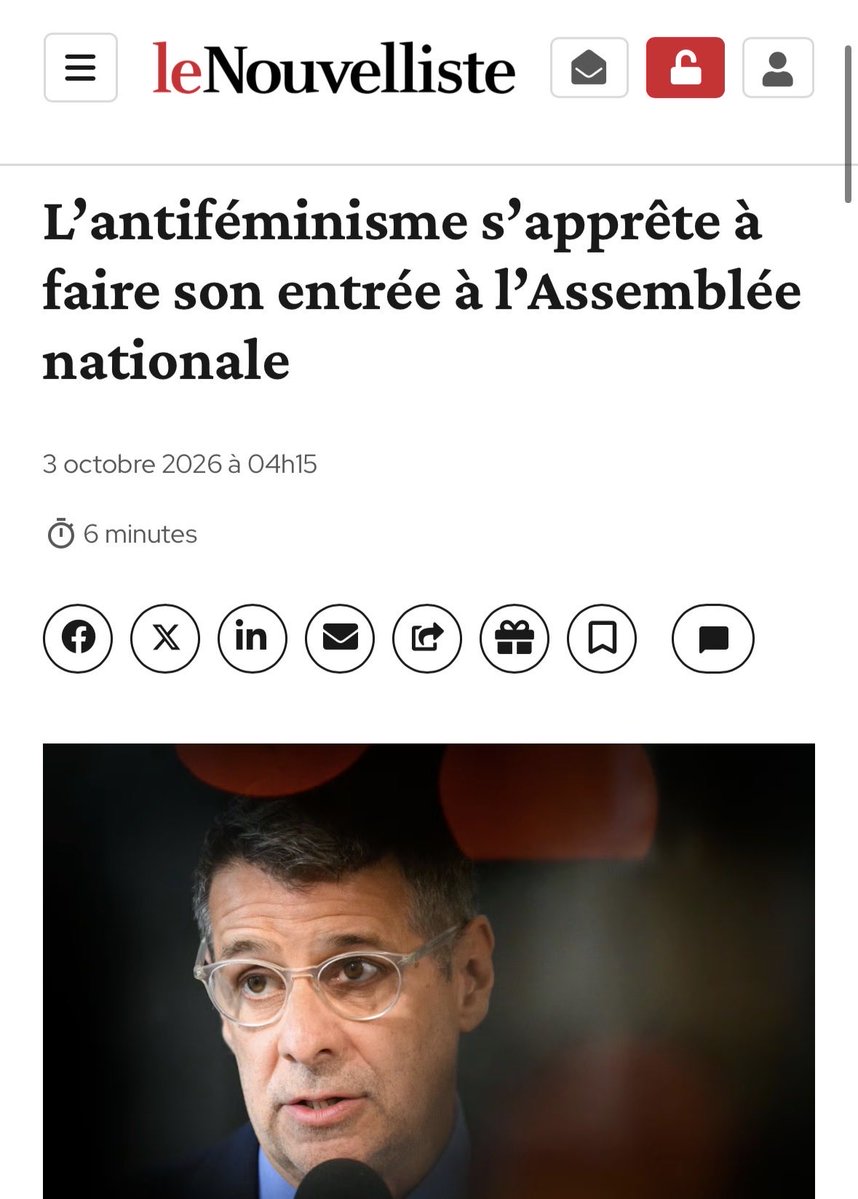
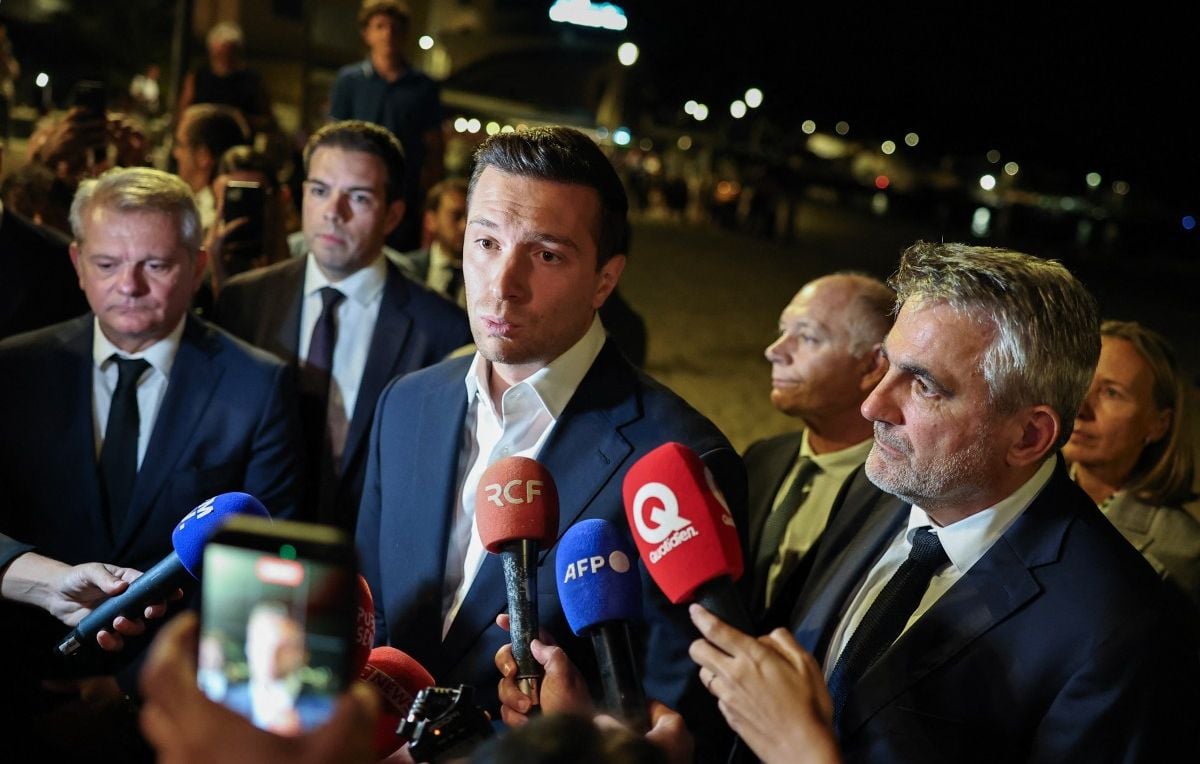
Despite compromising revelations about Jordan Bardella, Marine Le Pen continues her campaign unfazed, convinced that her electorate remains impervious to these controversies and that the National Rally cannot be equated with a conventional party. #RassemblementNational #Populisme #Antisémitisme (translated)
"Last night, the negotiation period in which we were both in Power and in Opposition ended. The President practically pushed us into Opposition. It is a turning point for us. AUR is consistently attacking us, we have disappointed our electorate [...] We will have to show a firm message. Our first response is no," Vasile Dîncu remarked. #PSD #crizapolitică #NicușorDan (translated)
Brazil’s synthetic voters – when AI manufactures public opinion They look like ordinary street interviews. A reporter approaches a passer-by in a Brazilian square and asks a simple question: who will you vote for? A young voter explains why Luiz Inácio Lula da Silva deserves another term. An elderly woman says Brazil needs Flávio Bolsonaro because he represents political renewal and greater security. The locations look plausible, the microphones are visible and the answers sound much like the brief political opinions heard in television vox pops around the world. None of the people are real. Ahead of Brazil’s presidential election on 4 October, fact-checking organisation Aos Fatos identified at least 50 TikTok videos in which artificial intelligence was used to manufacture voters, reporters and apparently spontaneous political interviews. Together, the videos had accumulated around 7.4 million views by mid-August. Some promoted Lula, others Flávio Bolsonaro, while another group used synthetic characters to ridicule or stereotype supporters of one side. Aos Fatos found no apparent evidence linking the accounts producing the videos to either presidential campaign. The opinion poll that never took place The format is important. These were not conventional deepfakes in which a recognisable politician is made to say something he never said. Instead, the creators reproduced the visual language of the vox pop – the short street interview used by broadcasters and social-media creators to illustrate what ordinary people supposedly think. In pro-Lula videos, synthetic voters described themselves as beneficiaries of social programmes or credited the president with improving their lives. In videos supporting Flávio Bolsonaro, artificial interviewees associated him with political renewal, public security and fighting corruption. Other clips were openly hostile: AI-generated characters presented as poor or living in parts of Brazil’s north-east were shown in dirty clothes or run-down surroundings, declaring support for Lula because they supposedly preferred welfare payments to work. The deception is therefore subtler than fabricating a candidate’s statement. It manufactures something that political communication normally treats as evidence of public sentiment. A real vox pop may be unscientific, but the people interviewed at least exist. These videos created the appearance that identifiable social groups – young people, pensioners, welfare recipients or residents of particular regions – were spontaneously expressing political preferences when no such encounters had taken place. An electoral-law specialist interviewed by Aos Fatos described the technique as the fabrication of a “social fact that never occurred”. That captures the central innovation: AI is being used not merely to falsify political speech, but to manufacture the impression of grassroots opinion. Fifty videos, but not one proven network The available evidence does not support describing the 50 posts as a centrally controlled influence operation. Aos Fatos located them through TikTok searches and recommendations produced by the platform itself, then examined the accounts responsible for publication. Most had relatively small individual audiences, although their combined reach was substantial. The first examples identified by the investigation appeared as early as March 2026. Activity increased in June and was concentrated particularly in July and the first half of August as Brazil’s election calendar intensified. Some accounts specialised in AI-generated videos generally, including fabricated podcast-style material. Others were explicitly political or supportive of a candidate, but Aos Fatos found no apparent links between those profiles and the official Lula or Bolsonaro campaigns. That distinction is essential. The evidence demonstrates a common technique and a shared political environment, not a single command structure. Some creators may have been motivated by ideology, others by engagement or monetisation. Publicly available evidence does not establish who commissioned the individual videos or whether any coordination existed between the accounts. This decentralised model also creates a different enforcement problem from a traditional bot network. There may be no headquarters to expose and no infrastructure whose removal disables the entire operation. The format itself can be copied by anyone with access to inexpensive generative-video tools. When the algorithm mixes real and synthetic citizens Aos Fatos documented another important feature of the phenomenon: TikTok’s recommendation system placed AI-generated interviews alongside genuine street interviews. For a user scrolling quickly through the platform, the transition between an authentic citizen and an entirely fabricated one could therefore be almost invisible. In 18 per cent of the 50 videos analysed, there was no indication that the people shown had been generated using AI. After Aos Fatos provided TikTok with the videos, the company said it had removed all of them for violating its rules on edited and AI-generated media. TikTok said its policies require creators to identify synthetic content and prohibit manipulated media capable of misleading users about matters of public importance or impersonating genuine journalistic material. The issue extends beyond one platform. Factchequeado’s review of Brazil’s 2026 election campaign found that synthetic endorsements and other deepfakes had become one of the most visible forms of AI-assisted electoral misinformation, alongside fabricated candidate statements and invented scenes. Brazil already had rules for synthetic politics Brazil entered the campaign with unusually detailed electoral rules governing artificial intelligence. The Superior Electoral Court, the TSE, requires electoral propaganda using synthetic multimedia to disclose clearly that AI was used. More importantly for the fake-voter videos, its rules prohibit synthetic audio or video used to favour or harm a candidacy when it creates or alters the image or voice of a living, deceased or fictitious person. The difficulty is attribution and enforcement. When a synthetic video is published by an official campaign, responsibility can be relatively straightforward to investigate. When it comes from an apparently independent account with no demonstrated relationship to a candidate, lawyers interviewed by Aos Fatos said responsibility is more likely to fall on the individual creator, while imposing electoral sanctions on a campaign would require evidence of a connection. For the final 72 hours before the election and the 24 hours following it, the TSE has imposed additional restrictions on newly published or republished synthetic material involving candidates or public figures, reflecting the particular difficulty of correcting fabricated content immediately before voting. From deepfake politicians to synthetic electorates The Brazilian case illustrates a broader change in political manipulation. The first generation of electoral deepfakes concentrated on famous people: make a politician appear to say something damaging, or fabricate an endorsement from a celebrity. Synthetic vox pops reverse the perspective. The politician can remain completely authentic; it is the electorate around the politician that is fabricated. That changes the psychological proposition of the message. Instead of saying the candidate believes this, the video suggests people like you believe this. Age, clothing, accent, neighbourhood and social class can all be generated to construct an artificial constituency around almost any political claim. There is no evidence that the 50 Brazilian videos identified by Aos Fatos constitute a single centrally directed campaign, nor evidence that they changed voting intentions. What they demonstrate is a technique whose barrier to entry has become extremely low. AI no longer needs to forge the politician. #DISINFORMED #Episode14 #Brazil #BrazilElection2026 #Elections #ElectionDisinformation #ArtificialIntelligence #AI #GenerativeAI #SyntheticVoters #SyntheticMedia #AIAvatars #AIGeneratedVideo #VoxPop #FakeInterviews #Astroturfing #AIPropaganda #PoliticalDisinformation #InfluenceOperations #InformationWarfare #SocialMediaManipulation #TikTok #PublicOpinion #ManufacturedConsent #SyntheticPublicOpinion #DigitalInfluence #Deepfakes #ElectionIntegrity #TSE #AosFatos #FactChecking #OSINT #MediaManipulation #WRLD (translated)
Doctor Laurent Alexandre accused Ségolène Royal of being willing to denigrate France and praise the "Algerian dictatorship" to appeal to the Algerian-origin electorate. He added that politics makes people despicable. https://t.co/LES7pnfAcS #Politique #Algérie #Élections (translated)
FRANK wrote that many commentators had completely discredited themselves during this election, particularly by putting forward, in his opinion, absurd interpretations. He added that these people, whom he considered intellectually limited, no longer seemed to have any influence on the electorate. https://t.co/FmtsBju8eM #Élections #Politique #Médias (translated)
Sandu Negrea claimed that fears regarding a possible rise to power of Călin Georgescu did not come true, and negative effects occurred under the governance of those he called "pro-Europeans." He stated that the leu was at 4.97 in November 2024 and was expected to reach 5.40, that gasoline prices had risen from 6 to 11 lei, and that investors had been driven away, unemployment had increased, and Russian or possibly Russian drones had arrived in Romania. Negrea also wrote that the parties in power no longer had the support of a quarter of the electorate and criticized the president for allegedly saying he could not organize elections due to external partners. He accused Georgescu's opponents of having destroyed institutions and argued that Romania risked becoming a bargaining chip for Russia in exchange for cheap gas and the regaining of its goodwill. He also described the person who came to power as unstable. In conclusion, Negrea stated that a young entrepreneur from near Brașov, whom he identified as Ciprian Cristian, had personally received 13 million euros reimbursed by the Romanian state after the elections. He mocked his mathematical studies, referring to a French summer school called "Soros University." #România #economia #politică (translated)
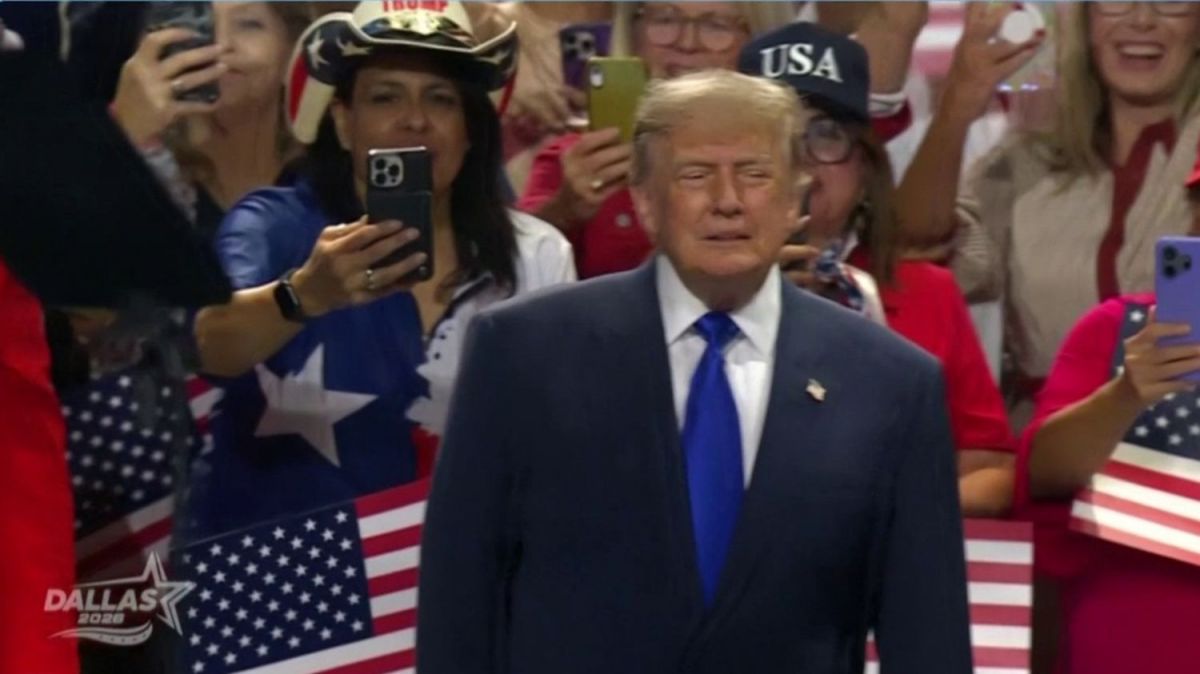
Jordan Bardella is accused of anti-Semitism following revelations from Mediapart, but he firmly rejects these allegations by adopting a denial strategy similar to that of Trump, which could have implications for the RN's electorate without weakening its base. #JordanBardella #Antisémitisme #RN (translated)

I love how he relies on the fact that his electorate is made up of idiots who would believe anything. #Politique #Élections #Société (translated)
28 septembre 2026 : Mediapart publie des messages privés datant de 2013, attribués à Jordan Bardella, alors jeune militant du Front national. On y lirait que les Juifs tiennent les banques et préparent un « Nouvel Ordre mondial ». Du Soral dans le texte. Si ces messages sont authentiques, ils ne surprendront que ceux qui ont cru au changement de nom de 2018 et au ravalement de façade qui l'accompagnait. Alain Soral a siégé au comité central du FN de 2007 à 2009. Frédéric Chatillon, vieil ami de Marine Le Pen, a servi de pont entre le parti et la galaxie soralienne. Tout cela, et plus encore, est documenté et connu. Mon pronostic : l'effet sur l'électorat sera nul. La condamnation de Marine Le Pen pour détournement de fonds publics en mars 2025 n'a pas entamé l'avance du RN dans les sondages. Il n'y a aucune raison que cette publication fasse mieux. Existe-t-il, une révélation, une affaire, une condamnation, parmi tous ces faits accablants capable de réduire l'électorat du RN? #RassemblementNational #Présidentielle2027 #Mediapart
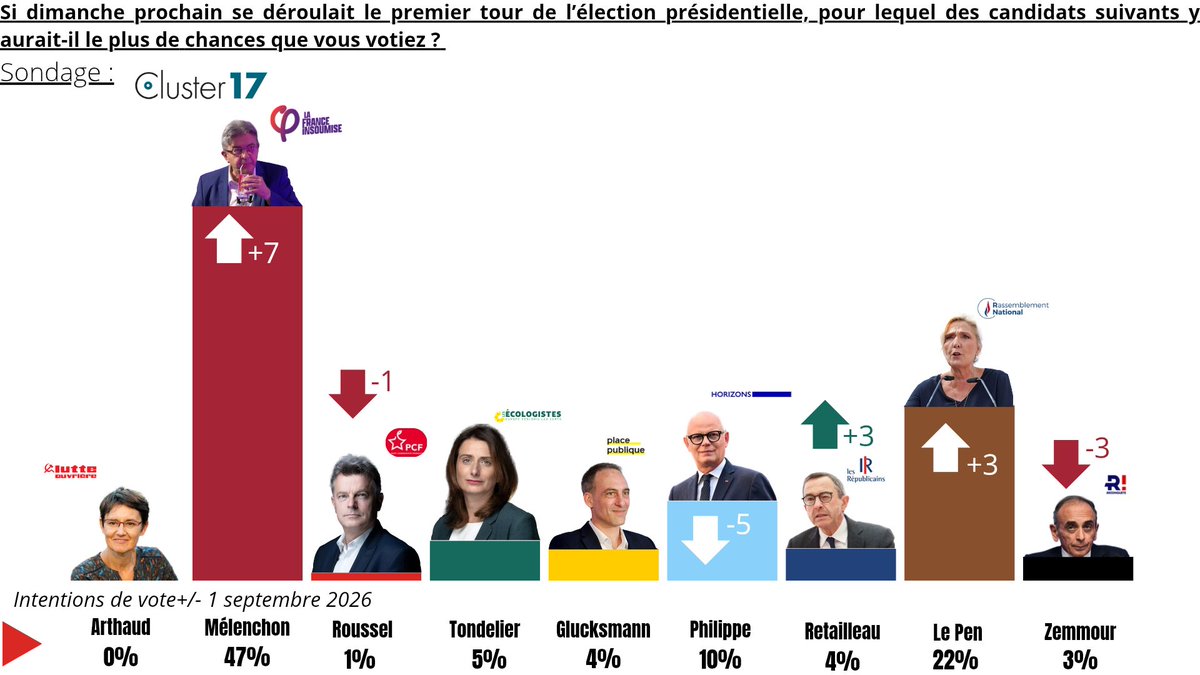
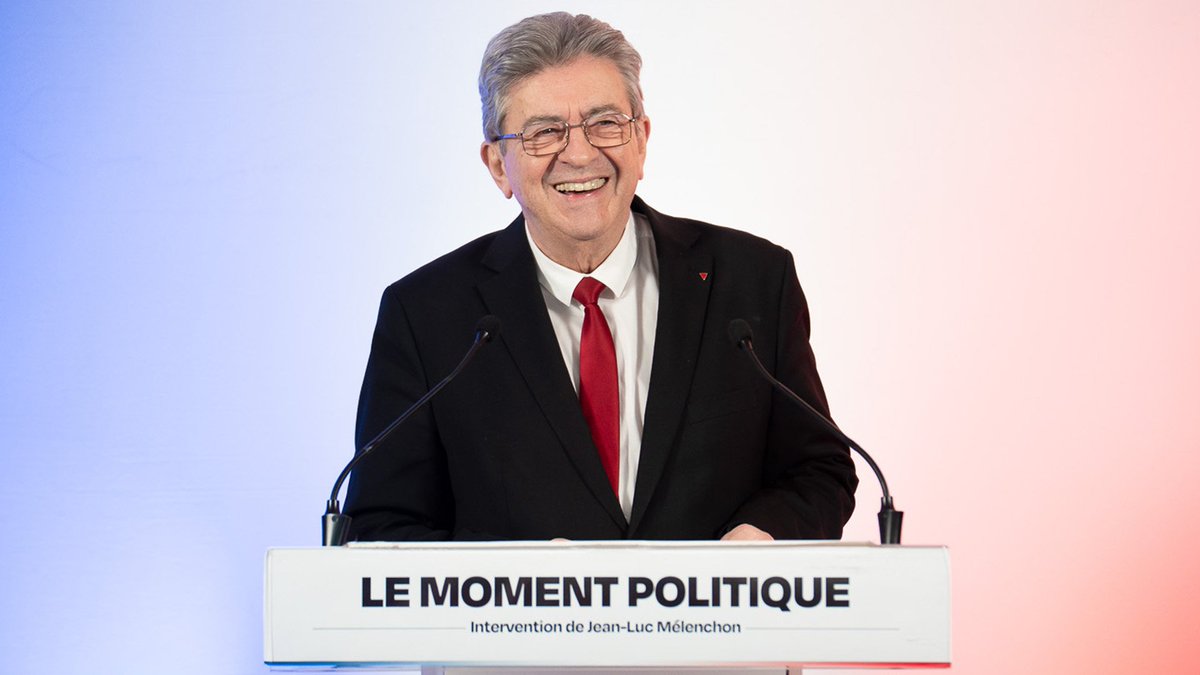
🔴⚡ Mélenchon écrase ses adversaires chez les 18-34 ans | Avec plus de 47% dans les intentions de vote pour lui tout seul chez les Français âgés entre 18-34 ans, Mélenchon a totalement conquis cet électorat et gagne même sept points en deux semaines. https://t.co/4LDPQXuZae #Mélenchon #Élections2024 #Jeunes
⚡️🇫🇷FLASH - Près d’1 jeune sur 2 veut voter Jean-Luc #Mélenchon à la prochaine #présidentielle. Un choix qui suscite des débats musclés en famille et fait parfois évoluer les parents. #LFI mise sur l’engagement de cette génération pour élargir son électorat. (Le Nouvel Obs) https://t.co/c62W5xDnXW #politique #élections #jeunesse
Donald Trump a promis 5000 dollars à chaque adulte américain en cas de victoire des Républicains aux élections de mi-mandat, une annonce jugée comme un effet d'annonce visant à récupérer un électorat perdu, selon une professeure de civilisation américaine. #DonaldTrump #Midterms2026 #PolitiqueAmericane

Er bestaat onvoldoende draagvlak bij de bevolkingen van Europa om het huidige open Europese asielmodel, dat uitgaat van een recht op asielaanvraag na illegale binnenkomst, te behouden. Hoe langer centrumpartijen aan dit onwerkbare migratiemodel blijven vastklampen, tegen de wil van hun eigen electoraten in, hoe krachtiger de partijen zullen worden die de afschaffing daarvan bepleiten. Van Duitsland tot Spanje. Simpele logica. #asiel #migratie #Europa
🔴🇩🇪 Autre enseignement de l’élection hier en Allemagne, Die Linke, le cousin allemand de LFI s’effondre en Saxe-Anhalt : 8,6 %, son pire score dans le Land. Hier, 6 septembre 2026, les électeurs de Saxe-Anhalt ont voté. L’AfD explose à 43,8 %. La CDU s’effondre à 17,2 %. Et Die Linke, le parti souvent présenté comme le cousin allemand de La France insoumise, recule encore : 8,6 % (-2,4 points par rapport à 2021), 8 sièges au lieu de 12. C’est son plus mauvais résultat dans ce Land de l’Est, là où la gauche radicale a longtemps revendiqué un ancrage historique. Même en gagnant 3 circonscriptions directes (Magdebourg et Halle), le parti ne pèse plus. Le parallèle avec Mélenchon n’est pas anodin : même rhétorique anti-système, même positionnement sur l’Ukraine et l’OTAN, communautarisme, pro-palestine même difficulté à convaincre au-delà d’un électorat fidèle mais en déclin. En Saxe-Anhalt, la gauche radicale est un fiasco. #Allemagne #DieLinke #Élections
Les extrêmes s’entendent mieux qu’ils ne font croire et la porosité entre leur idées et leurs électorats se voient de plus en plus… #Politique #Idéologie #Électorat #Nospecificcountrycodesarereferencedinthetweet.
Selon les enquêtes sorties des urnes, un quart de l'électorat libéral (le FDP, allié de Macron) a voté pour le parti d'extrême-droite l'AFD en Saxe-Anhalt et la droite (CDU) perd la moitié de ses électeurs au profit de l'AFD. Les milieux économiques qui d'habitude favorisent la #FDP #AFD #élections #DE
🔴⚡Info @le_Parisien La candidature de Roussel fait grincer des dents en interne | Fort de ses 2,28% en 2022, le patron des communistes se sent capable de réitérer cet exploit en 2027. Une candidature qui ne fait pas l'unanimité au sein du PCF : « Je ne comprends pas cette obstination » a lancé le président du groupe communiste à l'Assemblée Nationale Stéphane Peu. « La situation est différente de 2022 où Roussel voulait à tout prix se distinguer de Mélenchon. On a vu le résultat. L’aspiration à l’union de notre électorat est bien plus forte. Le sujet majeur va être le risque de l’accession de l’extrême droite au pouvoir et la capacité de la gauche à hisser un candidat au second tour. » Cette candidature fait craindre que le PCF devienne ce qu'est aujourd'hui @LutteOuvriere, un parti qui ne fait que de la figuration : « On peut devenir Lutte ouvrière… Présenter une candidature de témoignage tous les cinq ans et disparaître le reste du temps » a lancé dépité un cadre communiste. #PCF #Politique #Élections2027
⚡️🇫🇷FLASH - Après n’avoir récolté que 2,28 % des voix en 2022, Fabien #Roussel, qui perdu son siège de député en 2024 face au #RN, annoncera sa seconde candidature pour la #présidentielle ce soir. « Je ne comprends pas cette obstination », confie Stéphane Peu, président du groupe des députés communistes. « La situation est différente de 2022 où Roussel voulait à tout prix se distinguer de Mélenchon. On a vu le résultat. L’aspiration à l’#union de notre électorat est bien plus forte. Le sujet majeur va être le risque de l’accession de l’extrême droite au pouvoir et la capacité de la gauche à hisser un candidat au second tour », ajoute-t-il. Si les militants ont reconduit Fabien Roussel lors du congrès de juillet, son opposition interne a gagné du terrain. Les responsables communistes partisans d’une alliance avec Jean-Luc #Mélenchon critiquent une démarche susceptible d’effacer le parti de l’Assemblée. « On peut devenir Lutte ouvrière… Présenter une candidature de témoignage tous les 5 ans et disparaître le reste du temps », déplore un cadre dans les colonnes du Parisien. Le patron des communistes aura l’occasion de jauger de la popularité de sa démarche le week-end prochain à la Fête de l’Huma. À moins que Mélenchon, invité le samedi, ne lui vole la vedette… #Roussel #présidentielle #gauche
🔴⚡Info @LeHuffPost Une majorité de Français favorable à l'annulation d'une partie de la dette Française voulue par Mélenchon | Selon un sondage @YouGov 43% des Français seraient favorables à la mesure proposée par l'insoumis contre 31% qui s'y opposent. Au sein des sympathisants Macronistes et de la droite la mesure est populaire où 42% de sympathisants du « Bloc Central » y sont favorables... et même 47% de LR. Attal, Philippe et Retailleau devrait y réfléchir à deux fois avant de se moquer de Mélenchon sur cette question populaire au sein de leur électorat. #Politique #France #Dette
On a fini par trouver normal que la Sécu paie des séjours de trois semaines dans des villes construites autour d’un casino. Ça s’appelle une cure thermale. Il faut une ordonnance, une station classée, dix-huit jours de soins. Et très souvent, à deux pas des thermes, une salle de jeux. Ce n’est pas un hasard de carte postale. Depuis Napoléon, le droit français autorise les casinos là où l’on prend les eaux. Le décor n’a presque pas bougé. À Vichy, à Aix-les-Bains, à Bagnères ou à Dax, on soigne encore le genou le matin et l’on peut jouer le soir. Les gens qui font ces cures sont, pour l’essentiel, des retraités. Ils ont en moyenne plus de 65 ans et viennent surtout pour de la rhumatologie. Ils sont près de 470 000 chaque année. Ça coûte à l’Assurance Maladie autour de 250 millions d’euros. Oui, 250 000 000 €. Ce n’est pas rien, et ce n’est pas rien non plus que la Cour des Comptes ait écrit, en 2025, que la France est l’un des derniers pays de l’OCDE à rembourser ces soins « sans que leur service médical n’ait été démontré ». Le gouvernement a voulu réduire la prise en charge. Il a reculé. Il y avait trop de stations, trop de maires, trop de monde concerné. Il ne faudrait pas froisser un électorat qui représente près de la moitié des personnes en âge de voter… Le plus étrange n’est même pas là. C’est que ces villes vivent aussi du jeu. L’après-midi, le casino n’a rien d’un lieu mondain. On y trouve surtout une clientèle âgée, quasiment léthargique, hypnotisée par l’écran des machines à sous, appuyant frénétiquement sur un bouton en attendant le jackpot. Les gains, c’est aussi pour la commune, qui prélève jusqu’à 15 % du produit des jeux. On continue donc de faire payer à la branche maladie un séjour dans des villes dont une part du modèle économique, le soir venu, repose sur le tapis vert. Si l’on a de quoi jouer, on a de quoi payer ses bains. Trois semaines sur place, un parc, un établissement thermal et un casino à côté, ça ne ressemble pas à une consultation, mais à un séjour. On l’a appelé soin pour ne pas avoir à dire qu’on subventionne encore les villes d’eaux. Pendant ce temps, les dents et les lunettes passent après. La Sécu rembourse neuf centimes pour une paire de lunettes. Chez le dentiste, à partir de 2027, les soins dentaires courants ne seront plus pris en charge qu’à 50 %, et rien du tout pour les implants. On trouve 250 millions pour des eaux dont l’utilité clinique n’est pas établie, et l’on recule encore sur ce qui permet de voir et de manger. Le sens des priorités. #Santé #AssuranceMaladie #France