BETA nonprofit public democratic european moderated

Search

#Bose

On Thursday, at the age of 96, Biljana Plavšić, the former president of Republika Srpska and a key figure in the Bosnian war, who was later convicted of war crimes, passed away. (translated)

Zemřela Biljana Plavšičová, někdejší prezidentka bosenských Srbů

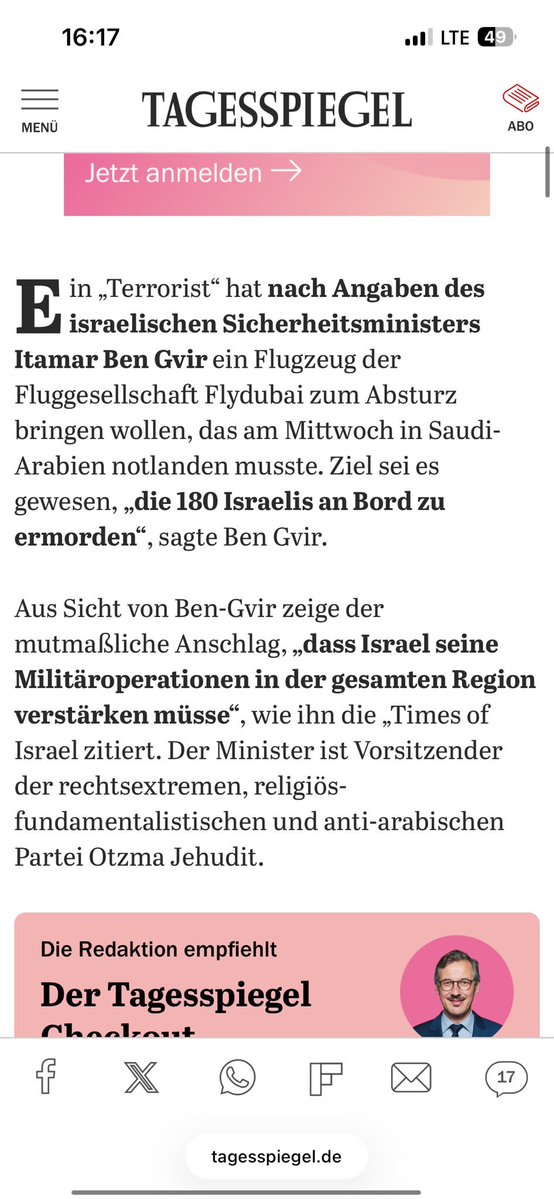
Incredible. Where did the journalists of the Tagesspiegel learn their craft? From what we know, the largest airplane hijacking since 9/11 barely failed. Hundreds, almost exclusively Israeli passengers were supposed to be murdered. But instead of first explaining to the readers who, where, what, when, and how, the political framing comes immediately. In what other news text would one proceed in this way? And of course, they take the most radical statement from Israel that they can find. Sure. What else? The rhetorical trick is easy to see through: Even when there is an attempted mass murder of Jews, Israel is to be immediately portrayed as the actual villain and aggressor. This is incitement. Plain and clear. (translated)

They know exactly that they won’t get away with it, but that’s not what it’s about for them at all. The main thing is that they keep the topic simmering and can claim in every election campaign that a prohibition procedure is already underway against the evil AfD. Despicable. (translated)

S

A president of the constitutional protection agency must be politically neutral. This is THE foundation of his office. And this is precisely why the statements in the Thuringian investigative committee are so explosive. The accusation is that political considerations by Stephan Kramer may have played a role in decisions made by the constitutional protection agency. The fact that he cannot be an apolitical figure is already demonstrated by the following fact: Stephan Kramer was appointed president of the Thuringian constitutional protection agency in 2015 under the then Thuringian Interior Minister Poppenhäger (SPD) and the Minister-President Ramelow (Linke). His appointment was controversial from the beginning because the Thuringian constitutional protection law requires that the president should generally have the qualifications for the judiciary – which Kramer does not possess. The Interior Ministry referred at that time to the discretionary scope of the statutory requirement. A rogue thinks ill of it. If the court confirms that he has violated his duty of neutrality, the next question inevitably arises: How reliable are the agency's previous decisions? (translated)

KI könnte eine Milliarde Menschen tötenBill Gates warnt: KI mit bösen Akteuren könnte bis zu einer Milliarde Menschen töten. #Technologie #KünstlicheIntelligenz #Verteidigung

Ex-Google-Chef Eric Schmidt - „Ich mache mir sehr, sehr große Sorgen um Europa“
www.bild.de

Der damalige US-Präsident George W. Bush rief einen globalen „Krieg gegen den Terror“ aus und prägte den Begriff der „Achse des Bösen“. #Irak #USAbzug #IS

USA beenden Abzug aus dem Irak
orf.at

💥DIE BÖSE SCHWIEGERMUTTER!💥 „Wenn es eskaliert, schmeiße ich die ganze Fraktion raus!“ Als wäre das Parlament ihr Eigentum. Wer gewählte Abgeordnete nach Belieben hinauswerfen will, stellt sich über den Willen ihrer Wähler. Das ist die pure Arroganz der „Macht“, die wir hier sehen. Passt lieber auf, dass man euch nicht hinauswirft! 🦅#TEAMHEIMAT🇩🇪 - Bitte Teilen - https://t.co/OqXW9v62Mh #Politik #Meinungsfreiheit #Demokratie

Snicky, du bist bei Nius! Snicky, du bist bei BILD! Snicky, dieser eine GEZ-Clown hatet gegen dich. Bros und hoes... seid mir nicht böse... und ich weiss, das mag arrogant klingen, aber: das bedeutet mir alles nichts mehr. Null. I dont give a fuck, ob leute sich mit mir schmücken oder mich zum teufel jagen. Das ist komplett egal. Ich bin eine 24/7/365 Maschine. Mach das alles seit Jahrzehnten. News outlets weltweit featuren mein zeug. Ich hab das internet (mehrmals) durchgespielt. Es geht NUR noch darum, MACHT bloßzustellen. Sie mit ihren eigenen mitteln zu entblößen und zu demütigen. Und leuten dabei ein lächeln ins gesicht zu zaubern... und einen moment hoffnung zu schenken in dieser chaotischen welt. Der Rest sind Ego, Klicks und Schein-Relevanz. Unnützer Rest-Schmand einer pervertierten Social-Media-Hölle. Seid einfach die beste Version von euch selbst! Egal ob jemand gerade zuguckt oder nicht. Snicky out ❤️ P.S. "Snicky warum limitierst du Kommentare?" geht mir auch 100% am Arsch vorbei. Meinungsfreiheit ist ein Hirngespinst und es interessiert mich NULL, was irgendwelche Gockel zu meinen Gedanken sagen 🤣 Keine Zeit für sowas. Gott segne euch. #Meinungsfreiheit #SocialMedia #Ego

Die Berliner Linke hat Innenminister Dobrindt wegen der simplen Worte „Na doch“ angezeigt. Wer in der politischen Auseinandersetzung so empfindlich reagiert, ist für ein Regierungsamt ungeeignet. Der Vorgang lässt für die Zukunft Berlins Böses erahnen. https://t.co/62GS6c9CzP https://t.co/PzeInIL55b #BerlinerPolitik #Dobrindt #Linke

Der damalige US-Präsident George W. Bush rief einen globalen „Krieg gegen den Terror“ aus und prägte den Begriff der „Achse des Bösen“: Damit brandmarkte er den Iran, den Irak und Nordkorea, Terrornetzwerke zu unterstützen. #IrakAbzug #USMilitär #IranEinfluss

US-Truppen ziehen aus dem Irak ab: Das könnte den Iran stärken
kurier.at

HAHAHA! Genau, es klingt fast so, als hätte ihn der böse Kapitalismus dazu gezwungen, sein Kind auf eine andere Schule zu klagen! Linke sind immer wieder so lustig mit ihrer Heuchelei #Kapitalismus #Heuchelei #Schule

Ewa 4d

Czarnek: "Chcemy silnej polskiej armii". Widzieliście ciula bosego, złamanego? Co za Himalaje hipokryzji?! Chcą silnej armii, dlatego głosują przeciwko programowi SAFE! Skąd się biorą debile? Z PiS-u wychodzą co chwilę. #Polska #Armia #Polityka

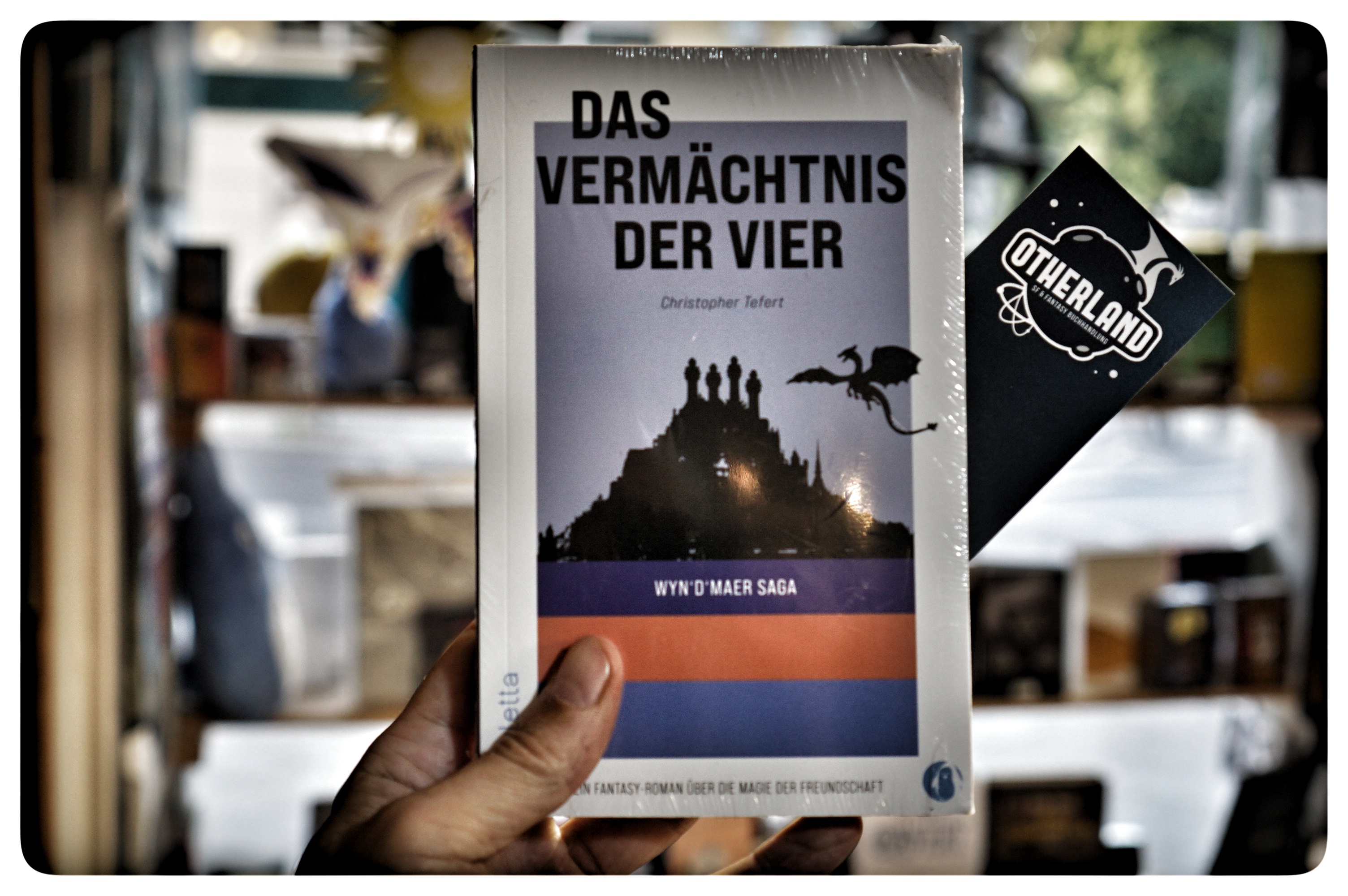
Das Vermächtnis der Vier von Christopher Tefert Ein schicksalhafter Berg. Hoch aufragend in einem glitzernden See. Zwei Seelen. Fremd und doch füreinander bestimmt. Drei Täler. Jedes einem Handwerk geweiht und voller traumhafter Landschaften. Vier mächtige Götter. Weise, gerecht, aber auch streng und mächtig. Ihr uraltes Vermächtnis droht das zauberhafte Reich für immer ins Verderben zu stürzen. Der junge Schäfer Oni will eigentlich nur eins: seine kleine Schwester befreien. Zur gleichen Zeit zwingt ein Verrat die ungestüme Prinzessin Patrizia ins Innere des Bergs zu fliehen. Im Herzen des Windemere macht sie eine absolut unglaubliche Bekanntschaft. Als Oni und Trisha sich begegnen, brauchen beide dringend Hilfe. Und so beginnt eine gemeinsame Reise voller Abenteuer. Mutig stellen die beiden sich allen Gefahren, bewaffnet einzig mit ihrem Verstand und … doch darüber wollen wir nicht sprechen, denn die Götter haben es verboten. Wer den Roman liest, sollte immer ein Bein im Hier und Jetzt behalten. So dicht ist die Geschichte, so voller Abenteuer und fantastischer Wesen, dass sie einen packt und nicht mehr loslässt. Doch es geht in „Wyn’d’maer“ um weit mehr als um eine spannende Geschichte über eine Prinzessin und einen Schäfer, die sich einem Drachen gegenübersehen. Es geht um Selbstvertrauen, Treue, Aufopferung, das Erwachsenwerden, die erste Liebe, Schwüre und vor allem um wahre Freundschaft. Geschrieben ist das Jugendbuch vor allem für Leser*innen ab 13 Jahren, zugleich begeistert es aber auch erwachsene Fans von High Fantasy-Romanen. Von der ersten Seite an spannend, nimmt die Story immer wieder neue Wendungen, will man immer wissen, wie die nächsten Herausforderungen gemeistert werden. Fragen von Gut und Böse oder dem Jenseitigen betten sich unaufdringlich in die Geschichte ein und bieten eine anspruchsvolle Ebene im Hintergrund. Die wunderbar-detailreiche Landkarte bebildert die Reise und lädt zum Erkunden ein.

Mit Blick auf die Kommentare habe ich mir hier offenbar etwas eingetreten. Lauter "friedfertige" Freunde des "friedfertigen" Putin: "Der arme Mann im Kreml muss sich ja nur dauernd wehren und sowieso sind die USA ganz böse, deswegen sind alle Verbrechen Putins gerechtfertigt." #Putin #Kriegsverbrechen #Politik

„Microsoft-Mitgründer Bill Gates fordert Gesetze für Künstliche Intelligenz. Er warnt vor Missbrauch durch Menschen mit bösen Absichten und bis zu einer Milliarde Todesfällen.“ Quelle: Welt Er hat bestimmt in einen Impfstoff dagegen investiert … #KünstlicheIntelligenz #BillGates #Technologie

Dieselpreis auch heute wieder um circa um 0,20 € um zwölf in Kiel gestiegen, obwohl der Ölpreis heute Nacht und heute Vormittag gefallen ist Und nein, das liegt nicht an den bösen Konzern, das liegt an marktwirtschaftlichen Eingriffen dieser Regierung. Wenn du 24 Stunden lang den Preis nicht erhöhen darfst, um auf dem Markt zu reagieren, dann nutzt du halt die einmalige Regelung am Tag. Jeder normal denkende Bürger versteht das, nur die Verantwortlichen nicht. Diese Regierung kann weg. Sofort. Endgültig. #Dieselpreis #Ölpreis #Marktwirtschaft

Jeder Einzelne, der sich an diesem ganzen Kriegsgeschrei beteiligt, ist entweder böse oder dumm. Im schlechtesten Fall beides gleichzeitig. #Krieg #Frieden #Gesellschaft

13 Länder schicken Ursula von der Leyen einen bösen Brief in dem sie fordern, daß die EU Kommission nun 1 Jahr lang nix mehr beschließt ! Das zeigt den ganzen Irrsinn dieser EU kommission. #EU #Politik #UrsulaVonDerLeyen

Oft werde ich gefragt: Wie kommt es, dass eine Mehrheit der deutschen Journalisten dem grün-roten Milieu zuneigt und man es ihren Produkten auch anmerkt? Eine Antwort: Es lohnt ein Blick an die Unis. In Mainz beispielsweise bildet Prof. Tanjev Schultz Journalisten aus. Einen Einblick in seine Gedankenwelt gibt er in einem aktuellen Meinungsbeitrag für die Frankfurter Rundschau: Die "mediale Brandmauer" habe es seiner Meinung nach nie gegeben und die AfD treibe die Medien "vor sich her". Ulf Poschardt poste "wie ein rechter Troll" und "befeuere die rechte Erzählung von den bösen Eliten". "Gruselig" sei es, dass sich nun ARD und ZDF "den neuen Verhältnissen" anpassen würden. "In vorauseilendem Gehorsam" seien sie dabei, "die Grenzen im öffentlichen Diskurs aufzuweichen". Markus Lanz "sei naiv" oder stelle sich naiv. Schultz (zuvor Spiegel, Süddeutsche Zeitung und Tagesspiegel) ist nicht irgendwer. Er hat zahlreiche Preise erhalten, sitzt in Jurys, hält Vorträge und schreibt Fachartikel. Sein Wort hat also Gewicht. Der Artikel in der FR offenbart aber ein seltsam unterkomplexes Weltbild und erinnert an Klassenkampf. #Journalismus #Medien #Politik

P

The Return to Feudalism in 21st Century Garb A simple observer's viewpoint, with no claim to hold any absolute truth. The Veneer Cracks There is something strangely archaic about the world unfolding before our eyes, despite its satellites, artificial intelligence, and promises of infinite progress. Here and there, we witness heads of state behaving like feudal lords of another age, patiently nibbling away at the neighboring territory, redrawing borders through force rather than law, as if governing a nation mattered less than expanding one's fiefdom. No names need be mentioned here: current events provide plenty of illustration, and each reader will recognize, according to their own geography and moment of reading, the faces that embody this observation. But this return to the archaic is not confined to grand geopolitical stages. It also permeates the most ordinary daily life—that of social media, where anyone can pour out venom against another without filter, without form, and often without the slightest argument. The verbal jousting of yesteryear, with its codes, its rhetoric, its tacit limits, has given way to raw invective, snap judgment, instant condemnation. We no longer debate: we execute, verbally—and sometimes it doesn't stop at words. The Vanished Inhibition What strikes one, in this dual observation—macro-political and micro-social—is the lifting of an inhibition we thought firmly anchored. Centuries of cultural construction, education, philosophy, sometimes religion, had patiently shaped mechanisms of restraint: politeness as social ritual, argumentation as a mode of resolving disagreement, respect for one's opponent as the very foundation of democratic debate. This civilizational veneer, however fragile it always was, seemed to hold. Today it is cracking, and the question—which for me remains a simple hypothesis, not a certainty—is why. A convenient explanation would blame social media: anonymity, the distance of the screen, the instantaneousness of publication would favor verbal acting-out without the usual mediation of reflection. This is probably true, but likely insufficient. For technology here is only an accelerant, an amplifier—not necessarily a root cause. A Poorly Formatted Neocortex? The more unsettling hypothesis—and I frame it explicitly as hypothesis, not scientifically established fact—is that of a failure in the formation of moral judgment and tolerance toward otherness. The human brain possesses the neural structures enabling empathy, the distancing of impulsive reaction, the acceptance of difference—but these capacities are not innate in their full exercise: they must be built, educated, cultivated, like a muscle that needs patient training from childhood onward. If this education in otherness, nuance, and tolerance of disagreement erodes—for multiple and undoubtedly complex reasons that are not mine to settle here—then older reflexes resurface: instinctive distrust of the stranger outside the clan, the law of the strongest, the logic of territorial or symbolic predation. The other ceases to be a possible interlocutor and becomes once again a potential threat, unless they belong to my tribe, my clan, my party, my digital bubble. Two Scales, One Logic What is striking, in this deliberately provocative reading, is the structural similarity between these two scales. The leader who invades a neighbor in the name of a rediscovered greatness or a reinvented historical right, and the anonymous internet user who insults a stranger in the name of an unnegotiable conviction, may obey the same underlying grammar: that of territory to defend, clan to protect, the other to subdue or exclude rather than understand. The form has changed—satellites instead of horses, tweets instead of heralds—but the substance, in this reading that remains mine alone and commits no one else, seems strangely identical to that of feudal rivalries: the absence of a recognized third party, of an accepted common rule, of a respected arbitrating authority. Everyone becomes judge and party, lord of their own digital or territorial fiefdom. A Civilization on a Knife's Edge Norbert Elias, in his Civilizing Process, showed how Western societies had historically built, with remarkable slowness, an increasing control over impulses and direct violence, in favor of more sublimated forms of social regulation. What we may be observing today—and I stress again the conditional—is a form of regression in this process, or at least a fragilization of the veneer it had patiently laid down. Should we see this as an effect of great technological accelerations, which shake up our cognitive rhythms without leaving education time to adapt? A deeper crisis of the institutions tasked with transmitting these values of tolerance—school, family, religion, the rule of law? Or simply a cyclical movement of human history, where phases of policed civilization alternate with darker backlashes? I have no certain answer, and I would be wary of anyone claiming to hold one. In Conclusion, a Shared Concern This text is only a viewpoint, necessarily partial and subjective, on a world that sometimes seems to replay ancient logics in new clothing. Perhaps I am wrong to perceive a continuity between the feudal lord and the contemporary dictator, between the anonymous online insult and the absence of education in nuance. Perhaps these phenomena are unrelated, or too complex to be thus summarized. But if this reading, even partially, hits the mark, then the question that arises is less one of technological regulation—though necessary—than the far more arduous question of how to rebuild, generation after generation, this capacity to accept the other in their difference, to debate without destroying, to coexist without necessarily dominating. This undertaking, if it exists, will not be resolved by an algorithm nor by an international treaty. It plays out, patiently, in the most elementary education—the one that teaches a child that the other is not a threat, but a possibility. Bibliography Elias, N. (1939). Über den Prozess der Zivilisation [The Civilizing Process]. Oxford: Blackwell (Eng. trans. 1978-1982). Lorenz, K. (1963). Das sogenannte Böse [On Aggression]. London: Methuen (Eng. trans. 1966). Arendt, H. (1970). On Violence. New York: Harcourt, Brace & World. Han, B.-C. (2013). Im Schwarm [In the Swarm: Digital Prospects]. Cambridge, MA: MIT Press (Eng. trans. 2017).