BETA nonprofit public democratic european moderated

Search

#Freelancer

Desde criança sonhava em ser jornalista para transformar realidades e ajudar pessoas. Nunca sentiria que fiz meu papel de jornalista se meu trabalho fosse atrelado a um mal severo que destrói a vida de centenas de milhares de pessoas. Nunca colocaria meu emprego acima da vida e da saúde mental de gente inocente. Há dois anos recebo proposta de bet toda semana, mas nunca aceitei, nem mesmo quando estava vivendo de freelancer, sem emprego fixo. #Jornalismo #SaúdeMental #Ética
De NOS vertrok van Twitter omdat het een linkse modegril was. Parmantig liepen ze daar achteraan. Kijk ons eens deugen. Ondertussen gebruiken ze wel Twitter om beelden te stelen van hardwerkende freelancers. #Twitter #NOS #Media

Russia’s fake African newsrooms – propaganda designed to look local A Facebook user in Nairobi, Accra, Johannesburg or Luanda encounters what appears to be a local news page. It publishes stories about African politics, Western influence and relations with Russia. The language is tailored to an African audience and the page presents itself not as a foreign broadcaster, but as part of the local information landscape. Behind some of these outlets, however, Meta found operators based in Russia. In its 2026 threat research, the company disclosed a Coordinated Inauthentic Behaviour network targeting audiences in Angola, Ghana, Kenya and South Africa. Meta removed 37 Facebook accounts and 29 Pages connected to the operation. Around 30,000 users followed at least one of the Pages, while the operators spent approximately $7,000 on Facebook and Instagram advertising, mostly in euros and US dollars. The numbers are relatively modest. The method is considerably more important. Rather than openly distributing Russian state messaging, the network posed as local African news sources and grassroots organisations, promoting narratives about Western colonialism and political interference while presenting Russia as a credible economic and political alternative. It was an old geopolitical message delivered through a much more effective identity: not Moscow speaking to Africa, but Africans apparently speaking to one another. A news outlet that was actually an influence operation Meta's investigation found that the network attempted to conceal its Russian origin while creating media brands that appeared indigenous to the countries they targeted. Its content amplified historical grievances against former colonial powers, criticised Western involvement in Africa and promoted closer relations with Russia. One example helps illustrate how the infrastructure was assembled. A Facebook Page targeting Kenya was called Kenya Watchtower. According to OpenAI's subsequent investigation, Facebook transparency records showed that the Page had previously been named “Farmtown5”. It appears to have been acquired or repurposed rather than built from scratch as a Kenyan news organisation. Some Pages also exposed administrator locations in Russia and Ukraine. Other elements of the network had previously targeted audiences in Zambia and Namibia. This use of apparently local identities is particularly important in the African information environment. A story published by RT or another identifiable Russian outlet arrives with an obvious geopolitical provenance. The same narrative presented by something resembling an independent Kenyan, Ghanaian or South African newsroom carries a different kind of credibility. The source appears closer to the reader, and the geopolitical interest behind the message becomes less visible. Then investigators found Dr Manuel Godsin The Facebook operation was only one part of a broader information ecosystem. OpenAI investigated related activity after receiving information from Meta and subsequently banned a ChatGPT account it assessed as likely originating in Russia. OpenAI called the campaign Operation No Bell. The account was being used to generate long-form articles and social-media posts about African geopolitics. Prompts were primarily written in English, but OpenAI also observed Russian-language instructions that the user described as coming from a manager. The operator sometimes explicitly asked the model to make the material appear less AI-generated – including requests to avoid stylistic features associated with machine-generated text and to write more like a human journalist. Many articles appeared under the name “Dr Manuel Godsin”, presented as an academic with a PhD from the University of Bergen and an affiliation with an organisation called the International Centre for Political and Strategic Studies. OpenAI could find no credible evidence that Godsin existed. Searches of Norway's National Research Information Repository and the University of Bergen library produced no record of him. Investigators subsequently discovered that a photograph used to represent Godsin had appeared years earlier on a Russian professional networking site and apparently belonged to a law student in St Petersburg. The fabricated academic identity was nevertheless remarkably productive. OpenAI identified 53 online articles carrying the Godsin byline. The fiction had moved beyond fake social-media pages and into the real media ecosystem. When propaganda enters genuine newsrooms This is the most consequential aspect of the operation. The articles were not confined to websites controlled by the influence network. Some were published by genuine African news organisations, including established South African outlets. The content mixed local political issues with broader geopolitical narratives. Some pieces criticised the United States and Britain or defended Russia's role in Africa. One accused the British NGO Crisis Action of fomenting protests in South Africa. Another praised Russia's presence in the Central African Republic. Other material addressed Kenya, Angola and relations between African governments and Washington. The mechanism represents a significant evolution from the classic troll-farm model. Instead of building an audience entirely on its own platforms, an influence operator can manufacture an apparently credible expert, generate articles in his name and persuade genuine news organisations to publish them. Once this happens, the propaganda acquires something a fake Facebook Page cannot provide: the institutional credibility of a real newsroom. OpenAI assessed No Bell's social-media impact as limited. One Facebook Page had around 3,000 followers before Meta removed it, while several others had very small audiences. But the operation was more successful in placing material in established media. In OpenAI's impact framework, it approached the level at which an influence operation breaks into mainstream media. For information operators, a single article published by a recognised outlet can potentially be more valuable than thousands of impressions generated by an obviously artificial account. A much larger network of ghost journalists Subsequent research suggests that Manuel Godsin was not an isolated experiment. In August 2026, Graphika, working with Code for Africa and with support from Meta, published a much broader investigation into Russian ghostwriting operations across African media. Researchers identified 44 ghost writers and fake experts, 38 of them assessed as high-confidence fabricated personas, operating between 2021 and 2026. Their material appeared or was quoted across 138 websites and was subsequently republished through at least 113 Facebook accounts and Pages, including authentic users, coordinated inauthentic networks and official Russian communication channels. The narratives were strikingly consistent. They included criticism of France, Ukraine and the United States; attacks on organisations such as ECOWAS and the International Criminal Court; positive portrayals of Russian involvement in Africa; praise for Russian paramilitary forces; and support for sovereignty-oriented political projects such as the Alliance of Sahel States. The operation therefore extends beyond creating fake news websites. It attempts to insert Russian-aligned narratives into the legitimate African media ecosystem using identities that appear African, independent or academically authoritative. This also explains why measuring reach through the original Facebook network alone is misleading. A fabricated article may begin with an influence operator, appear in a genuine African publication, be republished elsewhere and eventually circulate without any visible connection to Russia. At that point, the provenance of the narrative has effectively been laundered. An old Russian strategy with increasingly local faces Russia's use of local intermediaries in Africa is not new. Meta documented Russian networks using African nationals as early as 2019. In 2020 it dismantled another operation involving people in Ghana and Nigeria working on behalf of individuals in Russia, with links to previous activity associated with the Internet Research Agency. More recent Meta investigations suggest that this model has continued to evolve. Networks have increasingly relied on local freelancers, social-media managers and authentic media outlets rather than exclusively operating armies of obviously fake Russian-controlled accounts. This decentralisation offers several advantages. Local operators understand language, political sensitivities and cultural references. Authentic accounts are harder to identify than newly created synthetic personas. Local media brands can also deliver narratives without immediately triggering the scepticism associated with Russian state outlets. There is no evidence that every African journalist, freelancer or publication carrying such material knowingly participates in Russian influence activity. Meta explicitly notes in its investigations that some local contractors may not know who ultimately commissioned their work. That distinction is essential. The operation's effectiveness partly depends on precisely this ambiguity between deliberate participation, commercial content placement and unwitting amplification. The objective is to make Russian narratives look African The significance of this network is therefore not its 30,000 Facebook followers or its $7,000 advertising budget. Those figures are small compared with the audiences of major African media organisations. What matters is the distribution model. Traditional foreign propaganda asks an audience to trust a foreign source. These operations attempt to remove the foreign source from the equation altogether. A Russian geopolitical narrative can be generated with AI, attributed to an expert who does not exist, published by a media organisation that does, amplified through a Facebook Page presenting itself as local, and then rediscovered elsewhere as apparently independent African analysis. By the time the reader encounters it, Moscow may have disappeared completely from the chain of attribution. The resulting information operation is therefore less about making Russian propaganda more persuasive than about making it look as though it is no longer Russian propaganda at all. In an increasingly fragmented African media environment, that may be the more important evolution to watch. SOURCES: Meta Threat Research https://threatresearch-team.github.io/indicators/meta-h1-2026-russia-based-cib-network-1/ OpenAI — Operation “No Bell” https://openai.com/index/disrupting-malicious-uses-of-ai-no-bell/ Graphika — Umbrae Ex Machina https://www.graphika.com/reports/umbrae-ex-machina News24 https://www.news24.com/southafrica/news/ai-expert-exposed-fake-kremlin-linked-analyst-planted-stories-in-african-media-20260318-0560 Vanguard https://www.vanguardngr.com/2026/03/ai-expert-exposed-fake-kremlin-linked-analyst-planted-stories-in-african-media/ Meta — Russian Coordinated Inauthentic Behaviour, 2019 https://about.fb.com/news/2019/10/removing-more-coordinated-inauthentic-behavior-from-russia/ Meta — Russian Coordinated Inauthentic Behaviour, 2020 https://about.fb.com/news/2020/03/removing-coordinated-inauthentic-behavior-from-russia/ Meta Threat Research — Russian Use of Authentic Operators in Sub-Saharan Africa https://threatresearch-team.github.io/indicators/meta-h2-2025-russia-based-cib-network-2/ KEYWORDS: #DISINFORMED #Episode7 #Russia #Africa #RussianDisinformation #RussianInfluence #Disinformation #InformationWarfare #InfluenceOperations #ForeignInterference #FIMI #CoordinatedInauthenticBehaviour #CIB #FakeNews #FakeMedia #FakeNewsrooms #MediaImpersonation #GrassrootsManipulation #Astroturfing #ArtificialIntelligence #AI #AIPropaganda #SyntheticMedia #FakeInfluencers #SocialMediaManipulation #Facebook #Meta #OperationNoBell #AfricanMedia #MediaManipulation #Propaganda #DigitalInfluence #Angola #Ghana #Kenya #SouthAfrica #OSINT #WRLD

Russia-Based Influence Operation Network Targeting Sub-Saharan Africa
Novinky 3w

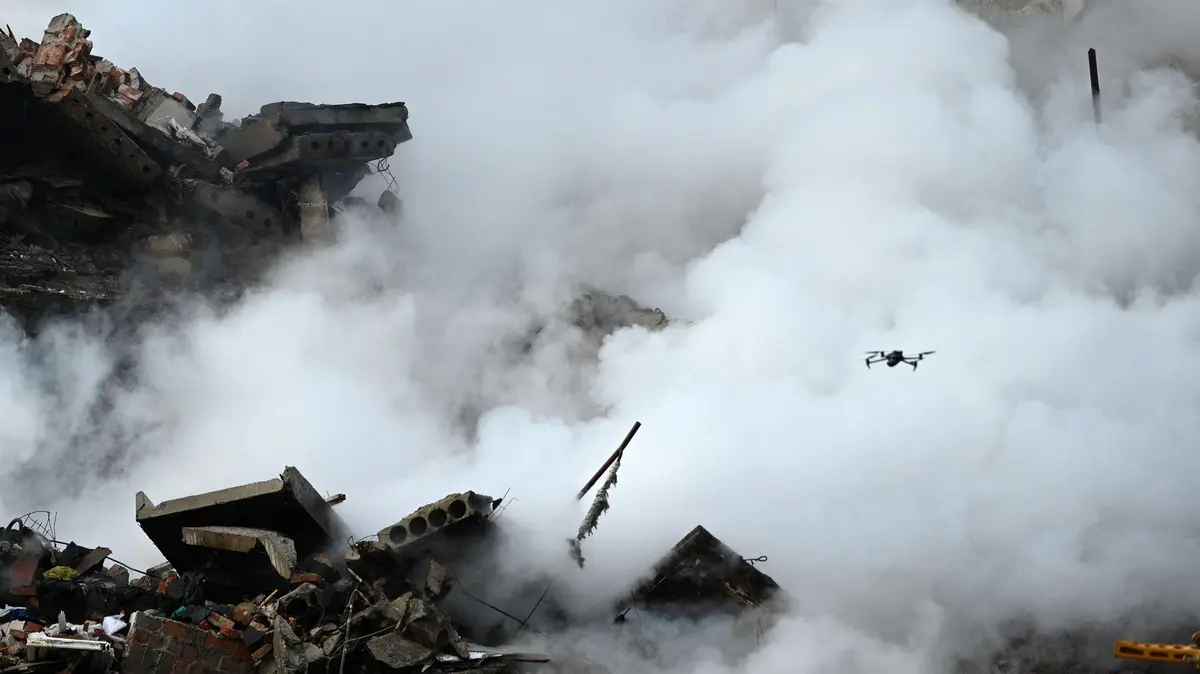
Článek popisuje práci skupiny pravděpodobně ruských freelancerů, kteří vyvíjeli autonomní systém pro roj vražedných dronů, schopný samostatně rozhodovat o útocích, s využitím umělé inteligence a simulací, což vyvolává obavy ohledně zneužívání této technologie pro vojenské účely. #AI #vojenskátechnologie #drony

AI měla rozhodovat, koho zabít. Rusové vyvíjeli autonomní roj vražedných dronů

Prostuję fake info użytkownika WeAllPlayGames podane dalej przez Krzysztofa M. Maja (@krzysztofmmaj – oznaczam, bo zweryfikowałem, myślę, że temat cię zainteresuje) podczas streama z dnia 6 września 2026 roku. Doszło do niewłaściwego cytowania i najpewniej błędnego korzystania ze źródeł. To NIEPRAWDA, że na 160 pracowników Rebel Wolves nad Wiedźminem 3 pracowało poniżej 10 (autor komentarza wymienia zaledwie CZTERY osoby). To także NIEPRAWDA, że odejście z CDPR w celu założenia Rebel Wolves jest mitem. Konrad Tomaszkiewicz odszedł co prawda w kontrowersyjnych okolicznościach, ale w wywiadzie z Forbesem sam podaje, że chciał także pracować w teamie wielkością przypominający ten pierwotny działający przy Wiedźminie 3, wraz z przyjaciółmi, z którymi nad owym projektem wcześniej działał. Firmę założył w grudniu 2021 roku, czyli pół roku po rozstaniu się z CDPR i dwa miesiące po rozpoczęciu niepełnego etatu w Warszawskiej Szkole Filmowej. 8 z 10 „założycieli” Rebel Wolves (czyli już więcej niż przytoczone w wideo cztery) pracowało w CD Projekcie Red – zależnie od nazwiska mowa o czasie od 7 do 17 lat (!). Z mojej analizy napisów końcowych, profilów pracowników Rebel Wolves na LinkedIn i encyklopedii internetowej MobyGames wynika, że nad The Blood of Dawnwalker pracowało +/- 35 ekspracowników CD Projektu Red, w tym wielu z nich działało nad Wiedźminem 3 i Cyberpunkiem. Ponadto sporo wymienionych osób pełni w Rebel Wolves funkcje kierowników firmowych i liderów danych działów. Liczby mogą oczywiście odrobinę się różnić zależnie od aktualności źródeł czy zakresu kategoryzacji devów. Na na przykład nie uwzględniłem na poniższej liście ludzi działających w firmie Spokko nad Wiedźminem: Pogromcą potworów (niegdyś CDPR miał tam udziały większościowe, w kwietniu 2023 podmioty dokonały fuzji), a także osób, które działały nad Cyberpunkiem 2077 bądź daną odsłoną Wiedźmina w roli freelancerów czy w ramach outsourcingu. Niemniej – oto wykonana przeze mnie lista osób z doświadczeniem w CDPR, działających w Rebel Wolves. Pełna lista jest także dostępna (wraz z opisem smaczków z Wiedźmina 3 w The Blood of Dawnwalker) na CD-Action: https://t.co/FfZ1jIUoPu Którzy twórcy Wiedźmina 3 bądź ekspracownicy CD Projektu Red projektowali The Blood of Dawnwalker lub pracowali w Rebel Wolves? Tomasz Tinc (Chief Publishing Officer w Rebel Wolves) – Marketing Manager Wiedźmina 3 i Global Marketing Director Cyberpunka 2077 (2014-2021 w CDPR, 7 lat w firmie); Paweł Świerczyński (Cinematic Director w Rebel Wolves) – Cinematics Lead Wiedźmina 3 i Cinematic Director Cyberpunka 2077 (2009-2020 w CDPR, 11 lat w firmie, z krótkimi przerwami); Konrad Tomaszkiewicz (CEO & Game Director w Rebel Wolves) – Reżyser Wiedźmina 3, Head of Production Cyberpunka 2077 (2004-2021 w CDPR, 17 lat w firmie); Mateusz Tomaszkiewicz (Creative Director w Rebel Wolves) – Lead Quest Designer Wiedźmina 3 i Quest Director Cyberpunka 2077 (2008-2021 w CDPR, 13 lat w firmie); Przemysław Wójcik (Executive Producer w Rebel Wolves) – QA Lead Wiedźmina 3 i Cyberpunka 2077 (2010-2022, 12 lat w firmie); Jakub Szamałek (Narrative Director w Rebel Wolves) – Writer Wiedźmina 3, Principal Writer Cyberpunka 2077 (2012-2021 w CDPR, 9 lat w firmie); Tomasz Wójcik (CTO w Rebel Wolves) – Lead Programmer Wiedźmina 3 i Principal Programmer Cyberpunka 2077 (2005–2022 w CDPR, prawie 17 lat w firmie); Bartłomiej Gaweł (Art Director w Rebel Wolves) – Art Director Wiedźmina 3 (2007-2018 w CDPR, ponad 11 lat w firmie); Daria Bury-Zawada (Lead Animator w Rebel Wolves) – Senior Animator Wiedźmina 3 (2010-2017 w CDPR, prawie 7 lat w firmie); Jamie Bury-Zawada (Principal Animator w Rebel Wolves) – Senior Animator Wiedźmina 3 (2013-2017 w CDPR, prawie 4 lata w firmie); Tamara Zawada (Additional Development: Animation Director, 2022-2024 w Rebel Wolves) – Lead Animator Wiedźmina 3 (2008-2014, 6 lat w firmie); Maciej Pączkowski (Lead Character Artist w Rebel Wolves) – Character Artist Wiedźmina 3 i Cyberpunka 2077 (2015-2022 w CDPR, 7 lat w firmie); Arkadiusz Matyszewski (Principal 3D Character Artist w Rebel Wolves) – Senior Character Artist Wiedźmina 2 i 3 (2008-2013 w CDPR, 5 lat w firmie); Jan Marek (Principal Concept Artist w Rebel Wolves) – Concept Artist Wiedźmina 3 i Senior Character Concept Artist Cyberpunka 2077 (tworzył concept arty w CDPR od 2011 do 2023 roku, nie znaleziono konta LinkedIn do potwierdzenia dokładnego okresu pracy); Krzysztof Burzyński (Additional Development: Senior Environment Artist w Rebel Wolves, 2023-2024) – Environment Level Artist Cyberpunka 2077 (2018-2021 w CDPR, prawie 3 lata w firmie); Michał Szor (Technical Animator w Rebel Wolves) – Gameplay Animation QA Analyst Cyberpunka 2077 (2017-2021 w CDPR, prawie 4 lata w firmie); Tomasz Kalinowski (VFX Artist w Rebel Wolves) – VFX Artist Cyberpunka 2077 (2016-2022 w CDPR, prawie 7 lat w firmie); Hanna Kubiak (Lead Audio Designer w Rebel Wolves) – Sound Designer Wiedźmina 3 i Senior Sound Designer Cyberpunka 2077 (2014-2022 w CDPR, 6 lat w firmie z około roczną przerwą); Arkadiusz Sito (Principal AI Programmer w Rebel Wolves) – AI Programmer pierwszego Wiedźmina (2006-2008 w CDPR, prawie 3 lata w firmie); Tomasz Dietrich (Programista w Rebel Wolves) – Programista Cyberpunka 2077 (2016-2019 w CDPR, 3 lata w firmie); Yuliia Mahdii (Combat Designer w Rebel Wolves) – QA Analyst i Gameplay Designer Cyberpunka 2077 (2017-2023 w CDPR, 6 lat w firmie); Jakub Kisiel (Combat Design & Animation w Rebel Wolves) – Senior 3D Animator Wiedźmina 3 (2013-2014 w CDPR, rok w firmie); Michał Dobrowolski (Gameplay Consultant w Rebel Wolves) – Game Designer Wiedźmina 3 i Encounter Design Coordinator Cyberpunka 2077 (2011-2022 w CDPR, prawie 12 lat w firmie); Daniel Sadowski (Design Director w Rebel Wolves, 2022-2025) – Engine Programmer pierwszego Wiedźmina (2006-2008 w CDPR, prawie 2 lata w firmie); Mikołaj Stroiński (Kompozytor w Rebel Wolves) – Współkompozytor muzyki do Wiedźmina 3; Piotr Musiał (Kompozytor w Rebel Wolves) – współkompozytor muzyki do Wiedźmina 3: Krwi i wina; Magdalena Kucenty (Senior Writer w Rebel Wolves) – Additional Story w CD Projekcie Red przy Gwincie, brak konkretnych danych do potwierdzenia dokładnego okresu pracy; Dominika Gonsierowska (Lead Localisation Producer w Rebel Wolves) – Producer Wiedźmina 3 i Cyberpunka 2077 (2008-2019 w CDPR, 11 lat w firmie); Michał Tuszyński (Senior Producer w Rebel Wolves) – Online Marketing Manager w CDPR (2016-2023 w CDPR, 7 lat w firmie); Maciej Lemiesz (Lead QA w Rebel Wolves) – QA Coordinator Wiedźmina 3 (2013-2019 w CDPR, 6 lat w firmie); Rafał Jankowski (Lead Quest Designer w Rebel Wolves) – Quest Designer Wiedźmina 3 i Cyberpunka 2077 (2015-2021 w CDPR, 6 lat w firmie); Michał Janczewski (Global Communications Director w Rebel Wolves) – Digital & Online Manager przy Wiedźminie 3, Senior PR Manager przy Cyberpunku 2077 (2014-2022 w CDPR, 8 lat w firmie); Paweł Panasiuk (Global Marketing Lead w Rebel Wolves) – Event Manager przy Wiedźminie 3 i Cyberpunku 2077 (2011-2022 w CDPR, prawie 12 lat w firmie); Mateusz Greiner (Global PR Lead w Rebel Wolves) – Communications Specialist w CDPR (2018-2022, prawie 4 lata w firmie); Dominika Burza (Global Community Lead w Rebel Wolves) – Expert Community Coordinator w CDPR (2016-2024, 8 lat w firmie). #Wiedźmin #CDProjektRed #gierkomputerowych

Monikohan järjestörälssin elätti tulisi toimeen freelancerina? Ostaisiko joku hänen palvelujaan esimerkiksi neljännesmiljoonalla vuodessa? Sen verran monikin järjestöpamppu joutuisi laskuttamaan, jotta hän pystyisi nostamaan nykyistä liksaansa vastaavan summan firmastaan. #freelancer #työelämä #suomi

A
AD Jul 18

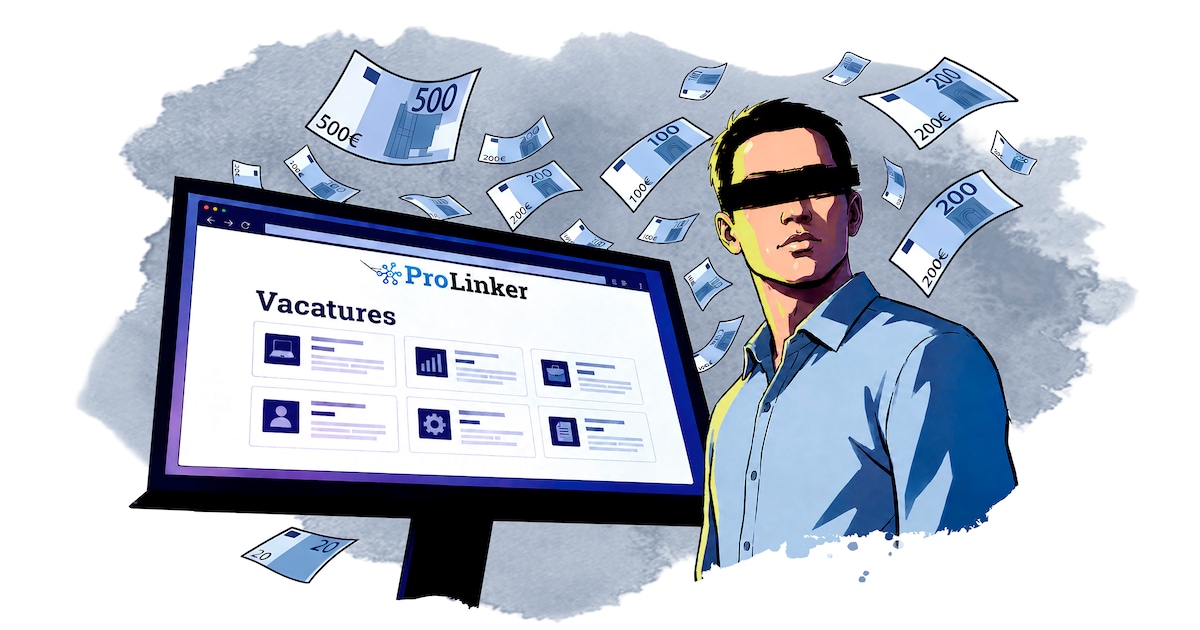
Achter het freelanceplatform ProLinker blijkt een duistere wereld te schuilen, gekenmerkt door onterecht afgeschreven abonnementsgeld, nep-vacatures, en een ondernemer met een luxe levensstijl die in werkelijkheid sterk in de schulden zit. #ProLinker #freelancers #nepvacatures

Achter ‘marktplaats voor freelancers’ zit schimmige wereld: ‘Hij trekt mensen helemaal leeg’
IndexHR Jul 8

U komentaru Huntera Laceyja, autori se propituju zašto bi netko želio živjeti do stote godine kada su svakodnevni životni troškovi tako visoki da većina ljudi, posebno freelanceri, jedva preživljava s trenutnim primanjima, dok su tretmani za dugovječnost i wellness dostupni samo bogatim elitama. #dugovječnost #financije #beauty

Legit pitanje: "Zašto bih htio živjeti do stote kad si jedva priuštim život i s 32?"
Eva Munnik Jun 7

Maarten Keulemans (in dienst bij de Volkskrant) en Marion Koopmans (aanstelling bij de universiteit) die freelancers Zwagerman en De Hond verwijten dat ze wat geld verdienen met hun kritische berichtgeving. Tja. Wie rijk wil worden, doet wel wat anders hoor. En in plaats van… #journalistiek #kritischejournalistiek #media

Mediafax.ro May 21

Un fotograf australian a fost acuzat de furtul echipamentului unei victime a unui atentat antisemit de pe plaja Bondi din Sydney, care a avut loc în decembrie 2025, și care s-a soldat cu 15 morți, inclusiv fostul polițist și fotograf freelancer Peter Meagher. #atac #BondiBeach #fotograf

Fotograf, acuzat că a furat echipamentul unei victime după atentatul de pe plaja Bondi din Australia

Începând cu 1 iunie 2026, românii care obțin venituri din activități independente, precum jurnaliști, scriitori, artiști și freelanceri, vor fi obligați să emită facturi exclusiv în format electronic prin sistemul RO e-Factura, conform modificărilor fiscale introduse de Guvern prin OUG 89/2025. #eFactura #fiscalitate #românia

Schimbare fiscală majoră: RO e-Factura se extinde. Cine sunt românii obligați să emită facturi electronice de la 1 iunie 2026
Digi24 May 19

Începând cu 1 iunie 2026, e-Factura devine obligatorie pentru persoanele fizice care obțin venituri din activități independente, precum jurnaliști, scriitori și freelanceri, care vor trebui să emită facturi utilizând CNP-ul și să se înscrie în registrul RO e-Factura administrat de ANAF. #eFactură #drepturideautor #persoaneimpozabile

e-Factura devine obligatorie pentru mii de români de la 1 iunie 2026. Cine va trebui să emită documente folosind CNP-ul
P
Het Parool May 19

Freelancer graphic designer Joyce Zethof (41) earns €2,600 a month in Amsterdam and has started making significant lifestyle changes, such as doing her own eyebrows and going out to eat less often, due to rising living costs, while expressing concerns about the sustainability of her work and the impact of inflation on small businesses. #AmsterdamskýŽivot #NákladyNaŽivot #Freelancer

Designer Joyce (41) earns €2,600 a month in Amsterdam: ‘I used to get my eyebrows done every five weeks – now I do them myself’

Keha-keskuksen luokittelu hakijoita päätoimisiksi yrittäjiksi ilman yritystä estää työttömyysturvan saamisen, mikä aiheuttaa ongelmia itsensätyöllistäjille ja freelancereille, ja nykyinen järjestelmä vaatii kiireellisiä lakimuutoksia turvaverkon parantamiseksi. #työttömyysturva #yrittäjyys #itsensätyöllistäminen

Lukijan mielipide | Työttömyysturva ei tunnista sivutoimista yrittäjää

Sole traders. Micro businesses with one or two employees. Freelancers. Plumbers. Electricians. Hairdressers. Mechanics. Accountants. Gardeners. Whatever it is, whoever they are. These are the workers that keep the economy going. Not the big global corporates. Politicians, and those devising the rules, simply do not understand how these people live. Nobody ever even talks about the one or two people operations in Westminster. Saturday morning in the bureaucrat’s world? Friday working from home, so nice easy day to finish off the week. Laptop closed by 15.00. Phone off for the weekend, not a care in the world. Life is sweet. Holiday coming up, mortgage comfortable, pension growing nicely. The sole trader? Getting invoices and paperwork sorted at 6am before the children wake up. Chasing up late payments. Weighing up whether to do that last minute emergency call out, or spend time with the kids on a Saturday. Getting the diary sorted for next week. Phone goes and goes all weekend. It is never-ending. It does not stop. It’s two different worlds honestly. The issue is that the latter entirely funds the former, and the former is hellbent on making life as difficult as possible for productive Britain. I want to be really clear about what Restore Britain would do. Two things. Crush parasitic Britain. Unleash productive Britain. First. Scrap IR35. It has created years of confusion, fear and chaos for contractors and small operators. It has pushed countless self-employed people into pointless paperwork and rigid inflexibility. Doesn’t work. It’s a right pain in the arse for millions. Scrap it. Second, we will double the VAT threshold. The current threshold traps thousands of small businesses just as they begin to grow. Many deliberately stop expanding to avoid the enormous administrative burden of VAT and the brutal cost hikes which drive demand away. The evidence of is obvious. Thousands hover just below the threshold, refusing to grow, hire or pay more tax. It is ABSURD. Restore Britain would double the VAT threshold so small businesses can grow without being punished for success. This is absolutely necessary. An important one - we would dramatically simplify the tax system for sole traders and micro-businesses (and everyone else, but that's separate). Instead of forcing small operators through pages of complicated accounting rules designed for large corporations, we will introduce a far simplified tax regime for businesses below a certain size. Less paperwork, fewer forms, clearer rules. More money for them, less for the accountants and parasitic professional class. Sounds like a good deal, doesn’t it? Next. We will end the endless culture of inspections and bureaucratic interference from the bureaucrats. Too many small businesses now live in fear of accidental breaches - whether it’s health and safety nonsense, employment law complexity, ridiculous data laws or constantly changing compliance requirements. The stress is immense. If you are a sole trader or micro-business acting in good faith, the system should support you, not threaten you. Restore Britain will free them from endless regulatory suffocation. The mental health release on that is worth it alone. Means a lot to me, this one. Restore Britain will make it easier for tradespeople to hire apprentices. This is important. One of the biggest problems small businesses face is bringing in the next generation. The current system is too complicated, too expensive and too rigid for small firms. Restore Britain will introduce simple, flexible apprenticeship schemes designed specifically for small businesses and trades. Up next, we will simplify planning and licensing rules. For small builders, tradespeople and contractors - planning restrictions and local bureaucracy can delay work for months and add unnecessary costs. I detest planning departments more than I can describe in language appropriate for a Saturday morning. These jumped-up empire-building little runts running councils across Britain will have their power stripped away from them. We will let people do business, we will let business owners run their businesses without the sneering council worker’s constant box ticking. Not complicated. We will restore respect for the self-employed. Look at how they were treated during lockdown. Like dirt. Entirely abandoned whilst others were paid to do nothing. That must be addressed, and they must be compensated. The excluded must finally be recognised. That wrong must be rectified. Under a Restore Britain Government, their efforts will be appreciated, celebrated and most importantly? Rewarded. This is the key point. Let’s not pretend otherwise. The five golden rules of business. What’s in it for me? We will radically slash tax and raise thresholds. Tax on dividends would be hacked down so that success pays. More work, pays. Effort, pays. If the electrician does that last minute job on a Saturday, it will be worth their time. They will be rewarded, not HMRC. Restore Britain will slash the bureaucracy, simplify the rules, cut the taxes. We will give small businesses the freedom they need to thrive, to support their families and to succeed. Parasitic Britain will end. Sole traders and micro businesses finally have a political party that will fight for them. Restore Britain. -

Sole traders. Micro businesses with one or two employees. Freelancers. Plumbers. Electricians. Hairdressers. Mechanics. Accountants. Gardeners. Whatever it is, whoever they are. These are the workers that keep the economy going. Not the big global corporates. Politicians, and those devising the rules, simply do not understand how these people live. Nobody ever even talks about the one or two people operations in Westminster. Saturday morning in the bureaucrat’s world? Friday working from home, so nice easy day to finish off the week. Laptop closed by 15.00. Phone off for the weekend, not a care in the world. Life is sweet. Holiday coming up, mortgage comfortable, pension growing nicely. The sole trader? Getting invoices and paperwork sorted at 6am before the children wake up. Chasing up late payments. Weighing up whether to do that last minute emergency call out, or spend time with the kids on a Saturday. Getting the diary sorted for next week. Phone goes and goes all weekend. It is never-ending. It does not stop. It’s two different worlds honestly. The issue is that the latter entirely funds the former, and the former is hellbent on making life as difficult as possible for productive Britain. I want to be really clear about what Restore Britain would do. Two things. Crush parasitic Britain. Unleash productive Britain. First. Scrap IR35. It has created years of confusion, fear and chaos for contractors and small operators. It has pushed countless self-employed people into pointless paperwork and rigid inflexibility. Doesn’t work. It’s a right pain in the arse for millions. Scrap it. Second, we will double the VAT threshold. The current threshold traps thousands of small businesses just as they begin to grow. Many deliberately stop expanding to avoid the enormous administrative burden of VAT and the brutal cost hikes which drive demand away. The evidence of is obvious. Thousands hover just below the threshold, refusing to grow, hire or pay more tax. It is ABSURD. Restore Britain would double the VAT threshold so small businesses can grow without being punished for success. This is absolutely necessary. We would dramatically simplify the tax system for sole traders and micro-businesses (and everyone else, but that's separate). Instead of forcing small operators through pages of complicated accounting rules designed for large corporations, we will introduce a far simplified tax regime for businesses below a certain size. Less paperwork, fewer forms, clearer rules. More money for them, less for the accountants and parasitic professional class. Sounds like a good deal, doesn’t it? Fourth, we will end the endless culture of inspections and bureaucratic interference from the bureaucrats. Too many small businesses now live in fear of accidental breaches - whether it’s health and safety nonsense, employment law complexity, ridiculous data laws or constantly changing compliance requirements. The stress is immense. If you are a sole trader or micro-business acting in good faith, the system should support you, not threaten you. Restore Britain will free them from endless regulatory suffocation. The mental health release on that is worth it alone. Fifth, we will make it easier for tradespeople to hire apprentices. This is important. One of the biggest problems small businesses face is bringing in the next generation. The current system is too complicated, too expensive and too rigid for small firms. Restore Britain will introduce simple, flexible apprenticeship schemes designed specifically for small businesses and trades. Seventh, we will simplify planning and licensing rules. For small builders, tradespeople and contractors - planning restrictions and local bureaucracy can delay work for months and add unnecessary costs. I detest planning departments more than I can describe in language appropriate for a Saturday morning. These jumped-up empire-building little runts running councils across Britain will have their power stripped away from them. We will let people do business, we will let business owners run their businesses without the sneering council worker’s constant box ticking. Not complicated. We will restore respect for the self-employed. Look at how they were treated during lockdown. Like dirt. Entirely abandoned whilst others were paid to do nothing. That must be addressed, and they must be compensated. The excluded must finally be recognised. That wrong must be rectified. Under a Restore Britain Government, their efforts will be appreciated, celebrated and most importantly? Rewarded. This is the key point. Let’s not pretend otherwise. The five golden rules of business. What’s in it for me? We will radically slash tax and raise thresholds. Tax on dividends would be hacked down so that success pays. More work, pays. Effort, pays. If the electrician does that last minute job on a Saturday, it will be worth their time. They will be rewarded, not HMRC. Restore Britain will slash the bureaucracy, simplify the rules, cut the taxes. We will give small businesses the freedom they need to thrive, to support their families and to succeed. Parasitic Britain will end. Sole traders and micro businesses finally have a political party that will fight for them. Restore Britain. -

J
jack Nov 29

The Bottom Line <p>First and foremost, digital nomads need a laptop or computer and a reliable internet connection. To be a successful digital nomad, it’s also important to have an area where you can be productive. For some, that could be a separate room in their house, a coworking space, or even a quiet coffee shop. </p><p>Digital nomadism is an enticing lifestyle for many freelancers, business owners, and employees. With more and more people joining the digital nomad movement, we can anticipate this major lifestyle shift to become a more mainstream way of working</p><p><br></p>