
Insulating Britain’s homes and investing in heat pumps would do more to cut the cost of living, create jobs and boost the UK’s economy than drilling for new oil @e3g.bsky.social
Insulating Britain’s homes and investing in heat pumps would do more to cut the cost of living, create jobs and boost the UK’s economy than drilling for new oil @e3g.bsky.social

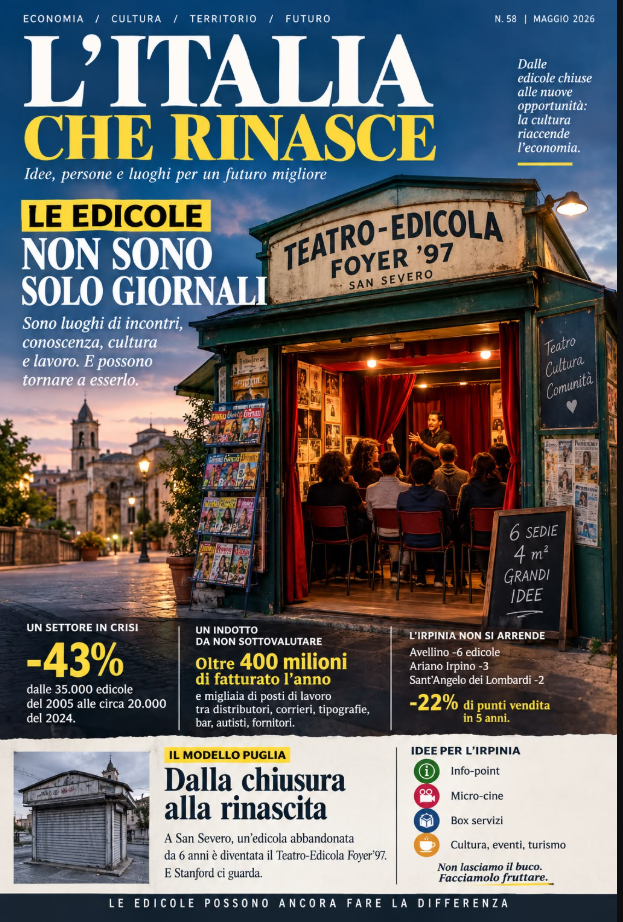
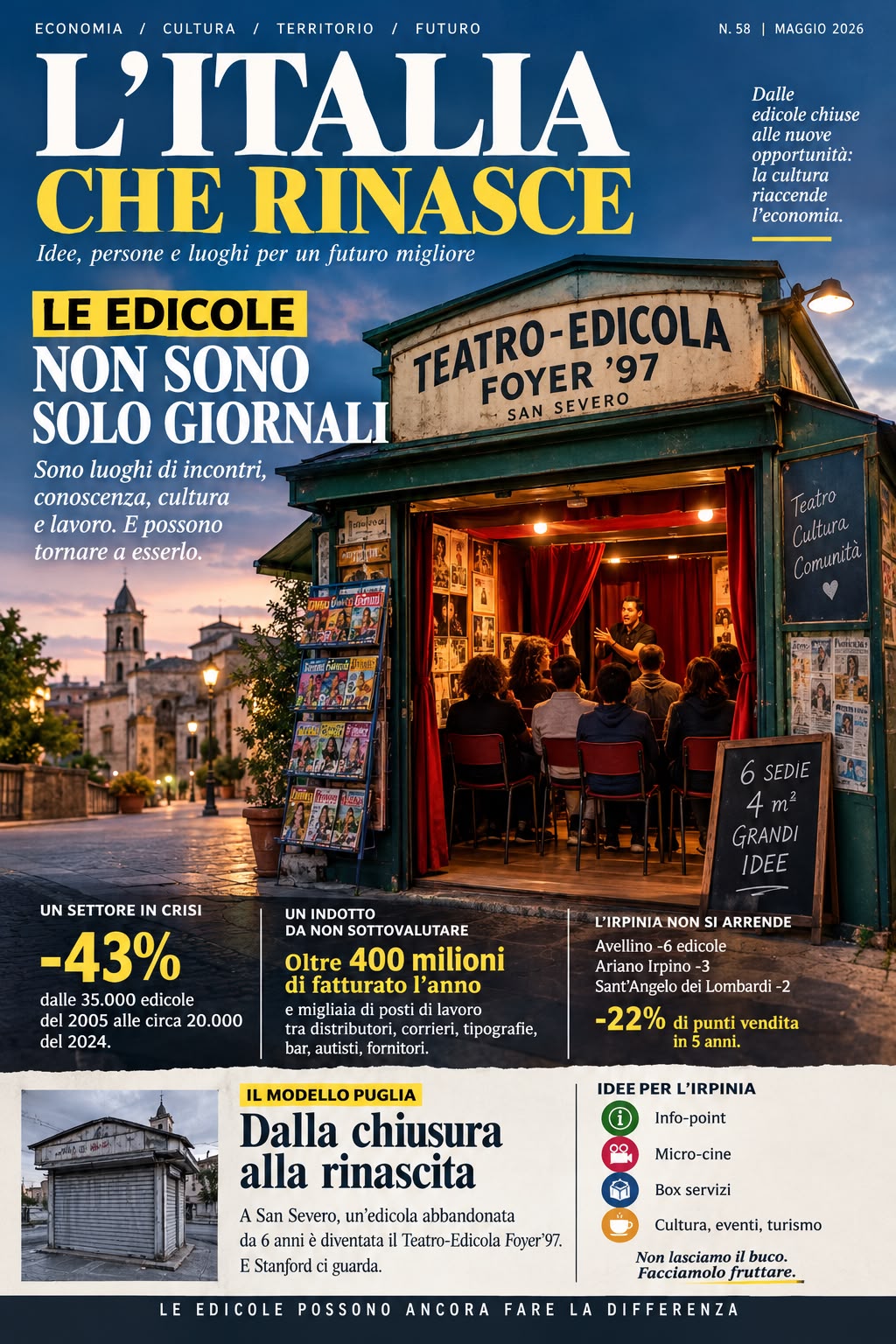
RADIO ARC 101:“NEWSSTANDS, ‘ENDANGERED SPECIES’ LIKE CAFÉS: MONEY LOST AND HOPES FROM STANFORD” by NANDO SILVESTRI SOURCE: https://radioarc.it/edicole-razze-in-estinzione-come-i-bar-soldi-persi-e-speranze-da-stanford/ Newsstands are another repository of humanity and knowledge, in many respects similar to cafés, at least as far as the unfortunate fate that has befallen many of them is concerned. The smell of printed paper, coloured card, variegated covers, surprise packets and cellophane was an olfactory molasses that once intoxicated young and old alike and represented, at the same time, a sought-after destination for daily walks and pauses. Stopping by the newsstand meant drawing upon knowledge, entertainment, culture, imagination and creativity. All prerogatives lost on account of the shapeless and amorphous surrogates disseminated by the web. This is the principal reason for the cumulative and recurring closure of a great many Italian newsstands: in economics, one speaks of a sector in demand collapse. But it is not merely a newsstand that closes; a piece of the local and national economy closes with it. From 35,000 newsstands in 2005 to about 20,000 in 2024: -43%. With them goes direct turnover of over €400 million per year, but the real hole is the indirect economy that is never calculated. Each average newsstand in a small town generated distribution worth €15,000 per year in margins for local distributors, couriers, and printers. Moreover, the customer who bought the newspaper would have a coffee, buy a bus ticket, place a bet. Download the Medium App One must consider that without a newsstand, the village cinema loses its only physical promotional outlet, not to mention the losses in terms of advertising. When it closes, it is not only the newsagent who loses. The café loses, the driver loses, the printer loses. In Irpinia, over the last five years, Avellino has lost six newsstands, Ariano Irpino three, Sant’Angelo dei Lombardi two. The total loss in Irpinia amounts to about 22% of outlets. All this means that many of the closures mentioned above have deprived Irpinian cafés of several dozen customers, harming workers, distributors and suppliers. These are jobs that do not make the news, but they exist. Another hard blow inflicted upon the local and national economy in the name of a false progress that almost always favours the business of fixers and the usual suspects. However, what is happening in Puglia, a few kilometres from Irpinia, opens up scenarios of renewal based precisely upon the reconversion of disused newsstands. These are prospects so unique and innovative as to have aroused interest worldwide, especially at Stanford University. This is news of enormous significance that few news programmes have disseminated, in the name of a perennial pre-emption by technologies contemptuous of common sense, tradition and art. In San Severo, 40 km from Upper Irpinia, a newsstand abandoned for six years in Via Matteo Tondi became, on 27 March 2026, the Teatro-Edicola Foyer’97: six chairs, four square metres, an idea by Francesco Gavino. The well-received 10- to 15-minute shows have piqued the curiosity of Stanford University. Its academic journal, the Stanford Social Innovation Review [SSIR], has chosen the Teatro Edicola in San Severo as an international case study with the reportage “The Six-Seat Revolution”. Why is Stanford watching us? Because it has realised that those four square metres can once again generate indirect economic activity. Indeed, 60 spectators in an afternoon can become 60 coffees at the neighbouring café. With a symbolic ticket price of €5, we are talking about a cultural micro-economy. Not to mention the indirect income from tourists and journalists who arrive and frequent B&Bs and restaurants. It is the model Irpinia needs: not to leave the void, but to reconvert it virtuously. Every closed newsstand can become an information point, a micro-cinema, a service hub. Otherwise we shall continue to count only the lowered shutters, without counting the money that no longer circulates.

The Sovereign Grant to the King doesn’t count as taxable income. Payments by the state to Britons, such as the state pension, carer’s allowance, contribution-based jobseeker’s allowance, and contribution-based employment and support allowance are taxable. That's the law.

The traditional German company Groz-Beckert plans to cut 120 jobs at its location in Albstadt due to the crisis in the international textile industry. #Textilindustrie #Jobsabbau #GrozBeckert (translated)

This week, we opened 385 new affordable homes in Brooklyn. We’ll soon grow the Innovative Urban Village to 2,000 affordable homes, child care, jobs, a grocery store and a performing arts center. That’s what it looks like to build a city without pricing out the working class.


Insulating homes and investing in heat pumps would be more effective in reducing living costs, creating jobs, and boosting the economy than drilling for new oil.

The managing director of the German Cultural Council, Olaf Zimmermann, criticizes in an interview the government's handling of the challenges posed by artificial intelligence in the cultural sector as mere window dressing and warns of the threat to jobs posed by the technology. #Kultur #KünstlicheIntelligenz #Jobsicherheit (translated)


People are very unhappy in France as they are in many places. There are no opportunities for young people, Education is unaffordable, Rent is extortionate, buying a house impossible, decent jobs don't exist. All while billionaires become trillionaires. People are sick of it.

The post said a feature on James Smith covered how he built Neutonic, which it described as a productivity drink that had sold 10 million cans in under three years and was nearing a $100 million valuation. It said the feature also discussed Smith’s move from dead-end jobs to entrepreneurship.
Florian Warweg wrote that the federal government had supported the development of video games with 240 million euros. However, the Ministry of Research does not track how many games were released and sold or how many jobs were created as a result. When Warweg referred to criticism from the Federal Court of Audit at the federal press conference, he was informed, according to his account, that the report was not currently public and therefore could not be commented on. Warweg countered that the relevant report had long been publicly available. #Videospiele #Bundesregierung #Transparenz (translated)

The author wrote that OneEuropeOneMarket was becoming a top EU priority, calling it the only condition for a stronger Union and the only way to reduce dependencies. They said expanding the Single Market would boost investment, bring jobs and savings back to Europe, and help the EU compete with the United States and China. The post tagged the Delors Institute and IESPEGA. #UE #MarchéUnique #Investissements #EU #US #CN

The article by Richard Curran discusses the potential impact of AI on the job market in Ireland, questioning whether 200,000 jobs are truly at risk due to advancements in technology. #Cookies #Security #OnlineProtection

Merz is currently celebrating that today he has buried the German automotive industry for his oil buddies and potentially destroyed hundreds of thousands of jobs. 🤦♂️ Although they will of course all be connected to the taxpayer's heart-lung machine beforehand to burn incredible sums of money. 🤷♂️ (translated)
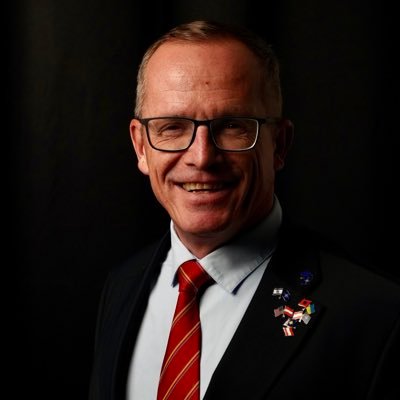
The author advocated for developing Austria from a security policy laggard to the industrial center of European defense. According to his assessment, Upper Austria could take on a pioneering role, among other things, with high-tech jobs, competencies in aerospace, as well as in metal and materials engineering, and with drone production, maintenance, supply, and electronics. https://t.co/yzEfyZWyLV #Verteidigung #Industrie #Innovation #AT (translated)


"Is the EV industry primarily a jobs program or is the goal to get us to 0 emissions as quickly as possible" is a tension that is difficult to resolve for cross-pressured Dems

Health Minister Frank Vandenbroucke proposes to limit the use of flexi-jobs to six months for long-term sick individuals, in response to the CD&V which is demanding a total ban. #Chômage #Précarité #Emploi (translated)
Private equity has hollowed-out high streets. Famous names, jobs, supply chains destroyed. Aided by the state: PE gets tax relief on interest payments. No tax on dividends paid to owners holed up in tax havens. No inquiry into serial bankruptcies. It is gangster capitalism. archive.ph/zisBU

Minister of Health Frank Vandenbroucke proposes to limit flexi-jobs for long-term sick individuals to six months, while his coalition partner CD&V demands a total ban. #FlexiJobs #Santé #Emploi (translated)
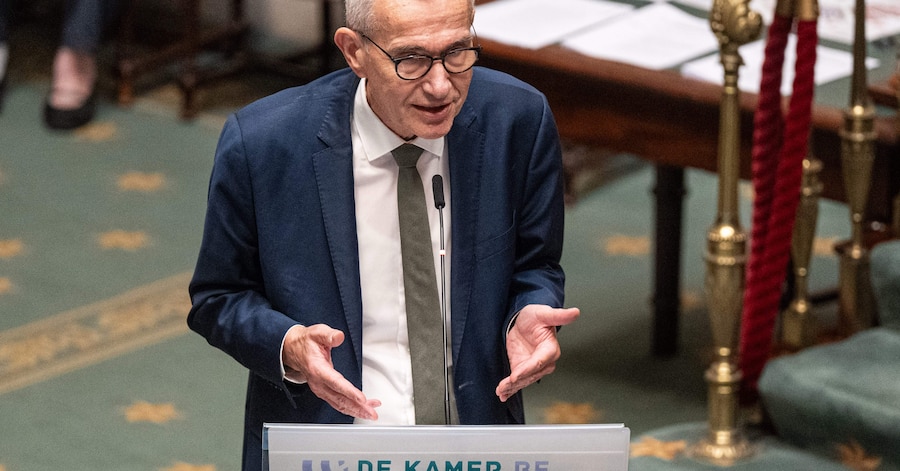
Health Minister Frank Vandenbroucke proposes to limit the use of flexi-jobs to six months for long-term sick individuals, in response to the CD&V which is calling for a total ban. #VdkBanque #BonDeCaisse #Epargne (translated)
Frank Vandenbroucke wants to limit the duration of flexible jobs for long-term sick people to six months and prohibit them from working in the first month of incapacity for work. #FlexiJobs #SantéPublique #Emploi (translated)





