BETA nonprofit public democratic european moderated

Search

#Obniżka

The author wrote that the transport industry is collapsing, and fuel prices could be the final blow. According to him, the VAT reduction does not affect the final price for carriers, and the reduction in excise duty means only a little over 20 cents less per liter. He pointed out that France introduced a subsidy of 500 euros for vehicles in the industry. He also mentioned roads but did not elaborate on that thought. https://t.co/oJyV6jqVka #transport #paliwa #wsparcie #FR (translated)

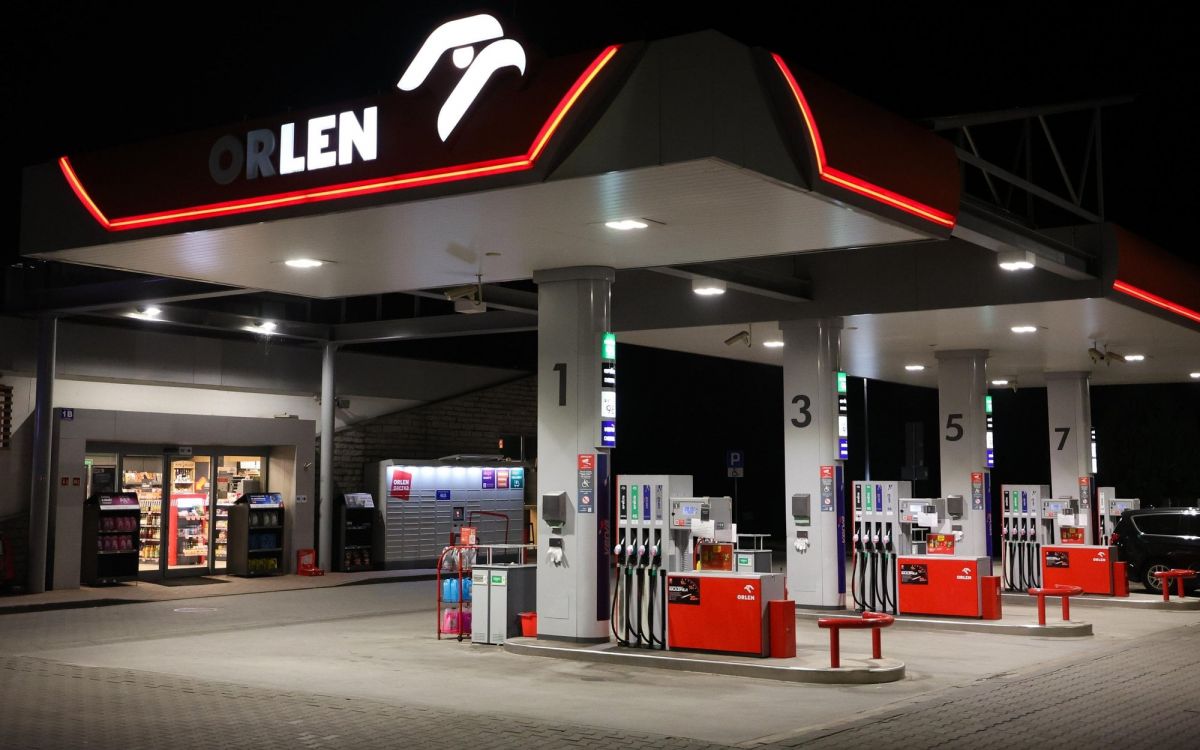
The government announced new maximum fuel prices, which will take effect on October 7, with an increase in gasoline prices and a decrease in diesel costs. #CenyPaliw #Benzyna #MinisterstwoEnergii (translated)

Rząd podał, ile zapłacimy za benzynę w środę. Ceny benzyny w górę, diesel w dół

The Stock Information published a review of Tuesday's news. They stated that the Polish government wanted the vouchers from reverse vending machines to be valid for 90 days, and the maximum fuel prices on Tuesday were 6.79 per liter of Pb gasoline and 7.82 per liter of diesel oil. According to the entry, used cars in Poland cost an average of 51,150 PLN, and Chinese brands accounted for 16 percent of new registrations. The authors also wrote that 96 percent of teachers were over 30 years old. Among the information from Europe, the account mentioned the price of sustainable aviation fuel in Germany — 7,520 euros per ton compared to 640 euros per ton of conventional fuel — and the start by Tata Steel of the construction of large coke-fired furnaces. It stated that the AfD withdrew from the postulate of leaving the eurozone, and Spanish Prime Minister Pedro Sánchez announced early elections on November 29 due to the scandals. The entry also informed about the escalation of riots in schools in France, accusations from UOKiK against Google regarding market position, and the smuggling in Sicily of 300 turtles and 77 parrots. Among the reports from the world, the Stock Information quoted words from Donald Trump that a military base in Poland "might happen," and stated that he offered Russia help regarding the plague. According to the entry, Trump also issued a decree regarding diesel and tax cuts, while companies in the AI sector were buying up old power plants in the USA. The account reported that the 30-year mortgage rate in the USA was 7.61 percent, and Nvidia's capitalization was growing to 6 trillion dollars, with its shares reaching record levels. The review also included information that Turkey and Pakistan sent troops to defend Saudi Arabia and that there was an explosion in Riyadh, temporarily halting airport operations. The head of Aramco was said to have assessed that the rebuilding of oil reserves would take two years. The authors also wrote that the Houthis suffered heavy losses in battles, and Kazakhstan, Kyrgyzstan, Uzbekistan, and Mongolia tightened controls following the incident in Irkutsk. Meanwhile, Ghana started payments in cedis and yuan, bypassing the dollar. The Stock Information identified Jair Bolsonaro as the favorite in the second round of elections in Brazil. They added that on Badger Day, scientists were to indicate badger fur as the best material for shaving brushes, while the badgers themselves were said to prefer ferret fur. #Świat #Wydarzenia #Polityka (translated)

Mateusz Morawiecki criticized the proposals of PiS, comparing them to actions from the worst period of Leszek Balcerowicz. He claimed that the tax cut would benefit Kacprzyks and Krals, whom he called thieves, while the average cashier from Biedronka would bear the costs. He described the whole thing as absurd. https://t.co/XqVpodxZJC #Polityka #PiS #Absurd (translated)

Onet.pl 3d

The expert assesses that the reduction in fuel prices after the signing of the law by President Karol Nawrocki places him in a difficult situation, where every solution seems unfavorable, and his position in Polish politics may be a trap. #KarolNawrocki #podatek #CenyPaliwNiżej (translated)

Kto zyska na obniżce paliw? Ekspert: pozycja prezydenta to pułapka
Onet.pl 4d

The government announced the return of the CPN program, reducing VAT on fuels to 8% and excise duty, which caused a drop in prices and emptiness at gas stations ahead of the anticipated decrease. #cenyPaliw #stacjeBenzynowe #obniżkiCena (translated)

Rząd ogłosił powrót programu CPN. Odwiedziliśmy trzy stacje

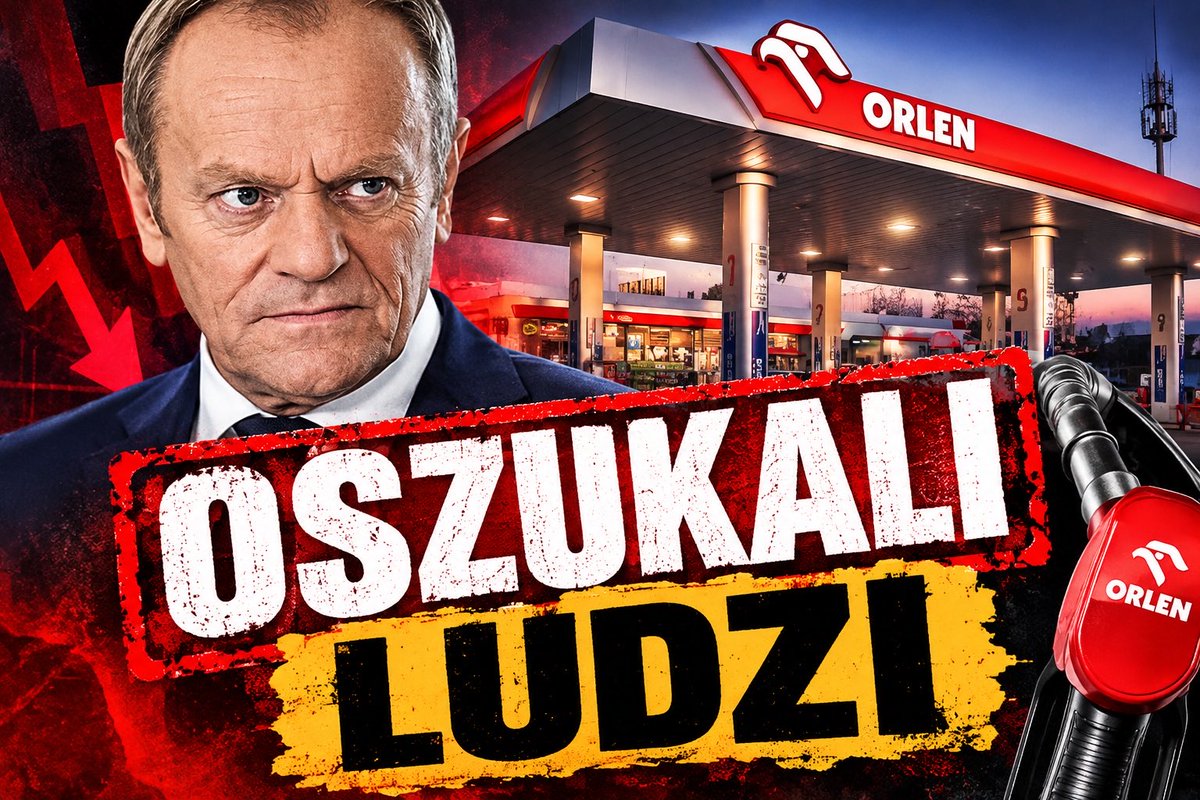
Piotr Stanisław Wielgucki accused Donald Tusk of stealing from the ORLEN Group and wrote that its shares have already fallen. He claimed that more money than anticipated in the budget would have to be allocated, pointing to 6 billion, and that fuel would still be very expensive. According to him, there was a bill by Karol Nawrocki on the table, which proposed a reduction in margins without losses and a price reduction of 2 PLN, while the price was 5.19. Wielgucki also used derogatory terms towards Tusk, referring to his origin, appearance, and intelligence. #Polska #DonaldTusk #GrupaORLEN (translated)

Michał Chmielewski characterized the decrease in fuel prices as a "Tusk-style" reduction. He mentioned that the price of Pb95 changed from 8.19 to 6.73 PLN/l, and the price of diesel from 9.24 to 7.88 PLN/l. Referring to a classic, he wrote that he deemed it appropriate to refuel in this situation. #ceny #paliwo #Polska (translated)

So the fuel price reduction is supposed to be only 1.2 złoty per liter and is only valid until the end of the year! To say it’s a scam is to say nothing at all. https://t.co/37N4mLFHI9 #paliwo #obniżka #Polska #PL (translated)

Fuel Prices Lower ❗️ Regulations reducing VAT and excise duty on fuels have been published in the Journal of Laws; the reduction is valid until December 31❗️ #paliwa #VAT #ekonomia #PL (translated)

The Minister of Finance announced reductions in excise duty and VAT on fuels, which should result in a drop in prices at gasoline stations by about 1.2-1.3 PLN per liter starting October 3, 2026. #podatki #paliwa #obniżka (translated)

Obniżki cen paliw coraz bliżej. W Dzienniku Ustaw opublikowano ważne rozporządzenie
ADAM 5d

It seems that this price cut will be like the Yeti - everyone talks about it, but no one will see it :-) #ceny #Yeti #humor (translated)

If someone hasn't noticed, the law comes into effect on November 1, so any potential price reduction, whether starting tomorrow or next week, WILL NOT HAVE ANYTHING TO DO WITH THE LAW! #ustawa #ceny #Polska (translated)

Donald Tusk commented on the president's decision to introduce a law reducing fuel prices, emphasizing that it is the Poles who will benefit from the reductions, which may occur as early as this weekend. #CenyPaliw #Polska #PodatekNadzwyczajny (translated)

Tusk komentuje decyzję prezydenta: Wygrali Polacy

Finance and Economy Minister Andrzej Domański estimated that the reduction could amount to nearly one zloty per liter. #Paliwa #CenyPaliw #PolskaEnergianews (translated)

Domański zapowiada tańsze paliwa w weekend. Kaczyński: Zobaczymy 5,19 zł za litr?
energia.rp.pl

I'm already a bit tired of this war Nawrocki–Tusk over who wants to lower fuel prices more and who will hit their opponent harder. On a daily basis, I deal with law and legislation, so instead of another press conference, I prefer to try to do something more useful. Let's think about whether it is possible to create a mechanism that works independently of who is currently in power and who lives in the Presidential Palace. Let's tentatively call it the Fuel Price Stabilization Mechanism - nothing more spectacular comes to mind. I’m not talking about flashy slogans like administrative price setting or the prime minister should lower it, or the president presented a bill, so the problem is solved. I’m talking about an automatic system established in law. I imagined it so that if for a certain period, the reference price of oil or wholesale fuel exceeds a set threshold, a temporary reduction in excise tax is automatically triggered. Without a political decision being made anew each time, because that leads to endless arguments at the expense of citizens. The law specifies in advance: - when the mechanism is triggered, - by how much the burden is reduced, - how long it operates, - when it automatically expires. Of course, within the limits of EU law. Because it is worth reminding a rather prosaic fact - a member state cannot arbitrarily eliminate fuel taxation. Here the 2003/96/EC directive comes in, determining minimum levels of taxation for gasoline and diesel. So just as it should be done - first the law and only then the slogans - I’m directing this to my favorite camp, the surroundings of the office. Now there remains a more important problem. If we lower the excise tax, the budget receives less money. This cost does not disappear, it does not magically evaporate. You can't just move it to the "someone may pay later" column. That’s why the mechanism should have a second arm - a temporary levy on the truly extraordinary portion of profits in the fuel sector. But not on the entire profit and definitely not on the normal operation of the enterprise. Not because the company dared to make a profit but solely from that portion that exceeds the previously defined reference level. The current government project wants to use a similar construct - the reference point is margins from 2025 increased by 20%, and only the excess is taxed. The tax rate in the project is 60%, and the projected revenues are about 4 billion PLN. The government indicates that the funds are meant to compensate for the loss of VAT and excise tax revenue resulting from protective actions. However, I would change one fundamental thing. Only PROSPECTIVELY. First, we establish the rule, then we apply it. Not the other way around. This significantly reduces the dispute over retroactivity and legal safety - the reason for Mr. Nawrocki's veto. Revenues from such a levy should be additionally separated and accounted for solely for the purposes of the stabilization mechanism. Then we can show the citizen a simple calculation: - the budget lost X from the temporary excise tax reduction, - the extraordinary levy brought Y, - and the difference is Z. No miracles or political alchemy - simplicity in full scope. But there is still one problem. If the state reduces the burden by 20 groszy per liter, it doesn’t automatically mean that the driver will see 20 groszy less on the sign. Part of the relief may be taken by the margin because who doesn’t want to make a profit... That’s why there should be parallel, public monitoring: - raw material price, - wholesale price, - taxes, - average margin, - retail price. If there is an anomaly, we have UOKiK and competition law instruments. There’s no need to immediately create a state office to set the price of diesel at 7:43 in the morning. And a final safeguard. The price returns below the statutory threshold for a certain period? The reduction expires, the levy expires. The system returns to normal mode. #ustawy #ceny #paliwa (translated)

Od 1 października w Niemczech wejdzie w życie obniżka podatku energetycznego na benzynę i diesel która z VAT ma dać ok. 17 eurocentów ulgi na litrze. #Niemcy #podatki #benzyna #DE

Panie Leśkiewicz, mam nadzieję, że w końcu zdobędzie się Pan na odwagę i odpowie mi publicznie. W końcu "po pierwsze Polacy" - tak? Skoro Kancelaria twierdzi, że ten projekt "doprowadzi do realnej obniżki cen paliw", to postanowiłem pokrótce przedstawić opinii publicznej jego rzeczywistą treść. Nie konferencję prasową. Nie hasła. Nie marketing polityczny jak macie państwo w zwyczaju robić a: Projekt ustawy. Bo mam wrażenie, że właśnie tego elementu w państwa wypowiedziach konsekwentnie brakuje. Bo z samego tekstu ustawy wynika coś znacznie mniej efektownego 🤷‍♂️ Po pierwsze: maksymalne marże nie zostają ustalone ustawą. Projekt stanowi jedynie, że po spełnieniu określonych przesłanek Rada Ministrów MOŻE wydać rozporządzenie i dopiero w nim określić wysokość marż. Sam projekt nie mówi, czy będzie to 20 groszy, 50 groszy czy 1 zł. Nie mówi też, że rozporządzenie musi zostać wydane 🤷‍♂️ Po drugie: z akcyzą jest dokładnie tak samo. Minister Finansów MOŻE ją obniżyć. Nie musi. Państwa własne uzasadnienie przyznaje wprost, że skali skutków finansowych nie da się dokładnie oszacować, bo zależy ona od tego, czy minister w ogóle skorzysta z tej możliwości, na jak długo i w jakiej wysokości.🤦‍♂️ Po trzecie: projektodawca - pan Nawrocki, sam przyznaje, że obniżenie podatków pośrednich nie gwarantuje pełnego przełożenia korzyści na ceny detaliczne. Mimo to Kancelaria publicznie mówi o "natychmiastowej" obniżce i operuje kwotami rzędu 1,70–2,60 zł na litrze, choć takiej gwarancji w ustawie po prostu nie ma 🤦‍♂️ Po czwarte: Projekt automatycznie zmniejsza dochody budzetu z podatku od sprzedaży detalicznej, według własnego uzasadnienia nawet o 600 mln zł. Ewentualna obniżka akcyzy oznaczałaby dalszy ubytek dochodów, którego projektodawca sam nie potrafi dziś określić 🤦‍♂️ I tu zaczyna się problem zasadniczy. Art. 118 ust. 3 Konstytucji wymaga przedstawienia skutków finansowych projektu. Regulamin Sejmu wymaga ponadto wskazania źródeł finansowania, jeżeli projekt pociąga za sobą obciążenie budżetu 🤷‍♂️ Nie wystarczy więc napisać: minister może obniżyć akcyzę, rząd może ograniczyć marże, a następnie ogłosić obywatelom, że Prezydent obniży ceny paliw 🤦‍♂️🤦‍♂️ Bo Prezydent w tym projekcie cen paliw NIE OBNIŻA !. Tworzy instrumenty, których użycie pozostawia innym organom ! Rządowi. Ministrowi Finansów. Organom wykonawczym. A potem powstaje bardzo wygodna konstrukcja polityczna: Prezydent chciał. Rząd nie zrobił, Minister Finansów nie obniżył. Cena nie spadła? Winny rząd ! Cena spadła, ale kosztem kolejnego ubytku dochodów państwa? Prezydent może ogłosić sukces, a odpowiedzialność za deficyt nadal pozostaje po stronie rządu 🤦‍♂️🤦‍♂️🤦‍♂️ W mojej opinii właśnie dlatego ten projekt jest tak zle skonstruowany, ja nawet nie nazwałbym tego "projektem ustawy". Odpowiedzialny projektodawca powinien pokazać realny mechanizm, realny koszt, realne źródło jego pokrycia i realny skutek prawny. A nie napisać ustawę, w której najważniejsze decyzje mają później podejmować inni, po czym już na etapie kampanii informacyjnej przypisywać sobie przyszły sukces. Tak się nie pisze dobrej ustawy. Tak się pisze bardzo wygodny polityczny alibi. I naprawdę nie trzeba wierzyć mi na słowo. Wystarczy przeczytać art. 34b projektu oraz jego własne uzasadnienie 🤷‍♂️ Więc mam jedno małe, ale zasadnicze pytanie, panie Leśkiewicz: czy Pan w ogóle czytał ten projekt, czy ktoś po prostu kazał Panu powtarzać takie bzdury? Odpowie Pan merytorycznie, czy znowu schowa głowę w piasek ? #Polska #prawo #polityka

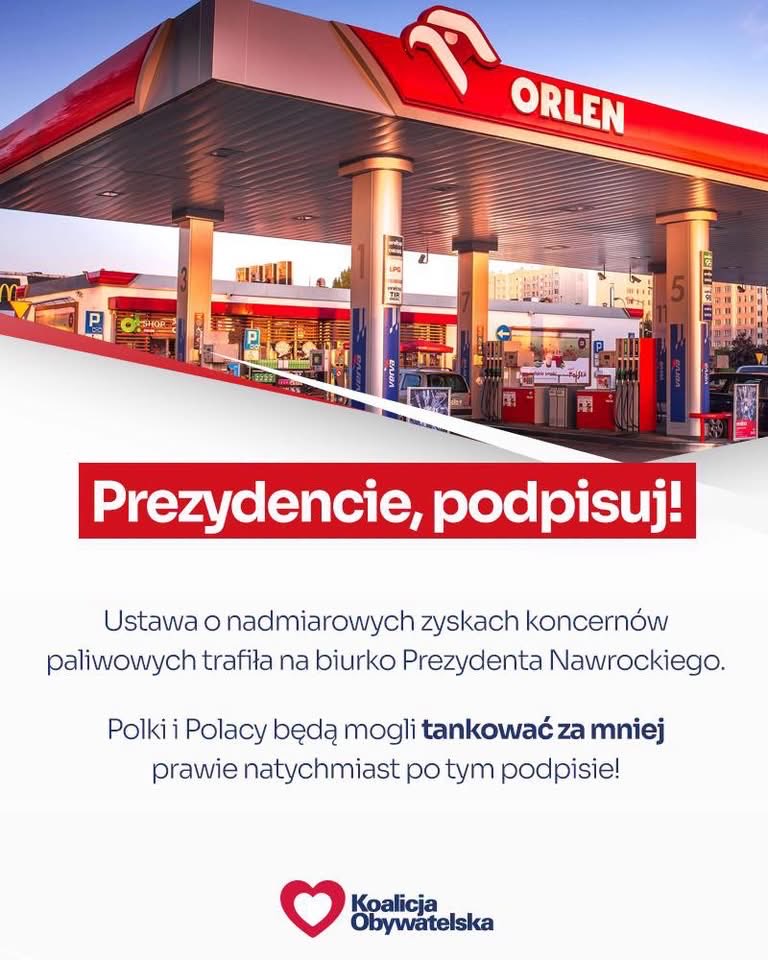
Panie Prezydencie, ustawa już leży na Pana biurku - Polki i Polacy czekają na podpis, abyśmy mogli obniżyć ceny paliw na stacjach benzynowych❗️ https://t.co/RRAHplJxN9 #CenyPaliw #Obniżka #Polska #PL

Tak jak wielokrotnie mówiłem. Rząd nie jest zainteresowany obniżką cen paliw, bo zarabia na wysokich cenach. W ten sposób pieniędzmi z kieszeni Polaków zmniejsza dziurę budżetową. https://t.co/UIQhP5Cumv #ceny #paliwa #budżet #PL