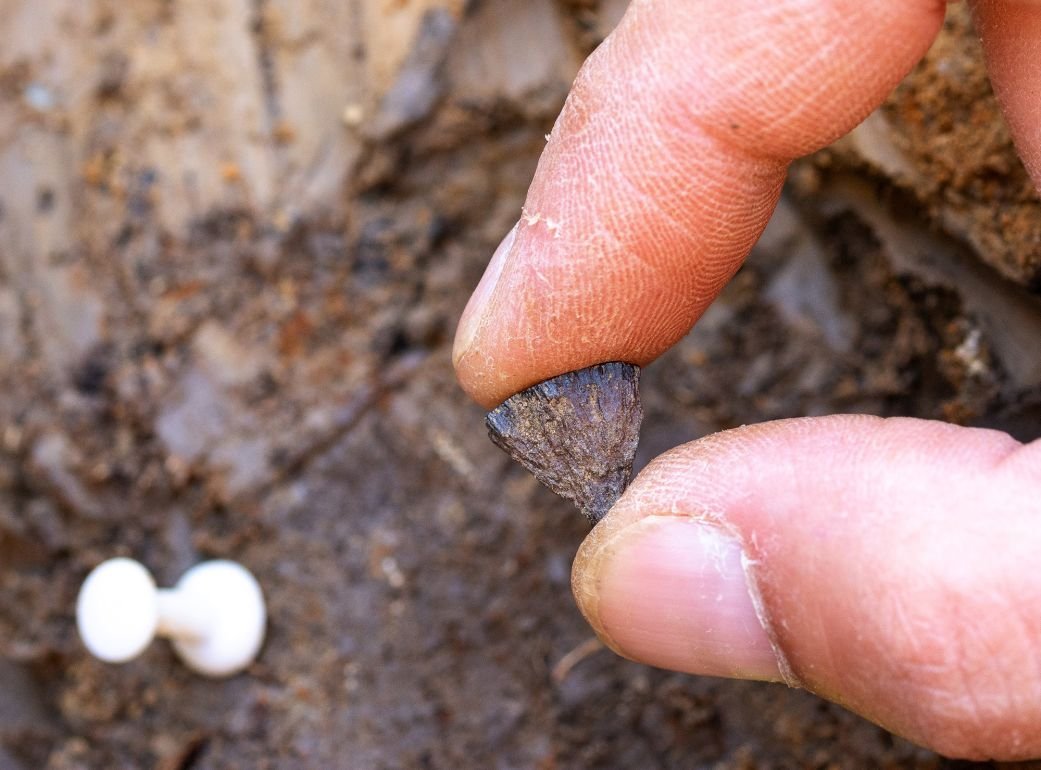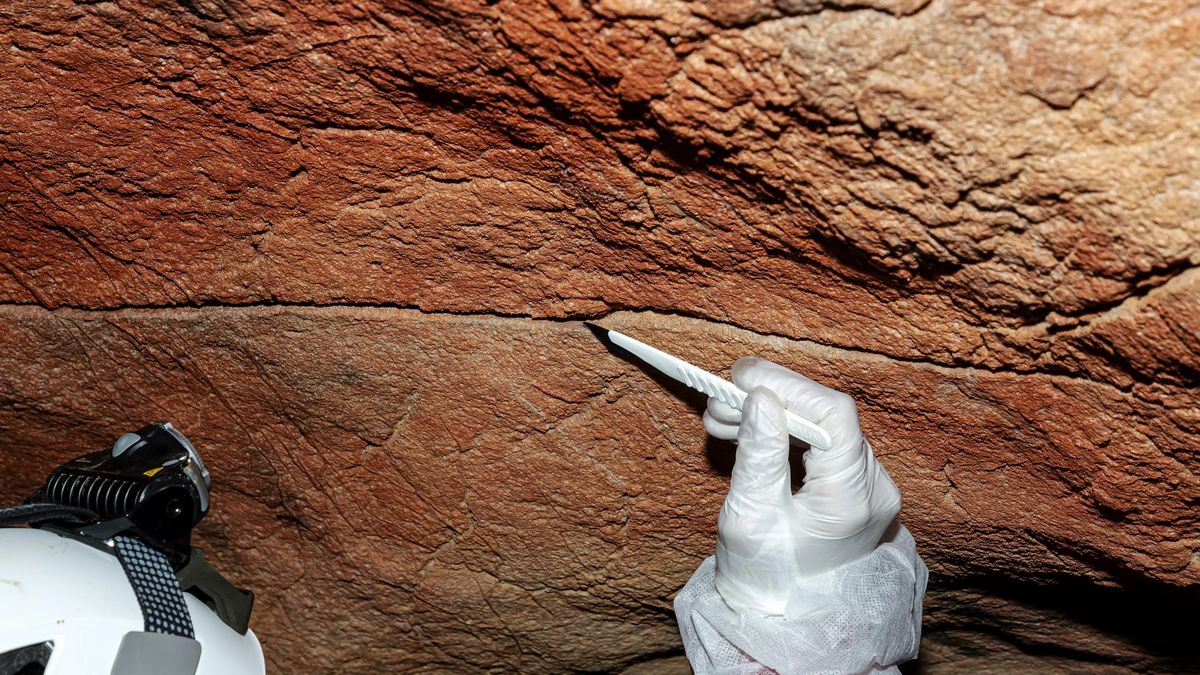
Tomas Kapler stated in his contribution that the discovery of two fragments of pyrite in a former clay pit near English Barnham, according to him, pushed evidence of fire being used by humans back by 350,000 years. A team from the British Museum, led by Nick Ashton and Rob Davis, found them in reddish clay, even though pyrite was not naturally present in the area, according to Kapler. Archaeologists also discovered charred and heat-cracked hand axes and soil burned at over 700 °C there. It reportedly took scientists four years to eliminate the possibility of a fire caused by lightning. Kapler wrote that research published in December 2025 in the journal Nature described the oldest unequivocal evidence that humans could make fire themselves. According to him, the previous such evidence came from Neanderthal sites in northern France and was 50,000 years old. The find from Barnham, according to Kapler, shows that humans had this ability already 400,000 years ago. Chris Stringer from the Natural History Museum in London speculated that they were early Neanderthals, among other reasons based on finds from Swanscombe and Atapuerca. The contribution also addressed the fact that archaeological finds mainly preserve stone, while wood, leather, and plant fibers deteriorate. Kapler recalled a 35,000-year-old tool made from mammoth ivory from the German cave Hohle Fels, whose holes, according to him, allowed for the production of rope, and a six-millimeter fragment of a cord 50,000 years old found in the French Abri du Maras. Archaeologist Bruce Hardy's estimate that we know less than 10 percent of the ordinary life of prehistoric humans was linked by Kapler to the items that did not survive, such as nets, bags, bowstrings, or footwear. According to his conclusion, the image of the Stone Age captures primarily what has not perished. #Archeologie #DobaKamenná #Historie (translated)