Ukraine reported that it supports Tuareg separatists in the Sahel desert fighting against the Malian army, which has caused interstate tensions and accusations from these countries regarding arms supply. #Ukraina #Sahelis #konfliktas (translated)
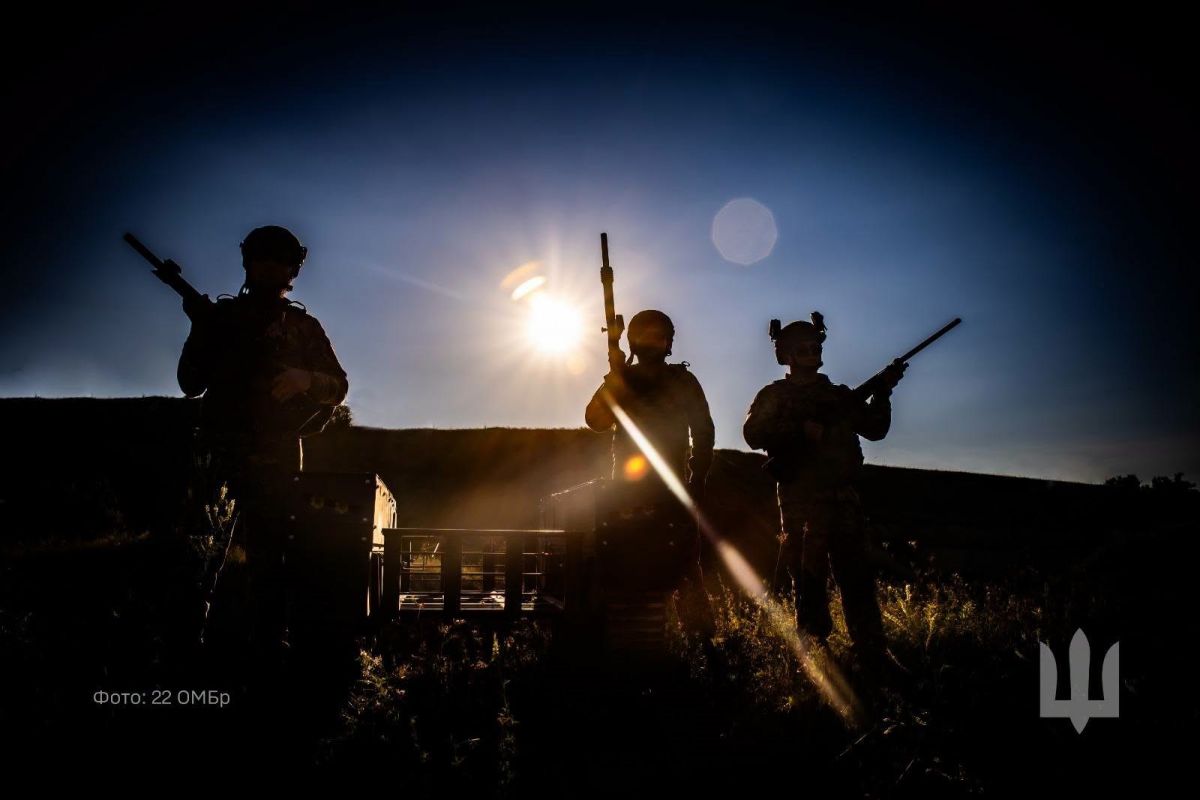
Ukraine reported that it supports Tuareg separatists in the Sahel desert fighting against the Malian army, which has caused interstate tensions and accusations from these countries regarding arms supply. #Ukraina #Sahelis #konfliktas (translated)

The Malian Army and its Russian allies have recovered the city of Kidal without resistance following the withdrawal of the Tuareg rebels from the Azawad Liberation Front, in the context of intensified military operations in the region. #Mali #Kidal #FLA (translated)

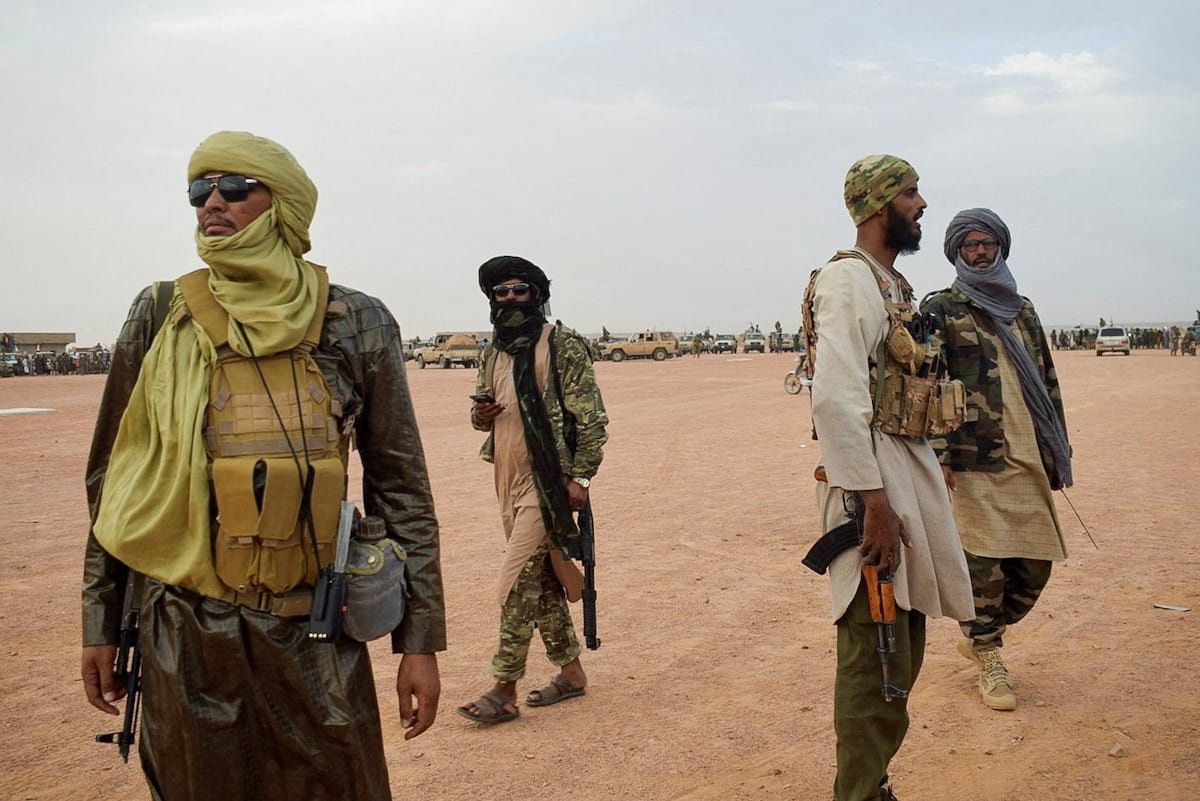
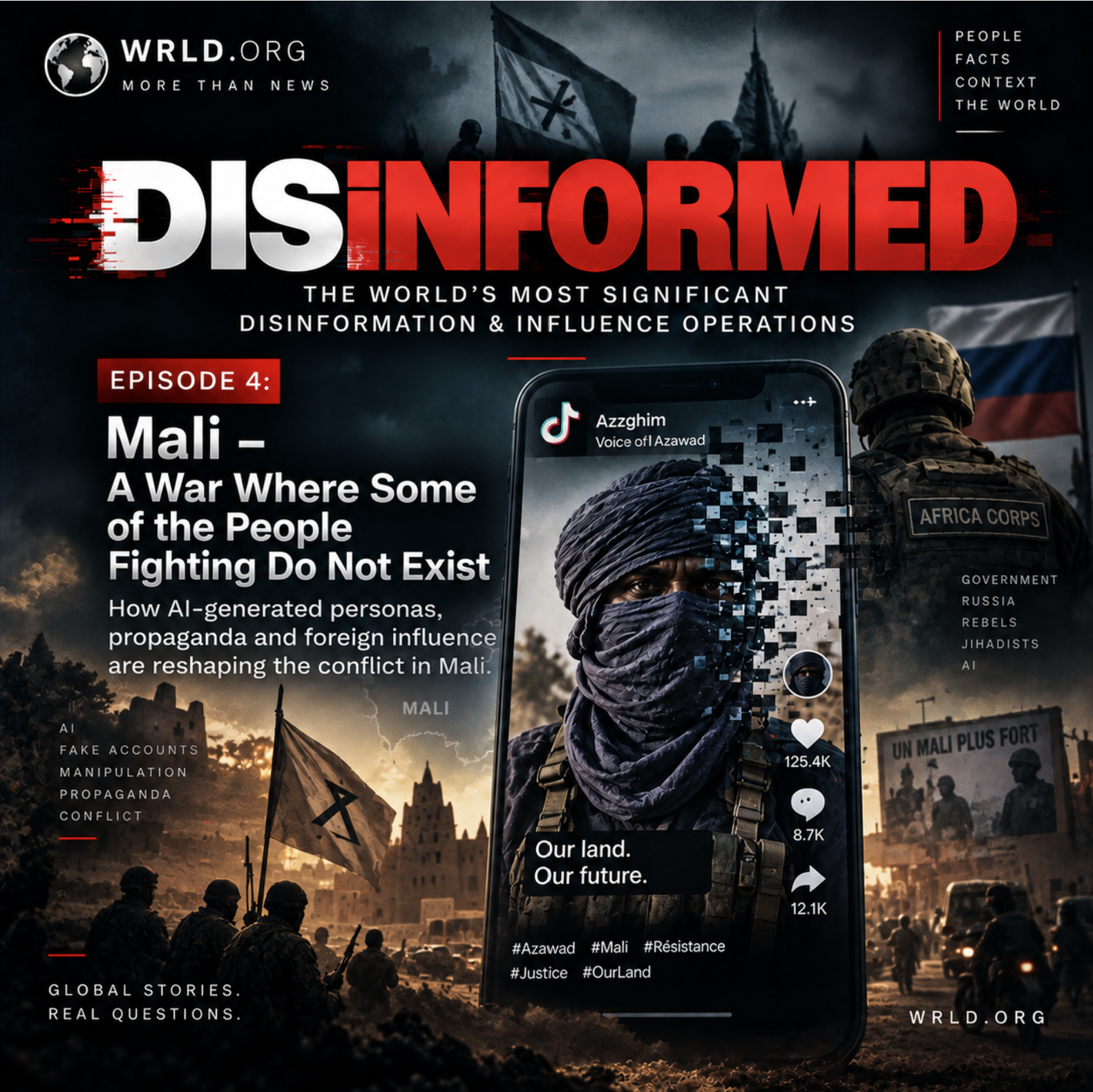
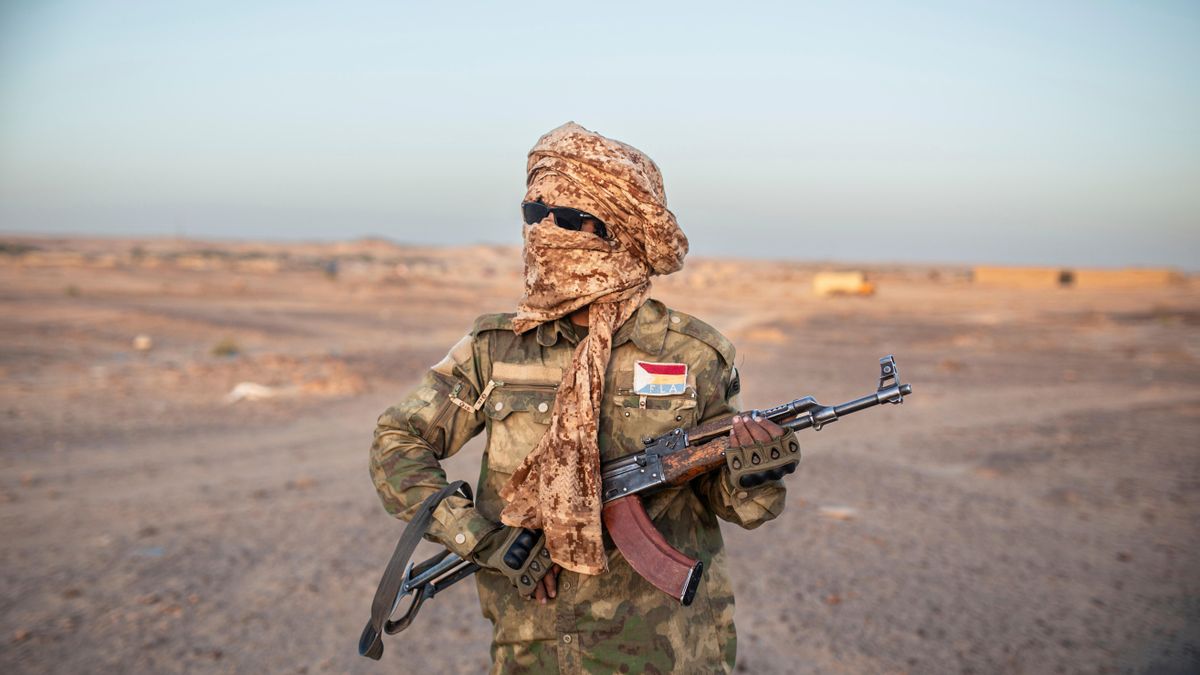
Mali – a war where some of the people fighting do not exist In Mali's war, an apparently simple question is becoming increasingly difficult to answer: who exactly is speaking to us? A real person? A rebel organisation? A Russian influence operation? A supporter of the military junta? Or somebody who has never existed at all? In September 2026, the Dakar-based Timbuktu Institute published Des algorithmes en guerre, a report examining the use of generative artificial intelligence by actors involved in the Malian conflict. Its researchers describe the country as a potential laboratory for AI-assisted information warfare. Separatist networks are deploying synthetic fighters on TikTok. Jihadist propagandists are experimenting with AI-generated imagery. Pro-government accounts are producing large quantities of content celebrating the Malian armed forces. Russia, meanwhile, operates the most developed influence infrastructure of all: pseudo-media outlets, inauthentic accounts, AI-generated text, images and video, and systems designed to artificially amplify their visibility. Artificial intelligence did not create Mali's conflict. The war has been under way since 2012, and its participants have always fought with propaganda as well as weapons. What AI has changed is the economics of that struggle. A new “witness”, commentator, fighter, poster or video can now be produced in minutes. For audiences watching from a phone, distinguishing between genuine documentation, propaganda and material created entirely by an algorithm is becoming progressively harder. Azzghim – the fighter who cannot be killed or interrogated The most striking case documented by the Timbuktu Institute involves accounts associated with supporters of the Azawad Liberation Front, or FLA, a Tuareg separatist movement fighting the authorities in Bamako. A figure called “Azzghim” appeared on TikTok. He looks like a Tuareg fighter and regularly features in videos attacking Mali's government and Russia's Africa Corps, commenting on the conflict and promoting the cause of Azawad. There is one problem: Azzghim does not exist. Analysis of the videos identified anomalies characteristic of generative AI, including unnatural body movements, visual inconsistencies, irregular colouring and problems with audio synchronisation. According to the Timbuktu Institute, Azzghim is a synthetic character being used as the digital face of a political narrative. The propaganda advantages are considerable. An organisation no longer needs to expose a real spokesman. A synthetic personality can be designed to look exactly as its creators require, speak the appropriate language and appeal to a particular audience. Different characters could potentially be created for younger viewers, traditional communities or different ethnic and social groups. There is another advantage: a synthetic spokesman cannot be arrested, identified or interrogated. Researchers also identified accounts amplifying the material. At the time of the study, TikTok account @tawri.n.azawad had around 207,000 followers and was almost entirely devoted to publishing or repackaging content involving Azzghim. Another account, @asnan831, used a similar synthetic teenage character. An important distinction is necessary. Researchers describe these profiles as belonging to supporters or individuals associated with the FLA. The available evidence does not establish that every account is part of an operation centrally directed by the Front's leadership. The information effect, however, remains significant: a digital community can be constructed around the Azawad cause in which some of the apparent participants may not be real people at all. The jihadists are learning too The picture is different for Jama'at Nusrat al-Islam wal-Muslimin, or JNIM, the al-Qaeda-affiliated coalition that has become one of the most powerful armed groups in the Sahel. Its confirmed use of generative AI remains considerably less sophisticated. In June 2026, JNIM's Az-Zallaqa media apparatus published AI-generated posters promoting material about previous attacks. The images showed fighters in combat but contained familiar generative artefacts: buildings and vegetation merging unnaturally, blurred details and unnaturally smooth surfaces. More important than JNIM's current capabilities is what AI could add to an already sophisticated propaganda apparatus. The organisation already tailors communications to different audiences. UN reporting has documented its use of media channels for broader propaganda while other outlets increasingly distribute material in local languages, including Bambara. Generative AI could dramatically reduce the cost of this strategy, translating material into Fulfulde, Hausa, Zarma or Tamasheq, generating synthetic dubbing and producing multiple versions of the same message. The Timbuktu Institute also considers the future possibility of AI chatbots being used to personalise recruitment. That should not be presented as a capability JNIM has already demonstrated. At present, it is a risk scenario rather than a confirmed operation. Russia has the most sophisticated machine At the other end of the spectrum lies Russia's influence ecosystem. Here, AI is not an isolated experiment but another component of an infrastructure previously developed by Wagner-linked networks, Russian media operations and influence organisations operating across Africa. After Wagner's withdrawal from Mali in 2025, its military role was taken over by the Russian state-controlled Africa Corps. The information infrastructure evolved alongside it. Of particular importance is African Initiative, which presents itself as a news agency but has been identified by France's VIGINUM, the UK's Foreign, Commonwealth & Development Office and the European External Action Service as an important component of Russia's newer influence architecture in Africa. One of the most interesting elements of this ecosystem is a network researchers call AI-Freak. The operation uses generative AI to produce text, images and videos, places them on fake or apparently independent news websites and distributes them through inauthentic accounts. This is supplemented by so-called Black Hat SEO – techniques intended to artificially increase the visibility of content in search engines. Elements of this infrastructure have previously been identified by Meta and OpenAI. In 2024, OpenAI disrupted Russian accounts using ChatGPT to generate articles and comments in English, French and Russian. Some of the French-language content targeted audiences in West Africa. In a later iteration of the operation, AI models were also used to draft scripts for short videos praising the Russian Africa Corps, translate them into French and generate descriptions optimised for social media. This illustrates an important difference between the Russian approach and Azzghim. The separatist ecosystem uses AI primarily to manufacture convincing digital personalities. The Russian model increasingly resembles an industrial production line: text, image, video, pseudo-news website, distribution account, search optimisation and additional channels amplifying the narrative. The objective is not merely to convince someone of a single claim. It is to occupy as much of the information environment as possible with narratives advantageous to Moscow: Russia as an effective security partner, the West as a neo-colonial aggressor, France as a source of instability and Russian forces as defenders of African sovereignty. Yet VIGINUM also warns against equating technological sophistication with actual impact. Some Russian influence channels still attract relatively small audiences. A sophisticated operation is not automatically a successful one. The junta is building its own digital reality Mali's military authorities operate within the same contested information environment. Since breaking with France and moving closer to Moscow, Bamako has increasingly restricted independent media space while promoting a narrative built around restored sovereignty, military success and the benefits of its Russian partnership. The Timbuktu Institute highlights the TikTok account @6tm_officiel. At the time of the study, it had more than 436,000 followers and published substantial amounts of AI-generated material presenting Mali's armed forces, the FAMa, and the Africa Corps in a favourable light. One video concerning the battle for Kidal accumulated around 4.7 million views. Again, attribution requires care. Researchers describe the account as being operated by an individual based in Bamako; they do not provide evidence that it is officially managed by the Malian government. It is better understood as part of a wider pro-government information ecosystem in which the boundaries between state communications, supporters and co-ordinated propaganda can be difficult to establish. The Africa Center for Strategic Studies has previously identified the military regimes in Mali and Burkina Faso as important sources of disinformation campaigns in West Africa. Recurring narratives target France, the United Nations, ECOWAS, human-rights organisations and independent media, while presenting criticism of the authorities as part of a foreign conspiracy. Generative AI allows such narratives to be produced faster, more cheaply and in far more variations. Everyone is fighting over a different version of the same war What makes Mali particularly revealing is that multiple actors are using similar technology for very different objectives. FLA-linked networks need digital faces capable of humanising the Azawad cause and attacking Russia's presence. JNIM needs propaganda material and increasingly localised communications. The pro-government ecosystem seeks to portray Mali's armed forces as victorious and reinforce the junta's legitimacy. Russia possesses the broadest infrastructure, in which AI is merely one component of a larger system involving media outlets, websites, local partners, social-media profiles and technical amplification. The result is a war taking place simultaneously in two realities. In the first, soldiers and civilians are killed, towns change hands and the army, separatists and jihadists fight for territory. In the second, every side is trying to determine what the first reality will look like on a smartphone screen. Generative AI does not need to create a perfect deepfake to be effective. It merely needs to increase the number of competing versions of events until an ordinary viewer can no longer easily determine which one deserves to be trusted. That is why Mali matters. It is not showing us the future of information warfare. It is showing us its present. One TikTok video may feature a real soldier. Another may feature a propagandist. A third may feature a fighter who has never existed. And all three can tell completely different stories about the same war. Sources Timbuktu Institute – Des algorithmes en guerre: Comment l'IA générative rebat les cartes du conflit malien https://timbuktu-institute.org/index.php/toutes-l-actualites/item/1731-rapport-des-algorithmes-en-guerre-comment-l-ia-generative-rebat-les-cartes-du-conflit-malien AfricaNews/AFP – “Mali's information war is increasingly being shaped by AI” https://www.africanews.com/2026/09/09/malis-information-war-is-increasingly-being-shaped-by-ai/ OpenAI – research on Russia-origin influence activity and Operation Stop News https://openai.com/index/disrupting-malicious-uses-of-ai-stop-news-2024/ VIGINUM / FCDO / EEAS – technical report on African Initiative and the AI-Freak network https://www.sgdsn.gouv.fr/files/files/Publications/20250612_TLP-CLEAR_VIGINUM_FCDO_EEAS_Technical_Report_African_Initiative_EN.pdf Africa Center for Strategic Studies – Mapping a Surge of Disinformation in Africa https://africacenter.org/spotlight/mapping-a-surge-of-disinformation-in-africa/ Timbuktu Institute – analysis of AI use by JNIM https://timbuktu-institute.org/index.php/toutes-l-actualites/item/1735-artificial-intelligence-a-new-propaganda-lever-for-jnim-in-mali?print=1&tmpl=component #Disinformation #Mali #Sahel #Africa #ArtificialIntelligence #AI #GenerativeAI #AIPropaganda #InformationWarfare #InfluenceOperations #Propaganda #Deepfakes #SyntheticMedia #Azawad #FLA #JNIM #AfricaCorps #Russia #RussianInfluence #TikTok #DigitalWarfare #MediaManipulation #WRLD
Kids, lystring! Nu blir det söndagsskola med farbror Sfeir. Idag ska det handla om ”Saharas blå män”. Tuaregerna är ett amazighfolk, ofta kallat berberfolk, vars traditionella områden sträcker sig över dagens Mali 🇲🇱, Niger 🇳🇪, Algeriet 🇩🇿, Libyen 🇱🇾 och Burkina Faso 🇧🇫. I århundraden rörde de sig längs Saharas handelsvägar med kamelkaravaner och förmedlade salt, guld, livsmedel och andra varor mellan Nordafrika, Sahel och områdena söder om öknen. Ursprunget till benämningen tuareg är omstritt. Ordet brukar härledas från arabiskans ṭawāriq (طوارق), plural av ṭāriq, som kan beteckna en vägfarande eller någon som färdas om natten. Tuareger använder om sig själva namn som Kel Tamasheq, ”de som talar tamasheq”, eller Kel Tagelmust, ”slöjans folk”. Tuaregerna har aldrig utgjort ett enhetligt folk med en gemensam politisk ledning. De har varit organiserade i stammar, klaner och löst sammanhållna konfederationer med egna maktstrukturer och inbördes rivaliteter. Tuaregsamhället beskrivs ibland som matriarkaliskt, men matrilineärt är mer korrekt. Släktskap, arv och social tillhörighet har i många grupper räknats genom moderns linje. Kvinnan har traditionellt ägt tältet, förvaltat egendom och haft en förhållandevis stark ställning inom äktenskapet och vid skilsmässa. Hon har också varit en viktig bärare av språk, poesi, musik och muntlig tradition. Det innebär emellertid inte att tuaregsamhällena har styrts av kvinnor. Den militära, religiösa och formella politiska makten har vanligen dominerats av män. Tuaregernas språk, tamasheq och närbesläktade varianter, tillhör den amazighiska språkfamiljen. De har också bevarat tifinagh, ett gammalt skriftsystem som blivit en central symbol för amazighisk identitet. Kunskapen om skriften har traditionellt haft en stark ställning bland kvinnor, vilket ytterligare understryker deras kulturella betydelse. Tuaregerna är huvudsakligen sunnimuslimer, men islam har historiskt förenats med lokala sedvänjor och äldre kulturella traditioner. Till skillnad från i många andra muslimska samhällen är det traditionellt männen som täcker ansiktet. Den karakteristiska indigofärgade slöjan, tagelmusten, skyddar mot sol och sand men markerar också vuxenhet, värdighet och social identitet. Färgämnet kunde färga av sig på huden och gav upphov till den europeiska benämningen ”Saharas blå män”. Tuaregisk kultur har samtidigt fått internationellt genomslag, inte minst genom den så kallade ökenbluesen. Där förenas traditionella rytmer och poetiska uttryck med elgitarrer och sånger om öknen, kärleken, exilen och förlusten av ett äldre levnadssätt. #Tuareg #Kultur #Sahara
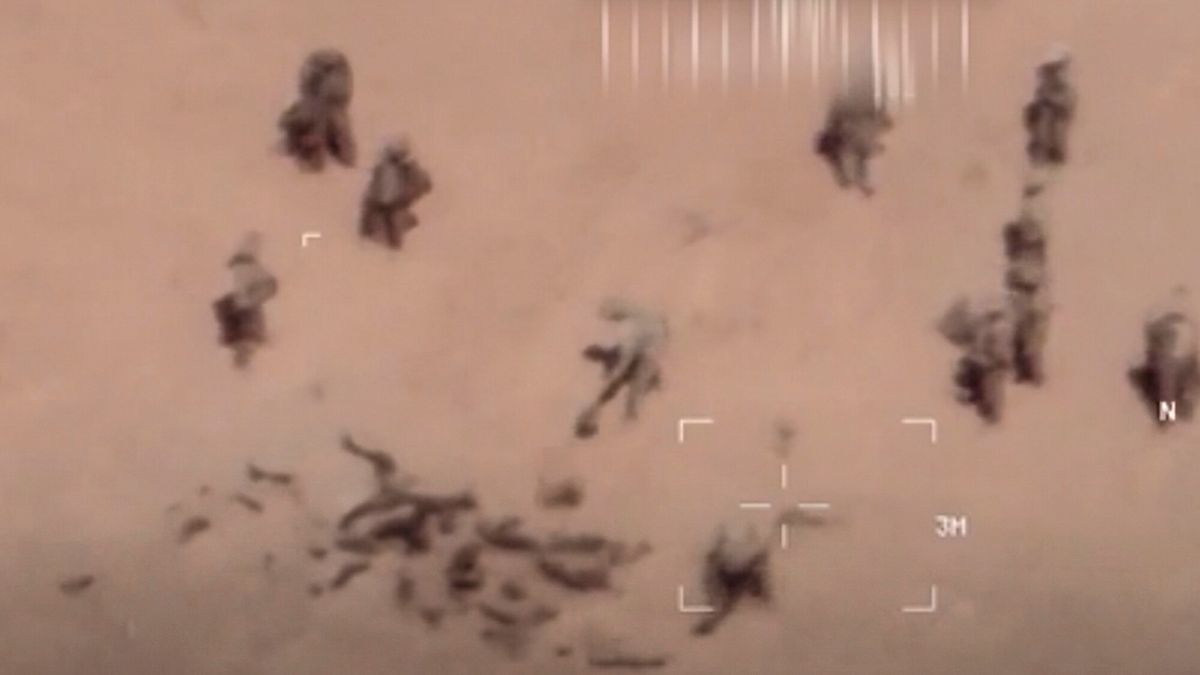
Bei einem Hinterhalt von Jihadisten und Tuareg-Separatisten in Mali wurden am Samstag mindestens 50 Soldaten getötet und 24 gefangen genommen, was zu einer der tödlichsten Niederlagen für die malische Armee seit Jahren führte. #Mali #Jihadismus #militärischerKonflikt

Bei einem Angriff von Dschihadisten und Tuareg-Kämpfern auf einen malischen Armeekonvoi für die strategisch wichtige Stadt Anefis wurden mehr als 50 Soldaten getötet und mindestens 24 gefangen genommen, während die malische Armee einige Gegenangriffe startete. #Mali #Sahel #Dschihadisten

Bei einem koordinierten Angriff von Dschihadisten und Tuareg-Separatisten im Norden Malis wurden mindestens 50 Soldaten getötet und 24 weitere gefangen genommen, als ein Militärkonvoi beim Verlassen der Stadt Anefis in einen Hinterhalt geriet. #Mali #Westafrika #Dschihadisten

Bei einem der tödlichsten Angriffe auf die malische Armee seit Jahren wurden im Norden Malis mindestens 50 Soldaten getötet und 24 gefangen genommen, als ein Militärkonvoi beim Verlassen der strategisch wichtigen Stadt Anefis von Jihadisten und Tuareg-Separatisten überfallen wurde. #Mali #Jihadisten #Tuareg

Bei einem gemeinsamen Angriff von Dschihadisten und Tuareg-Kämpfern in Mali wurden mindestens 50 Soldaten getötet, als sie einen Militärkonvoi attackierten, der aus der strategisch wichtigen Stadt Anefis aufbrach, was zu einem der blutigsten Vorfälle in dem seit 15 Jahren andauernden Konflikt führte. #Mali #Dschihadisten #Militärkonvoi

In Mali haben Tuareg-Rebellen und Dschihadisten erneut einen Konvoi von russischen Söldnern des sogenannten Afrika-Korps angegriffen, während Russland seine militärische Unterstützung in Mosambik anbot, um gegen dortige islamistische Aufstände vorzugehen. #Mali #RussischeSöldner #Tuareg

Mali krievu algotņu kolonnas un vietējo militāro spēku sadursmē ar teroristisko grupējumu JNIM un tuaregu separātistiem FLA notiek sīvas kaujas, kad FLA ir pārņēmusi Anefisu, savukārt krievu algotņi un Mali karavīri cenšas noturēt armijas nometni un pretoties uzbrukumiem. #Mali #terorisms #drošība

Base militar dos russos do Africa Corps no Mali sob forte ataque de rebeldes tuaregs. Ontem a Rússia perdeu um helicóptero Mi-24, um comboio e farta munição e veículos em ataques de rebeldes contra diversos pontos do país. #hojenomundomilitar https://t.co/sHPnp4k6ZU #Mali #conflito #militar
Krievijas atbalstītās spēku vienības Mali ir spiestas atkāpties pēc koordinētiem uzbrukumiem no tuaregu nemierniekiem un Al-Qaeda saistītajiem kaujiniekiem, kā rezultātā ziņots par Krievijas karavīru grupas sagūstīšanu un Krievijas vēstniecības personāla evakuāciju. #Mali #Tuareg #Krievija

Niedziela 5 lipca skrót info ze świata 🌍 -🇹🇷 lira -94%🔴wartości do złotówki w 10lat - 🇰🇷Samsung plan podwyżki cen RAM o 20% -🇵🇱dziś Dzień Wolności Podatkowej. 💵dla siebie -🚢Iran: Chińskie statki mają priorytet w Ormuz - 🇨🇳Chińskie firmy masowo zabraniają Claude AI -💰Start "Kont Trumpa" w USA. Dzieci urodzone od 2025 dostają 1000$ zainwestowane w akcje -🇨🇦 Kanada chce budować ropociąg do Azji -FT: Poziom wiedzy finansowej Amerykanów najniższy od 2016 roku -⚽️🇲🇦Maroko pokonało gospodarzy, 🇨🇦Kanadę, 3:0 i awansowało do ćwierćfinału -🇪🇬Egipt otwiera swój "Pentagon" zwany Oktagonem w nowo budowanej stolicy -✍️10% Polaków ma mieć dysleksję ( Żyjemy w czasach wielkich odkryć ortograficznych 🙃) -🇷🇺 Putin ☎️ i zaprasza Trumpa do Moskwy -🪙złoto największym aktywem rezerwowym świata -🇺🇸Trump: "Netanjahu wie, kto tu rządzi" -🇹🇷 Erdogan: "Izrael sabotuje umowę USA-Iran" -🇻🇪 3011 ofiar trzęsienia ziemi i rośnie - ₿itcoin wraca na 63000$ bitcoin:native -📈rekord aktywów Amerykanów ulokowanych w akcjach, aż 33% majątku mają na giełdzie -🇺🇸Trump " Europa 🇪🇺 staje się Trzecim Światem bo przyjmuje ludzi z Trzeciego Świata" -⚠️napisz ile wg.Ciebie lat istnieje naród i tożsamość ukraiński Ukrainy 🇺🇦⚠️? -⛵️Dar Młodziezy na paradzie w Nowym Jorku -🇺🇿Uzbekistan spis powszechny: 39 mln ludzi -🇫🇷 Francja testuje oddział robotów bojowych -🇩🇪: Weidel i Chrupalla znów szefami AfD -🇬🇧🇫🇷Wielka Brytania i Francja chcą lokować wojska wokół Ormuz -🇰🇵 Kim Dzong Un: "sukces rakiet do zatapiania okrętów" ( Autobiografia PrzywódcyKorei Północnej jest zatytułowana "Kim jestem" 🙃) -🇻🇦Papież Leon XIV przybył na Lampedusę -🇲🇱Dżihadyści+Tuaregowie przejmują północne Mali, walki z wojskiem+rosyjskim Korpusem Afrykańskim - 🇮🇱 Natanjahu prosi Trumpa o spotkanie -🇮🇳 Indie znoszą ograniczenia w sprzedaży LNG -🇭🇰Chiny podkradały chipy z transportów o wartości 239 mld $ które miały międzylądowania w Hong Kongu ponieważ nie pobiera ceł -🇵🇰kolejne rozmowy USA-Iran 11 lipca w Pakistanie -📴Xiaomi, Oppo i Vivo obniżają cele sprzedażowe -🇴🇲Oman zapewnia 🇫🇷🇬🇧 bezpieczną żeglugę Ormuz -🇵🇰 Partyzanci w Beludżystanie wysadzili bombę pułapkę w Gwadar, zginęło 30 żołnierzy Pakistanu. -🎦Prezydent Trump publikuje wizerunek góry Rushmore z jego podobizną - Dziś Dzień Bikini 👙( Zabieranie na plażę psa 🐕 o imieniu "Rekin" nie jest dobrym pomysłem 🙃) - dziś pozostałe skróty info tylko dla subskrybentów premium. Najbliższy o godz. 12:00 #Świat #Aktualności #Informacje
In Mali haben Dschihadisten und Tuareg-Rebellen mehrere Angriffe auf verschiedene Orte, darunter ein Gefängnis nahe Bamako, gestartet, während die Militärjunta zu den Vorfällen schweigt und sich unter dem Druck von Gewalt und geopolitischen Spannungen befindet. #Mali #SahelKrise #Dschihadismus

Putin ha perso in modo netto le elezioni in Armenia e così il piccolo paese caucasico si somma all’ormai lungo elenco di pezzi che, a causa della folle impresa ucraina, l’impero che Putin sognava di aggiungere, sta invece perdendo. L’impegno di Mosca nella sua criminale aggressione le ha infatti impedito di prendere le parti di Erevan nel breve conflitto che ha riportato il Nagorno Karabakh sotto il controllo dell’Azerbaijan nel settembre 2023. Questo ha di fatto trasformato un allontanamento lento del governo armeno dall’orbita russa, in una crisi insanabile ora culminata con un voto che oggi sancisce la separazione dei destini delle due nazioni. La stessa Baku ha a sua volta preso le distanze dal Cremlino, nonostante le tensioni con l’Armenia, anche a causa di un abbattimento aereo, avvenuto nel dicembre del 2024, del quale la Russia non si è mai pienamente assunta la responsabilità. Il Kazakistan, intanto, pur condividendo con la Russia il confine continuo più lungo del mondo, ha attuato una strategia di "neutralità attiva" che ha irritato Mosca. Astana si è rifiutata di riconoscere le annessioni dei territori ucraini, accoglie centinaia di migliaia di russi in fuga dalla mobilitazione militare, e soprattutto rispetta formalmente le sanzioni occidentali sui beni a duplice uso (dual-use), bloccando i canali di rifornimento tecnologico per l'esercito russo e costringendo Putin a continui viaggi diplomatici per tentare di blindare l'asse finanziario. L’Uzbekistan ha assunto per parte sua una posizione speculare a quella kazaka. Tashkent ha dichiarato esplicitamente il proprio sostegno all'integrità territoriale dell'Ucraina, ha rifiutato la proposta russa di creare una "unione del gas" a guida moscovita (preferendo accordi bilaterali commerciali) e sta diversificando rapidamente i propri partner strategici verso la Cina, l'Europa e la Turchia. La distrazione ucraina ha anche fatto mancare l’aiuto del regime di Putin all’ormai ex dittatore Bashar al Assad, defenestrato dalla guida della Siria, paese fino a quel momento sotto il totale controllo di Mosca, che poteva anche liberamente utilizzare il porto di Tartus. Nel 2019, Assad aveva concesso al colosso russo Stroytransgaz (legato all'oligarca Gennady Timchenko) l'affitto e la gestione commerciale dello scalo per 49 anni. Il nuovo esecutivo siriano ha rescisso il contratto, accusando la società russa di non aver mai effettuato gli investimenti di ammodernamento promessi. La gestione dello scalo commerciale è stata immediatamente riassegnata alla multinazionale DP World di Dubai (Emirati Arabi Uniti), che ha firmato un accordo per investire 800 milioni di dollari nello sviluppo di un nuovo terminal multiuso, tagliando fuori Mosca dai profitti e dal controllo logistico dello scalo. Sempre in Medio Oriente, Mosca ha dovuto assistere inerme alle sanguinose proteste contro il regime iraniane e successivamente alle azioni israeliane e statunitensi, dimostrandosi assolutamente impotente sia sul piano diplomatico che su quello militare ed anzi approfittando cinicamente della crisi di Hormuz per trarre beneficio temporaneo dal rialzo dei prezzi del petrolio. Ma nell’elenco dei paesi usciti dall’orbita russa a causa della guerra va inserita anche l’Ungheria, trascinata su posizioni così estreme ed antieuropee da causare la caduta di Orbàn. Finlandia e Svezia, inoltre hanno archiviato rispettivamente 80 e 200 anni di neutralità e non-allineamento militare. L'ingresso formale nella NATO ha spostato l'intero baricentro della sicurezza del Mar Baltico (ora definito scherzosamente "un lago della NATO") fuori dal controllo russo, raddoppiando i confini diretti tra l'Alleanza Atlantica e la Federazione Russa. In America Latina l’uscita di scena di Maduro ha indebolito i legami col Venezuela, la cui vice presidente è costretta a mantenere rapporti più stretti con l’America di Trump che con la Russia. Mentre l’Ecuador, sotto la presidenza di Daniel Noboa, ha avviato una decisa virata diplomatica verso Washington. All'inizio del 2024, il paese ha accettato di trasferire agli Stati Uniti i suoi vecchi sistemi militari di fabbricazione sovietica (destinati all'Ucraina) in cambio di equipaggiamenti militari moderni americani. La mossa ha scatenato una durissima ritorsione economica da parte di Mosca, che ha temporaneamente bloccato l'importazione di banane ecuadoriane (l'Ecuador copre il 95% del mercato russo) simulando "motivi sanitari". Persino in Mali, affermatasi in questi anni come roccaforte russa, le forze dell’Africa Corps stanno subendo pesanti perdite a causa delle imboscate congiunte dei ribelli Tuareg e dei gruppi jihadisti, incrinando il mito dell'invincibilità russa nella regione. Per quanto Putin si sforzi di organizzare forum economici e continuare a mostrare i muscoli, la verità è che Russia, dissanguata da una guerra che non può vincere, sta subendo come mai prima un isolamento internazionale concomitante con un crollo reputazionale, scontando una sopravvalutazione della propria potenza militare ormai evidente a tutti, che la fa apparire non solo incapace di difendere i propri alleati, ma accecata da un’ideologia tossica e revanscista che antepone a suoi stessi interessi. #Putin #Elezioni #Geopolitica
Az orosz Afrika Hadtest Maliban súlyos kudarcot vallott, mivel az iszlamista és tuareg lázadók szokatlanul sikeresen támadtak a kormányerőkre, ami a Kreml szövetségeseinek új kapcsolatok keresésére késztethette őket a régióban. #Mali #Száhelövezet #dzsihád
Malí enfrenta un asedio conjunto de la rebelión tuareg y la insurgencia yihadista, liderada por Iyad Ag Ghali, cuya alianza ha debilitado al Gobierno y ha impuesto un bloqueo en Bamako, mientras Ag Ghali, un excombatiente cuya vida abarca desde la música hasta el liderazgo yihadista, maneja con habilidad tanto la violencia como la negociación en su estrategia política. #MaliConflict #Jihadism #TuaregRebellion
Ruští žoldnéři v Mali, pod tlakem koordinovaných útoků povstalců z FLA a džihádistů z JNIM, čelí dramatickému ústupu a ztrátě klíčových pozic, což naznačuje oslabení kremelské bezpečnostní sítě, která se ocitá v ohrožení, zatímco malijská junta zintenzivňuje centralizaci moci a regionální dynamika se komplikuje. #Mali #WagnerGroup #Tuaregové
Assimi Goita, the leader of Mali's military government, has assumed the role of defense minister following the assassination of the former minister, Sadio Camara, during coordinated attacks by al Qaeda-linked militants and Tuareg separatists, highlighting the ongoing security challenges in the region. #Mali #SecurityIssues #DefenseMinister #ML