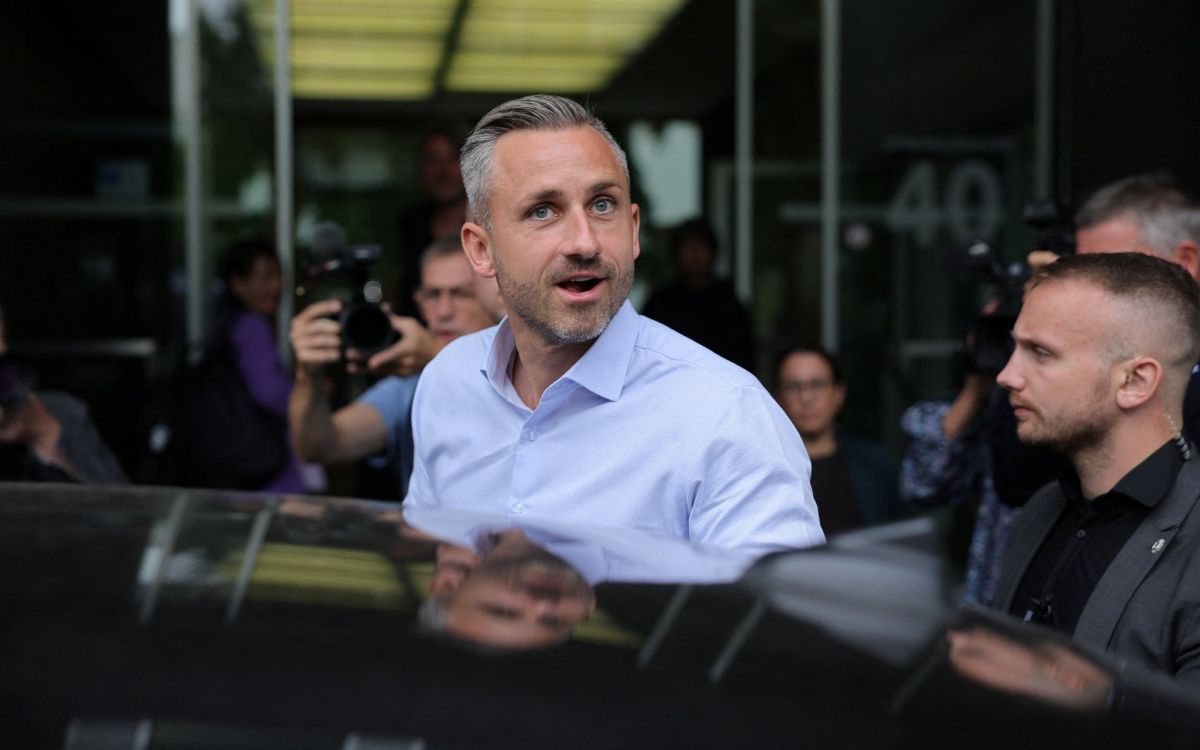
Jarosław Królewski appealed for an end to frequent changes in the national team coaches and a focus on long-term work. He wrote that after the victories of players and coaches, there is excessive praise, while after defeats, the assessment tends to be too harsh. In his opinion, players should be developed also between training camps, and the staff should make use of data regarding their form, development, workloads, and suitability for specific roles. Królewski assessed that the coach should primarily be a leader and motivator, while tactics, analysis, and preparation should be a collaborative effort of the staff, supported by AI and Big Data. He also regarded the creation of a coherent development plan for the upcoming age groups of the national team, at least from U18 level, as important, along with regular cooperation between coaches, analysts, and those responsible for player development. He wrote that in Poland, long-term planning often gives way to immediate reactions: after victories, monuments are built, while after defeats, blame and successors are sought. He added that accountability for results is necessary, but it should not mean constantly starting over. He also appealed for a reduction in disputes and stated that someone else's defeat is not automatically one's own success. Królewski noted that despite the market, capital, talents, and potential of a country with nearly 40 million people, Polish companies with domestic capital tend to spend more on promotional pens than on long-term support for sports, education, technology, or culture. He added that the sporadic presence of Polish clubs in the Champions League is, in his opinion, a problem for the entire ecosystem, not just the owners, coaches, or players. He mentioned Wisła, Legia, Lech, and Raków, emphasizing that regular competition of Polish clubs at the highest European level should be a shared goal. #PiłkaNożna #Sport #Edukacja (translated)