WRLD

Search

#cultures
BFMTV 4d

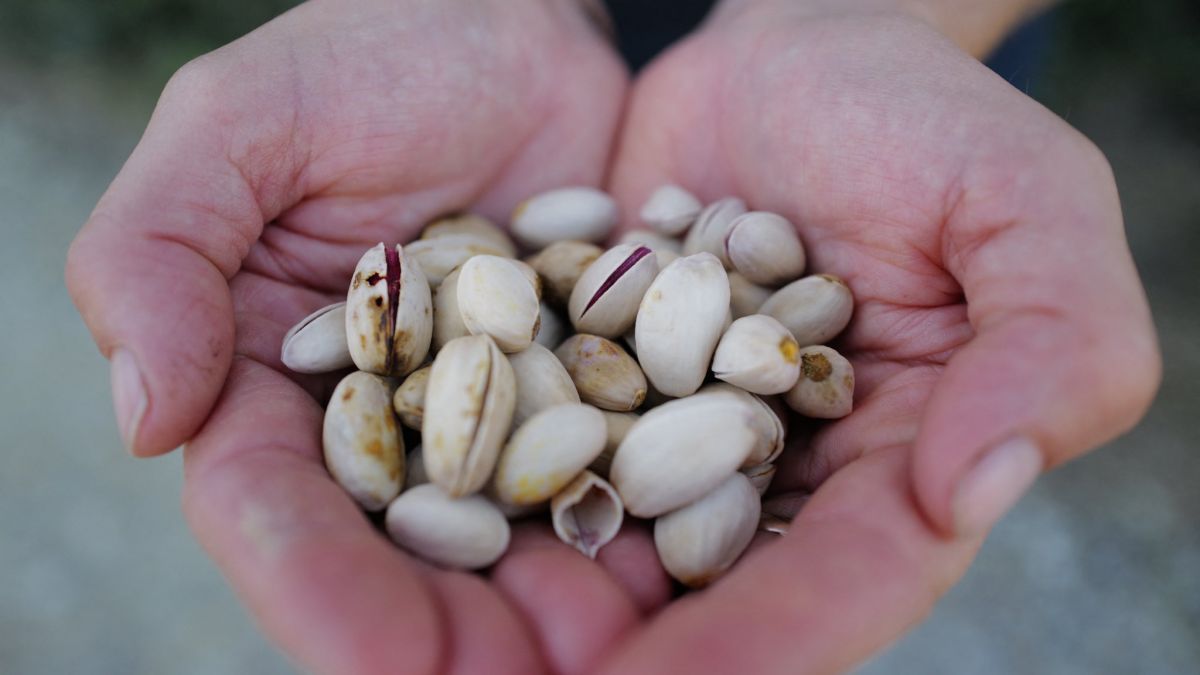
Faced with climate challenges and the declining interest of consumers in alcoholic wines, winemakers in Vaucluse are abandoning grape cultivation in favor of lentils and pistachios, which are considered more suitable for arid conditions. #Agriculture #ChangementClimatique #Diversification (translated)
www.bfmtv.com
"Beaucoup plus facile": adieu les vignes, des vignerons du Sud se tournent vers la culture des lentilles et des pistaches

3035
Matthieu Pigasse 5d

Matthieu Pigasse indicated that the Combat group was a candidate for one of the six television frequencies being reallocated. He presented the project as cultural and political, advocating for a free, popular, and irreverent channel that would use culture, music, humor, and political debate as means of emancipation. According to him, the channel would highlight diversity and discovery, give a voice to those rarely heard, and showcase new talents. He also mentioned a television blending screens, digital, and social networks, supported by the media, teams, and brands of the group, notably Radio Nova, Les Inrockuptibles, and its festivals. Pigasse believed that the success of these brands demonstrated a need for other voices and new ways to tell the world and bring culture to life. He described his ambition as that of a television reflecting contemporary France and contributing to shaping that of tomorrow. #Télévision #Culture #Diversité (translated)

3607
SUZUKI Hideo 鈴木秀生 6d

Hideo Suzuki mentioned that an international conference dedicated to the cultures of Tintin and its centenary was taking place that day at the Collège de France. He discussed the 100 years of Tintin and the importance of his legacy, which, according to him, went beyond. https://t.co/2iMjizezNg #Tintin #CollègeDeFrance #Culture (translated)

3618
𝐆𝐞𝐨𝐓𝐚𝐥𝐞𝐬 6d

GeoTales described a scenario where several agricultural regions would be simultaneously affected, while dam production would decrease, trade routes would be disrupted, and populations would experience exceptional heat. It specified that the term "super El Niño" referred to an episode of about +2 °C or more in the Niño 3.4 area, without constituting a universal category comparable to that of cyclones. According to GeoTales, the bulletin published on October 8 by the World Meteorological Organization forecasted an average anomaly of about +3.7 °C in this area for the period from October to December, with a peak around December. It also reported that NOAA assessed the probability of reaching at least +2.5 °C over three months at 83% according to its RONI index, mentioning an episode likely to exceed those observed since 1950. It emphasized that the two agencies used different methods, but their figures indicated an exceptionally intense event. GeoTales explained that observations showed increased heat beneath the surface of the Pacific, a deeper thermocline, as well as anomalies in westerly winds and precipitation in the central and eastern parts of the ocean. It reminded that El Niño is a natural phenomenon and estimated that it would be too simplistic to attribute this episode solely to climate change, while adding that background warming could exacerbate its consequences. To illustrate the possible impacts, GeoTales mentioned Guatemala, citing a video published the day before by LIMIT Media. It wrote that in the "dry corridor" that also crosses Honduras and El Salvador, the lack of rain and crop losses were already undermining the food and income of families relying on maize and bean cultivation. #ElNiño #ChangementClimatique #Météo (translated)

3282
Bally Bagayoko 7d

Bally Bagayoko presented the launch of the Hip-Hop and Urban Cultures Festival of the New Town of Saint-Denis–Pierrefitte-sur-Seine as an evening focused on creation, commitment, and hope. He said that the city aimed to maintain a strong cultural ambition despite a difficult political and social context, which weakened local communities and tested cultural policies. He described culture as a right and a means of emancipation, and hip-hop and urban cultures as spaces for expression, encounter, and solidarity. According to him, the evening also allowed for affirming support for the mobilization of high school students on October 17. Bagayoko advocated for a convergence of struggles and generations around social justice, equality, dignity, and access to culture. #HipHop #CulturesUrbaines #SaintDenis #PierrefitteSurSeine #CulturePourToutesEtTous #Jeunesse #ConvergenceDesLuttes #FaireRenaîtreLEspoir #HipHop #CulturesUrbaines #Culture (translated)

3633
Susan Polgar 1w

The author expressed solidarity with Panama after a powerful earthquake, writing that it was a reminder that people were part of one human family beyond the chessboard. They added that the chess community had long brought together people from different countries, cultures and backgrounds. https://t.co/1TCVdIOm8E #Panama #Earthquake #Humanity #PA

2955
Yann LeCun 1w

Yann LeCun contested the idea that all forms of artificial intelligence would be "beautiful nuisances." He cited systems that detected tumors on mammograms, spotted obstacles on the road and reduced collisions by 40%, filtered spam and scam attempts, or blocked foreign influence attempts on the democratic process. He also mentioned tools that described the visual environment to blind people, translated languages, and assisted doctors, researchers, and journalists. He concluded that we should avoid dismissing all forms of AI. #IntelligenceArtificielle #Innovation #Technologie (translated)

2969
L'Obs 2w

In an interview, Olivier Roy explains that populists, in seeking to restore a mythical people, rather reveal the disappearance of the cultures they claim to defend, warning that their failure to instigate a genuine cultural renaissance could lead to authoritarian drifts. #Populisme #ContreRévolutionCulturelle #OlivierRoy (translated)

www.nouvelobs.com
Olivier Roy : « Les populistes rêvent d’un peuple qui n’existe plus »
1603
Franceinfo 3w

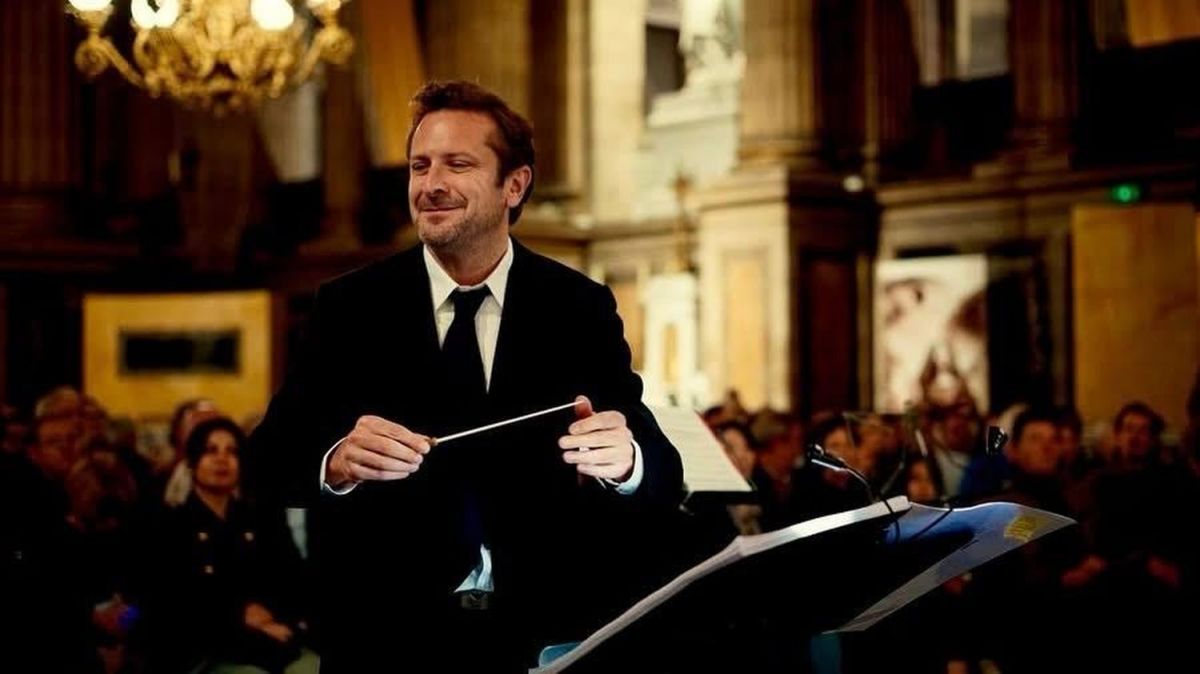
Le chef d'orchestre Laurent Couson dirigera son œuvre The Book of Life pour le pape Léon XIV à Metz, marquant la dernière journée de sa visite en France et mettant en avant la spiritualité et le dialogue entre les cultures et les religions. #MusiqueSacrée #Interreligieux #Culture

www.franceinfo.fr
"La musique rapproche les hommes et rapproche aussi de Dieu" : le chef d'orchestre Laurent Couson dirige son œuvre "The Book of Life" devant le pape Léon à Metz
1387
S
Sandfeen 3w

The Death of the Insult There was a time when being called an idiot was not a public-health emergency. You were called an idiot. You called the other person an idiot. Perhaps you argued, perhaps you fought, perhaps you laughed, had a beer and forgot about it. That may sound primitive. It was also a social technology. In traditional honor culture, an insult was a challenge: if someone attacked your status, you were expected to answer. Men in particular developed cultures of teasing, mockery and competitive abuse in which the ability to give and take an insult could itself demonstrate confidence. Then came dignity culture, with a liberating idea: you don’t have to care what everyone thinks of you. An insult does not necessarily diminish you. Someone else’s contempt does not become your inferiority simply because they express it. Now something else is emerging. Sociologists Bradley Campbell and Jason Manning describe victimhood culture, in which interpersonal offences increasingly become public grievances. The offended party seeks recognition, an audience and sometimes institutional intervention. The old question was: “Are you going to say that to my face?” The dignity question was: “Why should I care what you think?” The new question increasingly seems to be: “Who can I report this to?” This may illuminate an uncomfortable gender difference. Men have historically been more permitted to insult and confront one another directly, while women have often had greater incentives to avoid direct confrontation and use social pressure, criticism and complaint. Neither pattern is exclusively male or female, but cultural habits matter. The danger is a society so determined to protect people from offence that it forgets to teach them how to withstand it. There is a difference between being harmed and being insulted, between injustice and discomfort, and between demanding justice and demanding that nobody make you uncomfortable. We may have travelled from honor, to dignity, to grievance. And perhaps the most subversive sentence left is also the simplest: “Yes, he insulted you. So what?”

926
Bally Bagayoko 3w

À Saint-Denis - Pierrefitte, ville de la Basilique, ville de toutes les cultures et de toutes les croyances, cette visite a une résonance particulière : nous sommes la ville du peuple vivant ! https://t.co/1dzCAx88CW #SaintDenis #Basilique #Diversité

24327
Dominique de Villepin 3w

Nous sommes sans doute la dernière République universelle au monde. Présente sur les cinq continents grâce à ses outre-mer, la France est une nation-monde. Elle rassemble des Françaises et des Français d’origines, de cultures et de convictions différentes, qui font nation https://t.co/IoEvEA81wP #France #République #Diversité #FR

812
S
Sandfeen 4w

The Death of the Insult There was a time when being called an idiot was not a public-health emergency. You were called an idiot. You called the other person an idiot. Perhaps you argued, perhaps you fought, perhaps you laughed, had a beer and forgot about it. That may sound primitive. It was also a social technology. In traditional honor culture, an insult was a challenge: if someone attacked your status, you were expected to answer. Men in particular developed cultures of teasing, mockery and competitive abuse in which the ability to give and take an insult could itself demonstrate confidence. Then came dignity culture, with a liberating idea: you don’t have to care what everyone thinks of you. An insult does not necessarily diminish you. Someone else’s contempt does not become your inferiority simply because they express it. Now something else is emerging. Sociologists Bradley Campbell and Jason Manning describe victimhood culture, in which interpersonal offences increasingly become public grievances. The offended party seeks recognition, an audience and sometimes institutional intervention. The old question was: “Are you going to say that to my face?” The dignity question was: “Why should I care what you think?” The new question increasingly seems to be: “Who can I report this to?” This may illuminate an uncomfortable gender difference. Men have historically been more permitted to insult and confront one another directly, while women have often had greater incentives to avoid direct confrontation and use social pressure, criticism and complaint. Neither pattern is exclusively male or female, but cultural habits matter. The danger is a society so determined to protect people from offence that it forgets to teach them how to withstand it. There is a difference between being harmed and being insulted, between injustice and discomfort, and between demanding justice and demanding that nobody make you uncomfortable. We may have travelled from honor, to dignity, to grievance. And perhaps the most subversive sentence left is also the simplest: “Yes, he insulted you. So what?”

464
Bastion 4w

🔴🇺🇸 𝗙𝗟𝗔𝗦𝗛 𝗜𝗡𝗙𝗢 — Donald Trump rappelle que les chrétiens sont persécutés dans le monde entier et déclare que « l’immigration de masse détruit les plus grandes cultures et le patrimoine mondial ». https://t.co/q5q2hHH7Z9 #Trump #Chrétien #Immigration

15442
La Libre.be 4w

L'article annonce une augmentation imminente des prix de l'alimentation, en raison de la hausse des matières premières et des coûts de l'énergie, laquelle devrait toucher particulièrement les cultures, les fruits et légumes, ainsi que les produits laitiers. #PrixAlimentation #Inflation #Agriculture

www.lalibre.be
Faut-il s'attendre à une hausse des prix de l'alimentation ?
8711
Mr. Storywise 4w

Arquimedes era amb la seva tauleta quan un soldat romà el va matar. Sona natural? No gaire. I, tanmateix, si “actualitzem” prou el passat, podem acabar exactament aquí. Gairebé totes les cultures tenen edicions modernitzades d’autors antics i debats sobre ortografia, vocabulari, notes editorials i adaptació al lector contemporani. Un antiquari em va dir una vegada que “la pàtina del temps dona valor” i pot marcar la diferència entre un original i una còpia barata. Obro els “Assaigs de diumenge” de Constantin Noica, arribo al pròleg de l’editor de l’edició Humanitas de 1992 i descobreixo que “l’ortografia ha estat actualitzada”. Llegir Noica podria haver estat un passeig pels anys 1930–1940. En canvi, fem aquest passeig amb ulleres modernes, còmodament asseguts en un Uber, sense por de perdre’ns — és a dir, sense el risc de no entendre les paraules de l’època, que simplement es podrien haver “traduït” en notes a peu de pàgina. I si agaféssim també els diaris de l’època i els “actualitzéssim”? I potser també podríem fer un rebranding dels anuncis d’aquell temps, perquè les nostres neurones no hagin de treballar massa, com si fóssim en un escape room. Per què aturar-nos aquí? També podríem actualitzar els llibres d’història i escriure que Arquimedes de Siracusa va ser assassinat per un soldat romà mentre feia matemàtiques a la seva tauleta. La idea bàsica continua sent la mateixa, oi? Només desapareix l’època. I una altra cosa: per què els matemàtics no “actualitzen” Pitàgores? Poden canviar la notació. Poden explicar la demostració d’una altra manera. Fins i tot poden construir el dibuix online amb una animació que apareix davant dels ulls dels alumnes. Però el teorema de Pitàgores continua sent el teorema de Pitàgores. Aleshores, quan llegim un autor antic, per què no conservar també la llengua de la seva època — i posar les explicacions modernes en notes? I una última pregunta per a Humanitas i per als qui treballen a les facultats de literatura i filologia: si d’aquí a unes dècades els escolars d’avui us “actualitzen” amb # i emoji, us agradarà? #0197 #Humanitas #ConstantinNoica #Noica #AssaigsDeDiumenge #Arquimedes #Pitàgores #Hashtag #Emoji #MrStorywise #OrtografiaActualitzada #HistòriaDeLaLlengua #20260921_1849 #Català #Catalan #Catalunya #Spain #Literatura #Història

697
Mr. Storywise 4w

Arquímedes taba cola so tableta cuando un soldáu romanu lu mató. ¿Suena natural? Non muncho. Y, sicasí, xusto equí podemos acabar si “actualizamos” abondo'l pasáu. Casi toles cultures tienen ediciones modernizaes d'autores antiguos, acompañaes de debates sobre ortografía, vocabulariu, notes editoriales y adaptación al llector contemporaneu. Un anticuaríu díxome una vegada que “la pátina del tiempu da valor” y pue marcar la diferencia ente un orixinal y una copia barata. Abro “Ensayos del domingu” de Constantin Noica, llego al prólogu del editor na edición Humanitas de 1992 y descubro que “la ortografía foi actualizada”. Lleer a Noica podría ser un paséu pelos años 1930–1940. En cuenta d'eso, facemos esi paséu con gafes modernes, cómodamente sentaos nun Uber, ensin mieu a perdemos — esto ye, ensin el riesgu de nun entender les pallabres de la dómina, que podríen simplemente ser “traducíes” nes notes al pie de páxina. ¿Y si coyéramos tamién los periódicos de la dómina y los “actualizáramos”? Y quiciabes podríemos facer tamién un rebranding de los anuncios d'aquel tiempu, pa nun facer trabayar demasiado a les nueses neurones, como si tuviéramos nun escape room. ¿Por qué parar equí? Podríemos actualizar tamién los llibros d'historia y escribir qu'Arquímedes de Siracusa foi asesináu por un soldáu romanu mientres facía matemátiques na so tableta. La idea básica sigue siendo la mesma, ¿non? Namái desaparez la dómina. Y otra cosa: ¿por qué los matemáticos nun “actualicen” a Pitágoras? Pueden cambiar la notación. Pueden esplicar la demostración d'otra manera. Inclusive pueden construyir la figura online con una animación que se va formando delantre de los güeyos de los escolares. Pero'l teorema de Pitágoras sigue siendo'l teorema de Pitágoras. Entós, cuando lleemos a un autor antiguu, ¿por qué nun conservar tamién la llingua de la so dómina — y poner les esplicaciones modernes nes notes? Y una última entruga pa Humanitas y pa los que trabayen nes facultaes de lletres y filoloxía: si dientro d'unes décades los escolares d'anguaño vos “actualicen” con # y emoji, ¿prestaríavos? #Humanitas #ConstantinNoica #Noica #EnsayosDelDomingu #Arquímedes #Pitágoras #Hashtag #Emoji #MrStorywise #OrtografíaActualizada #HistoriaDeLaLlingua #20260920_1926 #Asturianu #Asturian #Asturies #España #Spain #Lliteratura #Historia

581
Mr. Storywise 4w

Arquímedes ère damb era sua tauleta quan siguec aucit per un soldat roman. Sòne naturau? Pas guaire. E, totun, ei exactament açò çò que pòt passar se “actualizam” pro eth passat. Gaireben totes es cultures an edicions modernizades d’autors antics, acompanhades de debats sus era ortografia, eth vocabulari, es nòtes editoriaus e era adaptacion ath lector contemporanèu. Un antiquari me didec un còp qu’“era patina deth temps da valor” e pòt marcar era diferéncia entre un originau e ua còpia barata. Dubrisqui “Assagi deth dimenge” de Constantin Noica, arribi ath prològ der editor ena edicion Humanitas de 1992 e descorbísqui qu’“era ortografia a estat actualizada”. Lieger Noica aurie podut èster un passeig pes ans 1930 e 1940. En cambi, hèm aqueth passeig damb lunetes modernes, confortablament seiguts en un Uber, sense pòur de pèrder-mos — ei a díder, sense eth risc de non compréner es paraules dera epòca, que s’aurien pogut “traduïr” simplament en nòtes a pè de pagina. E se prenéssem tanben es diaris dera epòca e les “actualizéssem”? E benlèu poderíem hèr tanben un rebranding des anuncis d’aqueth temps, entà non hèr trabalhar massa es nòsti neurònes, coma s’èrem laguens d’un escape room. Per qué arturar-mos ací? Poderíem actualizar tanben es libres d’istòria e escríuer qu’Arquímedes de Siracusa siguec aucit per un soldat roman mentre hège matematiques ena sua tauleta. Era idèa de basa demore era madeisha, non? Sonque desapareish era epòca. E ua causa mès: per qué es matematics non “actualizen” Pitagòres? Pòden cambiar era notacion. Pòden explicar era demostracion d’ua auta manèra. Pòden, quitament, bastir era figura en linha damb ua animacion que se desvolòpe deuant des uelhs des escolans. Mès eth teorèma de Pitagòres demore eth teorèma de Pitagòres. Alavetz, quan liegem un autor antic, per qué non conservar tanben era lengua dera sua epòca — e méter es explicacions modernes en nòtes? E ua darrèra qüestion entà Humanitas e entà qui trabalhen enes facultats de letres: se es escolans d’aué vos “actualizen” d’ací a quauqui decennis damb # e emoji, vos agradarie? #Humanitas #ConstantinNoica #Noica #AssagiDethDimenge #Arquímedes #Pitagòres #Hashtag #Emoji #MrStorywise #OrtografiaActualizada #IstòriaDeraLengua #20260920_1926 #Aranés #Aranese #Espanha #Spain #Literatura #Istòria

1395
Mr. Storywise 4w

Archimède était sur sa tablette lorsqu’il a été tué par un soldat romain. Ça sonne naturel ? Pas vraiment. Et pourtant, c’est exactement ce qui peut arriver si l’on « actualise » suffisamment le passé. Presque toutes les cultures connaissent des éditions modernisées d’auteurs anciens, accompagnées de débats sur l’orthographe, le vocabulaire, les notes éditoriales ou l’adaptation au lecteur contemporain. Un antiquaire m’a dit un jour que « la patine du temps donne de la valeur » et qu’elle peut faire la différence entre un original et une copie bon marché. J’ouvre « Essais du dimanche » de Constantin Noica, je lis la préface de l’éditeur dans l’édition Humanitas de 1992, et j’apprends que « l’orthographe a été actualisée ». Lire Noica aurait pu être une promenade dans les années 1930–1940. À la place, nous faisons cette promenade avec des lunettes modernes, confortablement installés dans un Uber, sans craindre de nous perdre — c’est-à-dire de ne pas comprendre les mots de l’époque, qui auraient tout simplement pu être « traduits » dans des notes de bas de page. Et si nous prenions aussi les journaux de l’époque pour les « actualiser » ? Et pourquoi ne pas faire subir également un rebranding aux publicités de l’époque, afin de ne pas trop solliciter nos neurones, comme si nous étions enfermés dans un escape game ? Pourquoi s’arrêter là ? Nous pourrions aussi actualiser les manuels d’histoire et écrire qu’Archimède de Syracuse a été tué par un soldat romain alors qu’il faisait des maths sur sa tablette. L’idée générale reste la même, non ? Seule l’époque disparaît. Et encore une chose : pourquoi les mathématiciens n’« actualisent-ils » pas Pythagore ? Ils peuvent changer la notation. Ils peuvent expliquer la démonstration autrement. Ils peuvent même construire la figure en ligne grâce à une animation qui se déroule sous les yeux des élèves. Mais le théorème de Pythagore reste le théorème de Pythagore. Alors, lorsque nous lisons un auteur ancien, pourquoi ne pas conserver la langue de son époque — et placer les explications modernes dans les notes ? Et une dernière question pour Humanitas et pour les universitaires des facultés de lettres : si les écoliers d’aujourd’hui vous « actualisent » dans quelques décennies à coups de # et d’emoji, cela vous conviendrait-il ? #Humanitas #ConstantinNoica #Noica #EssaisDuDimanche #Archimède #Pythagore #Hashtag #Emoji #MrStorywise #OrthographeActualisée #HistoireDeLaLangue #20260920_1926 #Français #Littérature #Histoire

1046
Mr. Storywise 4w

Presque toutes les cultures connaissent des éditions modernisées d’auteurs anciens, accompagnées de débats sur l’orthographe, le vocabulaire, les notes éditoriales ou l’adaptation au lecteur contemporain. Un antiquaire m’a dit un jour que « la patine du temps donne de la valeur » et qu’elle peut faire la différence entre un original et une copie bon marché. J’ouvre « Essais du dimanche » de Constantin Noica, je lis la préface de l’éditeur dans l’édition Humanitas de 1992, et j’apprends que « l’orthographe a été actualisée ». Lire Noica aurait pu être une promenade dans les années 1930–1940. À la place, nous faisons cette promenade avec des lunettes modernes, confortablement installés dans un Uber, sans craindre de nous perdre — c’est-à-dire de ne pas comprendre les mots de l’époque, qui auraient tout simplement pu être « traduits » en notes de bas de page. Et si nous prenions aussi les journaux de l’époque pour les « actualiser » ? Et pourquoi ne pas faire subir également un rebranding aux publicités de l’époque, afin de ne pas trop solliciter nos neurones, comme si nous étions enfermés dans un escape game ? Pourquoi s’arrêter là ? Nous pourrions aussi actualiser les manuels d’histoire et expliquer qu’Archimède de Syracuse a été tué par un soldat romain alors qu’il faisait des maths sur sa tablette. L’idée générale reste la même, non ? Seule l’époque disparaît. Et encore une chose : pourquoi les mathématiciens n’« actualisent-ils » pas Pythagore ? Ils peuvent changer la notation. Ils peuvent expliquer la démonstration autrement. Ils peuvent même construire la figure en ligne, grâce à une animation qui se déroule sous les yeux des élèves. Mais le théorème de Pythagore reste le théorème de Pythagore. Alors, lorsque nous lisons un auteur ancien, pourquoi ne pas conserver la langue de son époque — et placer les explications modernes dans les notes ? Et une dernière question pour Humanitas et pour les universitaires des facultés de lettres : si les écoliers d’aujourd’hui vous « actualisent » dans quelques décennies à coups de # et d’emoji, cela vous conviendrait-il ? #Humanitas #ConstantinNoica #Noica #EssaisDuDimanche #Archimède #Pythagore #Hashtag #Emoji #MrStorywise #OrthographeActualisée #HistoireDeLaLangue #20260920_1926 #Français #Littérature #Histoire

1279