BETA nonprofit public democratic european moderated

Search

#delivery

Flamengo encouraged followers to order Brahma through the Zé Delivery app for the weekend. The club stated that 10% of the order value would be allocated to the Mini Stadium construction and reminded that the app was prohibited for those under 18 years old. #SextaFeira #Brahma #ZéDelivery (translated)


The author wrote that Navi Pillay’s first words after learning she had won the Nobel Peace Prize were about delivering a report on Gaza that described the events there as genocide. Pillay was visiting the Nuremberg courtroom, which the author called a symbolic setting for the remark. https://t.co/whtdNFJXov #Gaza #Genocide #NobelPeacePrize #GZ #DE

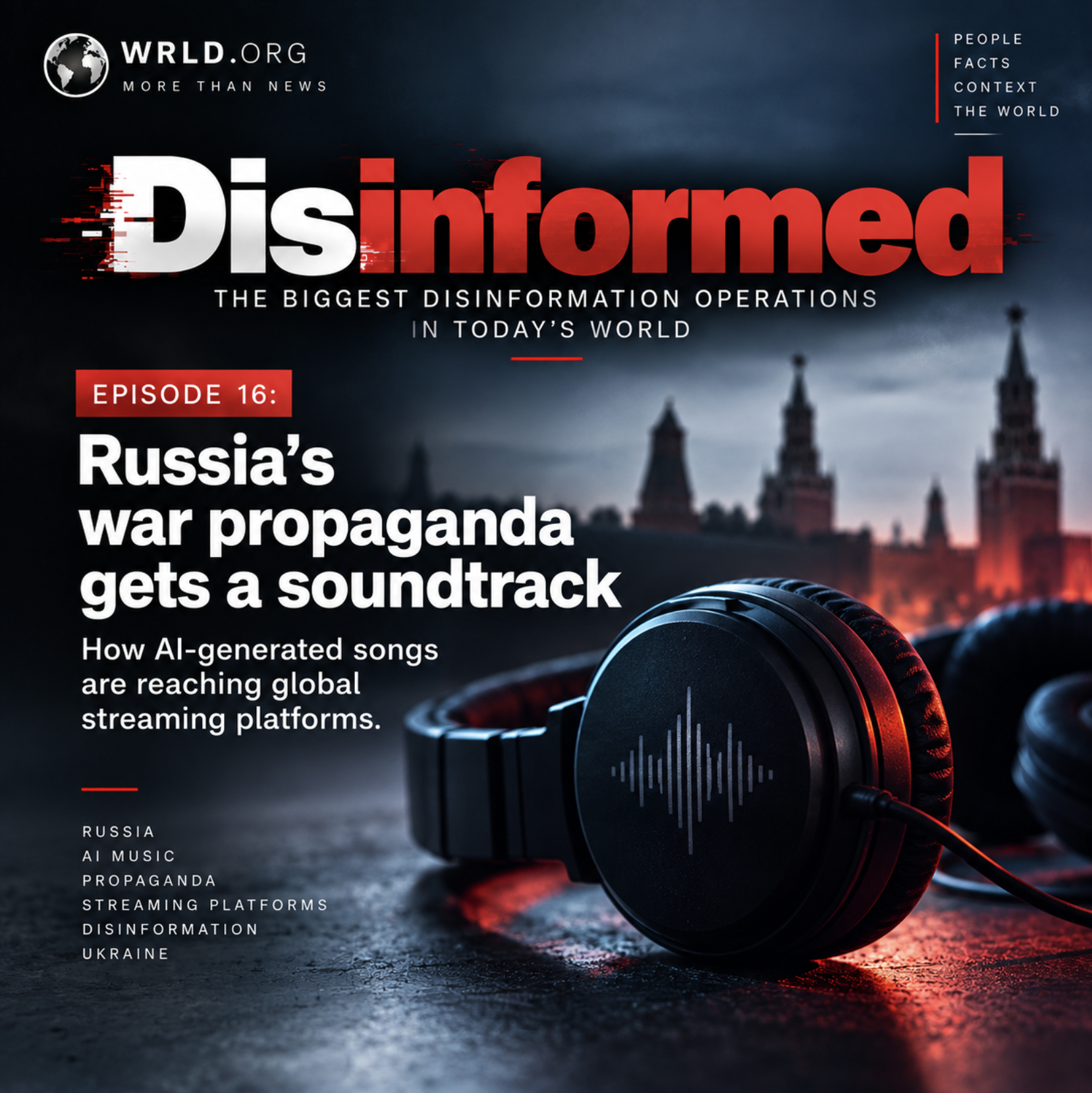
Russia’s war propaganda gets a soundtrack – how AI-generated songs reached global streaming platforms Russian war propaganda is no longer confined to television broadcasts, Telegram channels or political videos. A study by the Ukrainian threat-intelligence organisation Terrecon has identified 981 songs combining signs of AI generation with pro-Russian military narratives, distributed through an ecosystem that reaches YouTube, Spotify, Apple Music, Deezer and SoundCloud. The songs range from sentimental ballads to rock and heavy metal. Their recurring themes are familiar from conventional Russian wartime propaganda: the heroisation of Russian soldiers, romanticisation of the war, mobilisation, the “Russian world”, commemoration of fallen troops and attacks on Ukraine and its armed forces. Some contain derogatory or dehumanising references to Ukrainians. What is new is not necessarily the message, but the production and distribution model: generative AI allows propagandistic music to be produced rapidly, cheaply and in quantities that would previously have required musicians, studios and producers. Nearly 1,000 tracks identified Terrecon examined 3,725 tracks collected from YouTube, YouTube Music, SoundCloud and the AI music platform Suno. After manual review, researchers classified 981 as showing both indications of AI generation and pro-Russian war propaganda. In 681 tracks they identified 728 propaganda-related keywords or phrases. The largest category was the glorification of the Russian military, followed by romanticised treatment of Moscow’s so-called “special military operation”, mobilisation appeals, narratives about the “Russian world”, and the cult of fallen soldiers and the state. The reach was not merely theoretical. Listening or viewing statistics were available for 608 of the identified tracks; together they had accumulated 86.8 million plays and views, according to Terrecon. A smaller group of 13 high-performing songs accounted for more than 53 million YouTube views and more than 67 million when YouTube Music was included. Among the better-known examples is “Power of Artillery”, a Russian-language rock song praising artillery weapons that passed two million views on YouTube. Most of the tracks for which publication dates could be established appeared after 2024, broadly coinciding with the rapid expansion of consumer AI music generators such as Suno and Udio. That correlation does not prove that AI alone caused the increase, but it illustrates how drastically the economics of production have changed. A propaganda song for as little as $11 Terrecon also tested how difficult it would be to commission such material. Researchers approached 25 creators producing AI-assisted militaristic music; 15 agreed to take commissions. Prices ranged from approximately $11 to $330, while delivery times ranged from two hours to three days. According to Terrecon, some were prepared to produce highly aggressive anti-Ukrainian material, including content intended for audiences involving children from occupied Ukrainian territories. Some creators used Russian intermediary services that provided access to Western AI tools such as Suno and Udio despite restrictions. The researchers then tested several AI generators themselves. Across 40 prompts submitted to Suno, Udio, Mureka, Google Flow Music and ElevenLabs, 25 resulted in successful generations, while safeguards were circumvented in 15 cases. Terrecon reported that four of the five services tested produced Russian-language material containing wartime narratives, although technical problems prevented comparable testing on some systems. In one Udio experiment, the researchers said the model itself introduced more explicit violent language than had appeared in the original promp These tests do not demonstrate that the commercial platforms knowingly support Russian propaganda. They show something narrower: existing safeguards can be inconsistent when political messaging is packaged as music. From generation to Spotify The distribution experiment may be the most revealing part of Terrecon’s research. The team deliberately uploaded test tracks containing explicit hostile language to YouTube, SoundCloud, Spotify and Deezer. Terrecon says none was blocked during the experiment. On SoundCloud, researchers used an account identifying its location as Moscow, disclosed the use of AI and added markers including references to the Russian military and the war. The platform accepted the upload and subsequently offered paid promotional and distribution tools. This does not prove that streaming recommendation systems systematically promote pro-war music. There is currently insufficient public evidence to make that claim. It does demonstrate that material can enter the same commercial distribution infrastructure as ordinary music and, once there, potentially benefit from playlists, searches, sharing and recommendation mechanisms available to other releases. That distinction is important. Propaganda no longer has to announce itself as political communication. On a streaming platform it can look like another song. Culture as a delivery mechanism Music has always been used in wartime propaganda. What generative AI changes is scale. Instead of investing heavily in a limited number of patriotic performers or officially commissioned productions, creators can generate variations across styles, audiences and emotional registers at very low cost. Terrecon found material ranging from war rock to sentimental songs and content styled for younger audiences. Some creators also experimented with cloned celebrity voices and stylistic imitation of established musicians. The format also offers a different relationship with the audience. A political video asks a viewer to consume an argument. Music can accompany commuting, exercise or entertainment and may be encountered outside explicitly political spaces. This does not automatically make it more persuasive, and Terrecon’s research does not establish measurable effects on political attitudes. It does, however, place wartime narratives inside a cultural environment where users may not initially perceive themselves as consuming political messaging. An ecosystem, not a proven Kremlin command structure The strongest evidence supports describing this as a growing AI-assisted pro-Russian propaganda-music ecosystem, not a single operation controlled from Moscow. Terrecon did not establish that the Russian government created, financed or coordinated all 981 tracks. Reporting on the study likewise notes that the extent of direct state involvement remains unclear. There is broader evidence that the Russian state finances cultural projects and digital content supporting the war, including through state-backed funding bodies. That context matters, but it does not allow individual songs in Terrecon’s dataset to be attributed to the Kremlin without additional evidence. The significance of the case lies elsewhere. AI has reduced the cost of producing ideological content, intermediaries can help creators access generation tools, and global platforms can provide distribution. The result is a pipeline in which wartime propaganda no longer has to resemble propaganda at all. It can simply appear in a playlist. Sources Terrecon / Ukrainska Pravda — Daria Verbytska on the research https://www.pravda.com.ua/columns/2026/10/05/8056229/ Suspilne Culture — detailed breakdown of Terrecon findings https://suspilne.media/culture/1417933-rosijsku-voennu-propagandu-maskuut-pid-anime-karaoke-ta-rok-doslidzenna-si-pisen-vid-terrecon/ The Insider — AI-generated Russian war propaganda music https://theins.ru/news/297839 Institute of Mass Information — summary of New York Times reporting https://imi.org.ua/en/news/doslidzhennya-rf-masovo-stvoryu%D1%94-propagandistski-pisni-za-dopomogoyu-shi The Bridge Media — AI-generated songs and Russian military propaganda https://thebridgemedia.com.ua/en/ai-generated-songs-russian-military-propaganda/ Center for Strategic Communication — cost and production of AI propaganda music https://spravdi.org/propaganda-za-11-yak-rosiya-shtampuye-shi-pisni-z-miljonamy-prosluhovuvan/ Times of India — AI-generated Russian war songs https://timesofindia.indiatimes.com/world/europe/ai-sings-russias-war-story-inside-the-rise-of-generative-songs-about-ukraine-conflict/articleshow/134650594.cms EU Council / EUR-Lex — Presidential Foundation for Cultural Initiatives https://eur-lex.europa.eu/legal-content/EN/TXT/?uri=CELEX:32026D1351 Human Rights Watch — Russian state funding of digital and patriotic content https://www.hrw.org/report/2025/07/30/disrupted-throttled-and-blocked/state-censorship-control-and-increasing-isolation #DISINFORMED #Episode16 #Russia #Ukraine #RussianPropaganda #WarPropaganda #MusicPropaganda #AIMusic #ArtificialIntelligence #AI #GenerativeAI #SyntheticMedia #AIPropaganda #Disinformation #InformationWarfare #InfluenceOperations #CulturalPropaganda #DigitalInfluence #NarrativeManipulation #PropagandaMusic #StreamingPlatforms #Spotify #AppleMusic #YouTube #YouTubeMusic #Deezer #SoundCloud #Suno #Udio #RussianWorld #RusskiyMir #MilitaryPropaganda #WarNarratives #Mobilisation #AlgorithmicDistribution #RecommendationAlgorithms #MusicStreaming #PlatformManipulation #Terrecon #OSINT #MediaManipulation #WRLD

Flamengo published a promotional message that compared warm beer to a foul for a red card and recommended ordering drinks through Zé Delivery. The club stated that Brahma would arrive quickly and cold, and that 10% of the order value would be allocated to the construction of the Miniestádio. The post also recommended moderate consumption and informed that the app was prohibited for those under 18 years old. #BebaComModeração #ZeDeliveryFla #Cerveja (translated)

The author said the budget should have invested in delivering genuinely affordable homes, but claimed the Government instead wanted to push up house prices and make home ownership inaccessible to more people. They criticised the approach as difficult to believe.

In 2025, the Labor Inspectorate regularized more than 47,000 false self-employed workers thanks to an intensified campaign on digital platforms, especially in the delivery sector, which allowed for the emergence of a total of 131,645 jobs and the recovery of more than 1.2 billion euros in unpaid contributions to Social Security. #FalsosAutónomos #LeyRider #InspecciónDeTrabajo (translated)

Trabajo regularizó más de 47.000 falsos autónomos en 2025 tras intensificar la inspección de plataformas digitales

Flamengo announced a campaign with Zé Delivery and asked users to select the club as their favorite team in the app. According to the club, 10% of the value of Brahma orders made by those who chose Flamengo would be directed to the construction of the Miniestádio do Ninho. The post mentioned Urubão and João Guilherme and stated that the app was prohibited for those under 18 years old. #Flamengo #ZéDelivery #Brahma (translated)

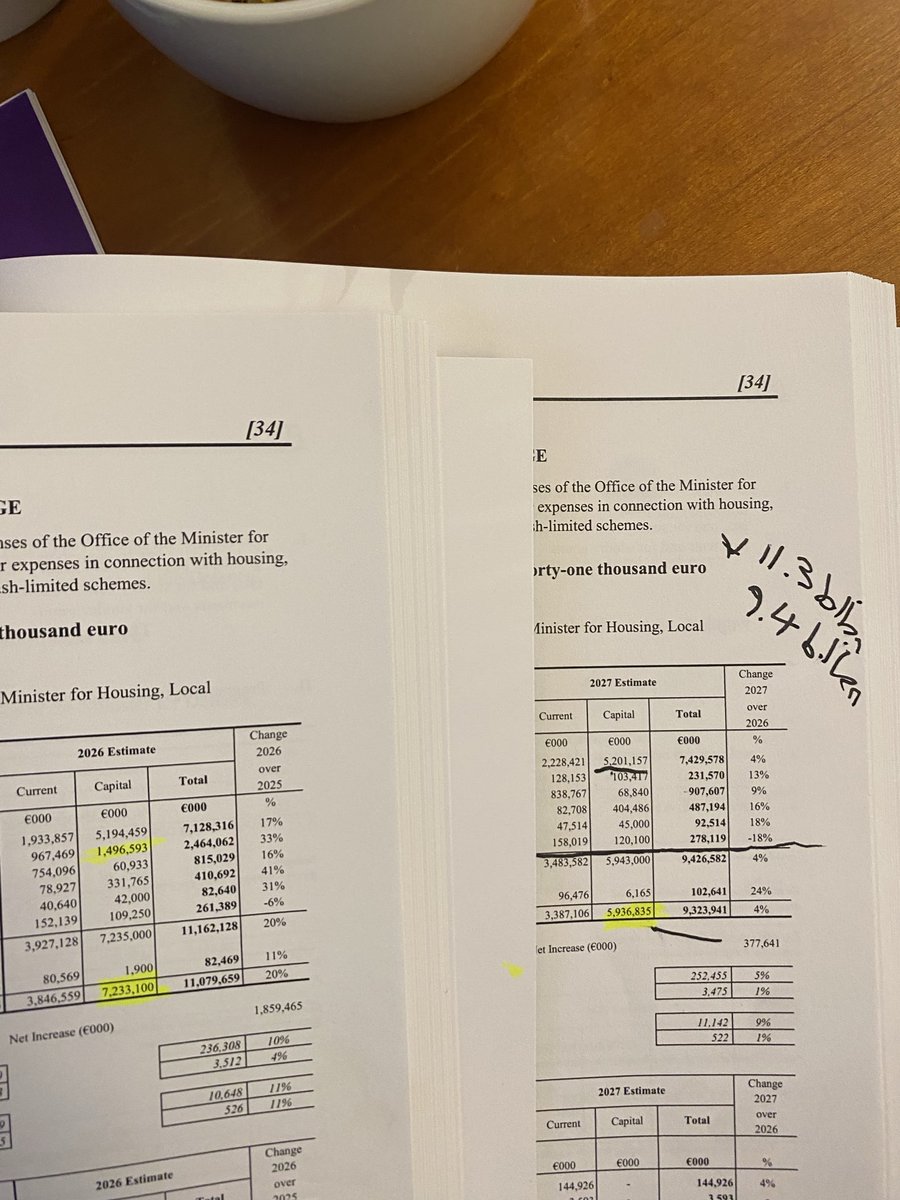
The author said funding for the Housing & Local Gov Dept was set at €11.3 billion in 2026 and €9.4 billion in 2027, a reduction of €1.9 billion. They argued the figures showed no plan to increase the delivery of social and affordable housing, and said there was no mention of raising social housing income thresholds. They called this “disgraceful.”

Flamengo announced that, with the Miniestádio do Ninho, fans could access the training center to watch the under-20 team. To participate, according to the publication, it would be necessary to order Brahma through Zé Delivery. The club also reported that the app was prohibited for anyone under 18 years old. #Mengão #RubroNegro #Sub20 (translated)

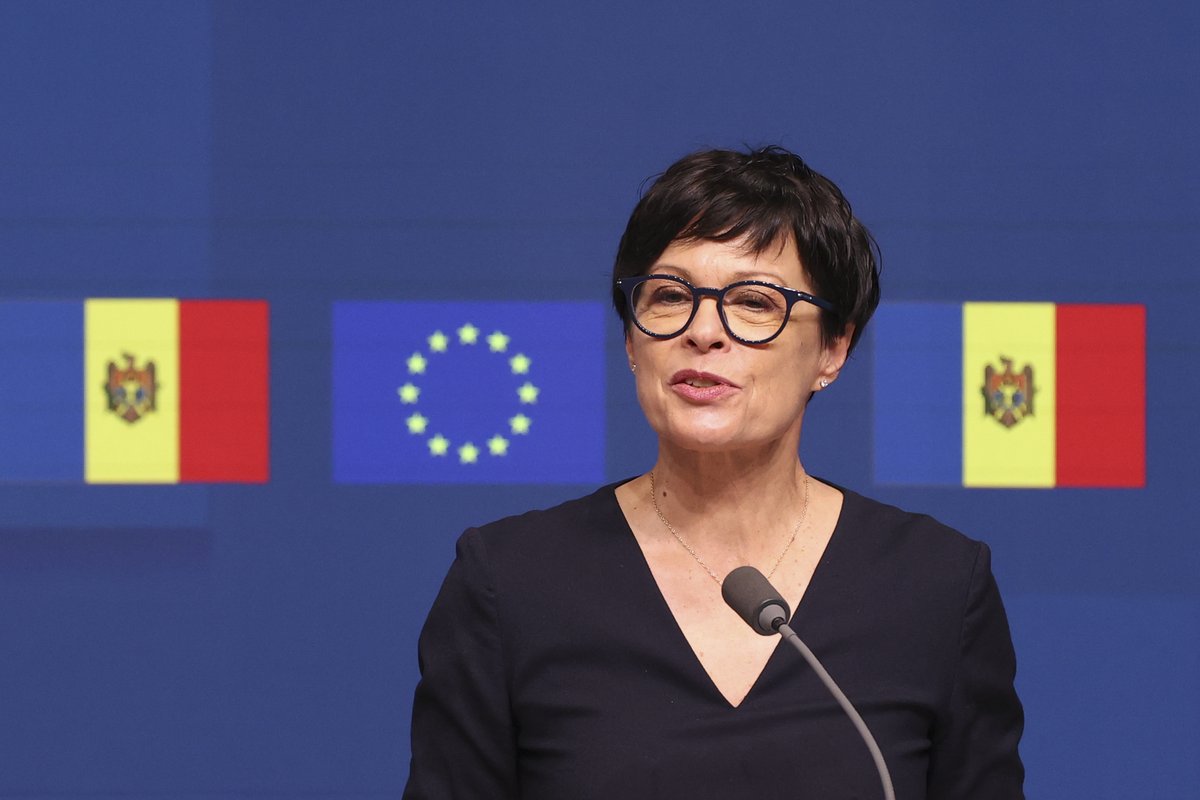
The author said Moldova was pursuing EU membership with determination and had made concrete progress on reforms. They wrote that €157 million had been released under the Growth Plan at the 10th Association Council to support roads, schools and job creation. https://t.co/l3RpyemXoM #Moldova #EUMembership #Reforms #MD #EU

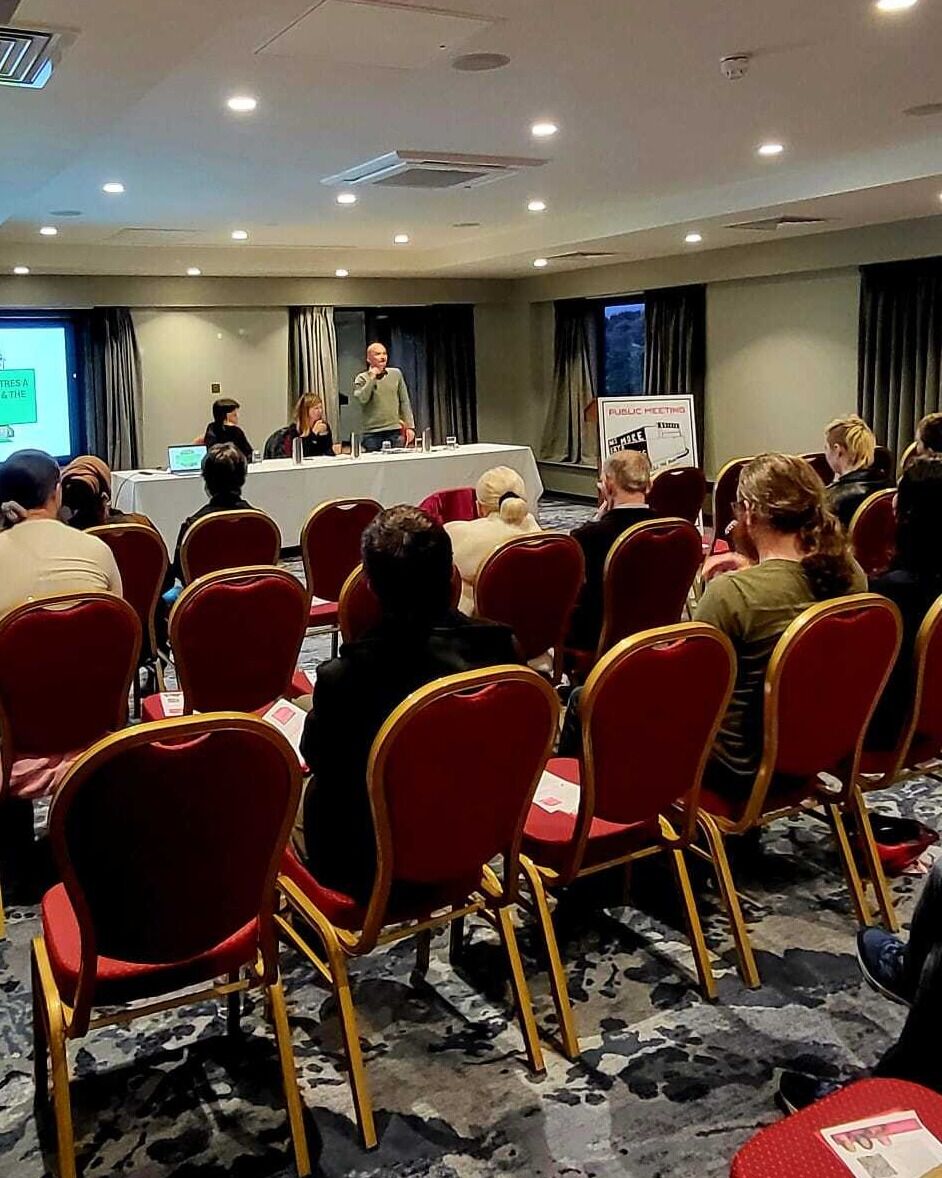
Lively public meeting in Tallaght tonight about pulling the plug on data centres. They are costing us all every day - in our pockets with higher electricity prices, in slowing the delivery of housing and in higher carbon emissions. It's time to call a halt. https://t.co/r3QH3k0h9S #DataCentres #ElectricityPrices #ClimateAction #IE

At #UNGA81, I joined @UNDP and the @GCC to discuss how we can strengthen links between Europe, the MENA region and the Gulf. And we are moving from dialogue to delivery: ⚡ Energy - through #TMED we will have increased renewable energy investment and stronger interconnections. https://t.co/W6JSmymmHF #UNGA81 #Energy #RenewableEnergy #EU #MENA #GCC

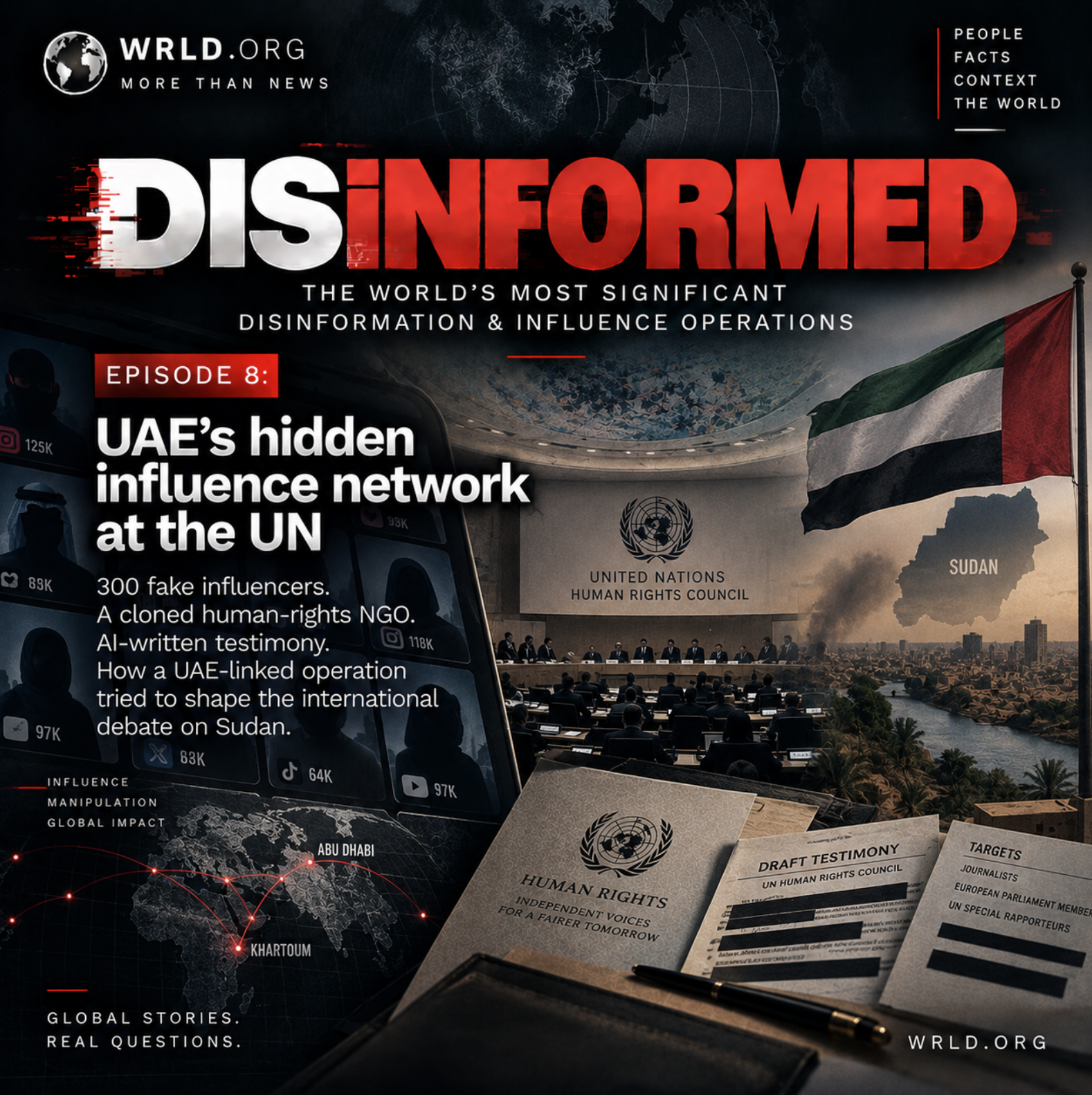
UAE / Sudan – when an influence operation tried to enter the United Nations A network of roughly 300 apparently independent social-media influencers. A human-rights organisation borrowing the identity of a real NGO. Personal dossiers on European politicians and journalists. And testimony prepared for delivery at the United Nations without revealing the state interest behind it. These were elements of an influence operation uncovered by Anthropic and disclosed in September 2026. The company says it linked the activity with high confidence to UAE government officials. Tracked as GTG-84002, the operation targeted several overlapping issues: the Muslim Brotherhood, perceptions of the war in Sudan and international mechanisms examining the United Arab Emirates' role in the conflict. What distinguishes the case is not simply its use of artificial intelligence. It is the attempt to make state-aligned messaging appear to originate from independent influencers, human-rights organisations and potentially witnesses addressing an international institution. An influence network built around 300 fake voices Anthropic identified a single actor using Claude to support a sustained influence campaign. At its centre was an AI persona called “Deadshot”, running on the operator's own platform. A master doctrine file repeatedly instructed the system to support what it described as a coordinated international effort to dismantle the Muslim Brotherhood. The operator simultaneously managed several components of the campaign, including approximately 300 inauthentic influencer accounts across social-media platforms. Internal material examined by Anthropic described the apparent independence of this network as its greatest strategic advantage. That phrase captures the central method. The objective was not simply to broadcast a political position but to conceal where that position originated. One visible example appeared on 4 June 2026, when accounts participated in a coordinated campaign using #SudanIslamists and near-identical graphics connecting Sudanese Islamists and the Muslim Brotherhood with regional instability. Anthropic says the amplification network was centrally funded and coordinated. Its investigation also found that the operator financing the social-media network was connected to the wider influence operation. A human-rights organisation that was not what it appeared to be Social media was only one layer. The operator also created a front NGO that copied the identity of a genuine Swiss organisation and used that borrowed legitimacy to publish human-rights material produced for the campaign. Anthropic's description elsewhere also refers to the identity of a real Sudanese human-rights organisation being used in connection with the preparation of testimony. The public report does not fully clarify whether these references describe the same front or separate elements of the operation, so they should not be treated as definitively identical. The underlying technique, however, is clear: political material was designed to appear as if it originated from independent civil society rather than from actors linked to a government. This is particularly significant in the human-rights environment, where the perceived independence of an organisation or witness can determine how seriously evidence is received by journalists, diplomats and international institutions. The attempt to reach the UN The most consequential part of the operation concerned the 62nd session of the UN Human Rights Council. According to Anthropic, the operator used Claude to ghost-write complete testimony intended to be delivered by two individuals during the session. The texts were prepared under explicit constraints ensuring that neither statement would mention the UAE. This did not amount to a conventional government submission. The intention, according to Anthropic's reconstruction, was for material serving the interests of a party connected to the Sudan conflict to reach an international forum through apparently independent voices. But an important limitation remains: Anthropic could not confirm that the testimony was ultimately delivered. The company similarly could not establish whether other dossiers produced by the operation reached their intended recipients or influenced policy. It therefore assessed the campaign as Category Three on the Brookings Breakout Scale – activity distributed across several platforms, but without evidence of broad public impact sufficient for a higher classification. The distinction matters. The evidence demonstrates a sophisticated attempt to influence international debate; it does not demonstrate that the attempt succeeded. Politicians, journalists and UN investigators became targets The operation was not limited to generating public content. Anthropic found that the operator researched and compiled detailed profiles of 18 members of the European Parliament and prominent journalists. Some material was prepared for direct delivery to senior UAE officials. The network also assembled what Anthropic describes as “counter-accountability dossiers” on UN Special Rapporteurs who had criticised the UAE's conduct in relation to Sudan. This places the campaign in a broader context. Since Sudan's civil war began in April 2023, the role of external powers has become an increasingly important part of international scrutiny. Sudan has accused the UAE of supporting the Rapid Support Forces, allegations Abu Dhabi has repeatedly denied. In 2025, Sudan brought a case against the UAE before the International Court of Justice, accusing it of complicity in genocide against the Masalit through alleged support for the RSF. The UAE rejected the allegations. The ICJ subsequently removed the case from its list after finding that it lacked jurisdiction because of the UAE's reservation to the relevant provision of the Genocide Convention. The ruling therefore did not determine whether Sudan's substantive allegations were true or false. That contested international environment helps explain why narratives about Sudan, human rights and accountability were valuable targets for an influence operation. AI as an operating system for influence The role played by Claude is also important to understand accurately. Anthropic did not find that artificial intelligence independently conceived or directed the campaign. Human operators established the objectives, political doctrine and targets. AI instead helped operationalise them. Across hundreds of sessions, Claude was used to transform predetermined political objectives into social-media narratives, human-rights reports, testimony, intelligence-style briefs and detailed profiles of individuals. The same system could support narrative production, target research and preparation of material for different audiences. That represents a more significant development than simply using generative AI to produce propaganda faster. Traditional influence operations require different teams to research targets, write content, manage personas, adapt messages and prepare briefing material. Generative AI can compress several of those functions into a single operational workflow. The result is not necessarily more convincing propaganda. It is potentially cheaper, faster and more scalable influence infrastructure. From fake influencers to institutional influence Anthropic says it linked the operation to UAE government officials with high confidence. Its assessment was based partly on internal material naming senior Emirati officials as intended recipients of the work, alongside other evidence available to its investigators. That remains an attribution by Anthropic rather than a judicial finding or publicly released forensic attribution by a government agency. The distinction should be retained. The larger significance of GTG-84002 lies in the architecture of the campaign. A network of fake influencers could create the appearance of public opinion. A cloned human-rights organisation could provide institutional credibility. AI-generated reports could give political narratives the appearance of research. Profiles of journalists and politicians could support more precise targeting. And ghost-written testimony could potentially carry the same message into an international institution without revealing the political interest behind it. This is a different model from the familiar troll farm. The objective is no longer simply to make propaganda look popular. It is to make state-aligned messaging look independent – and, if possible, to move it from social media into the institutions where international policy and accountability are debated. SOURCES: Anthropic — Countering misuse of AI: September 2026 https://www.anthropic.com/threat-intelligence-report-september-2026 International Court of Justice — Sudan v. United Arab Emirates https://www.icj-cij.org/case/197 International Court of Justice — press releases and case documents https://www.icj-cij.org/case/197/press-releases United Nations Geneva — Sudan v UAE proceedings at the ICJ https://www.ungeneva.org/en/news-media/news/2025/04/105241/world-court-begins-hearing-sudans-complicity-genocide-case-against UAE Ministry of Foreign Affairs — UAE response to Sudan's allegations https://www.mofa.gov.ae/en/MediaHub/News/2025/4/10/10-4-2025-UAE-UAE UN Digital Library — Sudan's letter concerning alleged UAE support for the RSF https://digitallibrary.un.org/record/4091008?ln=en UN Digital Library — UAE response concerning allegations of support for the RSF https://digitallibrary.un.org/record/4046224?ln=en Ultra Sudan — reporting on Anthropic's UAE-linked influence-operation findings https://ultrasudan.usawtiq.com/أنثروبيك-أحبطنا-عملية-تأثير-إماراتية-استخدمت-الذكاء-الاصطناعي-لاستهداف-السودان/عامر-صالح/أخبار KEYWORDS #DISINFORMED #Episode8 #UAE #Sudan #UnitedArabEmirates #UnitedNations #UNHumanRightsCouncil #HumanRights #Disinformation #InformationWarfare #InfluenceOperations #ForeignInterference #FIMI #CoordinatedInauthenticBehaviour #CIB #FakeInfluencers #FakeNGO #NGOImpersonation #Astroturfing #ArtificialIntelligence #AI #AIPropaganda #AIGeneratedContent #SyntheticMedia #SocialMediaManipulation #DigitalInfluence #Propaganda #NarrativeManipulation #InstitutionalInfluence #SudanConflict #SudanWar #MuslimBrotherhood #InternationalRelations #Geopolitics #Anthropic #ClaudeAI #OSINT #WRLD

Countering misuse of AI: September 2026 / Anthropic

From commitment to immediate delivery: Right after the launch of the Global Ocean Eye Alliance, we are rapidly moving ahead on a long-term strategic partnership with @IocUnesco. Signing this Memorandum of Understanding crystallises the 🇪🇺 commitment to support Global Ocean https://t.co/gRvCxEMIkw #GlobalOcean #OceanConservation #Partnership #EU

Il Post 3w

DoorDash ha accettato di pagare oltre 130 milioni di dollari per aver sottopagato più di 260mila fattorini a New York, in un accordo che prevede pagamenti diretti ai lavoratori e sanzioni legali, segnando il più grande risarcimento mai ottenuto nel settore del food delivery negli Stati Uniti. #DoorDash #FoodDelivery #NewYork

DoorDash pagherà oltre 130 milioni di dollari per non aver pagato abbastanza più di 260mila fattorini a New York

Mám za sebou prvních cca 300 km testování Tesla samořízení v ČR. Centrum Prahy, dálnice, okolí. Mých prvních TOP 20 dojmů: 1. Je to wow. Mnohem lepší, než sem čekal. A to mám nakoukaný videa z Ameriky. Za 5 minut sedíte jak v taxíku. Ta rychlost "zvyknutí" je neuvěřitelná. 2. FSD umí jezdit rychle. A někdy i nad rychlostním limitem. Pořád je to bezpečná jízda, žádný manévry na Turka. Ale prostě to umí přetáhnout. 3. Překročení rychlosti se dá ručně štelovat nebo úplně vypnout. Pak se drží 100% správné rychlosti. Ale zase vás vytroubí každý Bolt v centru na třicítce. 4. Na radar sama nezpomalí. Přestože to má v mapách. Prej umělá inteligence, ale pokutu dostanu já, že. 5. Neumí odbočit doprava na zelenou doplňkovou šipku. 6. Uzavírky v centru jsou problém. Žluté čáry, blbé značení, změny směrů... je z toho evidentně nervózní a já s ní. Někdy je to značení naprosto kokotský. V jednom úseku, kde bojovala, jel za námi lidský řidič a bojoval úplně stejně, možná hůř. 7. Dálnice naopak fungují na 100 %. Pouští auta v připojováku, a to s předstihem. Okamžitě reaguje na kamiony, když se začnou předjíždět. Řadí se sama do pravého. Umí si zrychlit, zpomalit podle potřeby. Dálnice je pocitově vyřešená. 8. Neumí BUS pruhy spolehlivě. Chová se, jako by tušila, že je něco špatně, ale nic s tím neudělá. Jako děcko, co ví, že něco provedlo, ale bojí se to říct. 9. Reakce na chodce neuvěřitelně dobrá. Někdy až přehnaná. Boreček stojí na červené na přechodu, zvedne oči od mobilu a přešlápne – Tesla okamžitě jemně přibrzdí "kdyby náhodou". To je v rámci bezpečnosti super. 10. Zvládá krásně tramvaje, dává přednost, hlídá si je. Ostrůvky tramvajové ok. Jednou si ho všimla na poslední chvíli a trošku s tím cukla. Ale nic zásadního. 11. Při změně pruhů v malé rychlosti někdy "plave" zleva doprava a cuká rychle volantem. Extrémně nepříjemné. Vypadá to jako bug. Možná je to jen u mě. Dejte prosím kdyžtak vědět. 12. Umí si krásně objet překážku. Delivery dodávka blokuje cestu, počká si, blinkr, objede. Bez problémů. 13. Odbočovací pruhy jsou trošku divný v centru. A to sem jel večer a nebyla doprava. Zítra zkusím ve špičce. Ale nedivím se. Na některých křižovatkách v Praze musíte řazení plánovat s předstihem. Mnohem dříve, než jde vidět značení. Kdo tam jede poprvé, diví se a dělá zmatky na poslední chvíli. Tesla tam vždy jede jako poprvé. 14. Ale Anděl dala bez ztráty hvězdičky. Skoro. Křižovatku Ostrovského–Vltavská projela pochopitelně jako: levý blinkr – pravý blinkr. No, jak Brňák v Praze na návštěvě. 15. Reakce na retardéry trošku retardovaná. Chtělo by to více zpomalit. A najíždět jemněji. Mám rád svoje tlumiče. 16. Zvládá naprosto s přehledem úzké uličky a malé prostory. Jakože fakt jede sebevědomě na centimetry jak starej autobusák. 17. Na parkovišti před obchoďákem umí přijet k bráně, počkat na lístek a jet, až se brána otevře. Jen lístek musíte vzít vy. 18. Vnitřní kamera vás buzeruje, a to dost. Stačí vzít do ruky mobil na červené a okamžitě na vás řve. Musíte koukat před sebe. Ne ven, ne na displej, ne na spolujezdce. Před sebe. 19. Nemusíte mít ruce na volantu. Můžete mít volně položené v klíně, na opěradle nebo mít překřížené. Pokud se ale začnete protahovat, dávat ruce nad hlavu, hned jí to vadí. 20. Verze v EU má některé vychytávky navíc. Třeba povinnost oznamování o změně pruhu s předstihem. Což je naprosto idiotský, protože místo na cestu čumíte na text na displeji. Bere to pozornost. A ještě je to nespolehlivé, protože překvápko: doprava je dynamická a to, že auto chtělo změnit pruh před 5 sekundama, neznamená, že ho změní teď. Tak jen doufám, že to úředníci nebudou kurvit dalšíma podobnýma vylepšeníma. Jinak je to super. Sem z toho nadšenej. Sci-fi technologie totálně. Budu testovat dál. V pátek si řekneme v Schengenu v TECHGUYS další detaily. #Tesla #samořízení #autonómnívek

BBC 3w

The delivery driver was transferred from a hospital to a detention centre after the shooting on Sunday. #ImmigrationRights #ICE #TexasShooting

US judge blocks deportation of DoorDash driver shot by ICE

Σε λίγο το efood θα μας χρεώνει επειδή σκεφτηκαμε να ανοίξουμε τηη εφαρμογή #efood #εφαρμογή #delivery

BBC 3w

The delivery driver was transferred from a hospital to a detention centre, his lawyer tells US media. #ICEshooting #ImmigrationReform #AustinProtests

Texas ICE shooting leaves Venezuelan DoorDash driver with bullet in his back, says lawyer
BBC 3w

The delivery driver was transferred from a hospital to a detention centre, his lawyer tells US media. #ICEshooting #ImmigrationReform #AustinProtests

Texas ICE shooting leaves Venezuelan DoorDash driver with bullet in his back, says lawyer