BETA nonprofit public democratic european moderated

Search

#journalist
newsORF.at Just Now

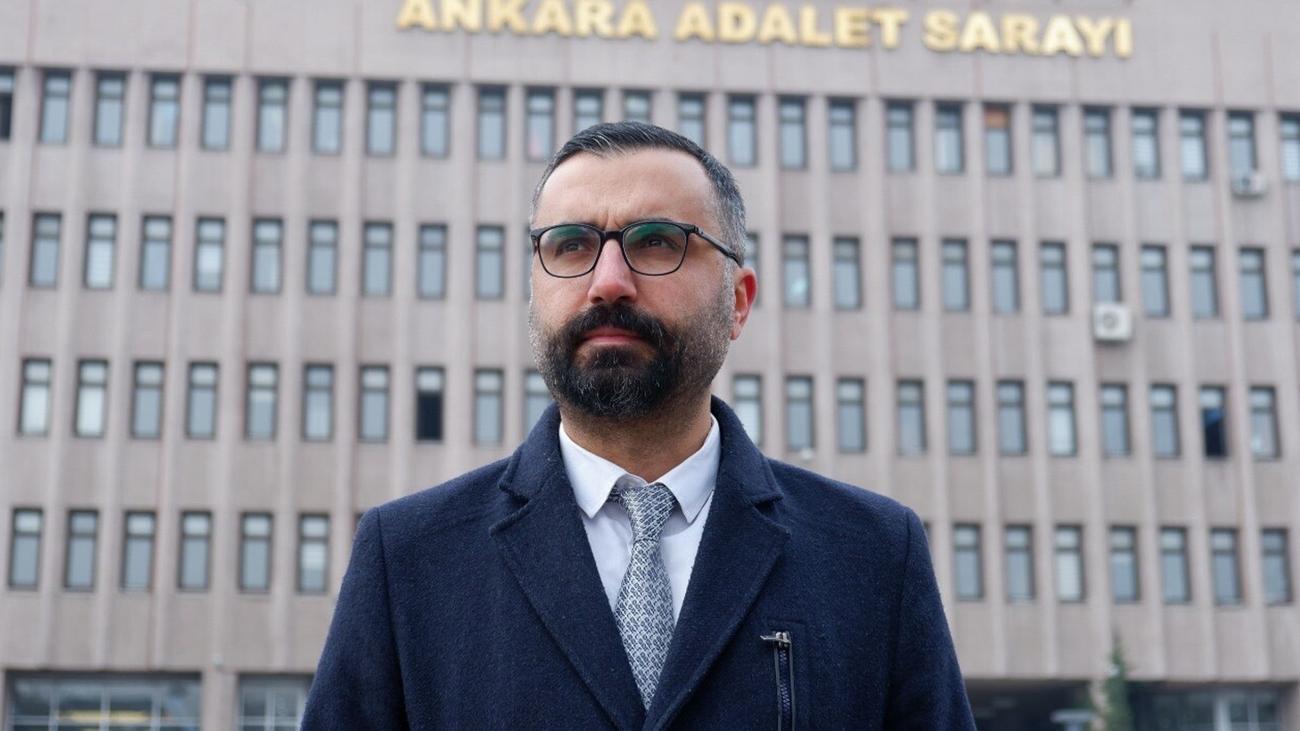
Der Journalist Alican Uludag, der vor zwei Monaten aus der Untersuchungshaft entlassen wurde, ist erneut in der Türkei festgenommen worden, nachdem er kritisch über die türkische Justiz auf der Plattform X berichtet hatte, was zu Ermittlungen wegen Aufstachelung und Verbreitung irreführender Informationen führte. #Türkei #Journalismus #Festnahme
Deutscher Reporter erneut in Türkei festgenommen

After days of media and judicial silence, the prosecution finally confirms that journalist Émilie Tran Nguyen from France 5 was indeed placed in police custody, caught in the middle of a drug transaction. (translated)

När en journalist gör en dokumentär om haveriet inom ätstörningsvården då kan man ge sig f@n på att Aftonbladet ska misstänkliggöra dokumentären och Viaplay. Så sjukt skamlöst av de som försöker förflytta fokuset från sakfrågan om hur unga människor drabbats av haveriet! https://t.co/9BNl2orYEf #ätstörningar #journalistik #dokumentär

Lulle 55m

Vänsterextremisten Andreas Klominek misshandlade nyligen journalisten @NickAlinia och har tidigare dömts för att ha knivhotat en minister. Nyligen stod han åtalad för olovlig körning i Stockholms tingsrätt. Jag tog tillfället i akt och begav mig till tingsrätten för att ställa lite frågor till honom. Istället för att svara på mina frågor började han prata om min mamma, samtidigt som han febrilt letade efter rätt sal. #Vänsterextremism #Journalistik #Rättvisa

Der türkische Journalist Alican Uludağ, der für die Deutsche Welle arbeitet, wurde erneut in der Türkei festgenommen, nur zwei Monate nach seiner Freilassung aus der Untersuchungshaft, wobei der Grund für die neue Festnahme bislang unbekannt ist und Uludağ bereits zuvor wegen Präsidentenbeleidigung und anderer Vorwürfe angeklagt wurde. #AlicanUludag #Türkei #Journalismus

Alican Uludag: Journalist der Deutschen Welle erneut in der Türkei festgenommen
Houden alle media het stil? Neen. Een kleine redactie zelfs zonder toverdrank staat overeind en biedt dapper bericht. Hulde @geenstijl https://t.co/vK3ooRku9i #media #journalistiek #nieuws

BREAKING NEWS - Jean-Marc Sylvestre, one of the most famous French economic journalists, has died after a long illness at the age of 79. #jeanmarcsylvestre #journalist #death (translated)

BFMTV 4h

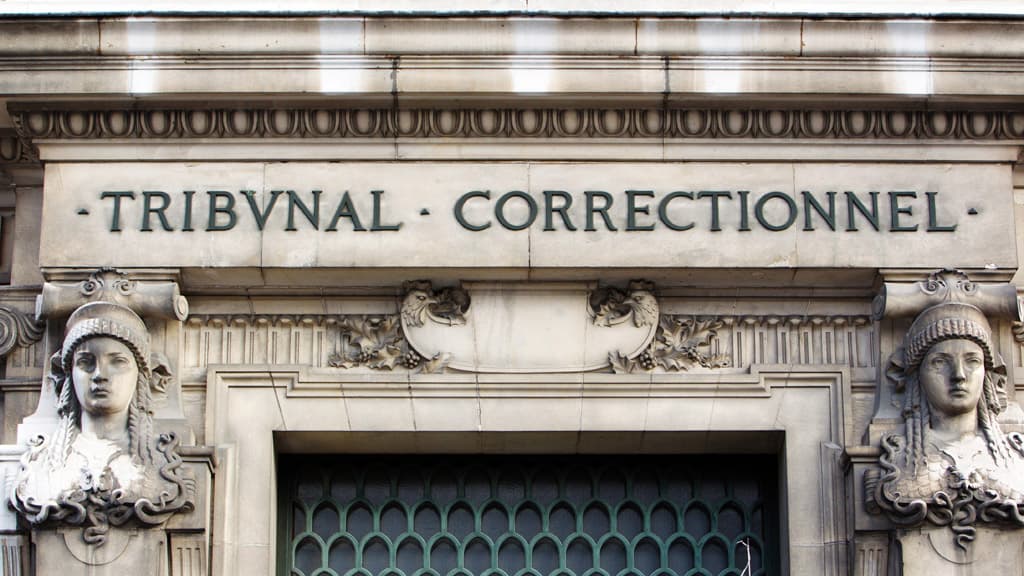
Trois militants d'extrême droite, dont Gabriel Loustau, fils d'un proche de Marine Le Pen, sont jugés à Paris pour avoir agressé deux journalistes lors d'une soirée dans un bar, après des salutations nazies et des violences physiques. #ExtrêmeDroite #Violence #Journalisme

INFO BFMTV. Saluts nazis et coup de boule: trois militants d’extrême droite jugés pour des violences contre deux journalistes

I stora delar balanserat @SVT-reportage om franska presidentkandidaten Marine Le Pen – men Nationell Samling kallas återigen ”ytterhöger” – medan Jean-Luc Mélenchon och hans radikala vänsterparti – som också nämns i inslaget – inte kallas ”yttervänster” En annan sak – är att det framstår som smått paradoxalt med benämningen ”ytterhöger” – när mer än en tredjedel av väljarna stödjer Le Pen och hennes parti. @SVTNyheter #journalistik SVT Morgonstudion 2026-07-21 #politics #journalism #France

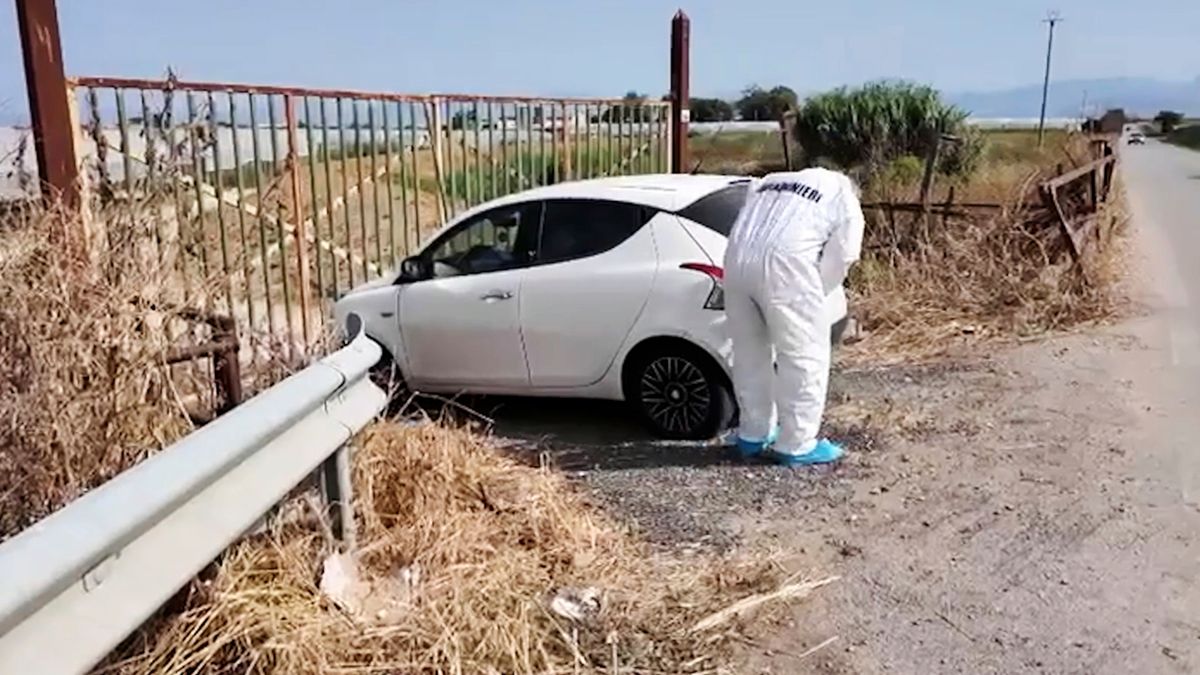
Der italienische Sportjournalist Luca Esposito wurde tot in der Nähe von Eboli aufgefunden, nachdem er vermutlich erschossen und dann verbrannt wurde, was in Italien zu Trauer und Entsetzen führte und den Europäischen Journalistenverband dazu veranlasste, eine Untersuchung einzufordern, um mögliche Zusammenhänge mit seiner journalistischen Arbeit zu klären. #LucaEsposito #Gewaltverbrechen #Italien

Italien: Sportjournalist Luigi Esposito erschossen und verbrannt aufgefunden

🚨 Les journalistes de @lequipe présents à la Coupe du Monde DONNENT LEUR AVIS sur les innovations ! 🎙️ ▫️les pauses fraîcheurs systématiques : 93% ne gardent pas ❌ ▫️l’application des règles contre le gain de temps : 100% gardent ✅ ▫️l’élargissement des champs d’utilisation du VAR : 53% ne gardent pas ❌ ▫️l’arbitrage plus permissif (moins de fautes sifflées pour laisser jouer) : 80% gardent ✅ ▫️les hymnes avec les équipes face-à-face : 53% ne gardent pas ❌ ▫️la Coupe du Monde à 48 : 7% gardent, 7% élargissent à 64, 86% reviennent à 32 ❌ ▫️le match pour la 3e place : 53% gardent ✅ (@lequipe) #CoupeDuMonde #Football #Innovations

Column: De Commissie voor Gecontroleerde Pluriformiteit Max von Kreyfelt Nederland blijkt al jaren een commissie te hebben waarvan ik het bestaan nooit had opgemerkt. De Commissie voor Gecontroleerde Pluriformiteit. U vindt haar niet in het Staatsblad. Er bestaat geen voorzitter, geen secretariaat en geen jaarverslag. Toch vergadert zij voortdurend. Aan tafel schuift eerst de NPO Ombudsman aan. Zijn opdracht: beoordelen of journalistieke normen zijn nageleefd. Daarna neemt het Commissariaat voor de Media plaats. Ook dat doet precies waarvoor het bestaat: toezicht houden op de Mediawet. Vervolgens verschijnt de evaluatiecommissie. Die levert een opmerkelijk medisch rapport af. Kritisch over Ongehoord Nederland, maar tegelijk constaterend dat de omroep bijdraagt aan de pluriformiteit van het bestel. De patiënt functioneert, maar veroorzaakt toch ongemak. Dan betreedt een serie politieke aandoeningen het toneel. In de personen van; Ouafa Oualhadj van D66 vindt dat regels voor iedereen gelden. Erik van der Maas van de VVD ziet geen plaats voor een omroep die zich volgens hem niet aan journalistieke normen houdt. Mohammed Mohandis van GroenLinks-PvdA dringt ook aan op ingrijpen. Intussen schrijven journalisten, onder wie Elodie Verweij, over de groeiende politieke druk met de vraag aan de minister om te handelen. En dan blijft er nog één stoel over. Die van minister Rianne Letschert. Iedereen vóór haar heeft inmiddels gesproken. Iedereen geeft een oordeel met advies. Iedereen heeft zijn bestuurlijke geweten gedocumenteerd. Alleen de handtekening ontbreekt nog. Het fascinerende is niet of Ongehoord Nederland fouten heeft gemaakt. Natuurlijk moeten publieke omroepen zich aan de wet houden. Wat mij bezighoudt, is iets anders. We noemen ons bestel graag pluriform. Dat woord klinkt warm, ruimhartig en bijna feestelijk. Alsof iedere afwijkende stem welkom is. Tot die stem daadwerkelijk afwijkt. Dan verandert pluriformiteit ineens in een kwetsbare plant die beschermd moet worden tegen… pluriformiteit. Dat is een bestuurlijke uitvinding van formaat. Een bestel dat is opgericht om verschillende opvattingen naast elkaar te laten bestaan, raakt onrustig zodra één van die opvattingen niet meer netjes binnen het patroon kleurt. Misschien is dat de modernste vorm van tolerantie. Iedereen mag meedoen. Mits hij geen aanleiding geeft om over de grenzen van de tolerantie na te denken. En zo vergadert de Commissie voor Gecontroleerde Pluriformiteit onverstoorbaar verder. Niet om rechtstreeks te bepalen wat er gezegd mag worden. Dat zou veel te opzichtig zijn. Zij bepaalt slechts welke stemmen nog overtuigend genoeg klinken om pluriform genoemd te mogen worden. Dat is een subtiel verschil. Ongeveer zoals het verschil tussen een vogelkooi en een volière. In allebei wordt gezongen. Alleen buiten hoor je soms een ander lied. P.s.: Weet u nog op wie u stemde? 📌 Heeft u mijn bundel al? https://t.co/y64gXJ5yrY 📌 Steunt u mij ook? https://t.co/V2P6pFuNy1 #Pluriformiteit #Media #Journalistiek

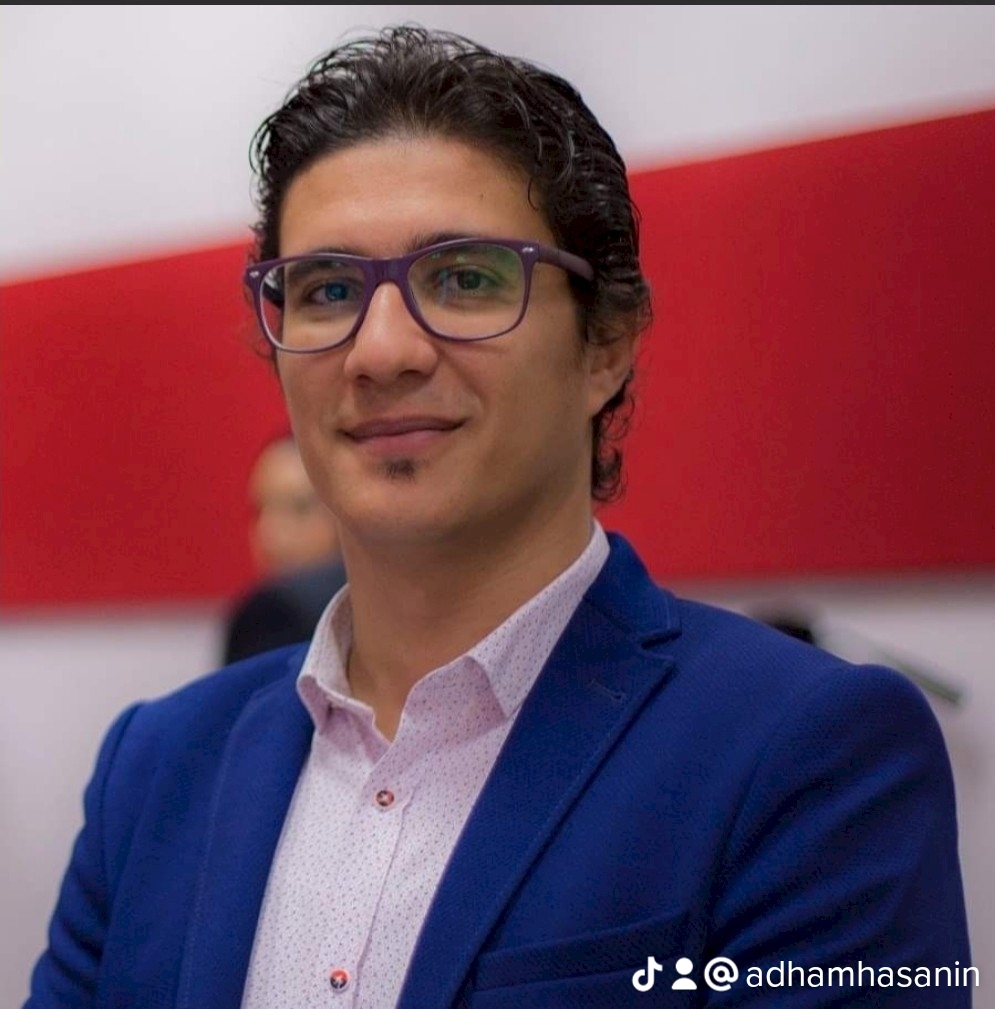
| JULY 2026 | The Guard State How the largest Arab nation became a security contractor at the gates of its own people By Adham Hasanin Egyptian journalist and political writer, based in the Netherlands In June 2025, hundreds of activists from forty countries landed at Cairo airport. Doctors from France, lawyers from Australia, students from the United States, pensioners from the Netherlands. They carried no weapons and no banned slogans; they carried backpacks, walking shoes, and a single intention: to march from Arish to the Rafah crossing — entirely on Egyptian soil — to demand that food be allowed through to a people starving behind the gate. Not one of them reached Rafah. More than two hundred were detained before the march could begin. Around five hundred foreign nationals were deported from airports, hotels, and checkpoints. Passports were confiscated, activists were pulled out of downtown Cairo cafés, and the Global March to Gaza was cancelled on 16 June without taking its first step. And the world watched. This was no secret operation in a dark basement; it happened in the open, documented by the deportees’ own phone cameras, carried by every international news agency. The world watched an Arab state arrest Europeans, Americans, and Africans for wanting to walk towards Palestine. A state guarding the gate of a siege — from the side that was supposed to be the side of rescue. Hold that image, because it is the key to everything that follows. This was not an aberration in Egyptian policy, nor an isolated security decision. It is the function — the complete function around which the Egyptian state has been redefined over the past decade, and which it is time to call by its proper name: the Guard State. I. The Name — What Do We Mean by the Guard State? Political economy has long described states that live off the rent of their location rather than the production of their people. But what has crystallised in Egypt over the past decade goes beyond traditional geographic rent — the Suez Canal, say — into something far graver: the conversion of sovereignty itself into a commodity for hire. The Guard State does not sell its location; it sells its function. It collects its wages not for what it produces, but for what it prevents: it prevents the refugee from reaching Europe, the activist from reaching Gaza, its own people from reaching politics, and the resistance’s weapons from reaching their destination. Four gates, guarded by a single machine, whose wages are paid in loans, deposits, and perpetually renewed rescue packages. This is not a rhetorical metaphor; it is an economic structure with numbers attached. When the Egyptian economy collapsed in 2024, it was rescued not by productive reform but by a single deal whose subject was location: Ras el-Hekma — thirty-five billion dollars for a stretch of coastline. And whenever negotiations with the IMF stall, the tranches are unlocked by explicit European pressure whose subject is migration: nine billion euros from the European Union in the 2024 “Strategic Partnership,” whose own documents place “migration management” at its core. Europe does not pay Egypt to prosper. It pays Egypt to guard. Thus the model is complete: income in exchange for prevention, external legitimacy in exchange for guarding, and international silence about domestic tyranny in exchange for keeping the gates controlled. To see how the model works on the ground, consider the bloodiest gate of all: the gate of Gaza. II. The Gaza Gate — The Guard Who Is Himself Searched The first paradox must be nailed down with facts: Egypt is not a sovereign guard of its own crossing; it is a searched guard. Egyptian relief trucks — ninety-two thousand food parcels in a single convoy this month — are subject to Israeli inspection before entering the Strip: from Egyptian soil, through a crossing that bears an Egyptian name. The state that guards the gate does not hold its key. It owns the threshold, but not the door. Then the October 2025 truce added a new layer to the function. Under the fifteen-point roadmap sponsored by the international envoy together with the “guarantor states” — Egypt foremost among them — Cairo is to train the civilian police force that will replace Hamas in administering the Strip, under the slogan of “one authority, one law, one weapon.” Let us call things by their names: the state that could not — or would not — deliver a loaf of bread without Israeli permission is now qualifying to graduate the security apparatus that will oversee the disarming of the resistance. From guarding the siege to administering what comes after the siege — a promotion within the same project. And meanwhile, what is happening behind the guarded gate? Since the truce, more than one thousand one hundred Palestinians have been killed by Israeli fire — the latest, just two days ago, a ten-year-old boy named Motaz Abu Shaar, carried to his grave in Khan Younis by his mother, Warda. A United Nations commission of inquiry has concluded that Israel is “deliberately targeting children in an ongoing genocide.” This is what the guarantors’ official language calls a “ceasefire.” What meaning is left in the word “guarantor”? A guarantor that the gate stays firmly shut — however high the dead pile up behind it. III. The Mediterranean Gate — The Guard Europe Pays For The second gate faces north. Since 2016, Cairo has boasted — through its officials at every European forum — that “not a single irregular migration boat has departed from Egyptian shores.” This is very nearly true. But the forbidden question is: at what political price has this “efficiency” become an instrument of mutual blackmail? Europe — which condemns Egypt’s human rights record in its parliamentary resolutions — is the same Europe that signed the nine-billion-euro partnership, and the same Europe that stays silent about sixty thousand political prisoners because the alternative, in its calculations, is boats that never stop. And Cairo understands the game and has mastered it: whenever human rights pressure intensifies, the official discourse turns up the volume on “Egypt hosts millions of refugees” and “the last line of defence.” The result is a perfect structure of mutual blackmail: Europe buys its conscience’s silence, the regime sells its location, and the people — Egyptian and refugee alike — are the commodity in the transaction. The democracies that lecture on values are financing the guard who keeps the victims from knocking on their doors. This is not passing hypocrisy; it is a structural partnership in the Guard State model — one that makes Brussels and Berlin shareholders in everything this state produces, from domestic repression to external siege. IV. The Interior Gate — Guarding the People Against Politics But the most dangerous gate is not on any border; it is inside. The Guard State cannot perform its external function unless it first guards an internal gate: the people’s gate to politics. The function requires a people that does not ask: why are we guarding the siege of our brothers? Why are our trucks searched on our own soil? Why are guests deported for coming to walk in peace? To guarantee the question is never asked, the largest silencing machine in the country’s history was built: sixty thousand prisoners of opinion, a press ranked 166th out of 180 worldwide, and a state security case number waiting for anyone who writes. I write these lines from experience, not from reading reports. When I continued writing from my Dutch exile, the machine reached me across continents: accounts shut down by coordinated mass-reporting campaigns, documented threats, a family harassed inside Egypt as leverage — and my name entered into Case 1282 of 2024, not for any act I committed, but for opinions written from free European soil. This is not a personal complaint; it is a job description: the Guard State guards even beyond its borders, because the free word — wherever it is written — threatens the entire contract of guardianship. The logic is perfectly self-consistent: a regime that sells “stability” abroad cannot tolerate a voice revealing that the stability on offer is the stillness of graveyards. This is why the arrest of the foreign activists in June 2025 was inevitable, not incidental: a peaceful march reaching Rafah would have revealed, before the world’s cameras, that the gate opens when it is wanted open — and that the one keeping it shut is a partner, not a mediator. V. What Has Egypt Lost? — The Guard’s Bill An apologist might argue: what is the harm? A state monetising its location as Norway monetises its oil. The answer lies in the essential difference: Norway sells a resource; Egypt leases its will. And the difference between the two is the difference between trade and bondage. Let us tally what Egypt has paid for this model, in bare facts. It lost its water sovereignty: the Renaissance Dam was completed and filled without the state — owner of “the largest defence headquarters in the world” — daring anything beyond statements of concern; for the guard does not make trouble for the international order that employs him. It lost its regional standing: in the Iran–America war halted just weeks ago, Cairo was neither party nor mediator nor even consultant — Pakistan brokered the deal, while Egypt absorbed the economic shrapnel of Hormuz’s closure like a bystander caught in a battle whose parties it does not know. It lost its place in the conscience of its nation: the state that liberated its land in 1973 and led the Arab world for a century has become, in the eyes of the Arab street from the Atlantic to the Gulf, the gatekeeper of the siege. This loss, specifically, no loan or deposit can repay — because it is the only capital that cannot be printed. And it lost — here is the crux — the very national security in whose name the guarding is justified. The model proved its fragility at the moment of testing: when Israel feared an Iranian response last year, it cut off Egypt’s gas by unilateral decision within hours. The guard who believed himself a partner discovered he was merely a hireling whose wages stop the moment danger arrives. VI. The Alternative Is Not a Slogan — It Is the Recovery of the Original Function I will not close with an essay on “the solution lies in Arab unity”; worn-out words kill more surely than silence. The alternative is specific, and it begins with redefining the function. The state is not a guard; the state is the agent of its people’s will. Every foreign policy not derived from that will is — by definition — functional servitude, however it is wrapped in the language of wisdom and moderation. And the Egyptian will is known and needs no referendum: no people in this region accepts that its country serve as warden of the siege of Gaza, or as Europe’s border post. Practically, the recovery begins with three measurable steps. Open the Rafah crossing fully and sovereignly, by purely Egyptian decision — that alone would overturn the equation of the siege. Break the negotiating bondage by linking any cooperation on migration to concrete European positions on Palestine, not statements of concern. And open the interior gate — release the prisoners and lift the hand from the written word — because a state that fears an article will never dare face an occupier. I know the current regime will do none of this; guarding is its founding contract and its financial artery. But this article is not written for the regime. It is written for memory, and for the generation that will inherit the gates — so that it knows that what is presented to it today as “the fate of geography” is no fate at all. It is an employment contract, signed by a regime without a mandate from its people. And contracts, however long they run, end when one of their parties does. And the world — I return to where I began — is a witness that requires no further proof. It watched the deportees at Cairo airport; it watched the searched trucks; it watched Warda Abu Shaar carry her son to his grave behind a firmly guarded gate. The question is no longer: what is happening? The only question left is: who dares to name it? This article is a naming. Adham Hasanin is an Egyptian journalist and political writer based in the Netherlands, covering Arab and European political affairs.

"Journalist" @pieter_haeck vertelde hier een hoop leugens over subsidies voor fossiele brandstoffen, Nadat hij hier massaal op z´n fouten werd gewezen, bleef hij volharden. Toen bleek dat hij echt vast zat, heeft hij niet zijn ongelijk toegegeven, nee, Pieter heeft al z´n berichten gewist en is als een dief in de nacht verdwenen. Geeft zowat het niveau van de journalistiek weer. #journalistiek #fossielebrandstoffen #media

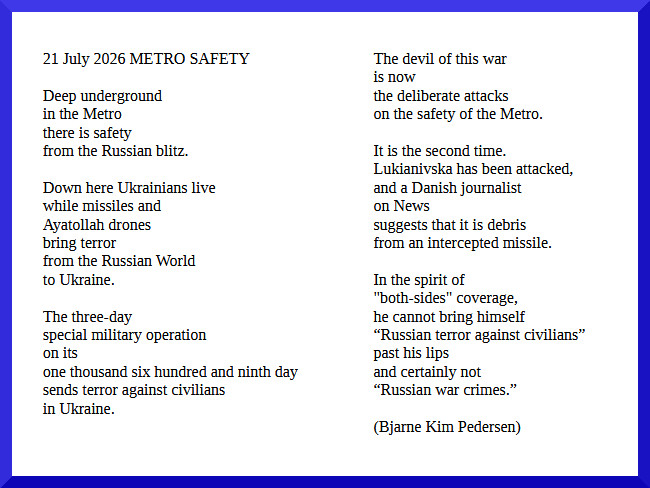
https://bjarnekimpedersen.blogspot.com/2026/07/21072026-metro-sikkerhed.html 21.07.2026 METRO SIKKERHED Dybt under jorden i Metroen er det sikkerhed for den russiske blitz. Hernede lever ukrainerne når missiler og Ayatollah-droner bringer terror fra Den Russiske Verden til Ukraine. De tre dages begrænsede militæraktion sender på sekstenhundredeogniende dag terror mod civile i Ukraine. Djævelen i krigen er nu de målrettede angreb mod Metrosikkerheden. Det er anden gang . Lukianivska bliver angrebet og en dansk journalist på News formoder at det er nedfald fra et ramt missil. Han kan i begge sider dækningens ånd ikke få ordet ’Russisk terror mod civile’ over sine læber og slet ikke ’Russiske Krigsforbrydelser’

21.07.2026 METRO SIKKERHED

Hvorfor er det @oresundsbaron, der skal afsløre dette? Hvorfor har I ikke gjort det @berlingske, @btdk eller @frihedsbrevet? Oplysningerne ligger fuldt tilgængelige og har gjort det i årevis. Alligevel har man ikke hørt det mindste fra jer. #dkmedier https://t.co/E4jk9qDK0S #dkpolitikk #journalistik #ofovergangen

Journalists in Gaza 🇵🇸 provide critical, lifesaving information. Through the Gaza Digital Voices initiative, supported by @UNESCO's MDP, young media workers gain skills in mobile journalism, professional standards, and fact-checking. @UNESCO_Ramallah https://t.co/uTFZbdHkSi #GazaJournalism #MediaFreedom #FactChecking #PS

Journaliste 🎙️ : « KYLIAN, TU AS HÂTE DE RENCONTRER JOSÉ MOURINHO 🇵🇹 ? » Kylian Mbappé 🇫🇷 : « OUI OUI. » https://t.co/CJCzzbln4Q #Football #KylianMbappe #Mourinho

Actu Foot 10h

🎙️ Journaliste : « KYLIAN, AS-TU HÂTE DE VOIR JOSÉ MOURINHO 🇵🇹 ? » 🗣️ Kylian Mbappé 🇫🇷 : « OUI, OUI. » 😁 Le capitaine des Bleus a fait son retour à Madrid cette nuit. 🔙 https://t.co/vHvKjyJium #KylianMbappé #Mourinho #Football

Bild 10h

Der italienische Sportjournalist Luigi „Luca“ Esposito wurde grausam erschossen und verbrannt aufgefunden, nachdem er mehrere Tage vermisst war, während die Ermittlungen zu einem möglichen Zusammenhang zwischen seinem Tod und seiner journalistischen Tätigkeit laufen. #LuigiEsposito #Mord #Journalismus

Gruseliger Leichenfund in Italien - Sportjournalist erschossen und verbrannt