WRLD

Search

#lettera
Matteo Di Gangi 8h

Matteo Di Gangi has invited to maintain balance in judging Italy after the Nations League matches. He wrote that Belgium and France were stronger teams and that, against the French, Italy had faced two very challenging games, defending well but also benefiting from luck. According to Di Gangi, in the first match against Belgium, Italy had struggled for a half, while in the second half they had played decently. In the most recent game, after the 1-1, the team had faded, and the qualities of Doku, Moreira, and De Bruyne had made the difference. He added that when Italy overcommitted to recover, they risked suffering heavily against such fast opponents. Di Gangi noted that defending for a 0-0 could have favored advancing to the next round, but he argued that at the beginning of a new cycle, Italy should try to play even at the cost of incurring defeats. He concluded that the victories against France had not proven everything and that the two defeats to Belgium did not erase the progress, looking forward to the European qualifiers in March. #NationsLeague #Calcio #Italia (translated)


2147
Giorgia Meloni 3d
Prime Minister of Italy since 2022

In a letter addressed to Costa, Meloni argued that the proliferation of meetings and discussion channels on the issue of Ukraine undermines the credibility of the Union: "Proceeding in a disorganized manner, with initiatives that chase each other and overlap, will not help us." #Ucraina #UnioneEuropea #Diplomazia (translated)
3127
Gadi Eisenkot 4d
Israeli military officer

"You are at the head of a transitional government that no longer enjoys the trust of the Knesset: only 46 Knesset members still support your continued tenure as prime minister. In this complex and delicate political situation, you have a duty to exercise particular caution and responsibility regarding security and national decisions," Eisenkot wrote in the letter to Netanyahu. #Israele #Iran #Netanyahu (translated)

2701
Marco Travaglio 5d
Italian journalist and writer (born 1964)

Giorgia Meloni has done absolutely nothing in these four years. It is even difficult to counter her because if someone does something big, crazy, enormous, they can be opposed. But how do you counter someone who does nothing? She has saved herself by maneuvering around because she is good at chatting and storytelling. Now, literally, she no longer knows what to tell: this is the reason for her nervousness. #GiorgiaMeloni #Bollette #Ucraina (translated)

2819
Il Post 6d

In episode 363 of Matteo Caccia's podcast, they discuss COP31 in Turkey, which marks a shift from the topic to the method in the fight against climate change, with a letter from Arnold Schwarzenegger to the deniers and the story of a "kayaktivist." #CambiamentoClimatico #COP31 #Kayaktivismo (translated)

www.ilpost.it
Ep 363 – Un pianeta solo
2826
Il Sole 24 ORE 6d

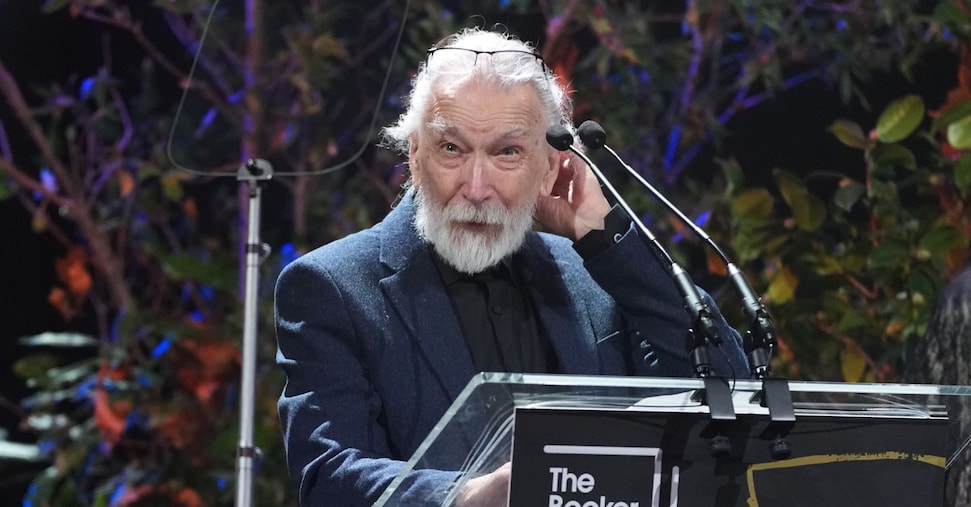
M. John Harrison, at 81 years old, has become the oldest winner ever of the Booker Prize, winning the prestigious award for his post-apocalyptic novel The End of Everything. #BookerPrize #MJohnHarrison #letteratura (translated)

www.ilsole24ore.com
M. John Harrison a 81 anni vince il Booker Prize 2026
2716
Il Sole 24 ORE 7d

Exercising not only strengthens the body but is also essential for brain health, so much so that it deserves a medical prescription as if it were a pharmacological treatment, according to a review of scientific literature conducted by Canadian researchers. #EsercizioFisico #SaluteCerebrale #Prevenzione (translated)

www.ilsole24ore.com
Allenare i muscoli protegge (anche) il cervello. Ecco perché andrebbe prescritto come un farmaco
3291
⃟ 1w

The author wondered what they wanted to demonstrate with that video and wrote that that morning all four had talked about it in the garden. #video #giardino #discussione (translated)

3069
Carmelona5 1w

Carmelona5 wrote that an unnamed woman was the only one to openly and live say how things were, arguing that she had overshadowed everyone else. The post mentioned #DancingWithTheStars. #BallandoConLeStelle https://t.co/kzKx2mqJQ8 #BallandoConLeStelle #Verità #Diretta (translated)

2960
P
Paula Pinho 1w

We are aware of the letter addressed by Prime Minister Meloni to President Costa and all members of the European Council – she added – President Ursula von der Leyen has also received it. #Ucraina #GiorgiaMeloni #Nato (translated)

2967
Eleonora Aloise 1w

Eleonora Aloise described the box by the court as a community made of rituals, superstitions, and strategies, and presented Darren Cahill as a figure capable of guiding those around him. She compared him to Clint Eastwood and Hemingway, before defining him as the greatest tennis coach. According to Aloise, Cahill had been for Jannik Sinner "the adult in the room" and had reminded him to approach the journey with lightness. The author wrote that the coach had said goodbye to Sinner when he believed the player had become that adult figure himself. For the new chapter, she indicated Magnus Norman alongside Simone Vagnozzi. #sinner #cahill #tennis #tennis #sport #allenamento (translated)

3653
Mikie Sherrill 1w
American politician, naval aviator, and prosecutor (born 1972)

This week, New Jersey Governor Mikie Sherrill sent a letter to the port authorities of her state inviting them to reject Russian oil tankers to avoid legal consequences. #Gasolio #Russia #Trump (translated)

2969
Il Messaggero 2w

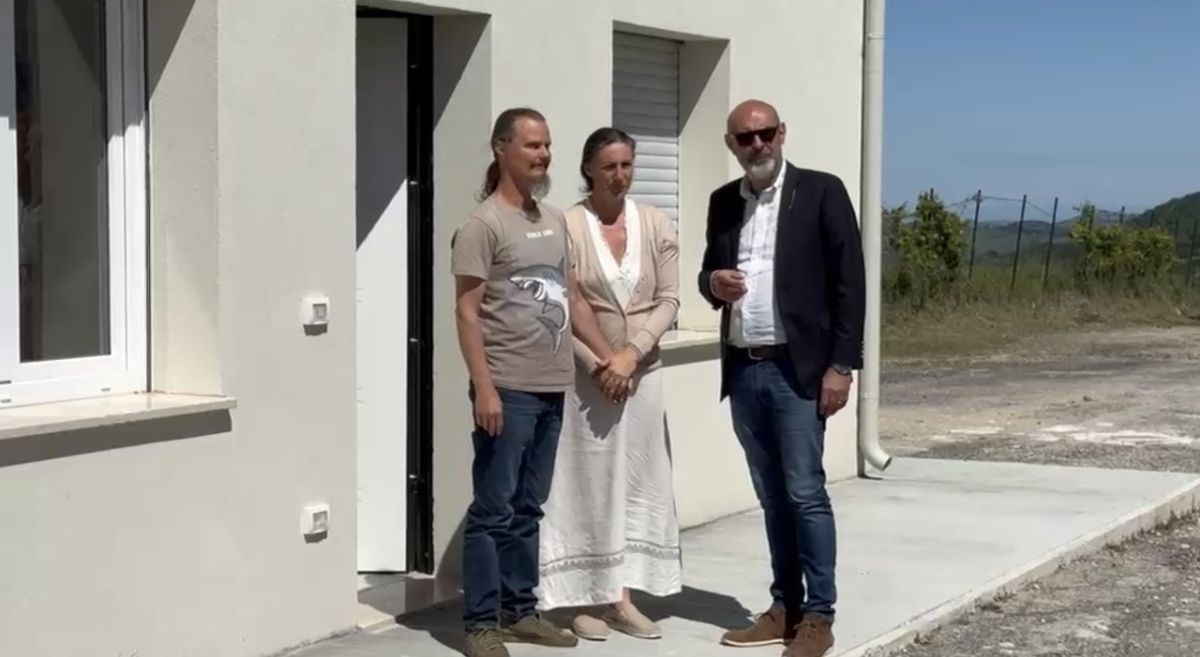
Catherine and Nathan wrote a letter to the judges to request the return of their children and the reinstatement of parental education, highlighting their family's progress and criticizing the inconsistencies that emerged during the protected hearing of the minors. #Famiglia #DirittiDeiMinori #Giustizia (translated)

www.ilmessaggero.it
Famiglia nel bosco, Catherine e Nathan scrivono una lettera ai giudici: «Col cuore in mano, ridateci i nostri figli»
2750
Il Messaggero 2w

A police officer injured during clashes in Milan received a threatening letter expressing wishes for severe consequences for him, revealing an increasingly intense climate of hostility towards law enforcement. #Milano #scontri #polizia (translated)

www.ilmessaggero.it
Poliziotto ferito negli scontri di Milano, la lettera minatoria ad Angelo De Simone: «Peccato non le abbiano spaccato la testa»
2295
Il Post 2w

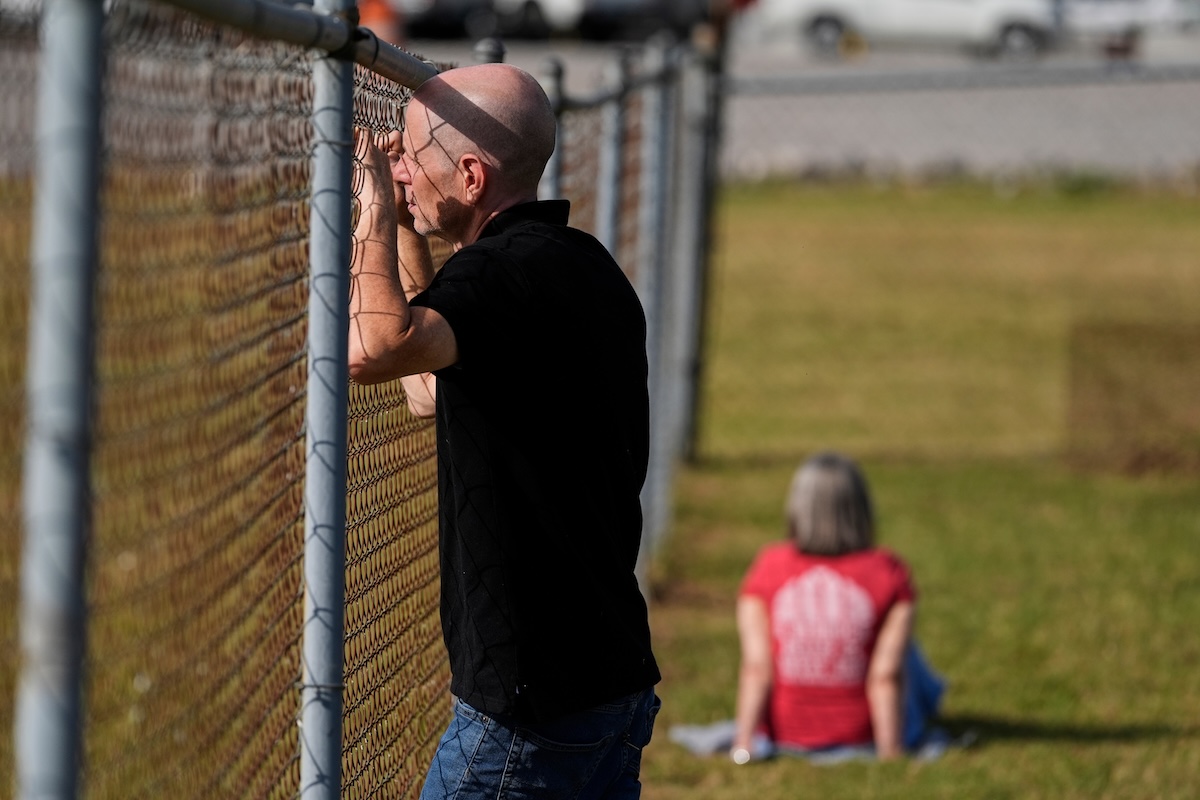
Christa Pike, sentenced to death and survived a failed execution, wrote a letter in which she expresses her pain and the trauma experienced after the execution attempt, reflecting on her experience and the suffering inflicted on the victim's family. #ChristaPike #PenaDiMorte #GiustiziaPenale (translated)

www.ilpost.it
La donna sopravvissuta alla propria esecuzione ha scritto una lettera aperta
2528
Il Fatto Quotidiano 3w

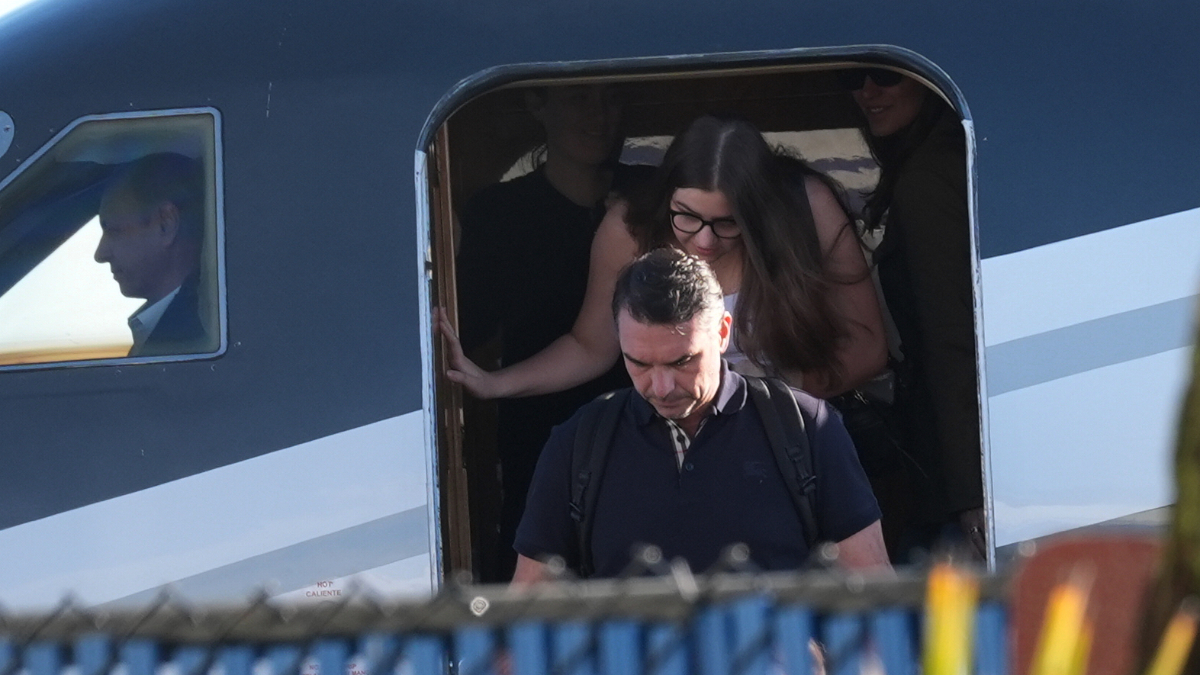
Bolsonaro Jr., in a letter from his exile in the United States, calls himself the true president of Brazil and announces mobilizations against Lula, while his letter raises controversy for its rhetoric and accusations of a coup. #Brasile #Bolsonaro #Dittatura (translated)

www.ilfattoquotidiano.it
Bolsonaro jr rompe il silenzio dagli Usa: “Sono io il vero presidente, presto mobilitazioni in tutto il Brasile”
2538
Luciano Magaldi Sardella (PhD) 3w

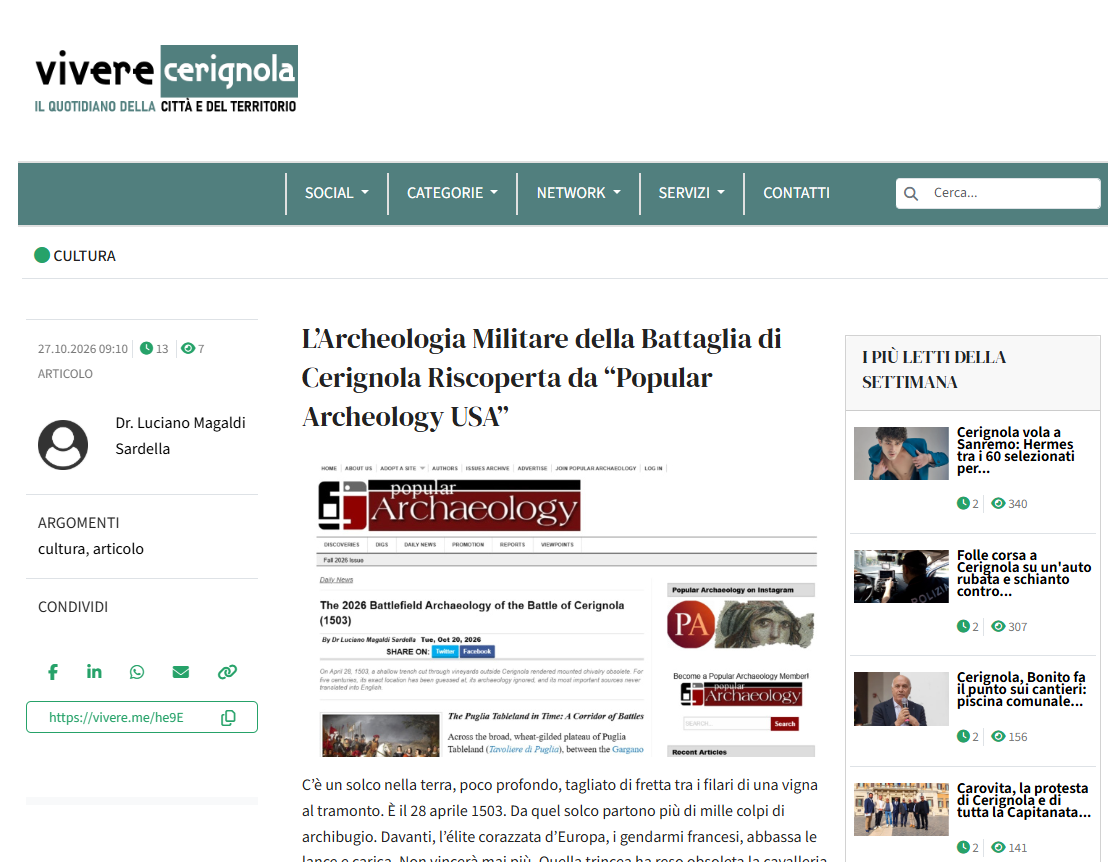
LIVING CERIGNOLA: THE MILITARY ARCHAEOLOGY OF THE BATTLE OF CERIGNOLA ARRIVES ON "POPULAR ARCHAEOLOGY USA" CERIGNOLA (FG) - The Battle of Cerignola on April 28, 1503, returns to the center of international debate. The prestigious American magazine Popular Archaeology has dedicated an extensive in-depth article to the battle that changed European military history: the first in which over 1,000 Spanish arquebusiers under Gonzalo Fernández de Córdoba, sheltered behind a trench reinforced with vineyard posts, stopped the charge of the elite heavy cavalry of the Duke of Nemours. A trench that, in fact, rendered cavalry obsolete and inaugurated the era of infantry armed with fire, determining control of the Mediterranean for the next 160 years. The article highlights the decades-long microhistorical research work of the Torre Alemanna Study and Research Center in Cerignola led by Dr. Matteo Stuppiello: from the letter of Consalvo de Cordoba to the Kings of Spain (April 29, 1503), to the graffiti of 1503 in the Church of Santa Maria delle Grazie, to the land registries of the State Archive of Naples that explain the agrarian origin of that trench. A battlefield still lacking a map and protection, but scientifically rediscoverable thanks to technologies such as LiDAR ISPRA, magnetometry, and ground-penetrating radar. An important recognition for Cerignola, for the Tavoliere, and for all historical research in Puglia, which today deserves a systematic project for the archaeology of battlefields. (translated)

578
Il Messaggero 3w

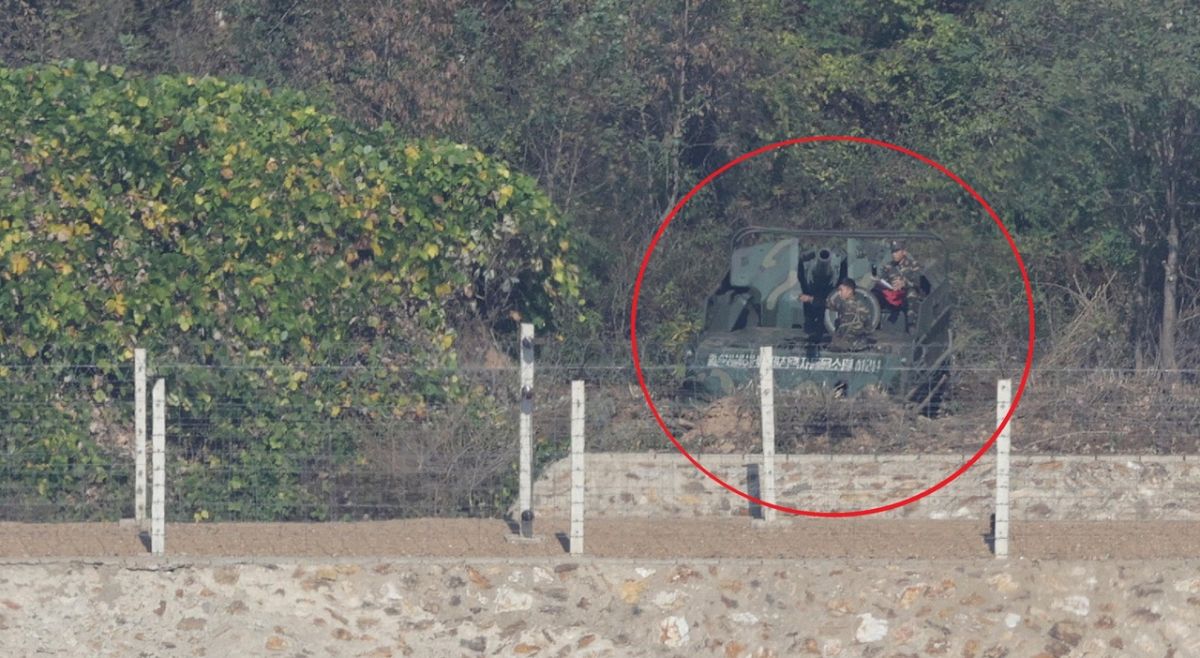
The tension between North Korea and South Korea has increased after the discovery of three North Korean self-propelled artillery pieces pointing south near the border, accompanied by a letter from Pyongyang to the United Nations Security Council accusing Seoul of military provocations. #CoreaDelNord #TensioniCoreane #Militari (translated)

www.ilmessaggero.it
Corea del Nord, scoppia il caso dei tre blindati con i cannoni puntati verso Sud. L'insolita foto al confine che spaventa Seul
2890
Luciano Magaldi Sardella (PhD) 3w

THE "BATTLE OF CERIGNOLA (1503)" ON "POPULAR ARCHAEOLOGY USA" (by LUCIANO MAGALDI SARDELLA) SOURCE 1: https://popular-archaeology.com/author/sardella/ SOURCE 2: https://popular-archaeology.com/article/the-2026-battlefield-archaeology-of-the-battle-of-cerignola-1503/ -------------------------------------------------------------------- CERIGNOLA (FG) — On April 28, 1503, at sunset, a shallow trench cut between the vineyards outside Cerignola rendered heavy cavalry obsolete. For five centuries, its exact location has only been conjectured, its archaeology ignored, its most important sources never translated into English. We are on the Tavoliere of Puglia, a corridor of battles for two thousand years: from Cannae in 216 BC to the falcon hunt of Frederick II from Torre Alemanna. Cerignola, at that time, was not a city but a rural village of 350 families at 120 meters above sea level, custodian of the Mena della Dogana delle Pecore, the great pastoral system of transhumance that financed the Kingdom of Naples. Its possession was fiercely contested. Facing each other were two worlds. Louis d’Armagnac, Duke of Nemours, Viceroy of Naples for Louis XII, in his thirties, splendidly armored, confident of victory. On the other side was Gonzalo Fernández de Córdoba, the Gran Capitán, who on April 27-28 marched from Barletta with about 9,000 exhausted men and decided to settle on a low ridge. He deepened what was already there: not an invention, but an agricultural ditch. The French gendarmes, the last heirs of the medieval knight, lowered their lances and never reached the line. From behind a parapet reinforced with vine stakes, over 1,000 Spanish arquebusiers opened fire. Nemours fell, almost certainly the first European army commander to die from a portable firearm. With him, the charge of cavalry as a dominant tactic died. And here is the scandal denounced by the article: no cartographer of the 17th-18th centuries ever mapped the battlefield. No monument commemorates it. It is not protected as a cultural landscape under the Code of Cultural Heritage. Every deep plowing of the Tavoliere, standard practice since the Bourbon reforms, destroys an archaeology never recorded. Yet the perimeter can be reconstructed. By cross-referencing the 16th-century descriptions of "vine-covered slopes fifteen miles north of the Ofanto" with the Via Traiana, the engagement area is a rectangle of 3-4 square kilometers northeast of the current settlement. With the 1m LiDAR DTM from ISPRA, it could reveal anomalous linear depressions, and the lower filling of a ditch 2-3 meters deep, under the plowed layer, is still readable with magnetometry and ground radar. Why did we arrive late? Not for lack of sources, but for lack of translation. The Municipality of Cerignola and the Torre Alemanna Research and Study Center of Prof. Matteo Stuppiello, who in 1978 obtained the first monumental protection for Torre Alemanna, have digitized a corpus that has never entered Anglophone historiography. Here are the 3 pillars: 1. The letter that still smells of gunpowder. The “Letter from Consalvo de Córdoba to the Spanish royals dated April 29, 1503,” edited by Stuppiello in 2003 and updated to 2025 on comune.cerignola.fg.it/biblioteche-digitali. A handwritten page written in Cerignola the day after the battle, “rich in flashes, twilight lights, and gunfire.” Not a polished chronicle like that of Giovio, but a field dispatch: the fatigue of the night march, the decision to entrench upon arrival, the recovery and honorable burial of Nemours, the intact capture of the French artillery. 2. The graffiti, a monument inside the monument. In the 14th-century church of Santa Maria delle Grazie, known as the Incoronatella, on the Via Trinitapoli Vecchia, where tradition holds that the body of Nemours was brought. On the triumphal arch, a 1503 graffiti gives, in almost notarized form, the date, sixth indiction, Friday at the hour XXIII-XXIIII. It was indeed Friday, as confirmed by the perpetual calendar of Cappelli. Decoded in 1995 by Prof. Francesco Magistrale, Latin paleographer at the University of Bari, in *The Battle of Cerignola (1993)* and in the municipal monograph *S.M. delle Grazie (1999)*. Today it is fading due to humidity and neglect. 3. The land registry that explains the ditch. The Survey of 1672 preserved at the State Archive of Naples, Pignatelli Aragona Cortes fund, Scanzia 63, fasc.1: “At the time of the battle, thick vineyards covered the hill reaching to the plain, and were distinctly separated from the rest of the countryside by a not very deep ditch.” Córdoba did not improvise; he adapted. This is confirmed by the catasti of the Giustiniani: 277 households in 1532, 699 in 1595. The landscape of 1503 was intensely horticultural, not the deeply plowed monoculture of today. In addition to these, there is the first monograph by Vincenzo Buonassisi, *The Battle of Cerignola* (1908, died in Via Fanfulla 10 on June 27, 1928), and the first modern military analysis by Piero Pieri, “Consalvo de Córdoba and the Battle of Cerignola,” Archivio Storico Pugliese 1952, which 30 years before the Anglophone rediscovery of the “pike-and-shot” defined Cerignola as an engineered killing ground. While Cerignola forgot, others remembered. The “Regimiento de Infantería Cerinola n.42”, later “Fuerteventura n.56”, carried the name of Cerignola until the 20th century. The coat of arms, described in *Heraldica e Historiales del Ejercito, Tomo V” (Madrid, 1981): silver field, dying white swan entangled in a hedge, golden wall crown, with the scroll “Cerignola.” Dossier officially transmitted on April 30, 1986, prot. 4565/509, from the Servicio Histórico Militar of Madrid to the Torre Alemanna Center thanks to Col. Alessio Antonutti and Gen. José Cifuentes. And in Amsterdam, at the Rijksmuseum, the anonymous bronze commemorative medal: Hercules with lion skin and club and Janus with the keys next to an eagle-armed coat of arms, legend “Consalvus Agidarius… Janum clausit,” on the reverse a battle scene “Consalvi Agidari Victoria de Gallis ad Cannas,” an artist's mistake that confuses Cerignola with Cannae. It belonged to Mrs. J.M. van Gelder-Nijhoff, donated in 1885. The author's conclusion is clear: Gonzalo's ditch is the most consequential earthwork in European military history. It inaugurates the infantry armed with firearm and conditions the Mediterranean for 160 years. It may still be there, filled, plowed, invisible to the naked eye but accessible to a magnetometer. It is not a matter of medieval archaeology but of the will to protect. (translated)

695
Il Fatto Quotidiano 3w

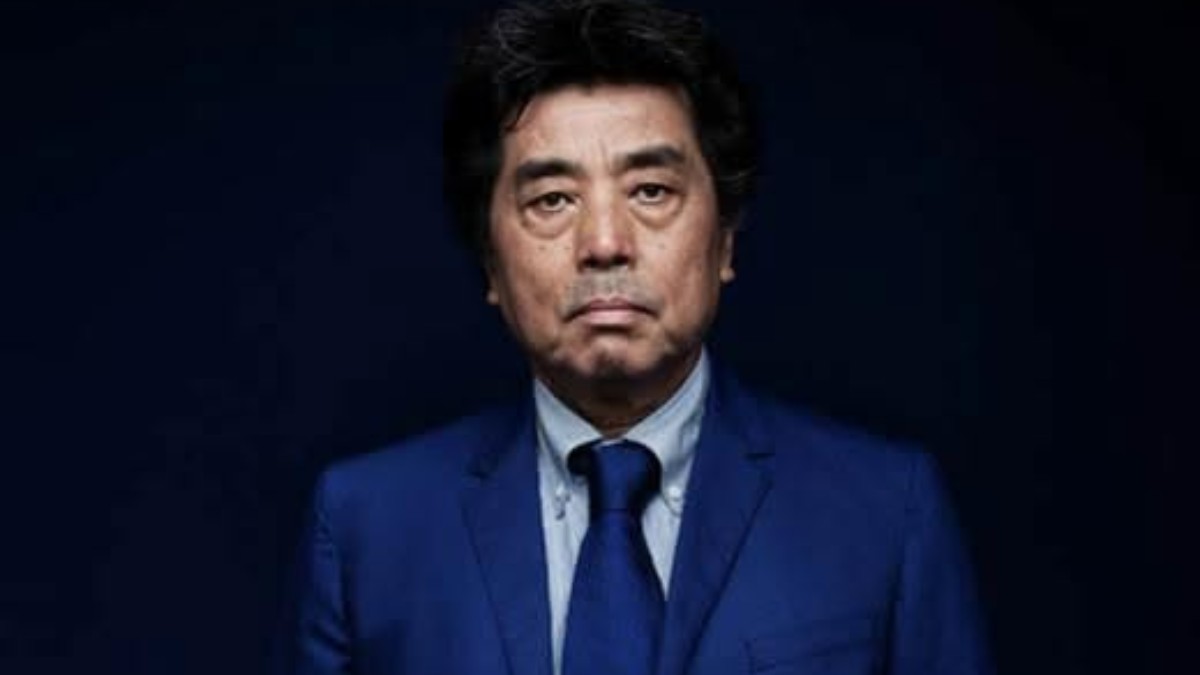
The famous Japanese writer Ryu Murakami, known for exploring the dark side of Japanese society in his novels, died at the age of 74 on October 17. #RyuMurakami #LetteraturaGiapponese #DisagioGiovanile (translated)

www.ilfattoquotidiano.it
È morto lo scrittore Ryu Murakami. Ha raccontato il lato oscuro del Giappone, tra trasgressione e disagio giovanile
2551