BETA nonprofit public democratic european moderated

Search

#phd

Anitta Press stated that Anitta did not vote in the first round of the elections for president and governor of Rio. She said that the singer had been on vacation with her family in Europe for more than a week and mocked her background in political management, calling her "PhD by reels." https://t.co/9la3nxF5To #Anitta #Eleições2022 #Política (translated)

The author of the post described the awarding of the honorary PhD to Cardinal Pierbattista Pizzaballa as more than just a recognition, depicting it as a call for collective responsibility to build peace through diplomacy, knowledge, and education. https://t.co/60lfXREh7H #Pace #Educazione #Diplomazia #IT (translated)

ERR 5d

The Estonian motor trial team won several awards at the Nordic Championships in Norway, including first place in the Open Green Team class and a silver medal in the Nordic Women Team Championship. #TalTech #maakaabel #elektriühendused (translated)

Paul Taklaja: tehnikaülikooli tehtud maakaabelliini uuring pole ebatäpne

Beatrice Rosen wrote that she saw a video in which Philippe de Villiers asked Emmanuel Macron to activate the state of emergency. According to her, Macron was trying to make the opposition demand this measure themselves and was allowing the situation to worsen for this purpose. She believed that several scenarios were being tested before the election to provoke widespread chaos, citing external and internal interference as well as riots. She added that a new form of state of emergency had been created in the law. Rosen clarified that this did not mean nothing should be done, but accused those she targeted of allowing the situation to deteriorate until the state of emergency appeared as the only option, with the consent of the population. She compared this strategy to that of debt, asserting that the country would be brought to a level of indebtedness such that the federalization of the European Union would be presented as the only solution to "save" it. #ÉtatDurgence #CrisePolitique #France (translated)

V

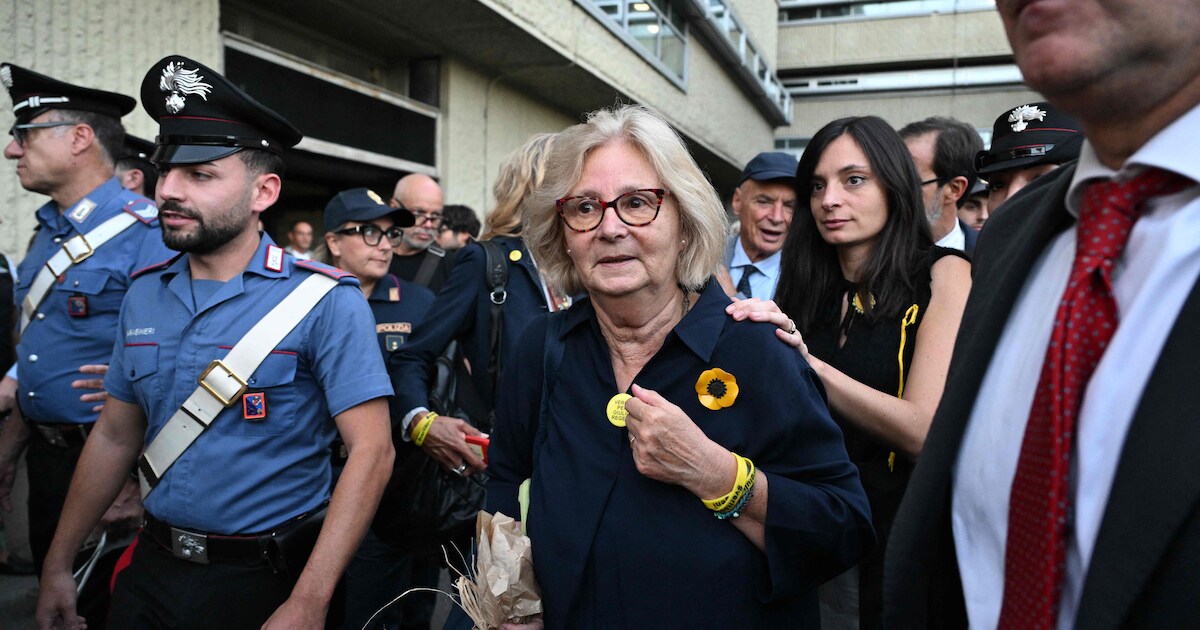
Drie medewerkers van de Egyptische Nationale Veiligheidsdienst zijn in Rome bij verstek veroordeeld tot tien jaar gevangenisstraf voor de moord op de Italiaanse PhD-student Giulio Regeni in 2016. #GiulioRegeni #moord #rechtspraak

Alsnog veroordeling wegens moord op Italiaanse student in Egypte tien jaar geleden
A
AD 2w

Drie medewerkers van de Egyptische Nationale Veiligheidsdienst zijn in Rome bij verstek veroordeeld tot tien jaar gevangenisstraf voor de moord op de Italiaanse PhD-student Giulio Regeni, die in 2016 in Caïro werd gekidnapt en vermoord. #GiulioRegeni #moord #Egypte

Alsnog celstraffen voor moord op Italiaanse student in Egypte tien jaar geleden

Hoje, o próximo presidente do Brasil, @FlavioBolsonaro, teve a gentileza de se reunir com parte de nossa equipe econômica. É uma equipe que me enche de orgulho: são quase 100 voluntários — PhDs, doutores, professores, pesquisadores e especialistas em economia, direito, estatística, administração e diversas outras áreas do conhecimento — trabalhando desde novembro do ano passado na construção de propostas concretas para o Brasil. Gente qualificada, experiente e, acima de tudo, disposta a dedicar seu tempo e conhecimento ao país. Nosso trabalho é transformar boas ideias em medidas efetivas para recolocar o Brasil no Caminho da Prosperidade. O Brasil tem solução 🙏🇧🇷 #Brasil #Economia #Prosperidade

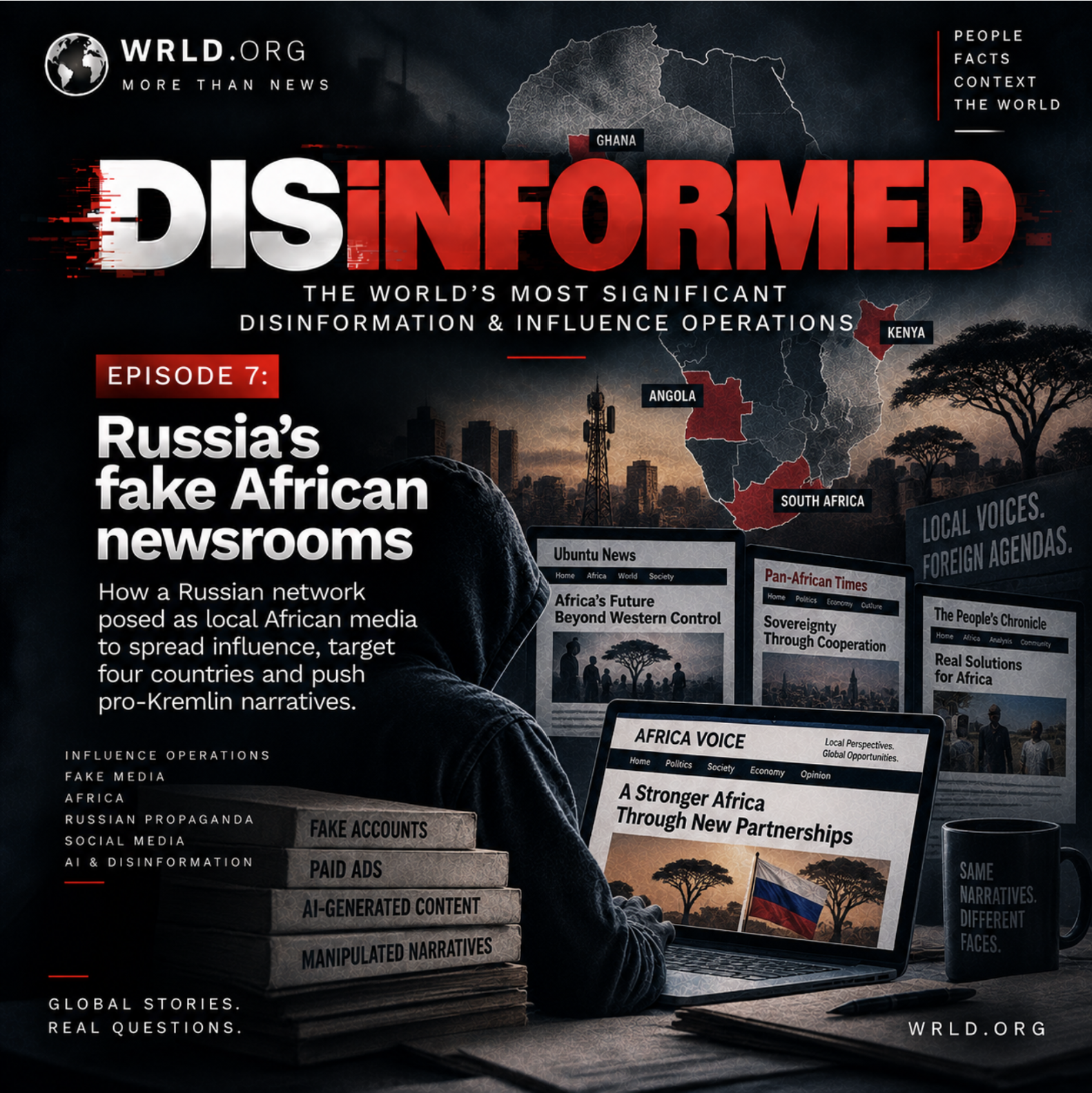
Russia’s fake African newsrooms – propaganda designed to look local A Facebook user in Nairobi, Accra, Johannesburg or Luanda encounters what appears to be a local news page. It publishes stories about African politics, Western influence and relations with Russia. The language is tailored to an African audience and the page presents itself not as a foreign broadcaster, but as part of the local information landscape. Behind some of these outlets, however, Meta found operators based in Russia. In its 2026 threat research, the company disclosed a Coordinated Inauthentic Behaviour network targeting audiences in Angola, Ghana, Kenya and South Africa. Meta removed 37 Facebook accounts and 29 Pages connected to the operation. Around 30,000 users followed at least one of the Pages, while the operators spent approximately $7,000 on Facebook and Instagram advertising, mostly in euros and US dollars. The numbers are relatively modest. The method is considerably more important. Rather than openly distributing Russian state messaging, the network posed as local African news sources and grassroots organisations, promoting narratives about Western colonialism and political interference while presenting Russia as a credible economic and political alternative. It was an old geopolitical message delivered through a much more effective identity: not Moscow speaking to Africa, but Africans apparently speaking to one another. A news outlet that was actually an influence operation Meta's investigation found that the network attempted to conceal its Russian origin while creating media brands that appeared indigenous to the countries they targeted. Its content amplified historical grievances against former colonial powers, criticised Western involvement in Africa and promoted closer relations with Russia. One example helps illustrate how the infrastructure was assembled. A Facebook Page targeting Kenya was called Kenya Watchtower. According to OpenAI's subsequent investigation, Facebook transparency records showed that the Page had previously been named “Farmtown5”. It appears to have been acquired or repurposed rather than built from scratch as a Kenyan news organisation. Some Pages also exposed administrator locations in Russia and Ukraine. Other elements of the network had previously targeted audiences in Zambia and Namibia. This use of apparently local identities is particularly important in the African information environment. A story published by RT or another identifiable Russian outlet arrives with an obvious geopolitical provenance. The same narrative presented by something resembling an independent Kenyan, Ghanaian or South African newsroom carries a different kind of credibility. The source appears closer to the reader, and the geopolitical interest behind the message becomes less visible. Then investigators found Dr Manuel Godsin The Facebook operation was only one part of a broader information ecosystem. OpenAI investigated related activity after receiving information from Meta and subsequently banned a ChatGPT account it assessed as likely originating in Russia. OpenAI called the campaign Operation No Bell. The account was being used to generate long-form articles and social-media posts about African geopolitics. Prompts were primarily written in English, but OpenAI also observed Russian-language instructions that the user described as coming from a manager. The operator sometimes explicitly asked the model to make the material appear less AI-generated – including requests to avoid stylistic features associated with machine-generated text and to write more like a human journalist. Many articles appeared under the name “Dr Manuel Godsin”, presented as an academic with a PhD from the University of Bergen and an affiliation with an organisation called the International Centre for Political and Strategic Studies. OpenAI could find no credible evidence that Godsin existed. Searches of Norway's National Research Information Repository and the University of Bergen library produced no record of him. Investigators subsequently discovered that a photograph used to represent Godsin had appeared years earlier on a Russian professional networking site and apparently belonged to a law student in St Petersburg. The fabricated academic identity was nevertheless remarkably productive. OpenAI identified 53 online articles carrying the Godsin byline. The fiction had moved beyond fake social-media pages and into the real media ecosystem. When propaganda enters genuine newsrooms This is the most consequential aspect of the operation. The articles were not confined to websites controlled by the influence network. Some were published by genuine African news organisations, including established South African outlets. The content mixed local political issues with broader geopolitical narratives. Some pieces criticised the United States and Britain or defended Russia's role in Africa. One accused the British NGO Crisis Action of fomenting protests in South Africa. Another praised Russia's presence in the Central African Republic. Other material addressed Kenya, Angola and relations between African governments and Washington. The mechanism represents a significant evolution from the classic troll-farm model. Instead of building an audience entirely on its own platforms, an influence operator can manufacture an apparently credible expert, generate articles in his name and persuade genuine news organisations to publish them. Once this happens, the propaganda acquires something a fake Facebook Page cannot provide: the institutional credibility of a real newsroom. OpenAI assessed No Bell's social-media impact as limited. One Facebook Page had around 3,000 followers before Meta removed it, while several others had very small audiences. But the operation was more successful in placing material in established media. In OpenAI's impact framework, it approached the level at which an influence operation breaks into mainstream media. For information operators, a single article published by a recognised outlet can potentially be more valuable than thousands of impressions generated by an obviously artificial account. A much larger network of ghost journalists Subsequent research suggests that Manuel Godsin was not an isolated experiment. In August 2026, Graphika, working with Code for Africa and with support from Meta, published a much broader investigation into Russian ghostwriting operations across African media. Researchers identified 44 ghost writers and fake experts, 38 of them assessed as high-confidence fabricated personas, operating between 2021 and 2026. Their material appeared or was quoted across 138 websites and was subsequently republished through at least 113 Facebook accounts and Pages, including authentic users, coordinated inauthentic networks and official Russian communication channels. The narratives were strikingly consistent. They included criticism of France, Ukraine and the United States; attacks on organisations such as ECOWAS and the International Criminal Court; positive portrayals of Russian involvement in Africa; praise for Russian paramilitary forces; and support for sovereignty-oriented political projects such as the Alliance of Sahel States. The operation therefore extends beyond creating fake news websites. It attempts to insert Russian-aligned narratives into the legitimate African media ecosystem using identities that appear African, independent or academically authoritative. This also explains why measuring reach through the original Facebook network alone is misleading. A fabricated article may begin with an influence operator, appear in a genuine African publication, be republished elsewhere and eventually circulate without any visible connection to Russia. At that point, the provenance of the narrative has effectively been laundered. An old Russian strategy with increasingly local faces Russia's use of local intermediaries in Africa is not new. Meta documented Russian networks using African nationals as early as 2019. In 2020 it dismantled another operation involving people in Ghana and Nigeria working on behalf of individuals in Russia, with links to previous activity associated with the Internet Research Agency. More recent Meta investigations suggest that this model has continued to evolve. Networks have increasingly relied on local freelancers, social-media managers and authentic media outlets rather than exclusively operating armies of obviously fake Russian-controlled accounts. This decentralisation offers several advantages. Local operators understand language, political sensitivities and cultural references. Authentic accounts are harder to identify than newly created synthetic personas. Local media brands can also deliver narratives without immediately triggering the scepticism associated with Russian state outlets. There is no evidence that every African journalist, freelancer or publication carrying such material knowingly participates in Russian influence activity. Meta explicitly notes in its investigations that some local contractors may not know who ultimately commissioned their work. That distinction is essential. The operation's effectiveness partly depends on precisely this ambiguity between deliberate participation, commercial content placement and unwitting amplification. The objective is to make Russian narratives look African The significance of this network is therefore not its 30,000 Facebook followers or its $7,000 advertising budget. Those figures are small compared with the audiences of major African media organisations. What matters is the distribution model. Traditional foreign propaganda asks an audience to trust a foreign source. These operations attempt to remove the foreign source from the equation altogether. A Russian geopolitical narrative can be generated with AI, attributed to an expert who does not exist, published by a media organisation that does, amplified through a Facebook Page presenting itself as local, and then rediscovered elsewhere as apparently independent African analysis. By the time the reader encounters it, Moscow may have disappeared completely from the chain of attribution. The resulting information operation is therefore less about making Russian propaganda more persuasive than about making it look as though it is no longer Russian propaganda at all. In an increasingly fragmented African media environment, that may be the more important evolution to watch. SOURCES: Meta Threat Research https://threatresearch-team.github.io/indicators/meta-h1-2026-russia-based-cib-network-1/ OpenAI — Operation “No Bell” https://openai.com/index/disrupting-malicious-uses-of-ai-no-bell/ Graphika — Umbrae Ex Machina https://www.graphika.com/reports/umbrae-ex-machina News24 https://www.news24.com/southafrica/news/ai-expert-exposed-fake-kremlin-linked-analyst-planted-stories-in-african-media-20260318-0560 Vanguard https://www.vanguardngr.com/2026/03/ai-expert-exposed-fake-kremlin-linked-analyst-planted-stories-in-african-media/ Meta — Russian Coordinated Inauthentic Behaviour, 2019 https://about.fb.com/news/2019/10/removing-more-coordinated-inauthentic-behavior-from-russia/ Meta — Russian Coordinated Inauthentic Behaviour, 2020 https://about.fb.com/news/2020/03/removing-coordinated-inauthentic-behavior-from-russia/ Meta Threat Research — Russian Use of Authentic Operators in Sub-Saharan Africa https://threatresearch-team.github.io/indicators/meta-h2-2025-russia-based-cib-network-2/ KEYWORDS: #DISINFORMED #Episode7 #Russia #Africa #RussianDisinformation #RussianInfluence #Disinformation #InformationWarfare #InfluenceOperations #ForeignInterference #FIMI #CoordinatedInauthenticBehaviour #CIB #FakeNews #FakeMedia #FakeNewsrooms #MediaImpersonation #GrassrootsManipulation #Astroturfing #ArtificialIntelligence #AI #AIPropaganda #SyntheticMedia #FakeInfluencers #SocialMediaManipulation #Facebook #Meta #OperationNoBell #AfricanMedia #MediaManipulation #Propaganda #DigitalInfluence #Angola #Ghana #Kenya #SouthAfrica #OSINT #WRLD

Russia-Based Influence Operation Network Targeting Sub-Saharan Africa

Vladimir Putins former PhD supervisor says that Russia sits on a huge, self-replenishing reservoir of oil. Now the Russians want to drill for it. https://t.co/p7VzxY1j3h #Russia #Oil #Putin #RU

Mark Carney: Harvard, Oxford, PhD z ekonomie, guvernér Bank of Canada a Bank of England, šéf Financial Stability Board. Vzdělání, zkušenosti, globální rozhled, výsledky. Jasně vidí výhody EU. Zatímco mnozí politici v ČR stále nedokážou vykouknout z české kotliny. Ten kontrast‼️ #MarkCarney #EU #ekonomie #CA #GB #EU #CZ

- "Vůbec ale nevím, jak mám s tím titulem doktorky operovat." + "Prosimtě hlavně neoperuj." 😁🫶 #PhD #slavím #doktor #PhD #slavím

Íme a TISZA öt alkotmánybíró-jelöltje: - Dr. Chronowski Nóra - egyetemi tanár, az MTA doktora, alkotmányjogász; - Dr. Ligeti Miklós - jogvédő, büntetőjogász, a Transparency International magyarországi jogi igazgatója; - Dr. Kovács András György – kúriai tanácselnök bíró, PhD fokozattal rendelkező közigazgatási jogász; - Dr. Orosz Árpád Gábor – a Kúria Polgári Kollégiumának egykori vezetője, tanácselnök bíró polgári jogász, európai jogi szakjogász, 1993 óta Szegedi Tudományegyetem oktatója; - Dr. Szomora Zsolt – a Szegedi Tudományegyetem Állam- és Jogtudományi Kar Bűnügyi Tudományok intézetének helyettese, habilitált egyetemi tanár. A TISZA ígéretéhez híven olyan jelölteket javasol alkotmánybírónak, akik minden szempontból megfelelnek nemcsak az Alaptörvény előírásainak, de minden szakmai követelménynek. Az utóbbi hetekben számos kiváló jogásszal egyeztettünk. Feddhetetlenség, integritás, függetlenség és valódi szakmai teljesítmény, ezeket a szempontokat mérlegeltük. Figyelemmel voltunk továbbá arra is, hogy valamennyi jogterületet lefedjenek a jelöltek: alkotmányjog, büntetőjog, közigazgatási jog, polgári jog és alapjogok. A jelöltek bizottsági meghallgatására hétfőn kerül sor, a Parlament pedig kedden délelőtt választja meg az öt új alkotmánybírót. #alkotmányjog #jogászat #TISZA

UNIGOBE Sep 9

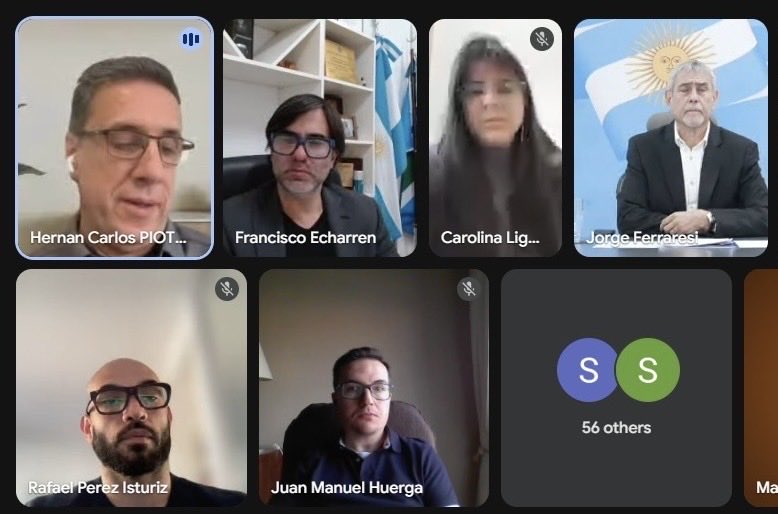
🌐 ¡EN ESTE MOMENTO SE ESTÁ LLEVANDO A CABO LA CHARLA VIRTUAL SOBRE INTELIGENCIA URBANA! Organizada por UNIGOBE y UBA Económicas, se desarrolla este encuentro que aborda cómo la Inteligencia Artificial está transformando las ciudades y generando nuevas herramientas para la gestión urbana. 🗣️ Panelistas: PhD. Elkin Velázquez Ing. Jorge Ferraresi 🎤 Moderador: Dr. Francisco Echarren 💻 La actividad se realiza de manera virtual e incluye un panel de conversación y un espacio de preguntas del público. 🚀 Inteligencia, innovación y tecnología para pensar las ciudades del futuro. #InteligenciaUrbana #InteligenciaArtificial #Innovación

Observador Sep 7

O artigo discute a Perturbação de Hiperatividade e Défice de Atenção (PHDA) em adultos, enfatizando que muitos podem ter vivido com esse diagnóstico sem perceber durante anos, e destaca a importância da compreensão e ajuda profissional na gestão das dificuldades associadas. #PHDA #SaúdeMental #Diagnóstico

PHDA no adulto: quando não é distração nem feitio

“TOP BLOG OF THE MONTH” BORDER CRIMINOLOGIES, OXFORD UNIVERSITY (BY DR LUCIANO MAGALDI SARDELLA/PROF. MANTUANO). SOURCE: https://medium.com/@ingnucllms/top-blog-of-the-month-border-criminologies-oxford-university-by-dr-luciano-magaldi-96af51bc28f7 Source: https://blogs.law.ox.ac.uk/border-criminologies-blog/blog-post/2025/09/italys-borders-immigration-paradox-rising-numbers Dr Luciano Magaldi Sardella (PhD) and Prof Matteo Mantuano are pleased to share that our academic contribution entitled: ITALY’S BORDERS IMMIGRATION PARADOX: RISING NUMBERS, FALLING CRIME, AND THE REALITY OF EXPLOITATION has emerged as the most-read piece of the month on the Border Criminologies platform of the University of Oxford’s Faculty of Law. This recognition underscores the significance of a rigorous, evidence-based analysis of migration, border violence, and the dynamics of exploitation that continue to shape contemporary European public debate. We extend our gratitude to the academic community and to all readers for their attention and interest in a work that seeks to contribute — seriously and responsibly — to a deeper understanding of complex and consequential phenomena of our time.

“TOP BLOG OF THE MONTH” BORDER CRIMINOLOGIES, OXFORD UNIVERSITY (BY DR. LUCIANO MAGALDI SARDELLA/PROF. MANTUANO). SOURCE: https://medium.com/@ingnucllms/top-blog-of-the-month-border-criminologies-oxford-university-by-dr-65fd3f467f5d SOURCE: https://blogs.law.ox.ac.uk/border-criminologies-blog/blog-post/2025/09/italys-borders-immigration-paradox-rising-numbers Il Dr Luciano Magaldi Sardella (PhD), il Prof. Matteo Mantuano, sono lieti di condividere che il nostro contributo accademico intitolato: “ITALY’S BORDERS IMMIGRATION PARADOX: RISING NUMBERS, FALLING CRIME, AND THE REALITY OF EXPLOITATION”. è risultato il più letto del mese sulla piattaforma Border Criminologies della Faculty of Law dell’Oxford University. Questo riconoscimento conferma l’importanza di un’analisi rigorosa e documentata sui temi delle migrazioni, della violenza di frontiera e delle dinamiche di sfruttamento che attraversano il dibattito pubblico europeo. Ringraziamo la comunità accademica e i lettori per l’attenzione e l’interesse verso un lavoro che mira a contribuire, con serietà e responsabilità, alla comprensione di fenomeni complessi e decisivi per il nostro tempo.

The Psychologist – The British Psychological Society – Quando i Muri Diventano Benessere SOURCE: https://www.linkedin.com/pulse/psychologist-british-psychological-society-when-sardella-ph-d--jl9df/ Dr Luciano Magaldi Sardella e il Professor Matteo Mantuano parlano di come lo "Stramurales International Street Art Festival" e l'arte di strada partecipativa transforma la salute mentale urbana. Link: https://www.bps.org.uk/psychologist/when-walls-become-wellness The Psychologist, The British Psychological Society by esteemed Dr. Joe Sutton, Head of Science Communication at BPS. Contenuto dell’articolo In un torrido pomeriggio del giugno 2018, ci trovavamo nella piazza centrale di Stornara, una piccola città agricola della Puglia, nel Sud Italia, ad assistere a qualcosa di straordinario. L'artista locale Lino Lombardi stava facilitando un acceso dibattito tra i residenti su quali progetti murali avrebbero dovuto ornare i muri fatiscenti della loro città. Ciò che ci colpì non fu l'arte in sé, bensì la trasformazione che vedemmo negli occhi di persone che, solo pochi mesi prima, avevano descritto la loro città natale come un luogo da cui fuggire. Erano individui che reclamavano la propria narrazione, votavano sul proprio futuro, dipingendo letteralmente sopra decenni di declino. Siamo psicologi ambientali e di comunità che hanno trascorso oltre un decennio a studiare come gli ambienti costruiti plasmino i risultati in termini di salute mentale. La ricerca del Dottor Luciano Magaldi Sardella si concentra sugli interventi artistici partecipativi nelle comunità rurali in declino, mentre il Professor Matteo Mantuano è specializzato nei meccanismi psicologici dell'empowerment comunitario e dell'agentività collettiva. Quando venimmo a conoscenza del festival Stramurales all'inizio del 2018, riconoscemmo in esso una rara opportunità di osservare l'arte urbana partecipativa come potenziale strumento per affrontare la crisi della salute mentale che affligge le città in via di spopolamento del Sud Italia. Nel corso degli ultimi sette anni abbiamo condotto un'ampia ricerca sul campo a Stornara — intervistando i residenti, documentando l'evoluzione del festival e analizzando i suoi impatti psicologici e sociali. Ciò che abbiamo trovato a Stornara era qualcosa di ben più significativo di un'innovativa iniziativa artistica guidata dalla comunità. Era la psicologia ambientale in azione — che ridefiniva la nostra comprensione del rapporto tra ambienti costruiti, arti partecipative e salute mentale. La Crisi Nascosta alla Vista di Tutti Ricerche recenti rivelano un'allarmante convergenza di crisi ambientali e della salute mentale che rimane curiosamente poco esaminata nel discorso psicologico. La ricerca sulla salute mentale riceve appena il 2,3 per cento dei finanziamenti complessivi del National Institute of Health. Non possiamo sapere quanta parte di questi riguardi i nostri ambienti — sia naturali che costruiti — che plasmano in modo fondamentale il nostro benessere psicologico. Il campo di recente proposta denominato "EnvironMental Health" sottolinea che il deterioramento degli ambienti costruiti correla significativamente con stress elevato, isolamento sociale e peggioramento dei risultati in termini di salute mentale. Le comunità rurali del Sud Italia incarnano questa crisi. Tra il 2002 e il 2017, la regione del Sud Italia ha perso circa due milioni di residenti a causa della migrazione, prevalentemente giovani adulti tra i 15 e i 34 anni. Questo esodo ha creato ciò che Johan Galtung ha descritto come "violenza strutturale" — assetti sistematici che impediscono alle comunità di realizzare il proprio potenziale. Il tributo in termini di salute mentale si manifesta non solo in diagnosi individuali, ma nella disperazione collettiva, nell'erosione del capitale sociale e in comunità che guardano il proprio futuro emigrare letteralmente. Stornara esemplificava questa traiettoria. Nel 2017, questo comune di 6.000 abitanti affrontava la familiare spirale: la contrazione economica che precipitava l'emigrazione giovanile, accelerando il deterioramento delle infrastrutture e alimentando un ulteriore declino. I muri crollavano. Le attività commerciali chiudevano. La speranza evaporava. Poi qualcosa cambiò. La Rivoluzione Stramurales: Democrazia attraverso l'Arte Ciò che è emerso a Stornara trascende il convenzionale turismo culturale. Il Festival Internazionale di Street Art Stramurales opera attraverso tre meccanismi democratici fondamentali che lo distinguono dai superficiali progetti di abbellimento urbano. Organizzato attraverso Stornara Life APS — un'associazione a iscrizione aperta fondata dal Maestro Lino Lombardi — il festival previene la cattura elitaria attraverso la partecipazione volontaria dei proprietari degli immobili, garantendo l'assenza di coercizione; la selezione democratica dei contenuti attraverso la votazione annuale della comunità sui temi del festival e sulle proposte di murales; e una governance trasparente e inclusiva che dà a tutti i residenti voce in capitolo nella direzione del festival. Questa architettura partecipativa facilita ciò che l'Organizzazione Mondiale della Sanità descrive come "empowerment comunitario" — processi che consentono alle comunità di aumentare il controllo sui fattori determinanti che influenzano la loro salute. Recenti studi sul campo a Vienna dimostrano che gli interventi di arte urbana riducono stress e ansia migliorando al contempo gli stati d'umore, ma Stramurales va oltre, incorporando la creazione artistica all'interno di strutture decisionali democratiche. Quando i residenti offrono volontariamente i propri muri e votano sui contenuti, compiono atti di investimento materiale e psicologico. Questo ripristino dell'agentività collettiva — la convinzione che i residenti possano plasmare il futuro della propria città natale anziché limitarsi ad assistere al suo declino — affronta direttamente la violenza strutturale che erode la salute mentale. Tra il 2020 e il 2025, Stornara ha registrato un notevole incremento delle entrate turistiche nonostante le perturbazioni causate dalla pandemia. Nuove attività commerciali hanno aperto i battenti. Un emigrato originario di Stornara, tornato a malincuore nel 2017 per assistere i genitori anziani, lavora ora come guida turistica e descrive Stornara come "la città più bella d'Italia". Non si tratta semplicemente di indicatori economici. Sono risultati in termini di salute mentale. La Scienza alla Base della Trasformazione La ricerca contemporanea in molteplici discipline valida ciò che i residenti di Stornara sperimentano visceralmente. Una revisione sistematica del 2024, che ha esaminato 79 articoli sottoposti a revisione paritaria, ha identificato come i luoghi dell'arte — dai musei permanenti alle installazioni pubbliche temporanee — stimolino il coinvolgimento della comunità, rafforzino l'identità culturale e favoriscano la coesione sociale. I progetti murali guidati dalla comunità rafforzano specificamente l'identità e l'orgoglio locali, creando nuove routine che incoraggiano le persone a interagire e costruire relazioni. Una recente ricerca sperimentale condotta a Berlino ha rilevato che le mostre d'arte a livello del marciapiede hanno alterato significativamente il legame dei visitatori con il proprio quartiere e la loro soddisfazione nei suoi confronti, migliorando il benessere complessivo. Ciò si allinea con le teorie emergenti sull'impatto della fruizione artistica sulla salute mentale, che individua cinque meccanismi chiave: processi affettivi che regolano le emozioni e lo stress; processi cognitivi che forniscono stimolazione sensoriale e apprendimento; processi sociali che creano esperienze condivise; auto-trasformazione attraverso la riflessione; e costruzione della resilienza per affrontare le sfide. La ricerca in psicologia ambientale dimostra che gli ambienti costruiti operano come interventi terapeutici. Studi sulle strutture di degenza psichiatrica rivelano che gli elementi progettuali che influenzano privacy, controllo, accesso alla luce naturale e, in particolare, l'inclusione di opere d'arte hanno un impatto significativo sui risultati dei pazienti. Se i muri degli ospedali hanno importanza terapeutica, quanto più lo avranno i muri che incontriamo quotidianamente nelle nostre comunità? Il modello Stramurales sfrutta questi meccanismi attraverso il recente concetto di "visual health activism". Diversi murales affrontano esplicitamente temi legati alla salute e ai diritti umani: "Refuge for All Migrants" di Alaniz Niz rappresenta i lavoratori agricoli africani sfruttati; "Turning Our Backs on Migration" di Sabotaje al Montaje sfida le politiche escludenti; "African Child at Sunset" di Devil Art Design ritrae giovani migranti in cerca di un futuro dignitoso. Queste opere affrontano i determinanti sociali della salute attraverso la difesa dei diritti umani. Le politiche migratorie che negano i diritti fondamentali creano vulnerabilità sanitarie — tra cui accesso limitato all'assistenza sanitaria, condizioni di lavoro pericolose e trauma psicologico derivante dalla discriminazione. I murales svolgono una duplice funzione di salute pubblica: affrontano la salute mentale dei residenti, advocando al contempo per le popolazioni i cui diritti alla salute sono sistematicamente violati. Attaccamento alla Terra e Resilienza Comunitaria Il rapporto tra percezione ambientale, identità culturale e resilienza comunitaria ha ricevuto notevole attenzione accademica nel 2024-2025. Ricerche condotte nelle aree rurali della Cina dimostrano che la percezione ambientale degli spazi pubblici influenza la resilienza comunitaria attraverso gli effetti di mediazione concatenati dell'identità culturale e dell'attaccamento ai luoghi. Quando le comunità trasformano i propri ambienti fisici attraverso processi partecipativi, rafforzano simultaneamente i legami psicologici che costituiscono il fondamento della resilienza. Questo spiega perché Stramurales riesce laddove i tradizionali approcci allo sviluppo economico falliscono. Il festival non si limita a creare valore economico — sebbene oltre 150 murales di artisti internazionali attirino ormai migliaia di visitatori ogni anno. Ridefinisce fondamentalmente il rapporto dei residenti con il proprio ambiente, trasformando le narrative del declino in prove di vitalità. Ogni murale democraticamente selezionato diventa ciò che i ricercatori sulla resilienza chiamano un "ancora di speranza" — una prova tangibile che contraddice la disperazione. La teoria contemporanea della resilienza sottolinea che la forza risiede non soltanto nelle infrastrutture fisiche, ma nella coesione sociale. Una recente analisi del design urbano resiliente nei quartieri emarginati americani ha rilevato che il messaggio dei residenti — "Ci piacciono i nostri vicini, ci piace il carattere del luogo in cui viviamo" — rivelava che la resilienza riguarda fondamentalmente le persone e la comunità. Gli interventi progettuali hanno successo quando preservano e rafforzano questi legami sociali, anziché imporre visioni esterne. Stramurales incarna questo principio. I meccanismi di votazione democratica assicurano che l'arte rifletta i valori autentici della comunità, piuttosto che le preferenze degli artisti o dei curatori. Questo previene lo spostamento culturale che spesso accompagna la rigenerazione urbana, in cui i miglioramenti avvantaggiano i nuovi arrivati alienando al contempo i residenti preesistenti. Centrando l'agentività dei residenti, Stramurales costruisce quella che i ricercatori descrivono come "resilienza critica" — una capacità che affronta le disuguaglianze sottostanti anziché limitarsi ad adattarsi ad esse. Il Divario della Partecipazione e l'Accesso Universale Questi risultati risuonano profondamente con le preoccupazioni di lunga data riguardanti l'accessibilità alle arti. La Commissione Warwick del 2015 ha documentato che l'8 per cento più ricco e più istruito della popolazione britannica rappresentava il 44 per cento delle presenze ai concerti di musica dal vivo e il 28 per cento delle visite alle mostre di arte visiva. Questo divario nella partecipazione colpisce in modo particolare le comunità che trarrebbero il massimo beneficio dall'impegno artistico per la salute e il benessere. Ma Stramurales sfida questa narrativa. La street art come infrastruttura di salute pubblica non richiede biglietti d'ingresso, prenotazioni anticipate né capitale culturale per essere apprezzata. Esiste nei luoghi in cui le persone vivono, trasformando i tragitti quotidiani in incontri con la bellezza e il significato. Il processo di selezione democratica garantisce che l'accessibilità si estenda oltre la fruizione alla co-creazione — i residenti non si limitano a guardare l'arte, ma determinano ciò che appare sui propri muri. Ricerche recenti sulle arti partecipative e sulla coesione sociale sottolineano che gli interventi di successo condividono caratteristiche comuni: erogazione nelle comunità locali, approcci non stigmatizzanti, flessibilità, promozione del coinvolgimento sociale, coinvolgimento di mostre ed erogazione entro specifici archi temporali. Stramurales incorpora tutti questi elementi aggiungendo al contempo una genuine governance democratica. Questo è urgentemente rilevante. Le condizioni di salute mentale tra i giovani a livello mondiale sono in aumento, e i servizi tradizionali di salute mentale rimangono cronicamente sottofinanziati. Se non riusciamo a scalare gli interventi clinici per soddisfare la domanda, dobbiamo investire in approcci preventivi di salute pubblica che mirino ai determinanti sociali. Da Stornara al Mondo: Implicazioni per la Pratica Il modello Stramurales offre un modello replicabile che richiede un modesto investimento finanziario ma una sostanziale partecipazione comunitaria. Gli elementi essenziali includono: coinvolgimento volontario, processo decisionale democratico, uso strategico dei social media per il marketing e integrazione delle narrative locali con le pratiche artistiche globali. Diverse città hanno implementato varianti con risultati promettenti. La ricerca sugli interventi artistici negli spazi urbani in Europa e in Asia dimostra che i progetti d'arte partecipativa possono fungere da "social prescribing", migliorando la resilienza psicologica e potenziando il coinvolgimento pubblico. Gli approcci di "tactical urbanism" — interventi su piccola scala e a basso costo per migliorare gli spazi pubblici — incorporano sempre più l'arte come elemento centrale piuttosto che supplementare. Le implicazioni si estendono oltre le singole comunità. I quadri internazionali, tra cui il Patto Internazionale sui Diritti Economici, Sociali e Culturali, sanciscono i diritti alla salute e alla partecipazione culturale. Gli obblighi degli Stati di conservare, sviluppare e diffondere la cultura dovrebbero sostenere le iniziative culturali guidate dalla comunità che hanno un impatto dimostrabile sui risultati in termini di salute. Come sottolineano le analisi della governance pandemica, le future riforme della politica sanitaria devono affrontare non solo la preparazione biomedica, ma anche le vulnerabilità sottostanti nella resilienza comunitaria e nella coesione sociale. La street art che opera attraverso strutture partecipative rafforza direttamente queste dimensioni. Cosa gli Psicologi Possono Fare Abbiamo un ruolo da svolgere a molteplici livelli. In primo luogo, dobbiamo condurre ricerche che documentino gli impatti sulla salute mentale degli interventi artistici partecipativi. Sebbene esistano prove promettenti, studi metodologicamente rigorosi con campioni adeguati e follow-up a lungo termine rimangono scarsi. Abbiamo bisogno di disegni sperimentali, non solo di studi osservazionali, che esaminino i meccanismi attraverso i quali le trasformazioni ambientali influenzano i risultati psicologici. In secondo luogo, dovremmo sostenere politiche che riconoscano il coinvolgimento artistico come intervento sanitario. Ciò significa supportare il finanziamento della salute pubblica per le iniziative artistiche comunitarie, in particolare nelle aree economicamente depresse dove i tradizionali approcci allo sviluppo hanno fallito. Dovremmo collaborare con urbanisti, architetti e artisti per integrare le arti partecipative nella rigenerazione dei quartieri fin dall'inizio, non come ripensamenti successivi. In terzo luogo, dobbiamo garantire che gli interventi incarnino una partecipazione genuina piuttosto che una consultazione di facciata. Il modello Stramurales ha successo perché i residenti detengono un potere reale. Senza questo, gli interventi artistici rischiano di replicare le strutture di potere esistenti e di accelerare potenzialmente la gentrificazione che allontana le comunità che si propongono di servire. In quarto luogo, dovremmo adottare metodi di ricerca basati sulle arti che mettano al centro le voci della comunità. Approcci collaborativi come il teatro partecipativo, il photovoice e la poetica collaborativa permettono alle comunità di articolare le proprie esperienze e aspirazioni in modi che le tradizionali valutazioni psicologiche non riescono a cogliere. Questi metodi riconoscono che le comunità possiedono una competenza propria riguardo ai propri bisogni e alle potenziali soluzioni. Infine, dobbiamo collocare gli interventi artistici all'interno di quadri più ampi che affrontino la giustizia sociale. L'arte non dovrebbe funzionare come un "cerotto" che maschera le disuguaglianze sottostanti. Dovremmo invece sfruttare il potenziale dirompente delle arti per promuovere quella che i ricercatori definiscono "resilienza critica" — una capacità che sfida le ingiustizie sistemiche anziché limitarsi ad aiutare le persone ad adattarsi ad esse. Ciò significa affrontare non solo i sintomi (il disagio mentale) ma le cause (la violenza strutturale, l'abbandono economico, i fallimenti politici). Ripensare le Infrastrutture Sanitarie Pubbliche Il caso Stramurales impone una riconsiderazione fondamentale di cosa costituisca un'infrastruttura sanitaria. Immaginiamo tipicamente cliniche, ospedali, farmacie — istituzioni biomediche che erogano trattamenti per condizioni diagnosticate. Ma cosa succederebbe se l'intervento di salute mentale più efficace per una comunità in declino non fosse una nuova struttura psichiatrica, bensì processi democratici che consentano ai residenti di trasformare il proprio ambiente visivo? I muri ricoperti di arte selezionata democraticamente, creata attraverso una genuina partecipazione comunitaria, migliorano in modo dimostrabile la salute mentale della comunità operando al contempo i diritti culturali sanciti dal diritto internazionale. Il modesto investimento finanziario richiesto impallidisce di fronte ai costi dei servizi clinici che trattano il disagio prevenibile. Per le comunità che vivono il declino in cui i tradizionali approcci allo sviluppo economico hanno fallito, la street art partecipativa può offrire l'intervento di salute mentale più conveniente, accessibile e sostenibile disponibile. Non si tratta di romanticizzare l'arte o di sminuire le gravi malattie mentali che richiedono cure cliniche. Si tratta di riconoscere che la salute mentale della popolazione richiede di affrontare i determinanti sociali — e che le arti partecipative che prendono di mira gli ambienti costruiti, il capitale sociale e l'agentività collettiva affrontano direttamente questi determinanti. La domanda che la psicologia deve porsi non è se l'arte possa funzionare come intervento sanitario — Stramurales e le prove crescenti dimostrano che può farlo. Piuttosto, la domanda è se possediamo l'immaginazione per ripensare le infrastrutture sanitarie, riconoscendo che una promozione efficace della salute mentale può richiedere tanto il processo decisionale democratico e la partecipazione comunitaria quanto la competenza clinica. Mentre guardavamo i residenti di Stornara votare sui murales in quel pomeriggio di giugno, assistevamo a persone che esercitavano una capacità umana fondamentale troppo spesso negata nel nostro campo: il potere di plasmare il proprio ambiente e, attraverso quella creazione, di guarire. Forse questa è la lezione più vitale che Stramurales offre alla psicologia — che a volte l'intervento più terapeutico non è somministrato da professionisti, ma creato da comunità che reclamano la propria agentività… un muro selezionato democraticamente alla volta. Dr Luciano Magaldi Sardella holds a PhD in Cognitive Leadership at Aspire Institute, Harvard Business School. Professor Matteo Mantuano is Professor of Social Sciences and Psychoeducational Health, Unitré University of Milan, Italy. Photo: 'Kid trapped in a box' mural by Leticia Mandragora References: All-Party Parliamentary Group on Arts, Health and Wellbeing (2017). Creative Health: The Arts for Health and Wellbeing (2nd ed.). Belfiore, E. & Bennett, O. (2024). The social impact of the arts: An intellectual history. London: Palgrave Macmillan. Bone, J.K., Bu, F., Fluharty, M.E., Paul, E., Sonke, J.K. & Fancourt, D. (2024). Who engages in the arts in the United States? A comparison of several types of engagement using data from The General Social Survey. PLOS ONE, 19(1), e0296743. doi:10.1371/journal.pone.0296743 Chatterjee, H.J. & Noble, G. (2024). Museums, health and well-being: A preliminary report for Phase I. UCL Museums & Public Health Research Group. Cohen, G.D., Perlstein, S., Chapline, J., Kelly, J., Firth, K.M. & Simmens, S. (2006). The impact of professionally conducted cultural programs on the physical health, mental health, and social functioning of older adults. The Gerontologist, 46(6), 726–734. Daykin, N., Mansfield, L., Meads, C., Julier, G., Tomlinson, A., Payne, A., Grigsby Duffy, L., Lane, J., D'Innocenzo, G., Burnett, A., Kay, T., Dolan, P., Testoni, S. & Victor, C. (2024). What works for wellbeing? A systematic review of wellbeing outcomes for music and singing in adults. Perspectives in Public Health, 138(1), 39–46. doi:10.1177/1757913917740391 Fancourt, D. & Finn, S. (2019). What is the evidence on the role of the arts in improving health and well-being? A scoping review. World Health Organization, Health Evidence Network Synthesis Report 67. Flores González, L.M. & Rodríguez Sánchez, I. (2024). The transformative power of art in marginalized communities: Case studies from Latin America. International Journal of Community Well-Being, 7(2), 145–167. Galtung, J. (1969). Violence, peace, and peace research. Journal of Peace Research, 6(3), 167–191. Hart, A., Gagnon, E., Eryigit-Madzwamuse, S., Cameron, J., Aranda, K., Rathbone, A. & Heaver, B. (2016). Uniting resilience research and practice with an inequalities approach. Sage Open, 6(4), 1–13. Johnson, H., Carson-Apstein, E., Banderob, S. & Macualay-Rettino, X. (2017). 'You kind of have to listen to me': Researching discrimination through poetry. Forum Qualitative Sozialforschung/Forum Qualitative Social Research, 18(2). doi:10.17169/fqs-18.3.2864 Kaplan, S. (1995). The restorative benefits of nature: Toward an integrative framework. Journal of Environmental Psychology, 15(3), 169–182. Kim, J. (2017). Effects of community-based group music therapy for children exposed to ongoing child maltreatment and poverty in South Korea: A block randomized controlled trial. Arts Psychotherapy, 54, 69–77. doi:10.1016/j.aip.2017.01.001 Li, Y., Zhang, H. & Chen, T. (2024). Environmental perception, cultural identity and community resilience: Chain mediating effects of place attachment in rural China. Journal of Rural Studies, 98, 103– 115. Marmot, M., Atkinson, T., Bell, J., Black, C., Broadfoot, P., Cumberlege, J., Diamond, I., Gilmore, I., Ham, C., Meacher, M. & Mulgan, G. (2010). Fair society, healthy lives: The Marmot Review. Strategic Review of Health Inequalities in England Post-2010. Mulligan, M., Scanlon, C. & Welch, N. (2008). Renegotiating community life: Arts, agency, inclusion and wellbeing. Gateways: International Journal of Community Research and Engagement, 1, 99–115. doi:10.5130/ijcre.v1i0.591 Neelands, J., Belfiore, E., Firth, C., Hart, N., Perrin, L., Brock, S., Holdaway, D. & Woddis, J. (2015). Enriching Britain: Culture, creativity and growth. The 2015 Report by the Warwick Commission for the Future of Cultural Value. Packer, J. & Ballantyne, R. (2024). The role of museums and art galleries in promoting wellbeing: Insights from the United Kingdom and Australia. International Journal of Heritage Studies, 30(3), 234–251. Papies, E.K., Best, M., Gelibter, E. & Stroebe, W. (2024). The role of mental simulation in desire and motivation: A systematic review. Motivation Science, 10(1), 1–18. Pykett, A.A., Osborne, T., Resch, B., Nielek, R., Krukar, J. & Malleson, N. (2024). From smart to sustainable cities: The role of environmental psychology in urban transformation. Cities, 144, 104644. Roe, J. & Aspinall, P. (2024). The restorative benefits of walking in urban and rural settings in adults with good and poor mental health. Health & Place, 71, 102654. Stuckey, H.L. & Nobel, J. (2010). The connection between art, healing, and public health: A review of current literature. American Journal of Public Health, 100(2), 254–263. Theorell, T. (2024). Psychological health effects of musical experiences: Theories, studies and reflections in music health science. Stockholm: Springer Nature. Ulrich, R.S., Simons, R.F., Losito, B.D., Fiorito, E., Miles, M.A. & Zelson, M. (1991). Stress recovery during exposure to natural and urban environments. Journal of Environmental Psychology, 11(3), 201–230. Van den Berg, A.E., Wesselius, J.E., Maas, J. & Tanja-Dijkstra, K. (2024). Green space as a buffer between stressful life events and health: A longitudinal analysis. Social Science & Medicine, 310, 115270. WHO (2019). WHO housing and health guidelines. Geneva: World Health Organization. Zarobe, L. & Bungay, H. (2024). The role of arts activities in developing resilience and mental wellbeing in children and young people: A rapid review of the literature. Perspectives in Public Health, 137(6), 337–347. doi:10.1177/1757913917712283.

The Psychologist – The British Psychological Society – Quando i Muri Diventano Benessere

The Psychologist – The British Psychological Society – When Walls Become Wellness SOURCE: https://www.linkedin.com/pulse/psychologist-british-psychological-society-when-walls-sardella-ph-d--pu8sf/ Dr Luciano Magaldi Sardella and Professor Matteo Mantuano on how ‘Stramurales Participatory Street Art’ transforms urban mental health. Link: https://www.bps.org.uk/psychologist/when-walls-become-wellness The Psychologist, The British Psychological Society by esteemed Dr. Joe Sutton, Head of Science Communication at BPS Contenuto dell’articolo On a sweltering afternoon in June 2018, we stood in the central square of Stornara, a small agricultural town in Puglia, Southern Italy, watching something extraordinary unfold. Local artist Lino Lombardi was facilitating a heated discussion among residents about which mural designs should adorn their town's crumbling walls. What struck us wasn't the art itself, but the transformation we witnessed in the eyes of people who, just months before, had described their hometown as a place to escape. These were individuals reclaiming their narrative, voting on their future, literally painting over decades of decline. We are environmental and community psychologists who have spent over a decade studying how built environments shape mental health outcomes. Dr Luciano Magaldi Sardella's research focuses on participatory arts interventions in declining rural communities, while Professor Matteo Mantuano specialises in the psychological mechanisms of community empowerment and collective agency. When we first learned about the Stramurales festival in early 2018, we recognised it as a rare opportunity to observe participatory urban art as a potential tool for addressing the mental health crisis plaguing Southern Italy's depopulating towns. Over the past seven years, we have conducted extensive fieldwork in Stornara – interviewing residents, documenting the festival's evolution, and analysing its psychological and social impacts. What we found in Stornara was something far more significant than an innovative community-led arts initiative. It was environmental psychology in action – reshaping how we understand the relationship between built environments, participatory arts, and mental health. The Crisis Hiding in Plain Sight Recent research reveals an alarming convergence of environmental and mental health crises that remains curiously underexamined in psychological discourse. Mental health research receives a mere 2.3 per cent of overall National Institute of Health funding. We cannot know how much of that concerns our environments – both natural and built – which fundamentally shape our psychological wellbeing. The newly proposed field of 'EnvironMental Health' emphasises that deteriorating built environments correlate significantly with elevated stress, social isolation, and worsening mental health outcomes. Southern Italy's rural communities embody this crisis. Between 2002 and 2017, South Italy region lost approximately two million residents to migration, predominantly young adults aged 15-34. This exodus created what Johan Galtung described as 'structural violence' – systematic arrangements preventing communities from realising their potential. The mental health toll manifests not just in individual diagnoses, but in collective despair, eroded social capital, and communities watching their futures literally emigrate. Stornara exemplified this trajectory. By 2017, this municipality of 6,000 residents faced the familiar spiral: economic contraction precipitating youth emigration, accelerating infrastructure deterioration, driving further decline. Walls crumbled. Businesses shuttered. Hope evaporated. Then something changed. The Stramurales Revolution: Democracy through Design What emerged in Stornara transcends conventional cultural tourism. The Stramurales International Street Art Festivalworks through three foundational democratic mechanisms that distinguish it from superficial beautification projects. Organised through Stornara Life APS – an open-membership association founded by Maestro Lino Lombardi – the festival prevents elite capture through voluntary property owner participation ensuring no coercion; democratic content selection through annual community voting on festival themes and mural proposals; and transparent, inclusive governance that gives all residents a voice in the festival's direction. This participatory architecture facilitates what the World Health Organization describes as 'community empowerment' – processes enabling communities to increase control over determinants affecting their health. Recent field studies in Vienna demonstrate that urban art interventions reduce stress and anxiety while improving mood states, but Stramuralesgoes further by embedding art creation within democratic decision-making structures. When residents voluntarily offer walls and vote on content, they perform acts of material and psychological investment. This restoration of collective agency – the belief that residents can shape their hometown's future rather than merely witnessing decline – directly addresses the structural violence that erodes mental health. Between 2020 and 2025, Stornara experienced a huge increase in tourism revenue despite pandemic disruption. New businesses opened. A Stornara-born emigrant who returned reluctantly in 2017 to provide parental care, now works as a tour guide and describes Stornara as 'the coolest town in Italy'. These aren't just economic indicators. They're mental health outcomes. The Science behind the Transformation Contemporary research across multiple disciplines validates what Stornara residents experience viscerally. A 2024 systematic review examining 79 peer-reviewed articles identified how arts places – from permanent museums to temporary public installations – stimulate community engagement, enhance cultural identity, and foster social cohesion. Community-driven mural projects specifically strengthen local identity and pride, creating new routines for individuals to interact and build relationships. Recent experimental research in Berlin found that sidewalk-level art exhibitions significantly altered visitors' connection to and satisfaction with their neighbourhoods, improving overall wellbeing. This aligns with emerging theories on art viewing's impact on mental health, which identifies five key mechanisms: affective processes regulating emotions and stress; cognitive processes providing sensory stimulation and learning; social processes creating shared experiences; self-transformation through reflection; and resilience building for coping with challenges. Environmental psychology research demonstrates that built environments operate as therapeutic interventions. Studies on mental health inpatient facilities reveal that design elements affecting privacy, control, daylight access, and particularly the inclusion of artwork significantly impact patient outcomes. If hospital walls matter therapeutically, how much more do the walls we encounter daily in our communities? The Stramurales model harnesses these mechanisms through the recent concept of 'visual health activism'. Several murals explicitly engage health and human rights themes: Alaniz Niz's 'Refuge for All Migrants' represents exploited African agricultural workers; Sabotaje al Montaje's 'Turning Our Backs on Migration' challenges exclusionary policies; Devil Art Design's 'African Child at Sunset' portrays migrant youth seeking dignified futures. These works address social determinants of health through human rights advocacy. Migration policies denying basic rights create health vulnerabilities – including restricted healthcare access, hazardous working conditions, and psychological trauma from discrimination. The murals perform dual public health functions, in addressing residents' mental health while advocating for populations whose health rights face systematic violation. Place Attachment and Community Resilience The relationship between environmental perception, cultural identity, and community resilience has received substantial scholarly attention in 2024-2025. Research in rural China demonstrates that environmental perception of public spaces influences community resilience through chain mediating effects of cultural identity and place attachment. When communities transform their physical environments through participatory processes, they simultaneously strengthen the psychological bonds that underpin resilience. This explains why Stramurales succeeds where traditional economic development approaches falter. The festival doesn't just create economic value – though over 150 murals by international artists now attract thousands of visitors annually. It fundamentally reshapes residents' relationship with their environment, transforming narratives of decline into evidence of vitality. Each democratically selected mural becomes what resilience researchers call an 'anchor of hope' – tangible proof contradicting despair. Contemporary resilience theory emphasises that strength resides not merely in physical infrastructure but in social cohesion. A recent analysis of resilient urban design in marginalised American neighbourhoods found that residents' message – 'We like our neighbours, we like the character of where we live' – revealed that resilience is fundamentally about people and community. Design interventions succeed when they preserve and strengthen these social bonds, rather than imposing external visions. Stramurales embodies this principle. The democratic voting mechanisms ensure art reflects genuine community values rather than artist or curator preferences. This prevents the cultural displacement often accompanying urban regeneration, where improvements benefit newcomers while alienating existing residents. By centering resident agency, Stramuralesbuilds what researchers describe as 'critical resilience' – capacity addressing underlying inequalities rather than merely adapting to them. The Participation Gap and Universal Access These findings resonate profoundly with longstanding concerns about arts accessibility. The 2015 Warwick Commission documented that the wealthiest, most educated 8 per cent of the UK population accounted for 44 per cent of live music attendance and 28 per cent of visual art visits. This participation gap particularly affects communities that would benefit most from arts engagement for health and wellbeing. But Stramurales challenges this narrative. Street art as public health infrastructure requires no admission fees, no advance booking, no cultural capital to appreciate. It exists where people live, transforming daily commutes into encounters with beauty and meaning. The democratic selection process ensures accessibility extends beyond consumption to co-creation – residents don't just view art, they determine what appears on their walls. Recent research on participatory arts and social cohesion emphasises that successful interventions share common features: delivery in local communities, non-stigmatising approaches, flexibility, promoting social engagement, involvement of exhibitions, and delivery within specific timeframes. Stramurales incorporates all these elements while adding genuine democratic governance. This matters urgently. Mental health conditions among young people globally are rising, and traditional mental health services remain chronically underfunded. If we cannot scale clinical interventions to meet demand, we must invest in preventive public health approaches targeting social determinants. From Stornara to the World: Implications for Practice The Stramurales model offers a replicable template requiring modest financial investment but substantial community participation. Essential elements include voluntary engagement, democratic decision-making, strategic social media use for marketing, and integration of local narratives with global artistic practices. Several cities have implemented variations with promising results. Research on artistic interventions in urban spaces across Europe and Asia demonstrates that participatory art projects can serve as 'social prescribing', improving psychological resilience and enhancing public engagement. Tactical urbanism approaches – small-scale, low-cost interventions improving public spaces – increasingly incorporate art as core rather than supplementary elements. The implications extend beyond individual communities. International frameworks including the International Covenant on Economic, Social and Cultural Rights enshrine rights to health and cultural participation. State obligations to conserve, develop and diffuse culture should support community-driven cultural initiatives demonstrably impacting health outcomes. As pandemic governance analyses emphasise, future health policy reforms must address not only biomedical preparedness but underlying vulnerabilities in community resilience and social cohesion. Street art operating through participatory structures directly strengthens these dimensions. What Psychologists Can Do We have roles to play at multiple levels. First, we must conduct research documenting the mental health impacts of participatory arts interventions. While promising evidence exists, methodologically rigorous studies with adequate sample sizes and long-term follow-up remain scarce. We need experimental designs, not just observational studies, examining mechanisms through which environmental transformations affect psychological outcomes. Second, we should advocate for policy recognising arts engagement as health intervention. This means supporting public health funding for community arts initiatives, particularly in economically deprived areas where traditional development approaches have failed. We should work with urban planners, architects, and artists to integrate participatory arts into neighbourhood regeneration from inception, not as afterthoughts. Third, we must ensure interventions embody genuine participation rather than tokenistic consultation. The Stramuralesmodel succeeds because residents hold real power. Without this, arts interventions risk replicating existing power structures and potentially accelerating gentrification that displaces the communities they ostensibly serve. Fourth, we should employ arts-based research methods that centre community voices. Collaborative approaches like participatory theatre, photovoice, and collaborative poetics enable communities to articulate their experiences and aspirations in ways traditional psychological assessments cannot capture. These methods acknowledge that communities possess expertise about their own needs and potential solutions. Finally, we must situate arts interventions within broader frameworks addressing social justice. Art should not function as a 'sticking plaster' masking underlying inequalities. Instead, we should harness arts' disruptive potential to promote what researchers term 'critical resilience' – capacity challenging systemic injustices rather than merely helping people adapt to them. This means addressing not just symptoms (mental distress) but causes (structural violence, economic abandonment, policy failures). Reimagining Health Infrastructure The Stramurales case compels fundamental reconsideration of what constitutes health infrastructure. We typically envision clinics, hospitals, pharmacies – biomedical institutions delivering treatments for diagnosed conditions. But what if the most effective mental health intervention for a declining community isn't a new psychiatric facility, but democratic processes enabling residents to transform their visual environment? Walls covered with democratically selected art, created through genuine community participation, demonstrably improve community mental health while operationalising cultural rights described in international law. The modest financial investment required pales beside costs of clinical services treating preventable distress. For communities experiencing decline where traditional economic development has failed, participatory street art may offer the most cost-effective, accessible, and sustainable mental health intervention available. This isn't about romanticising art or dismissing serious mental illness requiring clinical care. It's about acknowledging that population mental health requires addressing social determinants – and that participatory arts targeting built environments, social capital, and collective agency directly address these determinants. The question facing psychology isn't whether art can function as health intervention – Stramurales and growing evidence demonstrate it can. Rather, the question is whether we possess imagination to rethink health infrastructure, recognising that effective mental health promotion may require democratic decision-making and community participation as much as clinical expertise. As we watched Stornara residents voting on murals that June afternoon, we witnessed people exercising a fundamental human capacity too often denied in our field: the power to shape their own environments and, through that shaping, to heal. Perhaps that's the most vital lesson Stramurales offers psychology – that sometimes the most therapeutic intervention isn't administered by professionals, but created by communities reclaiming their agency… one democratically selected wall at a time. Dr Luciano Magaldi Sardella holds a PhD in Cognitive Leadership at Aspire Institute, Harvard Business School. Professor Matteo Mantuano is Professor of Social Sciences and Psychoeducational Health, Unitré University of Milan, Italy. Photo: 'Kid trapped in a box' mural by Leticia Mandragora References: All-Party Parliamentary Group on Arts, Health and Wellbeing (2017). Creative Health: The Arts for Health and Wellbeing (2nd ed.). Belfiore, E. & Bennett, O. (2024). The social impact of the arts: An intellectual history. London: Palgrave Macmillan. Bone, J.K., Bu, F., Fluharty, M.E., Paul, E., Sonke, J.K. & Fancourt, D. (2024). Who engages in the arts in the United States? A comparison of several types of engagement using data from The General Social Survey. PLOS ONE, 19(1), e0296743. doi:10.1371/journal.pone.0296743 Chatterjee, H.J. & Noble, G. (2024). Museums, health and well-being: A preliminary report for Phase I. UCL Museums & Public Health Research Group. Cohen, G.D., Perlstein, S., Chapline, J., Kelly, J., Firth, K.M. & Simmens, S. (2006). The impact of professionally conducted cultural programs on the physical health, mental health, and social functioning of older adults. The Gerontologist, 46(6), 726–734. Daykin, N., Mansfield, L., Meads, C., Julier, G., Tomlinson, A., Payne, A., Grigsby Duffy, L., Lane, J., D'Innocenzo, G., Burnett, A., Kay, T., Dolan, P., Testoni, S. & Victor, C. (2024). What works for wellbeing? A systematic review of wellbeing outcomes for music and singing in adults. Perspectives in Public Health, 138(1), 39–46. doi:10.1177/1757913917740391 Fancourt, D. & Finn, S. (2019). What is the evidence on the role of the arts in improving health and well-being? A scoping review. World Health Organization, Health Evidence Network Synthesis Report 67. Flores González, L.M. & Rodríguez Sánchez, I. (2024). The transformative power of art in marginalized communities: Case studies from Latin America. International Journal of Community Well-Being, 7(2), 145–167. Galtung, J. (1969). Violence, peace, and peace research. Journal of Peace Research, 6(3), 167–191. Hart, A., Gagnon, E., Eryigit-Madzwamuse, S., Cameron, J., Aranda, K., Rathbone, A. & Heaver, B. (2016). Uniting resilience research and practice with an inequalities approach. Sage Open, 6(4), 1–13. Johnson, H., Carson-Apstein, E., Banderob, S. & Macualay-Rettino, X. (2017). 'You kind of have to listen to me': Researching discrimination through poetry. Forum Qualitative Sozialforschung/Forum Qualitative Social Research, 18(2). doi:10.17169/fqs-18.3.2864 Kaplan, S. (1995). The restorative benefits of nature: Toward an integrative framework. Journal of Environmental Psychology, 15(3), 169–182. Kim, J. (2017). Effects of community-based group music therapy for children exposed to ongoing child maltreatment and poverty in South Korea: A block randomized controlled trial. Arts Psychotherapy, 54, 69–77. doi:10.1016/j.aip.2017.01.001 Li, Y., Zhang, H. & Chen, T. (2024). Environmental perception, cultural identity and community resilience: Chain mediating effects of place attachment in rural China. Journal of Rural Studies, 98, 103– 115. Marmot, M., Atkinson, T., Bell, J., Black, C., Broadfoot, P., Cumberlege, J., Diamond, I., Gilmore, I., Ham, C., Meacher, M. & Mulgan, G. (2010). Fair society, healthy lives: The Marmot Review. Strategic Review of Health Inequalities in England Post-2010. Mulligan, M., Scanlon, C. & Welch, N. (2008). Renegotiating community life: Arts, agency, inclusion and wellbeing. Gateways: International Journal of Community Research and Engagement, 1, 99–115. doi:10.5130/ijcre.v1i0.591 Neelands, J., Belfiore, E., Firth, C., Hart, N., Perrin, L., Brock, S., Holdaway, D. & Woddis, J. (2015). Enriching Britain: Culture, creativity and growth. The 2015 Report by the Warwick Commission for the Future of Cultural Value. Packer, J. & Ballantyne, R. (2024). The role of museums and art galleries in promoting wellbeing: Insights from the United Kingdom and Australia. International Journal of Heritage Studies, 30(3), 234–251. Papies, E.K., Best, M., Gelibter, E. & Stroebe, W. (2024). The role of mental simulation in desire and motivation: A systematic review. Motivation Science, 10(1), 1–18. Pykett, A.A., Osborne, T., Resch, B., Nielek, R., Krukar, J. & Malleson, N. (2024). From smart to sustainable cities: The role of environmental psychology in urban transformation. Cities, 144, 104644. Roe, J. & Aspinall, P. (2024). The restorative benefits of walking in urban and rural settings in adults with good and poor mental health. Health & Place, 71, 102654. Stuckey, H.L. & Nobel, J. (2010). The connection between art, healing, and public health: A review of current literature. American Journal of Public Health, 100(2), 254–263. Theorell, T. (2024). Psychological health effects of musical experiences: Theories, studies and reflections in music health science. Stockholm: Springer Nature. Ulrich, R.S., Simons, R.F., Losito, B.D., Fiorito, E., Miles, M.A. & Zelson, M. (1991). Stress recovery during exposure to natural and urban environments. Journal of Environmental Psychology, 11(3), 201–230. Van den Berg, A.E., Wesselius, J.E., Maas, J. & Tanja-Dijkstra, K. (2024). Green space as a buffer between stressful life events and health: A longitudinal analysis. Social Science & Medicine, 310, 115270. WHO (2019). WHO housing and health guidelines. Geneva: World Health Organization. Zarobe, L. & Bungay, H. (2024). The role of arts activities in developing resilience and mental wellbeing in children and young people: A rapid review of the literature. Perspectives in Public Health, 137(6), 337–347. doi:10.1177/1757913917712283.

The Psychologist – The British Psychological Society – When Walls Become Wellness

🗣️ @PhdeVilliers : "Je vois bien ce qui est en train de se préparer, ils veulent fermer @CNEWS et donc je dis à tous les spectateurs de @CNEWS , à tous les auditeurs de @Europe1, préparez-vous, on ne laissera pas faire". Je soutiens Cnews. #LibertéDePress #SoutienCNEWS #Média

😂🥳😂🥳😂🥳😂🥳😂🥳 Meet @mkeulemans, schetenwapsjournalist… “Deze arts…” Beste dr. Kullemans, WF*, Ik wil je niet beledigen dus ik gebruik graag de juiste titulatuur. Ik leg het je even uit: in de Verenigde Staten wordt een arts aangeduid met de afkorting MD. Van Medical Doctor. Dat staat dan achter de naam. Als zo’n dokter gepromoveerd is, komt daar nog PhD achter. Zoals bij @JonaWalk: Jona Walk, MD, PhD. @angie_rasmussen is geen arts. Nooit geweest ook. Dit leven niet en in haar vorige leven als de heks in Hans en Grietje ook niet. Gewoon niet. Rasmussen studeerde Biological Sciences. Da’s net even wat anders dan geneeskunde. Je moet dan af en toe aardig doen tegen mensen. Soms. Alleen daarom kan Rasmussen geen arts zijn. Want aardig doen zit niet in haar repertoire. Nou ben ik ook wel eens niet aardig. Maar wel tegen patiënten. Dat wel. Ik ben alleen niet aardig als ik pantoffeldiertjes bestudeer. Dat geeft niks, want de meeste pantoffeldiertjes vinden dat helemaal niet erg. Op een enkel pantoffeldiertje na dan… Dag Maarten. Dag hoor. Gewoon dag. *Wetenschapsfantast #geneeskunde #wetenschap #humor