BETA nonprofit public democratic european moderated

Search

#transponder

CIA-Chef Ratcliffe in Moskau: Warnung an Putin und was kann Europa? Die NATO flog in den letzten Tagen ein großes Militärmanöver, das viele überraschte. Es gab dazu keine große Ankündigung. Es gab keine Dramatisierung. Stattdessen teilte die NATO nur kurz, professionell und kühl mit: Standard. Normal. Routine. Doch das Paket dieser Übung war alles andere als normale Routine. Es war ein hochkomplexes Luft‑Boden‑Manöver direkt neben der russischen Exklave Kaliningrad. Mit militärischen Fähigkeiten, die man nur zeigt, wenn man der randeren Seite etwas sagen will. Über Nordpolen drehten technologisch fortgeschrittene NATO‑Flugzeuge Stadionrunden direkt neben der Grenze zu Kaliningrad. Präzise. Eng. Immer wieder. Sichtbar für jede russische Luftverteidigung. Sichtbar für jeden Analysten in russischen Streitkräften und Geheimdiensten. Mit eingeschalteten Transpondern sichtbar für die ganze Welt. Diese Flüge waren nicht nur eine Übung. Das war eine unmissverständliche Botschaft. Im Zentrum des Geschehens stand das neue amerikanische Flugzeug EA‑37B Compass Call.  Eine technologisch hochgerüstete Plattform für elektronischen Kampf. Damit kann man Kommunikation unmöglich machen. Damit kann man Radare blenden. Damit kann man Steuerungssysteme für Luftverteidigungsysteme und Raketen ausschalten. Mit der Compass Call zeigt die NATO, was sie in Kaliningrad könnte, wenn sie müsste. Begleitet wurde diese Plattform von Seefernaufkärern, auch aus Deutschland, und von Flugzeugen zur Luftraumüberwachung. Dazu kamen Systeme für Aufklärung und fliegende „Datenstaubsauger“, die alles erfassen, was funkt und sendet. Kampfjets sicherten die High-Tech-Flugzeuge ab und fliegende Tanker sorgten für die nötige Ausdauer. Polnische Bodentruppen waren in das Manöver eingebunden. Das war eine Luft‑Boden‑Integration, wie sie in einem echten Konflikt nötig wäre. Warum dieses Manöver? Warum diese Fähigkeiten? Warum diese Sichtbarkeit? Eine vor Kurzem öffentlich gewordene nachrichtendienstliche Einschätzung aus den USA beschreibt die Lage nüchtern. Russland testet Verwundbarkeiten und Reaktionen. Mit hybriden Operationen, mit Drohnenangriffen und auch mit Eskalationsoptionen im Baltikum. Die analytischen Einschätzung warnt vor begrenzten, aber strategisch bedeutsamen Angriffsszenarien gegen baltische Staaten. Es ist nicht die einzige Analyse der letzten Monate, die in diese Richtung zeigt. Die NATO‑Übung war die Antwort darauf. Es handelt sich um Abschreckung im klassischen Sinn. Man zeigt Stärke, bevor man sie braucht. Man demonstriert Fähigkeiten, bevor man sie einsetzen muss. Und dann landet fast gleichzeitig dazu eine C‑17 Militärmaschine der US Air Force in Moskau. An Bord: CIA‑Direktor John Ratcliffe. Vier Stunden im Kreml. Keine Fotos. Keine Statements. Keine Protokolle. Nur die Flugroute verrät die Bedeutung. Dieser Besuch erinnert an einen anderen Moment im Herbst 2022. CIA‑Direktor William Burns reist nach Moskau. Heimlich. Dringend. Er überbringt damals eine klare Warnung: Wenn Russland taktische Nuklearwaffen in der Ukraine einsetzt, wird es schwerwiegende Konsequenzen geben. Die Botschaft war hart und unmissverständlich. Und sie wirkte. Die Abschreckung funktionierte. Der aktuelle Besuch knüpft daran an. Er zeigt, dass die USA weiterhin bereit sind, Botschaften persönlich zu überbringen. Er zeigt, dass Washington noch da ist. Mit Fähigkeiten, die Europa noch nicht hat. Mit Autorität, die Europa noch nicht besitzt. Denn eine Ambivalenz bleibt und muss uns dringend zu denken geben. Die USA demonstrieren gerade in Europa Stärke und sagen doch seit Monaten gleichzeitig, dass sie sich mit militärischen Fähigkeiten aus Europa zurückziehen. Was Trump will, ist weniger Präsenz und weniger Engagement, daraus folgen künftig weniger Garantien. Dass das höhere Risiken für die europäische Sicherheit bedeutet, ist offensichtlich. Das führt zu einer logischen Frage. Wer in Europa hätte die Chuzpe, die Kaltschnäuzigkeit, die Erfahrung, um dem Kreml eine harte und unmissverständliche Botschaft zu überbringen? Wer könnte mit der gleichen Autorität auftreten wie Burns 2022 oder Ratcliffe heute? Wer könnte mit der gleichen militärischen Glaubwürdigkeit unterfüttern, was politisch gesagt wird? Europa hat diese Fähigkeiten nicht. Noch nicht. Denn die Botschaft über Kaliningrad wurde nicht nur diplomatisch überbracht. Sie wurde technisch überbracht. Durch eine fliegende Plattform, die Macht ausstrahlt. Durch Satelliten, Flugzeuge, Hochtechnologien, Abstandswaffen und Datenanalysen, die von der anderen Seite respektiert und vielleicht sogar gefürchtet werden. Europa braucht genau diese Werkzeuge. Und zwar schnell und vorrangig. Eine europäische Plattform für elektronischen Kampf. Abstandswaffen mit Reichweite und Präzision. Satellitenbasierte Aufklärung, die unabhängig macht. Echte Europäische Abschreckung, die nicht mehr aus Washington kommt. Dorthin muss das Geld für Verteidigung mit Priorität und in hoher Geschwindigkeit, auch aus dem deutschen Verteidigungshaushalt. Europa braucht militärische Fähigkeiten, die Botschaften tragen. Europa braucht Systeme, die Gegner beeindrucken. Es ist auch Technologieführerschaft, die Konflikte durch die Demonstration von Stärke und Überlegenheit letztlich verhindern kann. Die NATO‑Übung war überraschend, stark und klar. Das ist gut. Hoffentlich war sie für unsere Gegner abschreckend. Ein Anlass zur Beruhigung ist sie dennoch nicht. Denn Europa muss das, was wir heute sehen, so schnell wie möglich auch ohne die Amerikaner können. #NATO #Sicherheit #Europa

NRC 3d

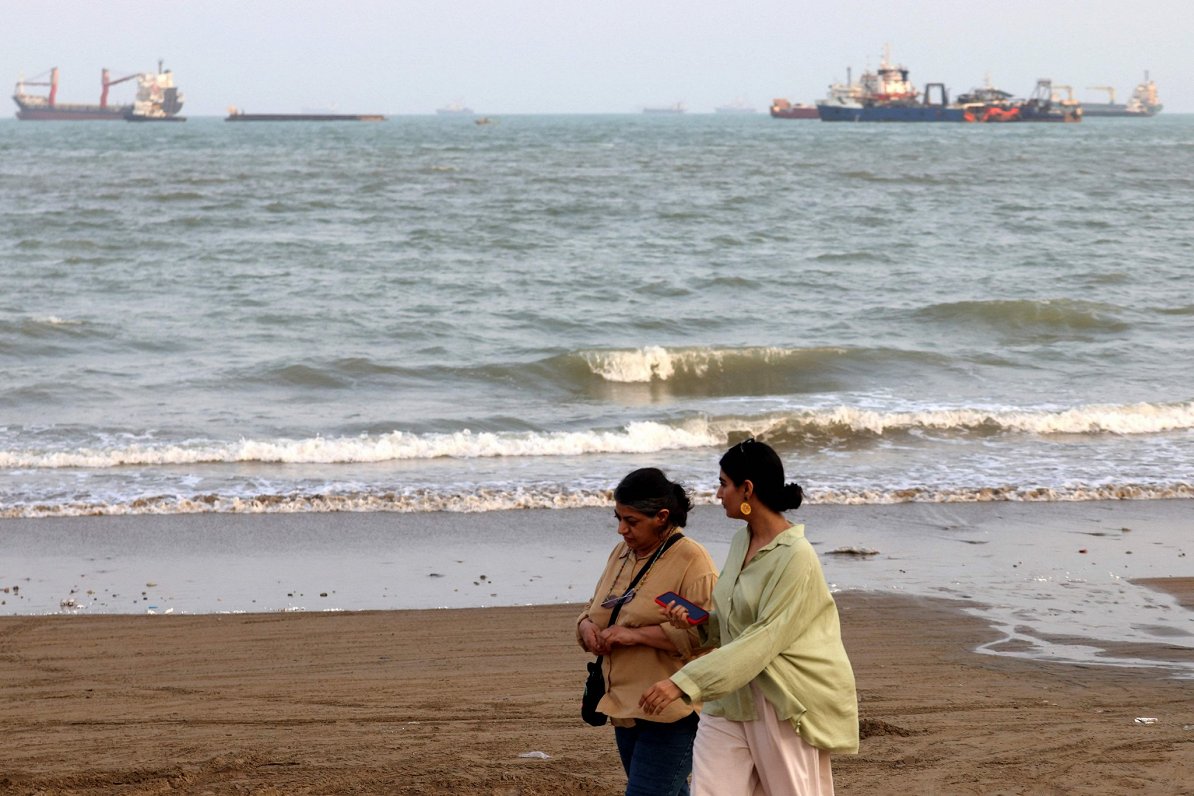
The United States has escorted about a thousand oil tankers through the Strait of Hormuz in recent months, despite the Iranian threat to prevent any oil from passing through, with the ships navigating along the coast of Oman at night and without a transponder under American military protection. (translated)

Zo weten de VS toch olietankers door de Straat van Hormuz te escorteren: transponder uit en dan stilletjes in de nacht langs de kust van Oman

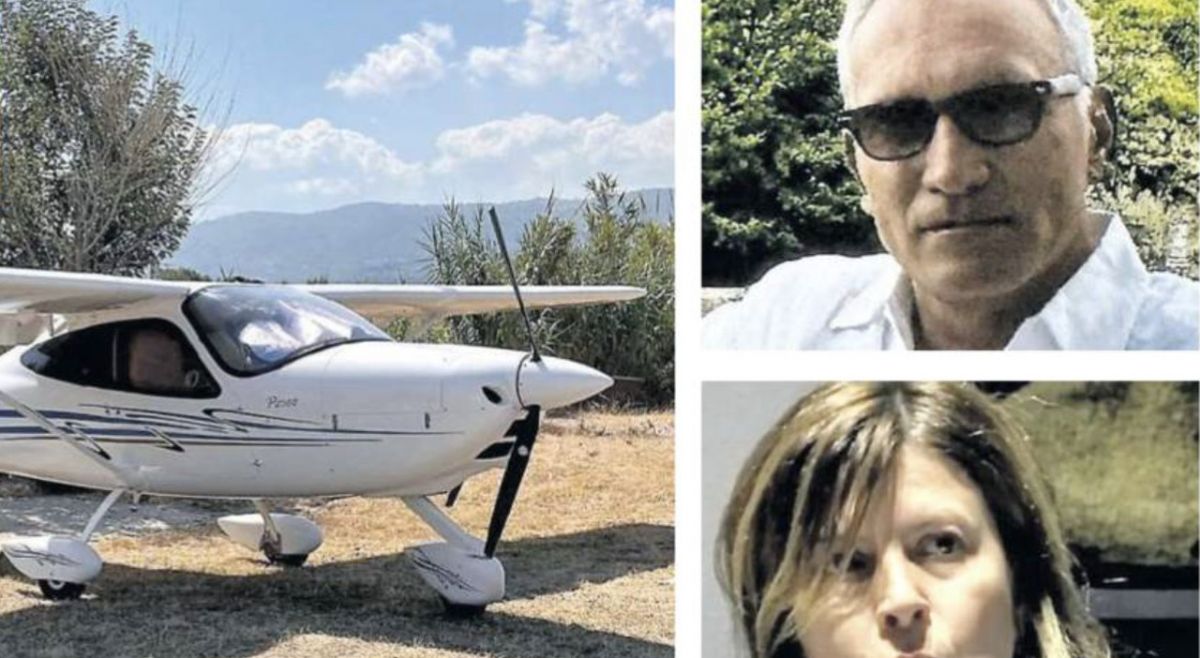
A Tecnam P2008 ultralight aircraft with two Roman lawyers on board has disappeared in flight without a trace, raising questions about a possible change of course and malfunctions of the transponder and radio, while the search continues with no results. (translated)
Ultraleggero sparito, ipotesi cambio di rotta. «A Sibari arrivo mai comunicato». Mistero sul transponder non attivato al decollo

NATO is currently conducting the largest display of air power over Poland and the Baltics in years. It can be estimated that more than 50 aircraft are simultaneously in the air, with only some of the support aircraft having their transponders turned on. An obvious signal for the Russians or…preparations for (translated)
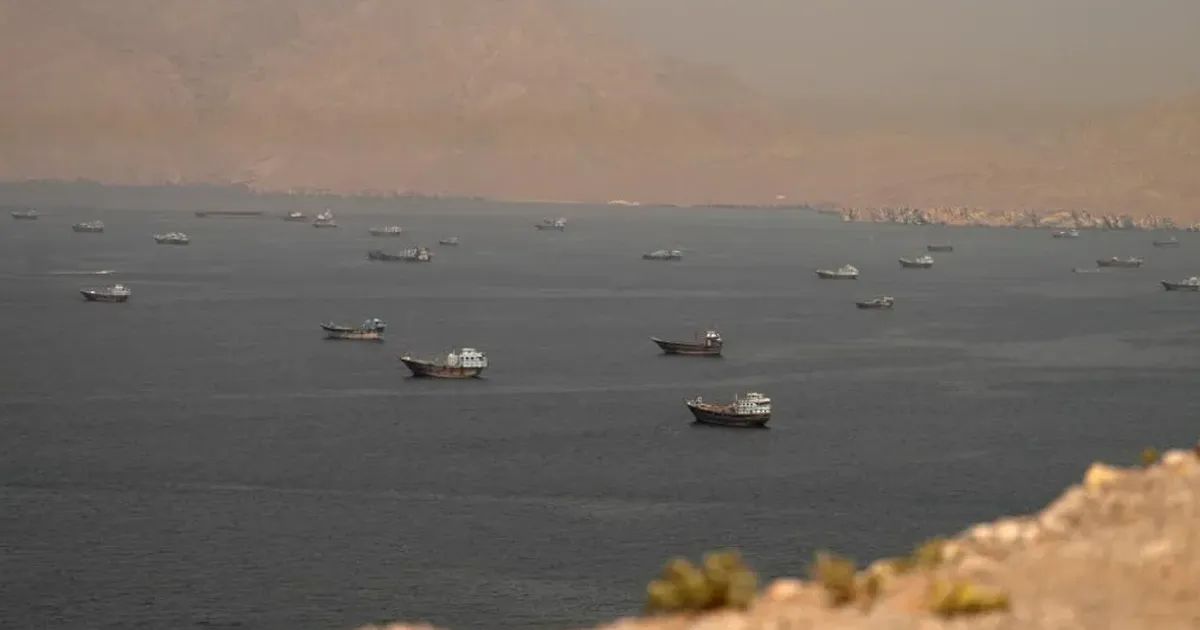
According to Bloomberg reports, despite the military conflict between the US and Iran, the Persian Gulf countries are secretly continuing to export oil through the Strait of Hormuz, using tankers with identification transponders turned off, and around 150 ships were detected last week, indicating an increase in delivery volumes. (translated)
Medijs: Persijas līča valstis slepeni transportē naftu caur Hormuza šaurumu

The article describes how, despite the blockade, more than four million barrels of oil are transported daily through the Strait of Hormuz on ships with their transponders turned off, while satellite images show an increase in the number of vessels in the area, indicating extensive covert oil supplies to Oman for further transport. (translated)

Блокада не работает? Миллионы баррелей нефти прорывают Ормузский пролив под прикрытием тьмы

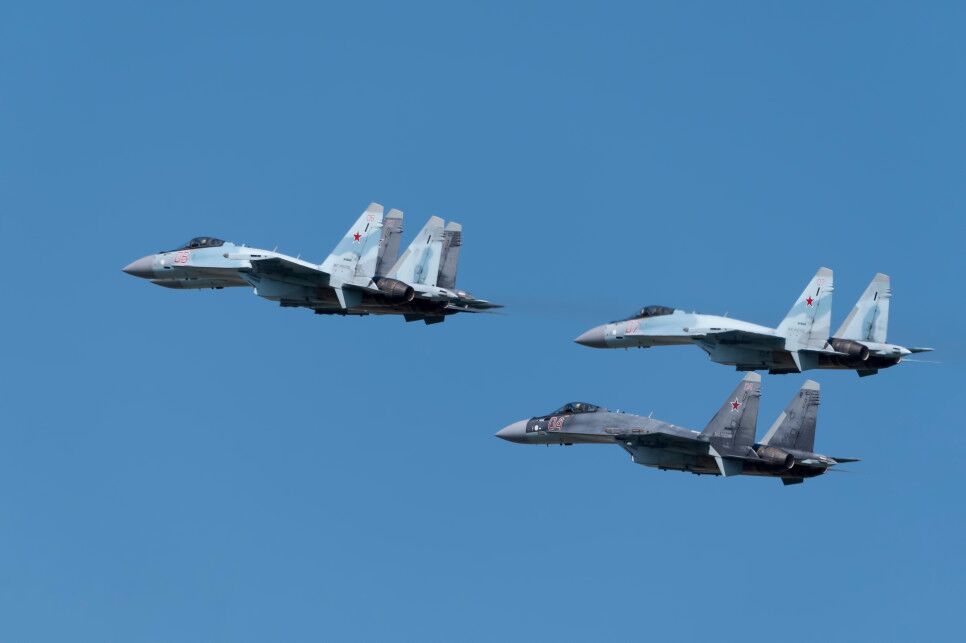
In July 2026, the number of emergency launches of NATO fighters to intercept Russian aircraft over the eastern flank increased by over 250% compared to the previous year, due to the growing activity of Russian military aviation, which regularly violates the Alliance's airspace by flying without approved flight plans and with transponders turned off. (translated)

"Liczby nie kłamią". Ogromny wzrost aktywności Rosji nad Bałtykiem
Onet.pl 3w

The number of emergency fighter jet launches on NATO's eastern flank has increased by over 250% compared to the year 2025, which is a result of more frequent flights of Russian military aircraft without a filed flight plan and with their transponders turned off, forcing NATO to identify their presence. (translated)

Rosja coraz częściej testuje NATO. Duży wzrost poderwanych myśliwców

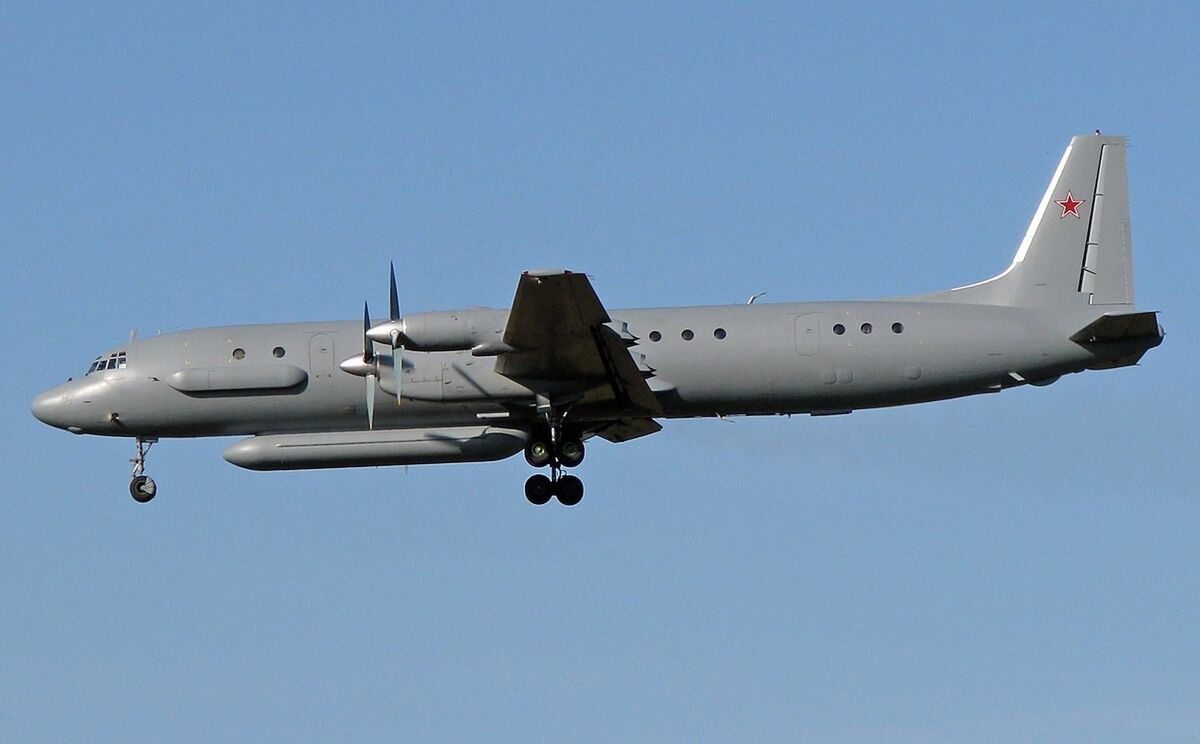
The increase of over 250% in the number of NATO fighter aircraft alarm launches on the eastern flank, associated with more frequent flights of Russian military aircraft without a flight plan and transponder, confirms the rising tensions in the region, illustrated by the recent interception of the Russian Il-20M near Koszalin and over the Baltic Sea. (translated)

Coraz częściej pojawiają się nad wschodnią flanką. NATO mówi o 250 proc.

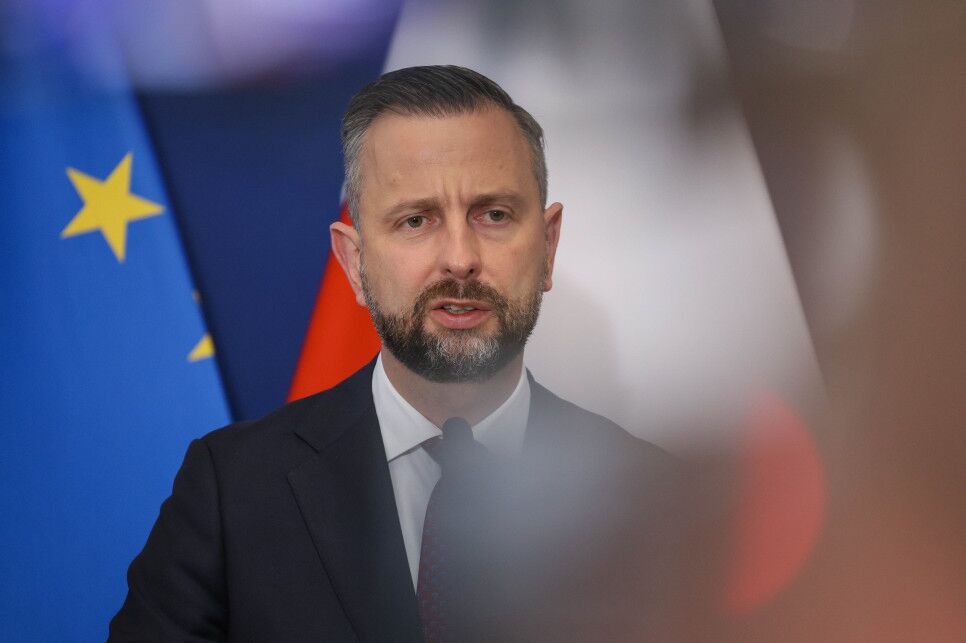
A Russian plane was intercepted over the Baltic Sea by the Armed Forces of the Republic of Poland, and the Minister of National Defense, Władysław Kosiniak-Kamysz, reported that the aircraft was moving in international airspace without a flight plan and an active transponder, while also emphasizing that this incident is part of a series of similar situations that have occurred since the start of the Russian invasion of Ukraine in 2022. (translated)

Rosyjski samolot przechwycony nad Bałtykiem. Szef MON zabrał głos

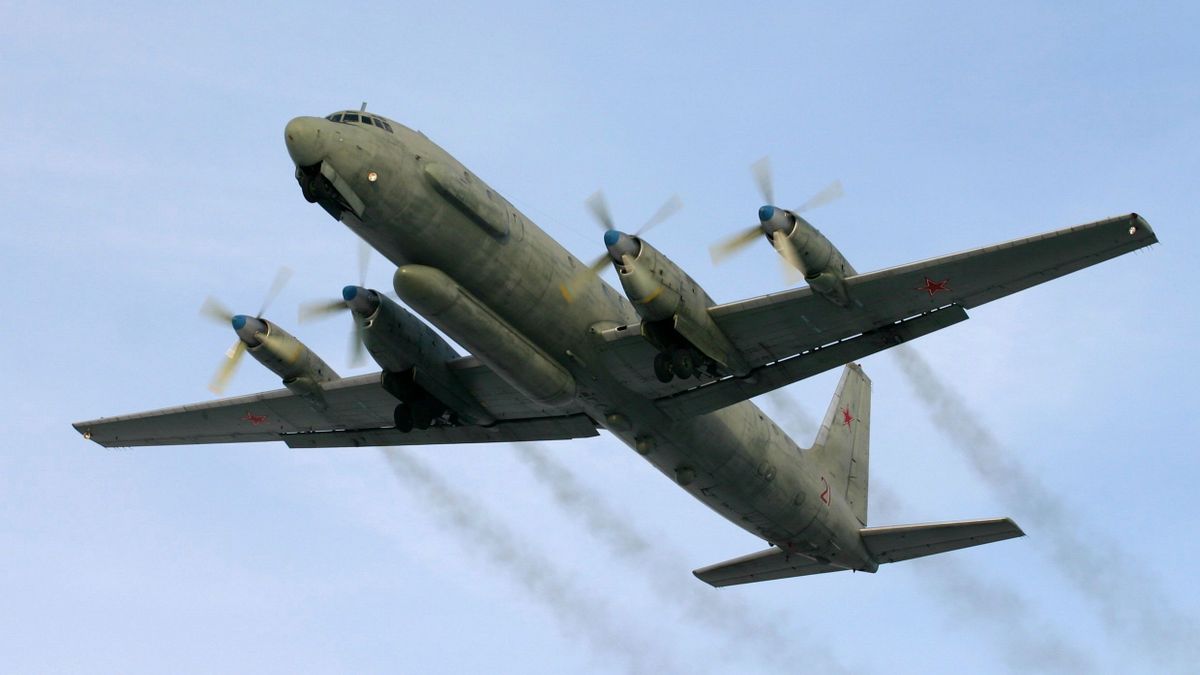
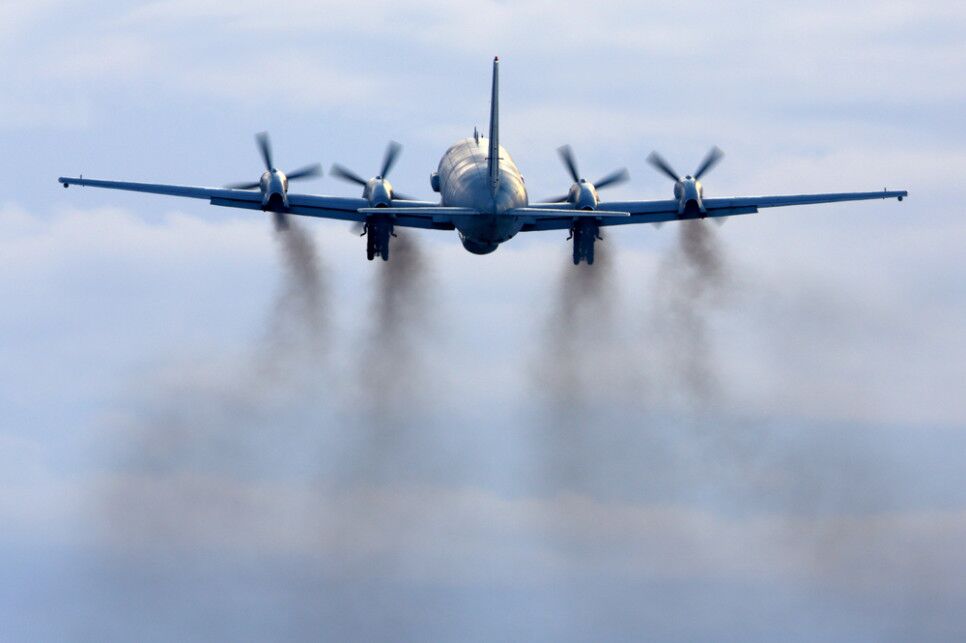
Polish F-16 fighter jets have once again intercepted a Russian Ilyushin Il-20 aircraft over the Baltic Sea as it was flying in international airspace without a flight plan and with its transponder turned off, as confirmed by the Minister of National Defense, Władysław Kosiniak-Kamysz. (translated)

Polskie myśliwce znów w akcji. Rosyjski samolot przechwycony nad Bałtykiem

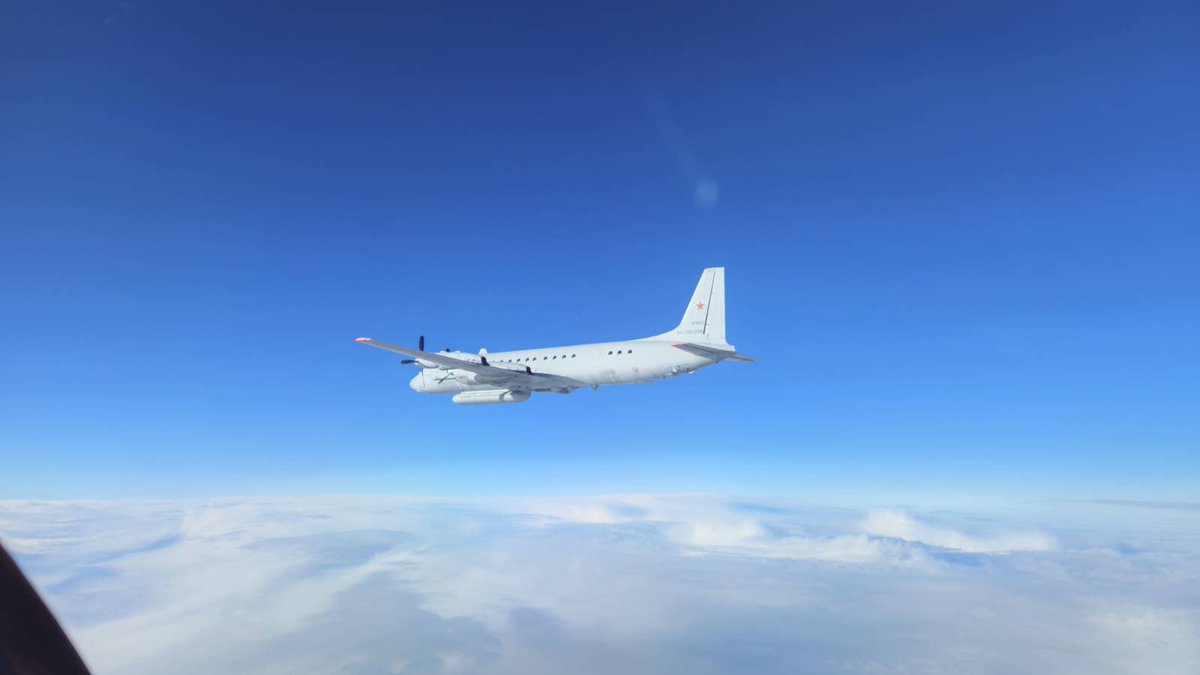
❗Przed południem, 60 kilometrów na północny zachód od Łeby nad Bałtykiem dyżurna para naszych samolotów przechwyciła rosyjski samolot rozpoznawczy Ił-20. Nie doszło do naruszenia naszej przestrzeni powietrznej. Maszyna wykonywała lot w międzynarodowej przestrzeni bez planu lotu i włączonego transpondera. Siły Zbrojne RP cały czas monitorują nasze bezpieczeństwo w rejonie i podejmują działania chroniące 🇵🇱 granicę. #Bezpieczeństwo #Wojsko #Polska

The Polish Air Force has once again intercepted a Russian reconnaissance aircraft of the type Il-20 over the Baltic Sea after it flew without a flight plan and with its transponder turned off, further intensifying ongoing concerns about Russian provocations in the region. (translated)

Polen: Erneut russisches Aufklärungsflugzeug über Ostsee abgefangen

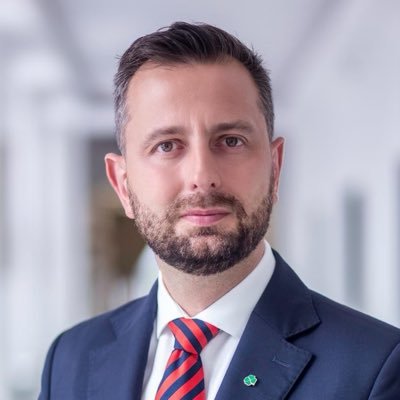
Polish F-16 fighters intercepted a Russian reconnaissance aircraft Il-20, which was circling over international airspace in the Baltic without a flight plan and with its transponder turned off, as confirmed by Deputy Prime Minister and Minister of National Defense Władysław Kosiniak-Kamysz. (translated)

Rosyjski samolot na Bałtykiem. Przechwyciły go polskie F-16

Będę adwokatem diabła, ale postaram się jak najbardziej na chłodno Jeśli jest wojna, przyjmuje się inne ugrupowanie systemu Obrony Powietrznej. Na front wylegają wojska i wystawiają swoje, organiczne systemy przeciwlotnicze. Rozstawiając je w osłonie swojego ugrupowania, siłą rzeczy tworzą łańcuch ciągłej strefy ognia. Za nimi Siły Powietrzne ustawiają część swoich, wzmacniając tę barierę częścią swoich zestawów, na najważniejszych, decydujących kierunkach. To pierwsza zasłona. Tu strzela się od razu, bez pytania, bez zbędnych ceregieli, wali się do wszystkiego co podchodzi i nie identyfikuje się jako swój. Czasem trafia się w swojego z powodu np. awarii transpondera - koszty wojny. Dalej hasają myśliwce. Najczęściej są w powietrzu więcej niż na ziemi. Oczywiście przydają się tankowce, żeby mogły wisieć długo bez lądowania. Ich ataki są rozciągnięte w przestrzeni, bo tak działa myśliwiec, musi ustawić się w tzw. strefie możliwych ataków w przedniej lub tylnej półsferze celu. Strefa martwa do rejonu z boku celu z daleka. Z bliska wskazuje się cel celownikiem nahełmowym, a wysoce manewrowe rakiety do walki na małej odległości robią swoje. Z daleka - strefy boczne są "martwe", trzeba wyjść na spotkanie celu pod kątem do 50-60 stopni max, albo z tyłu w leju o podobnej średnicy, do jakichś 60 stopni po bokach (mowa o strzelaniu z daleka). A zatem myśliwiec musi dolecieć w rejon celu i zająć odpowiednią pozycje. Czas płynie, cel leci. W pobliżu najważniejszych obiektów Siły Powietrzne stawiają kolejne systemy przeciwlotnicze tzw. obrony obiektowej. To są strefy MEZ (Missile Engagement Zone) wyłączone z działania myśliwców lub JEZ (Joint Engagement Zone), jeśli myśliwce mogą tam warunkowo operować, np. powyżej pewnej wysokości lub za zgodą zmiany dyżurnej stanowiska dowodzenia sektora, biorącego odpowiedzialność za to, że rakiety z ziemi nie będą odpalane w czasie operowania własnego myśliwca. Kiedyś te stanowiska dowodzenia to PłSD (Połączone Stanowiska Dowodzenia), a dziś to ODN (Ośrodek Dowodzenia i Naprowadzania, w NATO CRC - Controlling & Reporting Center). Ich pracą zarządza dziś COP (Centrum Operacji Powietrznych w Pyrach w W-wie, a wielonarodowe NATO to CAOC - Combined Air Operations Center). A teraz identyfikacja. W czasie pokoju obowiązuje zasada sprawdzenia (choćby kamerą termowizyjną zasobnika Sniper) czy ta plamka na radarze, to nie jest: 1. własny myśliwiec, drugi z pary, który gdzieś jest w pobliżu ale w nocy niekoniecznie go widać w luźnym taktycznym szyku; 2. sojuszniczy myśliwiec lub ukraiński myśliwiec 3. samolot pasażerski na przedłużeniu namiaru na pocisk, a system podaje położenie pasażera z notą o wysokości pocisku, które są na tym samym kierunku w podobnej odległości (to się zdarza!) W czasie wojny: 1. Wali się po pobieżnym sprawdzeniu proceduralnym bez VID (identyfikacji wzrokowej), jak się trzaśnie w swojego (co się w Ukrainie zdarzyło co najmniej trzy razy, a Rosjanom to z pięć jak nie lepiej) to ch.., jest wojna; 2. Nie plączą się samoloty pasażerskie; 3. Jak się zestrzeli w strefie średnio zaludnionej (gęste wioski) to trudno, jak własna rakieta czy zestrzelone szczątki rozdupczą chałupy czy stodoły, pozabijają ludzi, to ch.., jest wojna. Unika się (a i to nie zawsze!) strzelania nad miastem. 4. Wzdłuż linii frontu stoi ile się da zestawów przeciwlotniczych tworzących ciągły łańcuch strefy ognia. To one stanowią wstępne sito, odsiewając co się da. Co przeleci dalej, za tym ganiają myśliwce. Część zestrzeliwują relatywnie szybko (do 100-150 km od linii frontu, średni czas dolotu do miejsca przechwycenia, manewr do ataku, odpalenie rakiet), część średni daleko bo akurat myśliwce były dalej, a część przelatuje nawet 600 km przez 45 minut. A część niestety trafia w cele. Tak to działa. Jeśli ktoś nadal uważa, że powinni strzelać bez identyfikacji, to opiszcie proszę sposób tłumaczenia się prokuratorowi: czy dokonałeś VID zgodnie z przepisami czasu pokoju, gdyby pocisk spadł na chałupę po zestrzeleniu i zabił ludzi. Jako swój własny adwokat, wygłoś proszę mowę obrończą, zanim tak po prostu napiszesz, że powinni. Na zdjęciu - wyrzutnia przeciwlotniczego systemu rakietowego 2K12 Kub Wojsk Lądowych na pozycji bojowej w czasie ćwiczeń. Fot. Michał Fiszer Jeśli chcecie, żebym poświęcał swój czas na te wpisy, jeśli w ogóle chcecie je czytać, to poproszę o kawkę. To tylko kilka złotych, a mnie rekompensuje włożony w tę pracę czas. https://t.co/pPHnCSlfpS #wojna #obrona #wojsko

❗Kolejne skuteczne przechwycenie rosyjskiego samolotu nad Morzem Bałtyckim❗️ Przed południem para dyżurna naszych F-16, 40 kilometrów na północ od Kołobrzegu przechwyciła rosyjski samolot rozpoznawczy Ił-20. Po raz kolejny maszyna wykonywała lot w międzynarodowej przestrzeni powietrznej bez planu lotu i z wyłączonym transponderem. Nie doszło do naruszenia naszej przestrzeni powietrznej. Siły Zbrojne RP nieprzerwanie monitorują sytuację i zdecydowanie reagują na działania Federacji Rosyjskiej, pozostając w ścisłej współpracy z sojusznikami z NATO. Bezpieczeństwo 🇵🇱 nieba pozostaje naszym najwyższym priorytetem. #Bezpieczeństwo #NATO #Rosja

Onet.pl 4w

Polish F-16s intercepted a Russian reconnaissance aircraft Il-20 over the Baltic Sea, which was flying without a flight plan and with its transponder turned off, and the authorities emphasized that the safety of Polish airspace remains a priority in the context of the growing risk of provocations from Russia. (translated)

PILNE Polskie F-16 przechwyciły rosyjski samolot Ił-20 nad Bałtykiem

The most concerning data is about tanker traffic. According to data from the company Kpler, it is now the lowest since May 25, and only six vessels passed through the strait on Sunday, the least in five weeks. Some ships turn off their public transponders, so the actual... (translated)

Novinky Jul 13

Provoz v Hormuzském průlivu klesl na několikatýdenní minimum, přičemž nedávná data ukazují, že několik tankerů vypnulo transpondéry pro zajištění anonymního převozu íránské ropy a Americké síly provedly další útoky na Írán po zvýšení napětí v regionu. #HormuzskýPrůliv #Írán #KonfliktNaBlízkémVýchodě

Provoz v Hormuzském průlivu klesl na několikatýdenní minimum, ukazují data
Il Messaggero Jul 13

Negli ultimi giorni, a causa dell'escalation delle tensioni tra Stati Uniti e Iran, un numero crescente di navi ha attraversato segretamente lo Stretto di Hormuz con i transponder spenti, superando i transiti osservabili, mentre gli attacchi iraniani contro navi nel corridoio meridionale hanno spinto gli armatori a optare per rotte più rischiose. #Hormuz #Iran #Navigazione

Hormuz, Bbc: «Transiti azzerati»: ma le navi passano al "buio" (con i trasponder spenti)