According to estimates by Stijn van Nieuwerburgh, an economist at Columbia Business School, presented in a report for the Brookings Institution, spending on this in the USA is expected to exceed $10 trillion from 2025 to 2032. #sztucznainteligencja #inwestycje #centraDanych (translated)
The author of the entry, citing the "eBay Recommerce Report 2026," wrote that second-hand shopping helped 77% of Poles with experience in the secondary market control their daily expenses. He added that they most often chose clothing, shoes, and home furnishings. #zakupy #wtórnyrynek #oszczędności #PL (translated)
The author of the entry wrote that Donald Tusk received a large public trust credit three years earlier, which — in his opinion — was squandered. He added that everyone bears the costs of this, and the debt servicing will amount to about 107 billion PLN, which is more than the total spending on the 13th and 14th pensions, education, and schooling. https://t.co/pdHsZWxeKL #DonaldTusk #Polska #WydatkiPubliczne #PL (translated)
Jacek Fogiel asked what Nawrocki did aside from vetoing, and ironically referred to claims that Tusk and his government are doing nothing. In response, he listed actions attributed to Tusk's government. According to Fogiel, the government accelerated economic growth, with GDP rising by 3.8% in 2025, and reduced the VAT gap from 14.7% in 2023 to 4.9% in 2025. It launched the first quantum computer, built Polish AI factories and its own artificial intelligence called PLLuM, and expanded the functionalities of mObywatel, which already had 12.5 million users. Fogiel also credited it for strengthening cybersecurity, depoliticizing public media, and unlocking KPO and FE, which was supposed to provide 600 billion PLN for Poland's development. Among the economic and social actions, Fogiel mentioned a more favorable health contribution for entrepreneurs, a monthly leave without ZUS, and a cash PIT, where tax was to be paid after receiving payment. He also wrote about the highest real wage growth in the 21st century and an average above 9000 PLN gross, a decrease in inflation to 3.6% in 2025, and stock market records, with WIG above 150 thousand points. He added that the government launched a state-funded in vitro program, increased the number of childcare places for children under 3 by 66,921, and introduced 1500 PLN for grandparents as part of the Active Parent program. Fogiel also pointed out the first Polish military satellite, the launch of Baltic Towers, and the construction of Baltica 2, which was to provide energy for 2.5 million homes. He mentioned the construction of a new external port in the Baltic, Cape Pomerania, and allocated 2.7 billion PLN for local roads in 2026. In the field of defense, the author of the post mentioned an increase in spending to nearly 5% of GDP in the budget for 2026, an increase in the tightness of the border with Belarus from 30% in 2023 to 98% in 2025, and support for the defense industry, including the production of Krabs, Borsuks, Rosomaks, and NAREW systems. He wrote that 96 Apache helicopters were purchased, and the MESKO plant produced a million pieces of ammunition daily. He added the launch of the Eastern Shield with a budget of 40 billion PLN, securing nearly 190 billion PLN from SAFE for defense, increasing the number of police officers to over 100,000, and allocating 13 billion PLN for the modernization of the fire brigade, police, and border guards. #Polska #Gospodarka #Innowacje (translated)
The author of the entry stated that after three quarters of 2026, the deficit exceeded 172 billion PLN, and there was still a shortfall in revenues corresponding to one month’s tax income, which is nearly 48 billion PLN. He anticipated spending cuts in the last quarter and called for the resignation of the Minister of Finance. He added that on October 20, a motion for the dismissal of the minister is to be discussed. #deficyt #finanse #polityka #PL (translated)
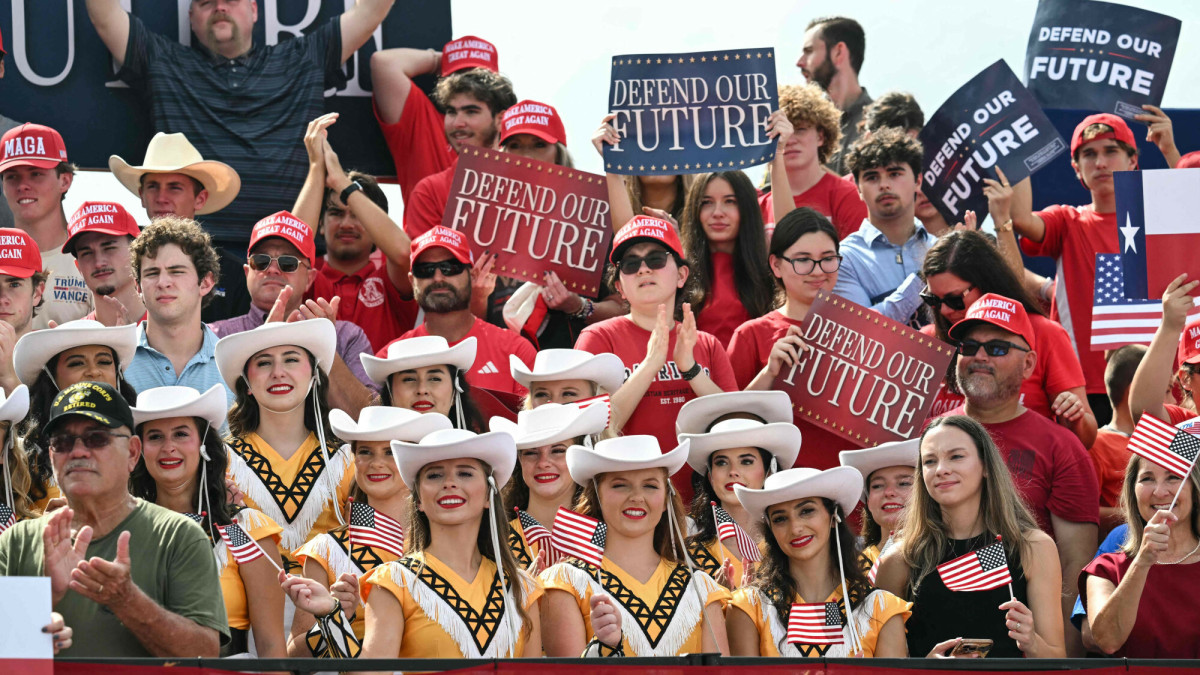
The gigantic expenses for the election campaign in the USA, which reach hundreds of millions of dollars, highlight the extraordinary intensity of the political struggle during Donald Trump's second term, with Republicans outspending Democrats on advertising by about 11%. #Wybory2024 #ReklamaPolityczna #DonaldTrump (translated)

Kafir wrote that he increasingly considered elitism to be better than democracy, because — as he claimed — in elections the vote of a person with knowledge and experience carries the same weight as the vote of a person without basic competencies. He noted that elitism, in his opinion, did not depend on wealth or education, but on knowledge, reason, and the ability to think independently. He criticized voters who — according to him — assessed economic policy without knowledge of issues such as inflation, budget, or monetary policy. As examples, he referred to people shopping at Lidl and Biedronka, as well as checking purchase prices, and accused some of them of confusing daily savings with the competencies needed to evaluate the state's finances. At the same time, he emphasized that simply looking for cheaper products was not bad. Kafir also criticized politicians who — as he wrote — lacked experience in running businesses or managing budgets, yet held positions that allowed them to decide on significant public expenditures. He accused right-wing groups of citing religion, tradition, and national values while simultaneously supporting strong authority without proper oversight. He argued that appeals to patriotism and religion did not replace the knowledge and competencies necessary to govern the state. He compared the expectations placed on children in their education to the expectations of politicians. He wrote that parents usually required their children to learn math and helped them acquire knowledge, yet some voters — in his opinion — did not expect similar competencies from those seeking power. He compared governing the state to entrusting a ten-year-old child with the household budget without parental control, pointing out that promises of unfunded expenditures could lead to debt. The author accused voters of re-electing politicians despite their mistakes if they promised them more money, and that they rejected criticism as a lack of patriotism. He claimed that some people did not want to check information or analyze arguments and instead trusted loud political messages. In conclusion, he asked why voters demanded education from children but did not require knowledge from politicians before entrusting them with power. He also mentioned the action "7 percent of 460," relating it to the number of deputies, and stated that there were at most 7 percent of wise ones among them. #Demokracja #Elitaryzm #Edukacja (translated)
The author of the post wrote that pellet prices have risen by 64%, which heavily burdens household budgets. He addressed Tusk with a question about what actions the government intends to take to prevent home heating from becoming a luxury. #DrogaZima #Ogrzewanie #Wydatki #Polska #PL (translated)
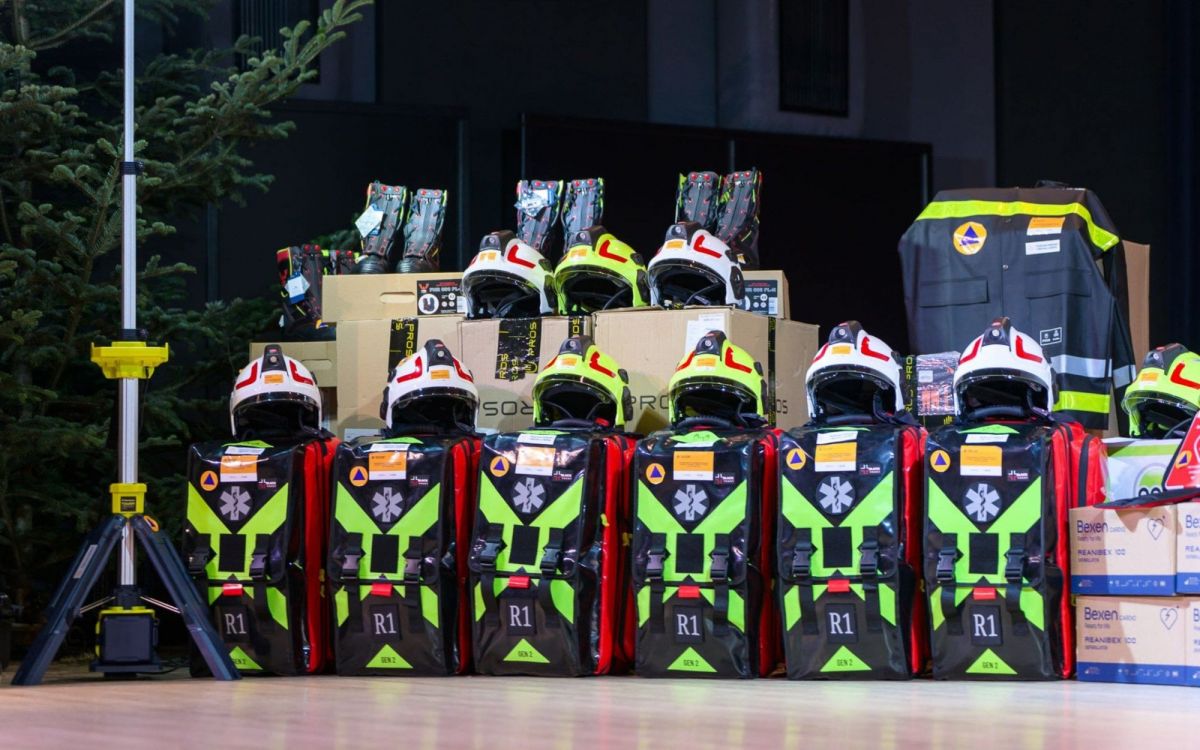
Expenditures by local governments on safety in Poland are expected to rise to nearly 4 billion złoty in 2026, which represents a significant increase compared to previous years, mainly due to the introduction of the government's Population Protection and Civil Defense Program. #Bezpieczeństwo #Obronność #Samorządy (translated)

The post's author wrote that Ukrainian refugees were expected to bring 100 billion zlotys to the Polish economy. He claimed that their professional activity exceeded that of the Poles, and that the refugees took on jobs that others were unwilling to do. He added that the expenses for their pensions and healthcare were, in comparison to their contribution to the Polish economy, insignificant. #Ukraina #gospodarka #uchodźcy #PL #UA (translated)
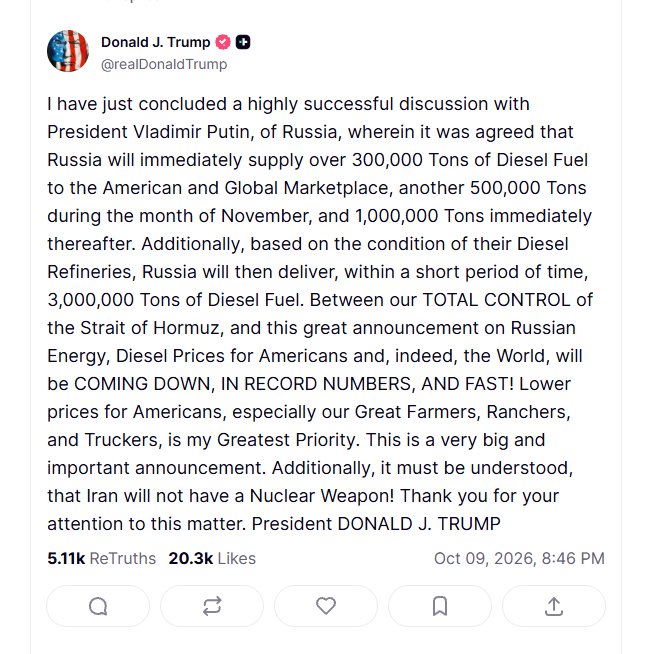
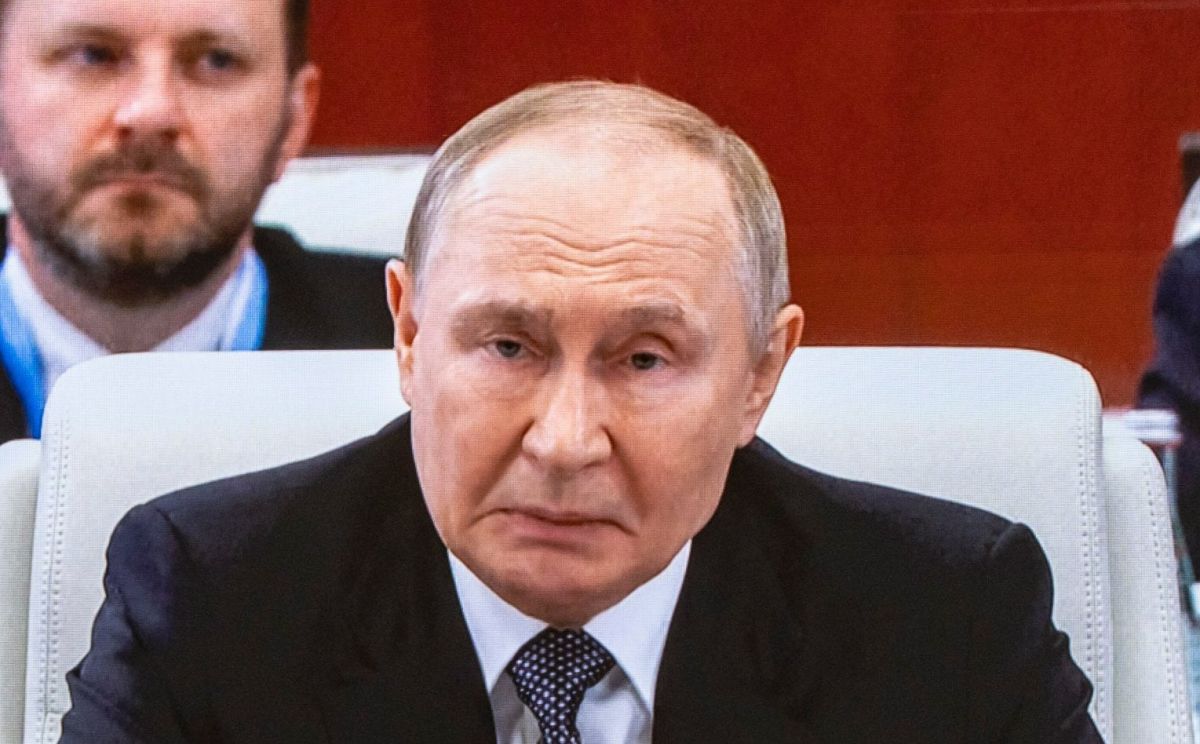
Filip Dąb-Mirowski wrote that Donald Trump announced an agreement with Vladimir Putin regarding the resumption of Russian diesel exports to international markets. According to the author, the U.S. Department of the Treasury suspended related sanctions until April 7, 2027. Dąb-Mirowski assessed that sales could provide Russia with funds for further waging war, as the planned budget deficit was expected to be twice as high as initially anticipated, and the economy and finances were experiencing the greatest collapse since the 1990s. He also wrote that Putin was cutting social spending, directing funds to the military. The author noted that Russia would not be able to supply the planned volumes, reaching 3 million tons, in the foreseeable future. He cited the shutdown of the largest refineries due to Ukrainian airstrikes, limited maritime export capabilities, and prioritization of domestic market supply as reasons. He added that supplies of that size would not impact the global market, as they would be too small relative to its needs. Dąb-Mirowski speculated that the agreement could precede an American ultimatum to Ukraine to stop attacks on Russian petrochemicals. He also pointed out that it was announced during a visit by a Ukrainian delegation to Florida, where they were supposed to prepare a peace plan together with American negotiators. According to the author, President Volodymyr Zelensky expressed frustration that Ukraine was acting as a shield for negotiations with Russia. The author claimed that the Republicans were heading for a historic defeat in the upcoming midterms, which were to take place in four weeks, and Trump wanted to lower fuel prices in the U.S. Dąb-Mirowski indicated the Strait of Hormuz as the heart of the problem, which — he wrote — Trump had failed to resolve. He summarized that in his opinion, this confirmed the pro-Russian nature of the current U.S. administration. #Trump #Putin #sankcje (translated)
After the meeting with Trump, Putin hoped that he could "end the pressure" on Ukraine and that the war could end within a year, so there would be no need for a significant increase in spending, according to a Bloomberg source. #Putin #Wojna #WydatkiWojska (translated)
In 2026, Russia's military spending will reach a record level of 17 trillion rubles, or nearly 200 billion dollars, which represents a 40% increase compared to previous budget plans, and this decision was made after a failed meeting between Vladimir Putin and Donald Trump. #Putin #Wojna #WydatkiWojska (translated)

The civilian economy of Russia has stagnated, while sectors related to the military and administration have seen a significant increase in spending, leading to the risk of further stagnation of other industries and a potential crisis. #GospodarkaRosji #WydatkiWojskowe #StagnacjaGospodarcza (translated)
Poland plans to increase spending on military equipment, but there is a lack of funds for the necessary infrastructure to store it, which raises questions about the effectiveness of the investments and the future of the national defense industry. #PolskaObrona #WydatkiWojskowe #BezpieczeństwoNarodowe (translated)

Sebastian Łukaszewicz informed that together with MPs Andrzej Śliwka and Dariusz Stefaniuk, he conducted a parliamentary intervention at the Ministry of Agriculture and Rural Development to check the expenses of Stefan Krajewski. He claimed that luxury toilets with electronic washing seats were installed there for several thousand zlotys, designated for the exclusive use of ministers Stefan Krajewski, Adam Nowak, and Małgorzata Gromadzka, with access via a pass. Łukaszewicz described the equipment of the toilets, mentioning various washing modes, heated seats, temperature and water pressure regulation, warm air drying, turbo mode, and an occupancy sensor. He added that the expenses were incurred with taxpayers' money. #Polska #polityka #wydatki (translated)
Analysts from the Bank of Finland indicate that there is no immediate threat of a collapse of the Russian economy; however, rising military expenses are forcing society to face higher taxes and cuts in other areas of the budget, which may lead to long-term economic problems. #Rosja #gospodarka #wojna (translated)
The author wrote that according to the data from the National Health Fund, the average cost of treating a Ukrainian citizen was 694 PLN, while for a Polish citizen it was 4640 PLN. He assessed that the health care expenditures per refugee were significantly lower. #zdrowie #uchodźcy #Polska #PL #UA (translated)
The author of the entry, citing a report by the Polish Economic Institute, stated that between 2004 and 2024, depopulation affected 70% of Polish communes. According to the findings mentioned in the report, per capita expenditures on public services increased in depopulating communes, while own revenues decreased as the local economy contracted. #depopulacja #gminy #Polska #PL (translated)