WRLD

Search

#Literature
Klára Vlasáková 5d

I find it important to speak at public appearances not only about literature, but also about the conditions in which it arises. "I find it important to speak at public appearances not only about literature, but also about the conditions in which it arises. In this regard, the actions of the current Minister of Culture are alarming, and many authors evidently considered it important to express their concern," says Vlasáková, according to whom cultural workers in many countries, including Germany, feel political or economic threats. #ČeskáLiteratura #KulturaVOhrožení #KateřinaTučková (translated)

„Kultura v ohrožení.“ Čeští spisovatelé měli ve Frankfurtu varovné placky
www.seznamzpravy.cz

2938
Alex is fine 6d

The author wrote that published scientific literature lagged reality by at least a year and said the situation was likely worse than suggested.

2942
BBC 1w

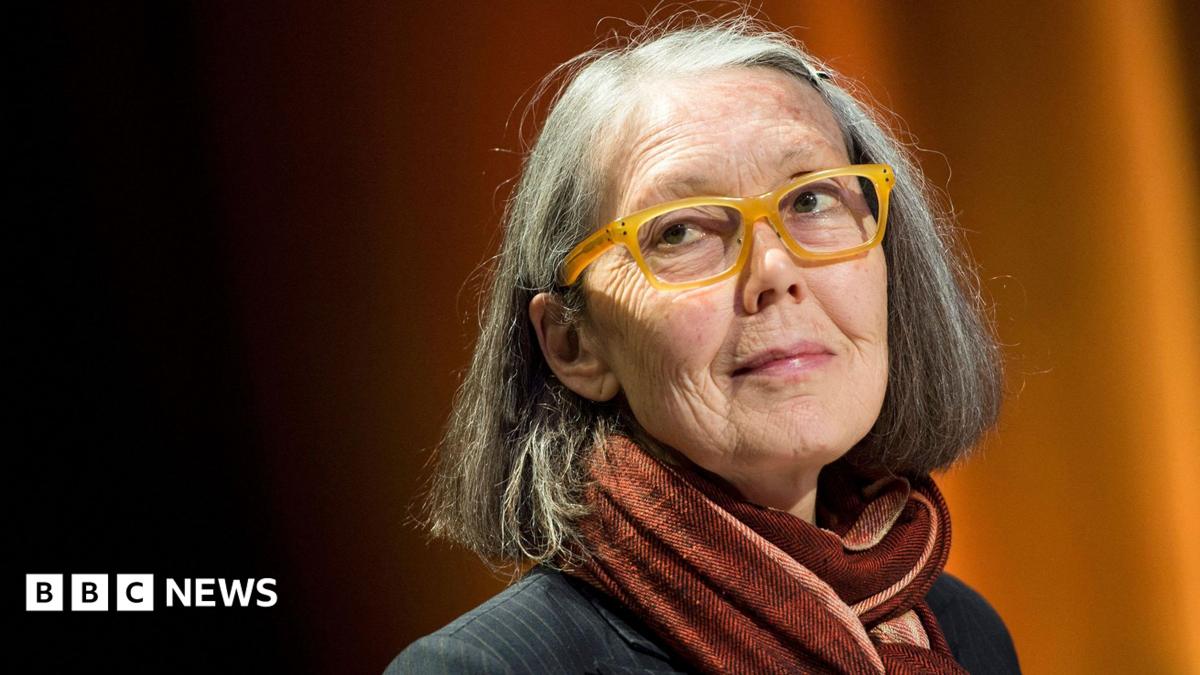
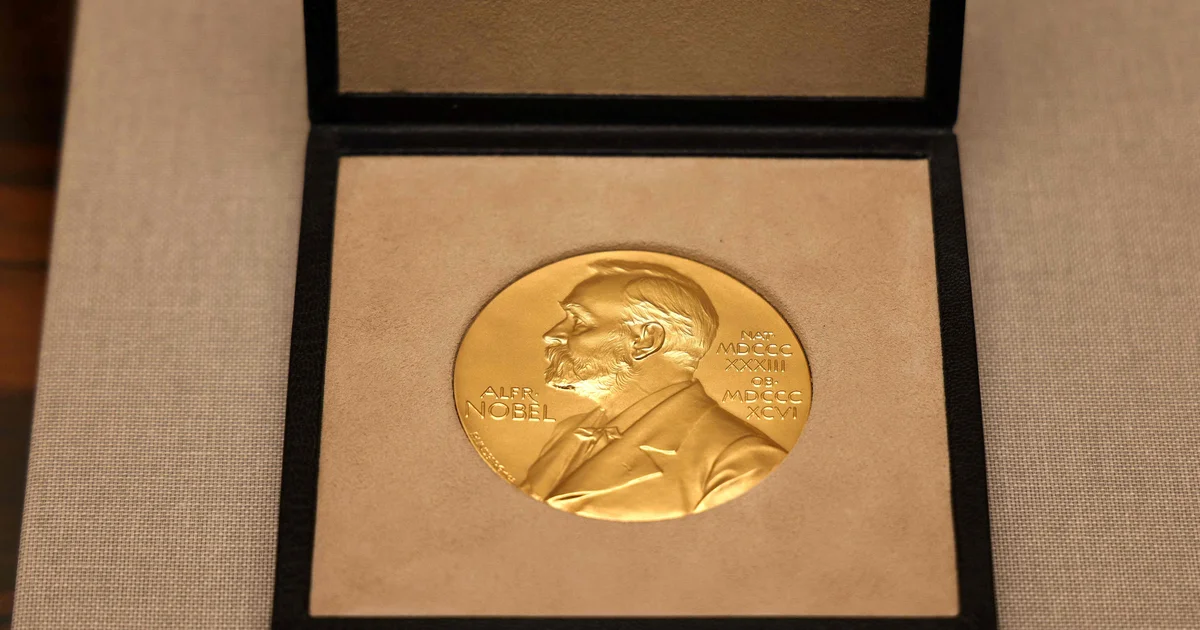
Carson, 76, is celebrated for works that often cross boundaries between poetry, fiction and scholarship. #NobelPrize #Literature #AnneCarson

www.bbc.co.uk
'Bold and inventive' Canadian poet Anne Carson wins Nobel Literature Prize
3422
Irish Independent 1w

Canadian poet and essayist Anne Carson has been awarded the Nobel Prize in Literature. #Cookies #Security #OnlinePrivacy

www.independent.ie
Canadian poet and essayist Anne Carson wins Nobel Prize in literature
2853
Matina Stevis-Gridneff 1w

The author wrote that Canadian poet and essayist Anne Carson had been awarded the Nobel Prize in Literature and linked to a New York Times article. #AnneCarson #NobelPrize #Literature #CA

3881
Daniel Mulhall 2w

The author said that year’s Nobel Prize in Literature was due to be announced the following day and that no Irish writer was rumoured to be in contention. They wrote that Ireland was already lagging behind the pace set by its writers in the previous century and referenced an article they had written in 2024 about Ireland’s Nobel prospects. https://t.co/IBiX14Fdxh #NobelPrize #Literature #Ireland #IE

2973
Oto Klempíř 2w

"Czech-German cultural cooperation has significance that far exceeds the realm of culture. It is a contribution to European cohesion and the defense of freedom of thought, to the ability to listen to others while preserving one's own voice," said Klempíř, who wished German and Czech literature to continue in dialogue. #literatura #kultura #FrankfurtskýVeletrh (translated)

Na ministra Klempíře v Německu pískali na největší literární akci světa
www.seznamzpravy.cz
1831
Otherland Bookshop Berlin 2w

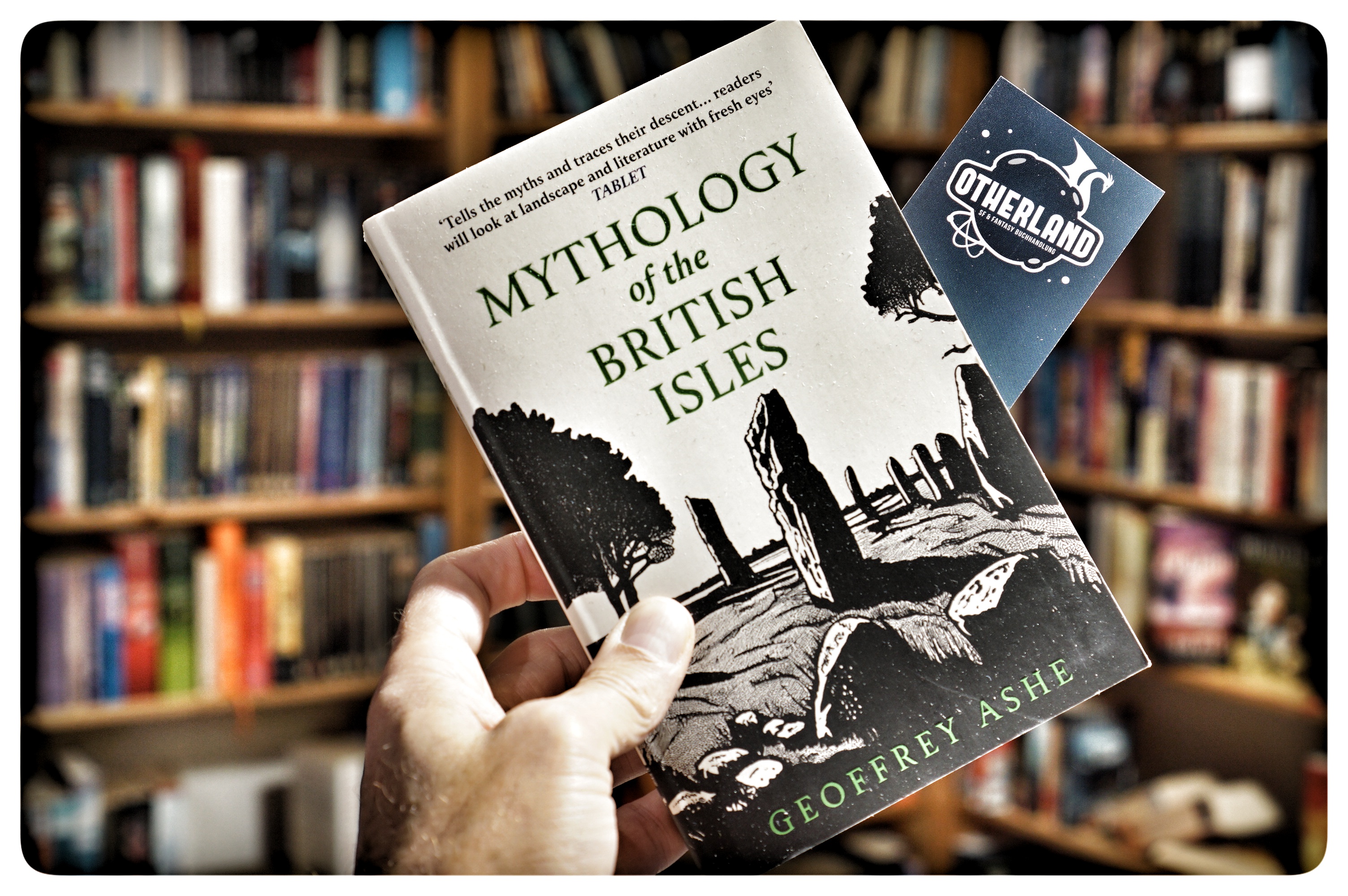
Mythology of the British Isles by Geoffrey Ashe Beginning with the giant Albion, after whom the country was once named, Geoffrey Ashe explores the myths whose roots lie in the different British regions. Taking in fairy-folk, druids and King Lear, and the tales of Merlin and King Arthur that continue to hold sway in the nationâ€s imagination, he uncovers their sources and underlying ideas as well as their handling in tradition and literature. An unforgettable and illuminating exploration of the legends of the British Isles. From the misty centuries of British and Irish prehistory to the height of the dark age, comes tales of giants and fairy-folk, druids and saints. From King Lear and King Arthur, to Fingal, Beowulf, Gwendolen and Guinevere these are the legendary characters who shaped the nation. But who were they? In Mythology of the British Isles, Geoffrey Ashe explores these compelling and ancient stories, seeing how they have taken on fresh significance as historical and archaeological research has uncovered the truth behind each legend.

1376
Delo 2w

The Nobel Prize for Medicine will be awarded today in Stockholm, where the prize winners for pioneering contributions will be announced, while a total of six prizes will be awarded in various fields of science, literature, and peace by the end of the week. #NobelovaNagrada #Znanost #MedicinskaRaziskava (translated)

www.delo.si
In Nobelovo nagrado za medicino prejme ...
1836
Mr. Numberwise 3w

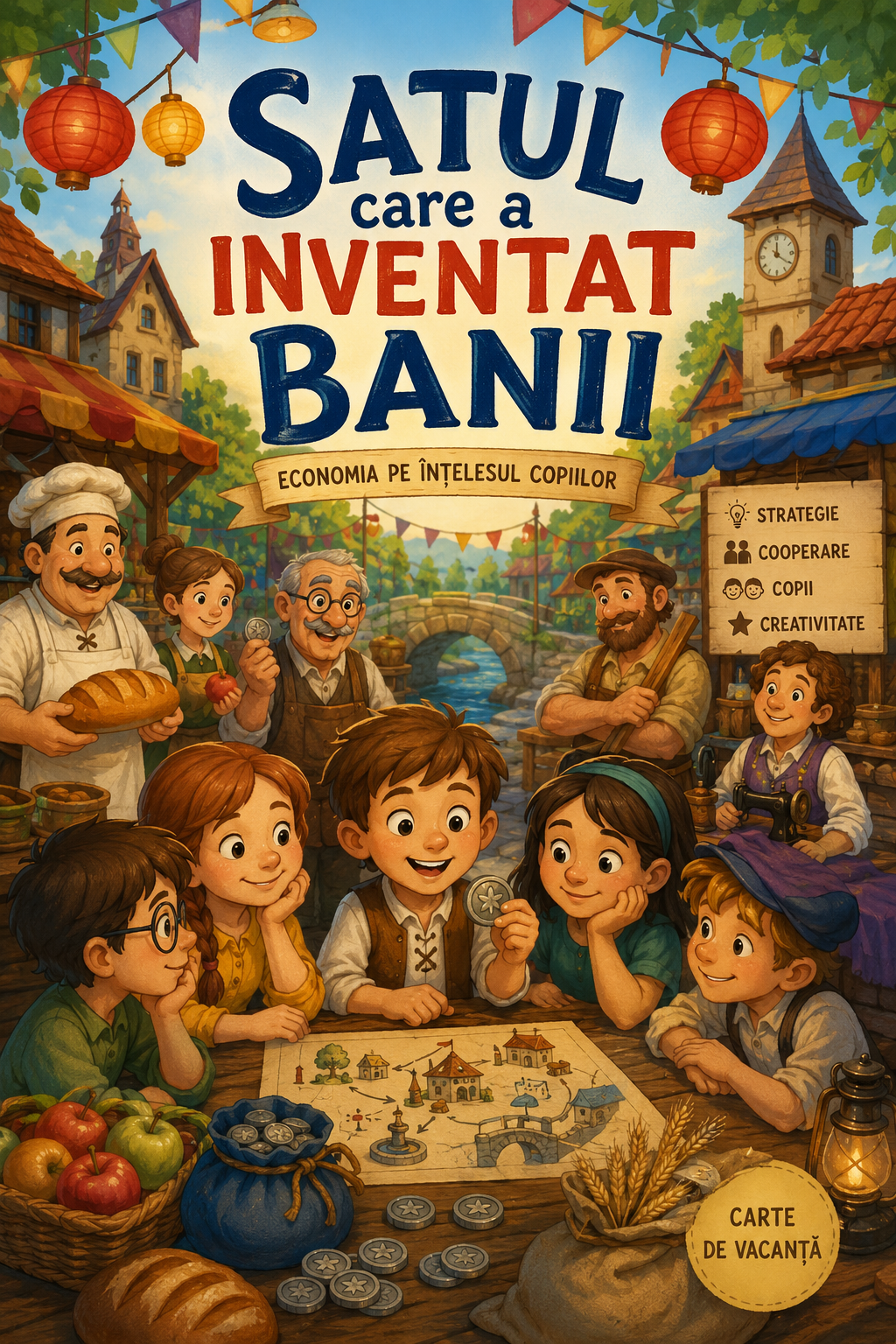
Satul care a inventat banii. The Village That Invented Money. Le village qui a inventé l’argent www.amazon.fr/dp/B0H558J9D1 www.amazon.com/dp/B0H558J9D1 www.amazon.co.uk/dp/B0H558J9D1 Children’s story in Romanian, English, and French about money, trade, trust, and cooperation Economics for Children by Mr. Numberwise Economics for Children is a story-based series that introduces young readers to simple economic ideas through friendly characters, everyday problems, and clear “AHA!” moments. Each book helps children understand concepts such as money, trade, prices, resources, trust, cooperation, and community decision-making in an accessible and imaginative way. #KindleBooks #Childrens_eBooks #Education_&_Reference #Study_Aids #General #Literature_&_Fiction #Technology_Inventions #EconomicsThroughStories #Aventures_D_été_Pour_Enfants_9_12_ans #MoneyForKid #PoveștiDeAventură #VaraPentruCopii_9_12_ani #FinancialLiteracyForKids #Romanian #Română #English #French #SummerAdventureStoriesForKids_9_12 #Kids #Copii #Enfants (20261006: 801(460)7 #HappyEdu #HappyKids #ÉducationHeureuse #EnfantsHeureux #0262

811
Bartosz Fiałek 4w

Prime Minister, it is great that we are discussing literature. But I would be far happier to talk about promises kept. About having reformed our healthcare system so that patients finally receive care when they need it. About decisions and appointments being based on knowledge, #PromisesKept #HealthcareReform #LiteratureDebate #Nospecificcountriesarementionedinthetweet.Therefore #Icannotreturnanycountrycodes.

Mr. Storywise 4w

Roedd Archimedes ar ei dabled pan gafodd ei ladd gan filwr Rhufeinig. Ydy hynny’n swnio’n naturiol? Ddim yn arbennig. Ac eto, os ydym yn “diweddaru” y gorffennol ddigon, dyna’n union lle gallwn ni gyrraedd. Mae gan bron bob diwylliant argraffiadau wedi’u moderneiddio o awduron hŷn, ynghyd â dadleuon am orgraff, geirfa, nodiadau golygyddol ac addasu testunau ar gyfer darllenwyr cyfoes. Dywedodd gwerthwr hen bethau wrthyf unwaith fod “patina amser yn rhoi gwerth” ac y gall wneud y gwahaniaeth rhwng gwreiddiolyn a chopi rhad. Rwy’n agor “Traethodau Dydd Sul” Constantin Noica, yn cyrraedd rhagair y cyhoeddwr yn argraffiad Humanitas 1992 ac yn darllen bod “yr orgraff wedi’i diweddaru”. Gallai darllen Noica fod wedi bod yn daith drwy’r 1930au a’r 1940au. Yn lle hynny, rydym yn teithio drwy’r cyfnod hwnnw gyda sbectol fodern, yn eistedd yn gyfforddus mewn Uber, heb ofni mynd ar goll — hynny yw, heb y perygl o beidio â deall geiriau’r cyfnod, geiriau y gellid eu “cyfieithu” mewn troednodiadau. Beth petai ni hefyd yn cymryd papurau newydd y cyfnod ac yn eu “diweddaru”? A beth am rebranding hysbysebion y cyfnod hefyd, fel na fyddai’n rhaid i’n niwronau weithio’n rhy galed, fel mewn escape room? Pam stopio yno? Gallem ddiweddaru llyfrau hanes hefyd a dweud bod Archimedes o Syracuse wedi cael ei ladd gan filwr Rhufeinig tra oedd yn gwneud mathemateg ar ei dabled. Mae’r syniad sylfaenol yn aros yr un fath, on’d yw? Dim ond y cyfnod sy’n diflannu. Ac un peth arall: pam nad yw mathemategwyr yn “diweddaru” Pythagoras? Gallant newid y nodiant. Gallant esbonio’r prawf mewn ffordd wahanol. Gallant hyd yn oed adeiladu’r diagram ar-lein drwy animeiddiad o flaen llygaid y disgyblion. Ond mae theorem Pythagoras yn parhau’n theorem Pythagoras. Felly, pan ddarllenwn awdur hŷn, pam na ddylem gadw iaith ei gyfnod hefyd — a rhoi’r esboniadau modern mewn nodiadau? Ac un cwestiwn olaf i Humanitas ac i’r rhai sy’n gweithio mewn adrannau llenyddiaeth ac ieitheg mewn prifysgolion: os bydd disgyblion heddiw yn eich “diweddaru” gyda # ac emoji ymhen ychydig ddegawdau, a fydd hynny’n plesio chi? #0201 #Humanitas #ConstantinNoica #Noica #TraethodauDyddSul #Archimedes #Pythagoras #Hashtag #Emoji #MrStorywise #OrgraffWediEiDiweddaru #HanesYrIaith #20260921 #Cymraeg #Welsh #Cymru #Wales #Literature #History

697
Mr. Storywise 4w

Archimedes a wrug bos gans y tablet pan veu ev lethys gans sodhek Romanek. A son natural? Na, nyns yw. Hag yn ta, mars “daskor” an tremenedh yn splann lowr, yth yw hemma yn tyller le may hyllyn dos. Nes pub gonisogeth a’n bys a’n jeves dyllansow nowedhys a skriforyon coth, gans dadhelow a-dro dhe orthography, gerlyver, notennow redaksyonel ha’n fordh dhe aswon an tekst dhe redyer an termyn a-lemmyn. Un gwerther hen dra a leveris dhymm unnweyth bos “patina an termyn a rei gwerth” hag y gall bos an dyffrans ynter gwreythyn ha kopïa marow. My a ygor “Essayow Sul” gans Constantin Noica, a dheu dhe raglavar an dyllador yn dyllans Humanitas 1992, hag a wel bos “an orthography wedi bos daskorys”. Redya Noica a allsa bos kelgh yn blydhenyow 1930–1940. Yn le henna, ni a wra an kelgh-ma gans gwederow modern, esedhys yn ystayl yn Uber, heb own dhe golli’n hens — hemma yw, heb an peryl na wrussyn ni konvedhes geryow an termyn-na, a allsa bos “treylyes” yn notennow yn-dann an folen. Ha mars ni a gemer an lyvrow nowodhow a’n termyn-na hag a “daskor” y’ga? Ha mars ni a wra rebranding dhe’n hysbysansow a’n termyn-na, rag na wra’gan neuronow oberi re hir, kepar hag yn escape room? Prag hedhi ama? Ni a all daskor ynwedh an lyvrow istori ha skrifa bos Archimedes a Syracuse lethys gans sodhek Romanek pan o ev ow kewri mathematek war y tablet. An tybyans gwredh a gerys an keth, nyns eus? Saw an termyn a goll. Hag un peth arta: prag na wra mathemategoryon “daskor” Pythagoras? Y hyllyn chanjya an notasyon. Y hyllyn displegya an provyans yn fordh aral. Y hyllyn ynwedh gwul an linen online gans animation hag ev ow tevi yn-dann lagasow an dyskyblon. Mes theorem Pythagoras a gerys theorem Pythagoras. Ytho, pan redyn ni skrifor coth, prag na wren ni gwitha ynwedh yeth y dermyn — ha gorra an displegyansow modern yn notennow? Hag unn govyn diwettha dhe Humanitas ha dhe’n re a wra ober yn departementow llen ha filologi yn universita: mars dyskyblon a-lemmyn a “daskor” hwi a-ji dhe dew dhesempas gans # hag emoji, a vynnsegh hwi henna? #Humanitas #ConstantinNoica #Noica #EssayowSul #Archimedes #Pythagoras #Hashtag #Emoji #MrStorywise #OrthographyDaskorys #IstoriAnYeth #20260920_1926 #Kernewek #Cornish #Kernow #Cornwall #UnitedKingdom #Literature #History

814
Mr. Storywise 4w

Almost every culture has modernised editions of older authors, along with debates about spelling, vocabulary, editorial notes, and adaptation for contemporary readers. An antiquarian once told me that “the patina of time adds value” and can make the difference between an original and a cheap copy. I open Constantin Noica’s “Sunday Essays”, turn to the publisher’s preface in the 1992 Humanitas edition, and discover that “the spelling has been updated”. Reading Noica could have been a walk through the 1930s and 1940s. Instead, we are taking that walk wearing modern glasses, comfortably seated in an Uber, with no fear of getting lost — that is, of not understanding the words of the period, which could simply have been “translated” in footnotes. What if we took newspapers from the same period and “updated” them too? And perhaps we should rebrand their advertisements as well, so that our neurons do not have to work too hard, as if we were trapped in an escape room. Why stop there? We could update history textbooks too, and describe Archimedes of Syracuse as having been killed by a Roman soldier while doing math on his tablet. The basic idea remains, doesn’t it? Only the period disappears. And one more thing: why don’t mathematicians “update” Pythagoras? They can change the notation. They can explain the proof differently. They can even build the diagram online, through an animation unfolding before the students’ eyes. But the Pythagorean theorem remains the Pythagorean theorem. So when we read an older author, why not preserve the language of their time — and place modern explanations in the notes? And one final question for Humanitas and the people in university literature departments: if today’s schoolchildren “update” you a few decades from now with # and emoji, would you be happy with that? #Humanitas #ConstantinNoica #Noica #SundayEssays #Archimedes #Pythagoras #Hashtag #Emoji #MrStorywise #UpdatedSpelling #HistoryOfLanguage #20260920_1926 #English #Literature #History

1162
The International Dublin Writers' Festival Sep 7

There were reports that American troops were massacring villages of people and that bombs were being dropped on innocents. Wasn't Naomi's husband a bombardier? New #bookbubble from Carol Ann Ross https://t.co/la2WDBz0b5 #fiction #literature #amreading #bookbubble #fiction #amreading #US

117
Luciano Magaldi Sardella (PhD) Sep 5

“BROADWAY WORLD” OF NEW YORK WELCOMES THE TEATRO MERCADANTE OF CERIGNOLA IN THE NAME OF THE MASCAGNI FESTIVAL SOURCE: https://www.linkedin.com/pulse/broadway-world-new-york-welcomes-teatro-mercadante-sardella-ph-d--i5mbe/ by Stephi Wild, New York City. SOURCE: https://www.broadwayworld.com/italy/article/Photos-Teatro-Mercadante-and-Teatro-Goldoni-Partner-on-SOUNDTRACK-MASCAGNI-20260827 The most influential theatrical portal in the world, with at least six million global visitors per month, consecrates the cultural twinning between Cerignola and Livorno and the historical restitution of a verismo born in Puglia, southern Italy: there exists a moment when a local history ceases to be peripheral and, by the mere fact of being recounted in the right place, becomes universal history. That moment, for the Teatro Mercadante di Cerignola, has arrived. Broadway World, the bible of international theatre read daily by producers, artistic directors and critics from New York to the West End, has welcomed into its pages the cultural pact between the Mercadante and the Fondazione Teatro Goldoni of Livorno, sealed in spring 2026 by Artistic Director Savino Zaba and the Municipal Administration in the person of the Deputy Mayor and Commissioner for Culture, Maria Dibisceglia. The piece is signed by New York editor Stephi Wild, under the title: “Photos: Teatro Mercadante and Teatro Goldoni Partner on SOUNDTRACK MASCAGNI”. It is no mere detail. Broadway World does not review provincial seasons. When it does, it is signalling to the American and global theatrical system that something, down there, deserves to be seen. The heart of this recognition is Soundtrack Mascagni: the music that inspired cinema, the cinema that celebrated Mascagni, the co-production chosen as the closing event of the VII edition of the Mascagni Festival. A hybrid work, a concert-reading for narrating voice, ensemble, images and sounds, with dramaturgy and text by Vittorio Giacci, performed by the Artists of the Mascagni Academy and the Orchestra of the Teatro Goldoni di Livorno “Massimo de Bernart” conducted by Maurizio Colasanti. On stage, in the guise of an imaginary Mascagni, as narrator and guide through his own musical universe, the actor-director Maurizio Nichetti. A production, as the Italian notes record, “born from the synergy between the Teatro Mercadante di Cerignola and the Teatro Goldoni di Livorno”, which will see on stage the great actor and director Maurizio Nichetti and the Orchestra of the Goldoni, conducted by Maestro Maurizio Colasanti, with direction entrusted to Marco Voleri and Savino Zaba. What Broadway World has intercepted, moreover, is not merely a production but also a historiographical thesis that at last forces the international literature to catch up. For decades, Anglophone biographies have dismissed Pietro Mascagni’s Apulian decade as “years of poverty and obscurity”: the documentary truth, preserved in the Polo Museale of Piano San Rocco, is of a different temper entirely. In December 1886, on tour with the Maresca company, Mascagni stopped in Cerignola, where the mayor then in office, Commendatore Cannone, invited him to remain to conduct the newly founded philharmonic. The composer would stay, save for brief absences, in the house in Via Assunta until 1895, composing no fewer than five operas: Cavalleria rusticana; L’amico Fritz; I Rantzau; Guglielmo Ratcliff; Silvano. A third of his entire operatic output, written in feverish poverty, in an agricultural town of the Ofantine plain. It was there, in July 1888, that the verses of Cavalleria reached him by postcard from Livorno, sent by his poet friends Giovanni Targioni-Tozzetti and Guido Menasci. There, on 27 May 1889, he completed the autograph. The envelope, that morning, bore the postmark of Cerignola. The world premiere at the Costanzi in Rome, on 17 May 1890 before Queen Margherita, was an earthquake. As Zaba has synthesised it, in a formula destined to endure: “Livorno gave Mascagni to the world. Cerignola inspired him and kept the deepest part of his soul.” In fact, the productive parabola sanctioned by BroadwayWorld is exemplary in the way it overturns the traditional North-South axis of cultural projects. It begins on 23 August at the Mascagni Festival in Livorno with Soundtrack Mascagni. Then its debut in Cerignola, in the course of the Mercadante’s forthcoming season. Indeed, with a date already fixed: “Soundtrack Mascagni” will be presented in Cerignola on 24 October as the opening production of the 2026/2027 theatrical season of the Teatro Mercadante. An idea as simple as it is revolutionary: cinema as a lens through which to re-read Mascagni. The composer plundered by Scorsese and Coppola, cited by Visconti as a tutelary deity, already possessed in his own writing — dense, symphonic, almost edited by cuts — a cinematic vocation. Soundtrack Mascagni does not merely celebrate that filiation; it interrogates it. That BroadwayWorld should have chosen to capture precisely this — a provincial theatre that does not seek hospitality but co-produces as an equal with a historic theatre such as the Goldoni — says much about the shifting of Italy’s cultural axis. No longer a South that imports, but a South that generates archives, that preserves autographs, caricatures, unpublished letters, and restores them to the international circuit. For Cerignola, accustomed to being narrated as a land of wheat and not of music, this arrival on Broadway World is more than a press clipping. It is the certification that its Mascagni story is no longer a local footnote, but a necessary chapter in the history of verismo. And that the Mercadante, from a provincial municipal theatre, has entered in full right the ranks of those Mascagni theatres upon which the whole world now looks, and with admiration.

www.linkedin.com
“BROADWAY WORLD” OF NEW YORK WELCOMES THE TEATRO MERCADANTE OF CERIGNOLA IN THE NAME OF THE MASCAGNI FESTIVAL
586
Luciano Magaldi Sardella (PhD) Sep 5

PORTAL-ANALITIKA.ME publishes the “Edicola Teatro” of Foyer ’97, Founded by Francesco Gravino of San Severo, Puglia, Italy SOURCE: https://www.linkedin.com/pulse/portal-analitikame-publishes-edicola-teatro-foyer-97-sardella-ph-d--6i2of/ The format devised by the Pulgian theatre company Foyer ’97 — already described as “the smallest theatre in the world” — has now reached the international stage through its feature on the global platform Europe Says. A story born from an abandoned news kiosk in the province of Foggia is now crossing every conceivable boundary. It is a genuine pleasure and an honour to share the brilliant idea of the artistic director of Teatro ’97, the distinguished actor and director from San Severo, Francesco Gravino, and his remarkable theatre company, as they gain international visibility with this marvellous and innovative creation: a true “Teatro Edicola”. Source: https://www.portalanalitika.me/clanak/na-drugoj-obali-jadrana-otvoreno-najmanje-pozoriste-na-planeti Only a few square metres, six chairs, and the passion of a theatre company are enough to make history. The Edicola Teatro, conceived by Francesco Gravino, Artistic Director of the historic San Severo-based company Foyer ’97, is receiving significant media recognition, “taking to the stage” of leading national and international outlets thanks to his talented intuition, inspired by Edicola Fiore, the celebrated format created by the Italian entertainment icon Rosario Fiorello. An abandoned kiosk, a record‑breaking theatre It has already been dubbed “the smallest theatre in the world” and, with merely six seats, may well aspire to a Guinness World Record. Since its launch a few days ago, the original venue has drawn hundreds of curious visitors who queued to attend the performances—scheduled every fifteen minutes—inside a former abandoned news kiosk in San Severo, in the province of Foggia. The initiative stems from the distinctive vision of the long‑established San Severo company Foyer ’97, led by Gravino, who sought to celebrate World Theatre Day with an unprecedented experiment that has already been widely reported by national‑level media. The idea, seemingly simple in its striking essentiality, in fact conceals a profound reflection on the nature of theatrical practice. “The idea of the smallest theatre in the world was born from a creative provocation: to return theatre to its most direct essence. Together with the company, we asked ourselves how far the space could be reduced without losing intensity, and the kiosk became the perfect symbol: a place that suddenly transforms into a stage. From a space of news to a space of emotions,” Gravino explained. Foyer ’97 has been active since 1997 and is based in San Severo. Next year it will celebrate its thirtieth anniversary—an occasion approaching at the moment of greatest visibility in its history. The format: sixteen giants of literature in fifteen minutes With only six seats available at a time and performances following one another every fifteen minutes, the audience is quite literally immersed in the work. From 11:00 to 20:45, eleven actors alternate in bringing to life the giants of literature: from Goldoni to Chekhov, via the wit of Gaber and the dramatic force of Euripides. Inside the small theatre carved out of the disused kiosk owned by Mr Pino Grau, there is no traditional separation between stage and auditorium; instead, an intimate encounter takes place in which spectators and actors become, in effect, a single entity. Admission is free, reflecting Gravino’s aim: to restore theatre’s accessibility, returning it to a place that welcomes everyone. At the kiosk’s threshold, a QR code and a cryptic notice encapsulate the spirit of the project: “Warning. This QR code turns passers‑by into actors. Scan only if you are ready.” From the crisis of print media to cultural rebirth The project also carries with it a reflection on urban transformation and the decline of traditional commerce. The kiosk had been unused for around six years and has now been transformed into an intimate and surprising performance space in which less than a metre separates actors from spectators. At a time when kiosks in town and city centres are increasingly converted into drink stands, flower stalls, or souvenir shops, the Edicola Teatro comes closer to the original spirit of knowledge with which such kiosks were conceived—as places for the sale of newspapers and books. It is a symbolic short circuit of remarkable eloquence: a bastion of written culture becoming a bastion of live culture. The idea draws inspiration from Edicola Fiore, Fiorello’s cult programme, which first brought performance into a Roman kiosk. Gravino and his collaborators have also embraced the invitation of Willem Dafoe, the renowned actor and current director of the Theatre Section of the Venice Biennale, regarding the importance of theatre as a force for cohesion among peoples. The Grokipedia entry: a leap to global scale The theatre company Foyer ’97, led by Francesco Gravino, has now been granted its own dedicated encyclopaedic entry, “Teatro Edicola”. This Grokipedia listing represents more than a mere media acknowledgement. Launched in October 2025, Grokipedia is an AI-generated encyclopaedia managed by xAI, the artificial-intelligence research company founded by Musk. The fact that Grok’s knowledge engine has deemed the micro‑theatre worthy of an autonomous encyclopaedic entry—on a par with established cultural institutions—confirms the international resonance of an idea born in a side street of a southern Italian town. The objective is now to export the format beyond the borders of Apulia; with Grokipedia’s recognition, that prospect appears more concrete than ever. The praise of local institutions “We extend our heartfelt congratulations to Franco Gravino and to all the actors and artists for this wonderful initiative,” declared Mayor Lidya Colangelo and Deputy Mayor for Culture Anna Paola Giuliani. The municipal administration has announced its intention to welcome the company to Palazzo Celestini to celebrate the achievement together. Perhaps the most striking aspect has been the audience’s reaction. Many emerged with glistening eyes or with a suspended smile, as though they had experienced something secret. This is the theatre that Francesco Gravino and Foyer ’97 have chosen to pursue: not the theatre that waits for its audience on velvet seats, but the theatre that goes out to find them in the street, surprises them, and transforms them.

www.linkedin.com
PORTAL-ANALITIKA.ME publishes the “Edicola Teatro” of Foyer ’97, Founded by Francesco Gravino of San Severo, Puglia, Italy
937
Luciano Magaldi Sardella (PhD) Sep 5

WP TURYSTYKA.PL publishes the “Edicola Teatro” of Foyer ’97, Founded by Francesco Gravino of San Severo, Puglia, Italy SOURCE: https://www.linkedin.com/pulse/wp-turystykapl-publishes-edicola-teatro-foyer-97-san-sardella-ph-d--hs5pf/ The format devised by the Pulgian theatre company Foyer ’97 — already described as “the smallest theatre in the world” — has now reached the international stage through its feature on the global platform Europe Says. A story born from an abandoned news kiosk in the province of Foggia is now crossing every conceivable boundary. It is a genuine pleasure and an honour to share the brilliant idea of the artistic director of Teatro ’97, the distinguished actor and director from San Severo, Francesco Gravino, and his remarkable theatre company, as they gain international visibility with this marvellous and innovative creation: a true “Teatro Edicola”. Source: https://turystyka.wp.pl/najmniejszy-teatr-swiata-ustawiaja-sie-kolejki-7273686077245632a Only a few square metres, six chairs, and the passion of a theatre company are enough to make history. The Edicola Teatro, conceived by Francesco Gravino, Artistic Director of the historic San Severo-based company Foyer ’97, is receiving significant media recognition, “taking to the stage” of leading national and international outlets thanks to his talented intuition, inspired by Edicola Fiore, the celebrated format created by the Italian entertainment icon Rosario Fiorello. An abandoned kiosk, a record‑breaking theatre It has already been dubbed “the smallest theatre in the world” and, with merely six seats, may well aspire to a Guinness World Record. Since its launch a few days ago, the original venue has drawn hundreds of curious visitors who queued to attend the performances—scheduled every fifteen minutes—inside a former abandoned news kiosk in San Severo, in the province of Foggia. The initiative stems from the distinctive vision of the long‑established San Severo company Foyer ’97, led by Gravino, who sought to celebrate World Theatre Day with an unprecedented experiment that has already been widely reported by national‑level media. The idea, seemingly simple in its striking essentiality, in fact conceals a profound reflection on the nature of theatrical practice. “The idea of the smallest theatre in the world was born from a creative provocation: to return theatre to its most direct essence. Together with the company, we asked ourselves how far the space could be reduced without losing intensity, and the kiosk became the perfect symbol: a place that suddenly transforms into a stage. From a space of news to a space of emotions,” Gravino explained. Foyer ’97 has been active since 1997 and is based in San Severo. Next year it will celebrate its thirtieth anniversary—an occasion approaching at the moment of greatest visibility in its history. The format: sixteen giants of literature in fifteen minutes With only six seats available at a time and performances following one another every fifteen minutes, the audience is quite literally immersed in the work. From 11:00 to 20:45, eleven actors alternate in bringing to life the giants of literature: from Goldoni to Chekhov, via the wit of Gaber and the dramatic force of Euripides. Inside the small theatre carved out of the disused kiosk owned by Mr Pino Grau, there is no traditional separation between stage and auditorium; instead, an intimate encounter takes place in which spectators and actors become, in effect, a single entity. Admission is free, reflecting Gravino’s aim: to restore theatre’s accessibility, returning it to a place that welcomes everyone. At the kiosk’s threshold, a QR code and a cryptic notice encapsulate the spirit of the project: “Warning. This QR code turns passers‑by into actors. Scan only if you are ready.” From the crisis of print media to cultural rebirth The project also carries with it a reflection on urban transformation and the decline of traditional commerce. The kiosk had been unused for around six years and has now been transformed into an intimate and surprising performance space in which less than a metre separates actors from spectators. At a time when kiosks in town and city centres are increasingly converted into drink stands, flower stalls, or souvenir shops, the Edicola Teatro comes closer to the original spirit of knowledge with which such kiosks were conceived—as places for the sale of newspapers and books. It is a symbolic short circuit of remarkable eloquence: a bastion of written culture becoming a bastion of live culture. The idea draws inspiration from Edicola Fiore, Fiorello’s cult programme, which first brought performance into a Roman kiosk. Gravino and his collaborators have also embraced the invitation of Willem Dafoe, the renowned actor and current director of the Theatre Section of the Venice Biennale, regarding the importance of theatre as a force for cohesion among peoples. The Grokipedia entry: a leap to global scale The theatre company Foyer ’97, led by Francesco Gravino, has now been granted its own dedicated encyclopaedic entry, “Teatro Edicola”. This Grokipedia listing represents more than a mere media acknowledgement. Launched in October 2025, Grokipedia is an AI-generated encyclopaedia managed by xAI, the artificial-intelligence research company founded by Musk. The fact that Grok’s knowledge engine has deemed the micro‑theatre worthy of an autonomous encyclopaedic entry—on a par with established cultural institutions—confirms the international resonance of an idea born in a side street of a southern Italian town. The objective is now to export the format beyond the borders of Apulia; with Grokipedia’s recognition, that prospect appears more concrete than ever. The praise of local institutions “We extend our heartfelt congratulations to Franco Gravino and to all the actors and artists for this wonderful initiative,” declared Mayor Lidya Colangelo and Deputy Mayor for Culture Anna Paola Giuliani. The municipal administration has announced its intention to welcome the company to Palazzo Celestini to celebrate the achievement together. Perhaps the most striking aspect has been the audience’s reaction. Many emerged with glistening eyes or with a suspended smile, as though they had experienced something secret. This is the theatre that Francesco Gravino and Foyer ’97 have chosen to pursue: not the theatre that waits for its audience on velvet seats, but the theatre that goes out to find them in the street, surprises them, and transforms them.

www.linkedin.com
WP TURYSTYKA.PL publishes the “Edicola Teatro” of Foyer ’97, Founded by Francesco Gravino of San Severo, Puglia, Italy
1054
Luciano Magaldi Sardella (PhD) Sep 5

E-TEATR.PL publishes the “Edicola Teatro” of Foyer ’97, founded by Francesco Gravino of San Severo, Puglia, Italy SOURCE: https://www.linkedin.com/pulse/e-teatrpl-publishes-edicola-teatro-foyer-97-founded-sardella-ph-d--bhrnf/ The format devised by the Apulian theatre company Foyer ’97 — already described as “the smallest theatre in the world” — has now reached the international stage through its feature on the global platform Europe Says. A story born from an abandoned news kiosk in the province of Foggia is now crossing every conceivable boundary. It is a genuine pleasure and an honour to share the brilliant idea of the artistic director of Teatro ’97, the distinguished actor and director from San Severo, Francesco Gravino, and his remarkable theatre company, as they gain international visibility with this marvellous and innovative creation: a true “Teatro Edicola”. Source: https://e-teatr.pl/wlochy-najmniejszy-teatr-swiata-w-dawnym-kiosku-z-gazetami-6789 Only a few square metres, six chairs, and the passion of a theatre company are enough to make history. The Edicola Teatro, conceived by Francesco Gravino, Artistic Director of the historic San Severo-based company Foyer ’97, is receiving significant media recognition, “taking to the stage” of leading national and international outlets thanks to his talented intuition, inspired by Edicola Fiore, the celebrated format created by the Italian entertainment icon Rosario Fiorello. An abandoned kiosk, a record‑breaking theatre It has already been dubbed “the smallest theatre in the world” and, with merely six seats, may well aspire to a Guinness World Record. Since its launch a few days ago, the original venue has drawn hundreds of curious visitors who queued to attend the performances—scheduled every fifteen minutes—inside a former abandoned news kiosk in San Severo, in the province of Foggia. The initiative stems from the distinctive vision of the long‑established San Severo company Foyer ’97, led by Gravino, who sought to celebrate World Theatre Day with an unprecedented experiment that has already been widely reported by national‑level media. The idea, seemingly simple in its striking essentiality, in fact conceals a profound reflection on the nature of theatrical practice. “The idea of the smallest theatre in the world was born from a creative provocation: to return theatre to its most direct essence. Together with the company, we asked ourselves how far the space could be reduced without losing intensity, and the kiosk became the perfect symbol: a place that suddenly transforms into a stage. From a space of news to a space of emotions,” Gravino explained. Foyer ’97 has been active since 1997 and is based in San Severo. Next year it will celebrate its thirtieth anniversary—an occasion approaching at the moment of greatest visibility in its history. The format: sixteen giants of literature in fifteen minutes With only six seats available at a time and performances following one another every fifteen minutes, the audience is quite literally immersed in the work. From 11:00 to 20:45, eleven actors alternate in bringing to life the giants of literature: from Goldoni to Chekhov, via the wit of Gaber and the dramatic force of Euripides. Inside the small theatre carved out of the disused kiosk owned by Mr Pino Grau, there is no traditional separation between stage and auditorium; instead, an intimate encounter takes place in which spectators and actors become, in effect, a single entity. Admission is free, reflecting Gravino’s aim: to restore theatre’s accessibility, returning it to a place that welcomes everyone. At the kiosk’s threshold, a QR code and a cryptic notice encapsulate the spirit of the project: “Warning. This QR code turns passers‑by into actors. Scan only if you are ready.” From the crisis of print media to cultural rebirth The project also carries with it a reflection on urban transformation and the decline of traditional commerce. The kiosk had been unused for around six years and has now been transformed into an intimate and surprising performance space in which less than a metre separates actors from spectators. At a time when kiosks in town and city centres are increasingly converted into drink stands, flower stalls, or souvenir shops, the Edicola Teatro comes closer to the original spirit of knowledge with which such kiosks were conceived—as places for the sale of newspapers and books. It is a symbolic short circuit of remarkable eloquence: a bastion of written culture becoming a bastion of live culture. The idea draws inspiration from Edicola Fiore, Fiorello’s cult programme, which first brought performance into a Roman kiosk. Gravino and his collaborators have also embraced the invitation of Willem Dafoe, the renowned actor and current director of the Theatre Section of the Venice Biennale, regarding the importance of theatre as a force for cohesion among peoples. The Grokipedia entry: a leap to global scale The theatre company Foyer ’97, led by Francesco Gravino, has now been granted its own dedicated encyclopaedic entry, “Teatro Edicola”. This Grokipedia listing represents more than a mere media acknowledgement. Launched in October 2025, Grokipedia is an AI-generated encyclopaedia managed by xAI, the artificial-intelligence research company founded by Musk. The fact that Grok’s knowledge engine has deemed the micro‑theatre worthy of an autonomous encyclopaedic entry—on a par with established cultural institutions—confirms the international resonance of an idea born in a side street of a southern Italian town. The objective is now to export the format beyond the borders of Apulia; with Grokipedia’s recognition, that prospect appears more concrete than ever. The praise of local institutions “We extend our heartfelt congratulations to Franco Gravino and to all the actors and artists for this wonderful initiative,” declared Mayor Lidya Colangelo and Deputy Mayor for Culture Anna Paola Giuliani. The municipal administration has announced its intention to welcome the company to Palazzo Celestini to celebrate the achievement together. Perhaps the most striking aspect has been the audience’s reaction. Many emerged with glistening eyes or with a suspended smile, as though they had experienced something secret. This is the theatre that Francesco Gravino and Foyer ’97 have chosen to pursue: not the theatre that waits for its audience on velvet seats, but the theatre that goes out to find them in the street, surprises them, and transforms them.

www.linkedin.com
E-TEATR.PL publishes the “Edicola Teatro” of Foyer ’97, founded by Francesco Gravino of San Severo, Puglia, Italy
937
Luciano Magaldi Sardella (PhD) Sep 5

Elon Musk cites the “Edicola Teatro” of Foyer '97 by Francesco Gravino of San Severo in his own encyclopaedia, Grokipedia SOURCE: https://www.linkedin.com/pulse/elon-musk-cites-edicola-teatro-foyer-97-francesco-san-sardella-ph-d--jvudf/ The format devised by the San Severo-based theatre company Foyer ’97 — already described as “the smallest theatre in the world” — is now capturing the international spotlight in the field of artificial intelligence. A story that began with an abandoned news kiosk in the province of Foggia is now crossing every border. It is both a pleasure and an honour to help disseminate the brilliant idea of the artistic director of Teatro ’97, the distinguished actor and director from San Severo, Francesco Gravino, together with his remarkable theatre company, as they gain international visibility for this marvellous and innovative creation: a true “Teatro Edicola”. Source: https://grokipedia.com/page/Teatro_Edicola It takes only a few square metres, six chairs, and the passion of a theatre company to make history. The “Edicola Teatro” created by Francesco Gravino, artistic director of the historic San Severo‑based company Foyer ’97, has achieved a distinction that few Italian cultural projects can claim: its own dedicated entry within Grokipedia, the AI‑driven digital encyclopaedia launched by Elon Musk in November 2025 through his company xAI. Grokipedia has been presented as a direct alternative to Wikipedia, powered by the Grok artificial intelligence system, with content generated and updated automatically by the language model developed by xAI. The platform currently hosts more than 885,000 articles in its 0.1 version, and Musk has already announced future updates, hinting at rapid expansion thanks to the system’s automatic generation capabilities. The fact that the “Edicola Teatro” of San Severo, in the province of Foggia, now appears among the indexed entries is, in every respect, a recognition of the cultural and media impact that the project conceived by Francesco Gravino and his theatre company Foyer ’97 has managed to generate in such a short time. An abandoned kiosk, a record‑breaking theatre It has already been dubbed “the smallest theatre in the world” and, with only six seats, may well be aiming for a Guinness World Record. Since its launch just a few days ago, the unusual venue has attracted hundreds of curious visitors who have queued to attend the performances, scheduled every fifteen minutes, inside a former abandoned news kiosk in San Severo, in the province of Foggia. The initiative stems from the distinctive vision of the long‑established San Severo company Foyer ’97, led by Francesco Gravino, who wished to celebrate World Theatre Day with an unprecedented experiment that has already been picked up by numerous media outlets, including national ones. The idea, seemingly simple in its striking essentiality, in fact conceals a profound reflection on the nature of theatre‑making. “The idea of the smallest theatre in the world was born from a creative provocation: to bring theatre back to its most direct essence. Together with the rest of the company, we asked ourselves how far the space could be reduced without losing intensity, and the kiosk became the perfect symbol: a place that suddenly transforms into a stage. From a space of news to a space of emotion,” Gravino explained. The theatre company Foyer ’97 has been active since 1997 and is based in San Severo. Next year it will celebrate its thirtieth anniversary—an occasion approaching at the moment of greatest visibility in its history. The format: sixteen giants of literature in fifteen minutes With only six seats available at a time and performances running every fifteen minutes, the audience is quite literally immersed in the work. From 11:00 to 20:45, eleven actors take turns bringing to life the giants of literature: from Goldoni to Chekhov, via the wit of Gaber and the power of Euripides. Inside the tiny theatre carved out of the disused kiosk owned by Mr Pino Grau, there is no traditional separation between stage and audience; instead, an intimate encounter takes place in which spectators and actors become one. Admission is free, reflecting Gravino’s aim: to champion accessibility in theatre, a place that must once again welcome everyone. On the kiosk’s threshold, a QR code and a cryptic notice encapsulate the spirit of the project: “Warning. This QR Code turns passers‑by into actors. Scan only if you are ready.” From the crisis of print media to cultural rebirth The project also carries a reflection on urban transformation and the decline of traditional retail. The kiosk had been abandoned for around six years and has now been transformed into an intimate and surprising performance space in which less than a metre separates actors and audience. At a time when kiosks in town centres are increasingly converted into drink stands, flower stalls, or souvenir shops, the Edicola Teatro comes closer to the original spirit of knowledge with which they were conceived—as places for the sale of newspapers and books. A symbolic short circuit of remarkable eloquence: a bastion of written culture becoming a bastion of live culture. The idea draws inspiration from Edicola Fiore, the cult programme by Fiorello, who was the first to bring performance into a Roman news kiosk. Gravino and his team have also embraced the call of Willem Dafoe, the renowned actor and current director of the Theatre section of the Venice Biennale, on the importance of theatre as a force for cohesion among peoples. The Grokipedia entry: a leap to global scale The project’s inclusion in Grokipedia represents more than a simple media acknowledgement. Grokipedia was launched in October 2025 as an AI‑generated encyclopaedia managed by xAI, the artificial intelligence research company founded by Musk himself. The fact that Grok’s knowledge engine deemed the “Edicola Teatro” worthy of an autonomous encyclopaedic entry—on a par with established cultural institutions—confirms the international resonance of an idea born in a side street of a southern Italian town. The aim is now to export the format beyond the borders of Apulia: with Grokipedia’s recognition, that prospect appears more tangible than ever. Praise from local institutions “We extend our warmest congratulations to Franco Gravino and to all the actors and artists for this wonderful initiative,” declared Mayor Lidya Colangelo and Deputy Mayor for Culture Anna Paola Giuliani. The municipal administration has announced its intention to welcome the company to Palazzo Celestini to celebrate the achievement together. The audience’s reaction has perhaps been the most beautiful aspect. Many emerged with glistening eyes or a suspended smile, as though they had experienced something secret. This is the kind of theatre that Francesco Gravino and Foyer ’97 have chosen to pursue: not the theatre that waits for its audience on velvet seats, but the theatre that goes out to find them in the street, surprises them, transforms them. And now, even an encyclopaedia powered by artificial intelligence has, at last, taken note.

www.linkedin.com
Elon Musk cites the “Edicola Teatro” of Foyer '97 by Francesco Gravino of San Severo in his own encyclopaedia, Grokipedia
1522