The author wrote that the digital future should be multilingual and welcomed the new UNESCO Chair in Digital Futures at Stanford. They said it would strengthen collaboration on linguistic diversity and digital inclusion, including through ILDecade.

The author wrote that the digital future should be multilingual and welcomed the new UNESCO Chair in Digital Futures at Stanford. They said it would strengthen collaboration on linguistic diversity and digital inclusion, including through ILDecade.

Felix Perrefort reported that Tillschneider referred to Jewish culture as part of German culture when asked about the AfD's position on Jewish life in Saxony-Anhalt. He described it as deeply rooted for centuries and referenced evidence of Jewish communities since late antiquity. Furthermore, Tillschneider spoke of a German-Jewish cultural symbiosis and announced plans to hold conversations with representatives of the Jewish community. Perrefort wrote that Tillschneider's response had nothing to do with extremism or National Socialism. He believed that the accusations brought to the public by public broadcasting and government parties all the way to the Chancellery were lies. He also doubted that Steinmeier or Klingbeil would have responded similarly confidently and sympathetically, and without diversity clichés, and recommended the interview. #AfD #JüdischesLeben #Kultur (translated)
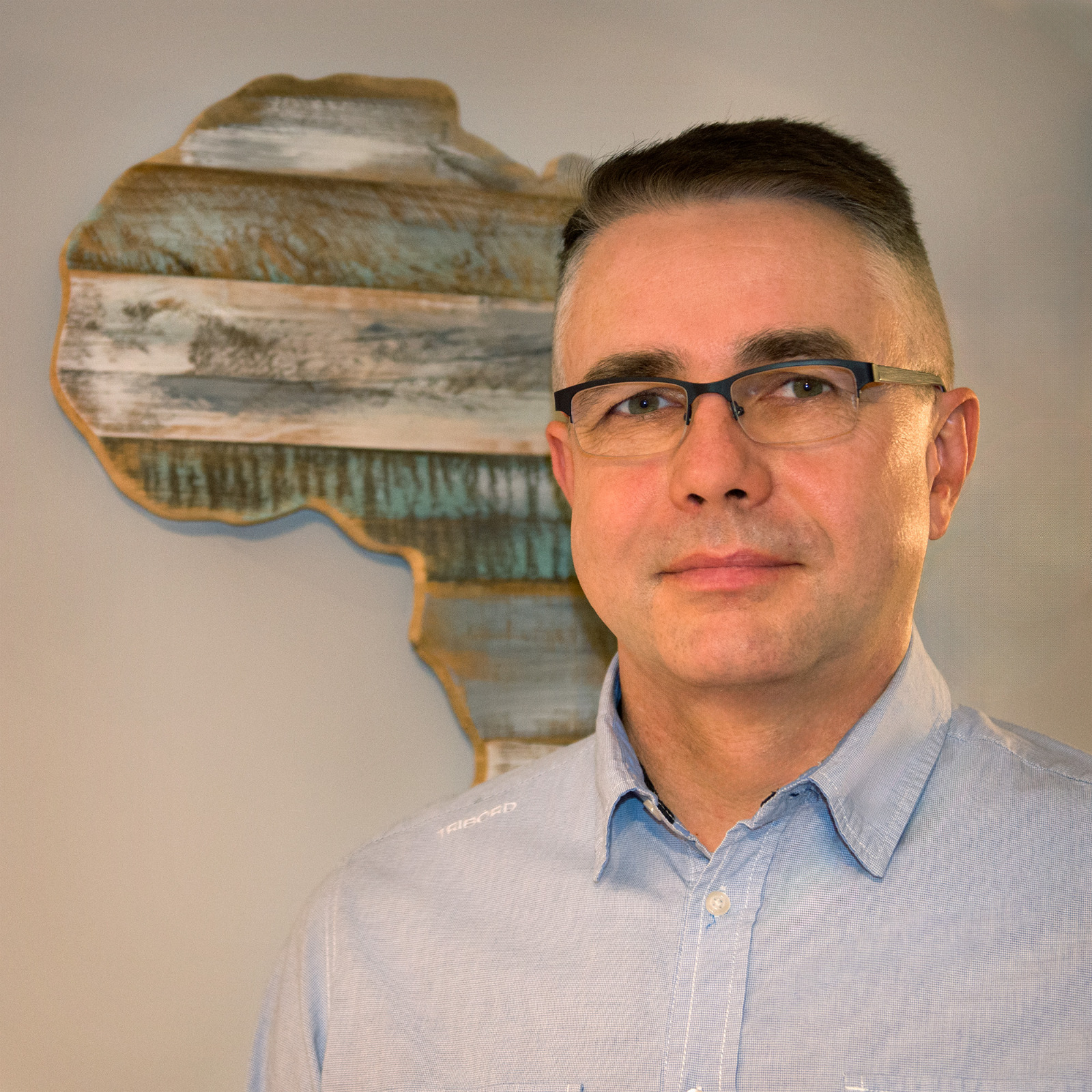
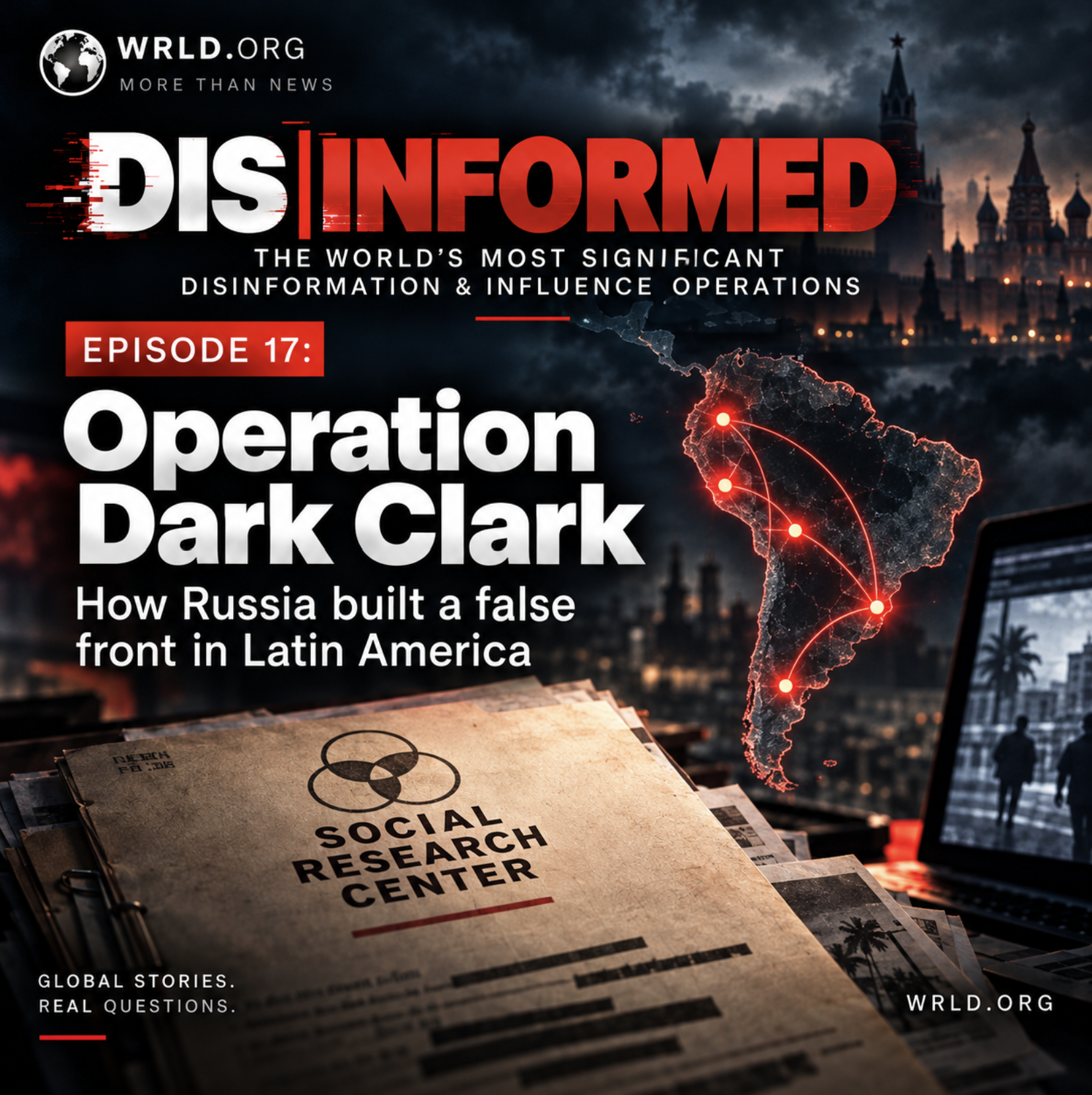
Operation Dark Clark – Russia built a real organisation around a false identity Most influence operations create fake people, fake websites or fake news stories. Operation Dark Clark appears to have gone considerably further: Russian operators built what looked like a functioning research organisation in Latin America, employed real people to produce genuine research and concealed from those employees who was ultimately directing their work. OpenAI disclosed the operation on 8 October after banning a cluster of accounts originating in Russia. The actors used ChatGPT while targeting countries across Latin America, principally to damage Ukraine’s reputation, manipulate domestic political debates and manage a self-described research organisation called the Social Research Center, or SRC. OpenAI assessed Dark Clark as Category Five on the six-level Breakout Scale, the first operation it has disrupted since beginning its influence-operation reporting to reach that level. A front organisation with real employees The SRC presented itself as a research platform studying subjects including Latin America’s relationship with India and the Indian diaspora. OpenAI found more than 60 articles on its website, most of them apparently original rather than plagiarised. Internal reports produced by the Russian operators discussed hiring, dismissals, salary scales, staffing and unfinished research projects, strongly suggesting that the operators controlled the organisation rather than merely collaborating with it. At the centre of the structure was “Mia Clark”, a fictitious identity reportedly used to manage social-media activity and communicate with staff. According to OpenAI, the available evidence indicates that employees working for SRC in Latin America were probably unaware that the organisation was being directed by Russian actors. They interviewed experts, conducted research and wrote papers in what appears to have been good faith. The deception therefore existed primarily at the organisational level: much of the work was real, but the identity and strategic purpose of the institution commissioning it were not. OpenAI This is one reason Dark Clark differs from the familiar model of a troll farm. A reader encountering an SRC paper might be looking at research genuinely written by a Latin American employee based on genuine interviews. The manipulation lies further upstream, in who built the institution, selected its direction and controlled its infrastructure. From forged emails to real events The operation also appears to have attempted something more ambitious than online persuasion: inducing real people to produce events that could later be turned into propaganda. In May 2026, according to the operators’ internal reports, they created an email address impersonating Lima’s regional education authorities and instructed schools to organise activities about Ukraine for a cultural-diversity event. The instructions included references to Stepan Bandera, whose historical legacy remains particularly contentious in Poland and parts of Eastern Europe. The operators claimed that some schools complied, replied to the false address and sent photographs of the events. OpenAI could not independently verify every claim contained in the operators’ reports. It did, however, find Peruvian reporting matching the story, followed by publications in Poland and an English-language outlet in Hungary. Some coverage included comments from a Polish MEP calling for people displaying what he described as anti-Polish attitudes to be declared persona non grata. OpenAI therefore concluded that the fabricated starting point appears to have entered genuine political debate across national borders. The mechanism is unusually effective because the final photographs need not themselves be fabricated. If people can be tricked into staging a real event on the basis of a forged instruction, the operation creates authentic visual evidence of something that was artificially initiated. The same method in Ecuador and Bolivia Dark Clark’s internal reports describe similar efforts elsewhere. In Ecuador, the operators claimed they used a fake education email to encourage schools to stage ceremonies involving President Daniel Noboa and Erik Prince, the former head of Blackwater. Ecuadorian media subsequently covered a matching controversy, and the country’s education minister issued a detailed denial. Other Ecuador-focused material included fabricated audio attributed to Ukraine’s consul and a false television report alleging that Noboa’s government was recruiting Ecuadorians to fight in Ukraine. Local fact-checker Lupa found that the supposed Teleamazonas report had never been broadcast, that images had been taken from Instagram, that the audio was AI-generated and that a company named in a supposed recruitment contract did not exist in Ecuador’s corporate registry. In Bolivia, an internal report described a fake audio recording supposedly made by an employee of state water company EPSAS during anti-government protests. It claimed that water supplies to La Paz would be cut and a state of emergency declared. The allegation produced a fact-check and an official denial. OpenAI says the operators explicitly described their objective as worsening the political crisis surrounding the demonstrations. Possible links to the post-Wagner influence machine Dark Clark did not emerge in a vacuum. The operators repeatedly asked ChatGPT about Politology and La Compania, names associated in previous investigations with the Russian influence apparatus that developed from structures once connected to Yevgeny Prigozhin. Forbidden Stories and its partners obtained 1,431 pages of internal documents describing a network known as “The Company”, which they reported had grown to almost 100 operatives and was conducting influence projects across roughly 30 Global South countries. Their investigation found that the organisation moved under the supervision of Russia’s Foreign Intelligence Service, the SVR, after Prigozhin’s death. Its documented budget for ten months of activity in 2024 was approximately €7.3 million. Two older Argentina campaigns claimed in Dark Clark’s internal reports — a false story about Javier Milei buying Cartier collars for his dogs and the staging of anti-Milei graffiti — had already been independently attributed by investigative journalists to Politology/La Compania. That is significant corroboration, but it is not enough to prove that every Dark Clark activity was run by the same organisational structure. AI was the back office, not the mastermind Perhaps the most important finding concerns artificial intelligence itself. In most documented cases, the Russians were not using ChatGPT to generate the propaganda seen by the public. Their principal use was administrative: drafting reports for an unknown superior, summarising operations, translating material and recording the supposed success of campaigns. Those reports also expose a weakness in the operators’ own measurement. OpenAI found instances in which they tried to claim credit for developments they had probably not caused, suggesting that they were not only attempting to manipulate Latin American audiences but also presenting an inflated picture of their effectiveness to whoever was supervising them. Dark Clark nevertheless broke further into the real world than any influence operation OpenAI had previously disrupted. Under the Brookings framework, Category Five means that an operation has escaped its original network and been amplified by high-profile individuals such as politicians. Dark Clark crossed that threshold because fabricated narratives appear to have provoked governmental denials, mainstream reporting and political comment in several countries. Its most important innovation was therefore not a particularly convincing deepfake. It was the construction of a partly genuine institution around a concealed foreign controller. The research could be real. The employees could be real. The interviews could be real. What was false was who they were ultimately working for. Sources OpenAI — Disrupting AI-enabled “false front” operations https://openai.com/index/disrupting-ai-enabled-false-front-operations/ Forbidden Stories — Propaganda Machine: Russia’s foreign influence strategy across three continents https://forbiddenstories.org/propaganda-machine-secret-documents-reveal-russias-foreign-influence-strategy-across-three-continents/ Forbidden Stories — Ghost Journalists, Cash and Kremlin Scripts: Argentina https://forbiddenstories.org/ghost-journalists-cash-and-kremlin-scripts-how-russian-operatives-tried-to-influence-argentinian-media/ openDemocracy — Russian influence operation in Bolivia https://www.opendemocracy.net/en/russia-bolivia-south-america-putin-evo-morales-wagner-prigozhin-covert-operations-propaganda-disinformation-foreign-interference/ Lupa Media — Fake Teleamazonas report about recruiting Ecuadorians for Ukraine https://lupa.com.ec/verificaciones/noboa-mercenarios-ucrania-ecuador/ Brookings Institution — The Breakout Scale https://www.brookings.edu/articles/the-breakout-scale-measuring-the-impact-of-influence-operations/ Keywords: #DISINFORMED #Episode17 #OperationDarkClark #DarkClark #Russia #LatinAmerica #RussianInfluence #RussianDisinformation #Disinformation #InformationWarfare #InfluenceOperations #ForeignInterference #FIMI #FalseFront #FrontOrganisation #FakeInstitution #SocialResearchCenter #SRC #ArtificialIntelligence #AI #GenerativeAI #ChatGPT #OpenAI #NarrativeManipulation #SourceLaundering #InstitutionalManipulation #ForgedDocuments #FakeAudio #PoliticalInfluence #CovertInfluence #Peru #Ecuador #Bolivia #Argentina #Ukraine #Politology #LaCompania #TheCompany #SVR #WagnerLegacy #PropagandaMachine #GlobalSouth #BreakoutScale #OSINT #MediaManipulation #WRLD
The 13th wrote that Thessaloniki began to resemble Europe, saying that for the first time he saw a Muslim praying in an outdoor space, in the Xarchakos park. He dismissed the concept of inclusion in a vulgar manner. #Συμπερίληψη (translated)

Oliver wrote that BMW had adapted its logo for Pride Month, but not on its homepage in the Middle East. He criticized that when corporate leadership becomes political, it looks bad in many companies. https://t.co/u6EHAsdw7s #Pride #BMW #Diversity (translated)

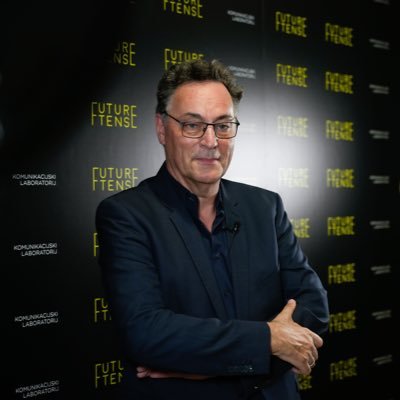
The author praised Albhy Galuten’s Royal Society of Arts article, “The AI Diversity Deficit,” describing it as a strong piece on AI and humanity.
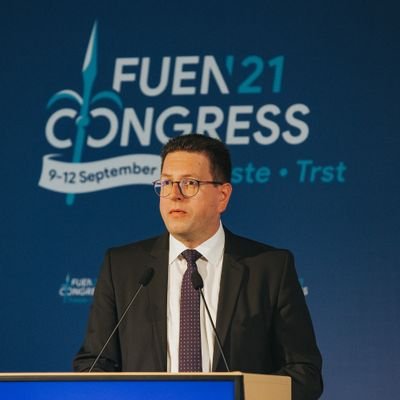
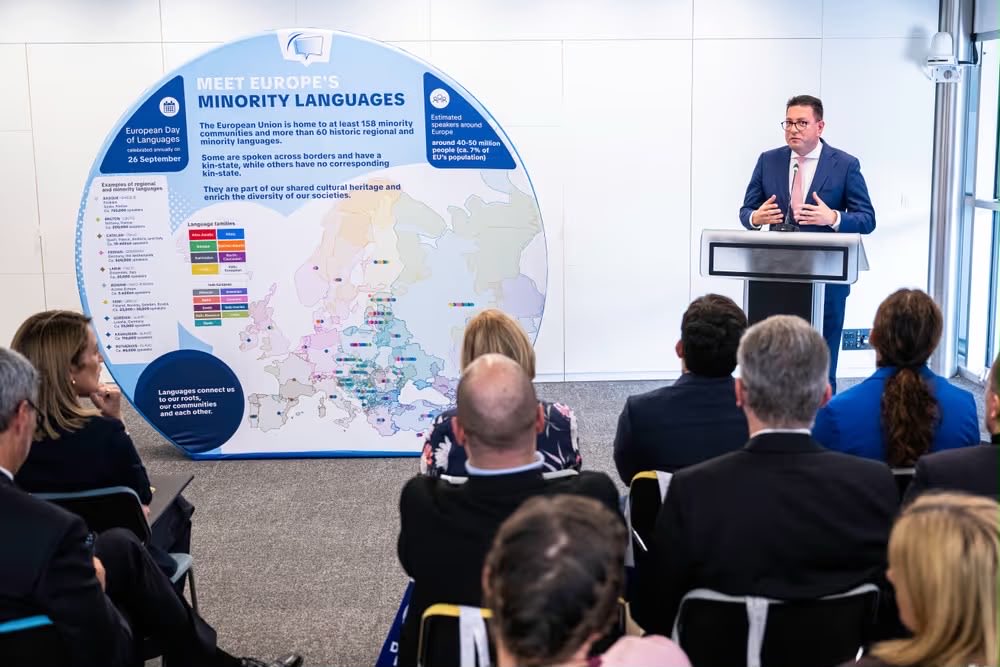
The author said minority languages were part of Europe’s future, not relics of the past. They wrote that they had marked the European Day of Languages at the European Parliament with an exhibition by the Federal Union of European Nationalities (FUEN), and argued that AI should learn to speak all of Europe’s languages. https://t.co/1FhmYeFYkJ #Languages #Europe #Diversity #EU

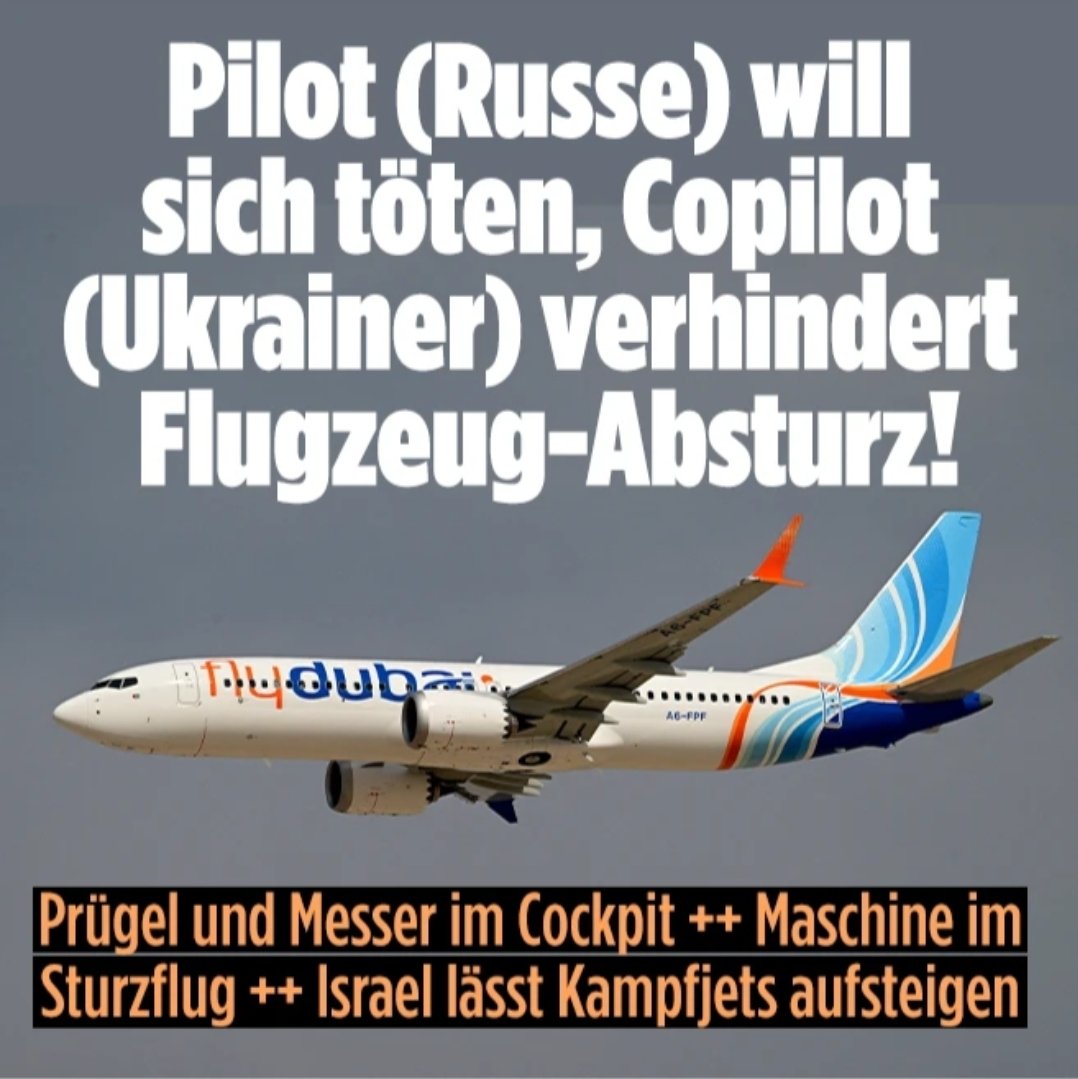
With Israelis on board. We just need an Iranian flight attendant, then we would all be together. https://t.co/i205gmQjsp #Israel #Iran #Diversity (translated)
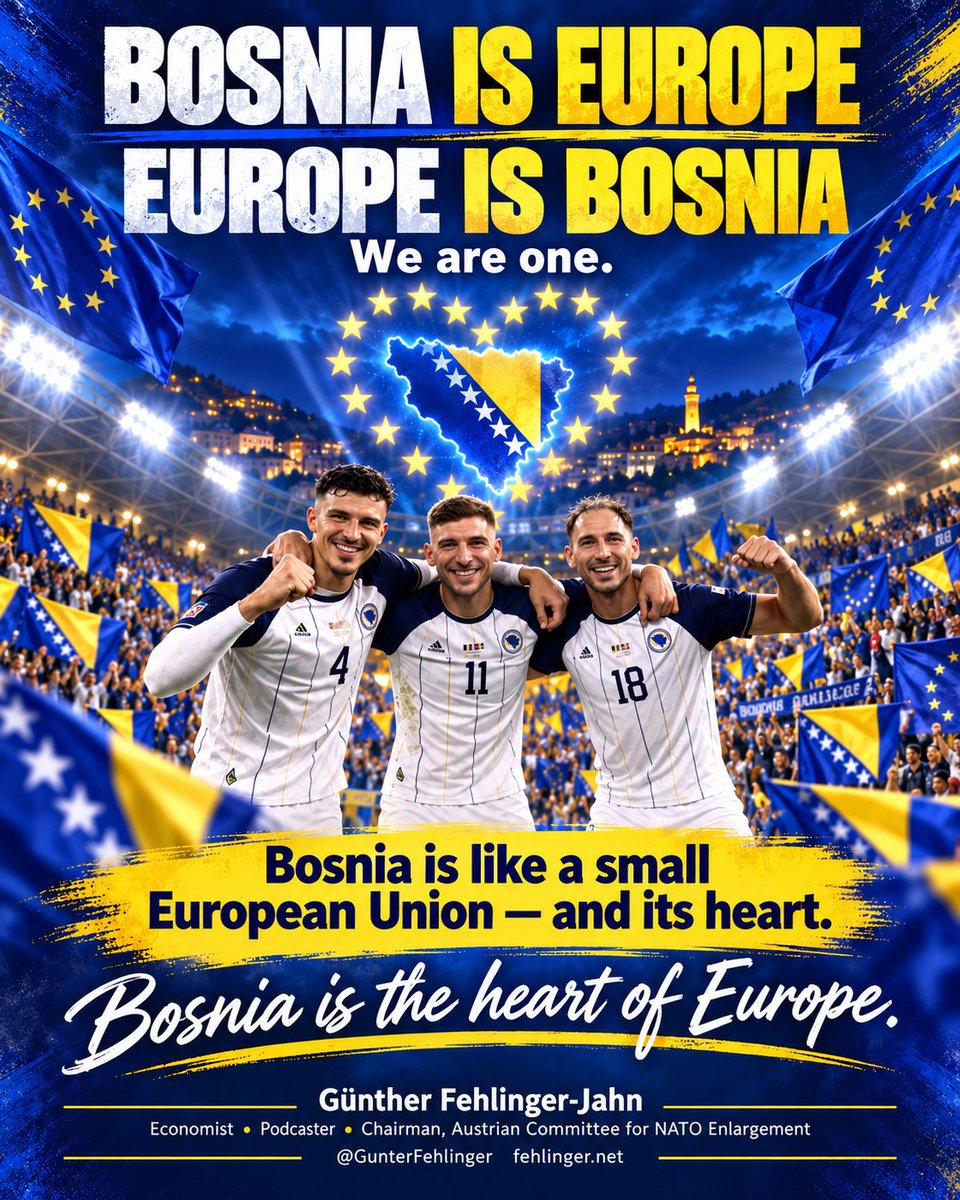
🇧🇦 BOSNIA IS EUROPE. EUROPE IS BOSNIA. 🇪🇺 We are one. Bosnia and Herzegovina is Europe in miniature: Muslims, Catholics, Orthodox Christians and all citizens sharing one country, one future and one European destiny. Its diversity is not a weakness — it is exactly what Europe https://t.co/5oqbqoehIT #Bosnia #Unity #Diversity #BA #EU

'Diversity is our strength' is een typische Young Global Leader uitspraak (zie ook hun 'guiding principles'). Je merkt het aan Jetten en de Trudeau types: dezelfde fabrieksinstellingen, dezelfde inversies van de waarheid. Dezelfde betoverende niksigheid. If the devil were AI... #Diversiteit #Leiderschap #AI

Der WDR empfiehlt eine Seite, auf der man nur Handwerkerinnen und "non-binäre" buchen kann. #OerrBlog https://t.co/HMMrs4ILSR #Handwerk #Diversity #WDR

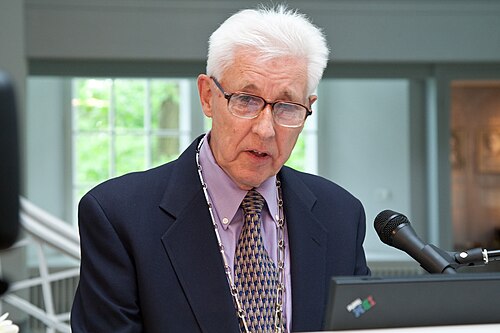
"Enamiku ameeriklaste jaoks hakkab lolluse mõõt Pärsia lahe sõjaga täis saama ning kui demokraadid ei hakka äärmuslike DEI (diversity, equity and inclusion ehk mitmekesisus, võrdsus ja kaasatus - toim) loosungitega pasundama, siis nad võidavad vahevalimised,"Tartu Ülikooli politoloogia emeriitprofessor Rein Taagepera ennustab demokraatide võitu. #Trump #vahevalimised #demokraadid
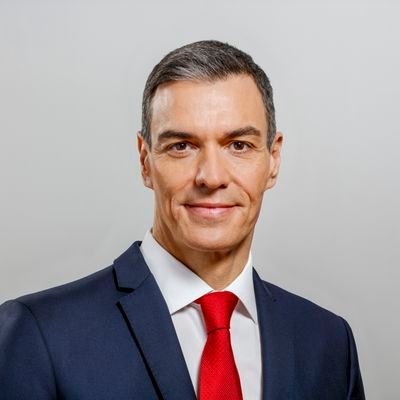
In a world where it can be tempting to work only with those who think like us, we have to do exactly the opposite: broaden our alliances, strengthen collective action, and build more bridges. I spoke with @amanpour on @CNN this week from New York about this and the major #CollectiveAction #DiversityOfThought #BuildBridges #Thetweetdoesnotmentionanyspecificcountries.Thus #therearenocountrycodestoreturn.
Neu gewählte Vertretung im SWR Rundfunkrat erklärt Neopronomen "ey". #OerrBlog https://t.co/vJCtSnHuNN #Neopronomen #Diversity #Inklusion

Jahrzehntelang hat man uns eingeredet: Diversity Matters. Gemischte Teams bringen bessere Leistung. Erfunden hat das McKinsey, mit Daten, die von vornherein zweifelhaft waren. Für die Wirtschaft ist diese These schon länger widerlegt. Quoten, zB für den Aufsichtsrat, verbessern die Performance nicht. Jetzt wackelt sie auch ganz deutlich für die Wissenschaft. Neuste Erkenntnis: Bestenfalls nutzlos, sogar eher schädlich. Hier nachzulesen: https://t.co/xyRYPa7k87 #Diversity #Wirtschaft #Wissenschaft

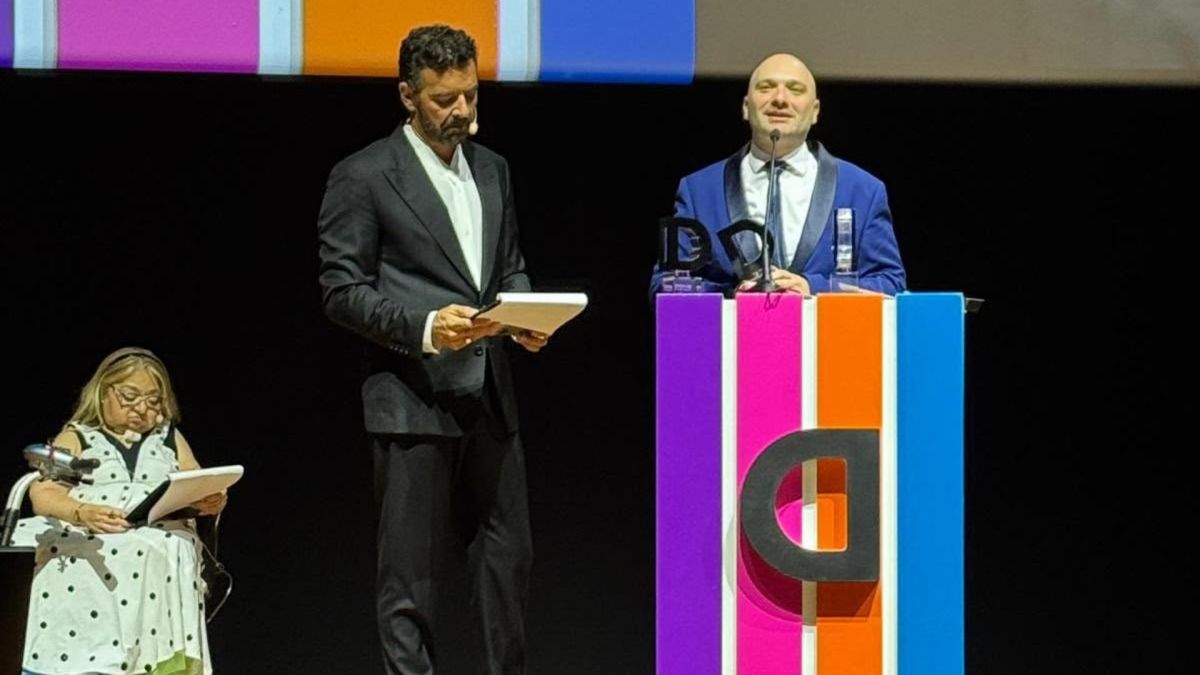
Marina Cuollo, durante i Diversity Media Awards 2026, ha sottolineato l'importanza di dare ai giovani un linguaggio sulla disabilità per superare pregiudizi e paure, invitando a educarli a guardare con maggiore empatia invece di fermarli nel loro interesse. #Disabilità #EducazioneInclusiva #DiversityMediaAwards


Diverse Texas campus bonds in anger after candidate’s racist post — At @UTAustin, Republican Bo French drew widespread, bipartisan condemnation for his attack on South Asian students celebrating their football team’s https://t.co/foDyAZqg3R #Texas #Racism #Diversity #IN
A La Stampa ha vinto il premio Diversity Media Awards 2026 come miglior articolo web per il racconto di Gianni Reinetti e Franco Perrello, la prima coppia unita civilmente a Torino, scritto da Pasquale Quaranta. #DiversityMediaAwards #Inclusione #Giornalismo

Brett Hartl, the government affairs director at the Center for Biological Diversity, said the move "stabs at the very heart of the Endangered Species Act by giving federal approval to the killing of some of America’s most beloved wildlife." #EndangeredSpecies #EnvironmentalProtection #TrumpAdministration