BETA nonprofit public democratic european moderated

Search

#1948

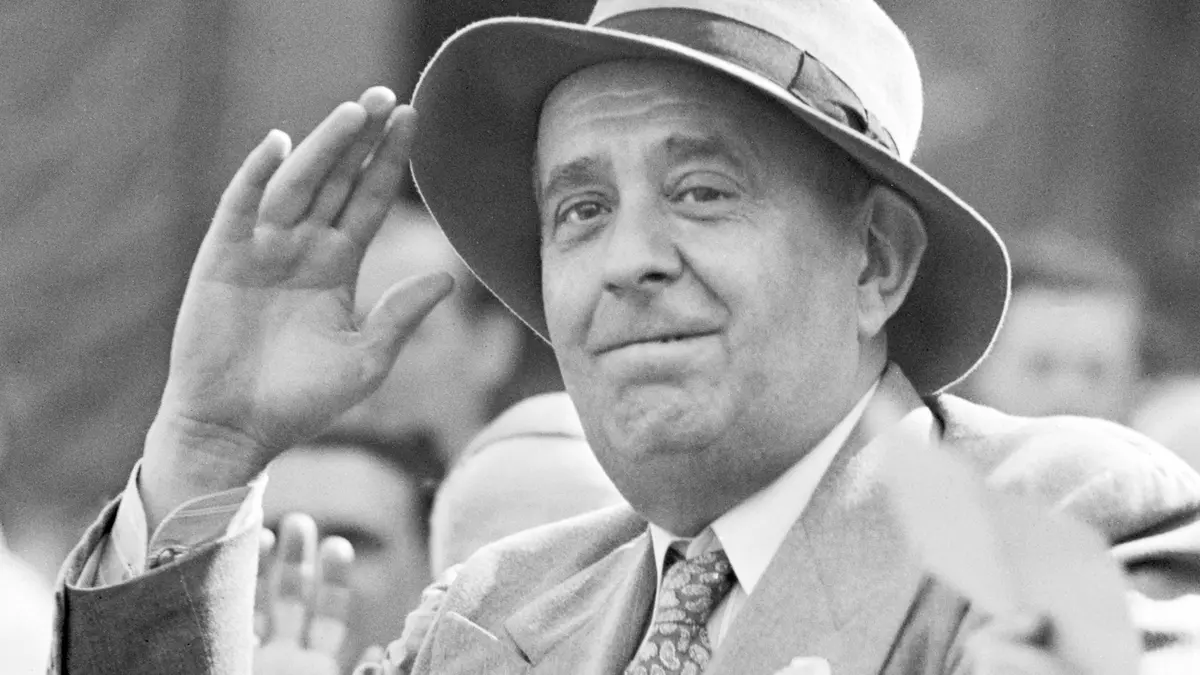
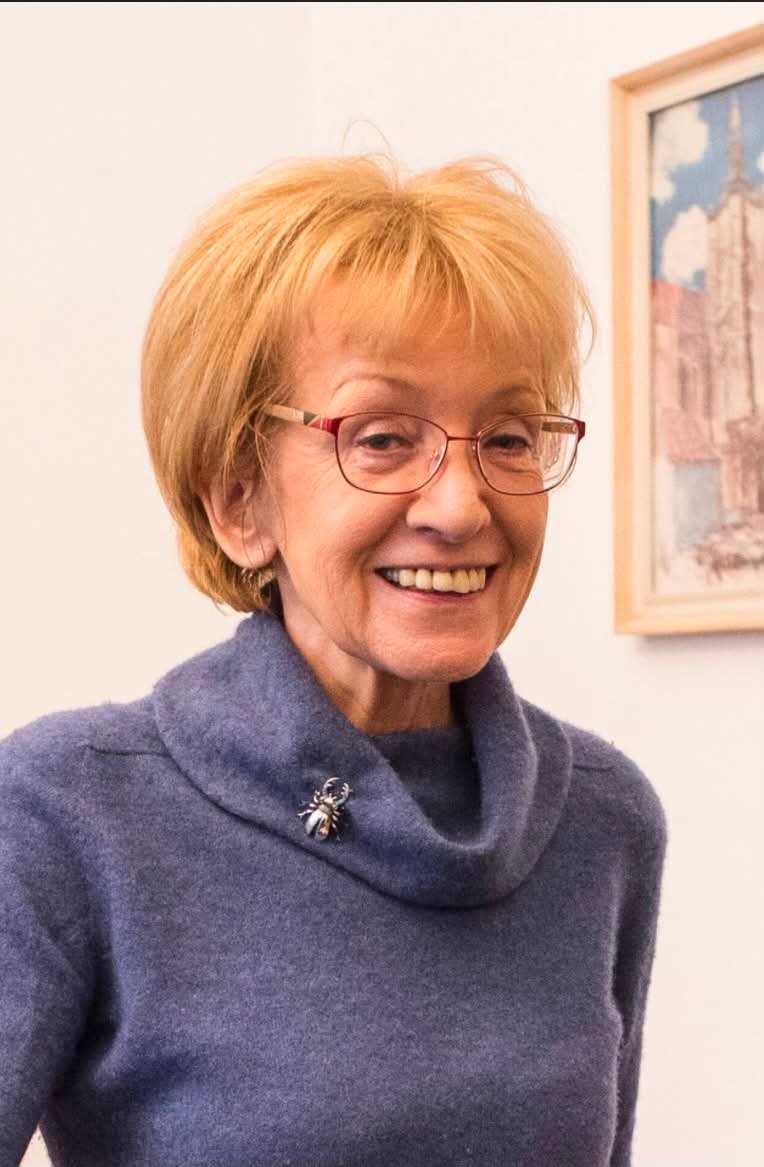
KDYSI POSÍLALI LIDI NA SMRT A STOUPALI ZA TO NAHORU. DNES STAČÍ OBEJÍT SOUD. Helena Válková sedí ve Sněmovně za ANO a od listopadu 2025 předsedá mandátovému a imunitnímu výboru — tomu, který rozhoduje, jestli poslance vydat spravedlnosti, nebo ho před ní schovat. Sedí i v ústavně-právním výboru a v podvýboru pro justici. Ta samá Helena Válková napsala v 70. letech společný odborný text s Josefem Urválkem — prokurátorem, který v roce 1950 poslal na smrt Miladu Horákovou. Když to v lednu 2020 vyplulo, tvrdila, že netušila, kdo Urválek je. Policii ale sama přiznala, že o jeho minulosti věděla nejpozději v roce 1977, dva roky před vydáním toho textu. A letos v únoru policejní Úřad dokumentace a vyšetřování zločinů komunismu uzavřel, že se Urválek na vraždě Horákové podílel vědomě a aktivně. Žena, která psala s Horákové katem, dnes drží klíč od dveří, kterými politik projde k soudu — nebo neprojde. A ten klíč použila okamžitě. Jako předsedkyně mandátového a imunitního výboru hlasovala proti vydání Andreje Babiše k trestnímu stíhání — tedy pro to, aby ho ochránila imunita. Zdůvodnila to tím, že kdyby Babiš nebyl politik, vůbec by stíhán nebyl. Výbor pak doporučil nevydat ani Tomia Okamuru — předsedu Sněmovny, který sám čelí obžalobě za plakáty SPD kvůli podněcování k nenávisti. A Sněmovna 5. března 2026 oba za imunitou schovala. A není v tom sama. Motoristé, třetí strana vlády, udělali ústavní krizi z toho, že prezident odmítl jmenovat ministrem Filipa Turka kvůli jeho výrokům — obvinili hlavu státu z porušení ústavy a Turka protlačili jako vládního zmocněnce. Vzorec je pořád stejný: když nám nevyhovuje soud, obejdeme ho. Když nám nevyhovuje prezident, řekneme, že porušuje ústavu. Když má jít náš člověk před soud, schováme ho za imunitu. A PROTI TOMU STOJÍ ONA Milada Horáková mohla za nacistů mlčet — nemlčela. Po válce mohla odejít — neodešla. Po únoru 1948 se mohla přizpůsobit — nepřizpůsobila se. Zaplatila za to životem: 27. června 1950 ji komunisté po vykonstruovaném procesu pověsili. Bylo jí 48, ostatky rodině nikdy nevydali. Nebyla nepohodlná proto, že byla radikální. Byla nepohodlná proto, že byla konzistentní — a člověk, který drží hodnoty za všech okolností, ukazuje ostatním jejich vlastní kompromisy. Přesně tahle hodnota se dnes ztrácí. Pragmatismus se stal ctností, hodnoty překážkou a moc si obchází spravedlnost jako tehdy. Demokracie přitom nepotřebuje mučedníky na piedestalu. Potřebuje občany, kteří se nenechají koupit. Horáková jím byla. Otázka je, co pro to děláme my. 🇨🇿 Zdroj: ✍️ Ondri Kolin https://t.co/LkzR1kMqdi #spravedlnost #demokracie #historie
Nikdo v Británii nedokáže pochopit, jak se Československo zachovalo ke svým hrdinům z RAF po roce 1948. Tuhle strašnou část našich dějin nikdy nevymažeme. #historie #Československo #RAF

Warum dem Hüber gerade das Wasser bis zum Hals steht. Wenn ein ehemaliger DDR‑Polit-Offizier bei der Übernahme in den Bundesgrenzschutz (heute Bundespolizei) eine hauptamtliche oder inoffizielle Tätigkeit für das Ministerium für Staatssicherheit bewusst verschwiegen hat, liegt eine arglistige Täuschung vor. Nach § 14 Abs. 1 Nr. 1 des Bundesbeamtengesetzes (BBG) ist die Ernennung zum Beamten zwingend mit Wirkung für die Vergangenheit zurückzunehmen, wenn sie durch arglistige Täuschung herbeigeführt wurde. Durch die rückwirkende Aufhebung gilt das Beamtenverhältnis rechtlich als von Anfang an unwirksam. Da nie ein gültiges Beamtenverhältnis existierte, entfällt auch jeglicher Anspruch auf ein Ruhegehalt (Pension). Es gibt keine absolute Verjährungsfrist. Die Überprüfung und Rücknahme ist auch noch Jahrzehnte später, selbst im Ruhestand möglich. Ebenfalls enorm wichtig in diesem Zusammenhang ist der Einigungsvertrag von 1990, in dem Folgendes bindend festgeschrieben wurde: (5) Ein wichtiger Grund für eine außerordentliche Kündigung ist insbesondere dann gegeben, wenn der Arbeitnehmer 1.gegen die Grundsätze der Menschlichkeit oder Rechtsstaatlichkeit verstoßen hat, insbesondere die im Internationalen Pakt über bürgerliche und politische Rechte vom 19. Dezember 1966 gewährleisteten Menschenrechte oder die in der Allgemeinen Erklärung der Menschenrechte vom 10. Dezember 1948 enthaltenen Grundsätze verletzt hat oder 2. für das frühere Ministerium für Staatssicherheit/Amt für nationale Sicherheit tätig war und deshalb ein Festhalten am Arbeitsverhältnis unzumutbar erscheint. Gerichtsverwertbare Beweise, dass er als IM "Paul Schnelle" für die STASI tätig war, scheinen nun vorzuliegen. #Bundespolizei #DDR #Menschenrechte

✨💎 Neste dia, em 1913, nascia Leônidas da Silva, uma das figuras mais importantes da história do São Paulo. O Diamante Negro defendeu o clube de 1942 a 1950 e conquistou os títulos paulistas de 1943, 1945, 1946, 1948 e 1949. Ao todo, foram 211 jogos e 143 gols com a camisa do Tricolor. Leônidas nos deixou em 2004, mas estará para sempre na memória são-paulina. #SPFCpédia#VamosSãoPaulo 🇾🇪 #Leônidas #SPFC #Futebol

From Yale University to Foggia: World Staging Premiere of Umberto Giordano's “Marina” at Foggia's Teatro Umberto Giordano SOURCE: https://www.linkedin.com/pulse/from-yale-university-foggia-world-premi%C3%A8re-scenic-sardella-ph-d--id9de/ SOURCE: https://www.foggiareporter.it/dalla-yale-university-a-foggia-la-prima-mondiale-in-forma-scenica-di-marina-al-teatro-giordano.html (With heartfelt thanks to the distinguished journalist, Dr Christiana Lenoci…) From the Frederick R. Koch Collection of the Beinecke Rare Book and Manuscript Library at Yale University to Foggia. Such is the extraordinary journey of Marina, Umberto Giordano’s first opera, which—after 138 years of oblivion—received its World Première in scenic form on 5 June 2026 at the Umberto Giordano Theatre in Foggia, inaugurating the GIO Festival – Giordano International Opera Festival. This remarkable rediscovery is recalled by Luciano Magaldi Sardella, Contributing Review of Books Critic at the London School of Economics (LSE). The project, conceived by Gianna Fratta and the artistic direction of the GIO Festival, seeks to transform Foggia, the Tavoliere plain, the Monti Dauni and the Gargano into a widespread stage dedicated to the city’s native composer, following the model of the great festivals devoted to Verdi, Rossini and Bellini. The vanished score At the age of twenty‑one, Umberto Giordano entered the Sonzogno Competition in Milan with Marina, a one‑act melodrama. Among seventy‑two competitors, he ranked within the top twelve. The prize was awarded to Pietro Mascagni’s Cavalleria rusticana. Giordano received an honourable mention, withdrew the score, and recycled part of its music in his later Mala Vita (1892). After his death in 1948, the manuscript disappeared and—entirely legally—ended up catalogued and forgotten within Yale’s collection. It was brought back to light by the musicologist and conductor Andreas Gies who, while studying the works of Leoncavallo, identified the autograph score in Yale’s online catalogue. Together with his colleague from San Severo, Emanuele d’Angelo, Gies prepared a rigorous critical edition that restored the work’s readability. Following its absolute première in concert form at the Teatro Dal Verme in Milan in February 2026—the very theatre that witnessed the early steps of Puccini and Leoncavallo—recorded live by Decca Classics with Eleonora Buratto in the title role and Freddie De Tommaso as Giorgio, praised by Gramophone and The Times of London, Marina finally returned home. Foggia reclaims it On 5 June 2026, the Umberto Giordano Theatre hosted the World Première in scenic form. The production was directed by Giandomenico Vaccari, who transposed the action to the era of the First World War; conducted by Matteo Dal Maso, winner of the Donatella Flick LSO Conducting Competition; and featured Valeria Sepe as Marina. A historic event for a city that lends its name to both its Theatre and its Conservatoire, yet until now had been the only among the cities of Italy’s great opera composers without a festival entirely dedicated to its own. The GIO Festival, from 5 to 20 June, unfolded across sixteen days and more than twenty events in seven municipalities of the Capitanata—Foggia, Manfredonia, Peschici, Vieste, Biccari, Roseto Valfortore and Torremaggiore—uniting opera, jazz, cinema and dance. The finale: opera as urban intervention On the evening of 20 June 2026, thirteen lorries arrived in Piazza Cavour in Foggia from Milan. They carried the entire production apparatus of Teatro alla Scala. The square was transformed into an open‑air theatre for Giordano’s Andrea Chénier, conducted by Gianna Fratta and featuring Maria Agresta and Jorge de León, before thousands of citizens. The opera of a revolutionary, erupting into the summer air of the city where Giordano was born. A gesture of proximity theatre demonstrating what a manuscript can achieve: turning a forgotten archive into a driver of economic and touristic development for the region, with Confcommercio’s puzzle‑based itineraries, Giordano‑themed menus, and QR codes featuring a digital avatar of the composer. Marina was lost for 138 years. To bring it back, six months, a library card, and a festival were enough.

From Yale University to Foggia: World Staging Premiere of Umberto Giordano's “Marina” at Foggia's Teatro Umberto Giordano

Dalla Yale University a Foggia: la Prima Mondiale in forma scenica di “Marina” al Teatro Umberto Giordano di Foggia SOURCE: https://www.linkedin.com/pulse/dalla-yale-university-foggia-la-prima-mondiale-forma-sardella-ph-d--jjthe/ SOURCE: https://www.foggiareporter.it/dalla-yale-university-a-foggia-la-prima-mondiale-in-forma-scenica-di-marina-al-teatro-giordano.html (Ringraziando la meravigliosa giornalista dr.ssa Christiana Lenoci...) Dalla Frederick R. Koch Collection della Beinecke Rare Book and Manuscript Library della Yale University a Foggia. È il viaggio incredibile di Marina, la prima opera di Umberto Giordano, che dopo 138 anni di oblio ha avuto la sua prima mondiale in forma scenica il 5 giugno 2026 al Teatro Umberto Giordano di Foggia, come evento di apertura del GIO Festival – Giordano International Opera Festival. A ricordarlo è Luciano Magaldi Sardella, Contributing ” Review of Books” Critic, London School of Economics (LSE). Il progetto è stato ideato da Gianna Fratta e dalla direzione artistica del GIO Festival per trasformare Foggia, il Tavoliere, i Monti Dauni e il Gargano in un palcoscenico diffuso dedicato al compositore foggiano, sul modello dei grandi festival di Verdi, Rossini e Bellini. La partitura scomparsa Il ventunenne Umberto Giordano partecipa al Concorso Sonzogno di Milano con Marina, melodramma in un atto. Su 72 concorrenti, si piazza tra i primi dodici. Il premio va alla Cavalleria rusticana di Pietro Mascagni. Giordano ottiene una menzione d’onore, ritira la partitura e ne ricicla parte della musica nella successiva Mala Vita (1892). Dopo la sua morte, nel 1948, il manoscritto scompare e finisce, del tutto legalmente, catalogato e dimenticato nella collezione di Yale. A riportarla alla luce è stato il musicologo e direttore d’orchestra Andreas Gies che, studiando le opere di Leoncavallo, ha individuato la partitura autografa nel catalogo online di Yale. Insieme al collega sanseverese Emanuele d’Angelo, Gies ha curato una rigorosa edizione critica che ha restituito leggibilità all’opera. Dopo la prima assoluta in forma di concerto al Teatro Dal Verme di Milano nel febbraio 2026 – lo stesso teatro che vide gli esordi di Puccini e Leoncavallo – incisa dal vivo da Decca Classics con Eleonora Buratto nel ruolo del titolo e Freddie De Tommaso come Giorgio, lodata da Gramophone e dal Times di Londra, Marina è finalmente tornata a casa. Foggia se la riprende Il 5 giugno 2026, al Teatro Umberto Giordano, la prima scenica mondiale. Regia di Giandomenico Vaccari, che ha trasposto l’azione all’epoca della Prima Guerra Mondiale, direzione di Matteo Dal Maso, vincitore del Donatella Flick LSO Conducting Competition, e Valeria Sepe nel ruolo di Marina. Un evento storico per una città che dà il nome al suo Teatro e al suo Conservatorio, ma che fino ad oggi era l’unica tra le città dei grandi operisti italiani senza un festival interamente dedicato al suo compositore. Il GIO Festival, dal 5 al 20 giugno, si è diffuso in 16 giorni e oltre 20 eventi in sette comuni della Capitanata – Foggia, Manfredonia, Peschici, Vieste, Biccari, Roseto Valfortore e Torremaggiore – unendo opera, jazz, cinema e danza. Il finale: l’opera come intervento urbano La sera del 20 giugno 2026, tredici tir sono entrati in Piazza Cavour a Foggia da Milano. Trasportavano l’intero apparato produttivo del Teatro alla Scala. La piazza si è trasformata in un teatro a cielo aperto per Andrea Chénier di Umberto Giordano, diretto da Gianna Fratta con Maria Agresta e Jorge de León, davanti a migliaia di cittadini. L’opera di un rivoluzionario, esplosa nell’aria d’estate della città dove Giordano è nato. Un’operazione di teatro di prossimità che ha dimostrato cosa può fare un manoscritto: trasformare un archivio dimenticato in un motore di sviluppo economico e turistico per il territorio, con percorsi a enigmi di Confcommercio, menù a tema giordaniano e QR code con avatar digitale del compositore. Marina è stata perduta per 138 anni. Per riportarla indietro sono bastati sei mesi, una tessera di biblioteca e un festival.

Dalla Yale University a Foggia: la Prima Mondiale in forma scenica di “Marina” al Teatro Umberto Giordano di Foggia

Ich erkläre es für Mitlesende. ▶️ Seit den 1920ern Massaker und Pogrome an Juden durch palästinensische Araber. ▶️ Ab etwa Mitte der 1940er beginnen die Juden sich zu wehren und bildeten Gruppen wie die Hagana oder Irgun. ▶️ 1947: Teilungsplan der UN. Es kommt zum de facto Bürgerkrieg zwischen Juden, Arabern und der britischen Verwaltung. Die Araber akzeptieren keinen jüdischen Staat in ihrer muslimischen Sphäre. ▶️ 1948: Der Staat Israel gründeten sich. In der Nacht seiner Gründung wird er von allen umliegenden arabischen Staaten angegriffen. Er soll sofort zerstört werden. (Palästinakrieg) Jordanien besetzt das sog. Westjordanland und annektiert es später. Es wird offizieller Teil Jordaniens. Der Gazastreifen wird von Ägypten annektiert. ▶️ Das war bis 1967 unbestritten Status Quo. Bis bis die arabischen Staaten erneut Israel angreifen wollten. (Sechstagekrieg) Israel nimmt Syrien die Golanhöhen, Ägypten den Gazastreifen und Jordanien das Westjordanland ab und besetzt es zur eigenen Sicherheit. Im Posting, um das es hier geht, wird behauptet, Israel unterdrücke die Palästinenser seit 80 Jahren. Also seit 1946. Das lässt nur zwei Interpretationen zu. ▶️ Der Urheber ist sich nicht bewusst, dass Israel die Gebiete erst 1967 zum eigenen Schutz besetzt hat und sie vorher zu Ägypten und Jordanien gehörten. ▶️ Der Urheber lehnt die Existenz Israels ab und meint mit der Unterdrückung, dass Israel überhaupt dort existiert. 🔴 Daher war die Frage sehr einfach: Wodurch hat Israel die so genannten Palästinenser "unterdrückt", die von Ägypten und Jordanien unterdrückt wurden? Also präzise in der Zeit von 1948 bis 1967, in denen Israel gar keinen Einfluss auf die Palästinenser hatte. Und das wird mehrfach überheblich und pseudoironisch beantwortet mit dem Hinweis, man solle lesen. Obwohl doch eben die Ausgangsthese fragwürdig ist. Wollen Sie es also nochmal versuchen, oder dürfen wir das jetzt so stehen lassen und davon ausgehen, dass Sie ein Israelhasser und damit ein Antisemit sind? #Israel #Palästinenser #Geschichte

D

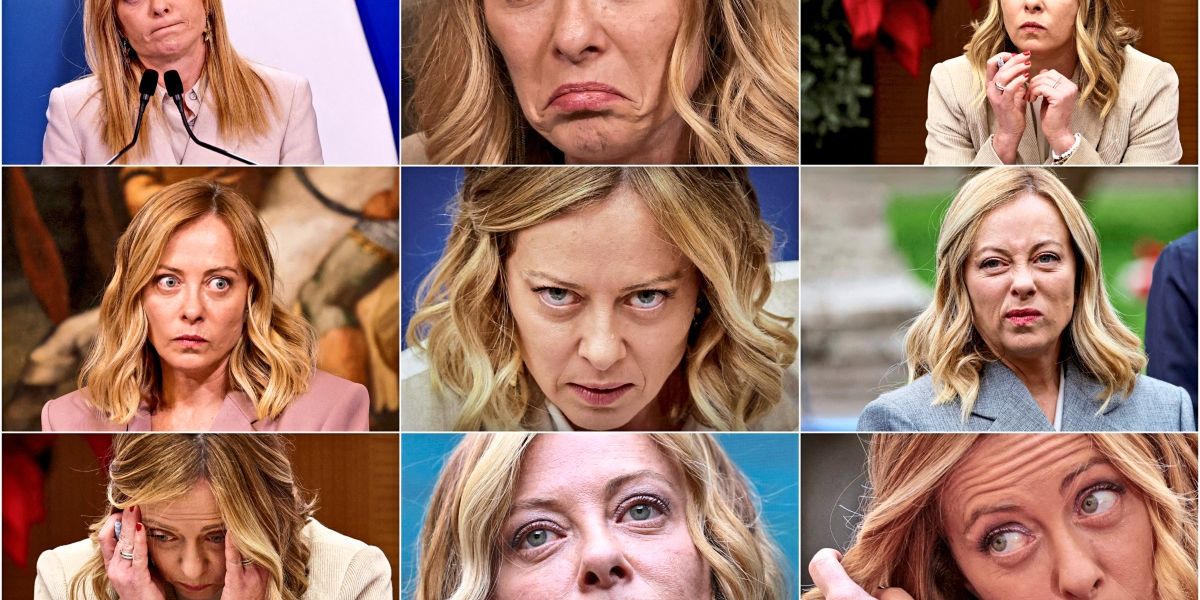
Giorgia Meloni has achieved the longest term as an Italian Prime Minister with 1413 days and is the first woman to lead a government since the founding of the Republic in 1948. (translated)

Giorgia Meloni ist die Rekordhalterin an Italiens Regierungsspitze

The exhumation of Jan Masaryk, which aims to clarify the circumstances of his death in 1948, is part of a broader debate about historical exhumations that have uncovered the truth about significant figures and changed entrenched historical legends. (translated)

Kosti nelžou. Proč exhumace Jana Masaryka může konečně rozetnout spor, který trvá dekády

The police are exhuming the remains of Jan Masaryk to clarify the circumstances of his death in 1948 using modern forensic methods, and the anthropologist expects that they will find not only the skeleton but also preserved soft tissues. (translated)

Exhumace ostatků Jana Masaryka: Nebude tam jen kostra, myslí si antropolog

The police exhumed the remains of Jan Masaryk to investigate his death in 1948 and to determine whether there was any tampering during the autopsy, in an attempt to clarify speculations about his possible murder. (translated)

Pointa N: I kdyby Masaryk nebyl zavražděn, komunisté na jeho smrti mají podíl

The police in the Czech Republic is exhuming the remains of Jan Masaryk in order to investigate possible signs of violence and to dispel speculations about his death, which occurred after falling from a window in 1948 following the communist coup. (translated)

Policie hledá na ostatcích Jana Masaryka známky násilí. Chce zjistit, zda komunisté zmanipulovali pitvu

The police are exhuming the remains of Jan Masaryk from his tomb in Lány to clarify the circumstances of his death in March 1948, when he allegedly committed suicide, while also considering the possibility of murder. (translated)

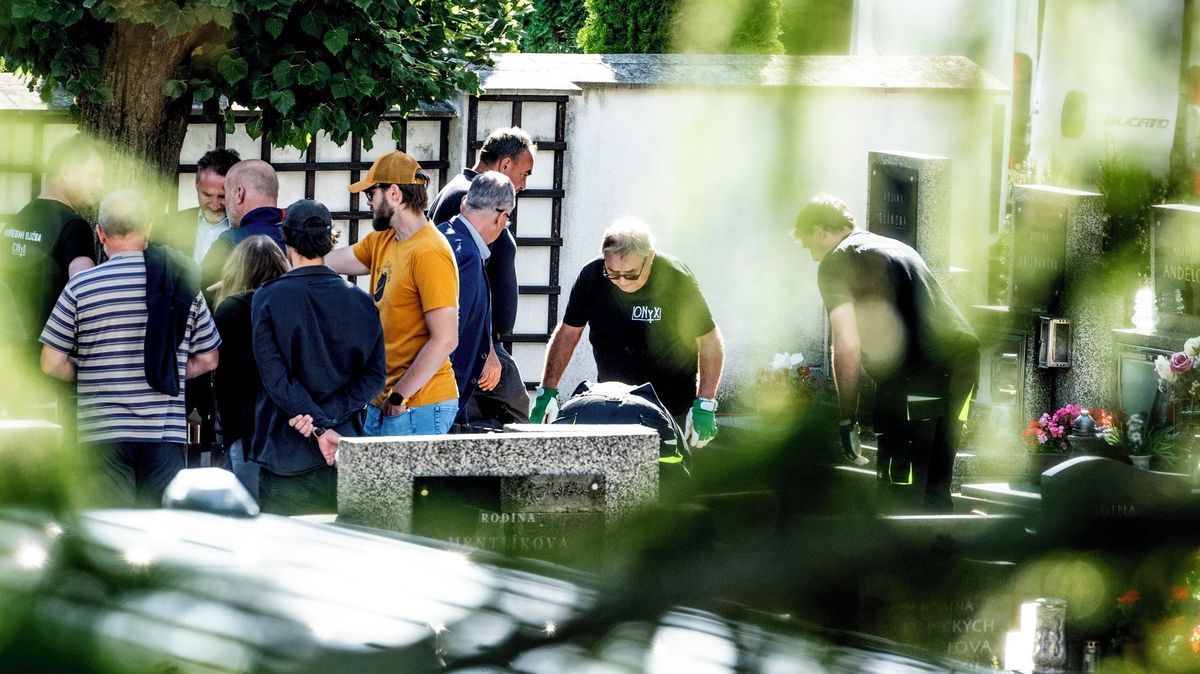
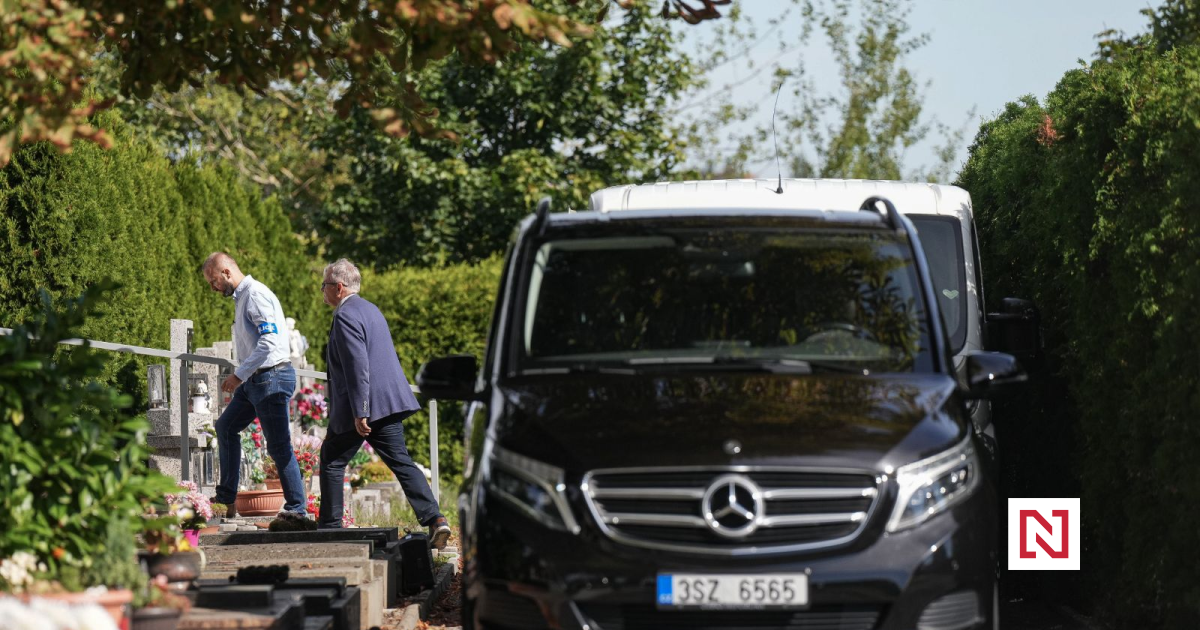
Policie exhumuje ostatky Jana Masaryka, zkoumá okolnosti jeho smrti v roce 1948
T

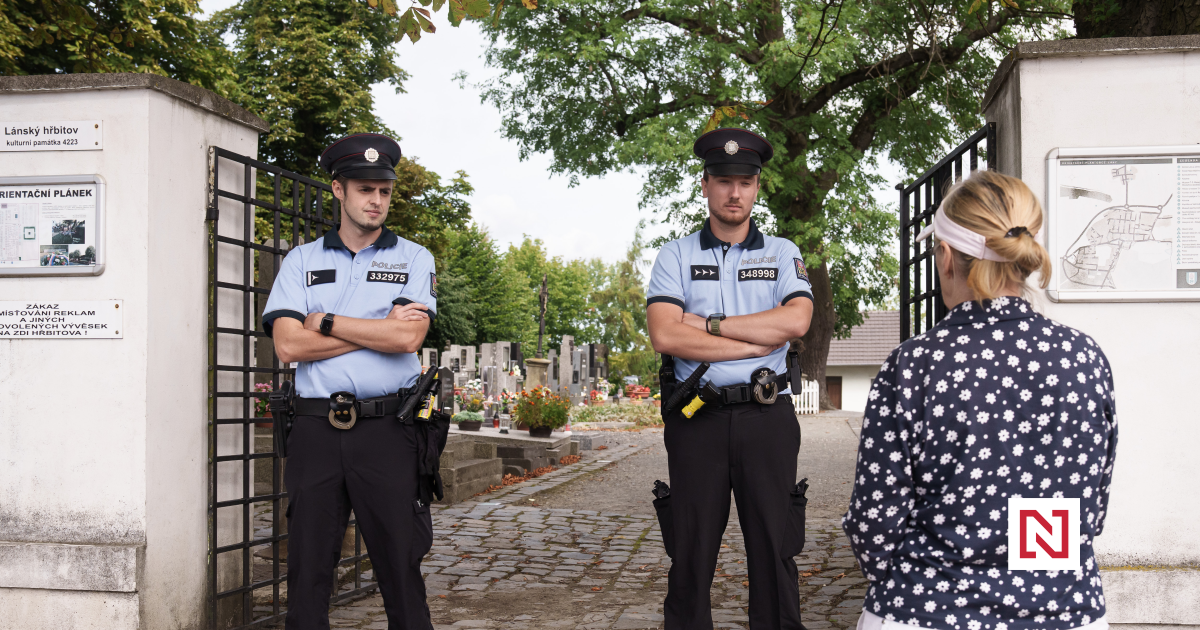
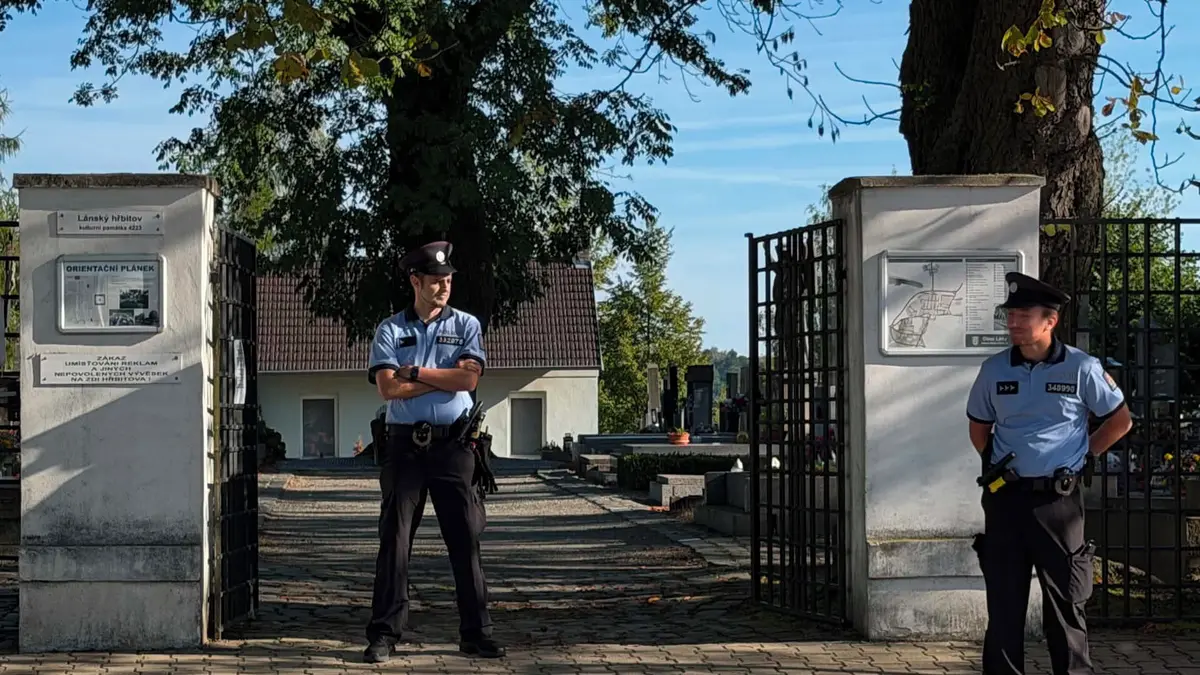
1/2 Dnes na lánském hřbitově provádíme úkony trestního řízení v souvislosti s prověřováním úmrtí Jana Masaryka v roce 1948, které spočívají v exhumaci jeho ostatků a jejich zkoumaní za využití nejmodernějších kriminalistických metod. #historie #kriminalistika #českárepublika

The police are exhuming the remains of former Foreign Minister Jan Masaryk in order to clarify the circumstances of his death in 1948, which according to the official version was a suicide, but the Office for Documentation and Investigation of Communist Crimes is investigating the possibility of murder. (translated)

Policejní odborníci exhumují ostatky někdejšího ministra zahraničí Jana Masaryka
Novinky 2w

The police have initiated the exhumation of the remains of Jan Masaryk at the cemetery in Lány for the purpose of investigating his death in 1948, to dispel speculation about his possible murder, while the official version so far stated suicide. (translated)

Policie exhumuje ostatky Jana Masaryka

THE RED TSAR WANTED ALL BERLIN. 1945: Stalin reached Berlin. But controlling the Soviet occupation zone was not enough. In 1948, Stalin tried to force the Western Allies out of Berlin. The Soviet Union blocked road, rail and water access to the Western sectors of the city. https://t.co/BfqHAEVtQf #Berlin1948 #Stalin #ColdWar #RU #DE

H

Where the Money Goes When the Problem Grows The worst evil is identifying a problem—addiction, illness, hatred—then building an industry to “solve” it. Organizations grow, the problem worsens. Many call this wasted money. Some argue for more funding or stricter oversight. After decades of the same results, a reasonable person should ask whether it’s failure—or the system working as designed. Call it the Caretaker’s Incentive. Three conditions keep problems managed forever: status (praise for “tending” the afflicted), money (budgets rise with the problem and shrink when it improves), and conscience (moral framing shields caretakers from questioning their role). Economist Bruce Yandle described a parallel in “Bootleggers and Baptists.” In Prohibition, moral reformers and profitable bootleggers backed the same policy for different reasons, with virtue providing cover. Today, reformers and funded interests may be the same institution, making corruption harder to spot. When the mission is caring for the elderly, it’s easy to hide fraud behind compassion. Costs spread across millions, benefits concentrate among insiders. No one loses enough to unite against it; insiders gain enough to defend it. The people being paid are awake. The people paying are asleep. C.S. Lewis warned in 1948 that torment for “our own good” can continue endlessly because conscience approves. Corruption is dressed as virtue—and those who object are shamed.

Novinky 3w

The article informs about the planned exhumation of the remains of Jan Masaryk in connection with ambiguities regarding his death in 1948, which was officially classified as suicide, but newly acquired documents suggest the possibility of murder. (translated)

Ostatky Jana Masaryka budou exhumovány

On August 28, 1948, Eleni Gatzogianni is cowardly executed by the communists. What was her "crime"? She wanted to save her children from being taken away. • It has been 41 years since the emblematic film "Eleni," based on the book by her son Nikos. (translated)