BETA nonprofit public democratic european moderated

Search

#clips

Andrés Vaca wrote that there were only minutes left for Messi's last match and that there wouldn't be enough clips and videos to see everything that would be generated. He described the match as unmissable. #Messi #Fútbol #PartidoImperdible (translated)
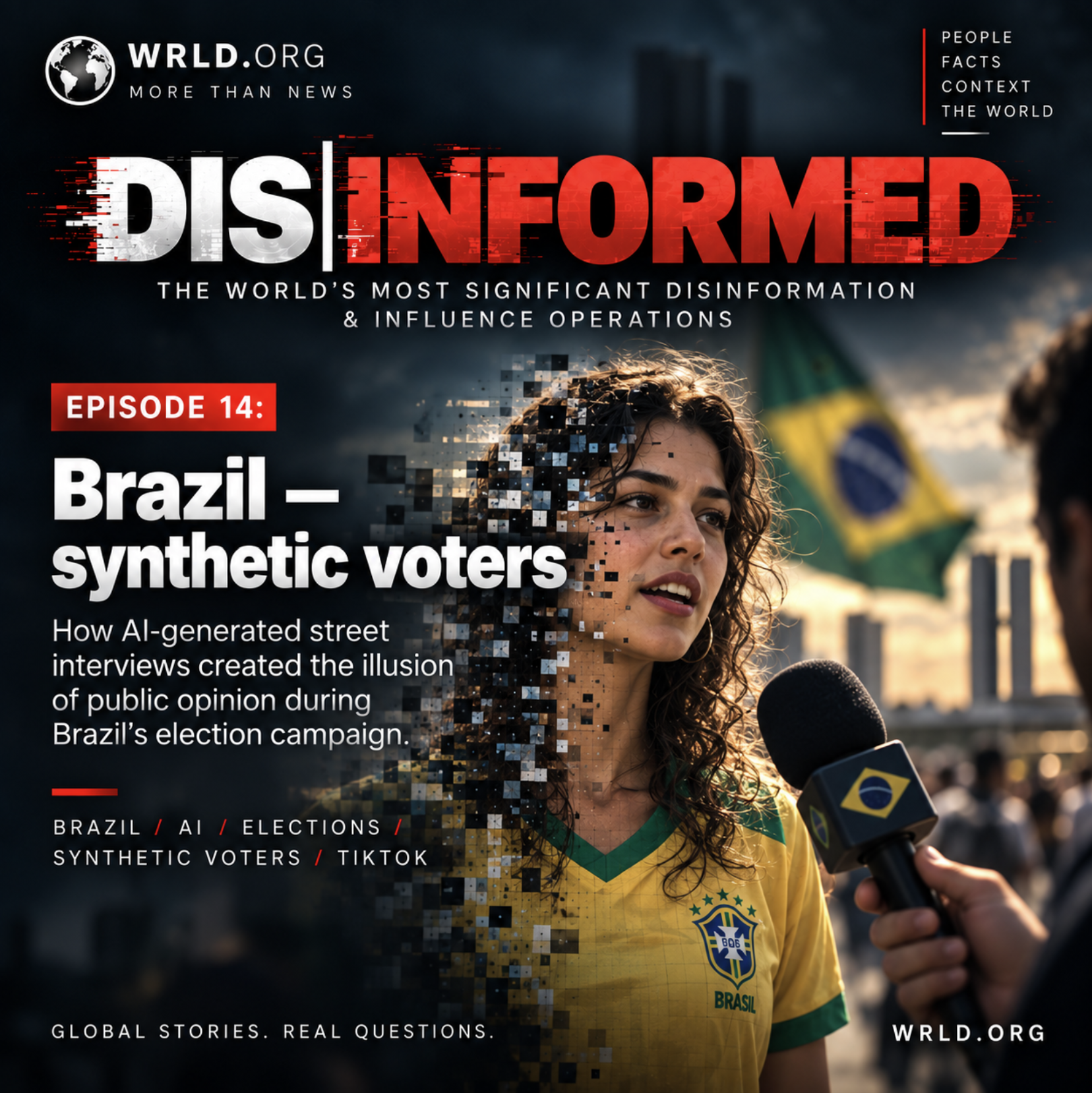
Brazil’s synthetic voters – when AI manufactures public opinion They look like ordinary street interviews. A reporter approaches a passer-by in a Brazilian square and asks a simple question: who will you vote for? A young voter explains why Luiz Inácio Lula da Silva deserves another term. An elderly woman says Brazil needs Flávio Bolsonaro because he represents political renewal and greater security. The locations look plausible, the microphones are visible and the answers sound much like the brief political opinions heard in television vox pops around the world. None of the people are real. Ahead of Brazil’s presidential election on 4 October, fact-checking organisation Aos Fatos identified at least 50 TikTok videos in which artificial intelligence was used to manufacture voters, reporters and apparently spontaneous political interviews. Together, the videos had accumulated around 7.4 million views by mid-August. Some promoted Lula, others Flávio Bolsonaro, while another group used synthetic characters to ridicule or stereotype supporters of one side. Aos Fatos found no apparent evidence linking the accounts producing the videos to either presidential campaign. The opinion poll that never took place The format is important. These were not conventional deepfakes in which a recognisable politician is made to say something he never said. Instead, the creators reproduced the visual language of the vox pop – the short street interview used by broadcasters and social-media creators to illustrate what ordinary people supposedly think. In pro-Lula videos, synthetic voters described themselves as beneficiaries of social programmes or credited the president with improving their lives. In videos supporting Flávio Bolsonaro, artificial interviewees associated him with political renewal, public security and fighting corruption. Other clips were openly hostile: AI-generated characters presented as poor or living in parts of Brazil’s north-east were shown in dirty clothes or run-down surroundings, declaring support for Lula because they supposedly preferred welfare payments to work. The deception is therefore subtler than fabricating a candidate’s statement. It manufactures something that political communication normally treats as evidence of public sentiment. A real vox pop may be unscientific, but the people interviewed at least exist. These videos created the appearance that identifiable social groups – young people, pensioners, welfare recipients or residents of particular regions – were spontaneously expressing political preferences when no such encounters had taken place. An electoral-law specialist interviewed by Aos Fatos described the technique as the fabrication of a “social fact that never occurred”. That captures the central innovation: AI is being used not merely to falsify political speech, but to manufacture the impression of grassroots opinion. Fifty videos, but not one proven network The available evidence does not support describing the 50 posts as a centrally controlled influence operation. Aos Fatos located them through TikTok searches and recommendations produced by the platform itself, then examined the accounts responsible for publication. Most had relatively small individual audiences, although their combined reach was substantial. The first examples identified by the investigation appeared as early as March 2026. Activity increased in June and was concentrated particularly in July and the first half of August as Brazil’s election calendar intensified. Some accounts specialised in AI-generated videos generally, including fabricated podcast-style material. Others were explicitly political or supportive of a candidate, but Aos Fatos found no apparent links between those profiles and the official Lula or Bolsonaro campaigns. That distinction is essential. The evidence demonstrates a common technique and a shared political environment, not a single command structure. Some creators may have been motivated by ideology, others by engagement or monetisation. Publicly available evidence does not establish who commissioned the individual videos or whether any coordination existed between the accounts. This decentralised model also creates a different enforcement problem from a traditional bot network. There may be no headquarters to expose and no infrastructure whose removal disables the entire operation. The format itself can be copied by anyone with access to inexpensive generative-video tools. When the algorithm mixes real and synthetic citizens Aos Fatos documented another important feature of the phenomenon: TikTok’s recommendation system placed AI-generated interviews alongside genuine street interviews. For a user scrolling quickly through the platform, the transition between an authentic citizen and an entirely fabricated one could therefore be almost invisible. In 18 per cent of the 50 videos analysed, there was no indication that the people shown had been generated using AI. After Aos Fatos provided TikTok with the videos, the company said it had removed all of them for violating its rules on edited and AI-generated media. TikTok said its policies require creators to identify synthetic content and prohibit manipulated media capable of misleading users about matters of public importance or impersonating genuine journalistic material. The issue extends beyond one platform. Factchequeado’s review of Brazil’s 2026 election campaign found that synthetic endorsements and other deepfakes had become one of the most visible forms of AI-assisted electoral misinformation, alongside fabricated candidate statements and invented scenes. Brazil already had rules for synthetic politics Brazil entered the campaign with unusually detailed electoral rules governing artificial intelligence. The Superior Electoral Court, the TSE, requires electoral propaganda using synthetic multimedia to disclose clearly that AI was used. More importantly for the fake-voter videos, its rules prohibit synthetic audio or video used to favour or harm a candidacy when it creates or alters the image or voice of a living, deceased or fictitious person. The difficulty is attribution and enforcement. When a synthetic video is published by an official campaign, responsibility can be relatively straightforward to investigate. When it comes from an apparently independent account with no demonstrated relationship to a candidate, lawyers interviewed by Aos Fatos said responsibility is more likely to fall on the individual creator, while imposing electoral sanctions on a campaign would require evidence of a connection. For the final 72 hours before the election and the 24 hours following it, the TSE has imposed additional restrictions on newly published or republished synthetic material involving candidates or public figures, reflecting the particular difficulty of correcting fabricated content immediately before voting. From deepfake politicians to synthetic electorates The Brazilian case illustrates a broader change in political manipulation. The first generation of electoral deepfakes concentrated on famous people: make a politician appear to say something damaging, or fabricate an endorsement from a celebrity. Synthetic vox pops reverse the perspective. The politician can remain completely authentic; it is the electorate around the politician that is fabricated. That changes the psychological proposition of the message. Instead of saying the candidate believes this, the video suggests people like you believe this. Age, clothing, accent, neighbourhood and social class can all be generated to construct an artificial constituency around almost any political claim. There is no evidence that the 50 Brazilian videos identified by Aos Fatos constitute a single centrally directed campaign, nor evidence that they changed voting intentions. What they demonstrate is a technique whose barrier to entry has become extremely low. AI no longer needs to forge the politician. #DISINFORMED #Episode14 #Brazil #BrazilElection2026 #Elections #ElectionDisinformation #ArtificialIntelligence #AI #GenerativeAI #SyntheticVoters #SyntheticMedia #AIAvatars #AIGeneratedVideo #VoxPop #FakeInterviews #Astroturfing #AIPropaganda #PoliticalDisinformation #InfluenceOperations #InformationWarfare #SocialMediaManipulation #TikTok #PublicOpinion #ManufacturedConsent #SyntheticPublicOpinion #DigitalInfluence #Deepfakes #ElectionIntegrity #TSE #AosFatos #FactChecking #OSINT #MediaManipulation #WRLD (translated)

Eleitores gerados por IA fazem campanha no TikTok e põem em xeque regra do TSE

Maul used vulgar language regarding accounts that published out-of-context Twitch excerpts or sought to generate engagement. He added that no one would click on their BoursoBank links. #Twitch #HorsContexte #EngagementFarming (translated)

M8 Shun wrote that he felt some people harbored strong hostility towards M8, which he attributed perhaps to jealousy or fear. He stated that the club had been criticized for three years, especially due to clips taken out of context, and that its leaders and fans were the target of insults or accusations of racism, with some supporters also depicted as 12-year-old children. He added that Gentlemates would continue to grow and become the largest esports club in the world. Despite sporting and extra-sporting difficulties, he wrote, true fans would remain present. #M8WIN #Esport #M8WIN #Gentlemates (translated)

Tam 3d

Tam wrote that he found this man almost masochistic: according to him, he knew that questions would be asked of him and that he would respond, all while knowing that his answers would then be disseminated in the form of excerpts taken out of context. Tam added that he nonetheless agreed to the exercise each time. #masochisme #questions #réponses (translated)

💀 I STARTED STREAM 💀 DEDSAFIO DAY 9. TODAY WE GO TO SPACE. INCREDIBLE DAY. WE SEE CLIPS, VIDEOS, AND MORE. https://t.co/8zsigup9Z3 #streaming #videos #españo (translated)

You are constantly offending me, starting from your refusal to shake my hand. I consider that to be a basic human gesture. Generals are at war with each other and still shake hands. in previous election campaigns N1 would not even allow us to have paid promo clips (in their programme), that is how objective you were. I wasn't thrilled about coming now either, remembering how your television tried to dehumanise my friend and my president. You criminalised him. I could hear in your programme that he was the product of a viper's nest. I came because Aleksandar Vucic insisted. You changed your owner and the man said let's give them a chance, let the people see how unbiased you are. #SerbiaElections #PoliticalDebate #MediaAndPolitics

Serbia's politicians return to TV debates ahead of parliamentary election
www.euronews.com

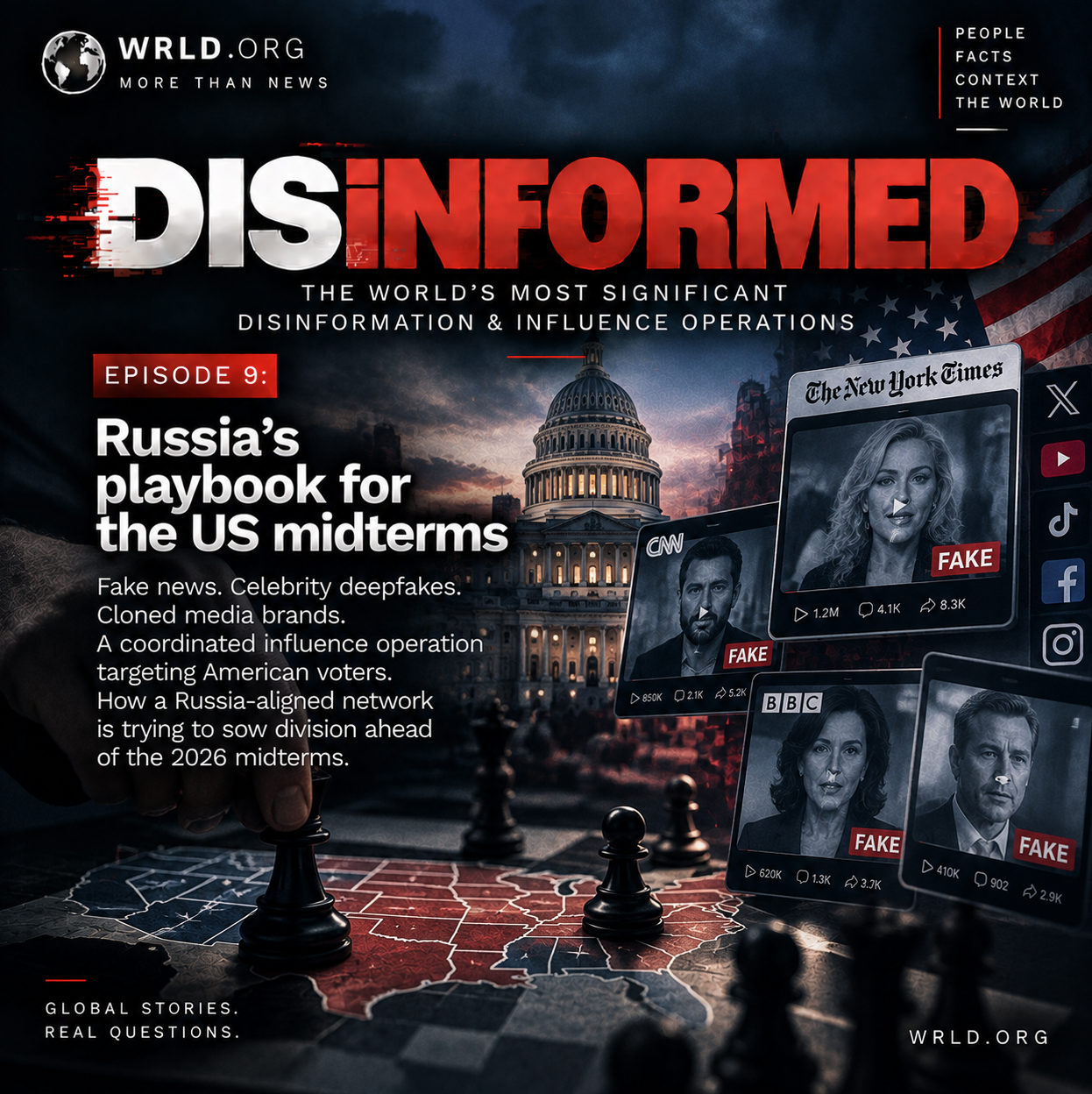
Russia’s influence operation arrives ahead of the US midterms With weeks remaining before America's November midterm elections, a familiar type of content has begun appearing online. Videos resembling reports from CNN, the BBC and The New York Times accuse candidates of corruption, antisemitism and misconduct. Hollywood actors appear to denounce Democrats. Other clips claim that warnings about Russian interference are themselves a Democratic disinformation campaign. The reports are fabricated. Graphika, which tracks online influence operations, says it has identified a coordinated campaign targeting candidates in competitive US Senate races. It assesses with high confidence that the material was produced by Operation Overload, also known as Matryoshka – a long-running Russia-aligned influence operation previously active against elections and political debates in Europe and the United States. The activity coincides with a broader warning from American intelligence officials. Classified assessments reported by The New York Times conclude that the Kremlin has authorised another digital influence campaign ahead of the 2026 midterms, aimed primarily at exploiting existing divisions and undermining confidence in American democracy. There is an important distinction. US officials have not reported evidence that Russia is attempting to manipulate voting machines or alter the counting of votes. The operation is about influencing the information environment surrounding the election. Fake scandals for competitive Senate races Graphika traced a concentrated wave of activity between 10 and 14 September. Likely inauthentic or repurposed accounts distributed videos accusing Democratic politicians of corruption, antisemitism and other misconduct. The targets included Senator Jon Ossoff in Georgia, Representative Chris Pappas in New Hampshire and Texas state representative James Talarico, as well as Senate candidates Sherrod Brown in Ohio, Roy Cooper in North Carolina, Mary Peltola in Alaska, Abdul El-Sayed in Michigan, Joshua Turek in Iowa and Troy Jackson in Maine. The selection was not random. These were politicians involved in Senate contests where the result could matter to control of the chamber. The campaign did not rely on a single political narrative. Instead, it attached different accusations to different candidates – corruption, social issues, antisemitism or personal misconduct – while maintaining a consistent production and distribution model. That model is characteristic of Matryoshka: create apparently independent pieces of evidence, disguise them as journalism and distribute them through networks of disposable accounts. Hollywood celebrities who never said what the videos claimed One of the campaign's more distinctive techniques involved genuine footage of American actors. Videos featuring celebrities including Sarah Jessica Parker and Julia Roberts were altered with captions and other material to suggest they were promoting the slogan #AllDemocratsAreCriminals. The technique continued in subsequent material. Fact-checkers identified fabricated New York Times-branded videos using footage of Alyssa Milano, Sean Astin, Rachael Harris, Leonardo DiCaprio, Eric Braeden, Annie Potts and Patrick Fabian. Some of the original footage came from Cameo, where actors record personalised video messages. Their authentic images were retained while fabricated audio, captions or surrounding material changed the meaning entirely. Lead Stories compared several of the clips with the originals and found that the supposed political statements did not appear in the genuine recordings. Eric Braeden's representative separately confirmed that the claim he had joined the anti-Democratic campaign was false. The advantage of the technique is straightforward. Generative AI does not need to create a convincing celebrity from nothing. The operator can begin with authentic footage of a recognisable person and manipulate only the elements necessary to manufacture a political statement. Stealing the authority of real newsrooms Celebrity impersonation was only one layer. The operation repeatedly borrowed the visual identity of established media organisations. Graphika identified material impersonating or falsely citing the BBC, CNN and Politico, alongside references to France's VIGINUM foreign-interference agency and journalist Brandy Zadrozny. Other material reproduced New York Times-style branding. Some fabricated reports made an unusual claim: that Democrats themselves were organising disinformation or “false-flag operations” and then blaming Russia. This creates a defensive layer around the influence operation. Instead of merely distributing false political allegations, the campaign also attempts to discredit future reporting about the manipulation itself. If successful, evidence exposing foreign interference can be reframed as part of the conspiracy. Graphika says it assesses with high confidence that Operation Overload produced these videos. The technique is well established. Earlier investigations by CheckFirst and Reset Tech documented hundreds of falsified pieces of content produced by Operation Overload, often impersonating journalists, institutions and major media brands. AI-generated or manipulated material has increasingly become part of that production system. What US intelligence says Russia is trying to achieve The broader strategic picture comes from American intelligence assessments reported on 18 September. According to US officials familiar with classified findings, the Kremlin has authorised a covert digital influence campaign aimed at Americans during the 2026 election season. Its apparent objective is to seed or amplify domestic divisions and weaken confidence in the political process. Some officials described the principal aim as creating disorder rather than helping a single political party. The publicly identified Matryoshka material examined so far, however, has targeted Democratic candidates. Those two findings should not be treated as contradictory. An operation can exploit partisan divisions while serving the broader objective of making the electoral system appear corrupt, chaotic or illegitimate. US officials also reportedly assess the current Russian campaign as less extensive or coordinated than some previous election operations. Moscow is considered less focused on congressional elections than presidential contests and remains heavily occupied by its war against Ukraine. Russia has denied previous US accusations of election interference. An operation with limited reach – so far There is another reason for caution: producing large quantities of disinformation is not the same as successfully influencing voters. Matryoshka has repeatedly demonstrated an ability to manufacture content at industrial speed, but much of its material receives little genuine engagement. Researchers monitoring the network have previously warned against confusing automated distribution and platform view counts with authentic audience penetration. There are exceptions. A fabricated New York Times-style video featuring Jamie Lee Curtis had accumulated nearly 200,000 views on X by the end of 17 September, according to reporting by The New York Times. Other pieces attracted considerably less attention. There is currently no public evidence demonstrating that the campaign has changed voting intentions or will affect election results. What the September activity demonstrates is something narrower but important: a Russia-aligned influence infrastructure previously used against European elections has now turned significant attention towards the American midterms. The basic method has changed little – impersonate trusted media, manufacture scandals and use networks of inauthentic accounts to distribute them. What has changed is the production technology. Authentic celebrity footage, synthetic voices, manipulated video and rapidly generated fake journalism allow the same operation to produce more tailored material for more candidates at lower cost. The objective does not require Americans to believe every fabrication. Creating uncertainty over which videos, news reports and public statements are authentic can itself degrade trust in the information environment surrounding an election. Sources - Graphika — Russia-Aligned Influence Operation Targets US Midterm Candidates, German State Elections https://www.graphika.com/insights/russia-aligned-influence-operation-targets-us-midterm-candidates-german-state-elections - The New York Times — Russia Aims to Inject Chaos Into Elections, U.S. Intelligence Finds https://www.nytimes.com/2026/09/18/us/politics/russia-election-disinformation-us-intelligence.html - Kathimerini / The New York Times — Russia Aims to Inject Chaos Into Elections https://www.ekathimerini.com/nytimes/1315792/russia-aims-to-inject-chaos-into-elections-us-intelligence-finds/ - CheckFirst — Operation Overload: An AI-fuelled escalation of the Kremlin-linked propaganda effort https://checkfirst.network/operation-overload-an-ai-fuelled-escalation-of-the-kremlin-linked-propaganda-effort/ - CheckFirst — Operation Overload targeting the US election https://checkfirst.network/operation-overload-a-growing-disinformation-threat-now-targeting-the-u-s-presidential-election/ - Lead Stories — Fake NYT videos: Alyssa Milano, Rachael Harris and Sean Astin https://leadstories.com/hoax-alert/2026/09/fact-check-fake-new-york-times-videos-of-alyssa-milano-rachael-harris-sean-astin-falsely-claim-they-support-all-democrats-are-criminals.html - Lead Stories — Fake NYT videos: Leonardo DiCaprio, Eric Braeden and other celebrities https://leadstories.com/hoax-alert/2026/09/fact-check-fake-new-york-times-videos-of-leonardo-dicaprio-eric-braeden-other-celebs-falsely-claim-they-support-all-democrats-are-criminals.html - Brennan Center for Justice — AI Is Changing Foreign Election Influence https://www.brennancenter.org/our-work/analysis-opinion/ai-changing-foreign-election-influence - ODNI — previous US intelligence assessment of foreign election information operations https://www.dni.gov/files/ODNI/documents/assessments/NICM-Declassified-Foreign-Threats-to-US-Elections-After-Voting-Ends-in-2024.pdf - FBI / ODNI / CISA — previous joint assessment of Russian election influence operations https://www.fbi.gov/news/press-releases/joint-odni-fbi-and-cisa-statement-110424 #DISINFORMED #Episode9 #Russia #UnitedStates #USMidterms #Midterms2026 #USElections #ElectionInterference #ForeignInterference #RussianInfluence #RussianDisinformation #OperationOverload #Matryoshka #Disinformation #InformationWarfare #InfluenceOperations #FIMI #ArtificialIntelligence #AI #AIPropaganda #Deepfakes #SyntheticMedia #MediaImpersonation #FakeMedia #FakeNews #PoliticalDisinformation #CelebrityDeepfakes #SocialMediaManipulation #DigitalInfluence #ElectionSecurity #CognitiveWarfare #Graphika #OSINT #Democracy #WRLD

Russia-Aligned Influence Operation Targets US Midterm Candidates, German State Elections | Graphika
elded 2w

Mañana hablo un poquito más de esto pero esta quejita de que los clips no son los mejores o no les gustan pues ya me tiene un poco hasta la verga. No solo les doy la serie 30 días, APARTE les hago el trabajo fácil y compilamos los clips para tenerlos JUSTO cuando acaba el día y que tengan aún más contenido para ver. Obvio esto también me ayuda a mí pero recopilar clips de 100 canales, es casi imposible y aún se intenta. Que si faltan algunos? Claro, por eso cuando yo reacciono le pido al chat los que faltaron. Quejarse y no aportar nada es casi una burla. Streamers por favor paren con esta narrativa y si tienen un clip que quieren aportar pueden contactar con @EseGreen_ #streaming #contenido #comunidad

S

Bebeshita atacada con Natalia en modo Gomita es de mis clips favoritos de la temporada. ELLA está haciendo un concurso icónico y no lo valoran 😅😭 #LaGranjaVPMx #LaGranjaVIPMx https://t.co/ZWDpNMvvgS #LaGranjaVIPMx #RealityShow #Entretenimiento

Kultur 2w

🚨 TIAKOLA vient de SORTIR TOUS LES CLIPS de TOUS LES MORCEAUX de son NOUVEL ALBUM !! 17 nouveaux clips disponibles sur YOUTUBE 😭 https://t.co/G0ONrQsPsy #TIAKOLA #NouvelAlbum #Musique

elded 2w

Un noticiero así in game y fuera de estaría god con varios clips, entrevistas etc Quien jala? 👀 #Noticiero #Gaming #Entretenimiento

Je réagis rarement, mais les créateurs de contenu qui parle de moi en mal je m'en moque, mais ne parlez pas de ma famille ( Ma femme et Mes filles) sinon on va vraiment pas être copain. Continuez à raconter nimp sur le foot, ou sur ce que vous voulez, mais quand vous racontez des mythos, ca peut avoir des vrais impacts sur la vie des autres. Vous n'êtes pas le personnage principal, la vie des autres aussi est importante, racontez des mythos juste pour faire des clips et des vues, peut avoir un impact réel. Donc moquez vous de moi, raconter ce que vous voulez sur moi je m'en moque, mais laissez ma famille à l'écart Et oui je te parle @Youladecad J'ai trop laissé passer dans le passé et les gens ce sont permis des choses honteuses, c'est fini, je n'ai plus peur de vous. Les gens gentils se font piétinner dans ce milieu du stream et de Youtube, c'est un peu comme à l'école avec les Harceleurs qui sont COOL, mais on a grandi, et plus jamais on se laissera harceler !!! Bonne journée à tous PS : Déçu de toi aussi @YoMax38 , qui en rajoute en plus ! #Respect #Famille #Harcèlement

ElCamacho sacará los mejores clips! La tercera escopetera se suma al DEDsafio! Lenniay ya sabrá lo que es vivir la serie! Y TitaSama también lista para la mejor experiencia! ¡Los vemos el 21 de septiembre! https://t.co/3zwTIHD0Lw #ElCamacho #DEDsafio #Gaming

Zequio 3w

El pavo ese me tiene harto. Lo peor es que da igual si silencias su nombre, luego tienes a otros 40 pesaos poniendo sus clips por todas partes. Ojalá poder silenciar el estrabismo. #pavo #hartazgo #redessociales

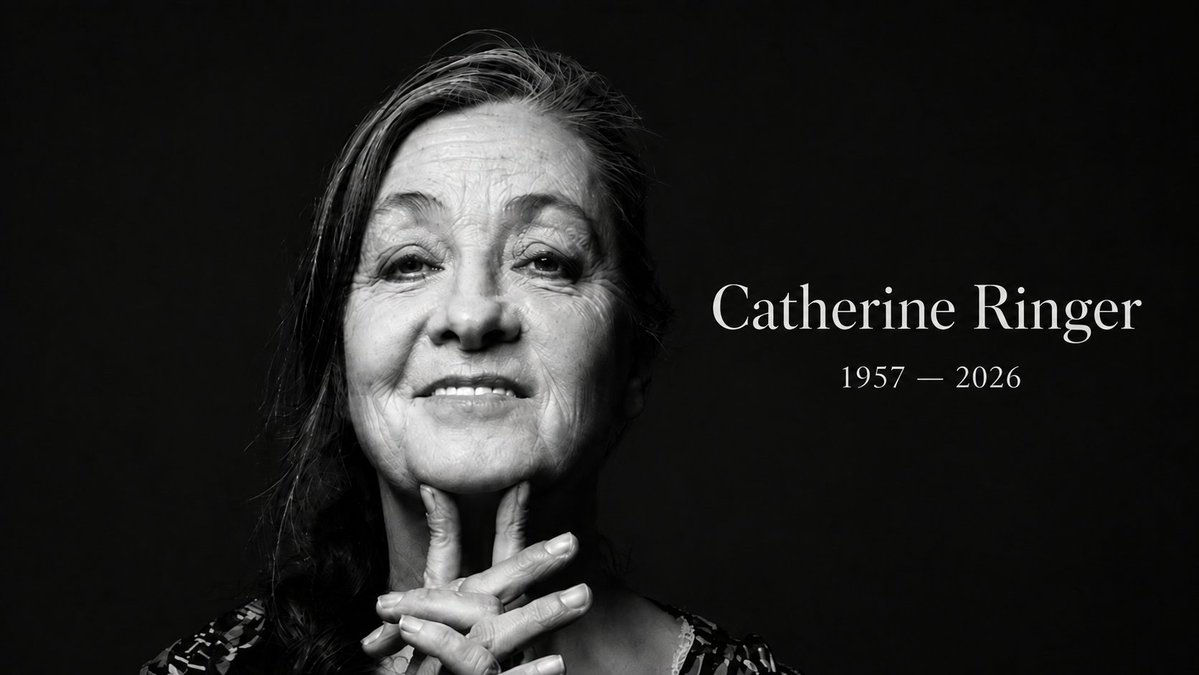
Catherine Ringer est morte. J’ai 53 ans. Ça veut dire que, quelque part, j’ai toujours vécu avec sa voix. Cette voix impossible à confondre avec une autre. Une voix qui riait, griffait, provoquait, déraillait parfois, mais qui ne demandait jamais la permission. Catherine Ringer n’a jamais été lisse. Tant mieux. Elle avait sa gouaille, ses excès, ses contradictions, ses défauts aussi. Mais aujourd’hui, franchement, la mort peut bien nous autoriser à lui pardonner quelques écarts. Parce qu’avec Fred Chichin, elle avait fabriqué quelque chose qu’on ne savait même pas nommer. Ce n’était ni vraiment du rock, ni vraiment de la variété, ni vraiment autre chose. C’étaient les Rita Mitsouko. Et ça suffisait. Marcia Baïla, C’est comme ça, Les histoires d’Andy … Quelques secondes et toute une époque revient. Les fringues impossibles, les clips fous, l’insolence, les années 80 qui avaient encore le droit d’être étranges. Puis Fred est parti. Elle est restée. Debout. Avec cette absence à côté d’elle et cette voix qui continuait à remplir la pièce. Il y a des artistes qu’on écoute. Et puis il y a ceux dont on ne s’aperçoit qu’au moment où ils disparaissent qu’ils habitaient notre vie depuis quarante ans. Aujourd’hui cette voix s’est tue. Et bordel … ça fait un drôle de silence. Au revoir Catherine. Merci d’avoir été aussi peu conforme. ❤️ #CatherineRinger #RitaMitsouko #Musique

S

Adiós Coreañera, al menos nos dejaste buenos clips bb puedes irte feliz. La neta está imposible que se quede le tocó la placa más dura del mundo 💀 #LaGranjaVIP https://t.co/gs9Scg1KGD #Coreañera #LaGranjaVIP #clips

Du meine Güte, habe gerade Clips von „Aras Badr“ bei #hartaberfair gesehen: wie um alles in der Welt kann an so jemand die Deutsche Staatsbürgerschaft verscherbelt werden? Wie kann es sein, dass wir deutschstammelnde syrische Männer einbürgern, um sie dann in der von Steuergeld finanzierten Migrationslobby durchzufüttern? Unerträglich. #Deutschland #Migration #Politik

Carolin Kebekus hat zwei Clips von mir auf X entfernen lassen, bei denen es um das Format "Smypathisch" ihrer Produktionsfirma geht. Ich habe daraus wörtlich zitiert. Wieso müssen wir 10,4 Milliarden für einen Apparat zahlen, aus dem man nicht zitieren darf? https://t.co/azRoIuEZQE #Medien #Zitate #Urheberrecht