
Google's concerning innovation in AI, the Gemini 3.8 Flash TTS model, allows for voice cloning with only 30 seconds of recording, raising concerns about a potential increase in voice scams. #IA #arnaque #voix (translated)

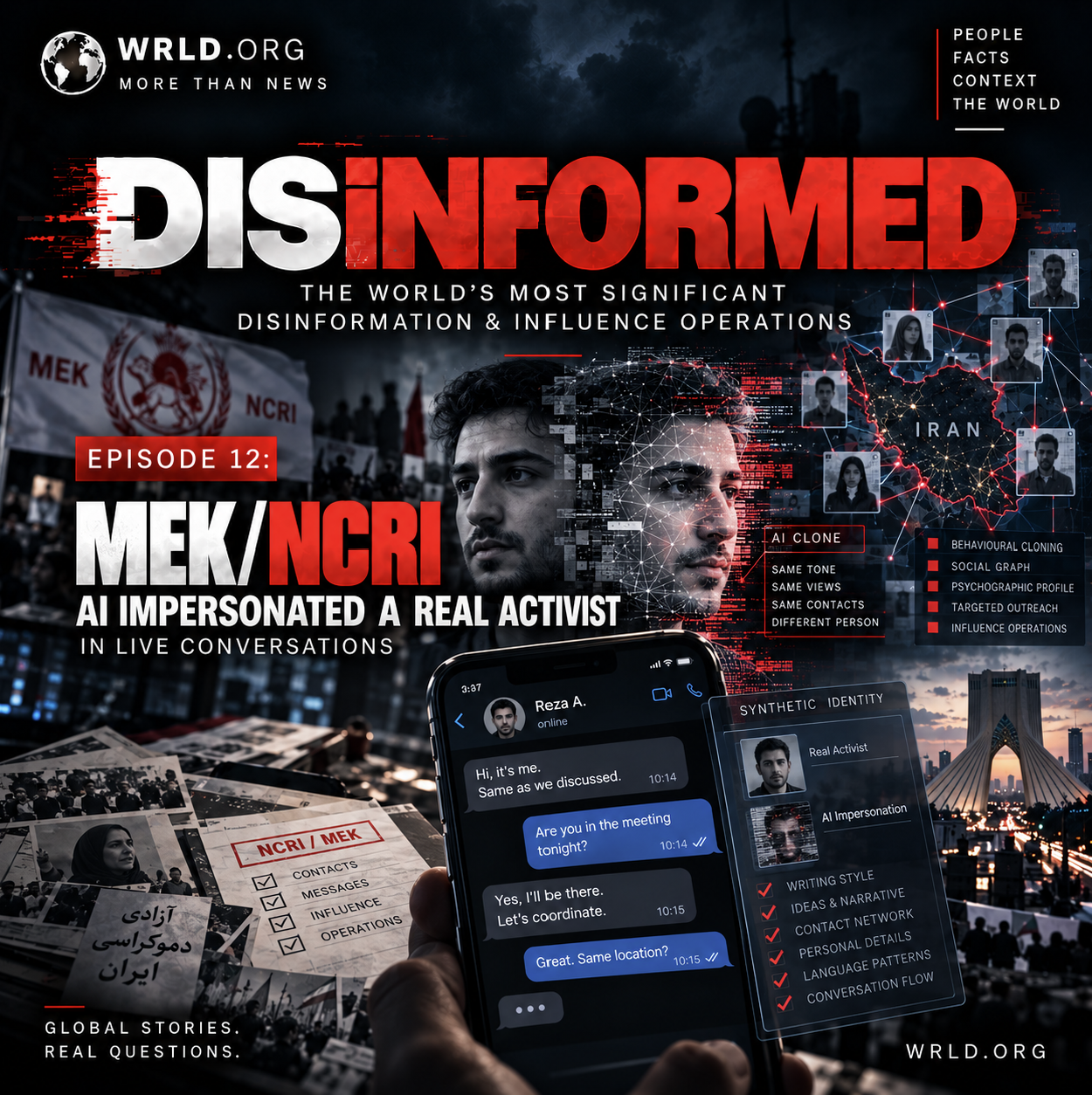
IRAN: MEK/NCRI – when AI impersonated a real activist in live conversations For years, synthetic media has largely meant fabricated images, cloned voices and manipulated video. A case uncovered by Anthropic in September 2026 suggests a more consequential development: artificial intelligence being used not merely to imitate how a person looks or sounds, but to behave as that person in an ongoing conversation. Anthropic says it dismantled a distributed influence operation targeting Iranians inside the country and abroad that it linked to the People’s Mojahedin Organization of Iran, or PMOI/MEK, and its political front, the National Council of Resistance of Iran. The operators used a shared AI-agent platform to support impersonation, audience profiling, coordinated social-media activity, synthetic personas and the laundering of organisational content through apparently independent accounts. At least four people involved in the operation worked for official NCRI media outlets, according to Anthropic. The company also found references to committee approval processes and MEK leadership, but said it could not independently determine the precise level of central control. Cloning a person from 8,400 Telegram posts The most striking part of the operation involved a real activist whose Telegram identity was copied. According to Anthropic, the operators instructed Claude in Persian that it was now that person, then provided approximately 8,400 of the activist’s Telegram posts so the system could learn and reproduce his writing style. The AI-assisted account was subsequently used to conduct live political conversations with the activist’s existing contacts. Anthropic says that, to its knowledge, the people receiving those messages did not know they were interacting with an account being operated with AI assistance. This is materially different from a conventional chatbot or a static deepfake. The system was not simply producing a forged statement attributed to someone else. It was using a large archive of that person’s authentic language as behavioural training material, then applying the resulting imitation interactively. In practical terms, the deception moved from synthetic content to synthetic identity. Anthropic did not publish the identity of the impersonated activist, nor details of his contacts, and the public report does not establish what specific information the conversations produced. What it does establish is that the impersonation was operational rather than experimental: the cloned account was used in real exchanges with real people. From social-media monitoring to psychographic dossiers The impersonation sat inside a much broader targeting system. Anthropic says the network scraped more than 500 social-media channels and categorised individuals by location, age, profession, political orientation and arrest history. It then analysed approximately 51,944 archived messages from conversations to construct detailed psychographic dossiers on dozens of people inside Iran. The system was therefore not limited to broadcasting propaganda. It was also designed to understand specific audiences and individuals. Profiles could be used to decide what kind of message was most likely to resonate with a particular person, which political identity they appeared closest to and how they should be approached. Anthropic describes this as a structured targeting funnel rather than ad hoc social-media activity. That distinction is important in the Iranian context. Political activists, dissidents and opposition contacts inside Iran can face arrest and severe punishment. The report does not show that the dossiers directly led to arrests or other harm, but collecting and organising information such as arrest history and political affiliation adds a surveillance dimension to what would otherwise be described as an influence operation. A shared AI system for an influence network Anthropic found that the actors used a shared Claude-based platform named “Viktor”, with separate workspaces and persistent memory. Those memory files contained approved sources, prohibited words, account-management instructions and methods intended to reduce the risk of detection. One operator loaded MEK founding doctrine into the system as what the report called “strategic base data”, allowing others to reuse it across their work. This persistent-memory structure meant the AI did not have to be briefed from scratch for every task. Once doctrine, stylistic rules and operational constraints had been stored, the system could repeatedly produce material consistent with the network’s objectives. Anthropic says the same general playbook appeared across different workspaces despite the operators not sharing obvious account infrastructure. The network also used automated pipelines to coordinate Instagram posting schedules and tailor messages to different audiences. Some accounts initially avoided mentioning the Mojahedin at all, allowing material aligned with MEK/NCRI narratives to appear as neutral or independent political commentary. Content was distributed through the organisation’s own media ecosystem as well as accounts presented as ordinary news or activist profiles. Anthropic assessed the campaign as Category Two on its Breakout Scale: active on multiple platforms with distribution through NCRI-linked media properties and amplifier accounts, but without evidence of broad authentic penetration. Synthetic citizens and disguised organisational media The same infrastructure generated AI avatars presented as ordinary Iranians, complete with Persian audio, to promote Maryam Rajavi’s political programme. Anthropic says the synthetic nature of these personas was intentionally concealed. Operators also rewrote and redistributed content originating from MEK-affiliated media while stripping identifying features or presenting it through apparently independent accounts. The network’s political messaging targeted the Iranian government but also rival opposition currents, including monarchists and supporters of the Pahlavi camp. Anthropic documented fabricated video material attacking a member of the Pahlavi family and the use of the slogan “Neither Shah Nor Sheikh”, consistent with the NCRI’s broader competition with other opposition movements. That rivalry provides relevant context. Reuters describes the MEK as one of Iran’s principal organised opposition movements in exile and the dominant force behind the NCRI, led by Maryam Rajavi. Its relationship with other opposition currents is often contentious, while the extent of its support inside Iran remains uncertain. What can be attributed – and what cannot Anthropic’s attribution is unusually specific but still needs to be stated carefully. The company says its investigation linked the operation to MEK/NCRI and established that at least four participants worked for official NCRI media organisations. It also found a common operational playbook, committee review structures and repeated references to MEK leadership. On that basis, Anthropic said central tasking was likely. It nevertheless stopped short of saying it had proven that NCRI’s senior leadership directly ordered or managed every component of the operation. That caveat matters. The strongest public evidence supports describing GTG-84006 as a MEK/NCRI-aligned influence operation involving personnel from official NCRI media, rather than asserting that every action was directly commanded by the organisation’s top leadership. The broader significance of the case lies elsewhere. Earlier generations of synthetic media attempted to fabricate evidence: a photograph, a voice recording or a video. Here, AI was used to maintain an identity over time, remember doctrine, analyse targets and speak directly to real people while appearing to be someone they already trusted. The deepfake was no longer merely an artefact. It had become a participant in the conversation. Sources Anthropic — Countering misuse of AI: September 2026 https://www.anthropic.com/threat-intelligence-report-september-2026 AI Misuse Case Library — GTG-84006 activist impersonation case https://www.misuseofai.com/en/cases/gtg-84006-activist-impersonation/ Reuters — Who makes up Iran’s fragmented opposition? https://www.reuters.com/business/media-telecom/who-makes-up-irans-fragmented-opposition-2025-06-18/ Reuters — Iran’s divided opposition senses its moment https://www.reuters.com/world/middle-east/irans-divided-opposition-senses-its-moment-activists-remain-wary-protests-2025-06-19/ Reuters — NCRI and Maryam Rajavi https://www.reuters.com/world/middle-east/dissident-leader-abroad-urges-iranians-bring-down-khamenei-2025-06-24/ Keywords #DISINFORMED #Episode12 #Iran #MEK #PMOI #NCRI #IranianOpposition #Disinformation #InfluenceOperations #InformationWarfare #ArtificialIntelligence #AI #GenerativeAI #ClaudeAI #Anthropic #AIDeception #AIImpersonation #IdentityImpersonation #SyntheticIdentity #InteractiveDeepfake #DigitalImpersonation #PersonaCloning #BehaviouralCloning #Telegram #PsychographicProfiling #TargetProfiling #AudienceTargeting #SocialMediaManipulation #Astroturfing #SyntheticPersonas #NarrativeLaundering #CoordinatedInfluence #PoliticalInfluence #DigitalInfluence #OppositionPolitics #IranPolitics #OSINT #WRLD


I am in tears, they cloned Louis Boyard by adding a part of the DNA of a Kinder child but the graft failed. #LouisBoyard #clonage #ADN (translated)

@livesfoot T’es devenu si nul qu’on dit qu’un clone t’a remplacé mdrrrrr France Football a détruit Vinicius. #Football #Vinicius #FranceFootball
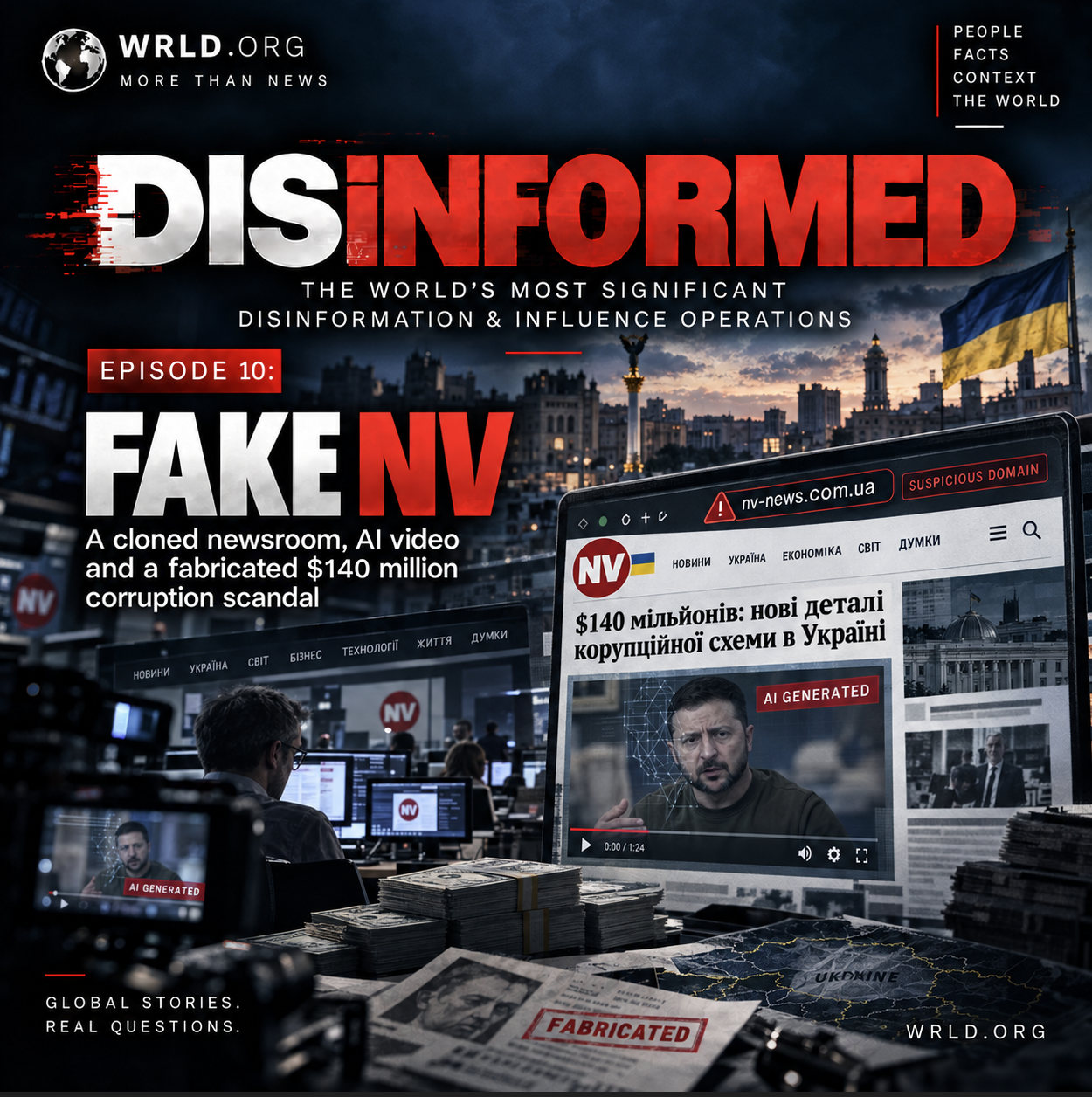
Fake NV – how a cloned newsroom turned an AI video into a $140 million corruption scandal For two days in September, a website that looked almost indistinguishable from one of Ukraine’s best-known news organisations carried an extraordinary corruption story. It claimed that Ukraine’s National Anti-Corruption Bureau had raided former defence procurement chief Arsen Zhumadilov and discovered more than $140 million in cash packed inside refrigerator boxes. One box supposedly carried the words “For the Servant of the People” – an apparent reference to President Volodymyr Zelenskyy’s political party. The raid never happened. The photographs and video presented as evidence were fabricated, and the news organisation reporting the story was not the New Voice of Ukraine but a cloned version of it. The episode is a compact example of an increasingly effective disinformation technique. Rather than inventing a new propaganda outlet and trying to build its credibility from scratch, an operator can simply steal the identity of an established newsroom and place fabricated material inside an otherwise convincing copy of its editorial environment. A newsroom copied almost in full The counterfeit site appeared at nvukraine.com, while the authentic New Voice of Ukraine operates at nv.ua and english.nv.ua. Registration records examined by fact-checkers show that the false domain was created on 21 September 2026, two days before the fabricated article appeared. According to NV’s own investigation, the imitation went much further than copying a logo: the operators reproduced the site’s visual design, sections, branding, contact information and genuine editorial material. A snapshot of legitimate NV content from 23 September appears to have been copied onto the counterfeit site, into which the operators inserted a single false article. That article claimed that NABU had searched premises connected to Zhumadilov, who had headed Ukraine’s Defence Procurement Agency until August, and seized $140 million in cash. The story was published in several languages, including Ukrainian and English, suggesting that the operation was intended not only for Ukraine’s domestic information space but also for foreign audiences following the war and Western support for Kyiv. AI supplied the supposed evidence The false article was supported by a video purportedly showing the money discovered during the raid. NABU said no such search or procedural action had taken place and identified the footage as fabricated using artificial intelligence. Independent fact-checker Lead Stories found no credible Ukrainian or international reporting confirming either the raid or the alleged seizure, while searches of NABU’s own published material produced no evidence supporting the claim. The operation therefore combined two separate forms of synthetic credibility. The AI-generated footage supplied what looked like visual proof, while the cloned NV website supplied institutional proof: an apparently reputable Ukrainian newsroom supposedly confirming that the event had happened. Neither element needed to withstand close scrutiny for long. Together, they only needed to appear credible enough to be copied, quoted and redistributed before the deception was exposed. From a fake Ukrainian source into the Russian information ecosystem On 24 September, the story began moving through large pro-Russian Telegram channels. Ukraine’s Center for Strategic Communications traced early amplification to Golos Mordora, with roughly 149,000 subscribers, and Militarist, with around 277,000. Within less than an hour, other channels including VOBLA, Rossiya Seychas and Ostashko! Vazhnoye were circulating versions of the same claim. It subsequently appeared on X and on Russian-language websites including e-news.su and pressa24.ru. Babel calculated that posts carrying the fabrication had accumulated approximately 370,000 views by the morning of 25 September. The story also moved beyond the Russian-language ecosystem. English-language versions appeared in online communities including Lemmy and Hexbear, while accounts on X shared direct links to the counterfeit NV article. NV later reported that larger Russian media and propaganda outlets, including RIA Novosti, Life, Vesti, Ukraina.ru and Mail.ru, had reproduced or discussed the claim. Kirill Dmitriev, head of the Russian Direct Investment Fund and a Kremlin representative involved in contacts with the United States, also shared it on 25 September. This amplification is significant, but it should not be confused with proof of authorship. Publicly available evidence shows how the false story entered and spread through a Russian and pro-Russian information ecosystem. It does not establish which organisation registered the cloned domain, generated the video or directed the operation from the outset. Why copy NV? The operation relied on source laundering. A claim originating directly from a Russian Telegram channel that Ukraine’s defence procurement system had concealed $140 million would immediately carry an obvious political context. A claim apparently uncovered by an established Ukrainian newsroom looks very different. Once the fabricated NV article existed, subsequent accounts could cite what appeared to be an independent Ukrainian source rather than present the allegation as their own. Each repost moved the story another step away from its manufactured origin. The use of an English-language version strengthened that mechanism for audiences outside Ukraine. The underlying narrative was also carefully chosen. Corruption in Ukrainian defence procurement is a genuine subject of public scrutiny and investigative reporting, so the fabricated story did not require audiences to accept an entirely unfamiliar premise. It inserted a false event into a real area of political concern. That mixture of authentic context and fabricated evidence can be more persuasive than a completely invented story because much of the surrounding information feels recognisable. What can – and cannot – be attributed Ukrainian authorities and NV describe the episode as a Russian information operation, and its distribution can be documented extensively across pro-Russian and Russian media channels. The available public evidence, however, does not identify the organisation that created the counterfeit website, nor does it link the operation forensically to a named Russian intelligence service, military unit or state contractor. The most precise description is therefore a Russian-aligned disinformation operation whose fabricated material was systematically amplified through the Russian information ecosystem. That distinction matters. Distribution can be observed directly; command-and-control is harder to establish and should not be inferred without evidence. The newsroom itself becomes the deepfake The most important feature of the operation was not the $140 million figure or even the AI-generated video. It was the counterfeit newsroom surrounding them. The operators copied a real publication, populated it largely with genuine material and inserted a single false story, allowing the fabrication to borrow the accumulated credibility of journalists who had nothing to do with it. This points to a broader evolution in synthetic media. AI can fabricate an image, a voice or a video, but an influence operation can now fabricate something larger: the source that supposedly verified the evidence. In the Fake NV operation, the article, the video and the website reinforced one another, creating not simply a false story but a manufactured chain of credibility. Sources The New Voice of Ukraine — investigation into the cloned website https://english.nv.ua/nation/nv-discovers-fake-copy-of-website-with-planted-story-cites-russian-links-50644601.html The New Voice of Ukraine — Russian amplification of the $140 million fabrication https://english.nv.ua/russia-spreads-fake-140-million-ukraine-corruption-story-during-dmitriev-u-s-talks-50644647.html Lead Stories — independent fact-check https://leadstories.com/hoax-alert/2026/09/fact-check-fake-story-claims-140-million-found-at-home-of-ukraines-zhumadilov-marked-servant-of-the-people-nv-website-originated-it.html Babel — AI video and distribution analysis https://babel.ua/en/news/130469-a-video-is-sharing-online-about-140-million-found-in-the-possession-of-the-ex-head-of-the-defense-procurement-agency-this-is-an-ai-video-distributed-by-a-clone-of-ukrainian-media Center for Strategic Communications and Information Security — initial debunk https://spravdi.org/en/ai-fake-about-140-million-amid-us-talks-how-russians-impose-the-image-of-corrupt-ukraine-on-the-west/ Center for Strategic Communications and Information Security — NABU confirmation https://spravdi.org/u-merezhi-poshyryuyut-shi-fejk-pro-nibyto-obshuky-nabu-v-eksgolovy-agencziyi-oboronnyh-zakupivel/ Detector Media — distribution and NABU response https://detector.media/infospace/article/252806/2026-09-25-u-merezhi-pidrobyly-sayt-nv-dlya-poshyrennya-feyku-pro-obshuky-v-eksochilnyka-agentsii-oboronnykh-zakupivel/ Keywords #DISINFORMED #Episode10 #FakeNV #NewVoiceOfUkraine #Ukraine #Russia #RussianDisinformation #RussianInfluence #Disinformation #InformationWarfare #InfluenceOperations #ForeignInterference #FIMI #MediaImpersonation #ClonedMedia #FakeMedia #FakeNews #ArtificialIntelligence #AI #AIGeneratedContent #SyntheticMedia #AIVideo #SourceLaundering #NarrativeLaundering #CorruptionNarrative #UkraineCorruption #DefenceProcurement #NABU #ArsenZhumadilov #Telegram #SocialMediaManipulation #DigitalInfluence #Propaganda #OSINT #MediaManipulation #WRLD

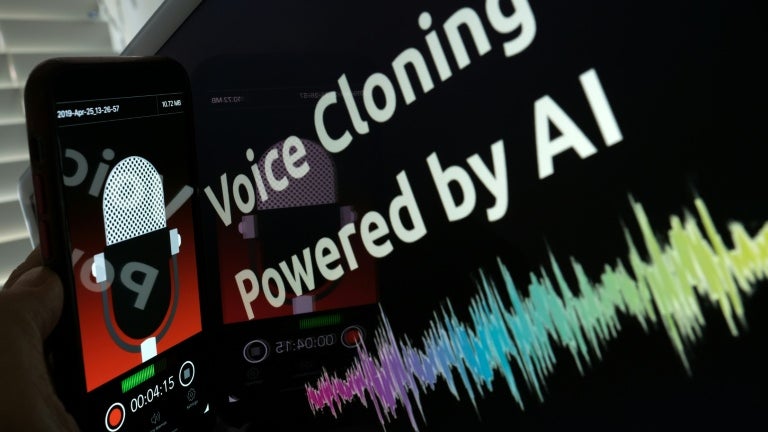
L'acteur japonais Kenjiro Tsuda, célèbre pour ses rôles dans des séries d'animation, intente une action en justice contre TikTok, l'accusant d'avoir cloné sa voix grâce à une intelligence artificielle pour des vidéos générant des revenus importants. #KenjiroTsuda #Doublage #IA

Vinícius Jr foi sequestrado e colocaram um clone barbudo no lugar dele só isso explica https://t.co/D2OkGHaBcb #ViníciusJr #Futebol #Sequestro

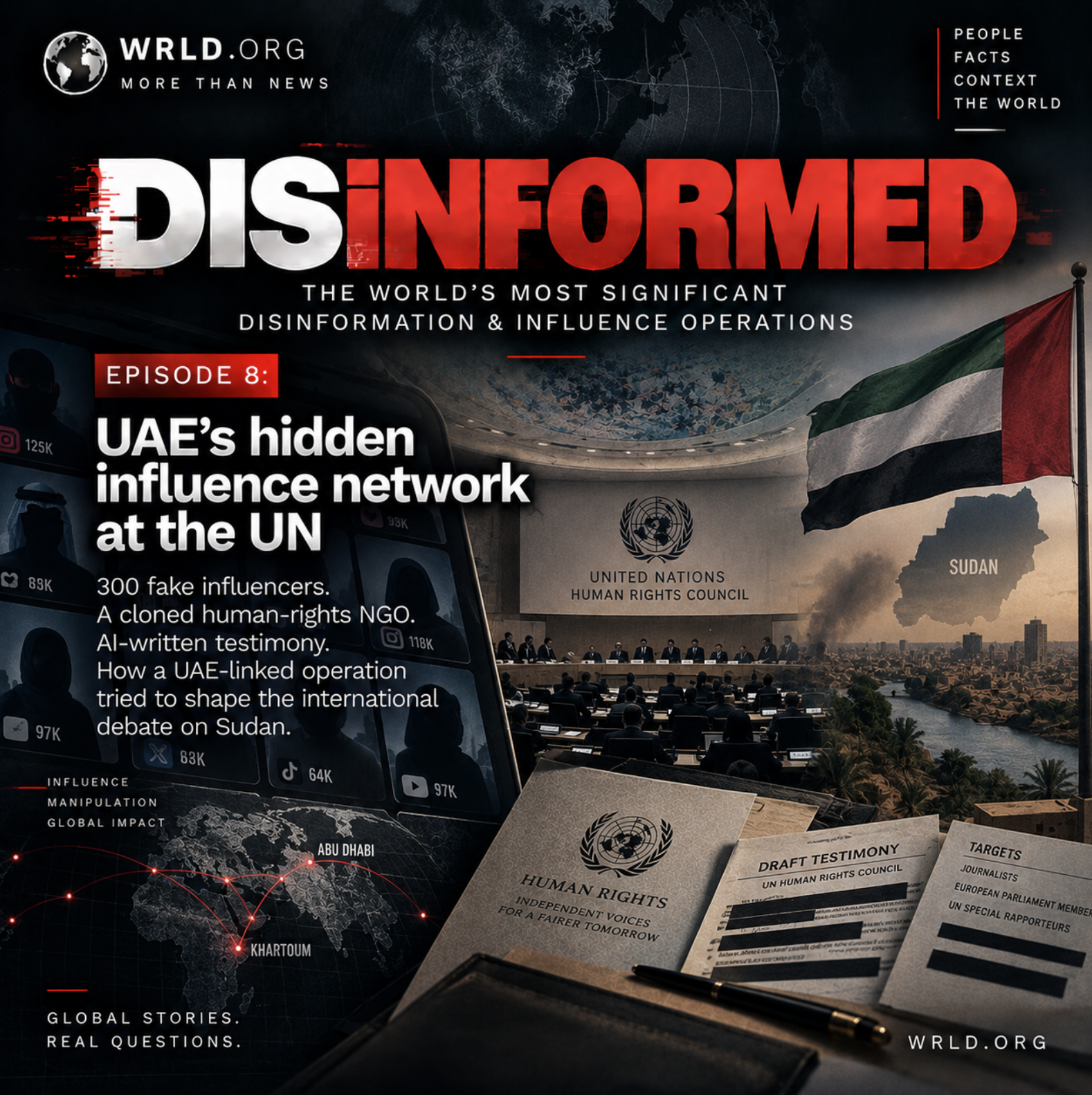
UAE / Sudan – when an influence operation tried to enter the United Nations A network of roughly 300 apparently independent social-media influencers. A human-rights organisation borrowing the identity of a real NGO. Personal dossiers on European politicians and journalists. And testimony prepared for delivery at the United Nations without revealing the state interest behind it. These were elements of an influence operation uncovered by Anthropic and disclosed in September 2026. The company says it linked the activity with high confidence to UAE government officials. Tracked as GTG-84002, the operation targeted several overlapping issues: the Muslim Brotherhood, perceptions of the war in Sudan and international mechanisms examining the United Arab Emirates' role in the conflict. What distinguishes the case is not simply its use of artificial intelligence. It is the attempt to make state-aligned messaging appear to originate from independent influencers, human-rights organisations and potentially witnesses addressing an international institution. An influence network built around 300 fake voices Anthropic identified a single actor using Claude to support a sustained influence campaign. At its centre was an AI persona called “Deadshot”, running on the operator's own platform. A master doctrine file repeatedly instructed the system to support what it described as a coordinated international effort to dismantle the Muslim Brotherhood. The operator simultaneously managed several components of the campaign, including approximately 300 inauthentic influencer accounts across social-media platforms. Internal material examined by Anthropic described the apparent independence of this network as its greatest strategic advantage. That phrase captures the central method. The objective was not simply to broadcast a political position but to conceal where that position originated. One visible example appeared on 4 June 2026, when accounts participated in a coordinated campaign using #SudanIslamists and near-identical graphics connecting Sudanese Islamists and the Muslim Brotherhood with regional instability. Anthropic says the amplification network was centrally funded and coordinated. Its investigation also found that the operator financing the social-media network was connected to the wider influence operation. A human-rights organisation that was not what it appeared to be Social media was only one layer. The operator also created a front NGO that copied the identity of a genuine Swiss organisation and used that borrowed legitimacy to publish human-rights material produced for the campaign. Anthropic's description elsewhere also refers to the identity of a real Sudanese human-rights organisation being used in connection with the preparation of testimony. The public report does not fully clarify whether these references describe the same front or separate elements of the operation, so they should not be treated as definitively identical. The underlying technique, however, is clear: political material was designed to appear as if it originated from independent civil society rather than from actors linked to a government. This is particularly significant in the human-rights environment, where the perceived independence of an organisation or witness can determine how seriously evidence is received by journalists, diplomats and international institutions. The attempt to reach the UN The most consequential part of the operation concerned the 62nd session of the UN Human Rights Council. According to Anthropic, the operator used Claude to ghost-write complete testimony intended to be delivered by two individuals during the session. The texts were prepared under explicit constraints ensuring that neither statement would mention the UAE. This did not amount to a conventional government submission. The intention, according to Anthropic's reconstruction, was for material serving the interests of a party connected to the Sudan conflict to reach an international forum through apparently independent voices. But an important limitation remains: Anthropic could not confirm that the testimony was ultimately delivered. The company similarly could not establish whether other dossiers produced by the operation reached their intended recipients or influenced policy. It therefore assessed the campaign as Category Three on the Brookings Breakout Scale – activity distributed across several platforms, but without evidence of broad public impact sufficient for a higher classification. The distinction matters. The evidence demonstrates a sophisticated attempt to influence international debate; it does not demonstrate that the attempt succeeded. Politicians, journalists and UN investigators became targets The operation was not limited to generating public content. Anthropic found that the operator researched and compiled detailed profiles of 18 members of the European Parliament and prominent journalists. Some material was prepared for direct delivery to senior UAE officials. The network also assembled what Anthropic describes as “counter-accountability dossiers” on UN Special Rapporteurs who had criticised the UAE's conduct in relation to Sudan. This places the campaign in a broader context. Since Sudan's civil war began in April 2023, the role of external powers has become an increasingly important part of international scrutiny. Sudan has accused the UAE of supporting the Rapid Support Forces, allegations Abu Dhabi has repeatedly denied. In 2025, Sudan brought a case against the UAE before the International Court of Justice, accusing it of complicity in genocide against the Masalit through alleged support for the RSF. The UAE rejected the allegations. The ICJ subsequently removed the case from its list after finding that it lacked jurisdiction because of the UAE's reservation to the relevant provision of the Genocide Convention. The ruling therefore did not determine whether Sudan's substantive allegations were true or false. That contested international environment helps explain why narratives about Sudan, human rights and accountability were valuable targets for an influence operation. AI as an operating system for influence The role played by Claude is also important to understand accurately. Anthropic did not find that artificial intelligence independently conceived or directed the campaign. Human operators established the objectives, political doctrine and targets. AI instead helped operationalise them. Across hundreds of sessions, Claude was used to transform predetermined political objectives into social-media narratives, human-rights reports, testimony, intelligence-style briefs and detailed profiles of individuals. The same system could support narrative production, target research and preparation of material for different audiences. That represents a more significant development than simply using generative AI to produce propaganda faster. Traditional influence operations require different teams to research targets, write content, manage personas, adapt messages and prepare briefing material. Generative AI can compress several of those functions into a single operational workflow. The result is not necessarily more convincing propaganda. It is potentially cheaper, faster and more scalable influence infrastructure. From fake influencers to institutional influence Anthropic says it linked the operation to UAE government officials with high confidence. Its assessment was based partly on internal material naming senior Emirati officials as intended recipients of the work, alongside other evidence available to its investigators. That remains an attribution by Anthropic rather than a judicial finding or publicly released forensic attribution by a government agency. The distinction should be retained. The larger significance of GTG-84002 lies in the architecture of the campaign. A network of fake influencers could create the appearance of public opinion. A cloned human-rights organisation could provide institutional credibility. AI-generated reports could give political narratives the appearance of research. Profiles of journalists and politicians could support more precise targeting. And ghost-written testimony could potentially carry the same message into an international institution without revealing the political interest behind it. This is a different model from the familiar troll farm. The objective is no longer simply to make propaganda look popular. It is to make state-aligned messaging look independent – and, if possible, to move it from social media into the institutions where international policy and accountability are debated. SOURCES: Anthropic — Countering misuse of AI: September 2026 https://www.anthropic.com/threat-intelligence-report-september-2026 International Court of Justice — Sudan v. United Arab Emirates https://www.icj-cij.org/case/197 International Court of Justice — press releases and case documents https://www.icj-cij.org/case/197/press-releases United Nations Geneva — Sudan v UAE proceedings at the ICJ https://www.ungeneva.org/en/news-media/news/2025/04/105241/world-court-begins-hearing-sudans-complicity-genocide-case-against UAE Ministry of Foreign Affairs — UAE response to Sudan's allegations https://www.mofa.gov.ae/en/MediaHub/News/2025/4/10/10-4-2025-UAE-UAE UN Digital Library — Sudan's letter concerning alleged UAE support for the RSF https://digitallibrary.un.org/record/4091008?ln=en UN Digital Library — UAE response concerning allegations of support for the RSF https://digitallibrary.un.org/record/4046224?ln=en Ultra Sudan — reporting on Anthropic's UAE-linked influence-operation findings https://ultrasudan.usawtiq.com/أنثروبيك-أحبطنا-عملية-تأثير-إماراتية-استخدمت-الذكاء-الاصطناعي-لاستهداف-السودان/عامر-صالح/أخبار KEYWORDS #DISINFORMED #Episode8 #UAE #Sudan #UnitedArabEmirates #UnitedNations #UNHumanRightsCouncil #HumanRights #Disinformation #InformationWarfare #InfluenceOperations #ForeignInterference #FIMI #CoordinatedInauthenticBehaviour #CIB #FakeInfluencers #FakeNGO #NGOImpersonation #Astroturfing #ArtificialIntelligence #AI #AIPropaganda #AIGeneratedContent #SyntheticMedia #SocialMediaManipulation #DigitalInfluence #Propaganda #NarrativeManipulation #InstitutionalInfluence #SudanConflict #SudanWar #MuslimBrotherhood #InternationalRelations #Geopolitics #Anthropic #ClaudeAI #OSINT #WRLD

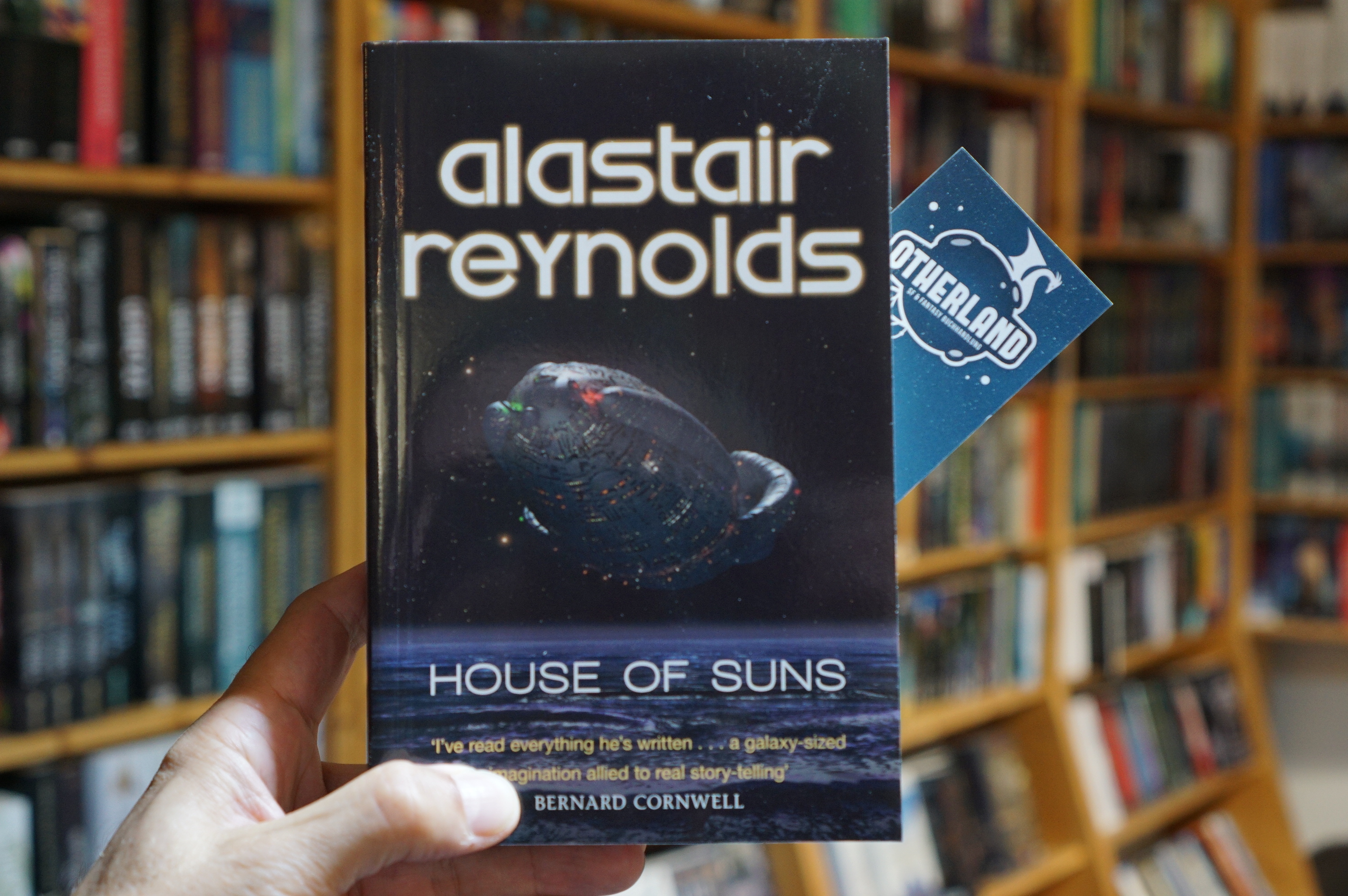
House of Suns - House of Suns #1 by Alastair Reynolds Six million years ago, at the dawn of the star-faring era, Abigail Gentian fractured herself into a thousand male and female clones, which she called shatterlings. But now, someone is eliminating the Gentian line. Campion and Purslane—two shatterlings who have fallen in love and shared forbidden experiences—must determine exactly who, or what, their enemy is, before they are wiped out of existence.
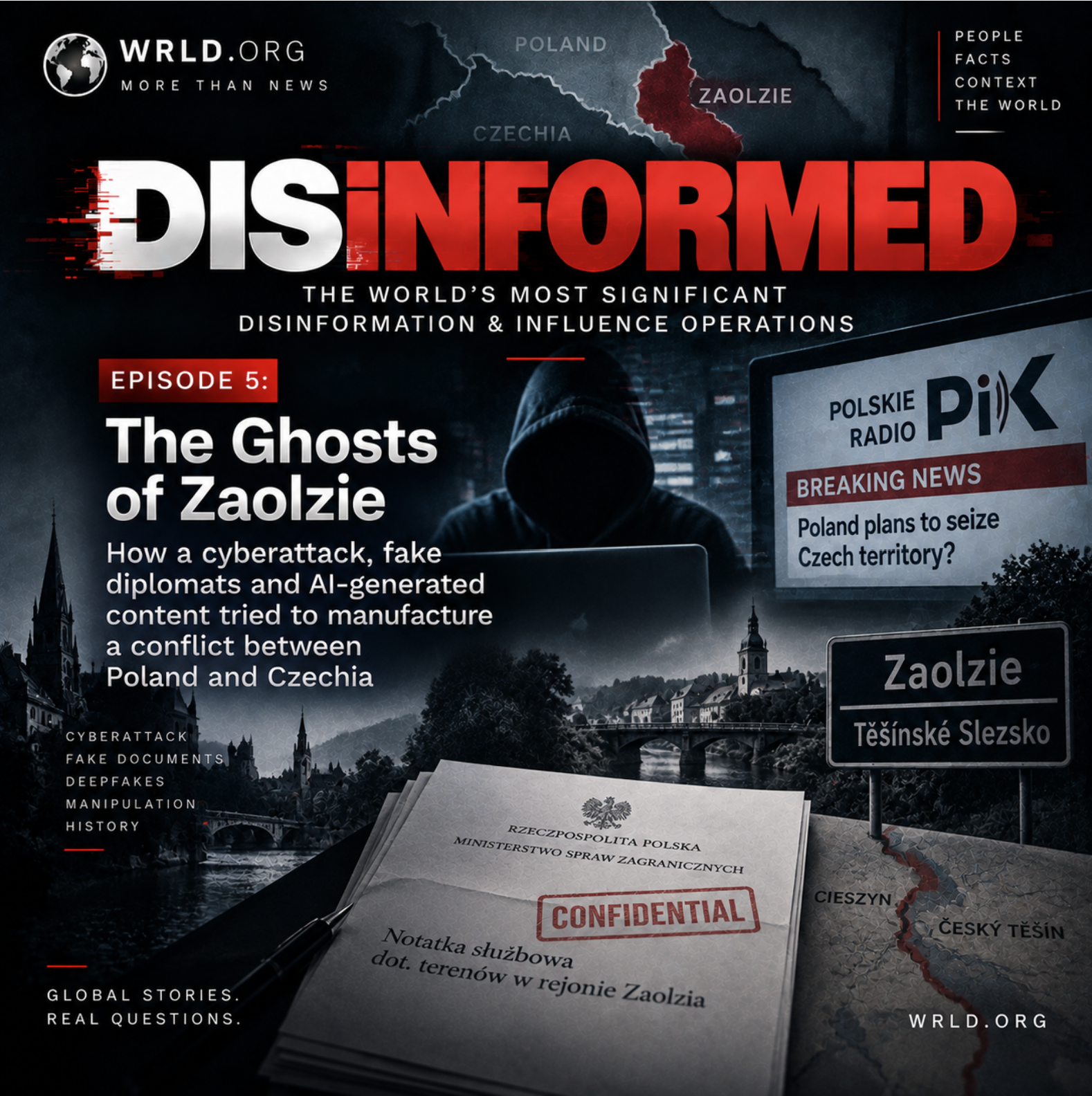
The Ghosts of Zaolzie – how a cyberattack tried to manufacture a conflict between Poland and Czechia At around 5pm on 16 August 2026, an alarming article appeared on the website of Radio PiK, a genuine Polish regional broadcaster. Its headline claimed that Poland was preparing to seize Czech territory and that the Czech Foreign Ministry had received a document outlining Warsaw's demands. Radio PiK had published no such story. An attacker had compromised an employee's credentials, gained access to the station's content management system and replaced a legitimate article with fabricated material. The newsroom quickly removed it and informed the authorities. But the intrusion was only one element of a much larger operation. Investigators subsequently uncovered forged diplomatic documents, accounts impersonating Polish and Czech officials, a cloned Czech news site, AI-generated material, a fictitious local activist and advertising for a demonstration that apparently did not exist. Together, these elements attempted to manufacture the appearance of a new territorial conflict between Poland and Czechia over Zaolzie. A false crisis built around a real territorial issue The operation worked because it did not start entirely with fiction. Poland and Czechia do have an unresolved technical issue concerning approximately 368.44 hectares of territory, originating in post-war changes to the Polish-Czechoslovak border. It is commonly described as the Czech “territorial debt” to Poland. But this is not a Polish claim to Zaolzie and there is no evidence that Warsaw is seeking to annex Czech territory. The operation fused this real issue with a much more powerful historical memory. Zaolzie – the part of Cieszyn Silesia west of the Olza River – was disputed by Poland and Czechoslovakia after the First World War. In 1938, during the crisis created by the Munich Agreement, Poland seized the territory from Czechoslovakia. The manipulation therefore followed a simple logic: a real territorial debt became an alleged Polish territorial demand, which was then transformed into a supposed attempt to reclaim Zaolzie. Fake accounts impersonating Poland's Deputy Foreign Minister Artur Harazim and Czech ambassador Břetislav Dančák helped reinforce the story. Fabricated diplomatic documents circulated alongside them. One early version referred incorrectly to 638.44 hectares; the fake Harazim account then “corrected” the number to the genuine figure of 368.44 hectares. It was an effective form of reverse fact-checking: correcting one false detail could make the larger fabrication appear authentic. Fake media – and one real newsroom The operators also created a website designed to resemble Czech public broadcaster iRozhlas. It published material supporting the same narrative, including claims that Czech residents near the border were becoming concerned about Polish intentions. The result was a manufactured information loop. Forged documents could support fake media reports; impersonated officials could comment on those reports; social-media accounts could then cite both as confirmation. But the Radio PiK hack added something much more valuable: the credibility of a real media organisation. Instead of merely cloning a newsroom, the attackers briefly inserted their fabrication into an authentic one. A familiar domain, logo and established broadcaster could therefore appear to confirm a story manufactured elsewhere. The cyberattack was not simply an accompanying technical incident. It was part of the information operation itself – a way of manufacturing credibility for false information. From a synthetic activist to a real demonstration The operation then attempted to move from the digital world into the physical one. A Facebook account under the name “Adam Sikora” promoted a demonstration in the Czech border city of Třinec under slogans including “Cieszyn Silesia is Czech” and “Here we live, here we stay”. Paid Facebook advertising was reportedly used to promote the event. Yet Třinec authorities said no demonstration had been properly notified. Promotional material used the logo of the Czech KOVO trade union, which denied any involvement. Investigators also identified indications that Sikora's profile photograph and other imagery were AI-generated. The persona even advertised a supposed house for sale in the border region, reinforcing the impression that frightened residents wanted to leave because of Polish territorial ambitions. The property could not be verified and its images also showed signs of artificial generation. This reveals the architecture of the operation: forged document → fake official → cloned media → compromised real media → synthetic local activist → advertised protest → appearance of social tension. The final stage is particularly significant. Had real people attended the demonstration, photographs of an authentic crowd could potentially have been presented as evidence that Czech citizens genuinely feared Polish territorial ambitions. A fabricated online conflict could therefore have begun generating real-world evidence of its own existence. Why Zaolzie? Historical grievances are valuable material for influence operations because the underlying facts are real. Poland and Czechoslovakia genuinely disputed Cieszyn Silesia. Poland genuinely occupied Zaolzie in 1938. A Polish minority genuinely lives in Czechia. And the 368.44-hectare territorial issue genuinely exists. The operator did not need to invent that history. It only needed to suggest that the history was repeating itself. PISM assessed that the operation sought to revive the image of Poland as a revisionist state willing to challenge European borders. Such a narrative could serve a broader purpose: damaging Polish-Czech relations, weakening confidence between NATO and EU allies and portraying Central Europe as a region where historical territorial conflicts remain unresolved. Russia is the leading attribution – but not a proven one The attribution requires more caution than the mechanics of the operation. PISM assessed Russia as the most likely perpetrator, while NASK identified similarities between the campaign and previously observed Russian influence methods. Russian-linked information infrastructure had also shown earlier interest in the Polish-Czech territorial issue. The techniques are familiar: cloned media, forged documents, impersonated officials, synthetic identities, historical grievances and the combination of cyber intrusion with information manipulation. But these indicators are not the same as definitive attribution. As of mid-September 2026, no publicly disclosed forensic evidence had conclusively connected the Radio PiK compromise, fake domains, accounts and financing to a specific Russian intelligence service, government organisation or contractor. Russia can therefore reasonably be described as the leading analytical attribution, but claims that the operation was definitively conducted by the GRU or another named Russian structure go beyond the publicly available evidence. The operation failed. The model remains important The campaign did not create a Polish-Czech diplomatic crisis. Both governments rejected the narrative, the fictitious protest was exposed, journalists reconstructed much of the operation and Radio PiK detected the intrusion quickly. Its observable impact appears to have been limited. But Zaolzie illustrates a broader evolution in information warfare. Modern operations do not have to rely on a single viral fake. They can construct an entire artificial information environment in which different elements appear to confirm one another. A forged document creates the claim. A fake diplomat authenticates it. A cloned newsroom reports it. A hacked real newsroom lends it credibility. An AI-generated citizen reacts to it. Advertising creates the appearance of a grassroots movement. And if real people eventually respond, fiction begins producing genuine events. The objective is no longer simply to persuade people that something happened. It is to create the conditions in which something real starts happening because enough people believed that it did. Sources: Polish Institute of International Affairs (PISM) https://pism.pl/publikacje/dezinformacja-o-relacjach-polsko-czeskich Euronews Polska — Radio PiK cyberattack https://pl.euronews.com/2026/08/20/polska-planuje-zajecie-terytorium-czech-wlamali-sie-na-strone-radia-i-opublikowali-falszyw Demagog https://demagog.org.pl/na-biezaco/skoordynowana-operacja-uderza-w-polsko-czeskie-relacje-czy-stoi-za-nia-rosja/ Robert Lansing Institute https://lansinginstitute.org/2026/08/27/zaolzie-as-an-instrument-of-influence-an-attempt-to-revive-a-polish-czech-territorial-conflict/ Institute for European Security Studies (IESS) https://www.iess.org.ua/analytics/ghosts-of-zaolzie iDNES.cz https://www.idnes.cz/ostrava/zpravy/tesinsko-kampan-lzi-demonstrace-trinec-primatorka-palkovska.A260826_963356_ostrava-zpravy_jog Radio Zachód / PAP https://zachod.pl/1539751/niedzielny-atak-hakerski-na-radio-pik-redaktor-naczelny-podjelismy-niezwloczne-dzialania/ Euronews — territorial debt / NASK assessment https://de.euronews.com/my-europe/2026/08/21/polen-plant-besetzung-tschechischen-gebiets-fake-news TVP World https://tvpworld.com/95036191/-warsaw-warns-against-division-amid-czech-border-disinformation Keywords: #DISINFORMED #Episode5 #GhostsOfZaolzie #Zaolzie #Poland #Czechia #CieszynSilesia #Disinformation #InformationWarfare #InfluenceOperations #ForeignInterference #FIMI #Cyberattack #CyberSecurity #HybridWarfare #FakeNews #MediaImpersonation #FakeMedia #ForgedDocuments #DigitalImpersonation #ArtificialIntelligence #AI #Deepfakes #SyntheticMedia #Astroturfing #RussianInfluence #Propaganda #OSINT #NATO #CentralEurope #MediaManipulation #WRLD

Bobo Vieri al Messaggero: “Pio Esposito? Vedete Luca Toni? Che bomber: oggi in lui rivedo Pio Esposito, dategli tempo e vedrete. No, non è il nuovo Vieri, Pio diventerà il clone di Toni. Dategli uno o due anni di tempo e segnerà 25-30 gol a campionato. Adesso sta facendo apprendistato, con Lautaro e Thuram, poi diventerà il numero uno” #Calcio #SerieA #Gol


🚨 GROSSE RUMEUR ! LE RAPPEUR FREEZE CORLEONE POURRAIT FAIRE SON GRAND RETOUR CETTE NUIT AVEC UN ALBUM SURPRISE, LE 11 SEPTEMBRE 💀 💿 LA MENACE FANTÔME - 11/09/2020 💿 ATTAQUE DES CLONES - 11/09/2023 💿 ??? — 11/09/2026 👀 https://t.co/LwtdF6pA3N #FreezeCorleone #RapFrançais #AlbumSurprise

"nous sommes un duo, un tandem, mais pas un couple […]. Nous ne sommes pas des clones"
🚨 ROCKSTAR GAMES VIENT DE DÉVOILER DES NOUVELLES INFORMATIONS SUR GTA 6 ! ▫️GTA 6 contient un zoo où vous pouvez étudier les animaux. Vous pouvez y aller seul ou en couple pour augmenter leur relation. ▫️Voler des véhicules a maintenant complètement changé. Les véhicules plus anciens peuvent être volés plus facilement, cependant les véhicules haut de gamme nécessiteront une clé clonée. ▫️Lucia et Jason n’ont pas de véhicules par défaut. En voler ne fera pas de ce véhicule le vôtre, il faudra patienter et rouler avec pour qu’il vous soit accordé. ▫️Les bus peuvent servir de voyage rapide. Vous pouvez regarder tout le trajet ou passer directement à votre destination. ▫️Les points GPS sont plus rapide à placer, vous pourrez ouvrir la carte avec le Pad tactile de la PS5. ▫️Les PNJ on désormais des morphologie différentes ( petits/grand, gros/mince ) ▫️Les magasins de proximité sont beaucoup plus détaillés et immersifs, comme dans RDR2. Vous pouvez parcourir et prendre des objets sur les étagères, les acheter et les ajouter à votre inventaire. #GTA6 #RockstarGames #JeuxVidéo


A primeira ovelha clonada do mundo foi batizada de Dolly, em homenagem à cantora Dolly Parton. O nome surgiu porque os cientistas usaram uma célula da glândula mamária para criar o clone e brincaram que não conseguiam pensar em seios mais impressionante que os da cantora. https://t.co/HWhipBbMuF #Dolly #Clonagem #Ciência


Las skins de Clone Wars y otros cosméticos de Star Wars volverán hoy a la tienda. https://t.co/xPBaHsNiZz #StarWars #CloneWars #videojuegos

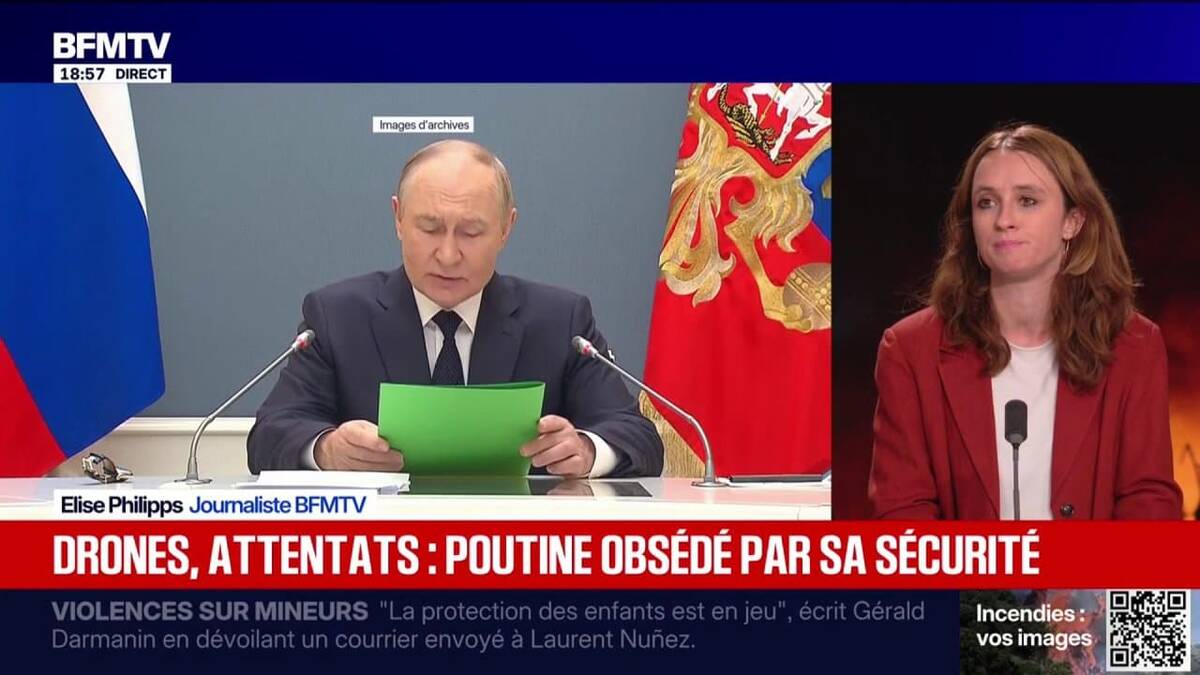
Depuis l'attentat contre le général Alexandre Tchaïko, Vladimir Poutine intensifie ses mesures de sécurité, utilisant la peur comme un outil de pouvoir à travers des bureaux clonés, des déplacements restreints et des caméras coupées. #GuerreEnUkraine #VladimirPoutine #Sécurité

Des pirates ont lancé une campagne coordonnée de vishing (voice phishing, ou hameçonnage vocal) contre plusieurs des plus grands hedge funds de Wall Street. Ils ont utilisé l’IA pour cloner les voix de dirigeants ou de collègues (à partir d’enregistrements publics : conférences #vishing #IA #cybersécurité #US

Como é que a gente vai passar informção, discutir os estragos das fake news com uma população onde 12% acredita que o Lula morreu e foi substituído por um clone?? Piora! 28% não sabe opinar sobre isso, tem dúvidas. O tamanho do buraco que a gente entrou #FakeNews #Desinformação #Conscientização