WRLD

Search

#Influencers
E
EL MUNDO 16h

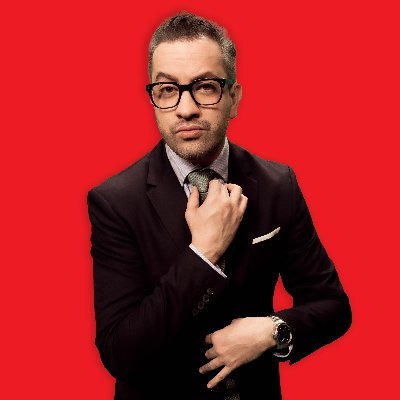
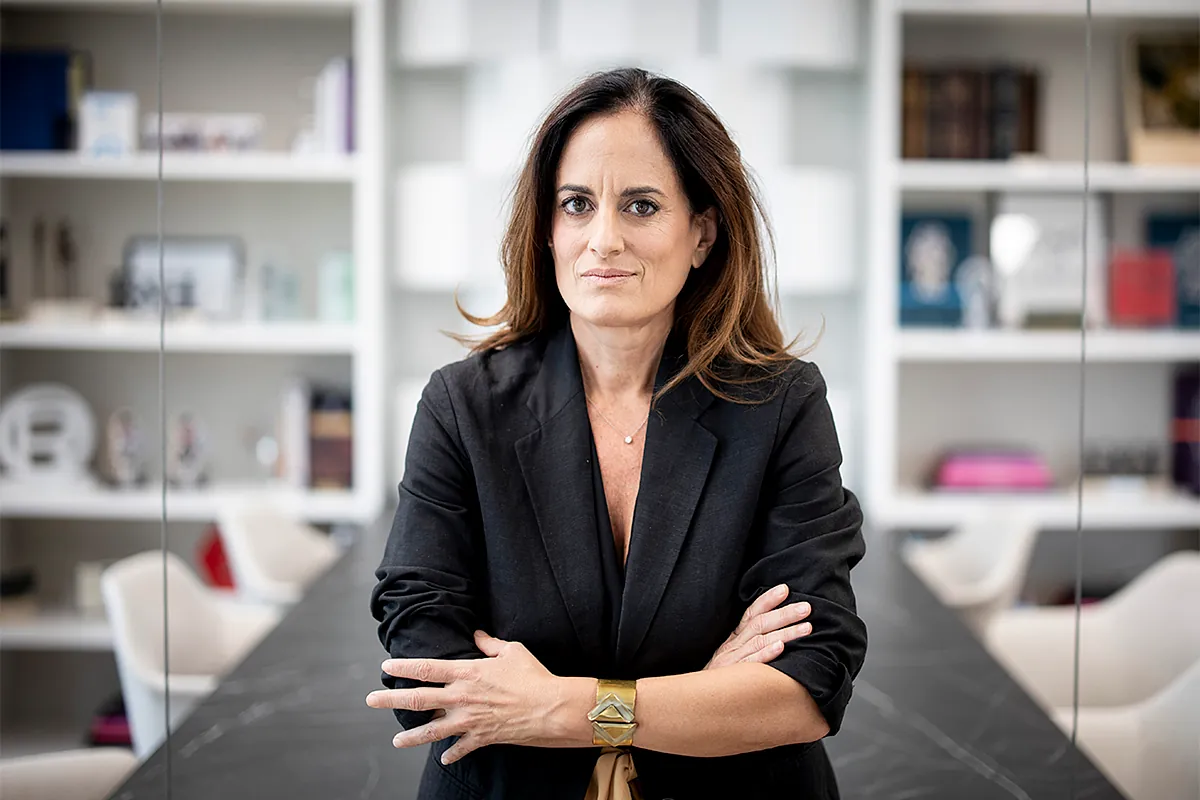
Ana Jaureguizar, president of L'Oréal in Spain and Portugal, calls for fewer regulations to boost the beauty industry and highlights the importance of adapting to market innovations, such as artificial intelligence and return on investment in the world of influencers. #LOréal #IndustriaDeLaBelleza #Innovación (translated)

www.elmundo.es
El aviso de la jefa de L'Oréal sobre la caída de los influencers: "Van a seguir, pero son un mercado que cada vez medimos más con retorno de inversión"
1955
LaVanguardia 1d

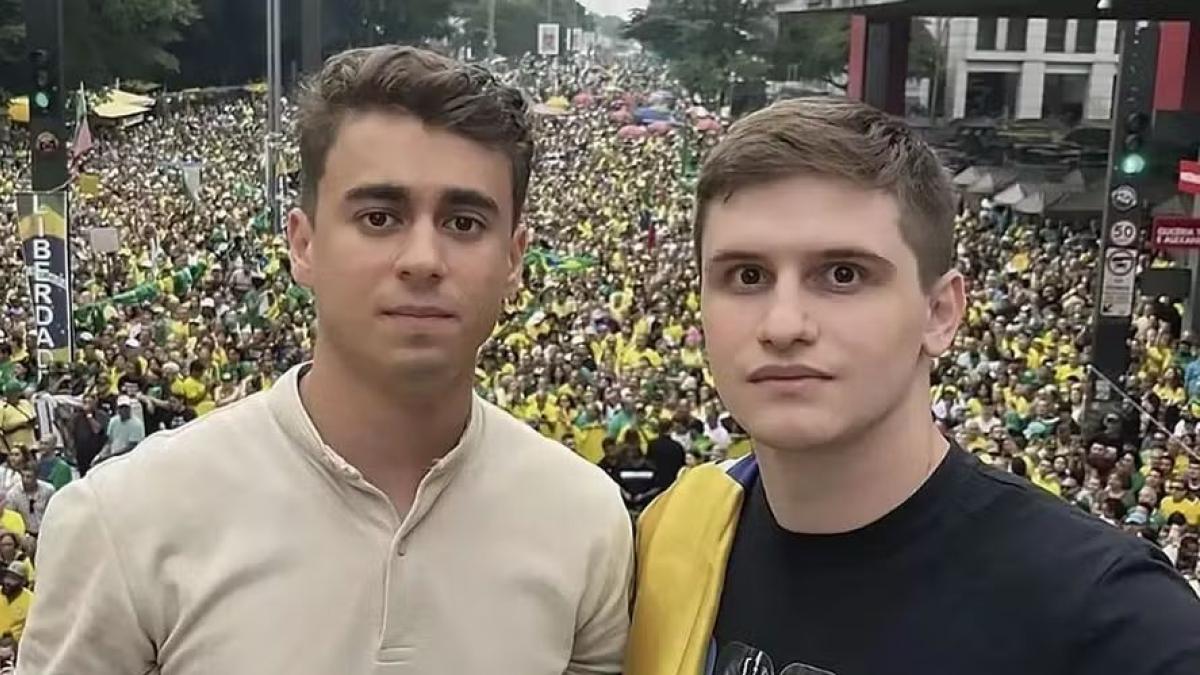
A new generation of far-right influencers, like deputy Eduarda Campopiano, arrives at the Brazilian Congress with controversial ideas and a focus on social polarization, reflecting the rise of Bolsonarism among young people and on social media. #InfluencersBrasileños #ExtremaDerecha #Bolsonarismo (translated)

www.lavanguardia.com
Una nueva generación de influencers llega a Brasilia para predicar el evangelio bolsonarista
2294
LaVanguardia 1d

Xavier Mas de Xaxàs's article raises the concern that citizen control over voting has been eroded by the influence of influencers and chatbots, who, in a context of misinformation and manipulation, make elections depend more on digital strategies than on a true exchange of ideas and proposals between candidates. #voto #democracia #desinformación (translated)

www.lavanguardia.com
¿Hemos perdido el control de nuestro voto?
2494
D
de Volkskrant 2d

American politicians prefer to talk to influencers instead of traditional journalists, as they can reach a more targeted audience, as evidenced by the experiences of Volkskrant correspondent Maral Noshad Sharifi during the lead-up to the midterms. #Politiek #Influencers #Journalistiek (translated)

www.volkskrant.nl
‘Amerikaanse politici praten liever met influencers dan dat ze irritante vragen beantwoorden van journalisten zoals ik’
2556
Chumel Torres 3d

Chumel Torres said he was pleased that people, without having come to an agreement, were starting to ignore the wokes, influencers, and coaches. #Wokes #Influencers #Coaches (translated)

3127
El Español 4d

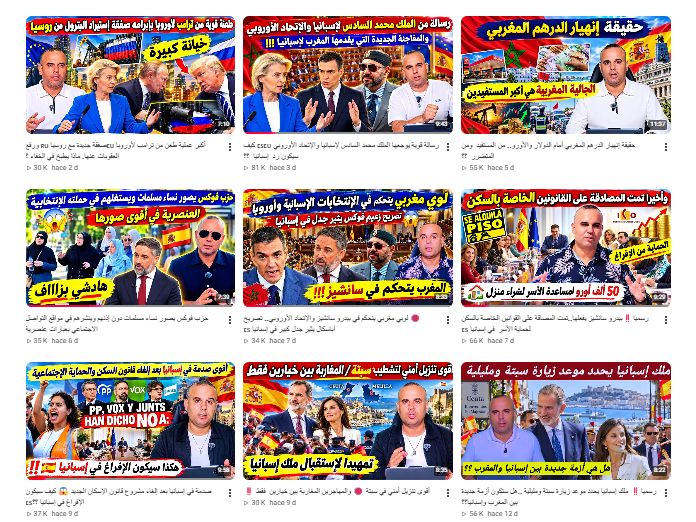
A coordinated campaign of Moroccan analysts and influencers in Spain seeks to mobilize 250,000 naturalized citizens to vote for the PSOE on November 29, presenting President Pedro Sánchez as Morocco's main ally and a key figure for its interests. #Marruecos #Elections2026 #PedroSánchez (translated)

www.elespanol.com
La campaña marroquí para que 250.000 nacionalizados voten al PSOE el 29-N: "Si Sánchez desaparece, será nuestro final"
2691
Noticias PlayStation 4d

PlayStation News reported that Cyberleek published three statements titled "The End of the Road" in which it ruled out spreading the full version of GTA 6. According to Cyberleek, the cryptocurrency associated with the project did not reach a market capitalization of 30 million dollars, so it would not publish the more than 200 GB it claimed to have. It added that anonymously disclosing such a volume of information posed a risk that it was only willing to take if it reached that economic goal. Cyberleek stated that it had the game's ending and had considered releasing it to harm Take Two, but decided against it to avoid ruining the experience for millions of players. As proof, it said that its most recent leaks included fragments of final missions, presented out of context to avoid major spoilers. It also claimed to have activated a system called Dead Man’s Switch, which, it indicated, would automatically publish story spoilers if anyone acted against it. In response to the scam accusations related to the cryptocurrency, Cyberleek maintained that it had only sold tokens on two occasions to cover fees and that it had always presented them as donations, not as investments. It also accused several YouTubers and influencers of spreading false information about the project and blaming it for the cryptocurrency's decline. Cyberleek said that it had fulfilled its promises and that the leaks would end for the time being, although it left open the possibility of returning. #GTA6 #Cyberleek #filtraciones (translated)

3261
Krzysztof Graj 5d

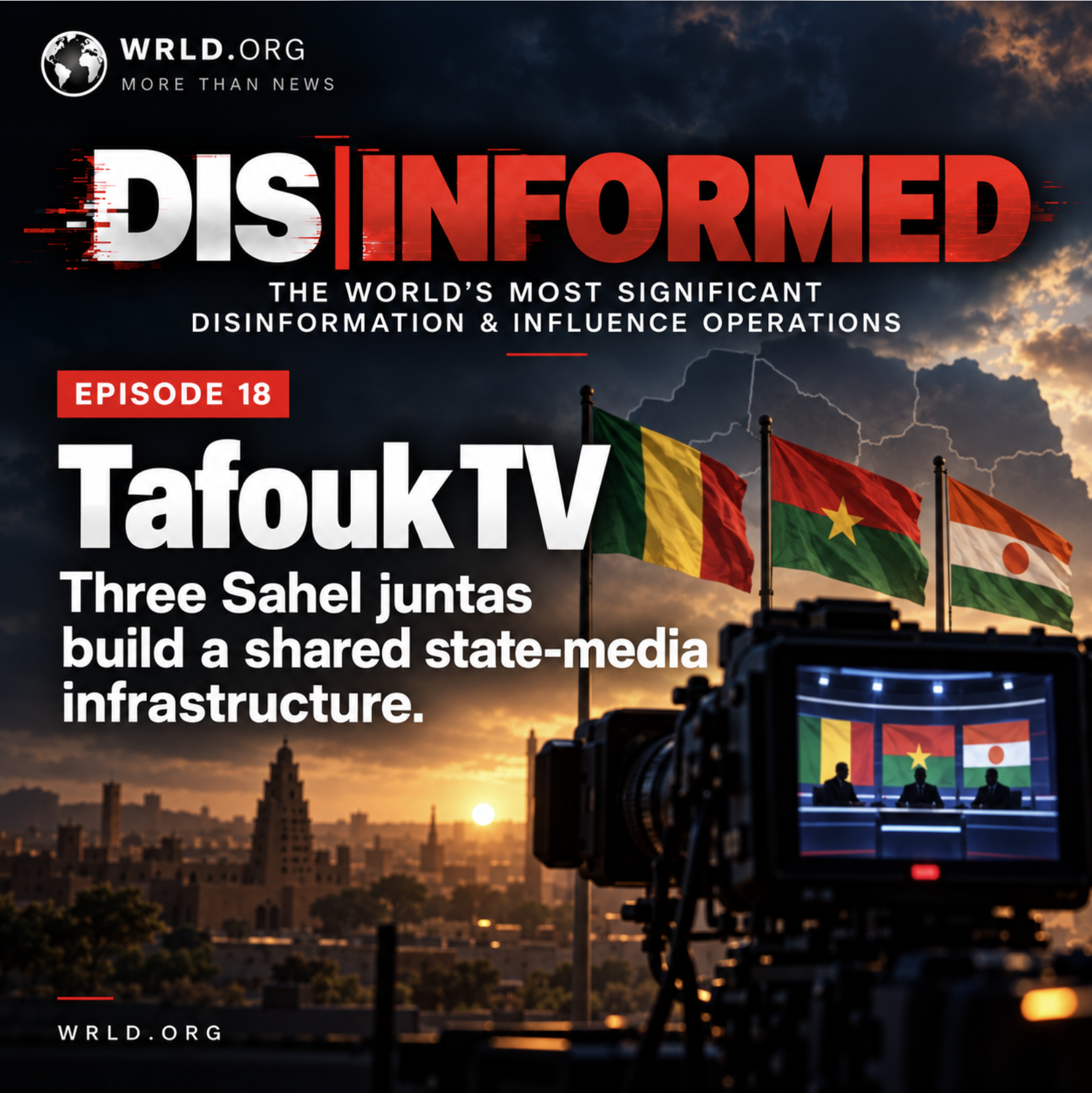
Tafouk TV – how three Sahel military governments are building a common information system Mali, Burkina Faso and Niger are no longer relying only on speeches, social media or their existing national broadcasters to shape the information environment around the Alliance of Sahel States. They are building a shared, permanent media infrastructure. At its centre is Tafouk TV, the confederal television channel of the AES, broadcasting from Bamako. Its creation was formally agreed by the three governments in December 2025, its governing structure was installed in 2026 and regular programming began in September. The project is explicitly presented by AES authorities as an instrument of “information sovereignty” and what Malian Foreign Minister Abdoulaye Diop has called “narrative sovereignty”. A television channel built by three military governments Tafouk TV is fundamentally different from a covert bot network or a collection of anonymous propaganda accounts. Its ownership and political purpose are public. It is an institutional broadcaster created by the governments of Mali, Burkina Faso and Niger, all currently led by military authorities. Malian government documents describe the channel as a common media instrument intended to strengthen communication across the confederation, promote regional identities and respond to what the AES sees as hostile narratives and disinformation. The project sits alongside Daandè Liptako, a shared radio service, and broader plans to develop common information structures across the three states. That institutional architecture is important. A social-media influence network can disappear when accounts are suspended. A television channel, radio network and future news agency can develop journalists, archives, correspondents, distribution agreements and continuous daily output. The result is not a temporary campaign but potentially a long-term information system. Russia enters through RT The Russian connection is also public. In July 2026, Tafouk TV signed a cooperation agreement with RT, the Russian state-funded international broadcaster. The memorandum was signed by Tafouk TV director-general Salif Sanogo and Natalia Lebedeva, director of RT en français. It provides for content exchange, expertise-sharing and joint coverage of major events in Russia and the Sahel. RT described itself as Tafouk TV's first international partner. This makes Tafouk part of a much broader geopolitical realignment in the Sahel. Mali, Burkina Faso and Niger have reduced cooperation with France and other Western partners while deepening political, diplomatic and security relations with Moscow. But the distinction is important: there is no public evidence that Russia owns Tafouk TV, finances the entire channel or directly controls its editorial decisions. The most precise description is therefore a state-owned AES broadcaster with a formal partnership with Russian state media, rather than a Russian-controlled television station. The battle over the narrative AES officials make little attempt to hide the strategic role they expect the channel to play. During a visit to Tafouk TV shortly after regular broadcasting began, Abdoulaye Diop described communication as another strategic front alongside defence, diplomacy and development. He spoke of a geopolitical environment characterised by a “war of narratives” and said the AES needed its own media to defend its interests and strengthen its narrative sovereignty. Mali's government has similarly described Tafouk TV as an instrument of information sovereignty, regional cohesion and Sahelian identity. The first governing-board meetings emphasised digital distribution, national languages and the creation of a new generation of Sahelian journalists capable of carrying the confederation's message at home and abroad. Early reporting examined by the Financial Times found patriotic programming, interviews with officials and positive reporting from conflict zones. The newspaper described the project in the context of the three governments' attempts to challenge Western media narratives and strengthen their legitimacy while facing continuing jihadist insurgencies. Why this is not simply another disinformation operation It is important not to use propaganda and disinformation as synonyms. A state broadcaster can systematically promote the government's preferred interpretation of events without every story being false.Tafouk TV's significance therefore lies less in individual fabricated claims than in the information architecture being created around it: three governments operating a shared broadcaster, common radio infrastructure and potentially other confederal media, while cooperating with Russia's international state-media system. This development is taking place while independent media conditions across the three countries are deteriorating. Reporters Without Borders ranked Burkina Faso 110th, Niger 120th and Mali 121st in its 2026 World Press Freedom Index, pointing to arbitrary detentions, restrictions on journalists and suspensions of media outlets across the AES states. That context changes the importance of Tafouk TV. A new state broadcaster entering a diverse and competitive media environment is one thing. A common government-controlled broadcaster expanding while alternative sources face restrictions is another. From influence campaigns to permanent infrastructure Tafouk TV illustrates an important evolution in the information contest in the Sahel. Russian and pro-Russian influence in Africa has often relied on social-media networks, influencers, fake experts, local partners or apparently independent media outlets. Tafouk represents something more durable: formal state institutions can now carry many of the same geopolitical narratives openly and continuously. The audience figures are not yet sufficiently established to demonstrate how influential Tafouk TV will become. It may eventually reach far fewer people than some viral online operations, or its television, radio and digital infrastructure may give it far greater long-term significance. Sources Government of Mali — Tafouk TV governing board and strategic mission https://gouvernement.ml/conseil-dadministration-de-tafouk-tv-installe-a-bamako-le-ministre-alhamdou-ag-ilyene-trace-les-orientations-strategiques-de-la-chaine-confederale/ Government of Mali — Abdoulaye Diop and “narrative sovereignty” https://gouvernement.ml/communication-confederale-de-laes-sem-abdoulaye-diop-a-la-decouverte-de-tafouk/ Government of Mali — creation of Tafouk TV and Daandè Liptako https://gouvernement.ml/conseil-national-de-la-transition-le-cnt-adopte-deux-textes-majeurs-relatifs-a-la-creation-de-tafouk-tv-et-de-la-radio-daande-liptako/ Government of Mali — ratification and information-sovereignty objectives https://gouvernement.ml/2026/05/30/ Government of Mali — Tafouk TV board and Prime Minister Abdoulaye Maïga https://gouvernement.ml/television-de-lalliance-des-etats-du-sahel-tafouk-tv-les-membres-du-conseil-dadministration-prennent-les-orientations-et-conseils-du-premier-ministre-abdoulaye-maiga/ RT en français — cooperation agreement between RT and Tafouk TV https://rtenfrance.tv/news/136036-rt-devient-premier-partenaire-international-tafouk-tv-chaine-commune-aes APA News — Tafouk TV and Daandè Liptako common AES media infrastructure https://fr.apanews.net/communication/tafouk-tv-et-daande-liptako-le-mali-consolide-les-medias-communs-de-laes/ APA News — Tafouk TV begins regular programming https://fr.apanews.net/communication/aes-tafouk-tv-demarre-ses-programmes/ Financial Times — Sahel juntas launch Tafouk TV with Russian backing https://www.ft.com/content/259b49a1-8eda-4e8d-84c7-45323988b07b Reporters Without Borders — 2026 Press Freedom Index: Africa https://rsf.org/en/classement/2026/afrique Keywords #DISINFORMED #Episode18 #TafoukTV #AES #AllianceOfSahelStates #Sahel #Mali #BurkinaFaso #Niger #Russia #RussianInfluence #RussianMedia #RT #RussiaToday #StateMedia #StatePropaganda #InformationSovereignty #NarrativeSovereignty #InformationWarfare #InfluenceOperations #StrategicCommunication #MediaInfluence #MediaControl #Propaganda #Disinformation #ForeignInfluence #FIMI #Africa #WestAfrica #MilitaryGovernment #MilitaryRule #SahelMedia #DaandeLiptako #MediaInfrastructure #NarrativeControl #PressFreedom #MediaFreedom #Geopolitics #OSINT #WRLD

565
Rê 6d

Rê stated that the mobilization of profiles on TikTok, including those of lesser-known influencers, was more important than many imagined. According to her, since these creators addressed other topics, they managed to reach audiences outside the political bubble. Rê also emphasized the importance of large profiles, such as those of Carlinhos Maia, Juliette, and Ana Paula Renault, and requested that the movement surrounding them be valued. She advocated for the creation of trends and the use of videos made with artificial intelligence to enhance outreach, with the aim of maintaining mobilization until the 24th. In her assessment, young people and members of fandoms understood these networks better and could help boost the initiative. #TikTok #Influencers #Viralizar (translated)

3278
Gustavo Castañon 6d

Gustavo Castañon stated that, after the election, the influencers from Mind and similar groups, as well as fake accounts on X and other networks, would quickly disappear. He also predicted that the Workers' Party would lose strength without money. #Eleicoes2024 #Influencers #Petismo (translated)

2717
hayy⚡️ 6d

Hayy supported a detailed investigation into all the influencers who declared support for Lula's government in the second round, stating that there was something "very strange" about the situation. He also claimed that they had remained silent in the face of scandals and during the first round, and now were publishing videos in the style of Nikolas Ferreira, lacking creativity according to his assessment. #Investigação #Influencers #Política (translated)

3510
L
Le Soir 6d

A recent study by Bancontact shows that nearly 42% of teenagers trust links from influencers on social media, making them primary victims of online fraud. #arnaque #ados #fraude (translated)

www.lesoir.be
Les ados, premières cibles des arnaques
2832

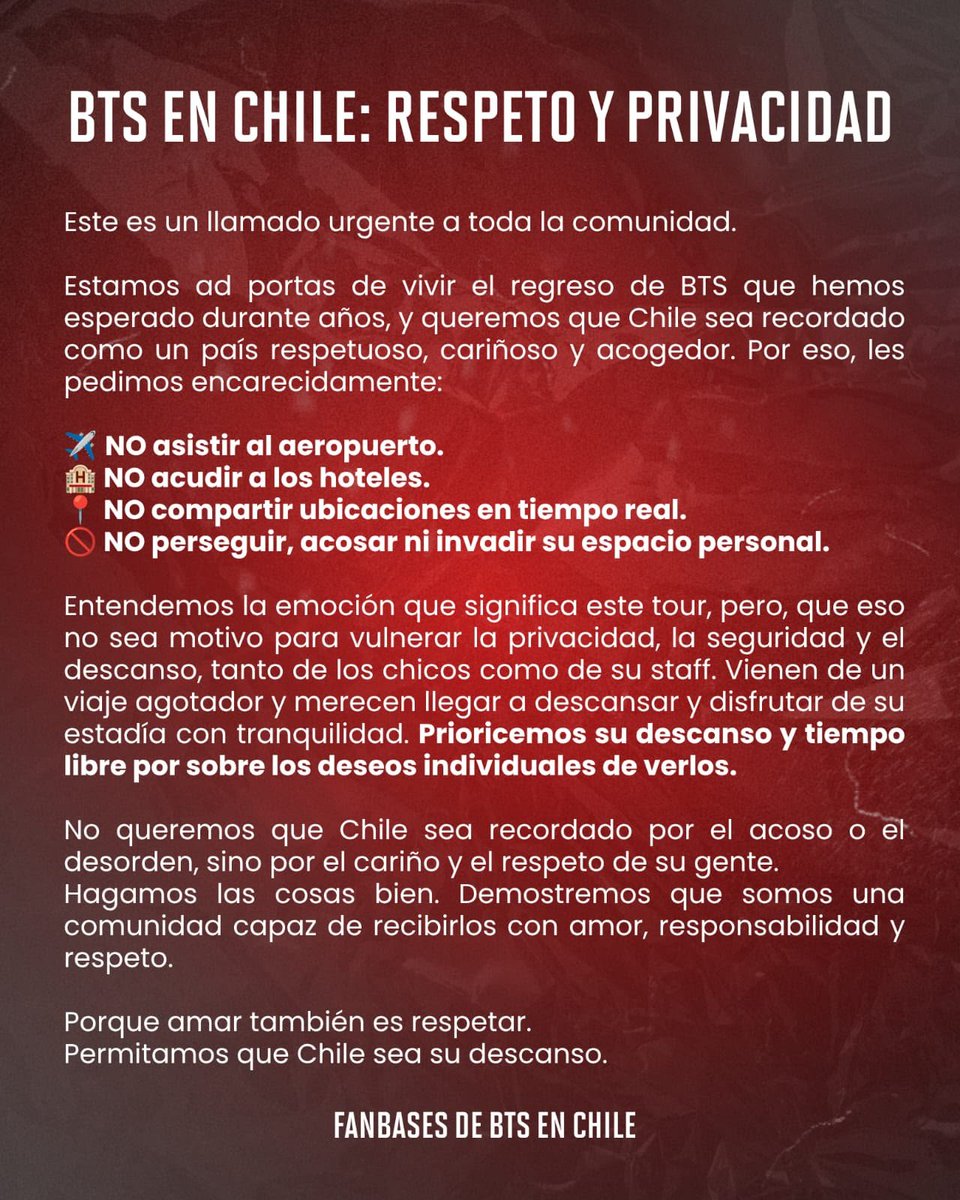
Chile Connected to BTS asked ARMY, the fans, the media, and influencers that if they observed behaviors that could infringe Chilean laws regarding public disorder and street harassment, they should call the appropriate security services. #BTSenChile #Chile #ARMYChile https://t.co/auPXjbvG48 #BTS #Chile #ARMY (translated)

2737
Investacus 🧠 💰 1w

Investacus wrote that Avionero had attempted to go public just over a week earlier and that the CEO now stated on Facebook that the company had gone bankrupt and was out of money. According to Investacus, the CEO blamed Affärsvärlden's 11 flags and X-influencers who had criticized the company and bullied him for his hairstyle. Investacus asked whether higher demands should be placed on companies that are to be listed and wrote that they need to have greater viability. #konkurs #affärer #startup (translated)

3308
Grefg =) 1w

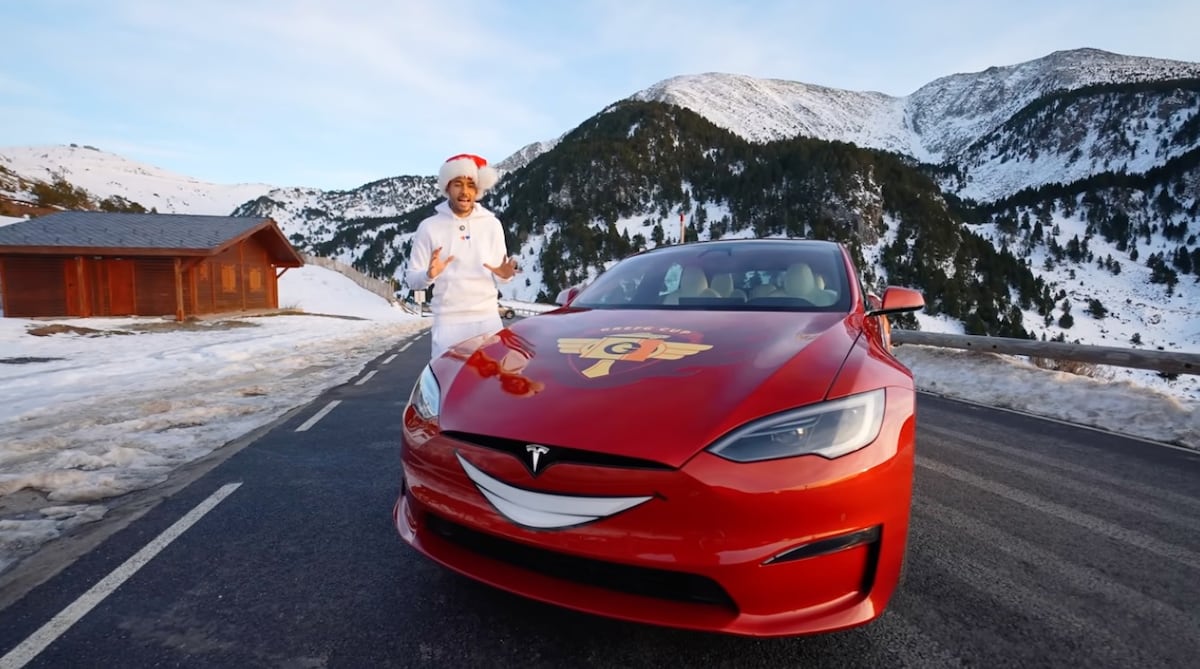
This car cost me almost 120,000 euros. Although the department does not reveal the name of the YouTuber, the amounts, dates, and the sanctioned company match the raffle announced by TheGrefg, a person from Murcia who lives in Andorra due to its low taxes and who offered his Tesla Model S Plaid. #Influencers #Sanciones #Rifa (translated)

Un ‘youtuber’ español residente en Andorra, multado con 750.000 euros por la rifa de un coche de lujo
elpais.com
2738
EL PAÍS 1w

A Spanish YouTuber living in Andorra has been fined 750,000 euros for organizing a raffle for a luxury car without the required permit, in what is considered the highest penalty imposed on an influencer in Spain. #Influencers #Sanciones #Rifa (translated)

elpais.com
Un ‘youtuber’ español residente en Andorra, multado con 750.000 euros por la rifa de un coche de lujo
2738
Hanwen Zhang 🐲张汉文 2w

Hanwen Zhang mocked Ab3lardo's followers who justified the hiring of influencers at RTVC. As he wrote, they defended that the hired person had the right to work and had titles and experience; Zhang asked if they knew the word "shame." #Influencers #RTVC #Pudor (translated)

2973
karaflokoltsidas 2w

The karaflokoltsidas suggested placing a glass floor and filling the venue with influencers and sex workers, using a derogatory term for the latter. #γήπεδο #μοντέρνα #influencers (translated)

2973
Antonio Tabet 2w

Antonio Tabet stated that Flávio Bolsonaro frequently lied and promised prosperity without, according to him, having delivered results. He also alleged that the politician had been financed by a criminal billionaire and attributed his position to the support of influencers he deemed questionable and zealous supporters. Tabet compared Bolsonaro to the "little tiger of politics." #Política #Brasil #Desabafo (translated)

3089
Krzysztof Graj 2w

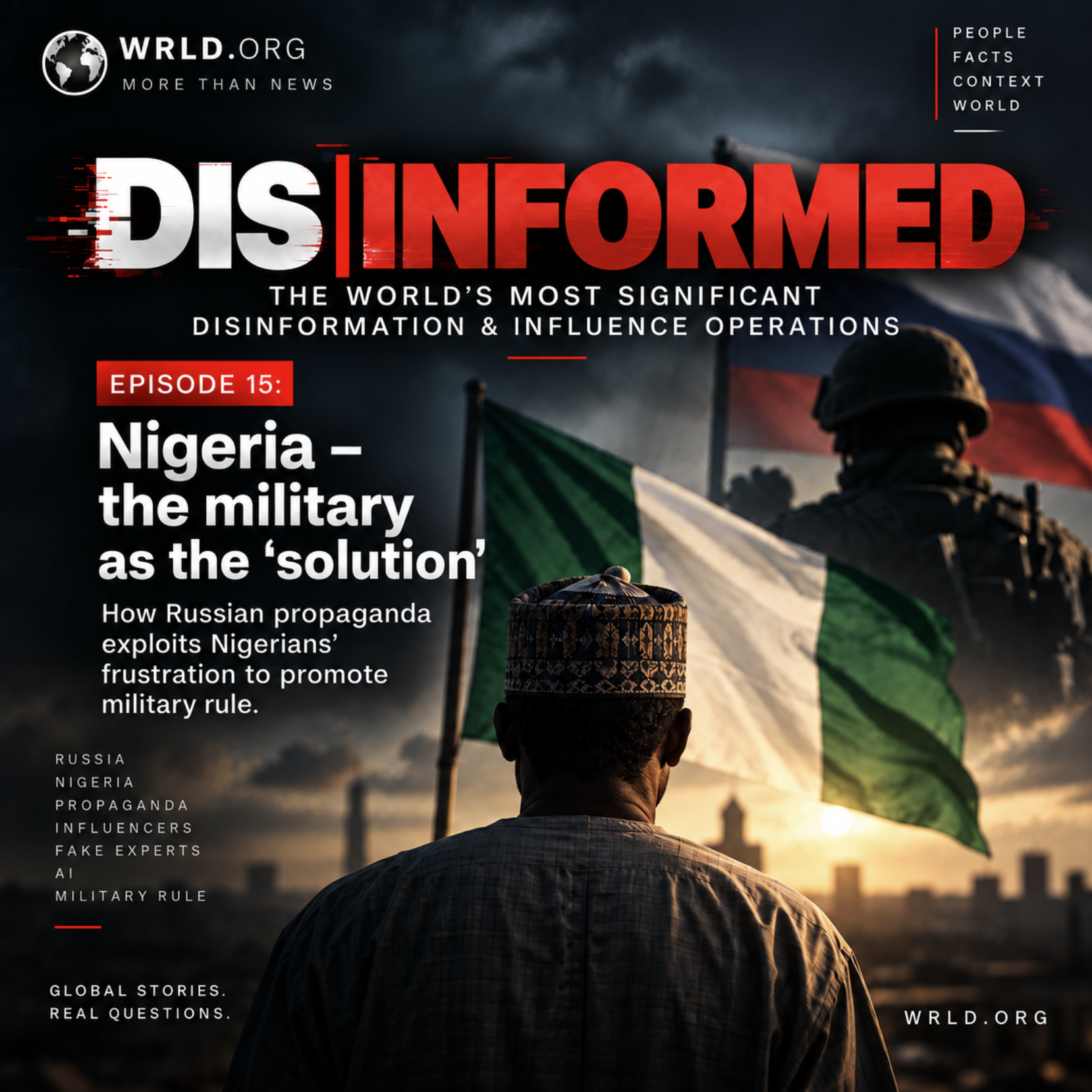
Nigeria – how pro-Russian influence networks sell military rule as the answer When Nigerians took to the streets in August 2024 to protest soaring living costs and frustration with government, some demonstrations acquired an unexpected symbol: the Russian flag. In Kano, Kaduna and other northern cities, protesters were filmed carrying Russian colours and calling for Moscow’s intervention. Some demanded a military takeover. What initially looked like an unusual expression of anger has since become part of a much larger picture. A September 2026 assessment by the Africa Center for Strategic Studies describes Nigeria as a major target of overlapping foreign information operations, with Russia the most active external actor in its information space. The report does not identify a single centrally controlled campaign. Instead, it maps an ecosystem in which genuine dissatisfaction over insecurity, corruption and living standards is repeatedly redirected towards a broader proposition: democratic government has failed, while the military-led regimes of the Sahel offer a more effective alternative. Turning a real protest into a pro-Russian message The clearest example emerged during the 2024 #EndBadGovernance protests. Nigerian investigative reporting found that a Kano-based TikTok influencer with more than 100,000 followers had been paid through a Telegram channel associated with African Initiative, a Moscow-based media operation linked by researchers to Russian influence activity in Africa. The influencer said the channel supplied photographs, videos and talking points for redistribution on TikTok and Instagram. Among the messages provided were phrases such as “Putin please come and save Nigeria” and “The army is the answer for Nigeria”. Influencers were encouraged to use Hausa-language hashtags including #Zangazanga – “protest” – alongside references to Putin and Russia. Investigators identified 38 accounts circulating similar pro-Russian and pro-military narratives during the demonstrations. Russian flags subsequently appeared among protesters in several northern cities. This does not mean the protests themselves were created by Russia. They were driven by genuine economic and political grievances, and Nigerian protesters gave different reasons for carrying Russian flags. The important feature of the influence activity was precisely that it did not need to manufacture the original anger. It could attach a geopolitical message to an existing domestic crisis. From frustration to the idea of military government The narrative fits a wider pattern seen across West Africa. Russia has developed close relations with the military governments of Mali, Burkina Faso and Niger, while pro-Russian media ecosystems routinely portray those states as examples of sovereignty, stability and resistance to Western influence. Nigeria, by contrast, has remained under constitutional civilian government since 1999. Africa Center researchers say information networks targeting Nigerians increasingly contrast these two models. Recurring messages depict elections as wasteful or predetermined, civilian institutions as incapable of protecting citizens and military governments as more decisive on security and development. Some content portrays the Sahelian juntas as delivering better roads, lower prices and stronger security even where available evidence points to continuing or worsening instability. Language is central to the strategy. Hausa is spoken across northern Nigeria and neighbouring Niger, allowing political narratives to travel across borders that are far less important online than they are on maps. HumAngle documented efforts involving Nigerien state-linked actors to cultivate Hausa-speaking journalists and distribute material favourable to Niger’s junta and hostile to France and Western influence. The Russian and Sahelian-junta information ecosystems are not identical, but their narratives frequently reinforce one another. Fake journalists inside real Nigerian media The campaign environment extends beyond social media. A 2026 investigation by Graphika and Code for Africa identified 44 ghost reporters and fake experts whose identities were used to place Russia-aligned narratives in African media. Thirty-eight were assessed with high confidence to be fabricated. Their articles or quotations appeared across 138 websites and were amplified by at least 113 Facebook accounts and Pages. Nigeria was one of the most heavily targeted countries. According to the Africa Center’s analysis of the research, Daily Post Nigeria carried 39 articles involving 14 identified ghost authors. Once published by a genuine Nigerian outlet, such material could then be cited by other websites, social-media accounts or even Russian official channels as though it had originated independently in Africa. This is information laundering rather than simple propaganda: the most valuable asset being borrowed is the credibility of the local newsroom. Generative AI added another layer. OpenAI and Meta separately disrupted a Russia-origin network that produced Africa-focused political content and operated Facebook Pages posing as local media organisations. One fabricated commentator, “Dr Manuel Godsin”, was presented as a European-trained geopolitical expert although investigators found no evidence supporting his academic biography. ChatGPT had been used to generate articles under the persona’s name, while Meta removed 37 Facebook accounts and 29 Pages connected to the broader network. Different networks, similar strategic direction It would be misleading to merge all these activities into a single Russian command structure. The African Initiative-linked influencer campaign, the ghost-reporter network and the AI-enabled operation disrupted by OpenAI and Meta were uncovered separately and used different infrastructure. Public evidence does not demonstrate that every actor reported to the same organisation. What connects them is a recurring set of themes and methods: portraying Western partnerships as exploitative, presenting Russia as an alternative security partner, amplifying failures of civilian government, and giving military-led rule greater legitimacy. Investigative reporting on leaked Russian documents has meanwhile described a much wider influence apparatus operating across Africa, involving political consultants, paid journalists, influencers and locally tailored campaigns intended to reduce Western influence and expand Moscow’s position. The underlying technique is less about inventing dissatisfaction than redirecting it. Nigeria faces real security threats, economic pressure and public frustration. Influence operators do not need to persuade Nigerians that those problems exist. They need only influence the explanation for why they exist – and which political model appears to offer the answer. That is what makes the Nigerian case significant. The most effective propaganda does not necessarily introduce a completely false reality. It takes a real crisis and changes where the audience is encouraged to look for the solution. Sources Africa Center for Strategic Studies — The Raging Information Battle in Nigeria https://africacenter.org/spotlight/the-raging-information-battle-in-nigeria/ Graphika — Umbrae Ex Machina https://www.graphika.com/reports/umbrae-ex-machina OpenAI — Operation “No Bell” https://openai.com/index/disrupting-malicious-uses-of-ai-no-bell/ TheCable — Ghost reporters in African media https://www.thecable.ng/ghost-reporters-how-fabricated-african-voices-carried-pro-russia-narratives/ HumAngle — Nigeria Is Facing an Information War in Its Own Language https://www.humanglemedia.com/nigeria-is-facing-an-information-war-in-its-own-language DAIDAC / CJID — Russian influence during #EndBadGovernance https://daidac.thecjid.org/how-telegram-tiktok-aided-russian-disinformation-that-led-to-incarceration-of-nigerian-minors/ FactCheckHub — How Nigeria’s hunger protest took a radical turn https://factcheckhub.com/from-economic-protests-to-coup-agitation-how-nigerias-hunger-march-took-a-radical-turn/ News24 — Fake Kremlin-linked analyst planted stories in African media https://www.news24.com/southafrica/news/ai-expert-exposed-fake-kremlin-linked-analyst-planted-stories-in-african-media-20260318-0560 Vanguard — AI ‘expert’ exposed https://www.vanguardngr.com/2026/03/ai-expert-exposed-fake-kremlin-linked-analyst-planted-stories-in-african-media/ Africa Confidential — How Moscow wages social media war https://www.africa-confidential.com/article/id/15961/how-moscow-wages-social-media-war Keywords #DISINFORMED #Episode15 #Nigeria #Russia #RussianInfluence #RussianDisinformation #Africa #WestAfrica #Disinformation #InformationWarfare #InfluenceOperations #ForeignInterference #FIMI #Propaganda #MilitaryRule #MilitaryGovernment #Democracy #PoliticalManipulation #NarrativeManipulation #AfricanInitiative #EndBadGovernance #Hausa #LocalInfluencers #GhostReporters #FakeExperts #ArtificialIntelligence #AI #AIPersonas #SyntheticMedia #AIPropaganda #Astroturfing #SocialMediaManipulation #Telegram #TikTok #DigitalInfluence #SourceLaundering #NarrativeLaundering #MediaManipulation #Sahel #Geopolitics #OSINT #WRLD

africacenter.org
The Raging Information Battle in Nigeria
1374