Trumpism is a luxury good
Trumpism is a luxury good

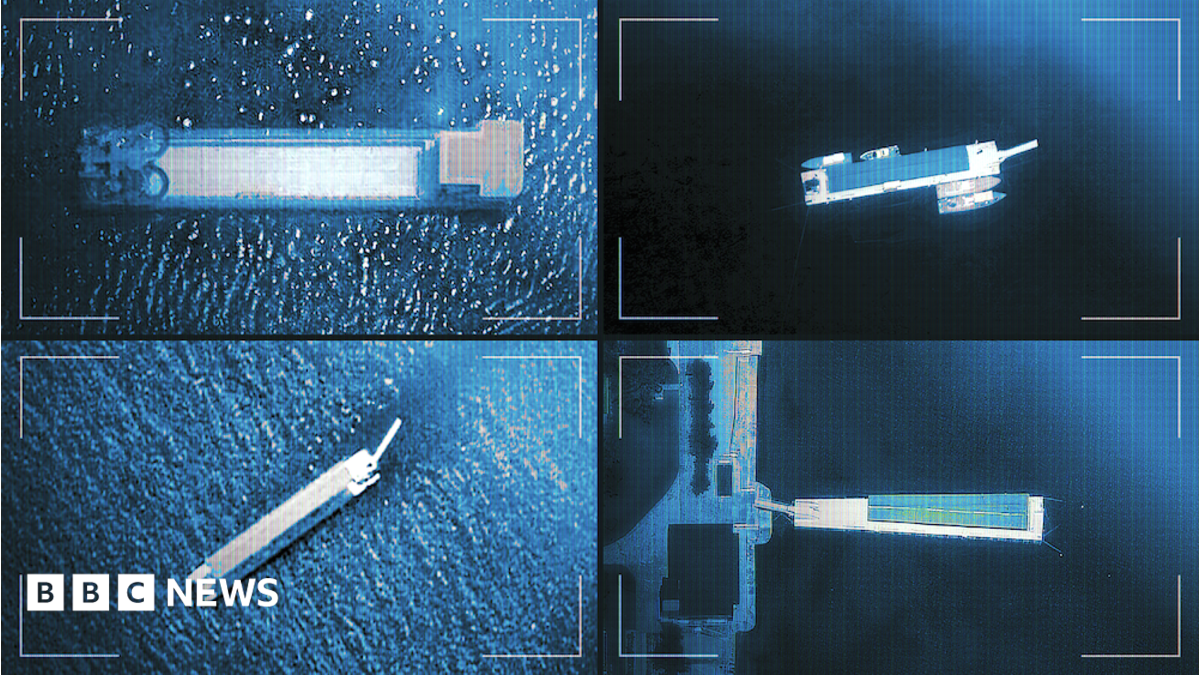
Satellite images give clues about how Kim spends his holidays - something far out of reach for most North Koreans. #LuxuryYacht #NorthKorea #KimJongUn
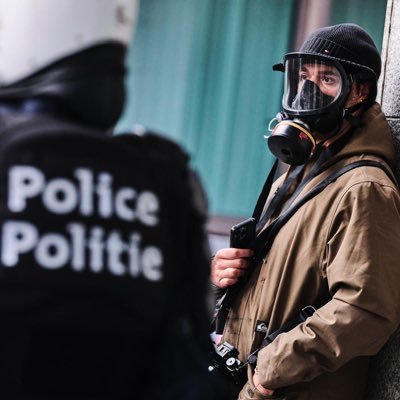
Owen wrote that people in Paris proudly went out with expensive frames, while the price tags were still attached, and that the whole store was cleared out. #Paris #17octobre2026 https://t.co/AuqOK9pFo6 #mode #luxury #winkelen (translated)


Sinn Féin said it had proposed scrapping carbon tax on home heating oil, arguing that rising prices were adding pressure on workers and families already struggling with the cost of living. The party said keeping homes warm should not be a luxury. https://t.co/lSI6U29Qvl #CostOfLiving #HomeHeating #CarbonTax #IE
The Political Hypocrisy: Condemning Islam at Home, Accepting Qatar’s Millions Abroad Donald Trump has repeatedly portrayed Islam as a threat to American society and championed restrictions targeting people from predominantly Muslim countries. Yet his administration accepted a luxury Boeing 747-8 from Qatar, a wealthy Islamic monarchy, for use as a presidential aircraft. The contrast is hard to ignore: if Islam and the countries associated with it are supposedly a threat to America, why is a gift worth hundreds of millions of dollars from one of those countries acceptable? When it comes to political rhetoric, Islam is framed as a danger. When it comes to diplomacy, power, and luxury, a wealthy Islamic state becomes a welcome partner. That raises serious questions about consistency, transparency, and accountability. Is this about defending American values, or does that principle become flexible when there are political and strategic benefits to be gained? The real issue is not Qatar’s religion. It is whether a president who warns Americans about foreign threats should be accepting such an extraordinary gift from a foreign government—and whether the public can be confident that American interests come first.

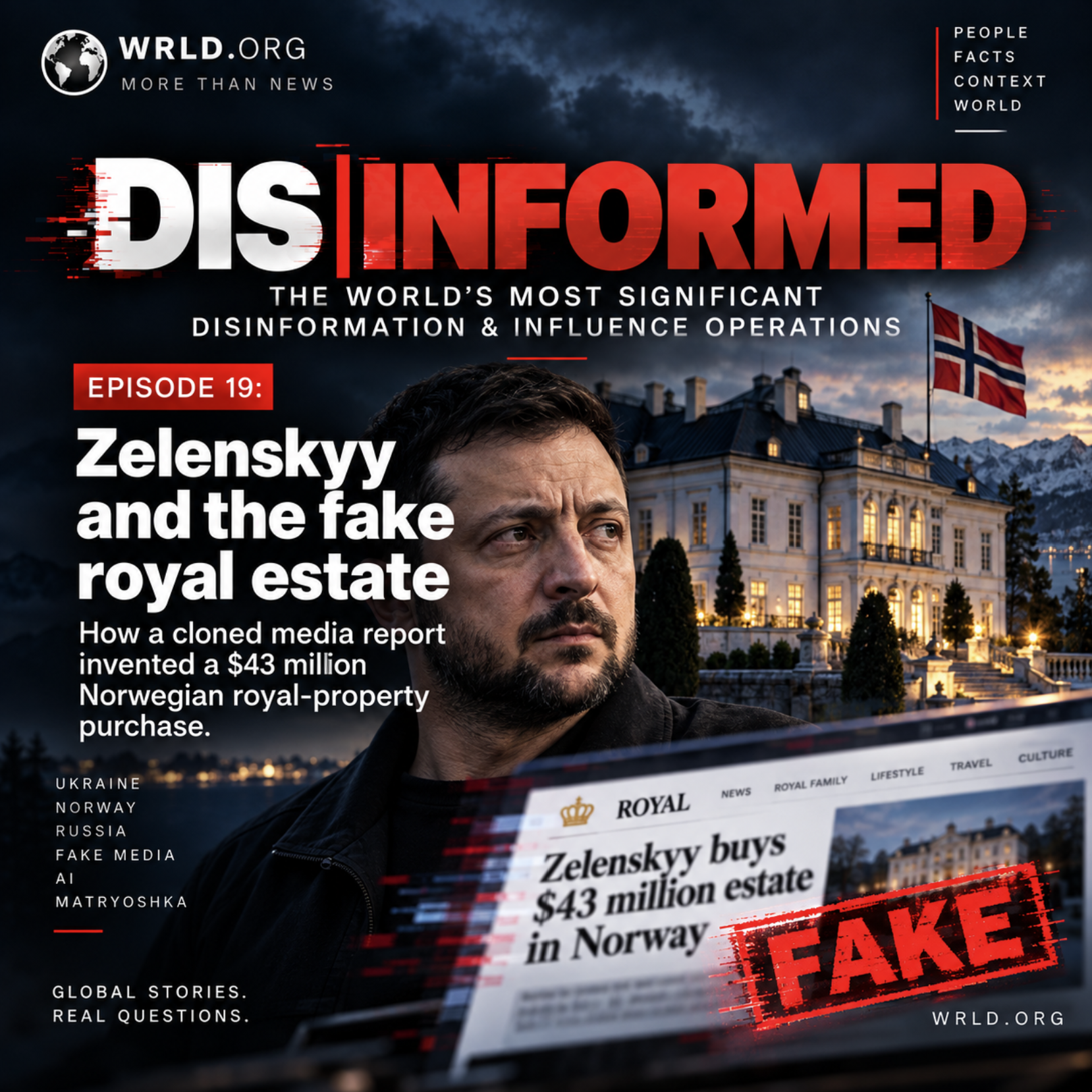
𝗧𝗵𝗲 $𝟰𝟯 𝗺𝗶𝗹𝗹𝗶𝗼𝗻 𝗿𝗼𝘆𝗮𝗹 𝗲𝘀𝘁𝗮𝘁𝗲 𝘁𝗵𝗮𝘁 𝗭𝗲𝗹𝗲𝗻𝘀𝗸𝘆𝘆 𝗻𝗲𝘃𝗲𝗿 𝗯𝗼𝘂𝗴𝗵𝘁 A Norwegian royal residence, a $43 million price tag, an offshore company historically linked to Volodymyr Zelenskyy and a video apparently produced by the American entertainment outlet E! News. The story contained enough authentic details to look plausible. It was also fabricated. At the end of September 2026, social-media accounts began circulating a video claiming that Film Heritage Inc., a Belize-registered company with historical links to Zelenskyy and his family, had purchased the Norwegian royal estate of Skaugum for approximately $43 million. The property was described as covering 240 acres, while the supposed transaction was linked to Zelenskyy’s visit to Norway for the funeral of King Harald V. Independent investigations found no evidence that such a sale had ever taken place. 𝗔 𝗳𝗮𝗸𝗲 𝗿𝗲𝗽𝗼𝗿𝘁 𝗯𝘂𝗶𝗹𝘁 𝗮𝗿𝗼𝘂𝗻𝗱 𝗿𝗲𝗮𝗹 𝗲𝘃𝗲𝗻𝘁𝘀 The fabrication was carefully constructed around genuine information. King Harald V had died in August 2026, and Zelenskyy and First Lady Olena Zelenska travelled to Oslo for his funeral on 9 September. Skaugum is also a genuine royal estate in Asker with a long history as a residence of Norway’s heir to the throne. The false report turned those facts into a fictional property transaction. It claimed that Zelenskyy had previously attempted to buy the estate, that the Norwegian royal family had rejected an earlier approach and that the purchase had finally been completed after the property supposedly became a financial burden. No documentary evidence supporting any of these claims has emerged. Norway’s Ministry of Foreign Affairs later confirmed to fact-checkers that the allegation was false. Searches of established Norwegian and international media also produced no credible reporting about the supposed transaction. 𝗔 𝗻𝗲𝘄𝘀𝗿𝗼𝗼𝗺 𝘁𝗵𝗮𝘁 𝗲𝘅𝗶𝘀𝘁𝗲𝗱 𝗳𝗼𝗿 𝘁𝘄𝗼 𝗱𝗮𝘆𝘀 The most important part of the operation was not the property claim itself. It was the source apparently verifying it. The video was designed to resemble an E! News report, borrowing the visual language of the established American entertainment brand. But investigators found no such story on E! News’s genuine website, social-media channels or archived pages. Instead, the accompanying article appeared on eonline.news, a domain closely resembling E! News’s legitimate eonline.com address. Registration records showed that the imitation domain had been created on 27 September 2026 — only two days before the story was published. The accompanying video also showed signs of synthetic production. Fact-checkers examining the material identified indications that AI tools had been used in the narration and audiovisual elements. The operation therefore did not simply invent a news story. It created an apparently credible media environment around it. 𝗧𝗵𝗲 𝗿𝗲𝗮𝗹 𝗰𝗼𝗺𝗽𝗮𝗻𝘆 𝗶𝗻𝘀𝗶𝗱𝗲 𝘁𝗵𝗲 𝗳𝗮𝗹𝘀𝗲 𝘀𝘁𝗼𝗿𝘆 The supposed buyer was also carefully selected. Film Heritage Inc. was not invented for the fabrication. The Pandora Papers previously documented a genuine historical connection between the Belize-registered company and Zelenskyy’s former business network. Leaked documents showed that Zelenskyy and his wife had held an interest in another offshore company through Film Heritage before changes were made to the ownership structure around his 2019 presidential campaign. That authentic history gave the new fabrication an additional layer of plausibility. The same company name has previously appeared in false narratives alleging extravagant purchases by Zelenskyy, including supposed luxury-property and casino acquisitions. Those stories were also unsupported by evidence. This illustrates a recurring feature of effective disinformation: not every component has to be false. A genuine company can be combined with a genuine trip, a genuine property and a genuine media brand to manufacture an event that never occurred. 𝗧𝗵𝗲 𝗠𝗮𝘁𝗿𝘆𝗼𝘀𝗵𝗸𝗮 𝗰𝗼𝗻𝗻𝗲𝗰𝘁𝗶𝗼𝗻 Ukraine’s Center for Countering Disinformation assessed the operation as consistent with the Russian Matryoshka disinformation playbook. The technique strongly resembles previously documented Matryoshka activity: impersonating established Western media organisations, creating fabricated video reports and distributing them through coordinated or pro-Russian social-media networks. French authorities have documented Matryoshka since 2023 as a pro-Russian influence operation targeting media organisations, public figures and fact-checkers. Investigations have shown repeated use of counterfeit reports imitating major European and North American news brands. The Norwegian-estate story fits that pattern closely. The attribution nevertheless requires precision. Independent evidence establishes that the E! News report was fake, that a newly created imitation website was involved and that the story circulated through pro-Russian information channels. Publicly available forensic evidence does not yet identify a specific individual or technical operator who created this particular asset. It is therefore more accurate to describe the Matryoshka connection as a well-supported analytical attribution rather than a publicly proven chain of command. 𝗪𝗵𝗲𝗻 𝘁𝗵𝗲 𝘀𝗼𝘂𝗿𝗰𝗲 𝗯𝗲𝗰𝗼𝗺𝗲𝘀 𝘁𝗵𝗲 𝗱𝗲𝗲𝗽𝗳𝗮𝗸𝗲 The most important element of the operation is not really the $43 million figure. It is the construction of credibility around it. A genuine royal funeral supplied the timing. A genuine Norwegian estate supplied the location. A genuine offshore company supplied a documented connection to Zelenskyy. A counterfeit E! News website supplied apparent journalistic confirmation. Synthetic audiovisual material supplied what looked like additional evidence. Each element reinforced the others. This reflects a broader change in contemporary disinformation. The most sophisticated operations no longer rely exclusively on fabricating photographs, videos or statements. Increasingly, they fabricate the source that supposedly verified them. The deepfake is sometimes the entire newsroom! 𝗦𝗼𝘂𝗿𝗰𝗲𝘀 Lead Stories — investigation into the fake E! News report https://leadstories.com/hoax-alert/2026/10/fact-check-enews-did-not-publish-report-about-zelenskyy-buying-43-million-dollar-mansion-from-norways-royal-family.html Center for Countering Disinformation of Ukraine — Norwegian royal estate fabrication https://cpd.gov.ua/en/international-threats-en/europe/fake-about-zelenskyys-purchase-of-a-norwegian-royal-family-estate/ Ellinika Hoaxes — investigation and Norwegian government response https://www.ellinikahoaxes.gr/2026/10/09/agorase-o-zelenski-ektasi-240-stremmaton-apo-ti-vasiliki-oikogeneia-tis-norvigias-gia-43-ekatommyria-dolaria/ The Royal House of Norway — funeral of King Harald V https://www.royalcourt.no/news/the-funeral-of-king-harald-v The Royal House of Norway — Skaugum and the Royal Estates https://www.royalcourt.no/the-royal-court/the-departments-the-royal-court/the-royal-estates-and-parks President of Ukraine — Zelenskyy and First Lady attend King Harald V’s funeral https://www.president.gov.ua/en/news/prezident-ukrayini-ta-persha-ledi-vzyali-uchast-u-ceremoniyi-106293 OCCRP — Pandora Papers investigation into Zelenskyy’s offshore network https://www.occrp.org/en/project/the-pandora-papers/pandora-papers-reveal-offshore-holdings-of-ukrainian-president-and-his-inner-circle AFP Fact Check — previous false luxury-purchase narrative involving Film Heritage https://factcheck.afp.com/doc.afp.com.36PG6EC VIGINUM / SGDSN — Matryoshka technical report https://www.sgdsn.gouv.fr/files/files/20240611_NP_SGDSN_VIGINUM_Matriochka_EN_VF.pdf CheckFirst — Operation Overload / Matryoshka investigation https://checkfirst.network/operation-overload-an-ai-fuelled-escalation-of-the-kremlin-linked-propaganda-effort/ Keywords #DISINFORMED #Episode19 #Zelenskyy #Ukraine #Norway #Russia #RussianDisinformation #RussianInfluence #Matryoshka #OperationOverload #Disinformation #InfluenceOperations #InformationWarfare #FIMI #MediaImpersonation #FakeMedia #ClonedWebsite #FakeNewsroom #ENews #ArtificialIntelligence #AI #AIGeneratedContent #VoiceCloning #SyntheticMedia #Deepfake #SourceLaundering #NarrativeLaundering #FilmHeritage #PandoraPapers #Skaugum #NorwegianRoyalFamily #Propaganda #DigitalInfluence #FactChecking #VIGINUM #OSINT #MediaManipulation #WRLD

LVMH recorded a revenue of 57.1 billion euros in the first nine months of 2026, with a decline of 2% at current exchange rates and a lukewarm reception from the markets due to a slowdown in the third quarter, influenced by the less dynamic context in China. #Lvmh #Luxury #Cina (translated)

The author claimed that more than 1,000 high-ranking Russians had taken luxury trips to Europe costing over €30,000, mostly to France, and that a third involved private jets. They asked why English-language media did not report on the trips and contrasted them with Russian propaganda portraying life in the EU as bad. #Russia #LuxuryTravel #MediaBias #RU #EU #FR
The author argued that Vienna should not become a haven for oligarch wealth, framing it satirically as a place where people who had stolen billions elsewhere could settle, hire lawyers and rely on Austrian neutrality for protection. They said Austria should not play that role and that neutrality should not provide such protection. https://t.co/bCgf1nphgt #Österreich #Neutralität #Oligarchen #AT


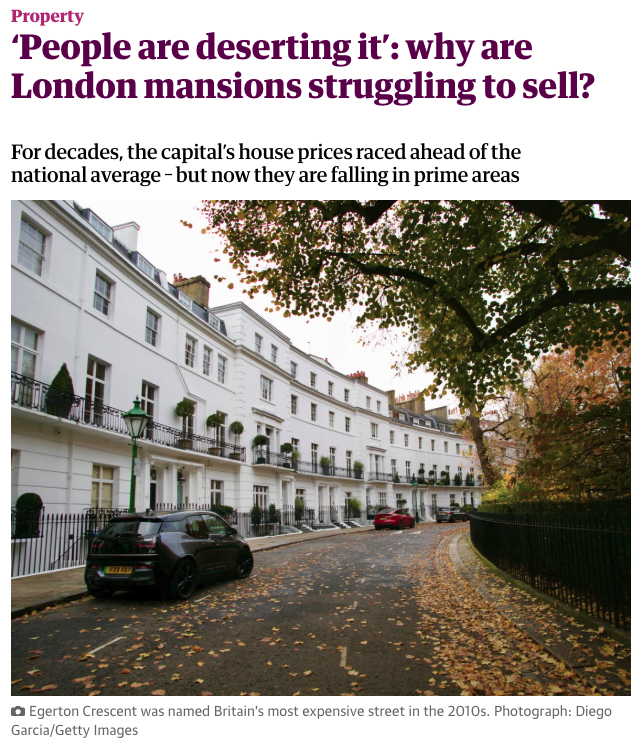
The author noted that The Guardian had reported that 7 out of 10 ultra-prime clients, buyers of super luxury properties, opted to rent instead of buying to avoid stamp duty, maintenance costs, taxes, and the risk of future fiscal measures. He added that they wanted to live in certain areas. (translated)

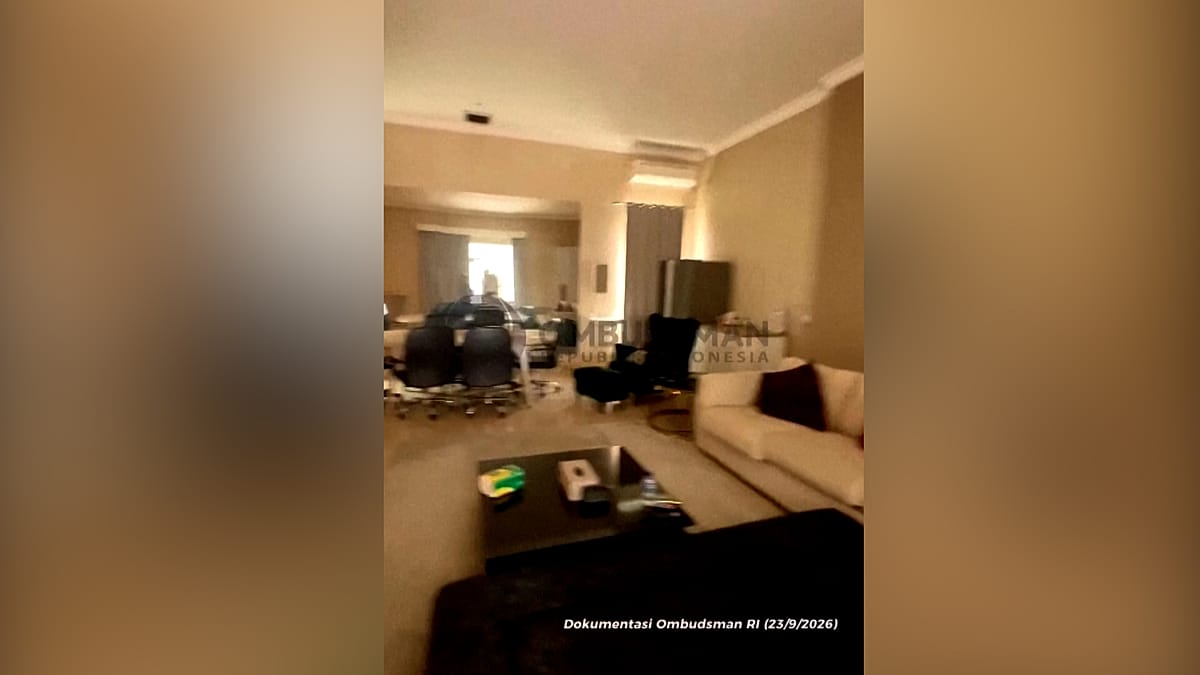
Five prison officials have been suspended after an inspection uncovered an apartment-style compound with luxury amenities allegedly being used by inmates at a prison near Jakarta. #LuxuryPrison #Indonesia #Corruption

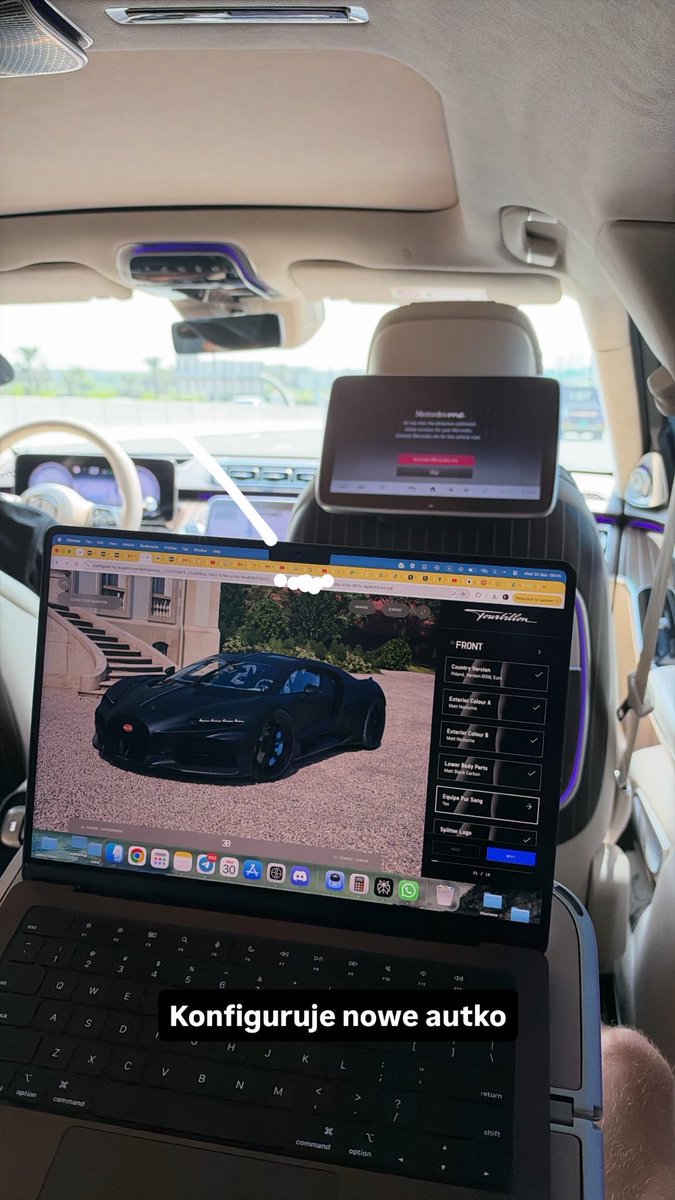
Here is the translation of the tweet: "My Bugatti Tourbillon Coupe will be produced at the end of 2028. But I will be flying to France in October/November this year to the Bugatti headquarters to configure the car live, so I will definitely make some coverage of that. Buying a Bugatti directly from the first hand comes with a number of benefits. The first of them is that we do not lose money on the car, and often it is an investment where in the secondary market we can resell it after 1.5 years for often even 1 million euros more. Another thing is the annual Christmas party at the Chateau in Molsheim at the Bugatti headquarters where you get to know other owners and the CEO and do networking. There is also an annual gathering of Bugatti owners and a week of driving in, for example, South Africa, together with other owners. So not only is the car an investment, but also through networking with other UHNWI it is an opportunity for new businesses and contacts." #Bugatti #luxurycars #networking (translated)

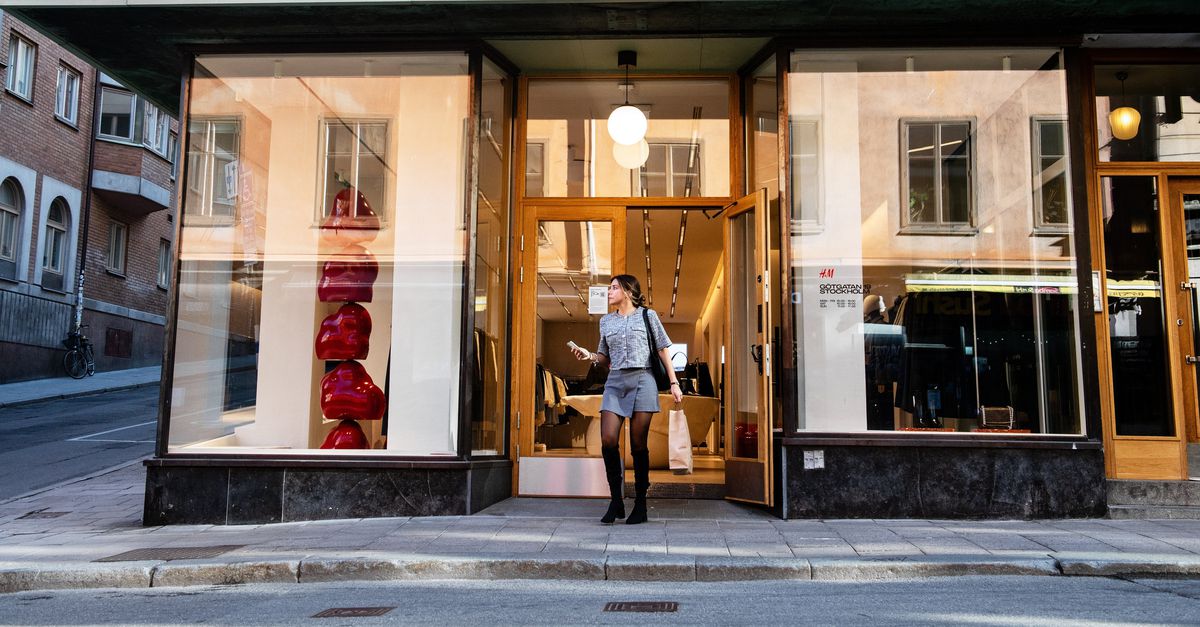
Na het succes van ultrafastfashionmerken zoals Shein kiezen H&M en Zara ervoor om hun merk te herpositioneren richting een hoger segment met een focus op 'aspirational luxury', waardoor ze zich proberen te onderscheiden op basis van productkwaliteit en merkbeleving. #FastFashion #UltrafastFashion #Modeindustrie
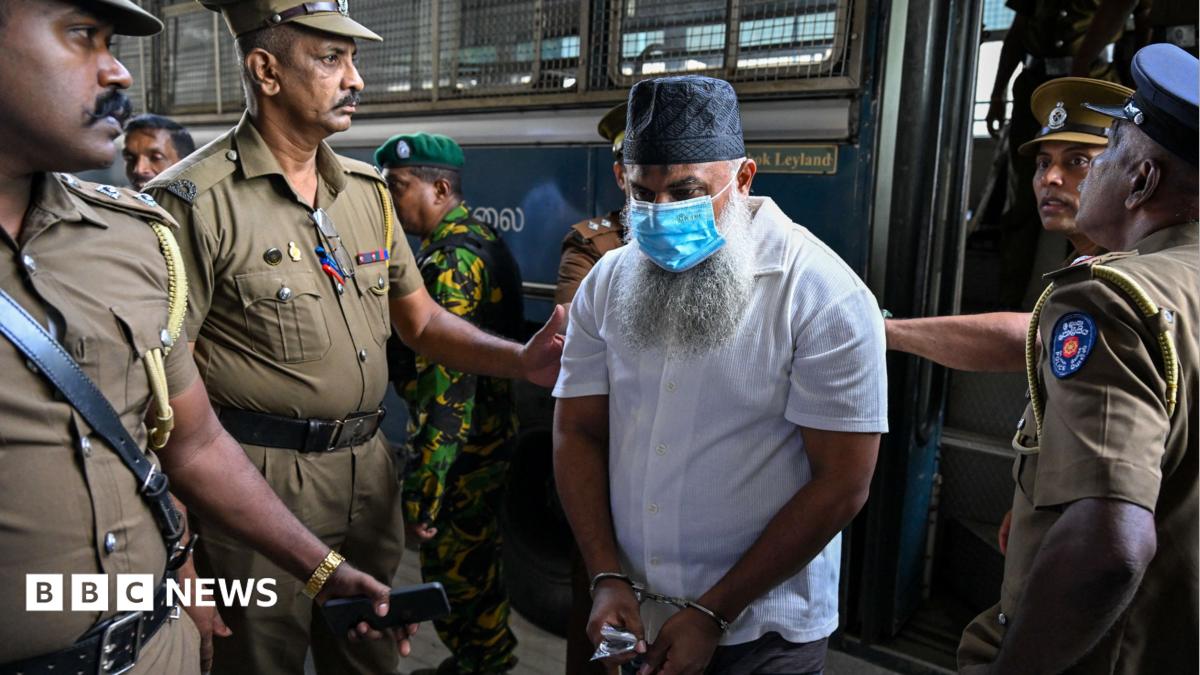
Three churches and three luxury hotels were targeted in the 2019 attacks which killed 270. #SriLanka #EasterBombings #Justice

Today he works with Loro Piana, Audemars Piguet and Acqua di Parma. Bentley built twenty-five cars to his spec. His jewellery brand sells in Selfridges, Aspen and Dubai. And 3,000,000 people follow him on social media. #LuxuryLifestyle #FashionInfluencer #HighEndBrands #AE #US
I call for a publicly funded smartphone for every European child from the age of 8. Digital participation is no longer a luxury — it is part of education, communication and modern citizenship. Every child in Europe should have access to a secure modern smartphone, high-quality https://t.co/JEIOsYSafi #DigitalInclusion #SmartphoneForAll #EducationAccess #EU


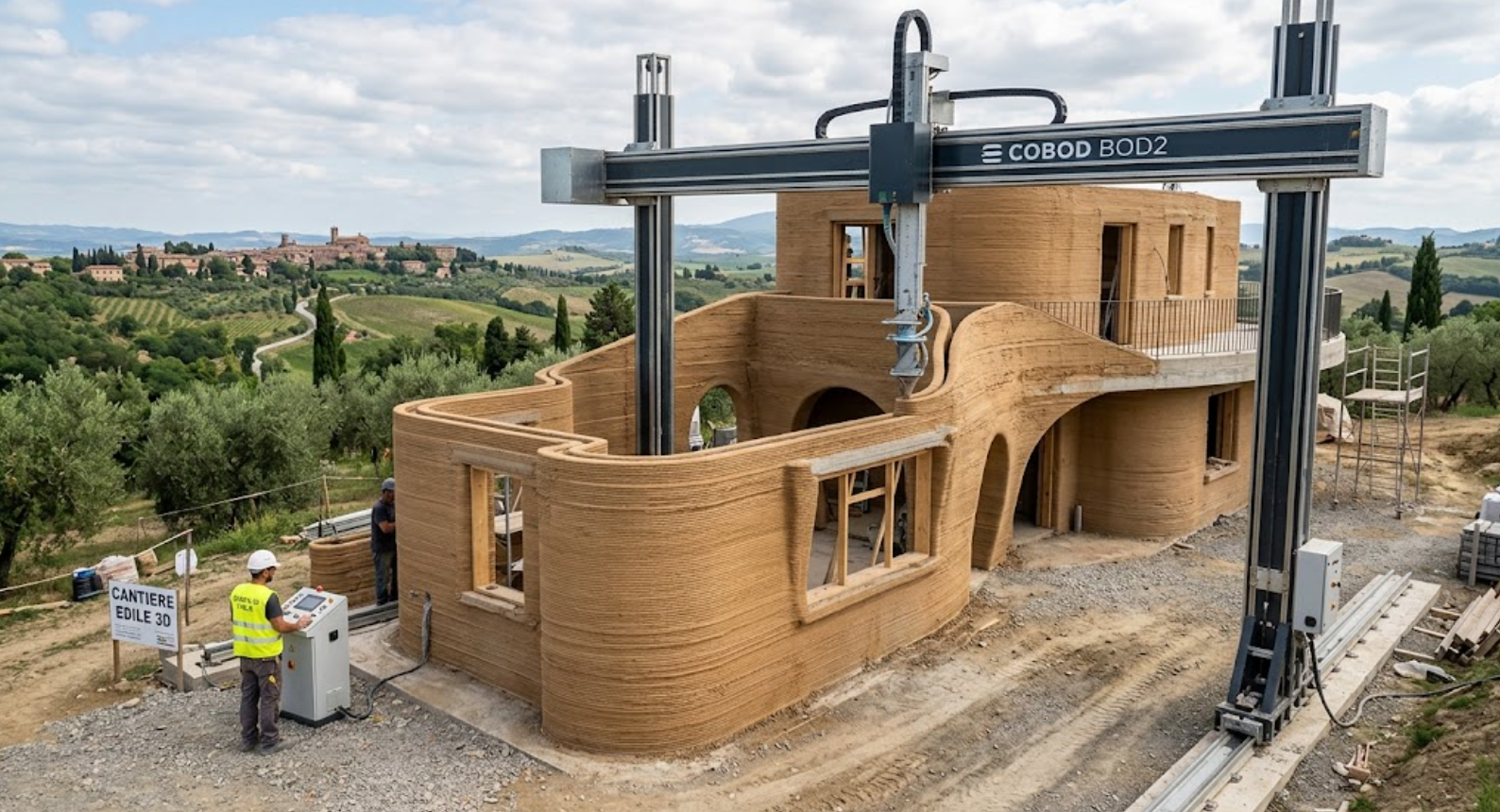
Would you inhabit a 3D-printed house erected in eight days? An affordable / mould-resistant / fire-resistant / seismic-resistant / climate-disaster-resilient house. SOURCE: https://www.facebook.com/reel/1420242892872158 A 3D-printed house that genuinely resolves the global housing crisis!!! What you are viewing in the video is no mere exhibition prototype. It is House Zero — the first luxury 3D-printed residence realised in Austin, Texas, by the American firm ICON in collaboration with the practice Lake|Flato Architects. Two hundred square metres, three bedrooms, a drawing room with exposed beams, a designer kitchen, and an independent casita in the garden. Its iconic undulating walls were extruded in a mere eight to ten days. A project so revolutionary as to have been included in TIME's list of the Best Inventions of 2022. But what does it truly signify to dwell in a 3D-printed house? WHAT A 3D-PRINTED HOUSE IS: No bricks or formwork are employed. An enormous robotic arm — ICON's Vulcan system — deposits, layer upon layer, a proprietary special concrete, Lavacrete, a material engineered to be eminently resistant, insulating, and printable. The entire process is governed by software that adjusts the formula every fifteen minutes according to weather conditions. Plaster and structure become one and the same. WHY IT IS THE FUTURE OF CONSTRUCTION: ALL THE ADVANTAGES 1. Record times: The walls of House Zero were completed in eight days, as opposed to the months required by a traditional building site. The site operates twenty-four hours a day, seven days a week, and never ceases for lack of labour. 2. Less waste and greater sustainability: Additive printing uses only the material that is necessary. Site waste and emissions from material transport are reduced to nigh on zero. Moreover, Lavacrete is designed for superior energy efficiency. 3. Lower costs (potentially): Fewer workmen on site, fewer deaths and injuries at work, less time, fewer errors. According to ICON, the system can substantially curtail construction costs and render housing more accessible. 4. Total architectural liberty: The curves, the fluted walls, the integrated niches you see in the video would be exorbitantly expensive or impossible by traditional methods. With 3D printing, form truly follows function. 5. Resilience and insulation: The walls in printed reinforced concrete are more resistant to fire, water, mould, and extreme atmospheric agents, typical of Texas. The thermal inertia of the material guarantees superior insulation. 6. A solution to the housing crisis: It is the technology that ICON is already employing to build entire neighbourhoods of one hundred houses in Texas and for social housing projects in Mexico. The question now is this: having seen it within, would you live in it?
PUTIN’S HIDDEN FORTUNE — MY ESTIMATE: $300 BILLION. After 26 years at the center of the Russian state, Vladimir Putin presides over a system of oligarchs, proxies, offshore structures, luxury assets and hidden ownership. The exact amount personally controlled by Putin is https://t.co/3Vwmx28kxH #Putin #HiddenFortune #Oligarchs #RU


When I started working on public buffer stocks it was a total niche topic. Now it’s a key talking point of @JLMelenchon, possibly the next president of France. Economic disaster preparedness is no luxury. It’s the commitment that every life counts and ought to be protected. #PublicPolicy #EconomicPreparedness #France2022 #FR