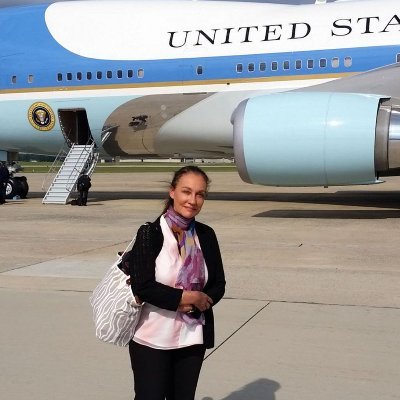
Three weeks before the midterm elections, the publication stated that thousands of people had protested the day before in Syracuse, New York, against the arrival of Donald Trump. It reported that protesters had blocked the presidential motorcade and described the situation as particularly unusual in the United States. #Trump #Manif #ÉtatsUnis #US (translated)

"I resolved eight wars and they awarded the Nobel Prize to a person I had never heard of. I had never heard their name," Donald Trump said at a rally in Syracuse, New York, after yesterday's attack. #DonaldTrump #NobelPerLaPace #DirittiUmani (translated)
"The USA, which I represent as President, should have received the Nobel Peace Prize, but they haven't," Trump stated at a campaign rally in the city of Syracuse in the American state of New York. #Trump #NobelovaNagrada #Mir (translated)
Donald Trump called the Nobel Peace Committee corrupt and dismissed the new winner, Navi Pillay, during a rally in Syracuse, where he also claimed the prize for himself. #NobelDeLaPaz #Trump #Geopolítica (translated)

"I have never heard of this person." In his campaign speech in Syracuse, New York, Trump referred to Pillay as a "mysterious person." #Friedensnobelpreis #NaviPillay #Trump (translated)

President of the United States Donald Trump arrived at Hancock International Airport in Syracuse, New York, aboard Air Force One. #DonaldTrump #AirForceOne #Syracuse (translated)


Donald Trump criticized the Nobel Peace Prize for South African judge Navi Pillay as "shameful" at a campaign event in Syracuse and claimed the prize for himself, while Pillay called the US sanctions against the International Criminal Court "shocking" and defended her allegations of genocide in the Gaza Strip. #Trump #Friedensnobelpreis #Menschenrechte (translated)

Archimedes a oa gant e dablezenn pa voe lazhet gant ur soudard roman. Ha naturel eo da glevet? Ket gwall. Ha koulskoude, ma “hizivaomp” an amzer dremenet re vat, e c’hallomp erruout rik aze. E tost da bep sevenadur ez eus embannadurioù modernaet eus skrivagnerien gozh, gant tabutoù diwar-benn ar reizhskrivañ, ar geriaoueg, an notennoù embann hag an azasaat evit al lenner a-vremañ. Ur gwerzher traoù kozh a lavaras din un deiz e “ro patina an amzer talvoudegezh” hag e c’hall ober an diforc’h etre un orin hag un eilad marc’had-mat. Digeriñ a ran “Eseoù ar Sul” gant Constantin Noica, hag en embannadur Humanitas eus 1992 e lennan e rakskrid an embanner eo bet “hizivaet ar reizhskrivañ”. Lenn Noica a c’hallfe bezañ evel ober un droiad dre ar bloavezhioù 1930–1940. Met e-lec’h-se e tremenomp dre ar mare-se gant lunedoù modern, en hor c’hoazez en un Uber, hep aon da vont diwar an hent — da lavaret eo, hep ar riskl da chom hep kompren gerioù ar mare, a c’hallfe bezañ “troet” e notennoù traoñ ar bajenn. Petra ma kemerfemp ivez kazetennoù ar mare hag ma “hizivafemp” anezho? Ha perak ket ober rebranding d’ar bruderezh eus ar mare ivez, evit ma ne rankfe ket hor neuronoù labourat re, evel en un escape room? Perak chom a-sav aze? Gellout a rafemp ivez hizivaat al levrioù istor ha skrivañ e voe Archimedes eus Syracuse lazhet gant ur soudard roman pa oa o renkañ jedoniezh war e dablezenn. Ar mennozh diazez a chom ar memes hini, neketa? Ar mare hepken a ya da get. Ha c’hoazh un dra: perak ne “hiziva” ket ar jedoniourien Pythagoras? Gallout a reont cheñch an notadur. Gallout a reont displegañ ar prouenn en un doare all. Gallout a reont zoken sevel ar skeudenn enlinenn dre un animadur a zeu war wel dirak daoulagad ar skolidi. Met teorema Pythagoras a chom teorema Pythagoras. Neuze, pa lennomp ur skrivagner kozh, perak ne virfemp ket ivez yezh e vare — ha lakaat an displegadennoù modern en notennoù? Hag ur goulenn diwezhañ evit Humanitas hag evit ar re a labour e rannadoù lennegezh ha yezhoniezh ar skolioù-meur: ma vez “hizivaet” ac’hanoc’h gant skolidi hiziv gant # hag emoji a-benn un nebeud dekadoù, ha plijout a raio deoc’h? #0202 #Humanitas #ConstantinNoica #Noica #EseoùArSul #Archimedes #Pythagoras #Hashtag #Emoji #MrStorywise #ReizhskrivañHizivaet #IstorArYezh #20260921 #Brezhoneg #Breton #Breizh #Brittany #France #Lennegezh #Istor
Roedd Archimedes ar ei dabled pan gafodd ei ladd gan filwr Rhufeinig. Ydy hynny’n swnio’n naturiol? Ddim yn arbennig. Ac eto, os ydym yn “diweddaru” y gorffennol ddigon, dyna’n union lle gallwn ni gyrraedd. Mae gan bron bob diwylliant argraffiadau wedi’u moderneiddio o awduron hŷn, ynghyd â dadleuon am orgraff, geirfa, nodiadau golygyddol ac addasu testunau ar gyfer darllenwyr cyfoes. Dywedodd gwerthwr hen bethau wrthyf unwaith fod “patina amser yn rhoi gwerth” ac y gall wneud y gwahaniaeth rhwng gwreiddiolyn a chopi rhad. Rwy’n agor “Traethodau Dydd Sul” Constantin Noica, yn cyrraedd rhagair y cyhoeddwr yn argraffiad Humanitas 1992 ac yn darllen bod “yr orgraff wedi’i diweddaru”. Gallai darllen Noica fod wedi bod yn daith drwy’r 1930au a’r 1940au. Yn lle hynny, rydym yn teithio drwy’r cyfnod hwnnw gyda sbectol fodern, yn eistedd yn gyfforddus mewn Uber, heb ofni mynd ar goll — hynny yw, heb y perygl o beidio â deall geiriau’r cyfnod, geiriau y gellid eu “cyfieithu” mewn troednodiadau. Beth petai ni hefyd yn cymryd papurau newydd y cyfnod ac yn eu “diweddaru”? A beth am rebranding hysbysebion y cyfnod hefyd, fel na fyddai’n rhaid i’n niwronau weithio’n rhy galed, fel mewn escape room? Pam stopio yno? Gallem ddiweddaru llyfrau hanes hefyd a dweud bod Archimedes o Syracuse wedi cael ei ladd gan filwr Rhufeinig tra oedd yn gwneud mathemateg ar ei dabled. Mae’r syniad sylfaenol yn aros yr un fath, on’d yw? Dim ond y cyfnod sy’n diflannu. Ac un peth arall: pam nad yw mathemategwyr yn “diweddaru” Pythagoras? Gallant newid y nodiant. Gallant esbonio’r prawf mewn ffordd wahanol. Gallant hyd yn oed adeiladu’r diagram ar-lein drwy animeiddiad o flaen llygaid y disgyblion. Ond mae theorem Pythagoras yn parhau’n theorem Pythagoras. Felly, pan ddarllenwn awdur hŷn, pam na ddylem gadw iaith ei gyfnod hefyd — a rhoi’r esboniadau modern mewn nodiadau? Ac un cwestiwn olaf i Humanitas ac i’r rhai sy’n gweithio mewn adrannau llenyddiaeth ac ieitheg mewn prifysgolion: os bydd disgyblion heddiw yn eich “diweddaru” gyda # ac emoji ymhen ychydig ddegawdau, a fydd hynny’n plesio chi? #0201 #Humanitas #ConstantinNoica #Noica #TraethodauDyddSul #Archimedes #Pythagoras #Hashtag #Emoji #MrStorywise #OrgraffWediEiDiweddaru #HanesYrIaith #20260921 #Cymraeg #Welsh #Cymru #Wales #Literature #History
Archimedes a wrug bos gans y tablet pan veu ev lethys gans sodhek Romanek. A son natural? Na, nyns yw. Hag yn ta, mars “daskor” an tremenedh yn splann lowr, yth yw hemma yn tyller le may hyllyn dos. Nes pub gonisogeth a’n bys a’n jeves dyllansow nowedhys a skriforyon coth, gans dadhelow a-dro dhe orthography, gerlyver, notennow redaksyonel ha’n fordh dhe aswon an tekst dhe redyer an termyn a-lemmyn. Un gwerther hen dra a leveris dhymm unnweyth bos “patina an termyn a rei gwerth” hag y gall bos an dyffrans ynter gwreythyn ha kopïa marow. My a ygor “Essayow Sul” gans Constantin Noica, a dheu dhe raglavar an dyllador yn dyllans Humanitas 1992, hag a wel bos “an orthography wedi bos daskorys”. Redya Noica a allsa bos kelgh yn blydhenyow 1930–1940. Yn le henna, ni a wra an kelgh-ma gans gwederow modern, esedhys yn ystayl yn Uber, heb own dhe golli’n hens — hemma yw, heb an peryl na wrussyn ni konvedhes geryow an termyn-na, a allsa bos “treylyes” yn notennow yn-dann an folen. Ha mars ni a gemer an lyvrow nowodhow a’n termyn-na hag a “daskor” y’ga? Ha mars ni a wra rebranding dhe’n hysbysansow a’n termyn-na, rag na wra’gan neuronow oberi re hir, kepar hag yn escape room? Prag hedhi ama? Ni a all daskor ynwedh an lyvrow istori ha skrifa bos Archimedes a Syracuse lethys gans sodhek Romanek pan o ev ow kewri mathematek war y tablet. An tybyans gwredh a gerys an keth, nyns eus? Saw an termyn a goll. Hag un peth arta: prag na wra mathemategoryon “daskor” Pythagoras? Y hyllyn chanjya an notasyon. Y hyllyn displegya an provyans yn fordh aral. Y hyllyn ynwedh gwul an linen online gans animation hag ev ow tevi yn-dann lagasow an dyskyblon. Mes theorem Pythagoras a gerys theorem Pythagoras. Ytho, pan redyn ni skrifor coth, prag na wren ni gwitha ynwedh yeth y dermyn — ha gorra an displegyansow modern yn notennow? Hag unn govyn diwettha dhe Humanitas ha dhe’n re a wra ober yn departementow llen ha filologi yn universita: mars dyskyblon a-lemmyn a “daskor” hwi a-ji dhe dew dhesempas gans # hag emoji, a vynnsegh hwi henna? #Humanitas #ConstantinNoica #Noica #EssayowSul #Archimedes #Pythagoras #Hashtag #Emoji #MrStorywise #OrthographyDaskorys #IstoriAnYeth #20260920_1926 #Kernewek #Cornish #Kernow #Cornwall #UnitedKingdom #Literature #History
आर्किमिडीज़ अपने टैबलेट पर काम कर रहे थे, तभी एक रोमन सैनिक ने उनकी हत्या कर दी। स्वाभाविक लगता है? ज़्यादा नहीं। फिर भी, अगर हम अतीत को बहुत दूर तक “अपडेट” करें, तो हम ठीक यहीं पहुँच सकते हैं। लगभग हर संस्कृति में पुराने लेखकों के आधुनिकीकृत संस्करण मिलते हैं, और उनके साथ वर्तनी, शब्दावली, संपादकीय टिप्पणियों तथा आधुनिक पाठक के लिए अनुकूलन पर बहस भी होती है। एक प्राचीन वस्तुओं के व्यापारी ने मुझसे एक बार कहा था कि “समय की पटीना मूल्य बढ़ाती है” और वही किसी मौलिक वस्तु और सस्ती नकल के बीच अंतर कर सकती है। मैं Constantin Noica की “Sunday Essays” खोलता हूँ, 1992 के Humanitas संस्करण की प्रकाशकीय भूमिका तक पहुँचता हूँ और पढ़ता हूँ कि “वर्तनी को अद्यतन किया गया है।” Noica को पढ़ना 1930 और 1940 के दशकों में टहलने जैसा हो सकता था। लेकिन इसके बजाय हम आधुनिक चश्मा पहनकर, आराम से Uber में बैठे उस दौर की यात्रा कर रहे हैं, इस चिंता के बिना कि कहीं रास्ता न भटक जाएँ — यानी कहीं उस समय के शब्द समझ न आएँ। जबकि उन शब्दों को पादटिप्पणियों में सरलता से “अनुवादित” किया जा सकता था। तो क्यों न उस दौर के अख़बार भी लेकर उन्हें “अपडेट” कर दिया जाए? और शायद उस समय के विज्ञापनों की भी rebranding कर दें, ताकि हमारे न्यूरॉनों को ज़्यादा मेहनत न करनी पड़े, मानो हम किसी escape room में फँसे हों। और यहीं क्यों रुकें? इतिहास की पाठ्यपुस्तकों को भी अपडेट कर दें और लिखें कि Syracuse के Archimedes को एक रोमन सैनिक ने उस समय मार दिया, जब वे अपने टैबलेट पर गणित कर रहे थे। मूल विचार तो वही रहता है, है न? बस युग गायब हो जाता है। और एक बात: गणितज्ञ Pythagoras को “अपडेट” क्यों नहीं करते? वे संकेत-पद्धति बदल सकते हैं। प्रमाण को दूसरे ढंग से समझा सकते हैं। वे आकृति को ऑनलाइन एनीमेशन के माध्यम से विद्यार्थियों की आँखों के सामने बनते हुए भी दिखा सकते हैं। लेकिन Pythagoras का प्रमेय, Pythagoras का प्रमेय ही रहता है। तो जब हम किसी पुराने लेखक को पढ़ते हैं, तो उसकी भाषा को उसके समय की भाषा के रूप में क्यों न बचाए रखें — और आधुनिक स्पष्टीकरण टिप्पणियों में दे दें? और Humanitas तथा विश्वविद्यालयों के साहित्य और भाषाविज्ञान विभागों के लिए एक अंतिम प्रश्न: अगर कुछ दशकों बाद आज के स्कूली बच्चे आपको # और emoji के साथ “अपडेट” कर दें, तो क्या आपको अच्छा लगेगा? #Humanitas #ConstantinNoica #Noica #SundayEssays #Archimedes #Pythagoras #Hashtag #Emoji #MrStorywise #UpdatedSpelling #HistoryOfLanguage #20260920_1926 #हिन्दी #Hindi #भारत #India #साहित्य #इतिहास
Archimède était sur sa tablette lorsqu’il a été tué par un soldat romain. Ça sonne naturel ? Pas vraiment. Et pourtant, c’est exactement ce qui peut arriver si l’on « actualise » suffisamment le passé. Presque toutes les cultures connaissent des éditions modernisées d’auteurs anciens, accompagnées de débats sur l’orthographe, le vocabulaire, les notes éditoriales ou l’adaptation au lecteur contemporain. Un antiquaire m’a dit un jour que « la patine du temps donne de la valeur » et qu’elle peut faire la différence entre un original et une copie bon marché. J’ouvre « Essais du dimanche » de Constantin Noica, je lis la préface de l’éditeur dans l’édition Humanitas de 1992, et j’apprends que « l’orthographe a été actualisée ». Lire Noica aurait pu être une promenade dans les années 1930–1940. À la place, nous faisons cette promenade avec des lunettes modernes, confortablement installés dans un Uber, sans craindre de nous perdre — c’est-à-dire de ne pas comprendre les mots de l’époque, qui auraient tout simplement pu être « traduits » dans des notes de bas de page. Et si nous prenions aussi les journaux de l’époque pour les « actualiser » ? Et pourquoi ne pas faire subir également un rebranding aux publicités de l’époque, afin de ne pas trop solliciter nos neurones, comme si nous étions enfermés dans un escape game ? Pourquoi s’arrêter là ? Nous pourrions aussi actualiser les manuels d’histoire et écrire qu’Archimède de Syracuse a été tué par un soldat romain alors qu’il faisait des maths sur sa tablette. L’idée générale reste la même, non ? Seule l’époque disparaît. Et encore une chose : pourquoi les mathématiciens n’« actualisent-ils » pas Pythagore ? Ils peuvent changer la notation. Ils peuvent expliquer la démonstration autrement. Ils peuvent même construire la figure en ligne grâce à une animation qui se déroule sous les yeux des élèves. Mais le théorème de Pythagore reste le théorème de Pythagore. Alors, lorsque nous lisons un auteur ancien, pourquoi ne pas conserver la langue de son époque — et placer les explications modernes dans les notes ? Et une dernière question pour Humanitas et pour les universitaires des facultés de lettres : si les écoliers d’aujourd’hui vous « actualisent » dans quelques décennies à coups de # et d’emoji, cela vous conviendrait-il ? #Humanitas #ConstantinNoica #Noica #EssaisDuDimanche #Archimède #Pythagore #Hashtag #Emoji #MrStorywise #OrthographeActualisée #HistoireDeLaLangue #20260920_1926 #Français #Littérature #Histoire
Bijna elke cultuur kent gemoderniseerde edities van oudere auteurs, met discussies over spelling, woordenschat, redactionele noten en aanpassing aan de hedendaagse lezer. Een antiquair zei me ooit dat “de patina van de tijd waarde toevoegt” en het verschil kan maken tussen een origineel en een goedkope kopie. Ik open Constantin Noica’s “Zondagsessays”, kom bij het voorwoord van de uitgever in de Humanitas-editie van 1992 en lees dat “de spelling is bijgewerkt”. Noica lezen had een wandeling door de jaren 1930 en 1940 kunnen zijn. In plaats daarvan maken we die wandeling met een moderne bril, comfortabel zittend in een Uber, zonder bang te hoeven zijn dat we verdwalen — dat wil zeggen: dat we de woorden van die tijd niet begrijpen, terwijl die gewoon in voetnoten “vertaald” hadden kunnen worden. Wat als we ook de kranten uit die tijd zouden nemen en ze “bijwerken”? En misschien moeten we de advertenties uit die periode ook maar een rebranding geven, zodat onze neuronen niet te hard hoeven te werken, alsof we in een escape room zitten. Waarom daar stoppen? We zouden ook de geschiedenisboeken kunnen bijwerken en schrijven dat Archimedes van Syracuse door een Romeinse soldaat werd gedood terwijl hij wiskunde zat te maken op zijn tablet. De basisgedachte blijft toch hetzelfde? Alleen het tijdperk verdwijnt. En nog iets: waarom “werken” wiskundigen Pythagoras niet “bij”? Ze kunnen de notatie veranderen. Ze kunnen het bewijs anders uitleggen. Ze kunnen zelfs de figuur online opbouwen met een animatie die zich voor de ogen van de leerlingen ontvouwt. Maar de stelling van Pythagoras blijft de stelling van Pythagoras. Als we dus een oudere auteur lezen, waarom bewaren we dan niet ook de taal van zijn tijd — en zetten we moderne uitleg in de noten? En nog één laatste vraag aan Humanitas en aan mensen op universitaire letteren- en filologieafdelingen: als de schoolkinderen van vandaag jullie over een paar decennia met # en emoji “bijwerken”, zouden jullie dat prettig vinden? #Humanitas #ConstantinNoica #Noica #Zondagsessays #Archimedes #Pythagoras #Hashtag #Emoji #MrStorywise #BijgewerkteSpelling #Taalgeschiedenis #20260920_1926 #Nederlands #Literatuur #Geschiedenis
Presque toutes les cultures connaissent des éditions modernisées d’auteurs anciens, accompagnées de débats sur l’orthographe, le vocabulaire, les notes éditoriales ou l’adaptation au lecteur contemporain. Un antiquaire m’a dit un jour que « la patine du temps donne de la valeur » et qu’elle peut faire la différence entre un original et une copie bon marché. J’ouvre « Essais du dimanche » de Constantin Noica, je lis la préface de l’éditeur dans l’édition Humanitas de 1992, et j’apprends que « l’orthographe a été actualisée ». Lire Noica aurait pu être une promenade dans les années 1930–1940. À la place, nous faisons cette promenade avec des lunettes modernes, confortablement installés dans un Uber, sans craindre de nous perdre — c’est-à-dire de ne pas comprendre les mots de l’époque, qui auraient tout simplement pu être « traduits » en notes de bas de page. Et si nous prenions aussi les journaux de l’époque pour les « actualiser » ? Et pourquoi ne pas faire subir également un rebranding aux publicités de l’époque, afin de ne pas trop solliciter nos neurones, comme si nous étions enfermés dans un escape game ? Pourquoi s’arrêter là ? Nous pourrions aussi actualiser les manuels d’histoire et expliquer qu’Archimède de Syracuse a été tué par un soldat romain alors qu’il faisait des maths sur sa tablette. L’idée générale reste la même, non ? Seule l’époque disparaît. Et encore une chose : pourquoi les mathématiciens n’« actualisent-ils » pas Pythagore ? Ils peuvent changer la notation. Ils peuvent expliquer la démonstration autrement. Ils peuvent même construire la figure en ligne, grâce à une animation qui se déroule sous les yeux des élèves. Mais le théorème de Pythagore reste le théorème de Pythagore. Alors, lorsque nous lisons un auteur ancien, pourquoi ne pas conserver la langue de son époque — et placer les explications modernes dans les notes ? Et une dernière question pour Humanitas et pour les universitaires des facultés de lettres : si les écoliers d’aujourd’hui vous « actualisent » dans quelques décennies à coups de # et d’emoji, cela vous conviendrait-il ? #Humanitas #ConstantinNoica #Noica #EssaisDuDimanche #Archimède #Pythagore #Hashtag #Emoji #MrStorywise #OrthographeActualisée #HistoireDeLaLangue #20260920_1926 #Français #Littérature #Histoire
Almost every culture has modernised editions of older authors, along with debates about spelling, vocabulary, editorial notes, and adaptation for contemporary readers. An antiquarian once told me that “the patina of time adds value” and can make the difference between an original and a cheap copy. I open Constantin Noica’s “Sunday Essays”, turn to the publisher’s preface in the 1992 Humanitas edition, and discover that “the spelling has been updated”. Reading Noica could have been a walk through the 1930s and 1940s. Instead, we are taking that walk wearing modern glasses, comfortably seated in an Uber, with no fear of getting lost — that is, of not understanding the words of the period, which could simply have been “translated” in footnotes. What if we took newspapers from the same period and “updated” them too? And perhaps we should rebrand their advertisements as well, so that our neurons do not have to work too hard, as if we were trapped in an escape room. Why stop there? We could update history textbooks too, and describe Archimedes of Syracuse as having been killed by a Roman soldier while doing math on his tablet. The basic idea remains, doesn’t it? Only the period disappears. And one more thing: why don’t mathematicians “update” Pythagoras? They can change the notation. They can explain the proof differently. They can even build the diagram online, through an animation unfolding before the students’ eyes. But the Pythagorean theorem remains the Pythagorean theorem. So when we read an older author, why not preserve the language of their time — and place modern explanations in the notes? And one final question for Humanitas and the people in university literature departments: if today’s schoolchildren “update” you a few decades from now with # and emoji, would you be happy with that? #Humanitas #ConstantinNoica #Noica #SundayEssays #Archimedes #Pythagoras #Hashtag #Emoji #MrStorywise #UpdatedSpelling #HistoryOfLanguage #20260920_1926 #English #Literature #History

Goedemorgen. Vandaag herdenken we het einde van het Beleg van Geertruidenberg in 1593. Planvertrouwer Prins Maurits van Oranje gebruikte een circumvallatielinie - al in 414 v. Chr. toegepast door de Grieken bij het Beleg van Syracuse - om de Spanjaarden tot overgave te dwingen. https://t.co/Fd0LbT50FN #geschiedenis #Nederland #oorlog


A new era of @Cuse Athletics starts now 🍊 Welcome to #SyracuseU, Bryan Blair! Learn more: https://t.co/xcY1gRSwYc https://t.co/WD9UYkGS3d -

From the @Grammys to @etnow, #SyracuseU students and alumni are shaping Hollywood's biggest nights — on the red carpet and behind the scenes 🎬🍊 🔗 Learn more: https://t.co/a4QDaZBMnW https://t.co/wRZ4D3TqMd -
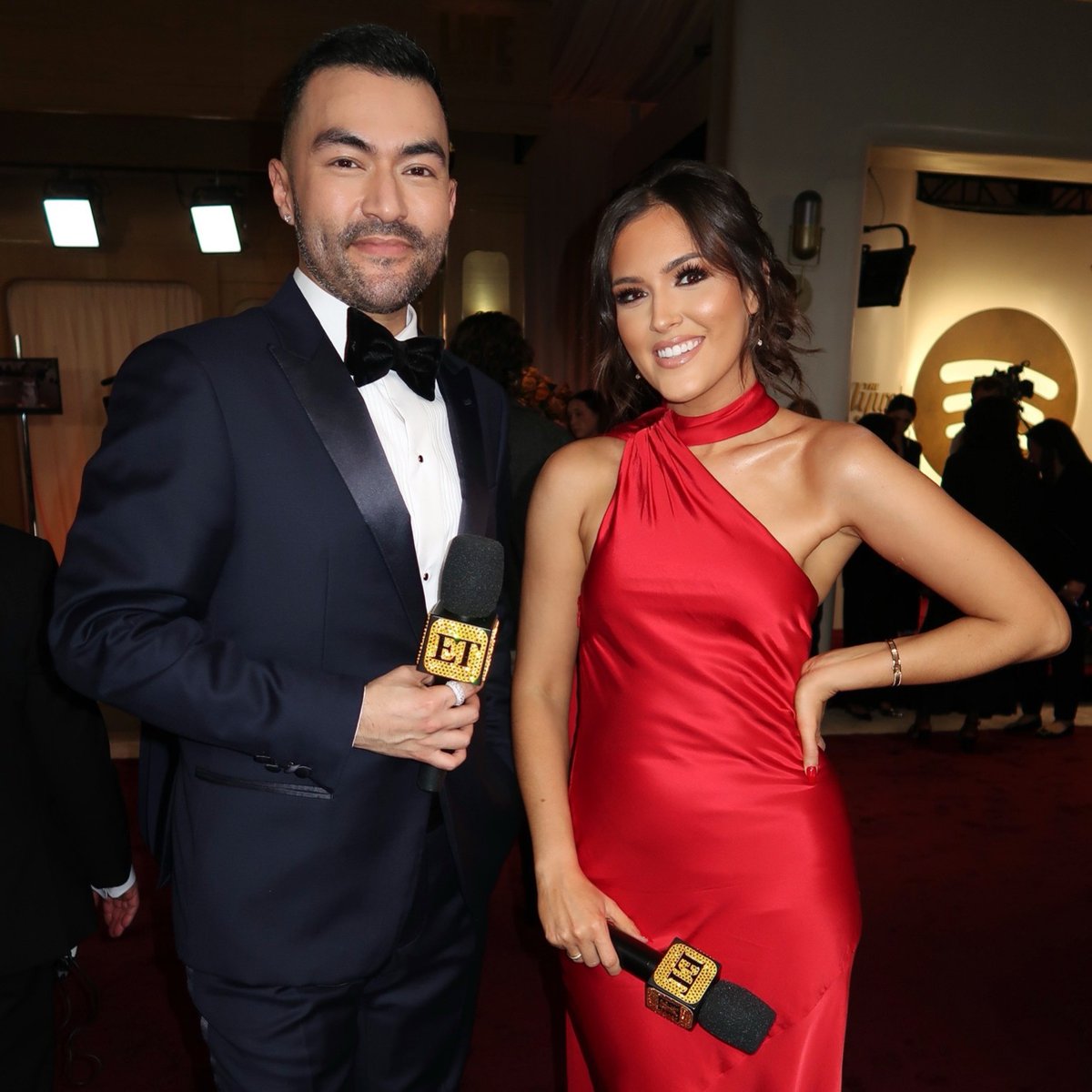
Getting around #SyracuseU is easier than you think 🍊 Tess Feldman '28 breaks it all down in the latest You Otto Know — 'Cuse Trolley, free buses, grocery runs, gameday shuttles, and more. 🎥 https://t.co/IF2P9YHDuw https://t.co/Ad9EKwj3LQ -





