🚨 “This looks like an attempt to force Ukraine into surrender,” — Zelenskyy. Speaking to Bloomberg, he accused the US of effectively blackmailing Ukraine with threats to cut support over strikes on russian oil infrastructure.

🚨 “This looks like an attempt to force Ukraine into surrender,” — Zelenskyy. Speaking to Bloomberg, he accused the US of effectively blackmailing Ukraine with threats to cut support over strikes on russian oil infrastructure.

Russian acts of sabotage in Europe: an attempt to set fire to Starlink equipment in Lithuania, drone threats in Lithuania and Latvia, and a new incident at Leipzig Airport in Germany. Last night, unidentified individuals attempted to set fire to a facility in Lithuania where Starlink equipment is stored. (translated)


Trump's calls for removal of Zelensky as President of Ukraine are in direct violation of the Budapest Memorandum. The US imposed unspoken economic sanctions and used diplomatic threats to coerce Ukraine to sign the agreement to give up nukes, ballistic missiles, and strategic bombers in 1994.

The author said the world needed to learn from past health crises as climate change and globalisation brought dengue and chikungunya to Europe. They also called for global vigilance against Ebola and argued that medical professionals should prioritise evidence over activism when addressing future threats. #covid #sarscov2 https://t.co/TJNyIiVvYZ #SaludGlobal #CambioClimático #Epidemias #EU #AS

I emphasised Israel's desire for peace in the region, alongside the strategic threats to our security, first and foremost from Iran and its terror proxies, #MiddleEastConflict #PalestinianCause #TwoStateSolution

The author said they had discussed EU support for Ukraine, frozen Russian assets, energy security ahead of winter and why the EU Delegation remained in Kyiv despite Russian threats in a recent interview with The Telegraph’s “Ukraine: The Latest” podcast. #Ukraine #EUSupport #EnergySecurity #UA #RU #EU
The author said they had received a letter from COGAT about the suspension of private-sector goods coordination into Gaza following reports of threats and coercion by Hamas. They said they had repeatedly warned that such practices were unacceptable and had to end immediately. #Gaza #Hamas #HumanRights #GA

Reform UK councillors and candidates filmed making graphic threats of extreme violence, expressing racist and misogynistic views. Bromley councillor calling for King Charles to be killed. That's the kind of people Reform attracts. It has normalized hatred. What would a Reform govt unleash?

The author wrote that Ljiljana Nešić had spent more than 30 years fighting corruption and supporting women facing violence in Serbia despite threats and intimidation. They said they were honoured to meet her, describing her as this year’s Front Line Defenders Award laureate, and said the European Parliament stood with her. https://t.co/C4sNzg3VXJ #Corruption #WomenRights #HumanRights #RS

The Political Hypocrisy: Condemning Islam at Home, Accepting Qatar’s Millions Abroad Donald Trump has repeatedly portrayed Islam as a threat to American society and championed restrictions targeting people from predominantly Muslim countries. Yet his administration accepted a luxury Boeing 747-8 from Qatar, a wealthy Islamic monarchy, for use as a presidential aircraft. The contrast is hard to ignore: if Islam and the countries associated with it are supposedly a threat to America, why is a gift worth hundreds of millions of dollars from one of those countries acceptable? When it comes to political rhetoric, Islam is framed as a danger. When it comes to diplomacy, power, and luxury, a wealthy Islamic state becomes a welcome partner. That raises serious questions about consistency, transparency, and accountability. Is this about defending American values, or does that principle become flexible when there are political and strategic benefits to be gained? The real issue is not Qatar’s religion. It is whether a president who warns Americans about foreign threats should be accepting such an extraordinary gift from a foreign government—and whether the public can be confident that American interests come first.

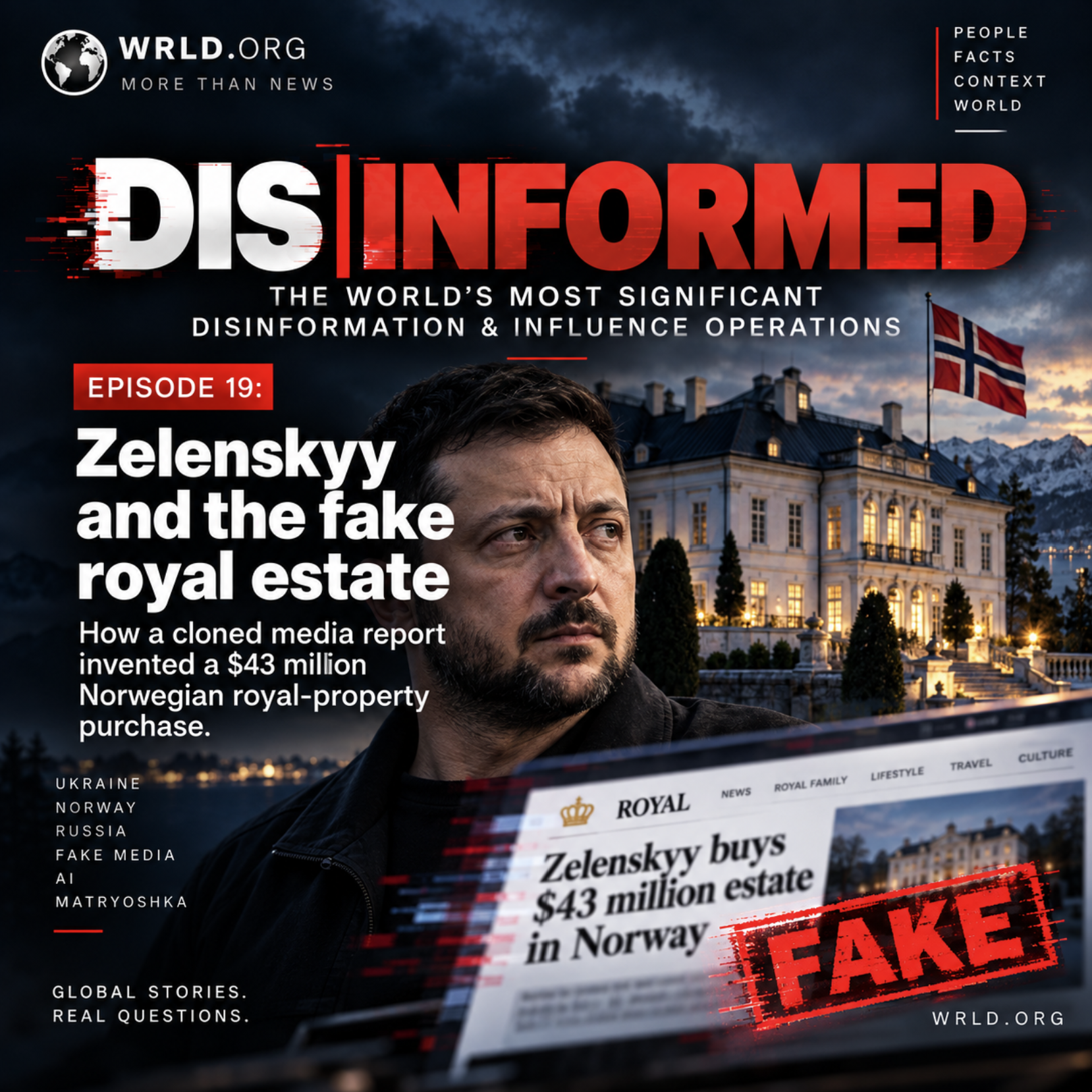
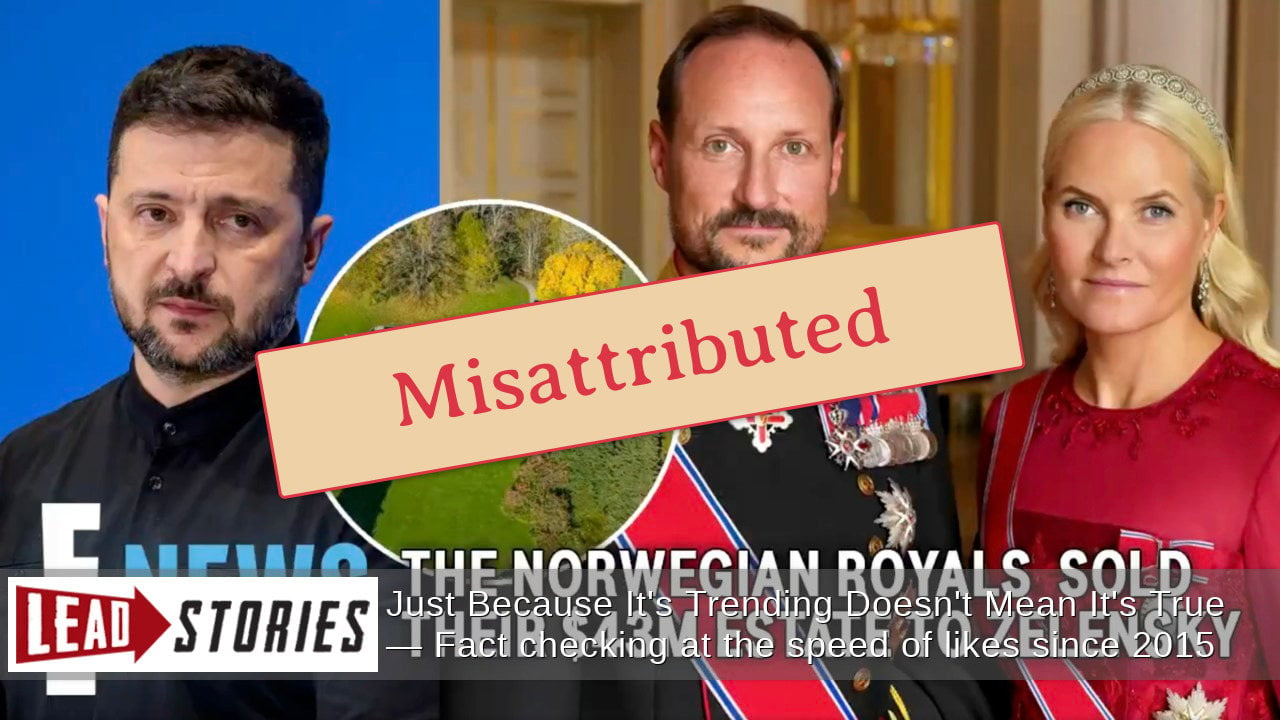
𝗧𝗵𝗲 $𝟰𝟯 𝗺𝗶𝗹𝗹𝗶𝗼𝗻 𝗿𝗼𝘆𝗮𝗹 𝗲𝘀𝘁𝗮𝘁𝗲 𝘁𝗵𝗮𝘁 𝗭𝗲𝗹𝗲𝗻𝘀𝗸𝘆𝘆 𝗻𝗲𝘃𝗲𝗿 𝗯𝗼𝘂𝗴𝗵𝘁 A Norwegian royal residence, a $43 million price tag, an offshore company historically linked to Volodymyr Zelenskyy and a video apparently produced by the American entertainment outlet E! News. The story contained enough authentic details to look plausible. It was also fabricated. At the end of September 2026, social-media accounts began circulating a video claiming that Film Heritage Inc., a Belize-registered company with historical links to Zelenskyy and his family, had purchased the Norwegian royal estate of Skaugum for approximately $43 million. The property was described as covering 240 acres, while the supposed transaction was linked to Zelenskyy’s visit to Norway for the funeral of King Harald V. Independent investigations found no evidence that such a sale had ever taken place. 𝗔 𝗳𝗮𝗸𝗲 𝗿𝗲𝗽𝗼𝗿𝘁 𝗯𝘂𝗶𝗹𝘁 𝗮𝗿𝗼𝘂𝗻𝗱 𝗿𝗲𝗮𝗹 𝗲𝘃𝗲𝗻𝘁𝘀 The fabrication was carefully constructed around genuine information. King Harald V had died in August 2026, and Zelenskyy and First Lady Olena Zelenska travelled to Oslo for his funeral on 9 September. Skaugum is also a genuine royal estate in Asker with a long history as a residence of Norway’s heir to the throne. The false report turned those facts into a fictional property transaction. It claimed that Zelenskyy had previously attempted to buy the estate, that the Norwegian royal family had rejected an earlier approach and that the purchase had finally been completed after the property supposedly became a financial burden. No documentary evidence supporting any of these claims has emerged. Norway’s Ministry of Foreign Affairs later confirmed to fact-checkers that the allegation was false. Searches of established Norwegian and international media also produced no credible reporting about the supposed transaction. 𝗔 𝗻𝗲𝘄𝘀𝗿𝗼𝗼𝗺 𝘁𝗵𝗮𝘁 𝗲𝘅𝗶𝘀𝘁𝗲𝗱 𝗳𝗼𝗿 𝘁𝘄𝗼 𝗱𝗮𝘆𝘀 The most important part of the operation was not the property claim itself. It was the source apparently verifying it. The video was designed to resemble an E! News report, borrowing the visual language of the established American entertainment brand. But investigators found no such story on E! News’s genuine website, social-media channels or archived pages. Instead, the accompanying article appeared on eonline.news, a domain closely resembling E! News’s legitimate eonline.com address. Registration records showed that the imitation domain had been created on 27 September 2026 — only two days before the story was published. The accompanying video also showed signs of synthetic production. Fact-checkers examining the material identified indications that AI tools had been used in the narration and audiovisual elements. The operation therefore did not simply invent a news story. It created an apparently credible media environment around it. 𝗧𝗵𝗲 𝗿𝗲𝗮𝗹 𝗰𝗼𝗺𝗽𝗮𝗻𝘆 𝗶𝗻𝘀𝗶𝗱𝗲 𝘁𝗵𝗲 𝗳𝗮𝗹𝘀𝗲 𝘀𝘁𝗼𝗿𝘆 The supposed buyer was also carefully selected. Film Heritage Inc. was not invented for the fabrication. The Pandora Papers previously documented a genuine historical connection between the Belize-registered company and Zelenskyy’s former business network. Leaked documents showed that Zelenskyy and his wife had held an interest in another offshore company through Film Heritage before changes were made to the ownership structure around his 2019 presidential campaign. That authentic history gave the new fabrication an additional layer of plausibility. The same company name has previously appeared in false narratives alleging extravagant purchases by Zelenskyy, including supposed luxury-property and casino acquisitions. Those stories were also unsupported by evidence. This illustrates a recurring feature of effective disinformation: not every component has to be false. A genuine company can be combined with a genuine trip, a genuine property and a genuine media brand to manufacture an event that never occurred. 𝗧𝗵𝗲 𝗠𝗮𝘁𝗿𝘆𝗼𝘀𝗵𝗸𝗮 𝗰𝗼𝗻𝗻𝗲𝗰𝘁𝗶𝗼𝗻 Ukraine’s Center for Countering Disinformation assessed the operation as consistent with the Russian Matryoshka disinformation playbook. The technique strongly resembles previously documented Matryoshka activity: impersonating established Western media organisations, creating fabricated video reports and distributing them through coordinated or pro-Russian social-media networks. French authorities have documented Matryoshka since 2023 as a pro-Russian influence operation targeting media organisations, public figures and fact-checkers. Investigations have shown repeated use of counterfeit reports imitating major European and North American news brands. The Norwegian-estate story fits that pattern closely. The attribution nevertheless requires precision. Independent evidence establishes that the E! News report was fake, that a newly created imitation website was involved and that the story circulated through pro-Russian information channels. Publicly available forensic evidence does not yet identify a specific individual or technical operator who created this particular asset. It is therefore more accurate to describe the Matryoshka connection as a well-supported analytical attribution rather than a publicly proven chain of command. 𝗪𝗵𝗲𝗻 𝘁𝗵𝗲 𝘀𝗼𝘂𝗿𝗰𝗲 𝗯𝗲𝗰𝗼𝗺𝗲𝘀 𝘁𝗵𝗲 𝗱𝗲𝗲𝗽𝗳𝗮𝗸𝗲 The most important element of the operation is not really the $43 million figure. It is the construction of credibility around it. A genuine royal funeral supplied the timing. A genuine Norwegian estate supplied the location. A genuine offshore company supplied a documented connection to Zelenskyy. A counterfeit E! News website supplied apparent journalistic confirmation. Synthetic audiovisual material supplied what looked like additional evidence. Each element reinforced the others. This reflects a broader change in contemporary disinformation. The most sophisticated operations no longer rely exclusively on fabricating photographs, videos or statements. Increasingly, they fabricate the source that supposedly verified them. The deepfake is sometimes the entire newsroom! 𝗦𝗼𝘂𝗿𝗰𝗲𝘀 Lead Stories — investigation into the fake E! News report https://leadstories.com/hoax-alert/2026/10/fact-check-enews-did-not-publish-report-about-zelenskyy-buying-43-million-dollar-mansion-from-norways-royal-family.html Center for Countering Disinformation of Ukraine — Norwegian royal estate fabrication https://cpd.gov.ua/en/international-threats-en/europe/fake-about-zelenskyys-purchase-of-a-norwegian-royal-family-estate/ Ellinika Hoaxes — investigation and Norwegian government response https://www.ellinikahoaxes.gr/2026/10/09/agorase-o-zelenski-ektasi-240-stremmaton-apo-ti-vasiliki-oikogeneia-tis-norvigias-gia-43-ekatommyria-dolaria/ The Royal House of Norway — funeral of King Harald V https://www.royalcourt.no/news/the-funeral-of-king-harald-v The Royal House of Norway — Skaugum and the Royal Estates https://www.royalcourt.no/the-royal-court/the-departments-the-royal-court/the-royal-estates-and-parks President of Ukraine — Zelenskyy and First Lady attend King Harald V’s funeral https://www.president.gov.ua/en/news/prezident-ukrayini-ta-persha-ledi-vzyali-uchast-u-ceremoniyi-106293 OCCRP — Pandora Papers investigation into Zelenskyy’s offshore network https://www.occrp.org/en/project/the-pandora-papers/pandora-papers-reveal-offshore-holdings-of-ukrainian-president-and-his-inner-circle AFP Fact Check — previous false luxury-purchase narrative involving Film Heritage https://factcheck.afp.com/doc.afp.com.36PG6EC VIGINUM / SGDSN — Matryoshka technical report https://www.sgdsn.gouv.fr/files/files/20240611_NP_SGDSN_VIGINUM_Matriochka_EN_VF.pdf CheckFirst — Operation Overload / Matryoshka investigation https://checkfirst.network/operation-overload-an-ai-fuelled-escalation-of-the-kremlin-linked-propaganda-effort/ Keywords #DISINFORMED #Episode19 #Zelenskyy #Ukraine #Norway #Russia #RussianDisinformation #RussianInfluence #Matryoshka #OperationOverload #Disinformation #InfluenceOperations #InformationWarfare #FIMI #MediaImpersonation #FakeMedia #ClonedWebsite #FakeNewsroom #ENews #ArtificialIntelligence #AI #AIGeneratedContent #VoiceCloning #SyntheticMedia #Deepfake #SourceLaundering #NarrativeLaundering #FilmHeritage #PandoraPapers #Skaugum #NorwegianRoyalFamily #Propaganda #DigitalInfluence #FactChecking #VIGINUM #OSINT #MediaManipulation #WRLD

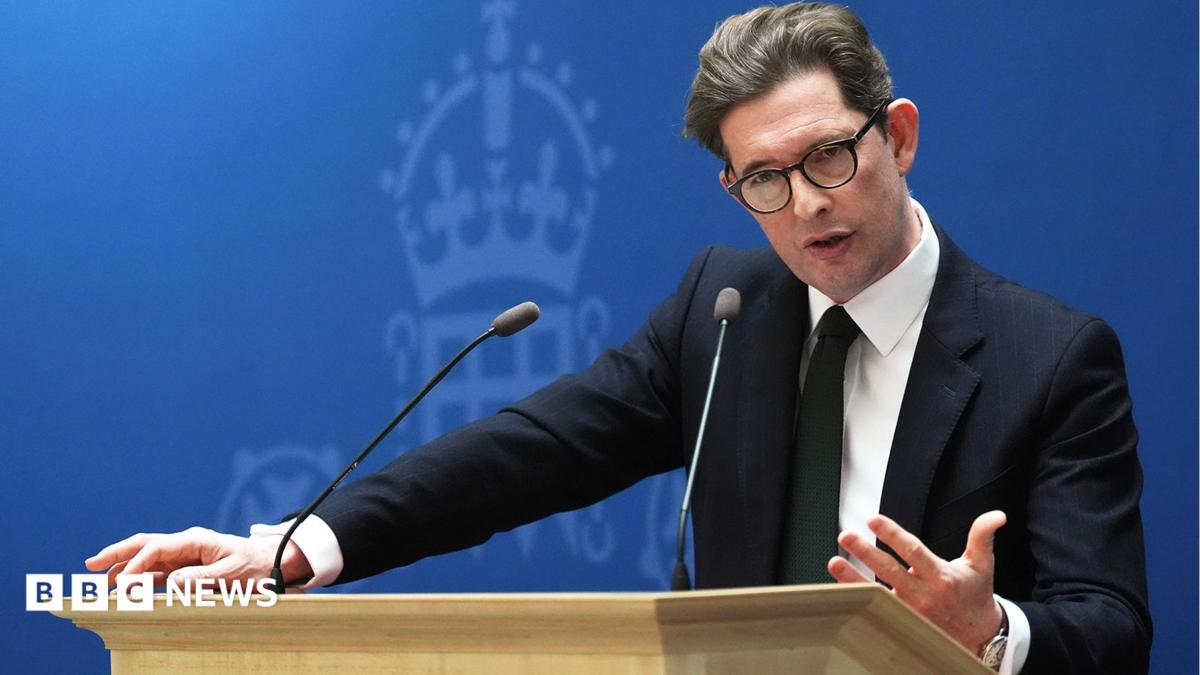
Ukraine reports missing missile warning while DC says intel sharing continues; Gulf conflict is disrupting flights, shipping and public finances; China’s economic slowdown is pushing its companies further into overseas markets. MI5 issued warning about state threats and emerging AI capabilities.

Sir Ken McCallum says operations to tackle terrorism and state threats are now roughly of an "equal scale". #StateThreats #HybridWarfare #AIWeapons
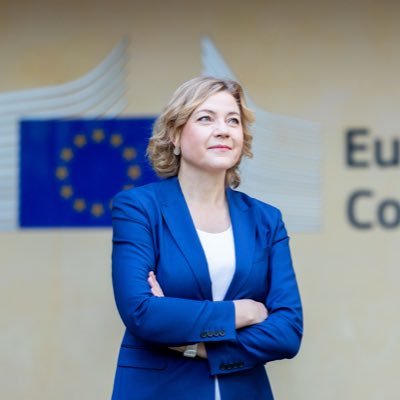
The post said that, amid Russia’s ongoing war against Ukraine, a more complex cyber threat landscape and Ukraine’s EU accession process, the author had reaffirmed a commitment to address persistent and evolving cyber threats jointly. https://t.co/C4PEvbmJpr #CyberSecurity #Ukraine #EUAccession #RU #UA #EU

Panama was hit by another strong earthquake that occurred near the city of Soná, with injuries reported from previous tremors, but no casualties have been confirmed so far. #Ukrajina #Trump #válka (translated)
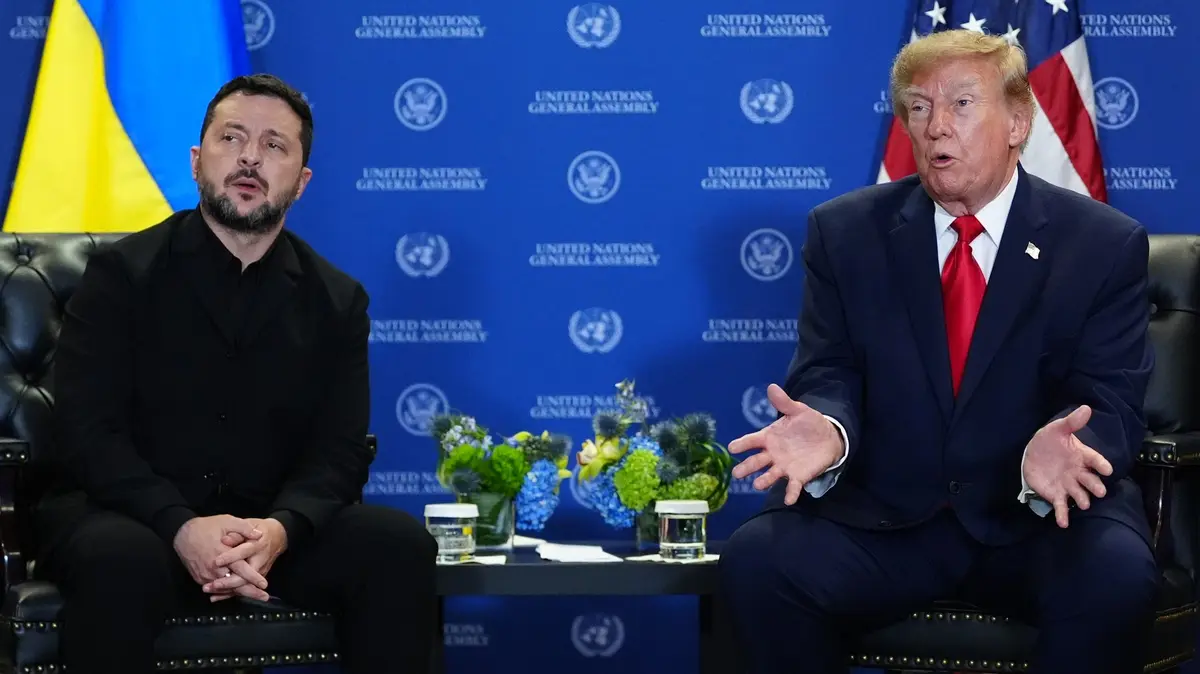

The post called for a strong, united European response to escalating tensions in the Middle East. It said the author strongly condemned Houthi attacks on Riyadh airport and wrote that threats to regional stability and freedom of navigation directly affected Europe’s security. https://t.co/cqiD9jTFaF #MiddleEast #Europe #Security #SA #YE #AE #EU
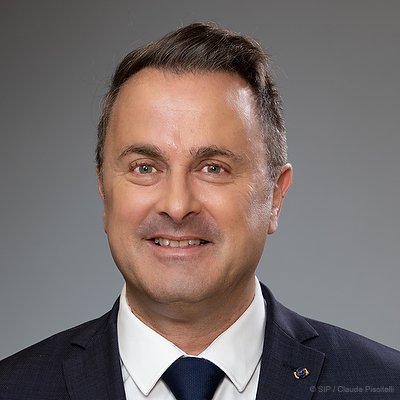
The author said that the Foreign Affairs Council in Luxembourg had discussed Russia’s escalation, growing hybrid threats and ways to increase pressure on Moscow. They said the council adopted nearly 1,600 new listings against Russia, describing it as the largest expansion of the sanctions list to date. https://t.co/YvhARHD8Qw #Ukraine #Russia #Sanctions #LU #RU #UA

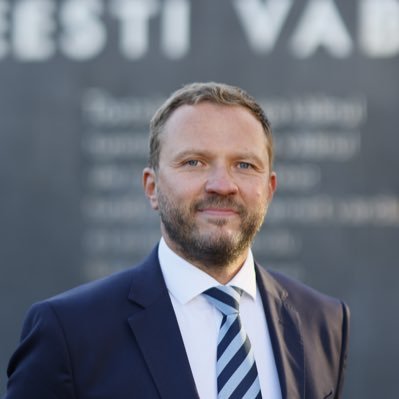
The author said they had joined fellow foreign ministers in recognising the UK’s attribution of Iranian involvement in the 27 September incident at RAF Fairford and had condemned Iran’s violent attacks and other hybrid activities. They added that threats to military facilities used by allies affected everyone. #Iran #UK #Diplomacy #UK #IR