BETA nonprofit public democratic european moderated

Search

#anxiety

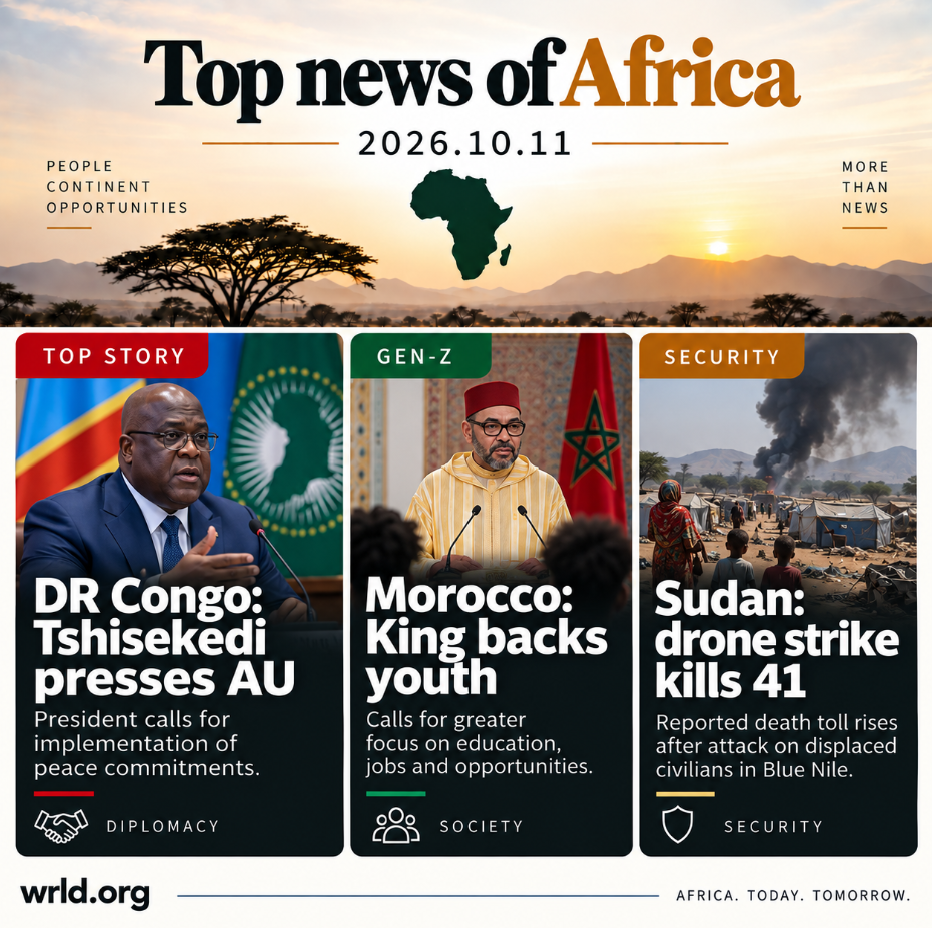
AFRICA DAILY REPORT — 11 OCTOBER 2026 Key developments of past 24h 1. SUDAN — Drone strike on displaced civilians: reported death toll rises to 41 IMPORTANCE: 10/10 — CRITICAL Emergency Lawyers reported that a drone strike on displaced people in Abu Shandi, Blue Nile state, killed 41, including eight children. The group blamed the RSF, which had not commented. The toll is not independently verified. Source: https://apnews.com/article/sudan-war-rsf-military-6cb2c34499234e9bcd33c3c9b49521da 2. ETHIOPIA–ERITREA — Eritrea appeals to UN Security Council Eritrea asked the Security Council to take deterrent measures against Ethiopia and denied Ethiopia's allegation of an Eritrean incursion. Ethiopian troops and allies entered Adigrat, according to residents and Reuters-verified footage. The alleged incursion has not been independently verified. Source: https://www.reuters.com/world/africa/ethiopian-forces-regain-control-border-city-after-reported-eritrean-incursion-2026-10-10/ 3. KENYA — Authorities expand Ebola awareness campaign IMPORTANCE: 9/10 — VERY HIGH Kenya's health ministry asked churches and faith organizations to raise awareness about Ebola symptoms and early reporting. The campaign follows a fatal imported case from DR Congo; authorities continue tracing contacts and strengthening screening. Source: https://www.africanews.com/2026/10/10/kenyan-health-ministry-urges-churches-to-raise-awareness-about-ebola/ 4. MALAWI — Fuel shortages disrupt transport and commerce IMPORTANCE: 9/10 — VERY HIGH Motorists in Lilongwe have queued for days for petrol, disrupting commuting, schooling and business. The latest reporting did not establish when supplies would normalize. Source: https://www.aljazeera.com/video/newsfeed/2026/10/10/malawi-motorists-queue-for-days-as-fuel-shortage-bites 5. DR CONGO — President presses AU mediators for implementation of peace commitments President Felix Tshisekedi met AU mediators in Kinshasa after consultations in Goma and Kigali, calling for concrete implementation of Washington and Doha peace commitments. No new ceasefire agreement was announced. Source: https://presidence.cd/actualite-detail/actualite/le_chef_de_letat_a_recu_le_panel_des_facilitateurs_de_lunion_africaine 6. SOUTH AFRICA — Police reinforce security after anti-migrant violence IMPORTANCE: 9/10 — VERY HIGH Police increased their presence in Johannesburg and Durban after anti-migrant demonstrations, vehicle burnings and looting. The unrest was partly fuelled by misinformation about an asylum court ruling. Source: https://www.africanews.com/2026/10/10/heightened-security-at-anti-immigrant-hotspots-in-south-africa/ 7. MAURITANIA — Prime minister reappointed following resignation over electricity failures The prime minister was reappointed after resigning amid findings about fires at Nouakchott substations and prolonged power outages. Investigators cited deficiencies in maintenance, protection and emergency management. Source: https://www.africanews.com/2026/10/10/mauritanian-pm-reappointed-hours-after-resignation-over-power-outages/ 8. DR CONGO — Joseph Kabila criticizes government and security situation Former president Joseph Kabila accused the authorities of governance failures and criticized the handling of the eastern Congo conflict. These were his political allegations, not independently established findings. Source: https://www.africanews.com/2026/10/10/former-dr-congo-president-says-the-country-is-in-peril/ 9. MOROCCO — King calls for greater emphasis on youth opportunities King Mohammed VI urged greater focus on education, employment, skills and inclusion following youth-led demonstrations. He also called for revised cooperation with Spain on migration. Source: https://www.africanews.com/2026/10/10/moroccan-king-says-youth-issues-must-be-at-forefront-of-policy-agenda/ 10. KENYA — Erratic rainfall pressures farmers' finances and mental health IMPORTANCE: 7/10 — HIGH Farmers in Nyeri report losses from unpredictable rainfall and dry spells. Local specialists highlight growing stress and anxiety, while advocating climate-smart agriculture, irrigation and mental-health support. Source: https://www.africanews.com/2026/10/10/unreliable-weather-creating-mental-health-issues-for-kenyan-farmers/ #Africa #AfricaNews #AfricaDailyReport #TopNewsOfAfrica #AfricaToday #DRCongo #Rwanda #FelixTshisekedi #AfricanUnion #AUMediators #PeaceProcess #PeaceNegotiations #PeaceAgreements #EasternCongo #M23 #Goma #Kinshasa #Diplomacy #Morocco #KingMohammedVI #GenZ #YouthOpportunities #YouthEmployment #Education #YouthEmpowerment #YouthProtests #SocialDevelopment #MigrationPolicy #Sudan #SudanWar #BlueNile #DroneStrike #CivilianCasualties #DisplacedPeople #RSF #HumanitarianCrisis #WarCrimes #Ethiopia #Eritrea #Tigray #Adigrat #HornOfAfrica #UNSecurityCouncil #RegionalSecurity #Kenya #Ebola #PublicHealth #DiseasePrevention #HealthAwareness #Malawi #FuelShortages #EnergyCrisis #SouthAfrica #AntiMigrantProtests #Xenophobia #MigrationCrisis #Disinformation #Mauritania #PowerOutages #JosephKabila #ClimateChange #KenyanFarmers #FoodSecurity #AfricanPolitics #Geopolitics #AfricaSecurity #HumanRights #AfricanDevelopment #WRLDorg
ERR 2d

The artificial intelligence company Anthropic banned persistent and unjustifiable abusive behavior towards its chatbot Claude to protect the model's well-being and prevent mistreatment. #anxiety #aitäh #tehisintellekt (translated)

Anthropic keelas kasutajatel oma juturoboti kiusamise

The author wrote that a first meta-analysis of what they described as the most authoritative studies found adolescents’ social media use accounted for less than 1% of their subsequent symptoms of depression and anxiety.

AI anxiety is sweeping the globe — and cutting across party lines https://t.co/3IY2dTG8OC #aiemergency is real, and global collaboration is essential. My takes: https://t.co/Agv7CQIWMM https://t.co/GyFj7L1isu #AIAnxiety #GlobalCollaboration #AIEmergency #Nospecificcountrycodesarementionedinthetweet.

Out of personal experience and observation, the largest detrimental effect on the mental health of today’s children is not social media, but school. Nothing has as big of an impact on depression, anxiety, dysphoria, suicidality, bullying etc. as a bad school vs. a good one #MentalHealth #Education #ChildWellbeing #Nospecificcountrycodescanbeidentifiedinthetweet.

The Psychologist – The British Psychological Society – When Walls Become Wellness SOURCE: https://www.linkedin.com/pulse/psychologist-british-psychological-society-when-walls-sardella-ph-d--pu8sf/ Dr Luciano Magaldi Sardella and Professor Matteo Mantuano on how ‘Stramurales Participatory Street Art’ transforms urban mental health. Link: https://www.bps.org.uk/psychologist/when-walls-become-wellness The Psychologist, The British Psychological Society by esteemed Dr. Joe Sutton, Head of Science Communication at BPS Contenuto dell’articolo On a sweltering afternoon in June 2018, we stood in the central square of Stornara, a small agricultural town in Puglia, Southern Italy, watching something extraordinary unfold. Local artist Lino Lombardi was facilitating a heated discussion among residents about which mural designs should adorn their town's crumbling walls. What struck us wasn't the art itself, but the transformation we witnessed in the eyes of people who, just months before, had described their hometown as a place to escape. These were individuals reclaiming their narrative, voting on their future, literally painting over decades of decline. We are environmental and community psychologists who have spent over a decade studying how built environments shape mental health outcomes. Dr Luciano Magaldi Sardella's research focuses on participatory arts interventions in declining rural communities, while Professor Matteo Mantuano specialises in the psychological mechanisms of community empowerment and collective agency. When we first learned about the Stramurales festival in early 2018, we recognised it as a rare opportunity to observe participatory urban art as a potential tool for addressing the mental health crisis plaguing Southern Italy's depopulating towns. Over the past seven years, we have conducted extensive fieldwork in Stornara – interviewing residents, documenting the festival's evolution, and analysing its psychological and social impacts. What we found in Stornara was something far more significant than an innovative community-led arts initiative. It was environmental psychology in action – reshaping how we understand the relationship between built environments, participatory arts, and mental health. The Crisis Hiding in Plain Sight Recent research reveals an alarming convergence of environmental and mental health crises that remains curiously underexamined in psychological discourse. Mental health research receives a mere 2.3 per cent of overall National Institute of Health funding. We cannot know how much of that concerns our environments – both natural and built – which fundamentally shape our psychological wellbeing. The newly proposed field of 'EnvironMental Health' emphasises that deteriorating built environments correlate significantly with elevated stress, social isolation, and worsening mental health outcomes. Southern Italy's rural communities embody this crisis. Between 2002 and 2017, South Italy region lost approximately two million residents to migration, predominantly young adults aged 15-34. This exodus created what Johan Galtung described as 'structural violence' – systematic arrangements preventing communities from realising their potential. The mental health toll manifests not just in individual diagnoses, but in collective despair, eroded social capital, and communities watching their futures literally emigrate. Stornara exemplified this trajectory. By 2017, this municipality of 6,000 residents faced the familiar spiral: economic contraction precipitating youth emigration, accelerating infrastructure deterioration, driving further decline. Walls crumbled. Businesses shuttered. Hope evaporated. Then something changed. The Stramurales Revolution: Democracy through Design What emerged in Stornara transcends conventional cultural tourism. The Stramurales International Street Art Festivalworks through three foundational democratic mechanisms that distinguish it from superficial beautification projects. Organised through Stornara Life APS – an open-membership association founded by Maestro Lino Lombardi – the festival prevents elite capture through voluntary property owner participation ensuring no coercion; democratic content selection through annual community voting on festival themes and mural proposals; and transparent, inclusive governance that gives all residents a voice in the festival's direction. This participatory architecture facilitates what the World Health Organization describes as 'community empowerment' – processes enabling communities to increase control over determinants affecting their health. Recent field studies in Vienna demonstrate that urban art interventions reduce stress and anxiety while improving mood states, but Stramuralesgoes further by embedding art creation within democratic decision-making structures. When residents voluntarily offer walls and vote on content, they perform acts of material and psychological investment. This restoration of collective agency – the belief that residents can shape their hometown's future rather than merely witnessing decline – directly addresses the structural violence that erodes mental health. Between 2020 and 2025, Stornara experienced a huge increase in tourism revenue despite pandemic disruption. New businesses opened. A Stornara-born emigrant who returned reluctantly in 2017 to provide parental care, now works as a tour guide and describes Stornara as 'the coolest town in Italy'. These aren't just economic indicators. They're mental health outcomes. The Science behind the Transformation Contemporary research across multiple disciplines validates what Stornara residents experience viscerally. A 2024 systematic review examining 79 peer-reviewed articles identified how arts places – from permanent museums to temporary public installations – stimulate community engagement, enhance cultural identity, and foster social cohesion. Community-driven mural projects specifically strengthen local identity and pride, creating new routines for individuals to interact and build relationships. Recent experimental research in Berlin found that sidewalk-level art exhibitions significantly altered visitors' connection to and satisfaction with their neighbourhoods, improving overall wellbeing. This aligns with emerging theories on art viewing's impact on mental health, which identifies five key mechanisms: affective processes regulating emotions and stress; cognitive processes providing sensory stimulation and learning; social processes creating shared experiences; self-transformation through reflection; and resilience building for coping with challenges. Environmental psychology research demonstrates that built environments operate as therapeutic interventions. Studies on mental health inpatient facilities reveal that design elements affecting privacy, control, daylight access, and particularly the inclusion of artwork significantly impact patient outcomes. If hospital walls matter therapeutically, how much more do the walls we encounter daily in our communities? The Stramurales model harnesses these mechanisms through the recent concept of 'visual health activism'. Several murals explicitly engage health and human rights themes: Alaniz Niz's 'Refuge for All Migrants' represents exploited African agricultural workers; Sabotaje al Montaje's 'Turning Our Backs on Migration' challenges exclusionary policies; Devil Art Design's 'African Child at Sunset' portrays migrant youth seeking dignified futures. These works address social determinants of health through human rights advocacy. Migration policies denying basic rights create health vulnerabilities – including restricted healthcare access, hazardous working conditions, and psychological trauma from discrimination. The murals perform dual public health functions, in addressing residents' mental health while advocating for populations whose health rights face systematic violation. Place Attachment and Community Resilience The relationship between environmental perception, cultural identity, and community resilience has received substantial scholarly attention in 2024-2025. Research in rural China demonstrates that environmental perception of public spaces influences community resilience through chain mediating effects of cultural identity and place attachment. When communities transform their physical environments through participatory processes, they simultaneously strengthen the psychological bonds that underpin resilience. This explains why Stramurales succeeds where traditional economic development approaches falter. The festival doesn't just create economic value – though over 150 murals by international artists now attract thousands of visitors annually. It fundamentally reshapes residents' relationship with their environment, transforming narratives of decline into evidence of vitality. Each democratically selected mural becomes what resilience researchers call an 'anchor of hope' – tangible proof contradicting despair. Contemporary resilience theory emphasises that strength resides not merely in physical infrastructure but in social cohesion. A recent analysis of resilient urban design in marginalised American neighbourhoods found that residents' message – 'We like our neighbours, we like the character of where we live' – revealed that resilience is fundamentally about people and community. Design interventions succeed when they preserve and strengthen these social bonds, rather than imposing external visions. Stramurales embodies this principle. The democratic voting mechanisms ensure art reflects genuine community values rather than artist or curator preferences. This prevents the cultural displacement often accompanying urban regeneration, where improvements benefit newcomers while alienating existing residents. By centering resident agency, Stramuralesbuilds what researchers describe as 'critical resilience' – capacity addressing underlying inequalities rather than merely adapting to them. The Participation Gap and Universal Access These findings resonate profoundly with longstanding concerns about arts accessibility. The 2015 Warwick Commission documented that the wealthiest, most educated 8 per cent of the UK population accounted for 44 per cent of live music attendance and 28 per cent of visual art visits. This participation gap particularly affects communities that would benefit most from arts engagement for health and wellbeing. But Stramurales challenges this narrative. Street art as public health infrastructure requires no admission fees, no advance booking, no cultural capital to appreciate. It exists where people live, transforming daily commutes into encounters with beauty and meaning. The democratic selection process ensures accessibility extends beyond consumption to co-creation – residents don't just view art, they determine what appears on their walls. Recent research on participatory arts and social cohesion emphasises that successful interventions share common features: delivery in local communities, non-stigmatising approaches, flexibility, promoting social engagement, involvement of exhibitions, and delivery within specific timeframes. Stramurales incorporates all these elements while adding genuine democratic governance. This matters urgently. Mental health conditions among young people globally are rising, and traditional mental health services remain chronically underfunded. If we cannot scale clinical interventions to meet demand, we must invest in preventive public health approaches targeting social determinants. From Stornara to the World: Implications for Practice The Stramurales model offers a replicable template requiring modest financial investment but substantial community participation. Essential elements include voluntary engagement, democratic decision-making, strategic social media use for marketing, and integration of local narratives with global artistic practices. Several cities have implemented variations with promising results. Research on artistic interventions in urban spaces across Europe and Asia demonstrates that participatory art projects can serve as 'social prescribing', improving psychological resilience and enhancing public engagement. Tactical urbanism approaches – small-scale, low-cost interventions improving public spaces – increasingly incorporate art as core rather than supplementary elements. The implications extend beyond individual communities. International frameworks including the International Covenant on Economic, Social and Cultural Rights enshrine rights to health and cultural participation. State obligations to conserve, develop and diffuse culture should support community-driven cultural initiatives demonstrably impacting health outcomes. As pandemic governance analyses emphasise, future health policy reforms must address not only biomedical preparedness but underlying vulnerabilities in community resilience and social cohesion. Street art operating through participatory structures directly strengthens these dimensions. What Psychologists Can Do We have roles to play at multiple levels. First, we must conduct research documenting the mental health impacts of participatory arts interventions. While promising evidence exists, methodologically rigorous studies with adequate sample sizes and long-term follow-up remain scarce. We need experimental designs, not just observational studies, examining mechanisms through which environmental transformations affect psychological outcomes. Second, we should advocate for policy recognising arts engagement as health intervention. This means supporting public health funding for community arts initiatives, particularly in economically deprived areas where traditional development approaches have failed. We should work with urban planners, architects, and artists to integrate participatory arts into neighbourhood regeneration from inception, not as afterthoughts. Third, we must ensure interventions embody genuine participation rather than tokenistic consultation. The Stramuralesmodel succeeds because residents hold real power. Without this, arts interventions risk replicating existing power structures and potentially accelerating gentrification that displaces the communities they ostensibly serve. Fourth, we should employ arts-based research methods that centre community voices. Collaborative approaches like participatory theatre, photovoice, and collaborative poetics enable communities to articulate their experiences and aspirations in ways traditional psychological assessments cannot capture. These methods acknowledge that communities possess expertise about their own needs and potential solutions. Finally, we must situate arts interventions within broader frameworks addressing social justice. Art should not function as a 'sticking plaster' masking underlying inequalities. Instead, we should harness arts' disruptive potential to promote what researchers term 'critical resilience' – capacity challenging systemic injustices rather than merely helping people adapt to them. This means addressing not just symptoms (mental distress) but causes (structural violence, economic abandonment, policy failures). Reimagining Health Infrastructure The Stramurales case compels fundamental reconsideration of what constitutes health infrastructure. We typically envision clinics, hospitals, pharmacies – biomedical institutions delivering treatments for diagnosed conditions. But what if the most effective mental health intervention for a declining community isn't a new psychiatric facility, but democratic processes enabling residents to transform their visual environment? Walls covered with democratically selected art, created through genuine community participation, demonstrably improve community mental health while operationalising cultural rights described in international law. The modest financial investment required pales beside costs of clinical services treating preventable distress. For communities experiencing decline where traditional economic development has failed, participatory street art may offer the most cost-effective, accessible, and sustainable mental health intervention available. This isn't about romanticising art or dismissing serious mental illness requiring clinical care. It's about acknowledging that population mental health requires addressing social determinants – and that participatory arts targeting built environments, social capital, and collective agency directly address these determinants. The question facing psychology isn't whether art can function as health intervention – Stramurales and growing evidence demonstrate it can. Rather, the question is whether we possess imagination to rethink health infrastructure, recognising that effective mental health promotion may require democratic decision-making and community participation as much as clinical expertise. As we watched Stornara residents voting on murals that June afternoon, we witnessed people exercising a fundamental human capacity too often denied in our field: the power to shape their own environments and, through that shaping, to heal. Perhaps that's the most vital lesson Stramurales offers psychology – that sometimes the most therapeutic intervention isn't administered by professionals, but created by communities reclaiming their agency… one democratically selected wall at a time. Dr Luciano Magaldi Sardella holds a PhD in Cognitive Leadership at Aspire Institute, Harvard Business School. Professor Matteo Mantuano is Professor of Social Sciences and Psychoeducational Health, Unitré University of Milan, Italy. Photo: 'Kid trapped in a box' mural by Leticia Mandragora References: All-Party Parliamentary Group on Arts, Health and Wellbeing (2017). Creative Health: The Arts for Health and Wellbeing (2nd ed.). Belfiore, E. & Bennett, O. (2024). The social impact of the arts: An intellectual history. London: Palgrave Macmillan. Bone, J.K., Bu, F., Fluharty, M.E., Paul, E., Sonke, J.K. & Fancourt, D. (2024). Who engages in the arts in the United States? A comparison of several types of engagement using data from The General Social Survey. PLOS ONE, 19(1), e0296743. doi:10.1371/journal.pone.0296743 Chatterjee, H.J. & Noble, G. (2024). Museums, health and well-being: A preliminary report for Phase I. UCL Museums & Public Health Research Group. Cohen, G.D., Perlstein, S., Chapline, J., Kelly, J., Firth, K.M. & Simmens, S. (2006). The impact of professionally conducted cultural programs on the physical health, mental health, and social functioning of older adults. The Gerontologist, 46(6), 726–734. Daykin, N., Mansfield, L., Meads, C., Julier, G., Tomlinson, A., Payne, A., Grigsby Duffy, L., Lane, J., D'Innocenzo, G., Burnett, A., Kay, T., Dolan, P., Testoni, S. & Victor, C. (2024). What works for wellbeing? A systematic review of wellbeing outcomes for music and singing in adults. Perspectives in Public Health, 138(1), 39–46. doi:10.1177/1757913917740391 Fancourt, D. & Finn, S. (2019). What is the evidence on the role of the arts in improving health and well-being? A scoping review. World Health Organization, Health Evidence Network Synthesis Report 67. Flores González, L.M. & Rodríguez Sánchez, I. (2024). The transformative power of art in marginalized communities: Case studies from Latin America. International Journal of Community Well-Being, 7(2), 145–167. Galtung, J. (1969). Violence, peace, and peace research. Journal of Peace Research, 6(3), 167–191. Hart, A., Gagnon, E., Eryigit-Madzwamuse, S., Cameron, J., Aranda, K., Rathbone, A. & Heaver, B. (2016). Uniting resilience research and practice with an inequalities approach. Sage Open, 6(4), 1–13. Johnson, H., Carson-Apstein, E., Banderob, S. & Macualay-Rettino, X. (2017). 'You kind of have to listen to me': Researching discrimination through poetry. Forum Qualitative Sozialforschung/Forum Qualitative Social Research, 18(2). doi:10.17169/fqs-18.3.2864 Kaplan, S. (1995). The restorative benefits of nature: Toward an integrative framework. Journal of Environmental Psychology, 15(3), 169–182. Kim, J. (2017). Effects of community-based group music therapy for children exposed to ongoing child maltreatment and poverty in South Korea: A block randomized controlled trial. Arts Psychotherapy, 54, 69–77. doi:10.1016/j.aip.2017.01.001 Li, Y., Zhang, H. & Chen, T. (2024). Environmental perception, cultural identity and community resilience: Chain mediating effects of place attachment in rural China. Journal of Rural Studies, 98, 103– 115. Marmot, M., Atkinson, T., Bell, J., Black, C., Broadfoot, P., Cumberlege, J., Diamond, I., Gilmore, I., Ham, C., Meacher, M. & Mulgan, G. (2010). Fair society, healthy lives: The Marmot Review. Strategic Review of Health Inequalities in England Post-2010. Mulligan, M., Scanlon, C. & Welch, N. (2008). Renegotiating community life: Arts, agency, inclusion and wellbeing. Gateways: International Journal of Community Research and Engagement, 1, 99–115. doi:10.5130/ijcre.v1i0.591 Neelands, J., Belfiore, E., Firth, C., Hart, N., Perrin, L., Brock, S., Holdaway, D. & Woddis, J. (2015). Enriching Britain: Culture, creativity and growth. The 2015 Report by the Warwick Commission for the Future of Cultural Value. Packer, J. & Ballantyne, R. (2024). The role of museums and art galleries in promoting wellbeing: Insights from the United Kingdom and Australia. International Journal of Heritage Studies, 30(3), 234–251. Papies, E.K., Best, M., Gelibter, E. & Stroebe, W. (2024). The role of mental simulation in desire and motivation: A systematic review. Motivation Science, 10(1), 1–18. Pykett, A.A., Osborne, T., Resch, B., Nielek, R., Krukar, J. & Malleson, N. (2024). From smart to sustainable cities: The role of environmental psychology in urban transformation. Cities, 144, 104644. Roe, J. & Aspinall, P. (2024). The restorative benefits of walking in urban and rural settings in adults with good and poor mental health. Health & Place, 71, 102654. Stuckey, H.L. & Nobel, J. (2010). The connection between art, healing, and public health: A review of current literature. American Journal of Public Health, 100(2), 254–263. Theorell, T. (2024). Psychological health effects of musical experiences: Theories, studies and reflections in music health science. Stockholm: Springer Nature. Ulrich, R.S., Simons, R.F., Losito, B.D., Fiorito, E., Miles, M.A. & Zelson, M. (1991). Stress recovery during exposure to natural and urban environments. Journal of Environmental Psychology, 11(3), 201–230. Van den Berg, A.E., Wesselius, J.E., Maas, J. & Tanja-Dijkstra, K. (2024). Green space as a buffer between stressful life events and health: A longitudinal analysis. Social Science & Medicine, 310, 115270. WHO (2019). WHO housing and health guidelines. Geneva: World Health Organization. Zarobe, L. & Bungay, H. (2024). The role of arts activities in developing resilience and mental wellbeing in children and young people: A rapid review of the literature. Perspectives in Public Health, 137(6), 337–347. doi:10.1177/1757913917712283.

The Psychologist – The British Psychological Society – When Walls Become Wellness
H
Sandfeen Aug 29

The Downward Spiral of Gender Polarization The growing divide between men and women resembles less a debate than a divorce involving millions. Both sides escalate, talk past each other, and blame the other gender amid a mental-health crisis. Depression among Americans under thirty has doubled in eight years, while anxiety continues to rise. Each gender has failure modes and one successful path. Carl Jung called it individuation; a simpler term is integration. The integrated are not leading the conversation. The disordered are. Every man carries an inner feminine—the part that feels, intuits, and creates meaning. Jung called it the anima. Cut off from it, he becomes cold and contemptuous; overwhelmed by it, passive and moody. Every woman carries an inner masculine—the part that decides, asserts, and holds the line. Jung called it the animus. Cut off from it, she defers to stronger people; possessed by it, argumentative and rigid. I believe the four failure modes pair off. The cold, contemptuous man finds a timid woman who cannot challenge him; the red-pill industry calls this manhood. The passive man finds a domineering woman who can run his life; the feminist industry calls this liberation. A 2025 Nature Human Behaviour study of 14.8 million people in Taiwan, Denmark, and Sweden found that disordered individuals consistently marry one another across cultures and generations dating back to the 1930s. My theory is that integrated people increasingly date within a pool dominated by the disordered. They try, fail, and get hurt, then drift toward the same patterns. The pool corrupts those who might have healed it, creating a feedback loop. We are in a downward spiral: integrated people encounter disordered partners and become disordered themselves, while the already disordered grow worse. Reversal requires enough people to reject cynicism. When every encounter feels like proof that the other gender is broken, our own drift toward disorder begins to feel justified.

H
Sandfeen Aug 29

Where the Clinic Meets the Movement: Does Gender Ideology Arm Left-Wing Authoritarian Psychology? “CGAS (Clinical Gender Affirmation Scale) and related gender ideological-belief measures were strongly associated with left-wing authoritarianism” - Where the Clinic Meets the Movement: Does Gender Ideology Arm Left-Wing Authoritarian Psychology? “CGAS (Clinical Gender Affirmation Scale) was not simply standing in for being politically left-wing” - Where the Clinic Meets the Movement: Does Gender Ideology Arm Left-Wing Authoritarian Psychology? “Support for coercion, punishment, and violence appears to be tied less to liberalism generally than to an authoritarian disposition organized around left-wing ideological content” - Where the Clinic Meets the Movement: Does Gender Ideology Arm Left-Wing Authoritarian Psychology? “Gender ideology may function as an ideological accelerant” - Where the Clinic Meets the Movement: Does Gender Ideology Arm Left-Wing Authoritarian Psychology? “Gender ideology may supply authoritarian psychology with a structured map of perceived outgroups, threat sources, and oppressor classes” - Where the Clinic Meets the Movement: Does Gender Ideology Arm Left-Wing Authoritarian Psychology? “Dissent becomes not a legitimate position but a failure of professional duty or an act of harm” - Where the Clinic Meets the Movement: Does Gender Ideology Arm Left-Wing Authoritarian Psychology? “The same psychological machinery operates on the extreme left”- Where the Clinic Meets the Movement: Does Gender Ideology Arm Left-Wing Authoritarian Psychology? “Violence can come to seem permissible or necessary” - Where the Clinic Meets the Movement: Does Gender Ideology Arm Left-Wing Authoritarian Psychology? “Three findings pull in the same direction. People who strongly endorse gender ideology positions score dramatically higher on left-wing authoritarianism than their political identity alone would predict. Furthermore, both LWA (Left-Wing Authoritarianism) and CGAS (Clinical Gender Affirmation Scale) predicted support for political violence” - Where the Clinic Meets the Movement: Does Gender Ideology Arm Left-Wing Authoritarian Psychology? “Together, these findings support the paper's core claim: gender ideology may function as an ideological accelerant, telling left-wing authoritarian psychology who the enemy is, why the situation is urgent, and—in those already disposed toward force—that violence is legitimate” - Where the Clinic Meets the Movement: Does Gender Ideology Arm Left-Wing Authoritarian Psychology? “One mechanism by which clinical content may translate into violence permission deserves note. Trans-Genocide Belief—the perceived likelihood that a genocide of individuals that identify as transgender is currently underway in the United States—is predicted to more strongly relate to CGAS (Clinical Gender Affirmation Scale) and LWA (Left-Wing Authoritarianism) than to political identity and to be associated with elevated justification for political violence” - Where the Clinic Meets the Movement: Does Gender Ideology Arm Left-Wing Authoritarian Psychology? “This prediction is consistent with broader research showing that perceived threat, existential threat, and collective victimhood can increase support for hardline, punitive, or exclusionary action against outgroups, particularly when paired with authoritarian dispositions or strong moral conviction (Armaly & Enders, 2022; Carriere et al., 2022; Hirschberger et al., 2016; Kljajić et al., 2025; Schori-Eyal et al., 2014; Skitka, 2010)” - Where the Clinic Meets the Movement: Does Gender Ideology Arm Left-Wing Authoritarian Psychology? “Related work on moralization and violent intergroup conflict further suggests that when a political conflict is framed as a moral emergency involving dangerous or demonized outgroups, violence can come to seem permissible or necessary (Mooijman et al., 2018; Saguy & Reifen-Tagar, 2022)” - Where the Clinic Meets the Movement: Does Gender Ideology Arm Left-Wing Authoritarian Psychology? “The practical stakes are straightforward. Research frameworks for understanding authoritarianism have historically focused overwhelmingly on the political right, while analogous left-wing pathways have received far less attention. Yet federal agencies and public safety officials are concerned not only with ideology in the abstract, but with radicalization pathways: the content that tells people who to fear, why the situation is urgent, and when force becomes acceptable” - Where the Clinic Meets the Movement: Does Gender Ideology Arm Left-Wing Authoritarian Psychology “This study suggests that the same psychological machinery operates on the extreme left, and that it may be running through institutional channels—clinical guidelines, professional standards, credentialed expertise—that current threat-detection frameworks are not well designed to recognize” - Where the Clinic Meets the Movement: Does Gender Ideology Arm Left-Wing Authoritarian Psychology? “Violence connected to gender ideology remains largely undocumented in the academic literature. This study provides a first systematic empirical look at the psychological infrastructure that makes such violence conceivable” - Where the Clinic Meets the Movement: Does Gender Ideology Arm Left-Wing Authoritarian Psychology? “Both LWA (Left-Wing Authoritarianism) and CGAS (Clinical Gender Affirmation Scale) were significantly positively correlated with justification for political violence across all six targets” - Where the Clinic Meets the Movement: Does Gender Ideology Arm Left-Wing Authoritarian Psychology? “Our main findings for youth starting treatment with blockers include: At baseline, about one-quarter of these youth had clinically concerning scores for depression and anxiety. About one-quarter reported having thought about suicide, and 8% reported having attempted suicide in the past. These numbers are on par with the population of middle school youth at large” - The Trans Youth Care - United States “Our main findings for youth starting treatment with GAH include: At baseline, about half of these youth had clinically concerning scores for depression and anxiety. About two-thirds reported having thought about suicide, and one-quarter reported having attempted. By two years after starting GAH, these youth showed increased scores for life satisfaction, appearance congruence (having the physical appearance of one's body match one's gender identity), positive emotions, and psychological well-being and decreased scores for depression and anxiety” - The Trans Youth Care - United States

H
Sandfeen Aug 28

When Therapy Replaces Morality: The Rise of the Therapy State By replacing religious frameworks with therapy speak, Western society may have lost its moral “grammar” and traded it for clinical language—though moral and psychological categories work differently. The DSM has expanded dramatically: in 1952 it listed 102 disorders; by 2013 it had over 400. Meanwhile, young adults report worsening mental health: poor mental-health days among 18–25-year-olds rose from 3.5 to 6 per month between 1993 and 2020, and depression diagnoses more than doubled from 2006 to 2020. Yet the most striking shift is self-diagnosis. About one in four American adults suspect they have ADHD, while actual prevalence is around 6%. Social media fills the gap: many popular ADHD and autism clips include misleading or unsupported claims. The label persists because it serves a function. A diagnosis increasingly becomes identity—and identity becomes a shield. When someone claims ADHD, anxiety, or trauma, they may be drawing a boundary others are not allowed to cross. Where moral language asks what we should become, therapeutic language labels what we are; once the label becomes identity, the conversation often ends. Religious language framed forces as external, preserving agency—you could resist. Therapeutic culture internalizes them: you don’t have weakness to overcome; you have ADHD. Jung argued that old gods and demons didn’t vanish; they became neuroses, anxieties, and addictions—turning questions of conscience and choice into labels to accept. The result isn’t greater freedom but greater control. If a civilization can’t say “wrong,” it doesn’t necessarily become more tolerant. Moral language permits disagreement and growth; therapeutic language can pathologize it and end discussion. The therapy state is the successor to moral authority—and it may be easier to enforce.

H
Sandfeen Aug 28

The Therapy State Western society has traded moral language for therapy-speak, losing moral grammar and replacing it with clinical categories that don’t work the same way. About 25% of American adults suspect they have ADHD, though prevalence is 6%; on TikTok, most top ADHD videos include unsupported claims. People misdiagnose themselves far more often than they correctly identify mental illness—and yet self-diagnosis persists because it serves a social function. Moral categories allow disagreement: you can argue about right and wrong, measure choices against standards, and debate what those standards require. Psychological categories pathologize disagreement: diagnosis becomes identity, and identity becomes a shield. When someone claims ADHD, anxiety, or trauma, they’re not just describing symptoms—they’re setting a boundary you’re not allowed to question. The shift from “what we should aim for” to “what we are” ends the conversation. Jung saw this displacement mechanism: modern gods and demons don’t vanish; they become neuroses, anxieties, addictions, and therapeutic labels. The question of conscience and choice becomes a fixed identity that must be accepted. Unlike religious frameworks that locate forces outside you and invite struggle, therapy culture internalizes the forces—so the label replaces agency. You don’t resist weakness; you *are* it. And because boundaries can’t be crossed, change becomes harder. When a civilization loses the ability to say “wrong,” it doesn’t become more tolerant—it becomes more rigid. The therapy state replaces moral authority, with disastrous results.

H
Sandfeen Aug 28

Marxism as a Secular Religion A traditionally religious person accepts that they inhabit a world of scarcity and suffering, finding peace through belief in salvation from God. The affluent atheist, encountering hardship and personal responsibility for the first time, may instead become overwhelmed by anxiety. Marxism, disguised as economic theory, promises to relieve individuals of responsibility by transferring it to the system. It offers the religious concepts of a fallen world, a chosen people, certainty, and moral status, while removing Christianity’s most difficult demands: repentance and forgiveness. Rather than locating sin within each individual, Marxism assigns it to a class: the bourgeoisie. Salvation is no longer a process of personal transformation but something achieved by acting against others. The individual is not asked to examine himself, because guilt is always assigned to another class. This helps explain why Marxist revolutions so often end in mass graves. If evil is viewed as a property of a class, then eliminating that class becomes an act of purification. Mass murder is not treated as a betrayal of the doctrine but as its ultimate fulfillment. Marxism elevates resentment to a virtue. It portrays inequality as a cosmic injustice and suggests that hatred of those who possess more is morally justified. Ironically, although it rejects God, it borrows religious language. In a purely material world of atoms colliding randomly, no arrangement of matter can be inherently unjust. Class origin becomes a crime inherited from one’s ancestors, and forgiveness has no meaningful place. When salvation is promised through the violent removal of an entire class, the result is tragically predictable. Marxism is not merely an economic theory; it is a secular religion of resentment and destruction.

Tipping was awkward enough in UK when the general rule was 10% at a restaurant, plus anxiety about tipping the hairdresser, babysitter or food-delivery driver. Now, with tipping suggested ever more frequently, US-style, it has become a minefield to Britons https://t.co/4CzSQ1kCcd #Tipping #UKDining #CulturalDifferences #UK #US

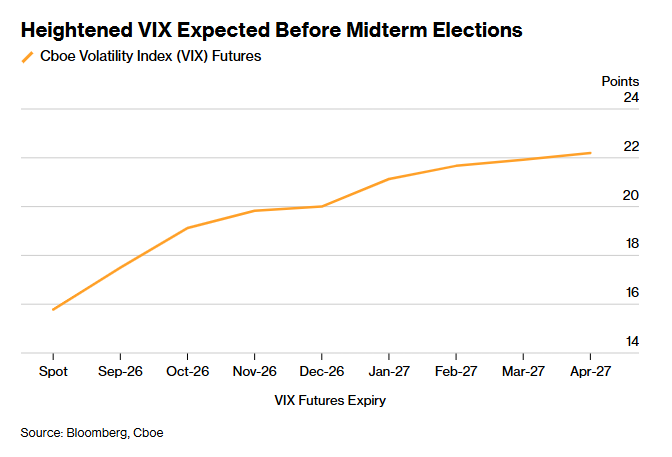
🇺🇸 #VIX Curve ‘Bump’ Shows Stock-Market Anxiety Growing by Midterms – Bloomberg https://t.co/ACmHUnR6mx https://t.co/a84EzzdtPu #VIX #StockMarket #Midterms #US

eldiario.es Aug 26

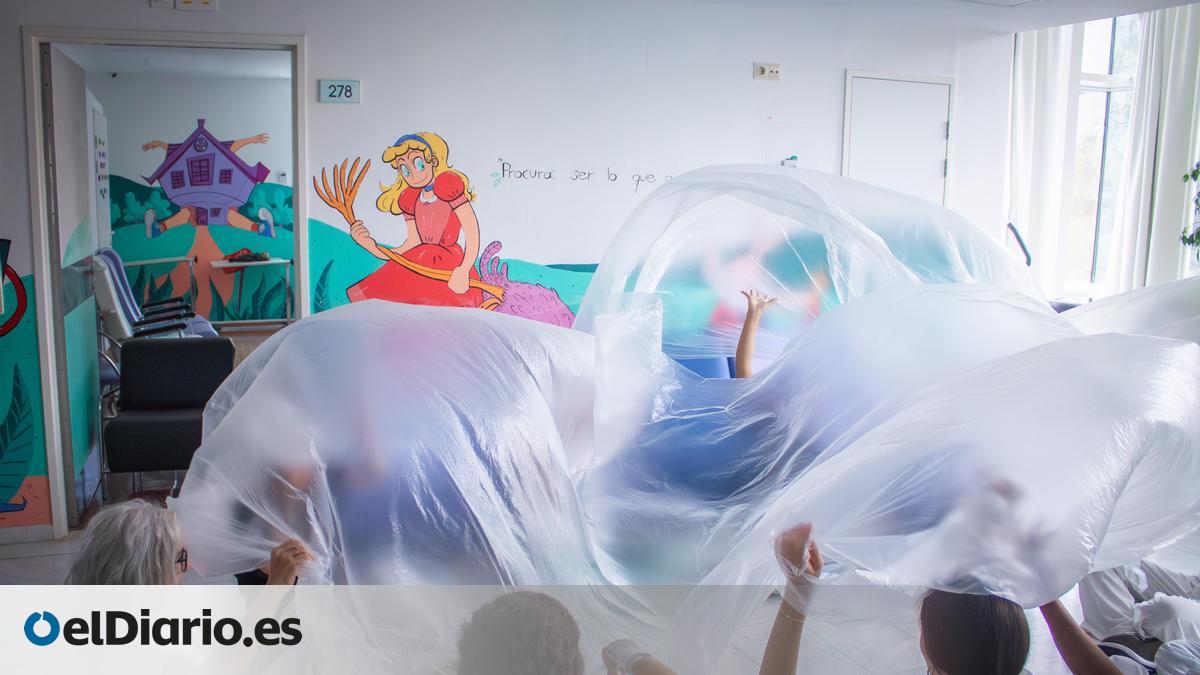
Psychiaters and psychologists warn that the overconsumption of audiovisual content and social media is deteriorating the mental health of minors, leading to increased anxiety and self-harm due to a lack of tolerance for frustration. #SaludMental #Menores #Ansiedad

“Cerebros hiperestimulados”: psiquiatras y psicólogos alertan sobre el empeoramiento de la salud mental de los menores
L
Lorenzo Aug 21

hope to find independent and serious information, news and dissemination, without anxiety for 1 click or 1 like and educated readers

PanAngel Aug 18

Μόλις κάθησα στην καρέκλα για την πρώτη χημειοθεραπεία. Αν και έχω 'θωρακίσει' την ψυχολογία μου και τον τρόπο σκέψης μου, ένα άγχος ομολογώ το νιώθω! #chemotherapy #mindset #anxiety

Kurier Aug 6

Der Artikel thematisiert das Phänomen Heatwave Anxiety, das immer mehr Menschen bei extremen Temperaturen jenseits der 40 Grad erleben, und erläutert, wie solche Ängste, oft nach traumatischen Erfahrungen mit Hitze, zu psychischen Problemen wie Stress und Depression führen können, insbesondere bei gefährdeten Personengruppen wie Eltern von Kleinkindern und chronisch kranken Menschen. #Hitzeangst #Klimaangst #PsychischeGesundheit

„Heatwave Anxiety“: Wenn Hitzewellen Panikattacken auslösen

Europe’s control of its fate is tested by Iran and Ukraine wars, wildfires, migration—A brutal half summer for Europe so far: 2 wars, record heat, rising inflation, deep anxiety about food, energy, security. Many of its challenges are out of its control https://t.co/LgTNMXkae0 #Europe #Crisis #Migration #EU #IR #UA

Fake ICE raids and kidnapping drills: how Chinese teens prepare for US college — As Trump’s toughening rules spark anxiety, Chinese parents pay for camps teaching how to survive being seized by gunmen or ‘hidden dangers’ https://t.co/aNdF8vJFpJ #FakeRaids #ChineseTeens #CollegePrep #CN #US

Trump’s approval is down, gas prices are up, unpopular war with Iran drags on. But dysfunction and debt inside Democratic party’s key institutions, crushed in fund-raising by its Republican counterparts, are creating rising anxiety for top Democrats https://t.co/B0kL1GdhLc #Trump #GasPrices #Democrats #IR