The author said Europe’s history showed why hatred and intolerance should not be allowed to take hold, and argued that societies had a responsibility to oppose antisemitism, protect all communities and uphold dignity, respect and shared values.
The author said Europe’s history showed why hatred and intolerance should not be allowed to take hold, and argued that societies had a responsibility to oppose antisemitism, protect all communities and uphold dignity, respect and shared values.
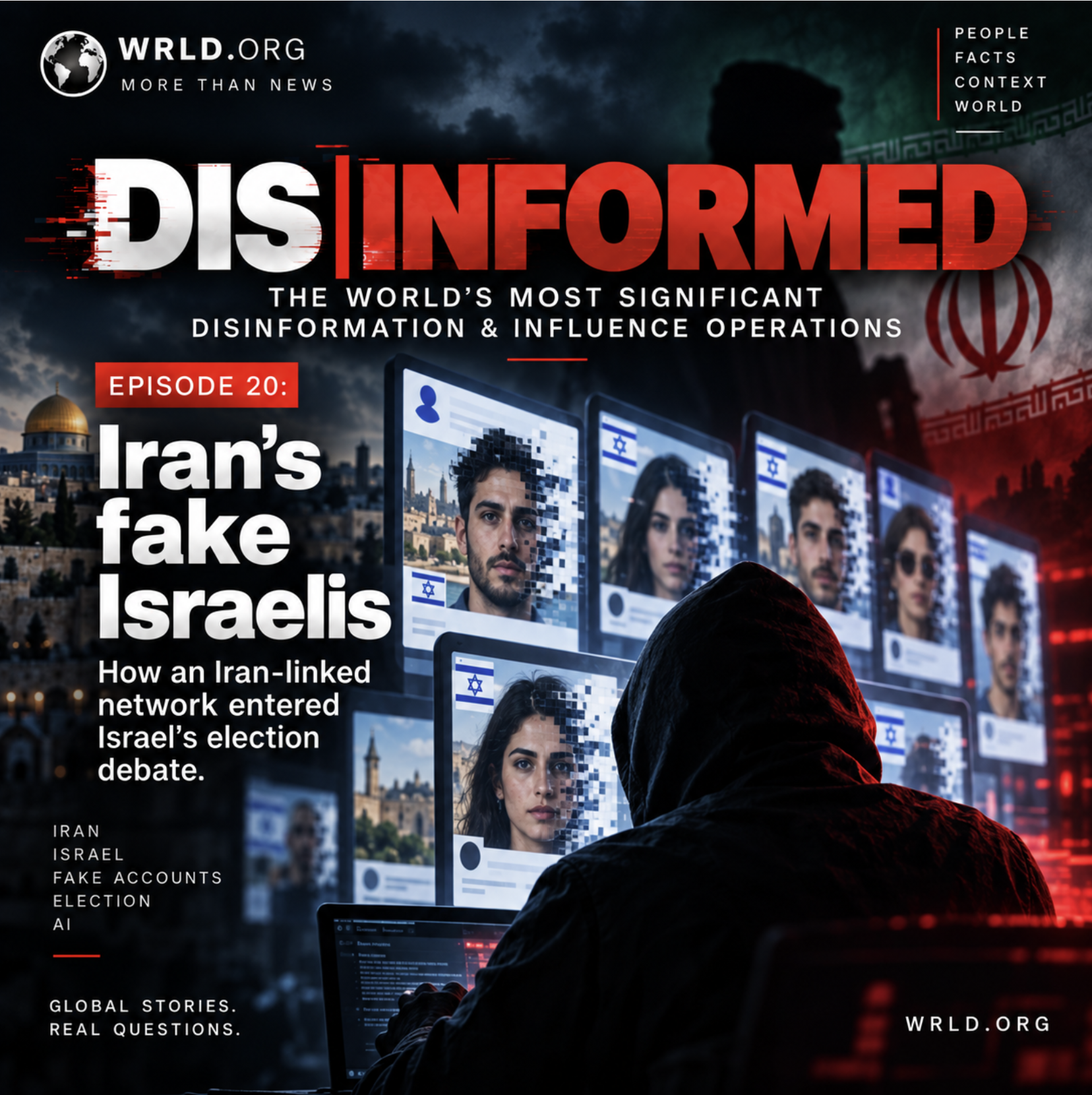
𝗜𝗿𝗮𝗻’𝘀 𝗳𝗮𝗸𝗲 𝗜𝘀𝗿𝗮𝗲𝗹𝗶𝘀 – 𝗵𝗼𝘄 𝗮 𝗳𝗼𝗿𝗲𝗶𝗴𝗻 𝗶𝗻𝗳𝗹𝘂𝗲𝗻𝗰𝗲 𝗻𝗲𝘁𝘄𝗼𝗿𝗸 𝗲𝗻𝘁𝗲𝗿𝗲𝗱 𝗜𝘀𝗿𝗮𝗲𝗹’𝘀 𝗲𝗹𝗲𝗰𝘁𝗶𝗼𝗻 𝗱𝗲𝗯𝗮𝘁𝗲 Ahead of Israel’s 27 October election, hundreds of social-media accounts have been presenting themselves as ordinary Israelis while injecting political messages into genuine domestic conversations. They appear as women, reservists, secular voters, religious activists and frustrated citizens. Some attack Benjamin Netanyahu, others have previously promoted narratives associated with the Israeli right, while many focus less on parties than on a broader message: Israel is divided, its institutions cannot be trusted and its political system is approaching crisis. A detailed investigation by the OSINT company Golden Owl has mapped this activity as a substantial Iran-linked influence network. Its October analysis identified at least 694 accounts, with 445 attributed at high or medium-high confidence to the operation. Between 11 August and 11 October, the network generated at least 4.7 million views and more than 160,000 interactions. The researchers found no evidence that these accounts were simply a group of independent Iranian commentators expressing political opinions. Their assessment rests instead on coordinated behaviour, false identities, account histories, copied content, language patterns and platform metadata linking significant parts of the infrastructure to Iran. 𝗙𝗿𝗼𝗺 𝟯𝟱 𝗽𝗲𝗿𝘀𝗼𝗻𝗮𝘀 𝘁𝗼 𝗵𝘂𝗻𝗱𝗿𝗲𝗱𝘀 𝗼𝗳 𝗳𝗮𝗸𝗲 𝗮𝗰𝗰𝗼𝘂𝗻𝘁𝘀 The investigation developed in two stages. Golden Owl’s first report, published in September, identified an operational core of 35 accounts: 32 personas presenting themselves as Israelis and three Hebrew-language media-style channels. During the 30-day period measured in that study, active accounts generated 947,322 impressions and more than 9,000 interactions. The October investigation expanded the dataset dramatically. Researchers analysed more than 560,000 data points, including tens of thousands of accounts, relationships between them and more than a quarter of a million posts. The wider network showed repeated patterns of identical texts, synchronised activity and accounts created in batches. The numbers therefore describe not a sudden explosion from 35 to hundreds of accounts, but the gradual exposure of a much larger infrastructure surrounding the original core. 𝗧𝗵𝗲 𝗳𝗮𝗸𝗲 𝗜𝘀𝗿𝗮𝗲𝗹𝗶𝘀 Some of the strongest evidence comes from the histories of individual personas. One account had spent years posting exclusively in Persian under the handle “mardeankabooti” before reappearing in August 2026 as an apparently Israeli user called “Alon Strauss”, complete with an Israeli flag and Hebrew political messaging. Other personas presented themselves as Israeli professionals, activists or ordinary citizens while X transparency information showed connections through the Iranian version of the Android application or locations inconsistent with their claimed identities. The account “Yaara Shalev” presented itself as an Israeli woman concerned with democracy and peace. Investigators found that photographs used to construct the identity were inconsistent, including borrowed and apparently AI-generated imagery. A small Hebrew-language channel called KigVoice, previously identified in Israeli government reporting as part of an Iranian influence environment, repeatedly published material that later appeared on the much more visible Yaara account. In one sample, 14 of 40 KigVoice posts subsequently resurfaced as captions or opening lines in Yaara’s content. Another persona, “Miriam Kozak”, had built an audience of more than 18,000 followers and had already been exposed as fictitious by Israeli researchers in 2024. Its political messaging changed substantially over time, moving between narratives associated with different sides of Israeli politics. That inconsistency is important: the apparent purpose was not necessarily to build a stable ideological following, but to enter whichever political argument offered the greatest opportunity to intensify division. 𝗔𝗜, 𝗰𝗼𝗽𝗶𝗲𝗱 𝗺𝗲𝘀𝘀𝗮𝗴𝗲𝘀 𝗮𝗻𝗱 𝗜𝗿𝗮𝗻𝗶𝗮𝗻 𝗳𝗶𝗻𝗴𝗲𝗿𝗽𝗿𝗶𝗻𝘁𝘀 The Iran attribution is based on more than political content. Researchers identified accounts using the Iranian version of the X Android application, repeated connections to previously identified Iranian influence assets, copied posts appearing across supposedly independent personas within minutes, and Hebrew containing unusual grammatical errors or Persian and Arabic keyboard artefacts. Generative AI also appears to have become part of the production process. Some accounts inadvertently published fragments resembling chatbot instructions, while other posts displayed patterns consistent with machine-generated Hebrew. AI-generated videos and synthetic profile imagery further reduced the cost of maintaining large numbers of apparently distinct personalities. However, none of these indicators was treated as proof on its own. Golden Owl explicitly excluded accounts where the evidence was insufficient and notes that VPNs, travel and platform location labels can create misleading signals. The attribution rests on multiple independent indicators converging across the network. 𝗧𝗵𝗲 𝗴𝗼𝗮𝗹 𝗶𝘀 𝗻𝗼𝘁 𝗻𝗲𝗰𝗲𝘀𝘀𝗮𝗿𝗶𝗹𝘆 𝘁𝗼 𝗲𝗹𝗲𝗰𝘁 𝗼𝗻𝗲 𝗽𝗮𝗿𝘁𝘆 The network repeatedly exploited issues that genuinely divide Israeli society: responsibility for the 7 October attacks, the war, the hostages, ultra-Orthodox military exemptions, economic pressure, emigration and confidence in state institutions. It also circulated misleading information about the election itself, including false voting dates, claims that voting had been postponed and posts suggesting online voting mechanisms that do not exist in Israel’s parliamentary election system. The pattern suggests a strategy broader than conventional electoral campaigning. Rather than consistently promoting one political faction, the network appears designed to weaken confidence in the government, military, democratic institutions and the electoral process itself. An influence operation does not need to persuade Israelis to support a particular candidate if it can convince different groups that defeat would prove fraud, betrayal or systemic failure. 𝗥𝗲𝗮𝗹 𝗜𝘀𝗿𝗮𝗲𝗹𝗶𝘀 𝗮𝘀 𝘂𝗻𝘄𝗶𝘁𝘁𝗶𝗻𝗴 𝗮𝗺𝗽𝗹𝗶𝗳𝗶𝗲𝗿𝘀 One of the network’s most effective characteristics is that it does not depend solely on its own followers. Fake personas enter comment sections and political discussions involving real Israeli journalists, politicians and ordinary users. Authentic Israelis then repost or interact with the material, sometimes carrying it far beyond the original account. Golden Owl does not classify those genuine users as participants in the operation. In most cases they appear to be unwitting amplifiers. But once a message passes from a fabricated Iranian-operated persona to an authentic Israeli account, its foreign origin becomes much harder for the next person to recognise. 𝗧𝗵𝗲 𝟰𝟬,𝟬𝟬𝟬-𝗯𝗼𝘁 𝗳𝗶𝗴𝘂𝗿𝗲 𝗯𝗲𝗹𝗼𝗻𝗴𝘀 𝘁𝗼 𝗮 𝗱𝗶𝗳𝗳𝗲𝗿𝗲𝗻𝘁 𝗽𝗲𝗿𝗶𝗼𝗱 A much larger figure has also appeared in recent reporting. In the first two days after the October 2023 Hamas attack, social-media intelligence company Cyabra identified more than 40,000 fake profiles participating in online discussions across major platforms. Their content generated hundreds of thousands of interactions and had a potential reach estimated at 531 million profiles. Those numbers are important historical context, but they should not be merged with the current Golden Owl investigation. There is no public evidence demonstrating that all of those 2023 accounts and the 2026 Iran-linked election network belonged to one continuous command structure. The 531 million figure is also an estimate of potential exposure, not proof that 531 million people saw or believed the content. 𝗪𝗵𝗼 𝗶𝘀 𝗮𝗰𝘁𝘂𝗮𝗹𝗹𝘆 𝗯𝗲𝗵𝗶𝗻𝗱 𝘁𝗵𝗲 𝗼𝗽𝗲𝗿𝗮𝘁𝗶𝗼𝗻? No confirmed individual operators have been publicly identified. Names such as Yaara Shalev, Miriam Kozak and Alon Strauss are personas, not verified identities of the people controlling the accounts. Golden Owl says its evidence supports an association with the Islamic Republic of Iran and with previously documented Iranian influence infrastructure, but it does not establish which Iranian institution, intelligence service, military organisation or contractor directs the network. That distinction is essential. Public OSINT supports attribution at the Iran-linked operational level. It does not currently justify naming individual Iranian officials as the people commanding this specific campaign. 𝗧𝗵𝗲 𝗱𝗲𝗲𝗽𝗳𝗮𝗸𝗲 𝗶𝘀 𝗻𝗼 𝗹𝗼𝗻𝗴𝗲𝗿 𝗼𝗻𝗹𝘆 𝘁𝗵𝗲 𝘃𝗶𝗱𝗲𝗼 The Israeli case illustrates a broader change in influence operations. The synthetic asset does not have to be a spectacular deepfake of a politician. It can be an apparently ordinary citizen who comments on politics, argues with neighbours, describes personal experiences and gradually becomes part of an authentic community. That can be more difficult to recognise because the propaganda does not arrive looking foreign. It arrives looking local. And when hundreds of fabricated citizens enter the same national conversation, they can manufacture the impression that political anger, despair or distrust is more spontaneous and more widely shared than it really is. 𝗦𝗼𝘂𝗿𝗰𝗲𝘀 Golden Owl — Exposing the Iranian Regime’s Influence Machinery Against Israeli Society https://web-dev-production-7a35.up.railway.app/resources/research/Exposing-the-Iranian-Regime-Influence-Machinery-Against-Israeli-Society Golden Owl Golden Owl — The Other Face of War: Iranian Regime–Linked Manipulation of Israel’s 2026 Election Debate https://web-dev-production-7a35.up.railway.app/resources/research/Iranian-Regime-Linked-Manipulation-of-Israel-2026-Election-Debate Golden Owl The Jerusalem Post — Iran-linked social-media accounts posing as Israelis to target election https://www.jpost.com/israel-election-2026/article-909863 The Jerusalem Post Ynet — Fake Israelis, real influence: Iran-linked network infiltrates Israel’s election debate https://www.ynetnews.com/tech-and-digital/article/syp119nqqzg ynetglobal Calcalist — Iranian influence network exposed ahead of Israel’s election https://www.calcalist.co.il/calcalistech/article/s1q0ifijzl calcalist Vesty / Ynet — Iranian fake-account network and October update https://www.vesty.co.il/main/article/rkwokjssgg vesty Israel Ministry for Diaspora Affairs — Iran’s active Hebrew-language influence campaign https://www.gov.il/BlobFolder/reports/israel-and-us-strikes-in-iran-daily-status_2_3_26/en/mashlat_Roaring_Lion_israel-and-us-strikes-in-iran-daily-status_2_3_26.pdf Government of Israel Israel Central Elections Committee — official 2026 election timetable https://www.gov.il/en/pages/time--table-26 Government of Israel Channel NewsAsia — historical Cyabra analysis of more than 40,000 fake profiles after 7 October 2023 https://www.channelnewsasia.com/singapore/how-fake-news-israel-hamas-stokes-outrage-hatred-and-potential-violence-southeast-asian-tiktok-5603221 𝗞𝗲𝘆𝘄𝗼𝗿𝗱𝘀 #DISINFORMED #Episode20 #Iran #Israel #IsraelElection2026 #IranianInfluence #IranianDisinformation #ElectionInterference #ForeignInterference #FIMI #Disinformation #InformationWarfare #InfluenceOperations #FakeAccounts #FakePersonas #SyntheticIdentity #ArtificialIntelligence #AI #AIPropaganda #SocialMediaManipulation #Astroturfing #NarrativeManipulation #PoliticalDisinformation #ElectionDisinformation #X #Twitter #Bots #BotNetwork #KigVoice #YaaraShalev #MiriamKozak #DigitalInfluence #InformationManipulation #ElectionIntegrity #GoldenOwl #OSINT #MediaManipulation #WRLD


An anti-immigration activist who incited hatred against refugees has been sentenced to two years in prison. #Cookies #Security #AccessBlocked
Reform UK councillors and candidates filmed making graphic threats of extreme violence, expressing racist and misogynistic views. Bromley councillor calling for King Charles to be killed. That's the kind of people Reform attracts. It has normalized hatred. What would a Reform govt unleash?

The raid on Ilhan Omar's home is not an attempt to sway Minnesotan voters. It's a pretext for her arrest (and deportation) and an attempt to simultaneously exacerbate anti-Somali hatred and allow the Trump regime to refuse seating all Democratic victors.
The author said a Nazi salute had been made on the streets of London in 2026 and cited JewishChron’s report of an arrest at the previous day’s march. They described the act as hatred rather than activism and called on Europe to protect peaceful protest and confront antisemitism through the full force of the law. #Antisemitism #London #HumanRights #GB

The author wrote that they had not seen such widespread hostility toward a US administration before, claiming that nobody outside Russia supported Trump’s diesel deal and that even his most loyal followers struggled to see its logic. They predicted a severe defeat for the Republican Party in the midterm elections. https://t.co/UWGlSPxAGJ #Trump #GOP #Midterms #US #RU

A Wexford GP cautions against blaming an entire nation following a shocking plane attack attempt, urging people to reject hatred. #Cookies #OnlineSecurity #AccessDenied
The author wrote that, three years later, they were honouring those killed and remembering the suffering. They said time had not diminished the horror of terrorism or the pain of those who had lost loved ones, and that remembrance also meant ensuring hatred and violence did not define the region’s future.
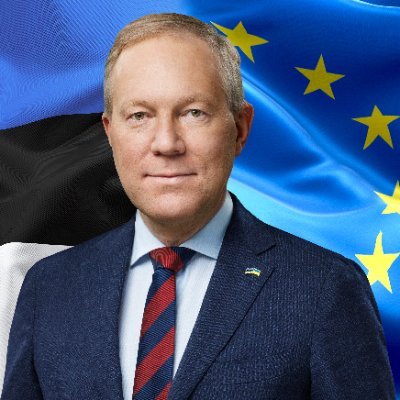
The author accused Russia’s Prosecutor General’s Office of pursuing the Kremlin’s agenda of distorting history and fueling hatred between peoples. They said the office’s statement the previous day had claimed that Baltic collaborators exterminated more than 1.5 million. https://t.co/FMWEFb8gU3 #Russia #History #Hatred #RU #EE #LV #LT
Over a thousand people on Garvaghy Road at 1.15am determined not to allow a march of hatred and sectarianism through. We'll be here through the night. https://t.co/EHHctgRub2 #GarvaghyRoad #StopHatred #Unity #Therearenospecificcountriesmentionedinthetweet.Therefore #theresponseis:
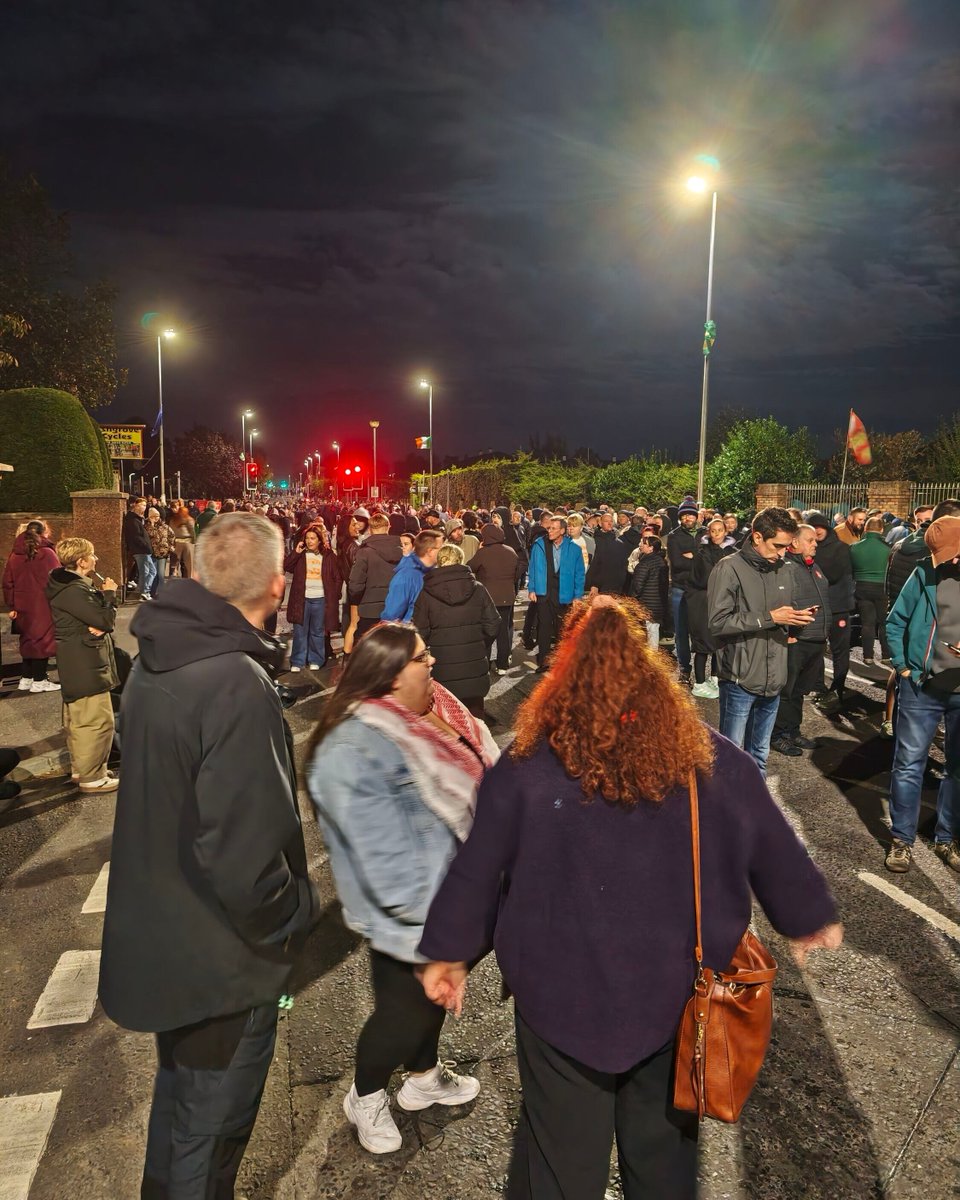

Shameful decision of Parades Commission to allow sectarian, supremacist Orange march down Garvaghy Rd. This march has no other purpose than to inflame sectarian hatred and division to politically benefit a weakening unionism and undermine 28 years of progress for the community. #OrangeMarch #Sectarianism #Unity #GB #IE
I told @EVargasTV that most Palestinian violence in Judea and Samaria goes unreported by international media, creating a distorted perception and feeding Israel-hatred. tks @AriellaNoveck https://t.co/AAD0Fw1sCk #PalestinianViolence #MediaBias #IsraelHatred #IL #PS
Hate speech can incite violence, drive conflict & contribute to the perpetration of atrocity crimes. We have seen it happen before. We see it happening now. We cannot let it continue. Let’s raise our collective voice & end the tragic cycles of fear, hatred, & violence. #EndHateSpeech #StopViolence #RaiseYourVoice #Nospecificcountriesarementionedinthetweet.
Most Black women murdered in America are not killed by a distant “political villain.” They are killed by men in their own communities — often men police already knew. Newsrooms chase the rare case that fits the script. Everyday street crime does not. Cameras stay on the exception. Families bury the rule. Honesty is not hatred. It is the only way the funerals stop. Fewer revolving-door releases. More prosecutions. Fewer lectures about the wrong enemy. https://x.com/GOP_is_Gutless/status/2099531835940172174

25 years ago, terror sought to turn fear into power. It failed. Today, we remember the lives stolen on 9/11 and honour those who ran towards danger to save others. Europe stands with the American people and against those who believe violence and hatred can defeat our freedom. https://t.co/Bycsibz9W7 #NeverForget #911Memorial #Unity #US #EU

Terzi (FdI): 'Shameful rally outside Montecitorio featuring Hamas and Hezbollah flags' / "Fratelli d'Italia Senator: 'This is not a protest; it incites hatred against the Jewish people' (ANSA) - ROME, SEP 09 - "The best representation of a certain Italian left is unfolding right https://t.co/QjRozp8efK #Hamas #Hezbollah #Antisemitism #IT

Ratko Mladić, a convicted war criminal responsible for the Srebrenica massacre, was buried with military honors in Belgrade, sparking outrage and condemnation from neighboring countries and international leaders who highlighted the ongoing tensions and hatred in the region. #RatkoMladić #Srebrenica #háborúsbűnök
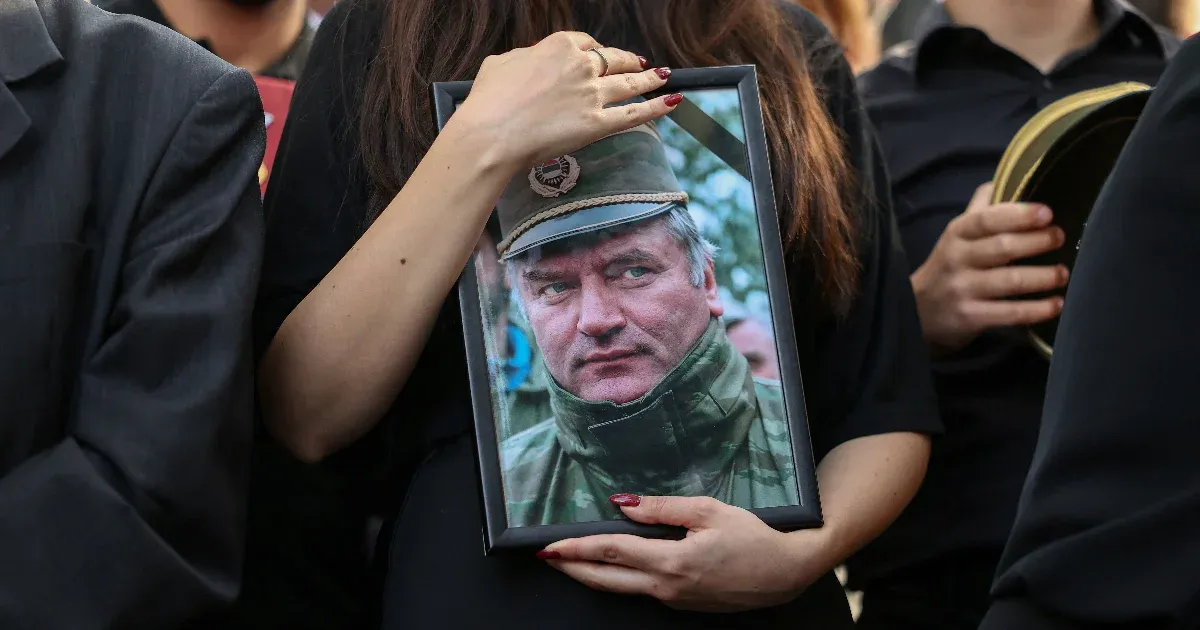

Vantaan imaami Sharmarke Said Aw-Mussen kommentti Heikki Vestmannin islamia koskevaan julkaisuun on jälleen laadukasta, Aw-Musselle tuttua kaavaa - islamissa sallittua joustavuutta petoksen suhteen edistääkseen islamin asiaa. Islamilainen pelikirja on aina sama, se noudattaa DARVO:n taktiikoita. DARVO tulee sanoista Deny, Attack and Reverse Victim Order. Ensin kiistetään syytökset, jonka jälkeen syytös peilataan takaisin alkuperäiseen syyttäjään. Syytöksen kohde maalataan uhriksi ja syytösten esittäjä alistajaksi. Niin myös imaami Sharmarke Said Aw-Mussen tuoreimmassa, jossa hän luonehtii Vestmanin kirjoitksen "vastuuttomaksi" ja hänen "motiivinsa" kyseenalaiseksi; pohtii mikä oli motiivi "julkaistu tällainen kirjoitus juuri nyt". Turun ilmapiiri on kuulemma "jo valmiiksi jännittynyt". "Juuri tällaisina aikona" ja vielä Vestamin asemassa Aw-Musse kertoo odottavansa "harkintaa eikä vastakkainasettelua lisääviä yleistyksiä". "Samalla ihmettelen sitä itsevarmuutta, jolla Pj. ryhtyy määrittelemään islamia, shariaa ja islamilaista oikeusoppia, vaikka hänellä ei tietääkseni ole minkäänlaista asiantuntemusta islamilaisesta teologiasta tai oikeustieteestä." Islamin kritisointi tavan kansalaisena kun ei sovi imaamin näkemykseen. Eihän tavantallaaja voi tietää mitä Koraanissa ja haditheissa "oikeasti" sanotaan eikä mitä niillä "oikeasti" tarkoitetaan. Sharmarken mukaan islamilainen oikeusperinne "ei yksiselitteisesti opeta" etteikö muslimi "voisi elää" maallisen lainsäädännön alaisuudessa. Ei opetakaan. Muslimi kyllä "voi elää" mallisen lainsäädännön alaisuudessa. Ne historialliset sopimukset, joihin Sharmarke viittaa, ovat juurikin väliaikaisia maallisia sopimuksia (hudna). Kuten Sharmarke itse sanoo, "islamin historiassa tunnetaan vahvasti sopimusten ja yhteiskunnan järjestyksen kunnioittaminen"... niin pitkään kuin on tarpeen. "Eikä tietääkseni kukaan ole vaatimassa Suomeen erillistä oikeusjärjestelmää." "Tietääkseni" on mielenkiintoinen ilmaisu. Kuten myös "erillistä oikeusjärjestelmää". Islamin opinkappaleet ja sotalordin käskyt ovat selvät: koko maailman on alistuttava Allahin käskyjen alle. Siten ei voida puhua "erillisestä" oikeusjärjestelmästä, vaan "korvaavasta". Shariasta. Tietääkseni imaami Aw-Mussen kyllä ymmärtää tämän. "Juuri siksi olen huolissani keskustelusta, joissa näitä oikeuksia pyritään kaventamaan tai niiden oikeutusta kyseenalaistamaan islamia koskevien uhkakuvien kautta." Aivan kuten hijab-, niqab- ja burkhakeskustelussa, Aw-Musse kääntää uskonnonvapauden inversioksi niin, että kuvaa naisten ja tyttöjen kuolonkankaisiin käärimisen estämisen olevan uskonvapauden vastaista. Samoin kun koulussa paastoamaan pakotettuja lapsia on "vain vähän" ja heidän uskonnonvapauttaan on kunnioitettava niin, ettei heidän paastoamistaan saa estää. "Perustuslakivaliokunnan Pj. jos kenen pitäisi ymmärtää, ettei perustuslakia puolusteta tekemällä kokonaisesta uskonnollisesta perinteestä tai ihmisryhmästä uhkakuvaa." Edelleen, islamin opinkappaleiden ja sen käytännön sovellusten arviointi ei ole yksittäisten muslimien demonisointia. Esimerkiksi ainoastaan islamista inspiroituneiden terroristien, jihadistien, toimien arviointi voidaan leimata "kielteiseksi stereotypioinniksi ja islamofobiaksi". Siten estää keskustelu ainoastaan islamista ja islamisaatiosta puhkeavista ongelmista. "Toivon erityisesti päättäjiltä vastuuullisuutta sanoissaan. Vähemmistöjä demonisoiva, epäluuloa ruokkiva ja vastakkainasettelua syventävä puhe ei vahvista Suomea eikä niitä arvoja, joille yhteiskuntamme rakentuu." Perusoikeuksien näkökulmasta toinen mielenkiintoinen kysymys on islamin järjestelmällinen naisten ja tyttöjen alisteinen asema, joka on lähtökohtaisesti täydellisen ristiriidassa sen suhteen mitä Suomessa ja suomalaisessa yhteiskunnassa on pidetty arvoina. Ylipäätään burkhiin ja niqabeihin pukeutuvia tyttöjä näkyy "vain vähän", kuulemma ketään ei "pakoteta" pukeutumaan kangaskahleeseen ja on osa tytön uskonvapautta kääriytyä kankaaseen. Vaikka kaupungeilla tulee vastaan naisia ja pieniä tyttöjä kaavuissa, kuulemme usein puheita miten "pieniä tyttöjä ei oikeasti käytä islamilaisia kaapuja". Tosin hiljalleen tässäkin on edetty jo kohtaan "pieniä tyttöjä, jotka käyttävät islamilaisia kaapuja, on todellisuudessa niin vähän, ettei asiaan kannata puuttua". Tästä huolestuttavan konkreettisena esimerkkinä toimii Iltalehden Ida Erämaan artikkeli heinäkuulta 2025: "Tervetuloa kouluun, burkha?" joka noudattaa täsmälleen tätä ennaltamäärättyä kaavaa. Ilmiöön puuttuminen kuvataan uskonvapauden rikkomisena ja kaapuihin peitettyjen tyttöjen uskonvapauden viemisenä. Kun islamilaisten hautajaisten kohdalla keväällä 2026 nousi esiin keskustelu miksei miehet ja naiset saata olla edes samalla nurmella, keskustelu kehystettiin "rasistiseksi", "islamofobiseksi" ja "ennakkoluuloiseksi". Kun ramadanin aikaan nousee esiin kuinka lapset pakotetaan paastoamaan, tämän sanotaan "rajoittavan lasten vapautta harjottaa uskontoaan". Ylen studiossa kun keskustelija toi esiin miten islamissa on sallittua vääräuskoiselle valehtelu islamin asian edistämiseksi, toimittaja lopetti keskustelun seinään. "Täällä ei ole islaminuskoista kantaansa puolustamassa". Termillä "islamofobia" ei ole muuta funktiota kuin lakkauttaa keskustelu islamin todellisista ongelmista ja ennaltaehkäistä kaikki kritiikki islamia kohtaan. Vaikka miten perusteltu ja aiheellinen. EU:n valmistelussa oleva "Anti-Muslim hatred" pyrkii laajentamaan tätä määritelmää vielä entisestään. Joten kun imaami Aw-Musse lopussa viittaa Suomen pohjalla virtaaviin arvoihin... ehkä niitä todella on syytä pohtia. Jos uskonnonvapauden nimissä ajetaan poliittisen ja uskonnollisen siiven sisältävää ideologiaa, jonka keskeisenä tarkoituksena on vallitsevan yhteiskuntajärjestelmän korvaaminen toisella, on enemmän kuin perusteltua pohtia kuuluuko sen ajaminen uskonnonvapauteen. Eikä tämä rajoitu vain islamiin, vaan esimerkiksi marxismiin aivan yhtä lailla. Molempien ideologioiden mukaan kun moraali määrittyy sen mukaan mikä edistää vallankaappausta. Siksi niiden epäpyhä liitto toimiikin niin hyvin yhteen. Sillä kun sitä ei ymmärretä, ei osata argumentoida eikä perustella minkä takia islamilainen maailmankuva tai vaikkapa marxistien ja sosialistien ajama maailmankuva ei ole yhteensopiva länsimaisen eetoksen kanssa. #Islam #Uskonnonvapaus #Suomi

The days of forcing Orange parades down the Garvaghy Road are over. Local residents deserve to live in peace, free from sectarianism, hatred & triumphalism. https://t.co/r00v6hi1u9 #GarvaghyRoad #Peace #Sectarianism #GB #IE





