From 2030, Formula 1 cars will return to using V8 engines, making them louder and more akin to the Formula 1 of the past, as confirmed by the FIA after an agreement with the teams and engine manufacturers. #Formula1 #MotoriV8 #Rumore (translated)
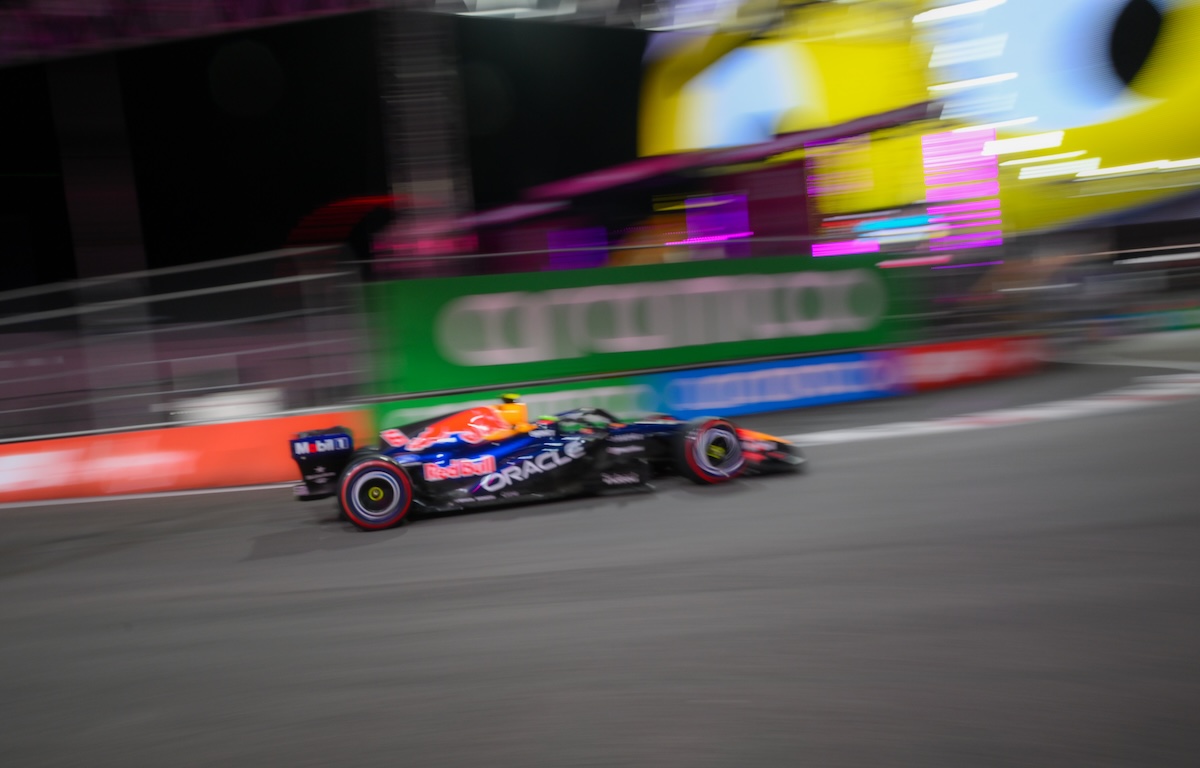
From 2030, Formula 1 cars will return to using V8 engines, making them louder and more akin to the Formula 1 of the past, as confirmed by the FIA after an agreement with the teams and engine manufacturers. #Formula1 #MotoriV8 #Rumore (translated)

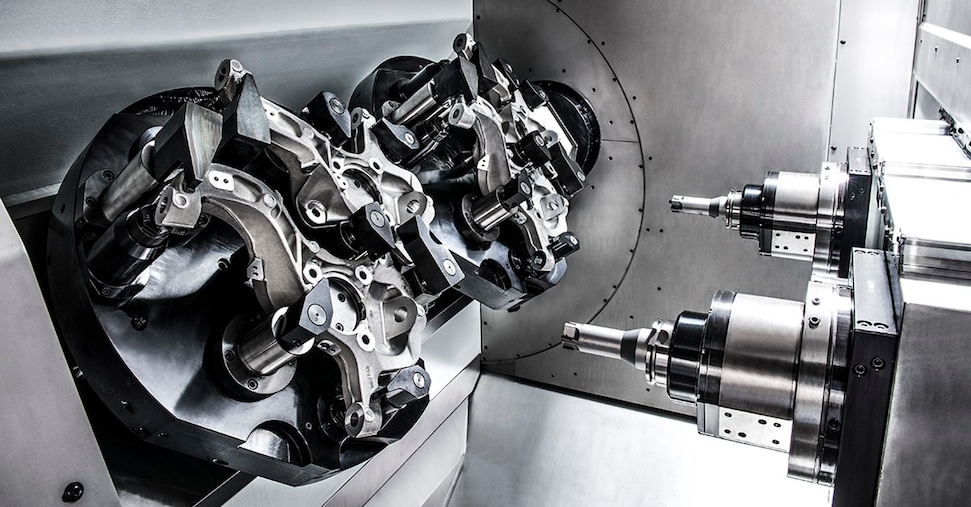
The survey by Ucimu reveals a significant rejuvenation of the machinery fleet in the manufacturing sector, with an average age reduced by more than three years thanks to state incentives that have encouraged the adoption of advanced and interconnected technologies. #DirittiSessuali #InnovazioneIndustriale #IncentiviStatalI (translated)

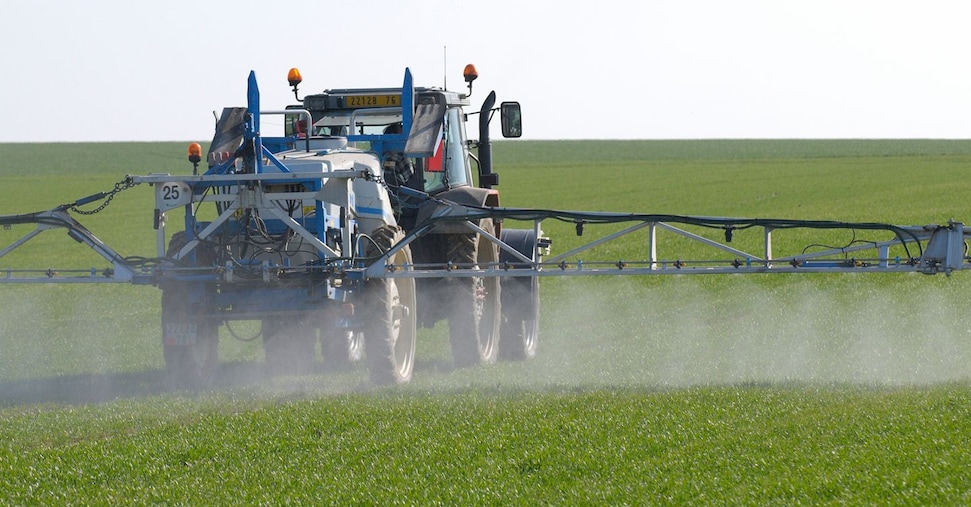
The Agrofarma Observatory reports a 25% reduction in the use of chemical products in agriculture over the last ten years, while there is an increase in biological solutions; however, this has resulted in lower yields for the main Italian crops, making supportive policies for innovation and modernization of machinery necessary. #Agricoltura #Sostenibilità #Innovazione (translated)

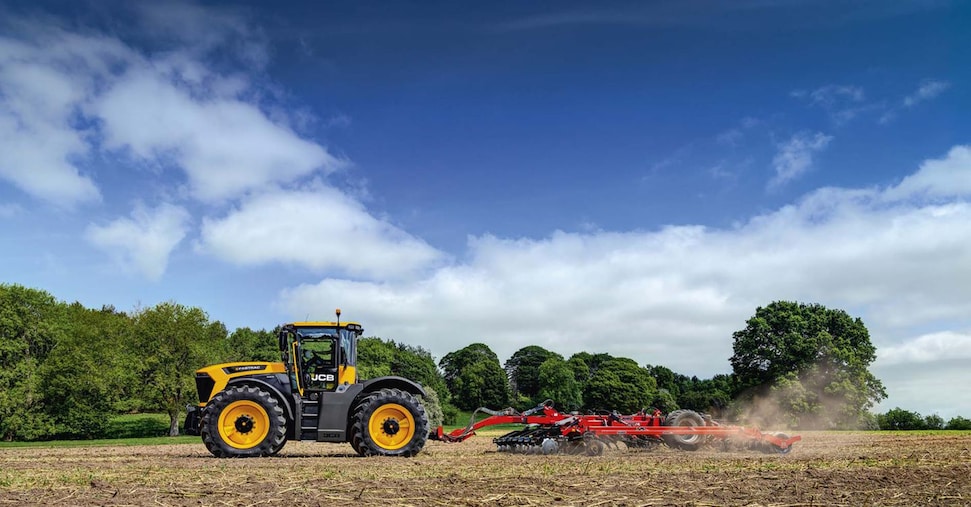
In Italy, the agricultural machinery fleet is the oldest in Europe, with an average age nearing 30 years, and the president of Cia, Cristiano Fini, emphasizes the urgency of incentives for scrapping and access to new technologies to ensure the safety and competitiveness of the agricultural sector. #Innovazione #Meccanizzazione (translated)

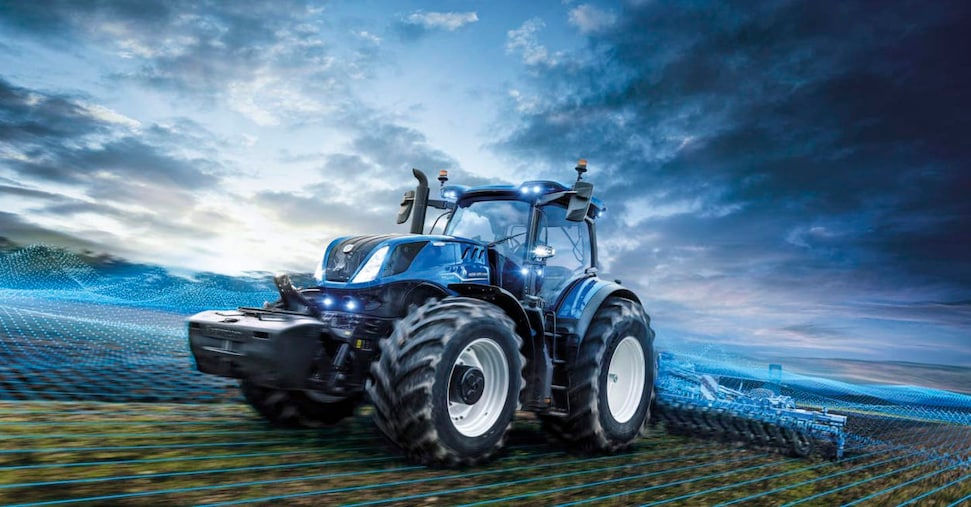
The decline in agricultural incomes in Europe and the United States is curbing investments in agricultural technologies, with a decrease in the sales of agricultural machinery, but the president of FederUnacoma, Mariateresa Maschio, remains optimistic about the future of the market. #Agricoltura #MacchineAgricole #MadeInItaly (translated)

Cnh Industrial sells 70% of its Construction Equipment division to the Japanese company Kobelco for 700 million dollars, redirecting its strategy towards the agricultural sector. #CnhIndustrial #Kobelco #SettoreAgricolo (translated)

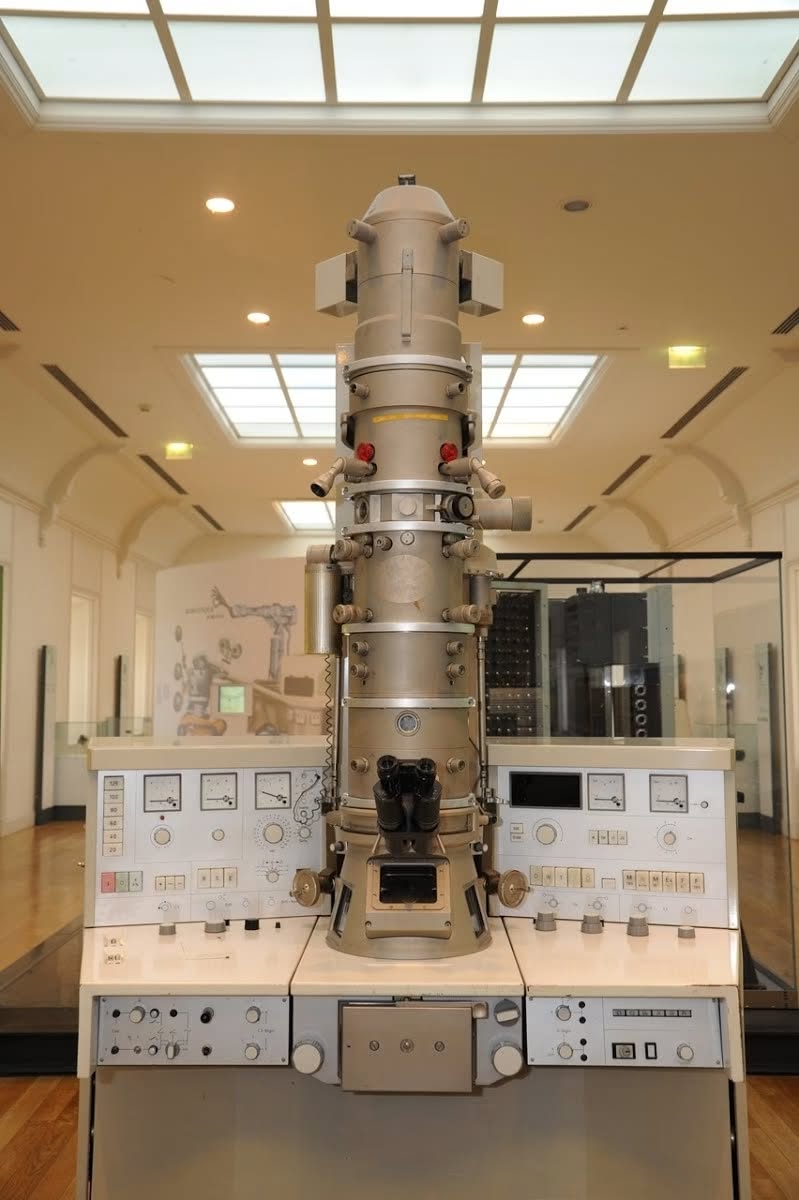
57 YEARS OF #PHOTOVOLTAICS IN ITALY I hope I will be forgiven a small indulgence, but this is one of those events that happen only once in a lifetime, and since it's about MY life, I want to celebrate it and, in this social media age, what better celebration than to share it with my online friends? To make a long story short, exactly 57 years ago, in September 1969, I started working at the Transmission Electron Microscopy Laboratory of the Physics Institute in Bologna. The laboratory director was Prof. Ugo Valdrè, the undisputed father of electron microscopy in Italy. Under his direction, I began working on the preparation of silicon samples to enable the first high-definition observations of the lattice structure of silicon and its related defects. Then many years went by, during which I moved to the CNR, I saw new models of transmission and scanning electron microscopes being developed, always continuing to work on the characterization of materials for the production of photovoltaic cells. In that laboratory, we produced the first solar cells made in Italy and the first photovoltaic panel with an incredibly high efficiency at that time of 12%. These were exciting years, full of beautiful experiences, many small discoveries, and above all, a lot of tedious routine work that allows all those who work with silicon today to deeply understand this material and create increasingly perfect and high-performance products. Well, that's just it, but 57 years have passed, and since at my age, migrating from earthly life to the cloud is instantaneous, I will bore you annually and will stop (for reasons beyond my control) only after I have (reluctantly) completed my migration to the cloud. 😉 ------------------------------------ The larger photo above was taken with a scanning electron microscope and depicts the anti-reflective surface of a monocrystalline silicon photovoltaic cell. These pyramids were obtained through a chemical treatment with a solution of nitric acid and hydrofluoric acid. For decades, this method had been abandoned in favor of screen-printed films, but it is making a comeback in high-efficiency and bifacial cells. ------------------------------------ The smaller photo at the bottom left is the electron microscope image of a dislocation on a silicon crystal. The "dislocation" is a defect in the lattice structure of silicon due to a shift of the atoms. A practical example is a stack of books where some planes overlap others with a small lateral displacement. Lattice defects reduce the efficiency of cells which, to achieve high efficiency, must be made from silicon with a perfect crystal lattice structure. In this specific case, the lattice shift was also used as a resolution test for the electron microscope that could distinguish two objects spaced just 2.5 Angstroms apart. ------------------------------------ The central photo at the bottom is a reconstruction of the first electron microscope invented and made by the Germans Ernst Ruska and Max Knoll in 1931. It is based on the fact that the resolving power is inversely proportional to the wavelength of the radiation used, which is smaller for an electron beam compared to a photon beam, allowing for several orders of magnitude increase. Anyone working in photovoltaics should know that it is thanks to the electron microscope that it is now possible to produce huge silicon wafers free of defects in the atomic lattice structure, which would greatly reduce the efficiency of the cells. I worked for 11 years with one of these machines first at the Physics Institute of Bologna and then at the LAMEL Laboratory of the National Research Council. ------------------------------------ I worked for 11 years with one of these machines first at the Physics Institute of Bologna and then at the LAMEL Laboratory of the National Research Council; in fact, the last photo at the bottom right is of "my" microscope which I cleaned, polished, and maintained more than a new car. Although it was 1969, as you can see, it was a bit fancier and more efficient than the one in the museum and was equipped with X-ray microanalysis for precise characterization of the chemical composition of materials. It operated at 100 kV, 200,000 magnifications with a resolution of 2.5 Angstroms. It was exactly the model in the photo, SIEMENS Elmiskop 102 #photovoltaics #microscopy #historyofthephotovoltaics #electronmicroscope #LAMEL #SolarEnergy #CNR #photovoltaiccells www.fotovoltaici.info (translated)
Raffaele Ceresa criticized the maneuver, stating that it included five plays of the Superenalotto, an increase in the maximum bet on machines, and the extension of concessions for slot halls. He argued that gambling was the cause of misery, poverty, addiction, and suicides, and accused Giorgia Meloni of aiming for immediate revenue, anticipating a high social cost for the state in the future. https://t.co/8zx5P4kZZS #GiocoDazzardo #Superenalotto #Politica (translated)
𝗟𝗜𝗙𝗘 𝗢𝗙 𝗔 𝗠𝗢𝗗𝗘𝗥𝗡 𝗛𝗨𝗠𝗔𝗡 A perfect day in which human existence could also be simplified. We have chosen an example of Homo sapiens digitalis, a species endowed with an extraordinary ability: to complicate its existence through tools designed to simplify it. 𝗢𝗥𝗘 𝟬𝟲:𝟬𝟬 - 𝗧𝗛𝗘 𝗜𝗡𝗧𝗘𝗟𝗟𝗜𝗚𝗘𝗡𝗧 𝗔𝗟𝗔𝗥𝗠 The smartwatch vibrates. It has determined that this is the best time to wake the owner, having analyzed his sleep phases. The man opens his eyes and discovers that he has slept poorly: score 61 out of 100. Until that moment, he felt rested. Now he is tired. 𝗢𝗥𝗘 𝟬𝟳:𝟬𝟬 - 𝗧𝗛𝗘 𝗙𝗜𝗥𝗦𝗧 𝗖𝗢𝗡𝗦𝗨𝗟𝗧𝗔𝗧𝗜𝗢𝗡 Before even saying goodbye to his wife, he consults his smartphone. He checks notifications, messages, and weather forecasts. His wife asks him if he wants coffee. He doesn't respond: he is reading an article about the risks of caffeine. 𝗢𝗥𝗘 𝟬𝟴:𝟬𝟬 - 𝗧𝗛𝗘 𝗖𝗢𝗡𝗦𝗖IOUS 𝗖𝗔𝗟𝗢𝗥𝗜𝗘 𝗖𝗔𝗟𝗖𝗨𝗟𝗔𝗧𝗜𝗢𝗡 He photographs his plate to get an application to calculate the calories. He discovers that he has exceeded the recommended amount of sugar. He eliminates the jam, replaces the bread, and takes a supplement suggested by an influencer. It took him forty-five minutes to eat a breakfast that his grandfather finished in seven. 𝗢𝗥𝗘 𝟬𝟵:𝟬𝟬 - 𝗧𝗛𝗘 𝗔𝗦𝗦𝗜𝗦𝗧𝗘𝗗 𝗠𝗢𝗕𝗜𝗟𝗜𝗧𝗬 He gets in the car and sets the navigator to reach the office where he has worked for twelve years. The system proposes an alternative route to save three minutes. He follows it and gets stuck on a closed road for construction work. He curses technology and posts a negative review. 𝗢𝗥𝗘 𝟭𝟬:𝟬𝟬 - 𝗧𝗛𝗘 𝗣𝗥𝗢𝗗𝗨𝗖𝗧𝗜𝗩𝗜𝗧𝗬 He turns on the computer and asks artificial intelligence to summarize the received emails. He then asks it to prepare the replies. A colleague in the next office receives one of those emails and asks his AI to summarize it. Two machines communicate on behalf of two humans who could talk to each other across a corridor. 𝗢𝗥𝗘 𝟭𝟭:𝟬𝟬 - 𝗧𝗛𝗘 𝗠𝗘𝗘𝗧𝗜𝗡𝗚 He participates in a video conference with four colleagues sitting in the same building. One software records, another transcribes, and a third produces the summary. No one takes notes. At the end, everyone receives a document that no one reads, because each has already asked their AI to summarize the summary. 𝗢𝗥𝗘 𝟭𝟮:𝟬𝟬 - 𝗧𝗛𝗘 𝗦𝗖𝗜𝗘𝗡𝗧𝗜𝗙𝗜𝗖 𝗡𝗘𝗧𝗪𝗢𝗥𝗦𝗛𝗜𝗣 He consults an app to choose the restaurant with the best reviews. After twenty minutes, he finds the perfect one, but it's too far away. He orders through another application. A delivery person crosses half the city to deliver a salad that he could have purchased under the office. 𝗢𝗥𝗘 𝟭𝟯:𝟬𝟬 - 𝗧𝗛𝗘 𝗦𝗢𝗖𝗜𝗔𝗟𝗜𝗭𝗔𝗧𝗜𝗢𝗡 He opens Facebook. He scrolls through photographs of people he doesn't know, reads opinions from strangers, and participates in a discussion about contemporary loneliness. He insults a user who thinks differently. He receives three reactions and feels an immediate satisfaction. Finally, someone has noticed his existence. 𝗢𝗥𝗘 𝟭𝟰:𝟬𝟬 - 𝗧𝗛𝗘 𝗣𝗥𝗢𝗙𝗘𝗦𝗦𝗜𝗢𝗡𝗔𝗟 𝗨𝗣𝗗𝗔𝗧𝗘 He buys an online course on how to use artificial intelligence to increase productivity. The course teaches him to write instructions so the AI can work in his place. He does not finish the first lesson: he asks the AI to summarize the course. 𝗢𝗥𝗘 𝟭𝟱:𝟬𝟬 - 𝗧𝗛𝗘 𝗖𝗥𝗘𝗔𝗧𝗜𝗩𝗜𝗧𝗬 He has to write birthday wishes to a friend. He asks the AI for an original, warm, and spontaneous text. He copies it and sends it. The friend replies with a thank you generated by his own AI. Both are moved by the depth of the relationship. 𝗢𝗥𝗘 𝟭𝟲:𝟬𝟬 - 𝗧𝗛𝗘 𝗪𝗘𝗟𝗟𝗕𝗘𝗜𝗡𝗚 The smartwatch indicates that he has been sitting for too long. He gets up, takes two hundred steps around the desk, and sits back down. The device congratulates him. He has reached the first goal of the day. 𝗢𝗥𝗘 𝟭𝟭:𝟬𝟬 - 𝗧𝗛𝗘 𝗙𝗢𝗥𝗠𝗔𝗧𝗜𝗢𝗡 𝗢𝗙 𝗢𝗣𝗜𝗡𝗜𝗢𝗡 He reads the title of a scandalous political news story. He does not open the article: the title already contains all he considers necessary to know. He posts an indignant comment, complete with three exclamation points and four emojis. The algorithm interprets the behavior as interest and begins to suggest other similar news. After half an hour, he is convinced that the world is collapsing. 𝗢𝗥𝗘 𝟭𝟴:𝟬𝟬 - 𝗧𝗛𝗘 𝗛𝗘𝗔𝗟𝗧𝗛 𝗔𝗖𝗧𝗜𝗩𝗜𝗧𝗬 He enters the gym. He wears noise-canceling headphones so he doesn't hear the people around him. He follows the exercises suggested by an application and records every movement. In the end, he posts a photograph with the phrase "Take care of yourself." He spends twenty minutes checking how many appreciated the advice. 𝗢𝗥𝗘 𝟭𝟵:𝟬𝟬 - 𝗧𝗛𝗘 𝗥𝗘𝗧𝗨𝗥𝗡 𝗛𝗢𝗠𝗘 He returns home. His wife watches a video on her phone, his son plays on a console, his daughter participates in a video call. He sits on the sofa and opens Facebook. Perfect family harmony reigns: no one disturbs anyone. 𝗢𝗥𝗘 𝟮𝟬:𝟬𝟬 - 𝗧𝗛𝗘 𝗦𝗛𝗔𝗥𝗘𝗗 𝗗𝗜𝗡𝗡𝗘𝗥 The family gathers at the table. The father photographs the dish, the mother replies to a message, the son watches a video, and the daughter checks notifications. The father suggests spending more time together. Everyone agrees without taking their eyes off the screens. A WhatsApp group called "Our Family" is created. 𝗢𝗥𝗘 𝟮𝟭:𝟬𝟬 - 𝗧𝗛𝗘 𝗘𝗡𝗧𝗘𝗥𝗧𝗔𝗜𝗡𝗠𝗘𝗡𝗧 He decides to watch a movie. He opens Netflix, checks rankings, reads plots, watches trailers, and compares ratings. After forty-five minutes, he still hasn’t chosen anything. The system suggests a film he has already seen. He watches it again because at least he knows he likes it. 𝗢𝗥𝗘 𝟮𝟮:𝟬𝟬 - 𝗧𝗛𝗘 𝗦𝗘𝗡𝗧𝗜𝗠𝗘𝗡𝗧𝗔𝗟 𝗥𝗘𝗟𝗔𝗧𝗜𝗢𝗡𝗦𝗛𝗜𝗣 The couple finds themselves in the bedroom. Both are busy with their smartphones. He reads an article on how to improve couple communication. She watches a video on the signs that indicate a relationship in crisis. Neither has spoken a word to each other yet. 𝗢𝗥𝗘 𝟮𝟯:𝟬𝟬 - 𝗧𝗛𝗘 𝗠𝗘𝗗𝗜𝗧𝗔𝗧𝗜𝗢𝗡 He launches an application to relax. A synthetic voice invites him to clear his mind and distance himself from digital distractions. The phone vibrates: a notification reminds him to keep the daily meditation series active. He interrupts the meditation to check that he hasn't missed the reward. 𝗢𝗥𝗘 𝟬𝟬:𝟬𝟬 - 𝗧𝗛𝗘 𝗣𝗥𝗢𝗚𝗥𝗔𝗠𝗘𝗗 𝗥𝗘𝗦𝗧 He sets the alarm, activates sleep monitoring, checks the room temperature, and consults forecasts on sleep quality. The device suggests he sleep at least eight hours. He falls asleep at 00:47, worried about not reaching the goal. 𝗢𝗥𝗘 𝟬𝟭:𝟬𝟬 - 𝗧𝗛𝗘 𝗦𝗟𝗘𝗘𝗣 𝗠𝗢𝗡𝗜𝗧𝗢𝗥𝗜𝗡𝗚 The man sleeps. The smartwatch measures his heart rate, a sensor records his movements, and the smartphone synchronizes the data to the cloud. Even while he sleeps, he continues to produce information about himself. 𝗢𝗥𝗘 𝟬𝟮:𝟬𝟬 - 𝗧𝗛𝗘 𝗣𝗥𝗢𝗖𝗘𝗦𝗦𝗜𝗡𝗚 The systems process the collected information. They update statistics, synchronize devices, and prepare suggestions for the next day. The man does not know exactly what they are processing, but he has accepted all the terms of service. 𝗢𝗥𝗘 𝟬𝟯:𝟬𝟬 - 𝗧𝗛𝗘 𝗢𝗽𝗧𝗜𝗠𝗜𝗭𝗔𝗧𝗜𝗢𝗡 The advertising systems update interest profiles using the available signals. The man, who a few hours earlier had read an article on couple crises, might receive ads for relationship counseling. His concern has become a business opportunity. 𝗢𝗥𝗘 𝟬𝟰:𝟬𝟬 - 𝗧𝗛𝗘 𝗠𝗔𝗜𝗡𝗧𝗘𝗡𝗔𝗡𝗖𝗘 The smartphone downloads an update. It promises superior performance, increased security, and new features. Tomorrow, some icons will have changed position, and the man will have to relearn where to find what he needed. 𝗢𝗥𝗘 𝟬𝟱:𝟬𝟬 - 𝗧𝗛𝗘 𝗣𝗥𝗘𝗣𝗔𝗥𝗔𝗧𝗜𝗢𝗡 𝗙𝗢𝗥 𝗧𝗛𝗘 𝗡𝗘𝗫𝗧 𝗗𝗔𝗬 The digital assistant already has sufficient information to suggest appointments, activities, routes, news, purchases, and content to watch. The man continues to sleep. His next day has already been partially organized. 🐓🐓🐓 𝗢𝗥𝗘 𝟬𝟲:𝟬𝟬 - 𝗜𝗡 𝗧𝗛𝗘 𝗖𝗢𝗖𝗛𝗘 The rooster opens its eyes. It crows. The hens wake up. No one received a notification. No one accepted cookies. No one subscribed to a Premium subscription. And above all, no rooster has ever asked an algorithm which hen to court. ⚖️ 𝗝𝗨𝗗𝗚𝗘'𝗦 𝗥𝗨𝗟𝗜𝗡𝗚 𝗖𝗢𝗗𝗜𝗟𝗟𝗨𝗦 Having examined the behaviors of the two species and established that one has extremely advanced technologies to perform activities that the other performs without any assistance, the Court finds the intellectual superiority of the human to be insufficiently demonstrated. It therefore orders that, until further determination, the expression "chicken brain" constitutes an offense to the dignity of gallinaceous animals. 🐓🤣 𝗧𝗪𝗘𝗡𝗧𝗬-𝗙𝗢𝗨𝗥 𝗛𝗢𝗨𝗥𝗦 𝗢𝗙 𝗔𝗥𝗧𝗜𝗙𝗜𝗖𝗜𝗔𝗟 𝗜𝗡𝗧𝗘𝗟𝗟𝗜𝗚𝗘𝗡𝗖𝗘. 𝗜𝗩𝗜𝗡𝗚 𝗢𝗖𝗖𝗔𝗦𝗜𝗢𝗡𝗔𝗟 𝗧𝗥𝗔𝗖𝗘𝗦 𝗢𝗙 𝗛𝗨𝗠𝗔𝗡. Any reference to real persons is purely coincidental. Any spontaneous identification is the responsibility of the reader. 🤣🤣🤣 (translated)
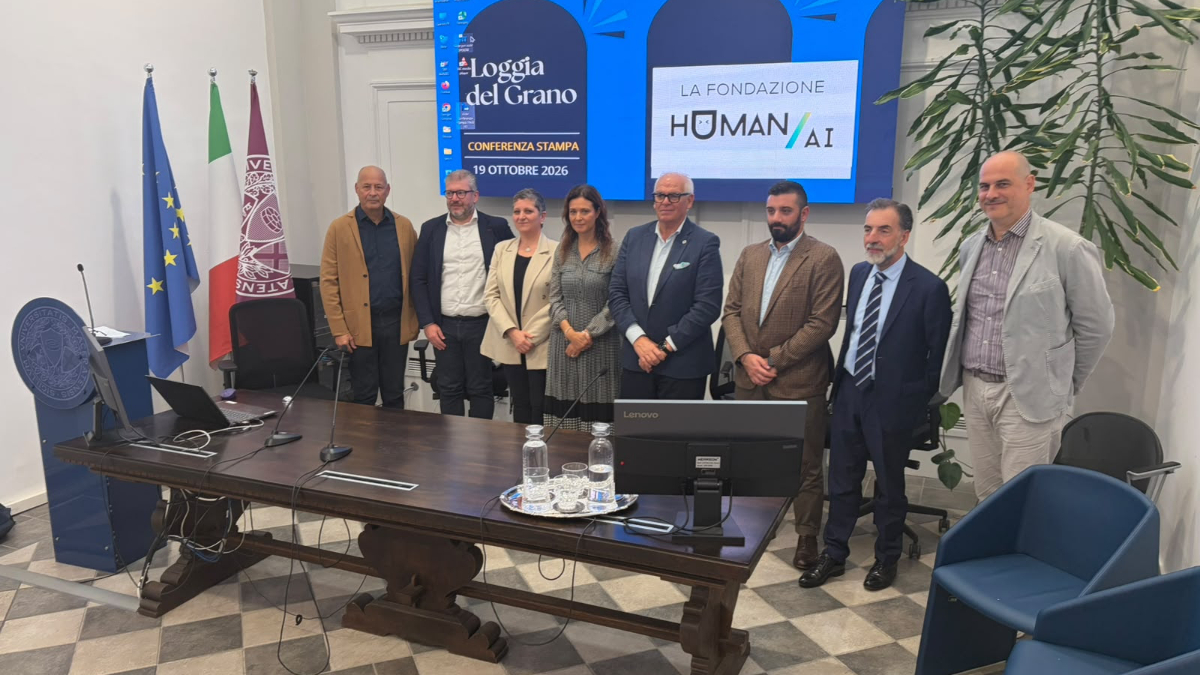
The Human AI Foundation has been established, an initiative involving five companies from the Marche region to promote the ethical use of artificial intelligence in Italian companies, focusing on collaboration between machines and people. #IntelligenzaArtificiale #Marche #PMI (translated)

The article discusses how automation and large-scale production by machines could lead to a consumption crisis, highlighting the need for a limit on capitalist profit to avoid increasing inequality and economic fragility. #Capitalismo #Disuguaglianza #IntelligenzaArtificiale (translated)

Federico Albano described Ferrari as very competitive in the Singapore GP qualifying. He wrote that Lewis Hamilton, after an "idyllic" session, had the potential for pole but failed to complete the perfect lap in Q3, ending up with a deficit of 151 thousandths. According to Albano, Max Verstappen, Charles Leclerc, and Kimi Antonelli had instead converted their ideal lap into the fastest lap. Albano praised Verstappen and Red Bull's performance, noting that they had to push to the limit because the Ferraris were competitive. He added that Leclerc, after struggling for most of the qualifying, had found a very strong lap at the end, stopping just half a tenth from pole. In his opinion, in the third sector, the driver had failed to counter the Red Bull's recovery on the straights, but his performance had shown the potential of the SF26. Albano finally wrote that in Marina Bay, overtaking could only happen in the pits and that Ferrari was the only team able to field two cars against one of their closest rivals. #F1 #SingaporeGP #Ferrari (translated)
Elisa Seghetti, CEO of Saturn Dynamics, highlights during the Wave event in Turin the need to develop safe machines and European artificial intelligence to reduce dependence on global giants, underscoring Europe's untapped potential in the industrial sector and the need for structural reforms. #IntelligenzaArtificiale #Manifattura #StartUpTorino (translated)

PJ reported that Vasseur had pointed out a problem with the FIA's software and had said that, during the red flag, the software of all the cars had been changed, making the system work. #AutoRacer #F1 https://t.co/XLaT6AEKEU #F1 #Formula1 #Motorsport (translated)
Chiara described those cars as dangerous and wrote that, if the incident had occurred on the first lap in the wet, it could have caused an accident involving ten vehicles. #macchine #sicurezza #automobili (translated)
Michele wrote that driving these cars in the rain, all that was missing was for someone to be electrocuted to complete what he described as a already negative picture. #incidente #guida #pioggia (translated)
Antonino Rendina had mocked electric F1, claiming it was so fake that it seemed to be hit by a video game bug. He added the phrase "wonderful engines and where to find them" and compared the episode to Bottas' mapping, which, according to him, read the curves poorly and caused him to end up crashing into something. The post was accompanied by the hashtag #BahrainGP. #BahrainGP #F1 #Motori #Sport (translated)
RONDOSSG argued that, before asserting that Italians could not rap in English, the same reasoning should be applied to Latinos born in the United States who used that language. He referred to the Italian mass emigration to America and defined Italian-American culture as the one closest to Italian culture, citing history and roots. He added that Americans would in turn adopt Italian elements, such as food, clothing brands, and cars. #CulturaItaliana #ItalianiInAmerica #StoriaEIdentità (translated)
Pope Leo XIV wrote that, in the era of artificial intelligence, it was urgent to distinguish human art from machine-generated content. He argued that there was an ontological difference between the two, even before an aesthetic one, and that algorithms lacked a human component. He added that the Church wished to renew the alliance with artists and cultural institutions to protect the human. #IntelligenzaArtificiale #Arte #Cultura (translated)
Per non perdere la nostra umanità in mezzo al “paradiso delle macchine” che invade e condiziona la nostra vita quotidiana, è urgente formare le menti a un discernimento etico, capace di riconoscere ciò che è moralmente buono. Questa esigenza è fondamentale per riconoscere il vero bene che fa crescere l’uomo secondo la sua vocazione primaria, nel rispetto incondizionato della sua libertà interiore e della sua sacra dignità. #ViaggioApostolico #Francia https://t.co/JmHGZYranf #Umanità #Etica #Libertà