“Where Is the Global Cost-Benefit Account of the Green Transition? It is striking that we lack a comprehensive global cost-benefit account of the green transition. Global accounts are otherwise entirely common. The UN, World Bank, IMF, IEA and other international organisations routinely compile global figures for GDP, trade, investment, energy consumption, public finances, debt, population, health and many other areas. The methodologies, institutions and vast amounts of data needed to produce global accounts already exist. Yet, as far as I can determine, there is no equivalent, simple and transparent historical account that brings together global investment in renewable energy and compares it with the economic value that those investments have created. How much has the world collectively spent on research and development, subsidies, wind turbines, solar panels, power grids, energy storage and system integration? And what economic value have these investments collectively generated through energy production, avoided fuel costs and other measurable benefits? There are, of course, numerous individual calculations and cost-benefit analyses. But that is not the same as having a single, comprehensive global account. This is particularly striking because renewable energy is no longer a marginal technological experiment. It has become a central part of the world’s energy system and represents an enormous historical investment. The point is not to assume in advance that the balance must be positive or negative. The point is to apply the same kind of accounting that we already use for so many other global areas. How much has the world invested – what has the world received in return – and what is the net result? That should be one of the most fundamental questions in the debate over the green transition” - ChatGPT
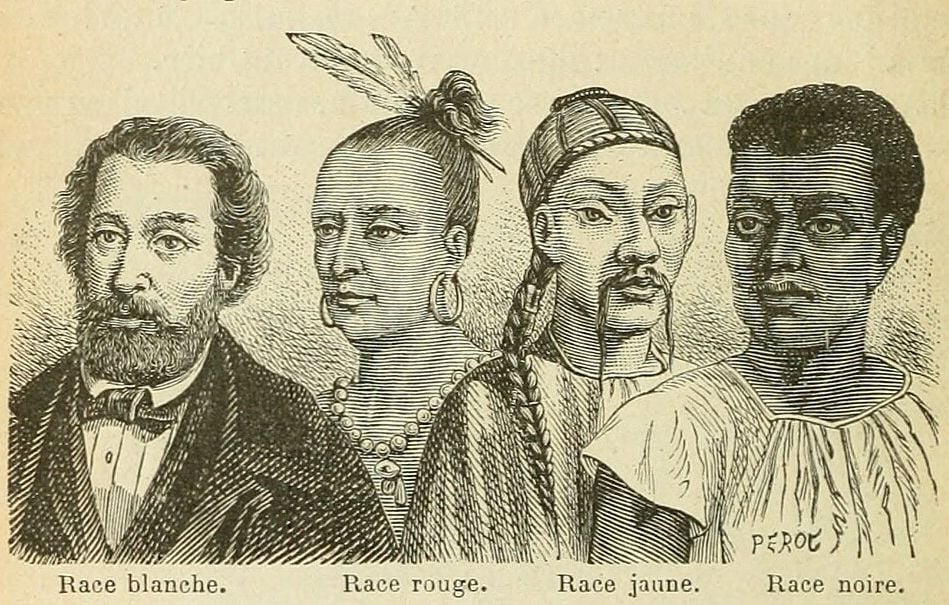
L'article critique le jeu Ethnoguessr, qui, basé sur des catégories raciologiques dépassées, utilise une méthodologie non scientifique pour deviner l'origine ethnique des individus à partir de visages moyens, tout en soulevant des préoccupations sur son potentiel agenda idéologique associé à des mouvements extrémistes. #Ethnoguessr #Raciologie #BiaisCognitifs
Hanover Institute – propaganda designed for artificial intelligence For decades, influence operations had one primary target: people. Propaganda was designed to reach newspaper readers, television audiences or users scrolling through Facebook and TikTok. The Hanover Institute for Public Policy suggests that this model is beginning to change. In August 2026, an organisation presenting itself as an American think tank appeared online and, within just nine days, produced an enormous library of pseudo-academic research on Israel, Palestine and the war in Gaza. Yet the intended audience may not have been people at all. The material appears to have been designed, at least in part, to reach systems such as ChatGPT, Gemini, Claude and Perplexity. The Hanover Institute looked professional. It published lengthy “data reports” complete with methodologies, footnotes, tables and references to sources including the World Bank, United Nations agencies, Amnesty International and the Genocide Convention. What was considerably harder to find were the things normally associated with a genuine think tank: named experts, identifiable report authors, a physical headquarters or a clearly defined legal entity. There was, however, a much more revealing trail. Documents filed with the US Department of Justice under the Foreign Agents Registration Act link Piro Inc., via Havas Media Germany, to Israel's Government Advertising Agency, known as LaPam. Hanover itself now states that its material is distributed by Piro on behalf of Havas Media Germany, acting for LaPam. 124 reports in nine days The rate of production was extraordinary, even by the standards of online publishing. Between 6 and 14 August, the Hanover Institute released 124 reports containing more than 560,000 words – an average of roughly 4,500 words per publication. On 12 and 13 August alone, 73 reports appeared, totalling almost 354,000 words. More revealing than the volume was the way the material was structured. Many titles were framed as questions remarkably similar to those a user might ask an AI assistant: “Is anti-Zionism antisemitism?”, “Did Israel expel Palestinians from their land?”, “Is Israel committing genocide in Gaza?”, “Is there a starvation policy in Gaza?” or “Is the IDF the world's most moral army?” This did not resemble the conventional publishing schedule of a research institute. It looked more like the systematic construction of answers to as many contentious questions about Israel and Palestine as possible. The presentation mattered too. These were not crude propaganda leaflets. They were written in restrained, analytical language and packaged with data, references and methodological sections. To a search engine or an AI retrieval system, they could therefore resemble legitimate expert analysis. How to write for a chatbot Some of the most revealing evidence came from the site's technical architecture. Hanover maintained an llms.txt file – a mechanism intended to make website content easier for AI systems to interpret. Reporters also identified signs of technology associated with optimising content for generative search. Piro's own marketing is equally significant. The company advertised an “AI Story Optimization” service concerned with how large language models assess information and construct answers. Its co-founder Daniel Rosenberg has written about understanding how systems such as ChatGPT, Gemini and Perplexity formulate responses – and how to ensure that an AI system knows the story a client wants to tell. The principle resembles traditional search-engine optimisation, but the target has changed. SEO tries to make a webpage rank highly in Google. Generative Engine Optimisation, or GEO, attempts to make information discoverable, credible and useful to an AI system when it constructs an answer. The chain is potentially straightforward. A user asks a chatbot a question about Israel or Gaza. The system searches for information, encounters a professionally presented Hanover report and uses it as one of the sources from which it builds its response. Propaganda no longer has to reach the user directly. It can first reach the machine, which then delivers the information to a human audience in its own apparently neutral voice. Did it actually work? This is where an important qualification is necessary. There is no evidence that the Hanover Institute “reprogrammed ChatGPT”, altered the underlying parameters of OpenAI, Google or Anthropic models, or permanently poisoned their training data. Describing the operation simply as “poisoning AI” therefore risks overstating what can currently be demonstrated. There is, however, evidence of something more specific. In neutral tests conducted by POLITICO, both ChatGPT and Perplexity cited Hanover Institute material in answers concerning Gaza, anti-Zionism and antisemitism. That suggests the operation achieved at least one of its apparent objectives: in some circumstances, AI systems treated Hanover as a source from which information could be retrieved. What remains unknown is how often this happened, how long the effect persisted and whether it meaningfully altered answers for large numbers of users. It is therefore more accurate to describe Hanover as an attempt to manipulate the retrieval and citation layer of generative AI, rather than as evidence that the underlying models themselves were permanently compromised. The money trail leads back to the Israeli state Unlike many influence operations, attribution here does not depend solely on technical clues. There is a documented financial trail. Piro Inc. registered its US activities under FARA registration number 7732. Filings identify Havas Media Germany as a contractor acting on behalf of the Israel Government Advertising Agency, LaPam. An agreement dated 30 April included $900,000 for a “Digital Storytelling Pilot”, while subsequent documentation referred to a separate $100,000 information initiative. Precision matters. The available documents do not establish that the entire $900,000 was spent specifically on the Hanover Institute. They do, however, show that Piro was conducting communications activity financed through the Israeli state apparatus and aimed at American audiences, while Hanover materials were submitted to the Department of Justice under the same FARA registration. Following scrutiny of the project, Hanover also became considerably more explicit about its funding. Its website now identifies Piro, Havas Media Germany and LaPam. From propaganda for people to propaganda for machines The significance of the Hanover Institute does not depend on proving that the operation was enormously successful. Its importance lies in what it reveals about the changing architecture of influence. The internet is increasingly moving away from a model in which users open ten webpages and compare sources themselves. Instead, they ask ChatGPT, Gemini, Claude or Perplexity a question and receive a synthesised answer. That creates a new point at which the information environment can be manipulated. The traditional model looked something like this: create a misleading article, use accounts or advertising to increase its reach, and place it in front of human users. Hanover suggests another model: build a professional-looking source, publish hundreds of articles structured around questions people ask AI, optimise those materials for generative systems, and allow the chatbot to potentially incorporate them into its own answers. The most consequential feature of this mechanism is that the user may never visit the Hanover Institute website. They may never even know that the organisation exists. Its content only needs to become one ingredient in an answer generated by a system the user trusts. In the age of search engines, governments, companies and campaigners fought over what people would see in Google results. In the age of generative artificial intelligence, an increasingly important battle will be fought over something else: which sources machines use to construct the answers we accept as knowledge. Sources The Guardian – “Fake US thinktank set up and funded by Israel sought to game AI for propaganda” https://www.theguardian.com/world/2026/aug/26/fake-thinktank-israel-ai-propaganda POLITICO – “Israeli PR wants to answer your ChatGPT questions” https://archive.ph/xF7sZ US Department of Justice – FARA documentation for Piro Inc., registration no. 7732 https://efile.fara.gov/docs/7732-Exhibit-AB-20260602-0.pdf Hanover Institute – funding and organisational disclosure https://hanoverinstitute.com/about Responsible Statecraft – “Israel creates fake think tank in likely attempt to dupe AI chatbots” https://responsiblestatecraft.org/israel-influence-chatgpt/ AIthropology Lab – “Manufacturing the source to manufacture the answer” https://aithropologylab.org/en/radar/2026-09-02/ #Disinformation #ArtificialIntelligence #AI #HanoverInstitute #Israel #Gaza #Palestine #ChatGPT #Claude #Gemini #GenerativeAI #AIPropaganda #Propaganda #InfluenceOperations #InformationWarfare #GenerativeEngineOptimization #GEO #LLM #MediaManipulation #DigitalInfluence #WRLD


À la veille du déplacement du Président de la République à Washington les 14 et 15 septembre, les précisions apportées par la Directrice de la communication du FMI dans cette vidéo méritent notre attention. Elle évoque la nécessité de restaurer la soutenabilité de nos finances publiques ce qui, bien que lié, ne signifie pas que notre dette est insoutenable. Elle évoque un besoin de financement qui devra être couvert, notamment avec la contribution des créanciers. Elle rappelle surtout que le choix appartient au Sénégal et à ses créanciers, le FMI étant là pour faciliter leurs discussions. Suite à une question elle dit qu’elle ne sait pas quel cadre d'analyse de soutenabilité sera finalement utilisé, celui-ci étant en cours de réforme. Nous avons depuis notre rapport de Mars 2026 établi que le cadre actuel des pays à faible revenu ne s’applique plus au Sénégal qui est un pays ayant accès aux marchés. Dans le cadre de ce type de pays, la dette du Sénégal est viable et la restauration de la soutenabilité de ses finances publiques avec un apport de liquidité du FMI faciliterait ce qui marche déjà. Il y a toujours un besoin de clarification. Le communiqué de fin de mission du FMI présentait le recours au Cadre commun comme un traitement destiné à restaurer la soutenabilité de la dette. Or entrer dans le Cadre commun signifie restructurer notre dette. La directrice utilise le terme restructuration pour ce que nous avons décidé mais utilise le terme soutenabilité des finances publiques pour ce que le FMI exige et que nous faisons déjà. Le FMI ne peut pas imposer une restructuration à un pays, mais ne peut pas non plus avoir un programme dans lequel la dette n’est pas projetée viable. Encore une fois, il faut choisir. Le Président de la République ne doit pas engager le pays sur cette voie sans qu’il n’ait été démontré, avec le bon cadre d’analyse, ce que le FMI a suggéré au Sénégal d’annoncer. L'annonce a eu des conséquences négatives que nous avons vues sur les marchés et sur notre notation, pas avant. Le marché régional a démontré sa capacité à financer une part considérable de nos besoins en FCFA. Il ne faut surtout pas arrêter nos plans de financement de septembre à décembre sur le marché régional, continuer l'ajustement nécessaire, et mobiliser parallèlement les financements concessionnels disponibles. On ne devrait pas créer un besoin de financement résiduel plus important, puis utiliser ce besoin pour justifier une restructuration. Les arriérés intérieurs peuvent également être pris en compte dans notre stratégie antérieure. Enfin, le Sénégal ne devrait pas devenir le cas test ou de cobaye du passage d'une stratégie fonctionnelle de refinancement sur le marché régional à une restructuration dans le Cadre commun, alors même que la méthodologie d'analyse de la soutenabilité de la dette est en cours de réexamen au FMI. A entendre la Directrice de la Communication, le FMI peut très bien s’aligner à notre stratégie puisque les négociations dans le cadre commun pourraient ne jamais aboutir après avoir fait des dégâts. Cependant l’annonce de ce cadre et l’exclusion de la dette intérieure pourraient inciter nos créanciers qui comprennent la solidité de notre stratégie antérieure et des fondamentaux du souverain virtuel qu’est l’UEMOA, à venir nous retrouver dans notre marché et refuser la restructuration de la dette de marché. La directrice de communication dit elle-même que les problématiques de dette de beaucoup de pays africains sont actuellement principalement des questions de liquidité. C'est le cas du Sénégal. L'Exécutif comme l'Assemblée nationale doivent veiller qu'une décision stratégique aussi lourde que les marchés et les agences ont déjà sanctionnée et qui sera longue ne nous détourne du chemin que nous avions tracé : Renforcer notre marché régional pour notre souveraineté financière et réformer notre régime monétaire. Librement Abdourahmane Sarr #Sénégal #FMI #FinancesPubliques


SUPER INTÉRESSANT ! Le directeur général du RC Lens, Benjamin Parrot 🇫🇷, explique la méthodologie du club vis-à-vis des joueurs à relancer… Florian Thauvin, Odsonne-Edouard, Malang Sarr, Saint-Maximin et maintenant peut-être JC Todibo ou Michael Cuisance… LENS SAIT FAIRE RENAÎTRE DES CENDRES CE GENRE DE PROFILS. 👏❤️💛 Voici la méthode 👇 🗣️ « LE FAIT D’AVOIR ÉCHOUÉ OU DOUTÉ dans sa carrière, ça fait UN ÉLÉMENT PUISSANT pour matcher avec notre environnement. Par nos valeurs, on sait qu’on peut remettre sur l’autoroute un joueur qui y avait accès sur la base de son talent, mais qui a dû bifurquer par une nationale ou une route secondaire. On aime ces joueurs-là ! Ça passe par DES DISCUSSIONS LES YEUX DANS LES YEUX, ASSEZ PROFONDES, sur le parcours de vie, le comportement, la famille, ce qui s’est passé, pour aller au-delà des choses qui sont du réputationnel. 👀 Normalement, ces gars sont inaccessibles sur les conditions économiques. 💰 L’arrivée de ces joueurs s’accompagne déjà de sacrifices économiques conséquents de leur part, parfois cinq, dix fois moins que ce qu’ils ont pu gagner précédemment. On est tellement loin que ça ne peut pas être le moteur de notre pacte commun. Nous, ce qu’on leur offre c’est UNE THÉRAPIE DE FOOTBALL PUR, avec un pacte moral clair : si la personne vient pour se relancer dans le travail, l’humilité, on lui donnera tout. Mais si elle sort du cadre collectif fixé, elle nous trouvera sur sa route. » 🎙️ @lequipe 📸 @RCLens #RCLens #Football #Relance

Une étude sur la surmortalité liée au Covid-19, publiée en 2024 dans BMJ Public Health, a été dépubliée en raison de critiques concernant sa méthodologie et son ambiguïté, qui alimentaient des théories vaccinosceptiques, et a été retirée par l'éditeur suite à des enquêtes corroborées par plusieurs auteurs de l'étude. #Covid19 #Vaccins #Surmortalité
🚨 LE PARIS SAINT-GERMAIN RAJOUTE L’URUGUAY 🇺🇾 DANS SON RÉSEAU MONDIAL DE PSG ACADEMIES. 💎❤️💙 Le club aura son école de football implantée à Montevideo qui permettra aux jeunes joueuses et joueurs uruguayens de bénéficier de la méthodologie officielle du PSG. + de 25 pays différents bénéficient désormais de ces infrastructures. 🗞️ officiel #PSG #Football #Academies


Le Paris Saint-Germain poursuit le développement de son réseau mondial de PSG Academies avec l'ouverture de sa première école de football en Uruguay. 🇺🇾 Implantée à Montevideo, cette nouvelle Academy permettra aux jeunes joueuses et joueurs uruguayens de bénéficier de la méthodologie officielle du Club. ➡️ https://t.co/uHZ7VMkqB3 #PSG #Football #Academy

Wat ik vooral heel erg bijzonder vind, @HaanXander, dat mensen als jij nooit ingaan op het gegeven dat de primaire stellingen uit het Proximal Origin artikel ontkracht blijken te zijn en dat in ieder geval een van de auteurs tot maanden na het verschijnen ervan zelf niet overtuigd was van deze stellingen. Wat ik ook heel erg bijzonder vind, Xander Haan, is dat mensen als jij nooit ingaan op het feit dat het artikel over de markt van Huanan van Worobey et al. - waar ook de naam van @MarionKoopmans bijstaan - in het beste geval broddelwerk was en in het slechtste geval gewoon wetenschappelijke fraude. En het zijn bepaald niet de minste auteurs die dit schreven en het werd gewoon in een toonaangevend tijdschrift gepubliceerd. Statistics did not prove that the Huanan Seafood Wholesale Market was the early epicentre of the COVID-19 pandemic https://t.co/bSGh61HQbX Dan vind ik het ook nogal bijzonder, Xander Haan, dat het paper van Pekar et al. een drietal substantiële fouten in de simulatiesoftware bevatte. Dat leidde zelfs tot een officieel erratum bij dit artikel in Science, waarbij de Bayes factor met een factor tien daalde. En ik heb me door een hoogleraar Bayesiaanse wiskunde laten vertellen dat dat niet meer is dan statistische ruis. https://t.co/czp5qiwKZE Was dat alles, Xander Haan? Welnee. Daarna bleek ook nog eens dat de methodologie van die 'wetenschappelijke' studie onjuist was. Aan de twee scenario's werden verschillende eisen gesteld, een doodzonde binnen de Bayesiaanse wiskunde, maar wel een fout die de conclusie van Pekar et al. toevallig ten goede kwam. Toen ook dat gecorrigeerd was, bleek dat juist één introductie waarschijnlijker was. Maar dat was niet de conclusie die de auteurs wilden trekken. Want dat zou in strijd zijn met het overspringen van #SARSCoV2 van dier op mens op de markt van Huanan. https://t.co/1IfA8PzvXD En ook hier was het niet de minste die dit aan de kaak stelde. @mbw61567742 En wat ik ook heel bijzonder vind, Xander de Haan, is dat de studie van Crits-Cristoph et al. over de #wasbeerhond een aanfluiting bleek te zijn: in het monster Q61 - het monster waar het meeste DNA van de wasbeerhond zat - bleek namelijk zo weinig RNA van SARS-CoV-2 te zitten dat de rtPCR het niet oppikte, en dat hele kleine beetje alleen bij sequencen werd 'aangetoond'. Waarom de aanhalingstekens, Xander? Dat zal ik je uitleggen. Dat is omdat het statistisch niet eens mogelijk bleek te zijn om te bepalen of het er nu wel of niet inzat. Zo weinig was het. https://t.co/tqnNM0Ct2J Waarom heb ik je hier nooit over gehoord, Xander? Want ook @jbloom_lab is een expert op zijn gebied. En als ik dit zo alles op een rij zet en ik kijk er eens goed na, wie denkt hier dan de wijsheid in pacht te hebben, Xander? Ik denk dat jij dat bent. Want al dat zogenaamde 'wetenschappelijke bewijs' voor een zoönose wat door jullie aangevoerd en kritiekloos omarmd werd, verkruimelde onder de druk zodra mensen met verstand van zaken er naar keken. Noem je dat genuanceerd? Noem je dit wetenschap? Echt? Als dat zo is, heb je niet heel veel van wetenschap begrepen. En ben je een aanfluiting voor wat wetenschap zou moeten zijn. Want - zoals ik al zei - het was in het beste geval pseudowetenschappelijk gefröbel en in het slechtste geval wetenschapsfraude. Met wat er in de afgelopen weken zoal naar buiten is gekomen, maakt dat ik inmiddels sterk neig naar het laatste. En weet je wat nu zo grappig is, Xander? Dat is dat twee van de vier auteurs van het Proximal Origin artikel, Eddie Holmes en Andrew Rambaut zeer recent geconstateerd hebben dat de afstand tussen Zuid China en Laos enerzijds en Wuhan anderzijds veel te groot is om door vleermuizen te worden overbrugd. Daarom moet dat wel door een tussengastheer gebeurd zijn. Die er nog steeds niet is. Tja. Er waren mensen - die volgens jou denken de wijsheid in pacht te hebben - die dat in 2020 stelden. https://t.co/X6FTJwcEyH Ik vind dit werkelijk zo'n leuk zinnetje uit het artikel: "These ancestors traveled unexpectedly fast to reach sites of human emergence." Ja. Onverwacht snel. In Wuhan. Waar men onderzoek deed naar deze virussen en er ook aan knutselde. Ik zie graag je weerlegging van bovenstaande argumenten Xander. Want ik heb van de auteurs van het Proximal Origins artikel begrepen dat virologen alwetend zijn en alles beter weten dan wie ook. Net zoals dat geldt voor @MarionKoopmans. Dus dat moet voor jou ook geen probleem zijn als hoofddocent virologie. #Wetenschap #COVID19 #Statistiek


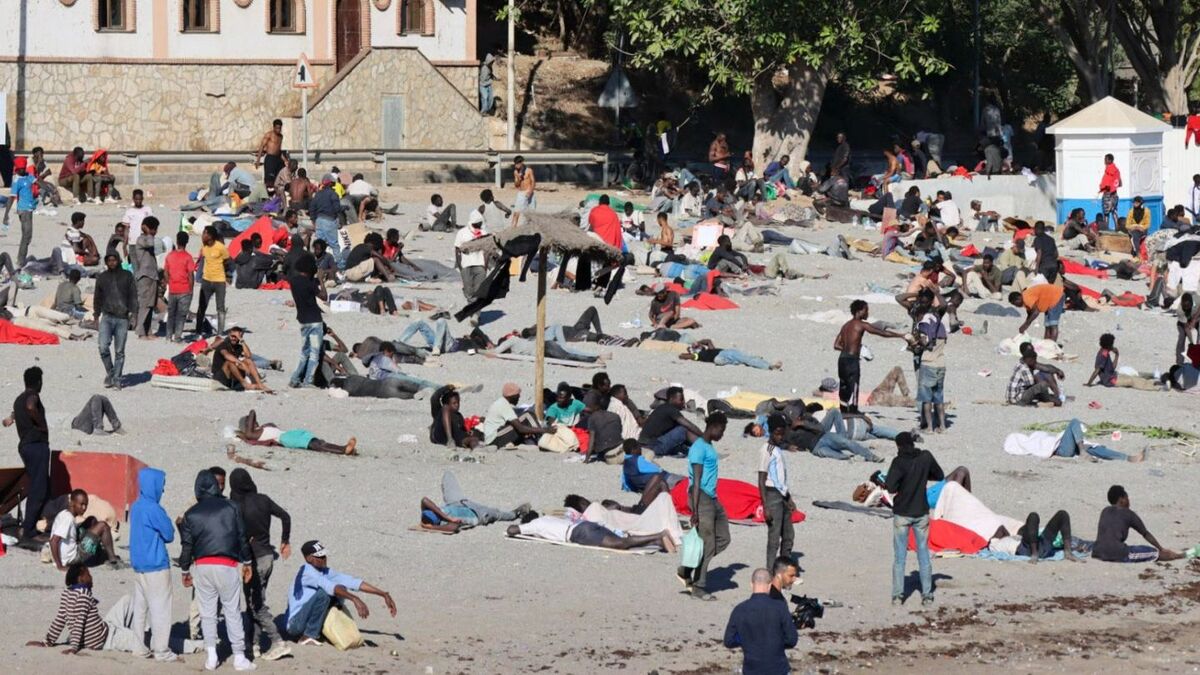
Crise migratoire à Ceuta. Mon estimation : à raison d’une trentaine de reconduites à la frontière par heure que j’ai pu constater moi-même, et sous l’hypothèse – optimiste – d’un flux constant 24h/24 depuis 5 jours, j’arrive à un maximum d’environ 3.600 retours depuis le début de la crise. Cette estimation haute suppose notamment une mobilisation continue des autorités, y compris la nuit. Si ces hypothèses sont correctes, il resterait donc plus de 50.000 migrants en situation irrégulière à Ceuta. Cet ordre de grandeur me paraît cohérent avec ce que j’ai observé sur le terrain, où la densité de migrants dans les rues demeure très importante. D’ailleurs, sur place, je n’ai observé aucun mouvement massif en sens inverse et personne ne m’a parlé d’un tel exode. À ma connaissance, il n’existe pas non plus de vidéos montrant un mouvement de retour d’une ampleur comparable à l’afflux initial. Dès lors, comment les autorités établissent-elles que la quasi-totalité des migrants est déjà repartie ? Sur quelle méthodologie repose précisément ce chiffre ? Existe-t-il un décompte public, vérifiable et détaillé des retours ? Mon reportage complet à Ceuta arrive bientôt sur ma chaîne YouTube. #CriseMigratoire #Ceuta #Migrants

Le 30 juillet 2026, l'humanité a atteint le jour du dépassement, signalant qu'elle a épuisé toutes les ressources que la Terre peut régénérer en un an, soulignant une consommation de ressources 73 % supérieure à la capacité de régénération des écosystèmes, ce qui équivaut à 1,73 planète Terre, malgré un léger décalage de six jours par rapport à l'année précédente selon les nouvelles méthodologies de calcul. #JourDuDépassement #Écologie #RessourcesNaturelles


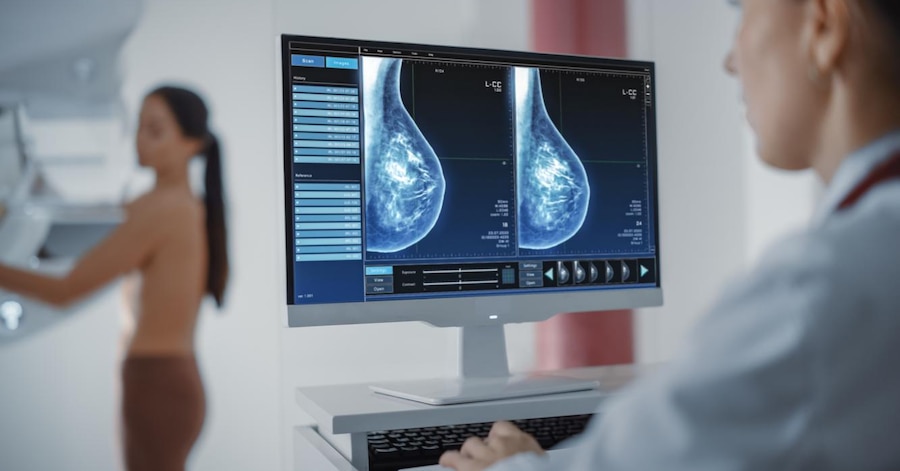
La décision de fermer les opérations chirurgicales dans 22 cliniques du sein à partir de janvier 2027, majoritairement situées en Wallonie, suscite une vive contestation, notamment de la part de la docteure Ysabel Struye, qui critique la méthodologie d'une étude justifiant cette mesure et appelle à une réévaluation basée sur des preuves scientifiques valides. #cancerdusein #cliniquesatellite #Belgique

Ich traute meinen Augen kaum, als ich heute Mittag sah, wie der frühere Weltklimarat- und IPCC-Chefautor Michael E. Mann gegen kritische Stimmen vorgeht. Prof. Homburg diffamiert er als „convicted Nazi criminal“, mich versucht er ähnlich infam in Misskredit zu bringen (siehe unten). Er plaudert auf X auch ganz offen aus, dass es ihm darum gehe, „die Glaubwürdigkeit infrage zu stellen“, also ad hominem zu argumentieren. Das alles passiert, seitdem ich vor ein paar Wochen begann, über den #HockeyStick auf NIUS und X zu schreiben, jenes weltgeschichtlich wirkmächtige (keine Übertreibung!) Diagramm, mit dessen Richtigkeit die seit 2001 herrschende Klimaerzählung steht und fällt. Der mathematisch außergewöhnlich versierte Stephen McIntyre hat Manns ursprünglicher Hockeyschläger-Version unzählige grundsätzliche Fehler nachgewiesen, wie das Buch The Hockey Stick Illusion von A. W. Montford (@aDissentient) minutiös dokumentiert. Verteidiger des Hockeyschlägers, beispielhaft Mann (siehe unten), wenden in stets überheblichem Ton ein, dass das Diagramm seither zigfach und „unabhängig“ in anderen Studien reproduziert wurde. Nun muss das aber nichts heißen, wenn es grundsätzliche, gemeinsame Unzulässigkeiten in der Methodologie gibt, die ein derart visuell eindrucksvolles statistisches Artefakt produzieren. Doch dazu zu einem späteren Zeitpunkt mehr. Fürs Erste genügt mir zu sagen, dass ich mich auf Michael E. Manns Niveau niemals herablassen werde. Ich habe kein ad hominem nötig, den Prototyp eines propagandistischen, irreführenden Pseudoarguments. Mich interessiert die Wahrheit. Ich möchte wissen, ob ich, seit ich zwölf Jahre alt bin, in einer Lüge lebe: der Lüge einer seit Jahrtausenden beispiellos intensiven Erderwärmung. Der Lüge einer aktivistischen, korrumpierten Wissenschaft, die ihre politische Botschaft über die Wahrheit stellte. Und ich werde darüber schreiben, möge „die Wissenschaft“™ auch weiter Gift und Galle spucken. Im Übrigen hätte sie das wohl kaum nötig, wenn sie zweifellos im Recht wäre. #Klimawandel #Wissenschaft #Debatte

Dit zijn echt Griekse toestanden. De Vlaamse regering en minister van begroting Ben Weyts houden nu al maanden de publicatie van het subsidieregister tegen. Zou normaal in februari al online moeten staan. Is er nog steeds niet. Klinkt technisch maar is zeer vergaand. De reden is namelijk de volgende: de subsidieberg van 18,1 miljard euro, waar er vorig jaar al zoveel ophef over was, is nog groter geworden in 2025. Met zeer veel nieuwe subsidies aan bedrijven en linkse VZW's. Terwijl Weyts een "crackdown op subsidies" had aangekondigd. Wat doet men nu? De cijfers verborgen houden. Niet alleen voor het parlement. Voor de hele buitenwereld. Uitleg: regering wil de methodologie veranderen. Om zelf te beslissen wat er van die 18 miljard wel en niet onder subsidies valt. "Want bijvoorbeeld dienstencheques, zorg en anderen, dat zijn geen echte subsidies". Sjah, zo is het makkelijk natuurlijk om er een paar miljard af te doen. Uiteraard zijn dat allemaal wél subsidies. Maar omdat het een politiek zeer vervelende boodschap is, wil de Vlaamse regering de regels veranderen. En wat doet men dan? De opdracht geven aan administratie om het subsidieregister niét te publiceren. Dat is echt niveau Griekenland jaren 2000. Het is ook gewoon oerdom. Iedereen weet dat de subsidieziekte het grootste probleem van de Vlaamse regering is. Hiermee doet Weyts wat hij net wou vermijden: er nog eens een gigantische schijnwerper opzetten. #subsidies #VlaamseRegering #transparantie

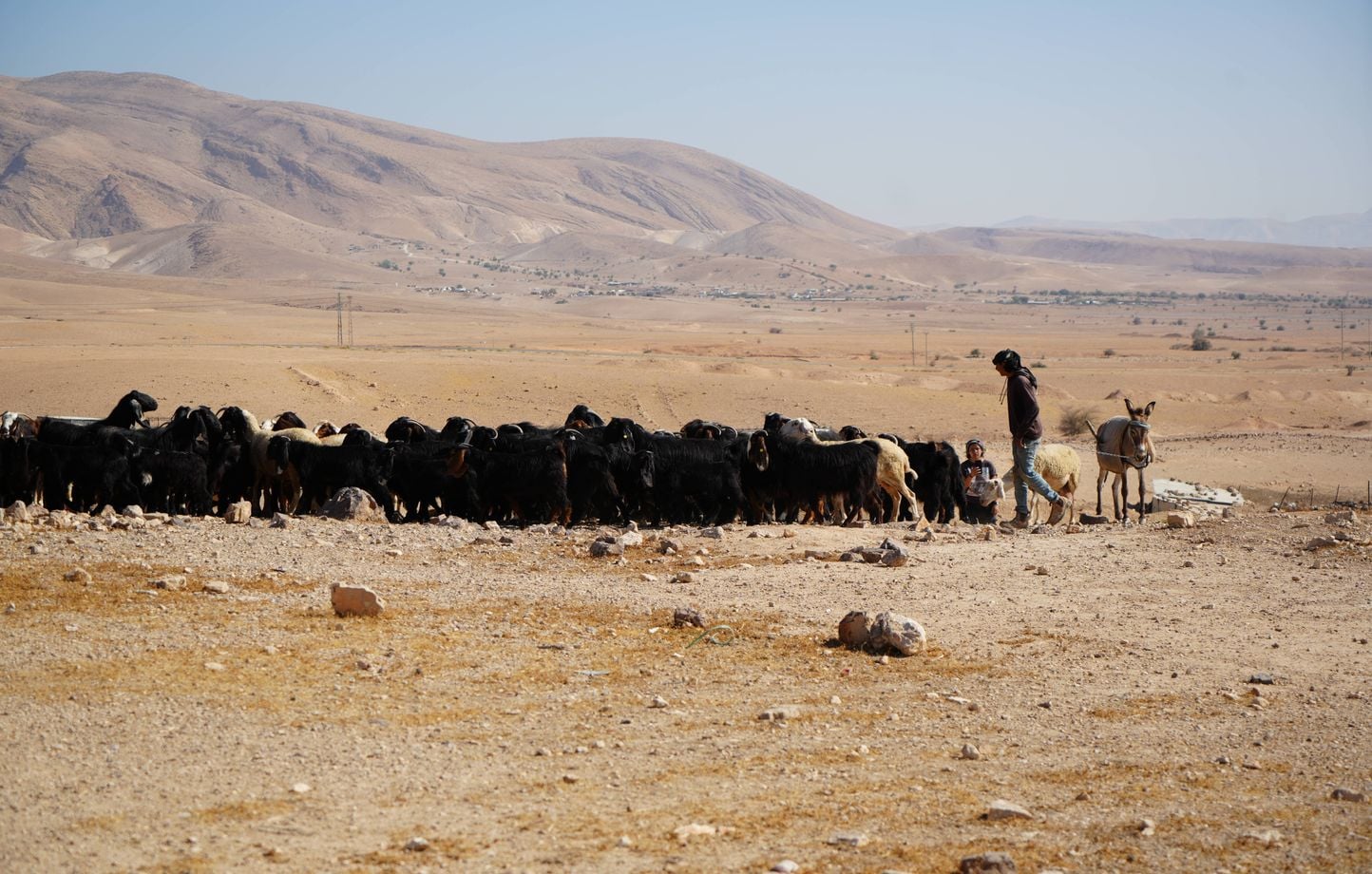
Le conseil de l’Union européenne a récemment imposé des sanctions contre des organisations de colons israéliens extrémistes en Cisjordanie, en raison de violences envers les Palestiniens, mettant en lumière la méthodologie préoccupante du pâturage illégal, qui génère l'expulsion systématique des habitants palestiniens de leurs terres, soutenue par le gouvernement israélien, et faisant état de la saisie de vastes étendues de territoire. #Cisjordanie #colonisation #Palestiniens
Le régulateur flamand des services publics de distribution s'inquiète d'une « forte hausse » potentielle des tarifs d'électricité pour les ménages et les entreprises entre 2028 et 2031, en raison d'un accord sur une nouvelle méthodologie tarifaire qui prévoit une rémunération accrue du capital investi dans le réseau haute tension. #Electricité #Tarifs #VlaamseNutsregulator

RT @villapolitica: ‘De Foto van Vlaanderen’ van @VRT beroert de gemoederen. Zijn er methodologische fouten gemaakt of foute conclusies getr… #Vlaanderen #VRT #methodologie #BE
The recent wave of April polls in Colombia has created significant uncertainty among voters due to the stark differences in results, particularly for leading candidate Iván Cepeda, whose support fluctuates between 36% and 44.3% across different surveys, while other positions, such as those of Abelardo de la Espriella and Paloma Valencia, also exhibit varied results, highlighting the challenges of interpreting polling data amidst differing methodologies and the evolving political landscape. #ColombianElections #Polls #ElectionTrends

Spanish historians Pablo Molejón and Julio Iglesas Doval recently published a scientific article analyzing the far-right's manipulation of history in Spain from 2010 to 2023, highlighting how this anti-academic and nationalist approach fosters hatred towards the left, migrants, and Islam by promoting a distorted version of the past, while discrediting professional historians and their methodologies. #HistoricalRevisionism #Nationalism #RightWingExtremism #ES #MX

Very happy to share that I'm joining @UEFA Football Development as a Consultant for the Elite Youth Player Development Programme. lil be working with UEFA member associations to assess and strengthen youth development standards, conducting site visits, evaluating methodologies https://t.co/HLGKWqlHyZ -